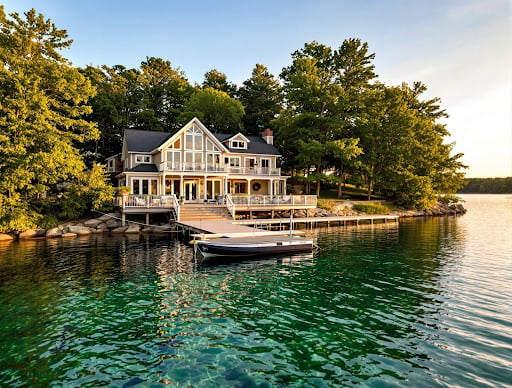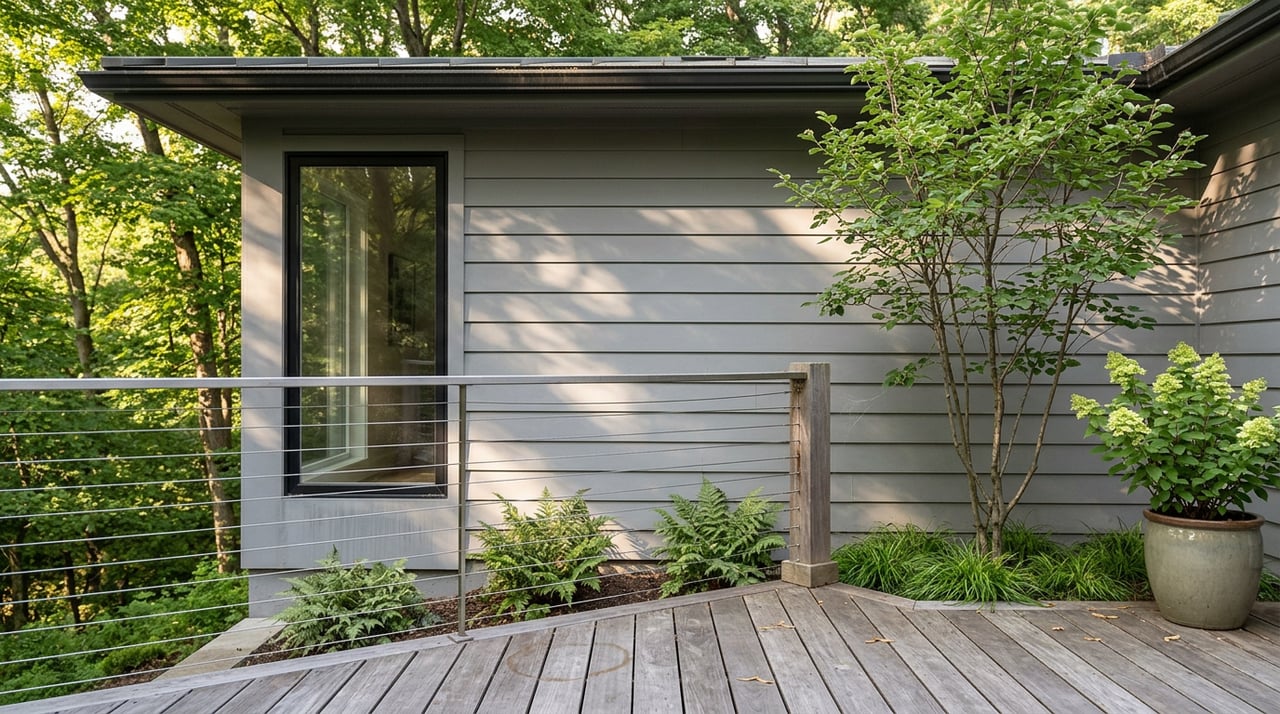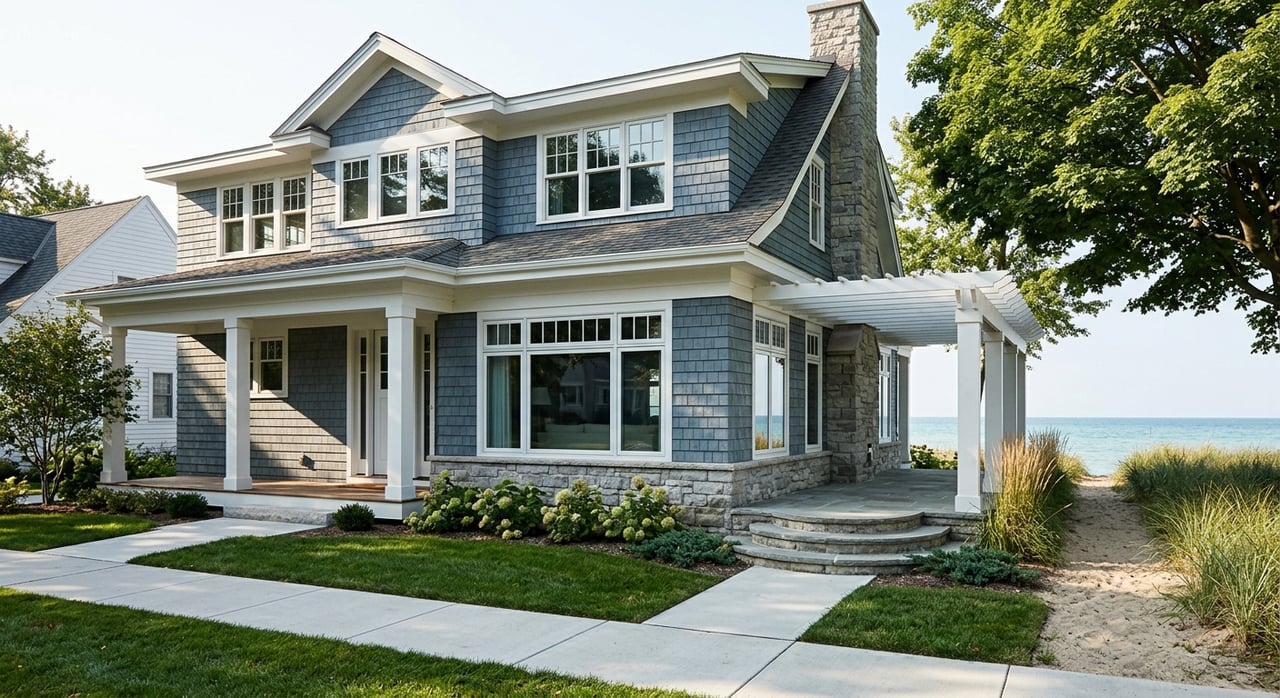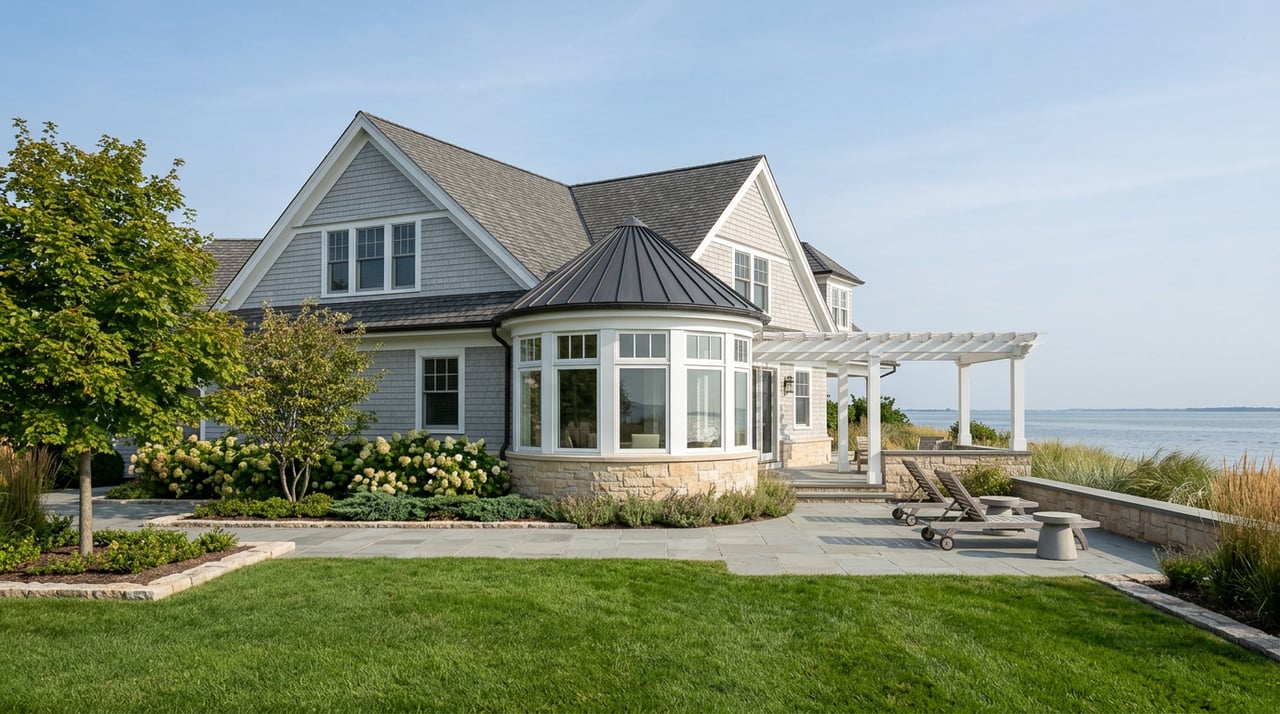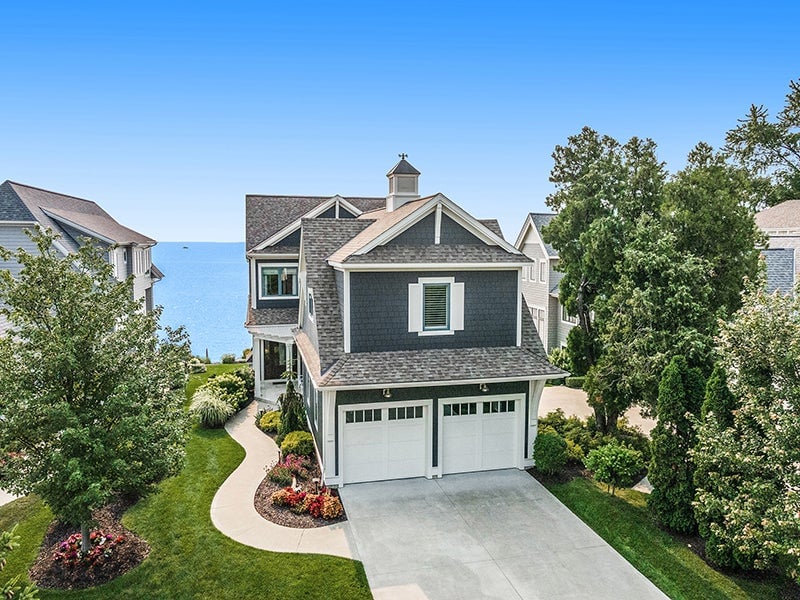
Wondering what your Lake Macatawa home is really worth right now? Pricing a waterfront property is not like pricing an inland home. You face questions about frontage, docks, water depth, and even flood risk that most sellers never see. In this guide, you’ll learn the lake-specific factors that drive value on Lake Macatawa and how to build a clear, defensible list price. Let’s dive in.
Know your lake, not your zip code
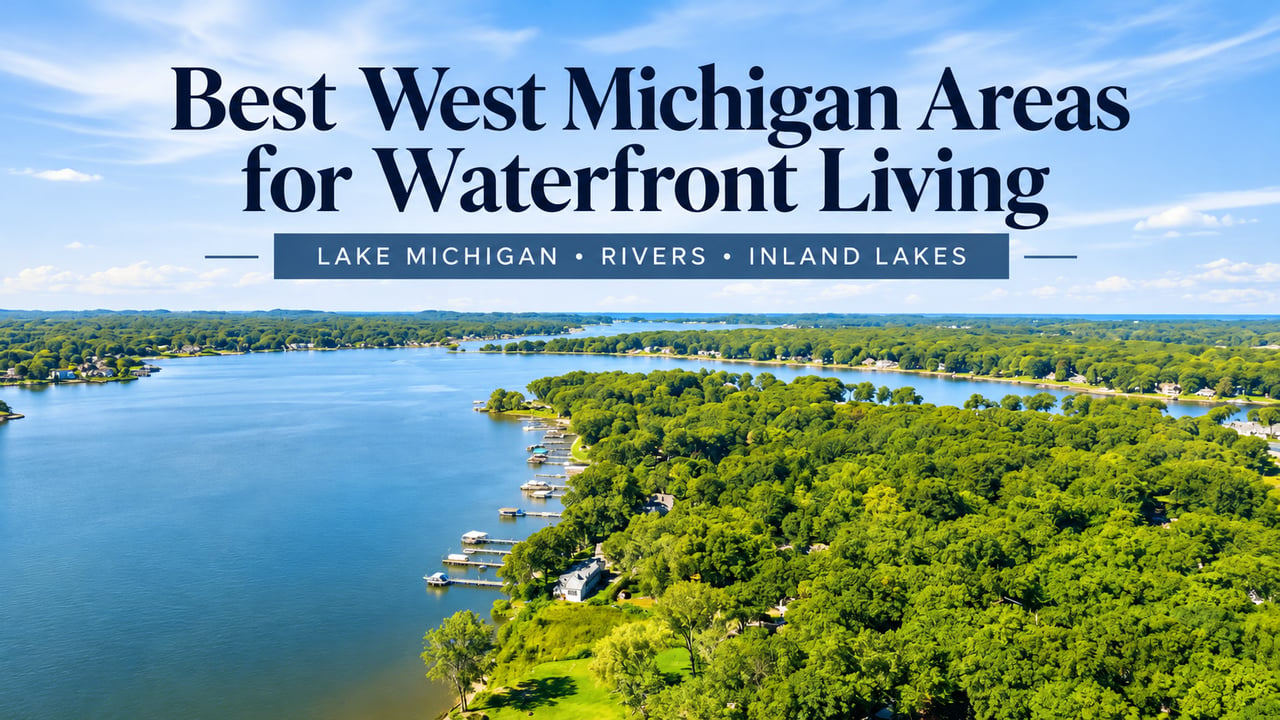
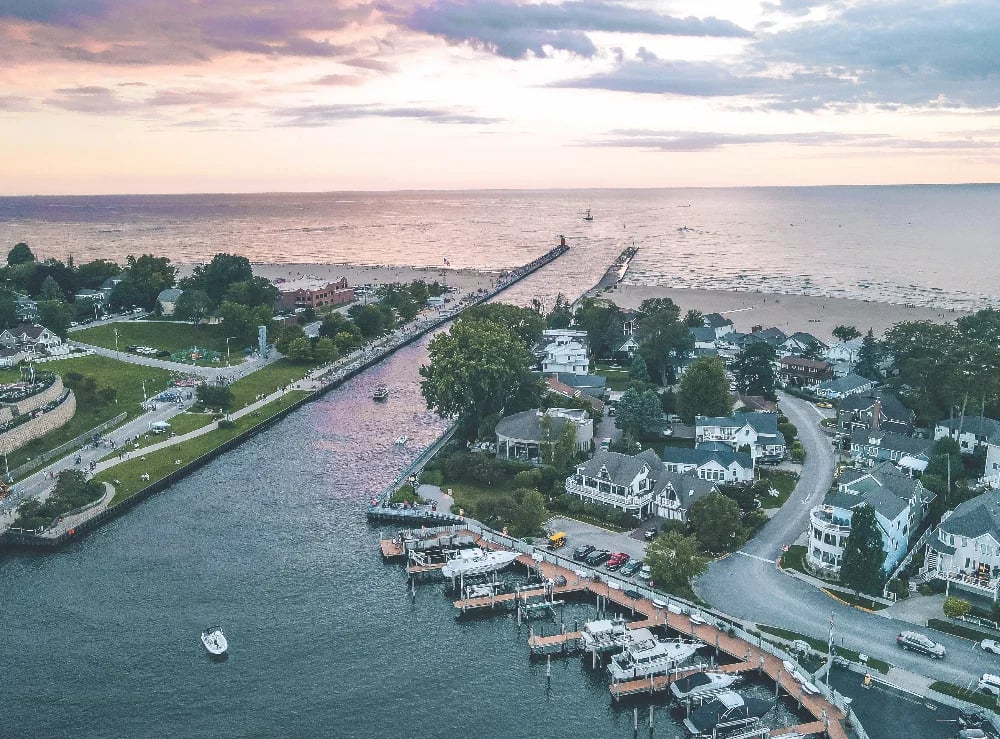
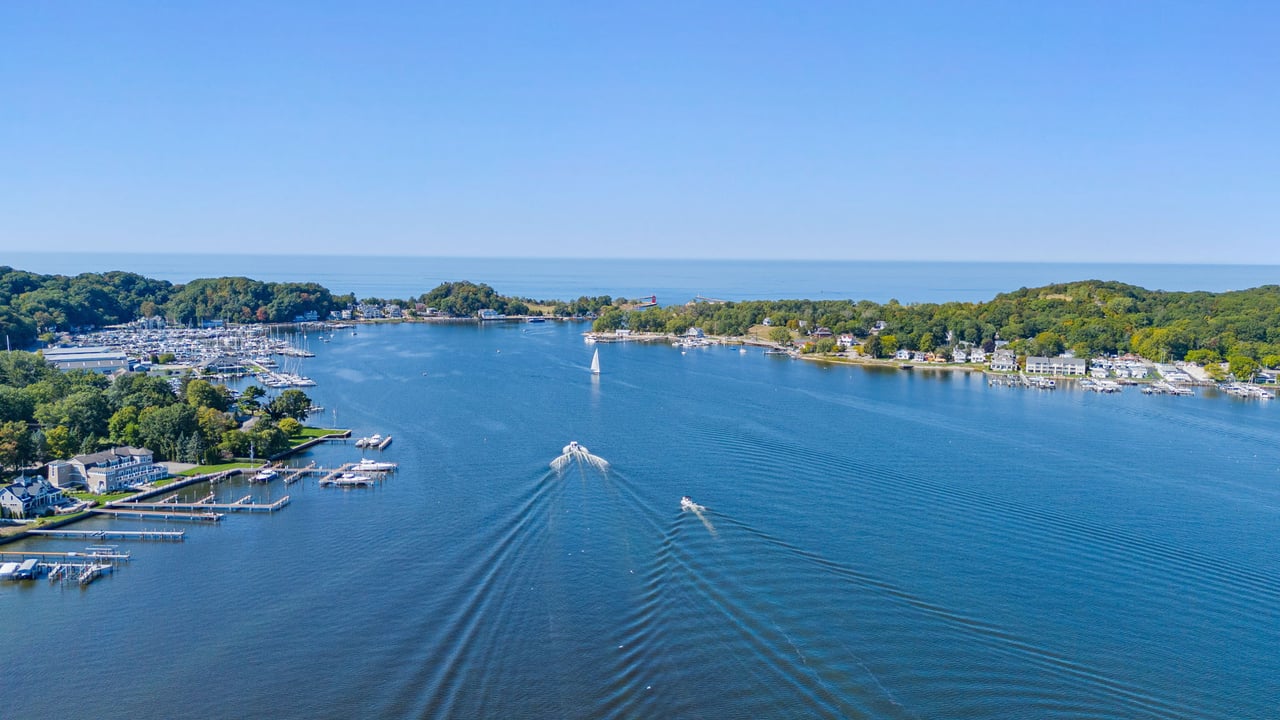
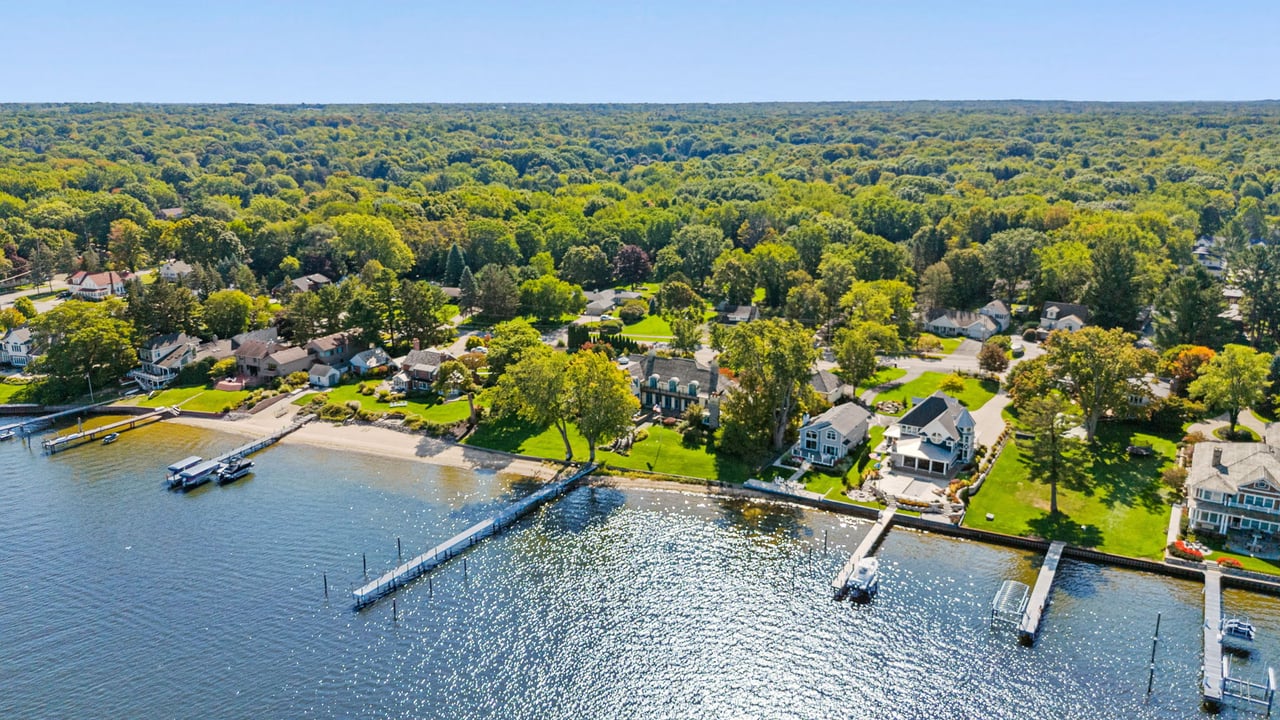
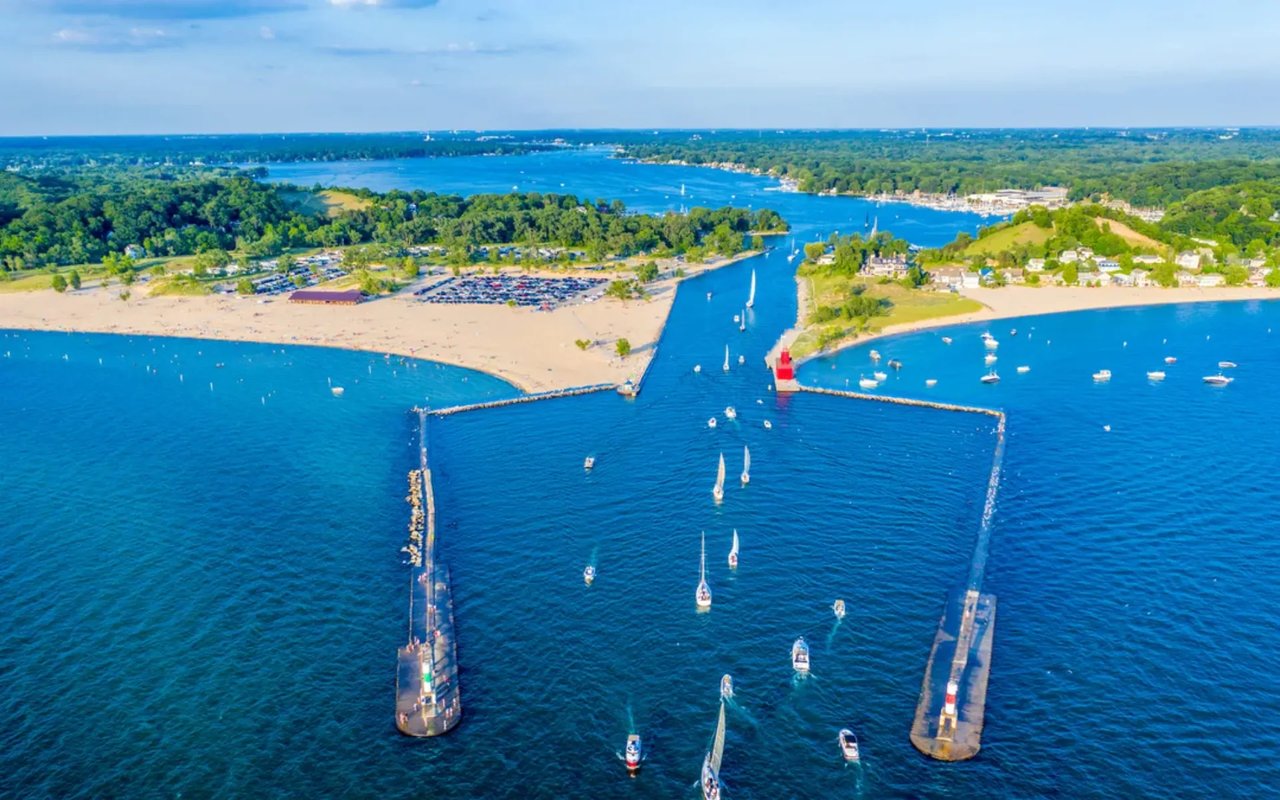
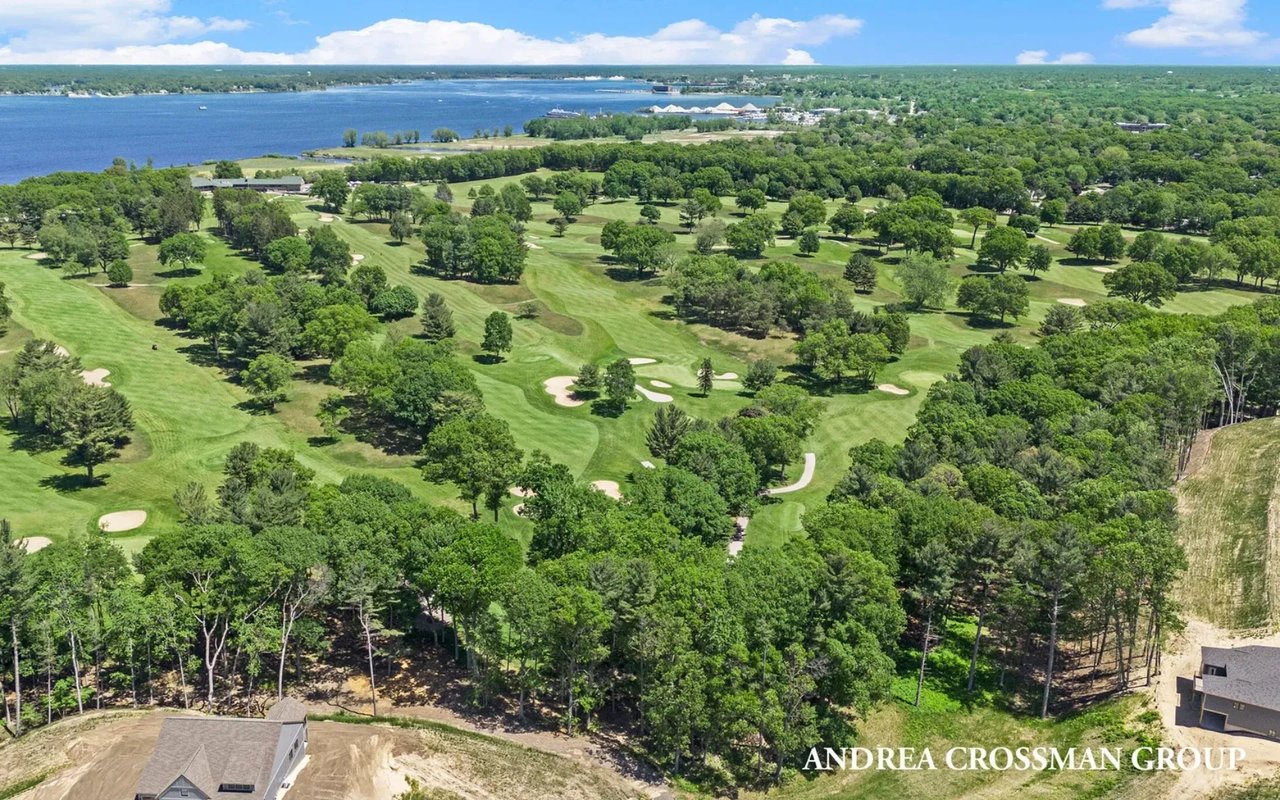
Lake Macatawa sits at Holland in Ottawa County and connects to Lake Michigan through a maintained navigation channel. It is a shallow, six-mile-long inland lake with a mix of residential shoreline and public parks. Get oriented with this quick overview of Lake Macatawa’s location and profile.
If you live in Lake Michigan Beach in Berrien County, keep in mind that sales and rules from Berrien do not automatically apply to Lake Macatawa. Local conditions on this lake are different, and buyers react to those details. For pricing, your best evidence is always recent, same-lake sales.
What drives your price on Lake Macatawa
Frontage and usable shoreline
Buyers pay for private, usable linear feet along the water. Sandy or gently sloping frontage is usually worth more than steep, rocky, or marshy edges. Measured frontage and your legal boundary at the ordinary high-water mark can shape both use and value. If you have questions about where public trust areas begin, review Michigan’s shoreline context and the ordinary high-water line framework used by attorneys and appraisers, as outlined in this state shoreline access explainer.
There is no universal price per front foot. The first feet of frontage carry outsized value, and then marginal value often tapers. Appraisers develop adjustments from local, recent sales on the same cove.
Water depth and channel access
Lake Macatawa is generally shallow, but a federal navigation channel is maintained for deep-draft access to Lake Michigan. That dredged route changes how certain shorelines are used and marketed. Proximity and a clear path to this channel can expand your buyer pool to include larger powerboat and sailboat owners. For context on ongoing channel maintenance, see the U.S. Army Corps of Engineers update on Holland dredging.
Two homes just a few lots apart can attract very different buyers if one has deep-water access and the other sits on a shallow bay. Pricing must reflect that difference.
Views and orientation
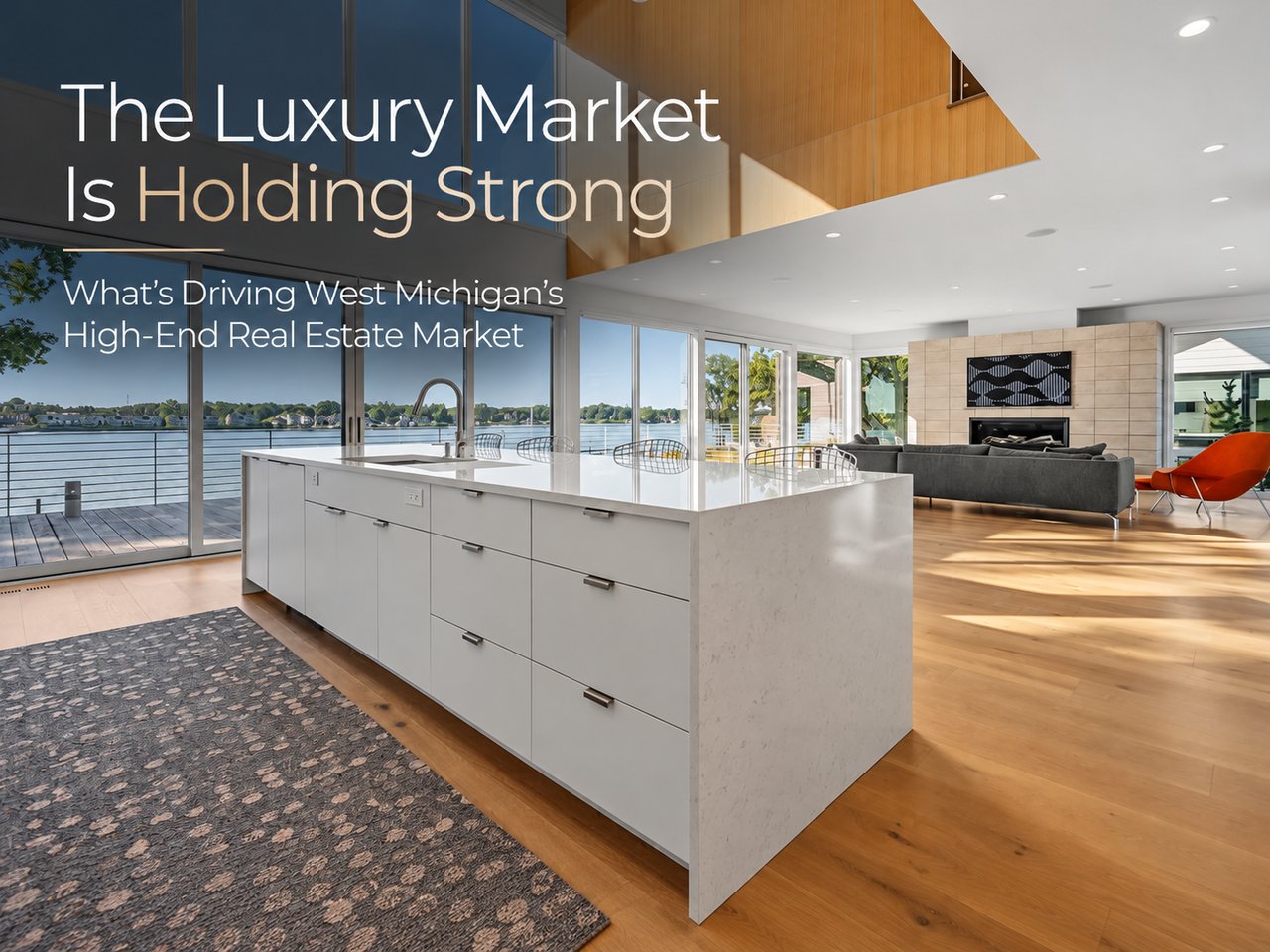
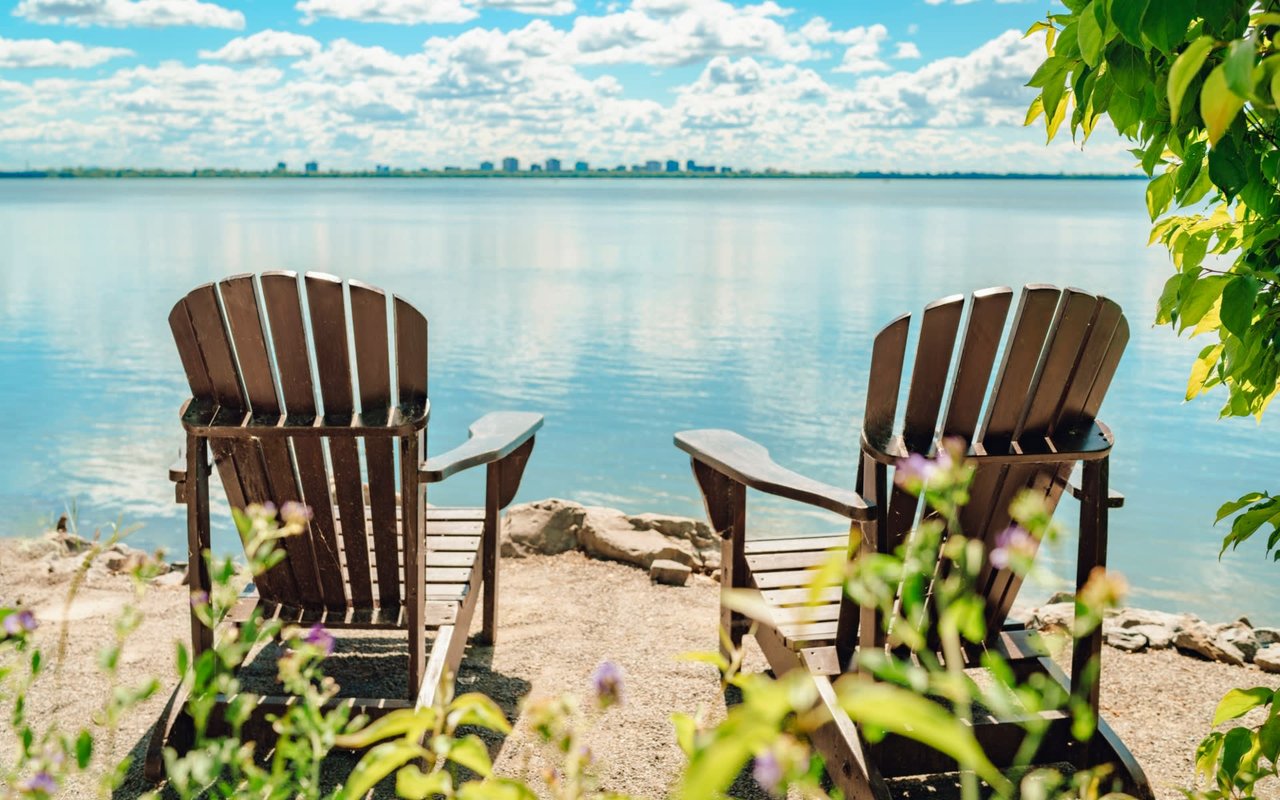
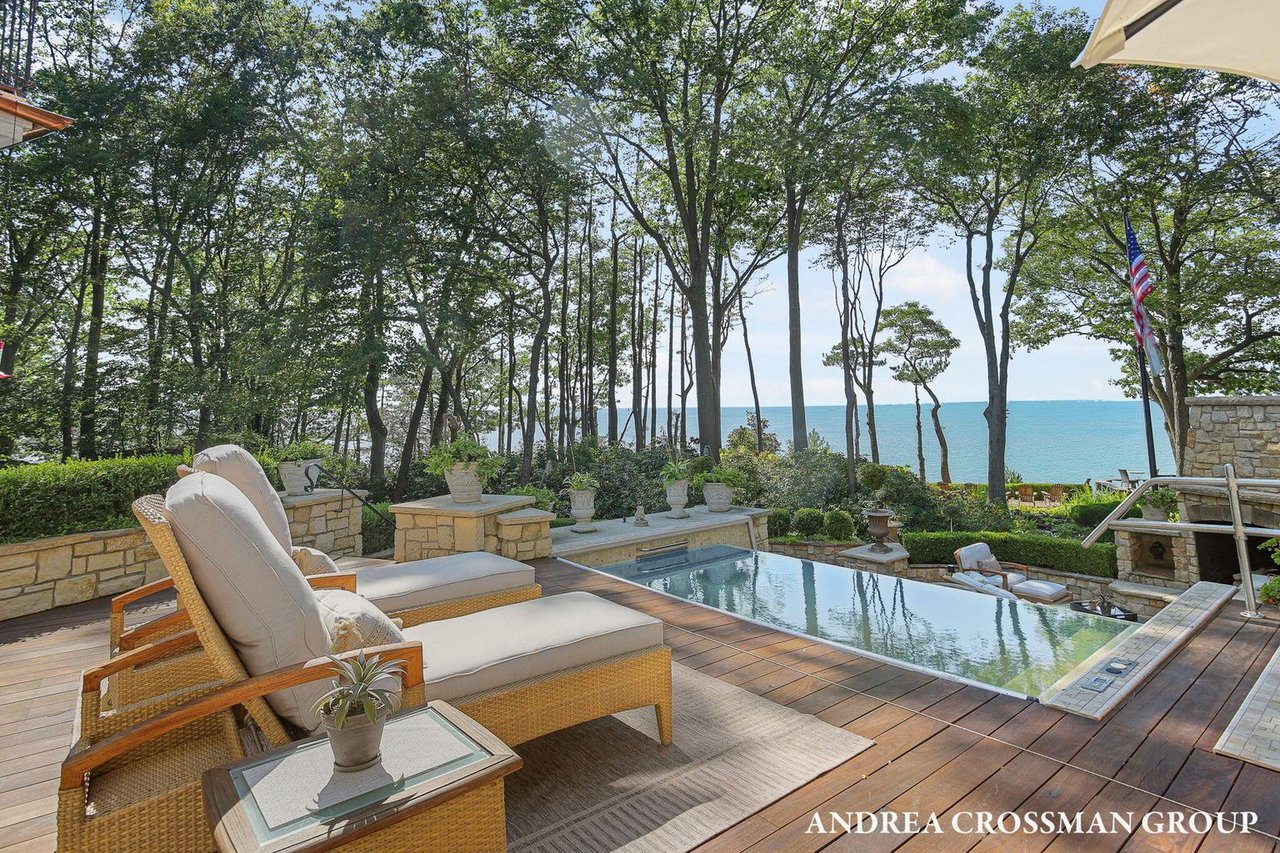
Wide, open-water views with strong sightlines and favorable light are consistently more desirable than partial or obstructed views. Seasonal leaf-on versus leaf-off visibility also matters in treed areas. Appraisers weigh view quality using local sales.
Docks, slips, and permits
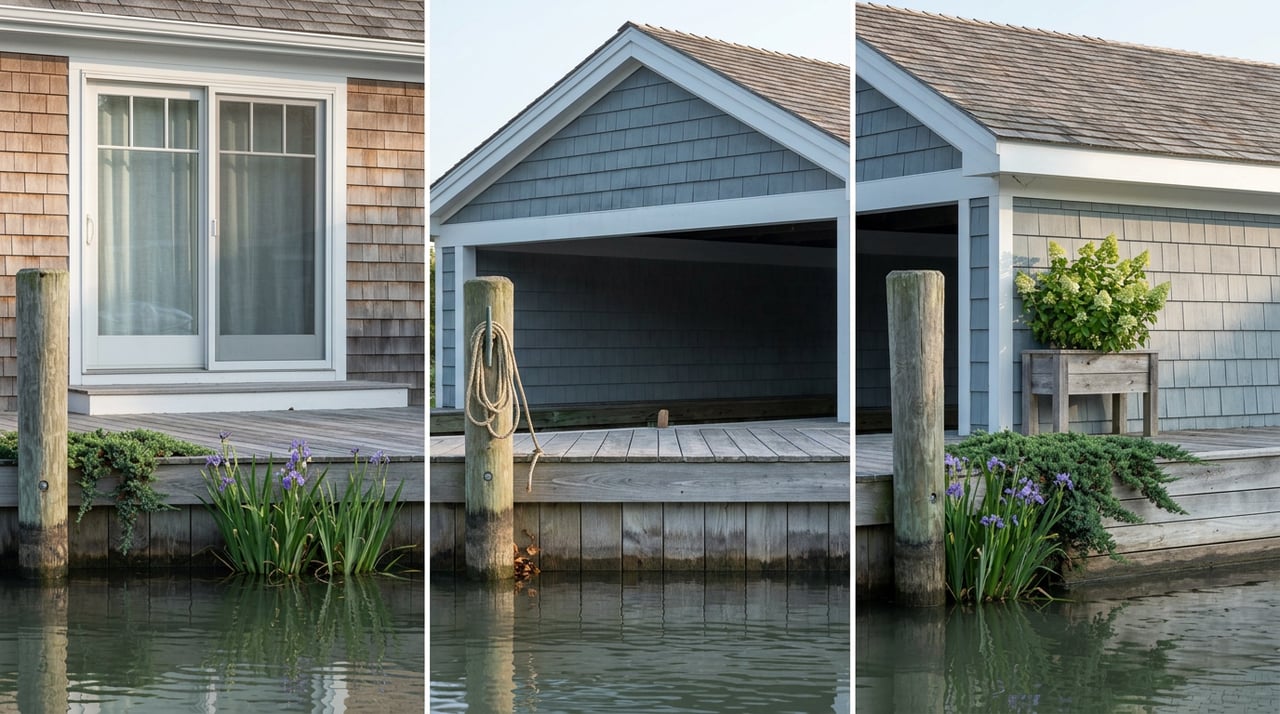
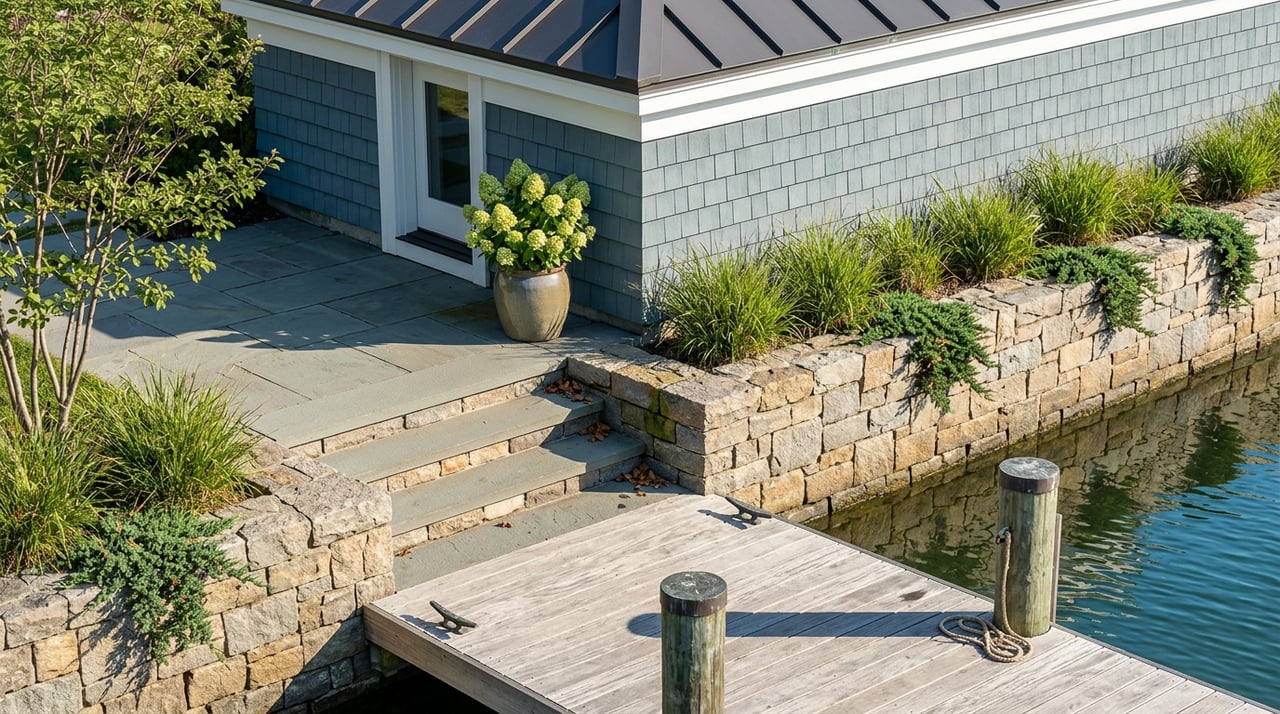
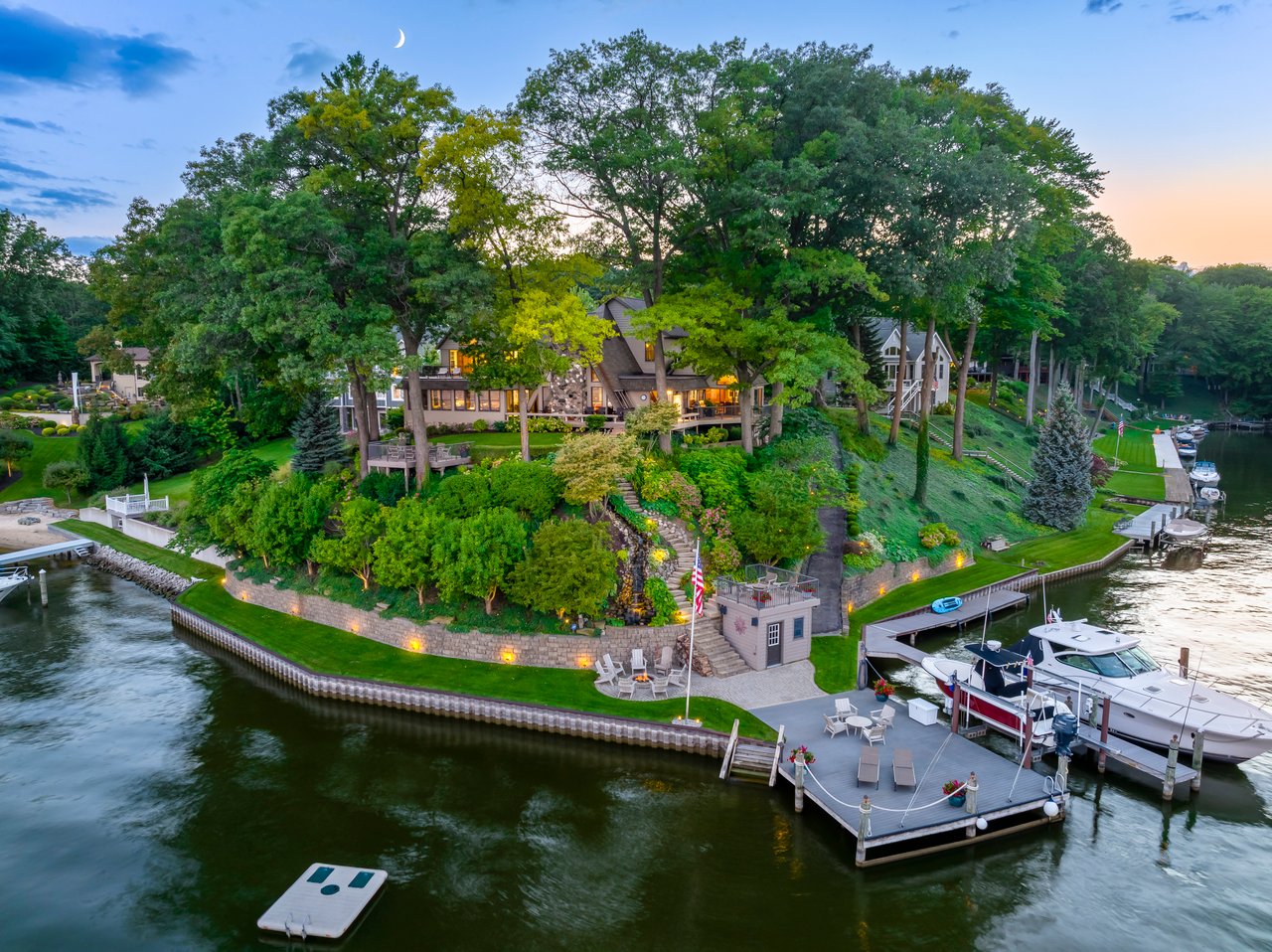
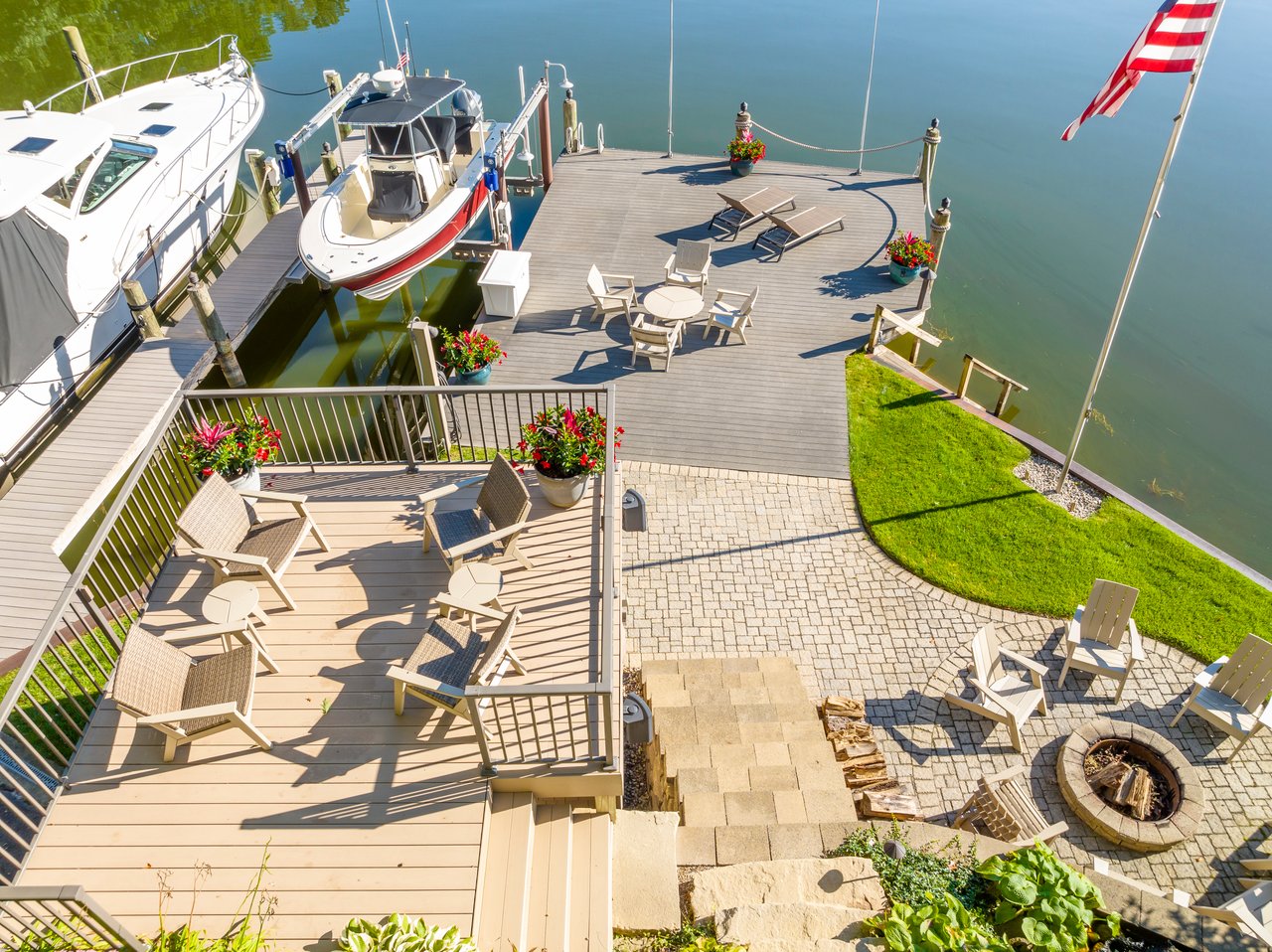
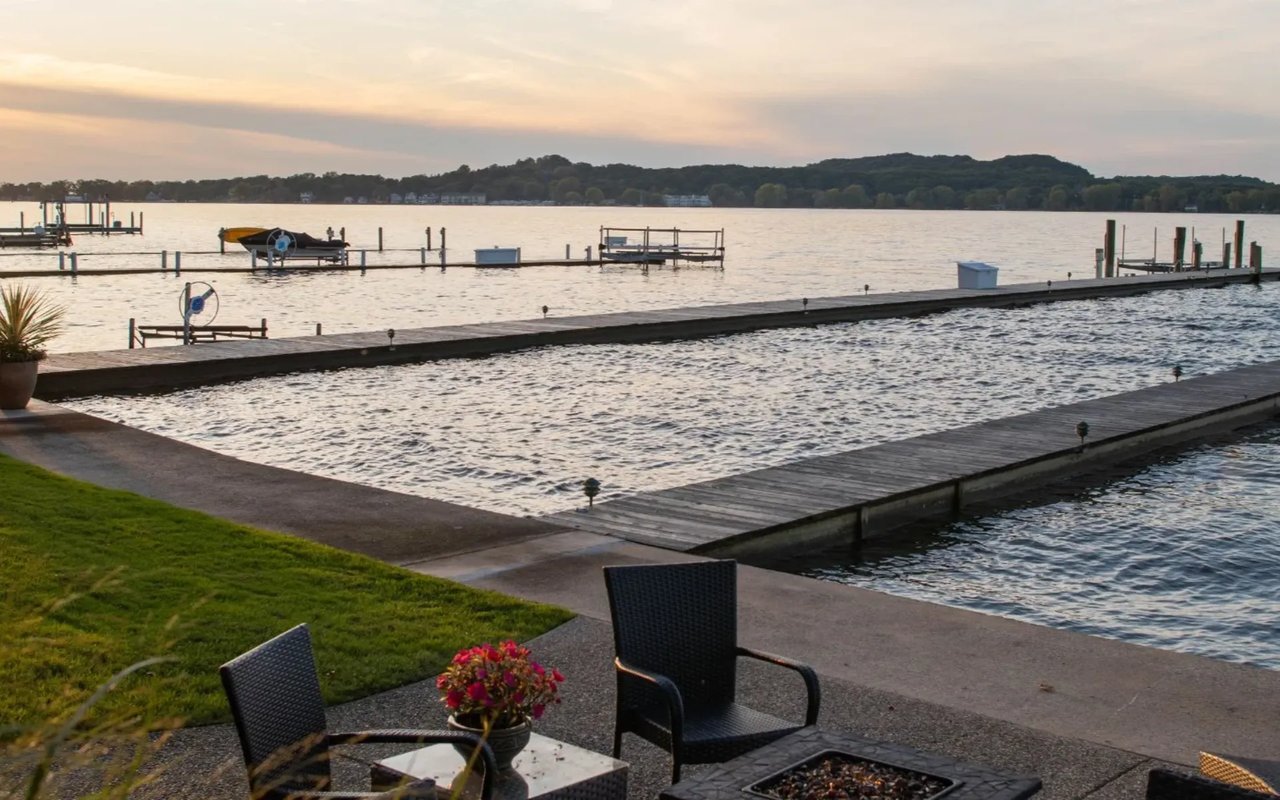
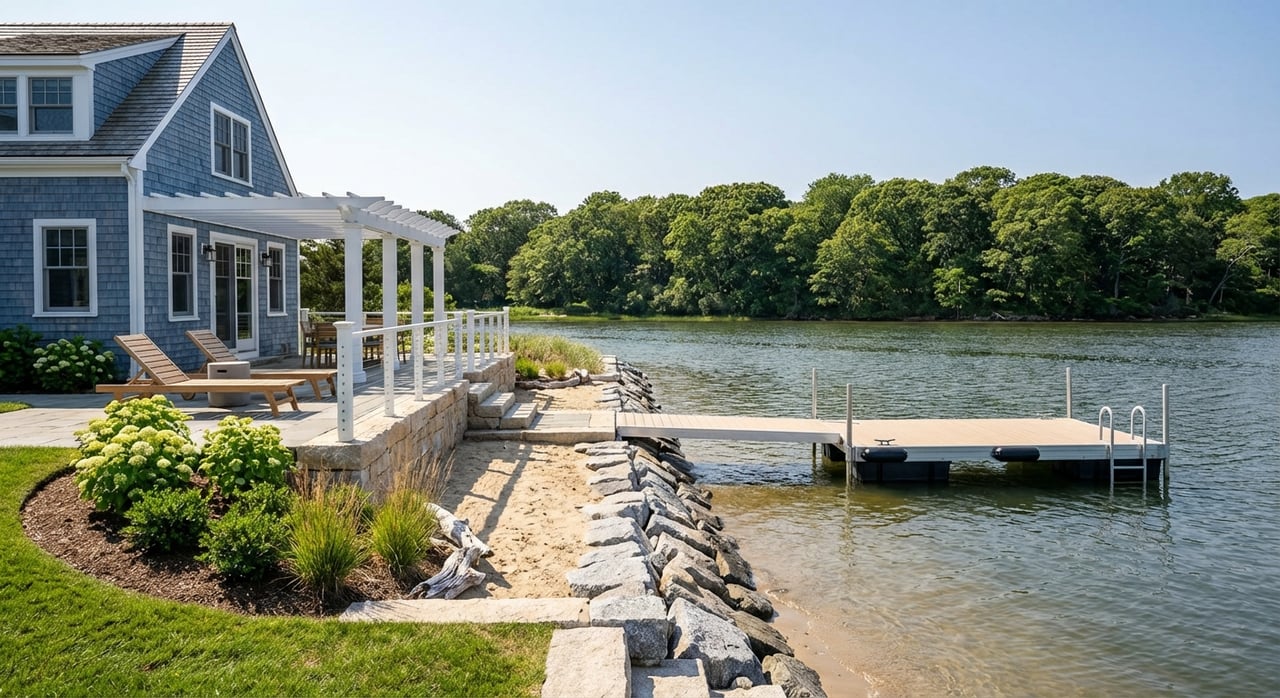
A permitted private dock or a deeded marina slip that transfers with the lot is a major convenience. Unpermitted structures or leased slips can carry little or no value. Local rules govern mooring, structure setbacks, and how many boats you may keep. Review Park Township’s docking provisions to understand what buyers and appraisers will ask about by checking local docking regulations.
Lake Macatawa also offers multiple marinas and yacht clubs, which can offset the need for a private dock for some buyers. Learn about marinas and services in the area from this Holland boating overview.
Water quality story
Water quality shapes both use and value. Lake Macatawa’s watershed partners track nutrients and clarity, and the community has invested in restoration work. Sellers who can document recent improvements or active projects give buyers more confidence. For the local program and monitoring context, start with the Macatawa Watershed overview.
Academic studies show that invasive plants and poor water quality can reduce lakefront prices. Buyers respond to credible evidence about clarity and habitat. If your shoreline has seen restoration or management actions, bring those records. See a research summary on value impacts in this peer-reviewed study on invasive species and property values.
Public access and boat traffic
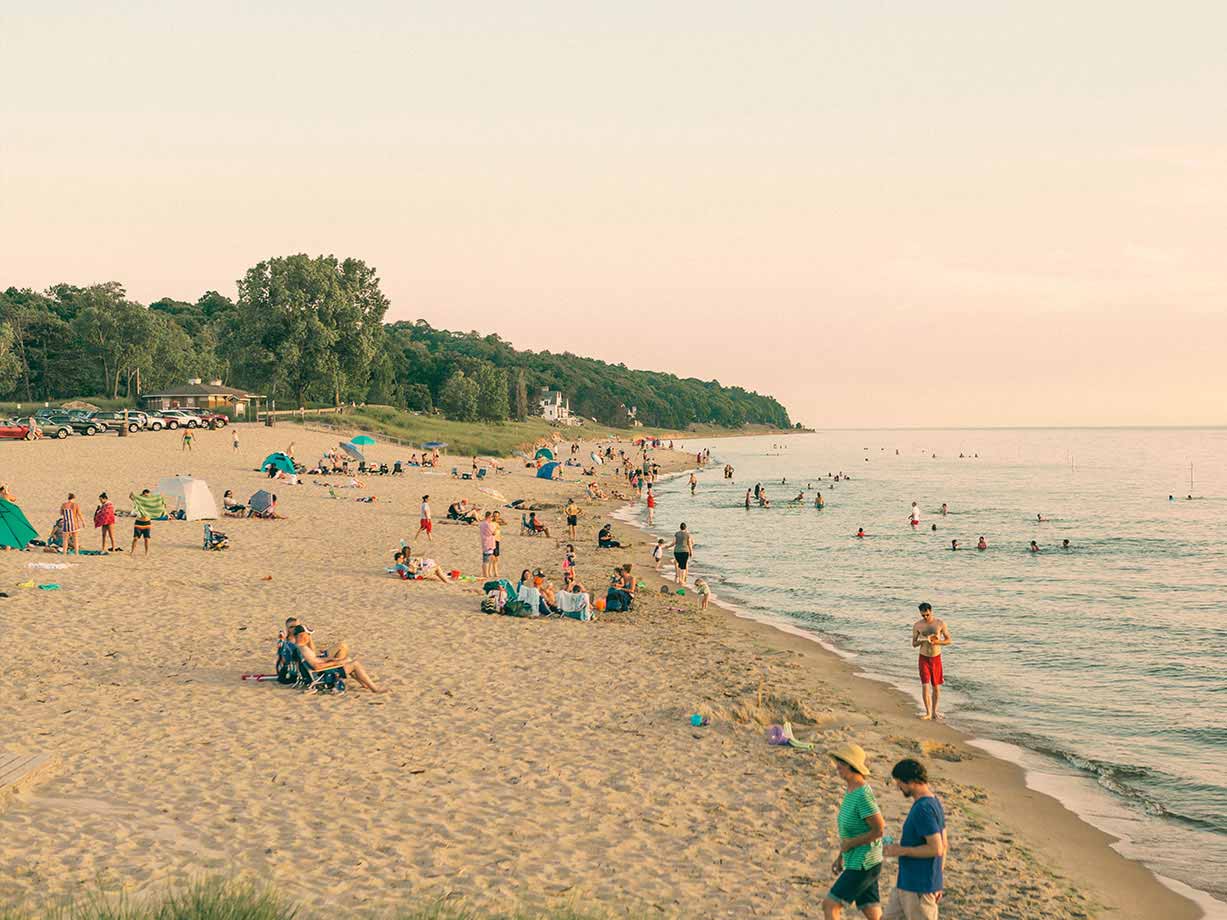
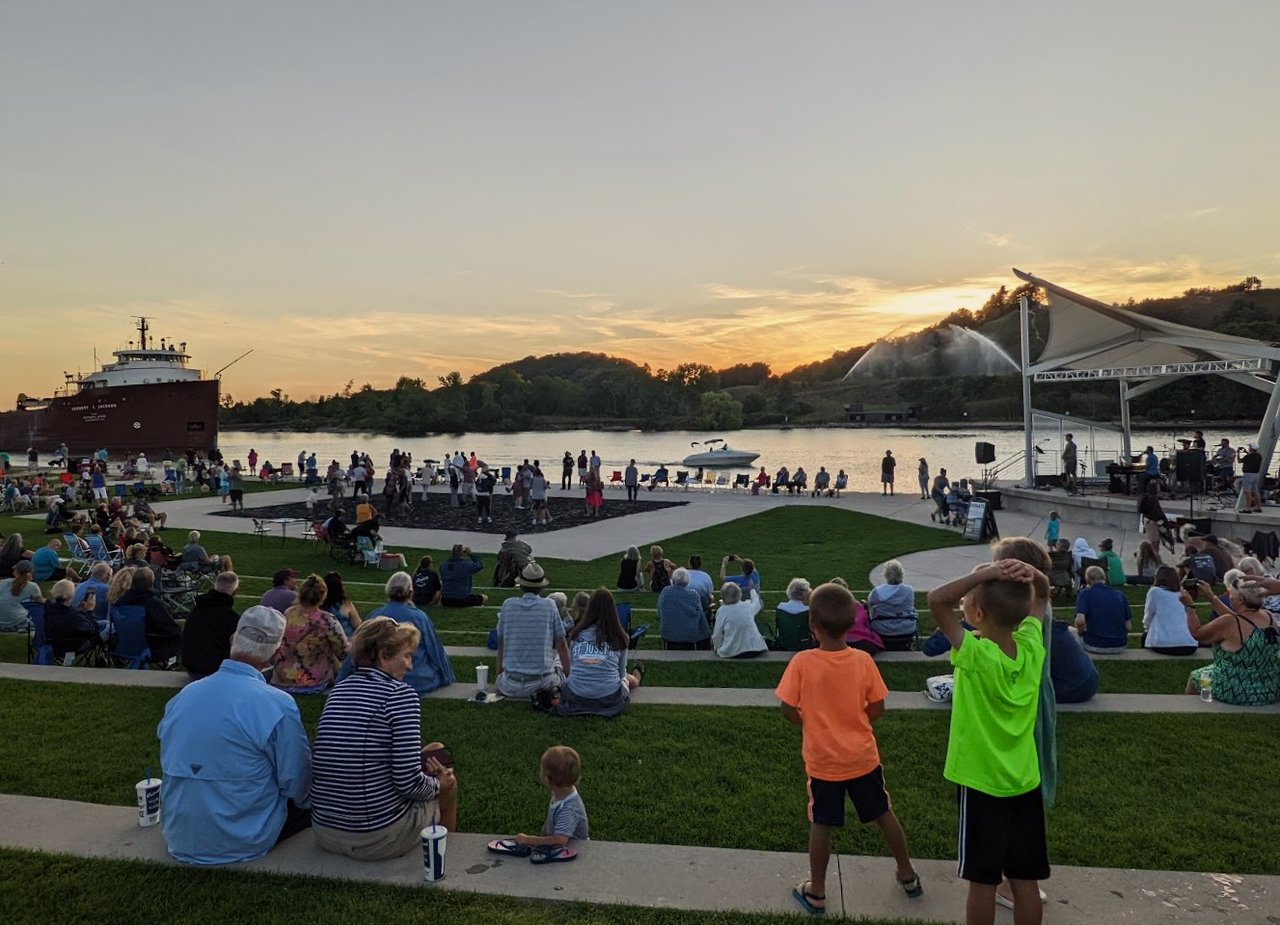
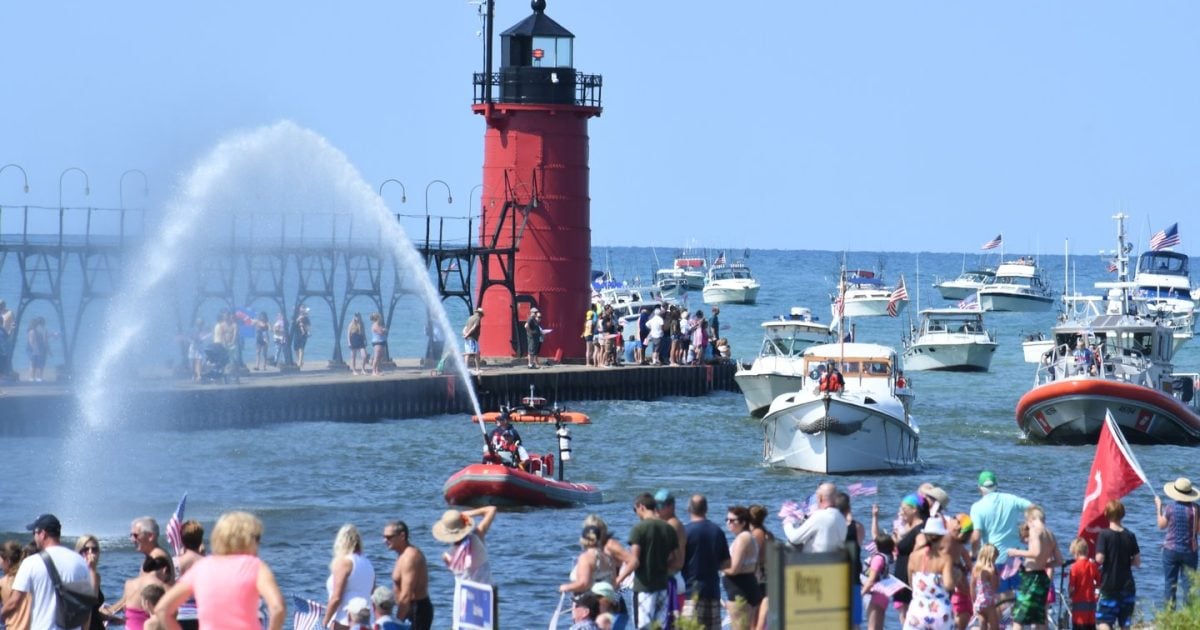
Nearby public parks and launches add convenience but can increase day-use traffic or noise. Holland State Park and other access points concentrate recreational users. Some buyers value the convenience, while others prefer more privacy. Get a feel for local access points in this Holland State Park feature.
Flood risk and elevation
FEMA flood zones, base flood elevations, and the availability and cost of flood insurance affect both buyer confidence and carrying costs. Check your FEMA map panel and consider an elevation certificate. Lenders and appraisers rely on these documents. Start with the FEMA Flood Map Service.
Why many “comps” miss the mark
Waterfront pricing hinges on local, recent, and truly comparable sales. For Lake Macatawa, that usually means the same lake and, ideally, the same cove or shoreline segment with similar frontage, dock rights, water depth, and view quality. When you reach for inland neighborhood sales or even other lakes with different depth and clarity, the adjustments get large and unreliable.
Evidence from housing research shows lake premiums vary widely, depending on frontage, access, and water quality. This variability is why local, on-lake sales matter more than national averages or rules of thumb. For a summary of how lake attributes shape value, see this review of lake-related housing premiums.
A step-by-step pricing plan
Use this checklist to prepare a defensible list price and a smoother appraisal.
- Survey and frontage: Order a current survey showing deed lines and measured frontage at the ordinary high-water line. Confirm riparian rights and any public trust overlaps. Read more on shoreline boundaries in Michigan’s shoreline access context.
- Dock and shoreline structures: Gather dock and seawall permits, inspections, and any transfer documents. Include marina or slip agreements and notes on repairs. Review local standards in Park Township’s docking ordinance.
- Flood documentation: Print your FEMA map panel, add an elevation certificate if available, and note typical flood insurance premiums. Appraisers and lenders will request these. Begin at the FEMA Flood Map Service.
- Water quality file: Summarize recent monitoring or restoration activity and keep dated references. The Macatawa Watershed program and Project Clarity overview offer helpful context.
- Local sales packet: Compile 3–6 closed Lake Macatawa sales that bracket your frontage, view, dock status, and elevation. When immediate comps are scarce, expand logically and document why each sale was chosen.
- Visual documentation: Provide clear photos or a short video showing views from main rooms, the shoreline and dock approach, and the route from your dock to open water. These visuals help buyers and underwriters understand your setting.
- Consider a pre-listing appraisal: A licensed appraiser with Lake Macatawa experience can document adjustments and flag risks when comp data is thin. This can support a higher, yet defensible, list price.
Position your listing to win
On Lake Macatawa, the story behind your shoreline drives interest. Highlight measured frontage, permitted dock or slip transferability, water depth and route to the channel, and your water quality narrative. Be clear about flood status, insurance, and any elevation certificate.
Strategic marketing matters too. Professional photography that prioritizes views, shoreline approach, and boating context helps buyers visualize the lifestyle. Targeted digital exposure and polished listing copy reach qualified, lake-focused buyers who value these details.
When you are ready to price, we will help you anchor the number to same-lake sales, showcase the micro-location advantages, and reach the right audience. Ready to talk strategy for your Lake Macatawa home? Connect with the Andrea Crossman Group to get started.
FAQs
How do you measure lakefront footage on Lake Macatawa?
- Hire a surveyor to measure frontage at the ordinary high-water line and to confirm deed lines and riparian rights. Michigan’s shoreline framework helps clarify public trust areas and access, as outlined in this shoreline access explainer.
Does proximity to the dredged channel affect price?
- Yes. Deeper water and a direct route to the federal channel broaden your buyer pool and can support a higher price for boaters. See the Army Corps’ Holland dredging update.
Do I need flood insurance for a Lake Macatawa home?
- It depends on FEMA flood zone maps, your base flood elevation, and your lender. Check your status and consider an elevation certificate at the FEMA Flood Map Service.
How do docks and marina slips impact value?
- A permitted private dock or a deeded slip that transfers can add meaningful value, while unpermitted or leased options may add little. Review local docking standards in Park Township’s docking ordinance and nearby marina options via this Holland boating overview.
Does water quality really change what buyers will pay?
- Yes. Local monitoring and restoration inform buyer confidence, and research links invasive plants and poorer water quality to lower prices. Explore the Macatawa Watershed program and this peer-reviewed study for context.