How receding waters have restored West Michigan beach sizes
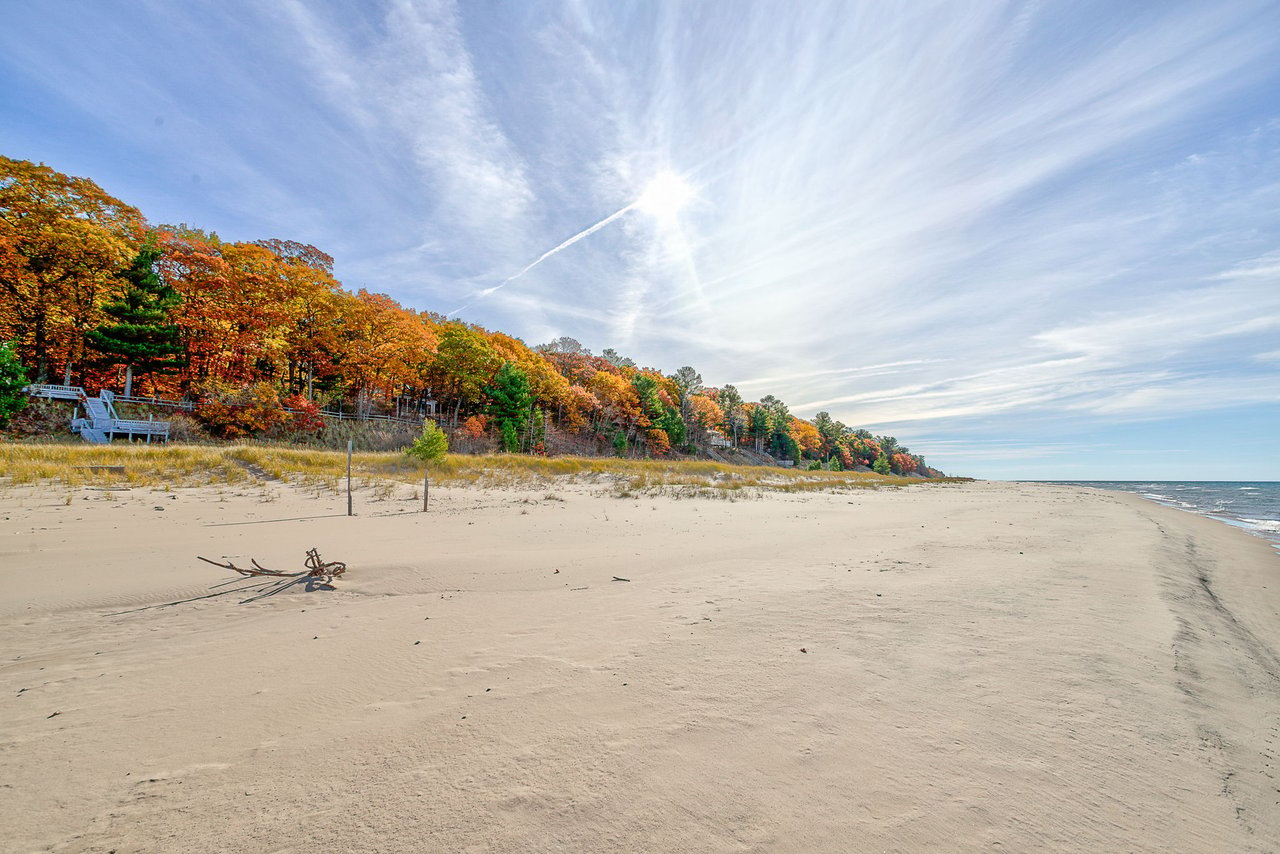
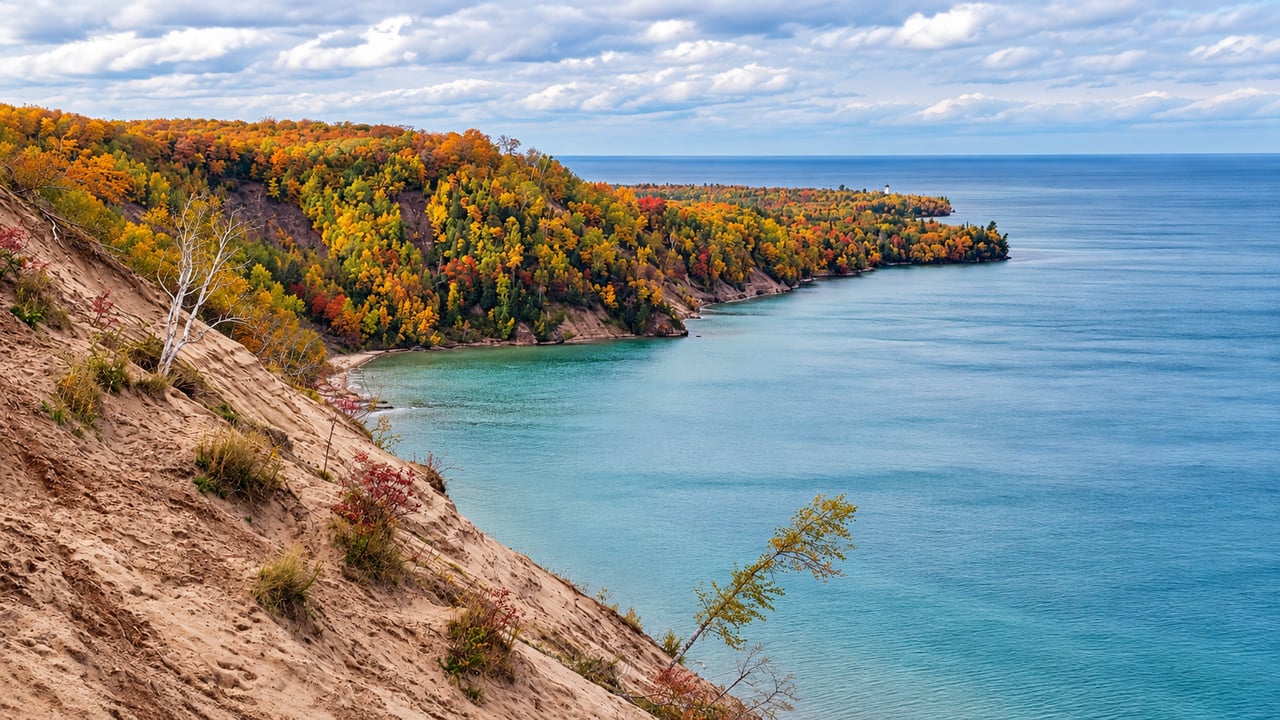
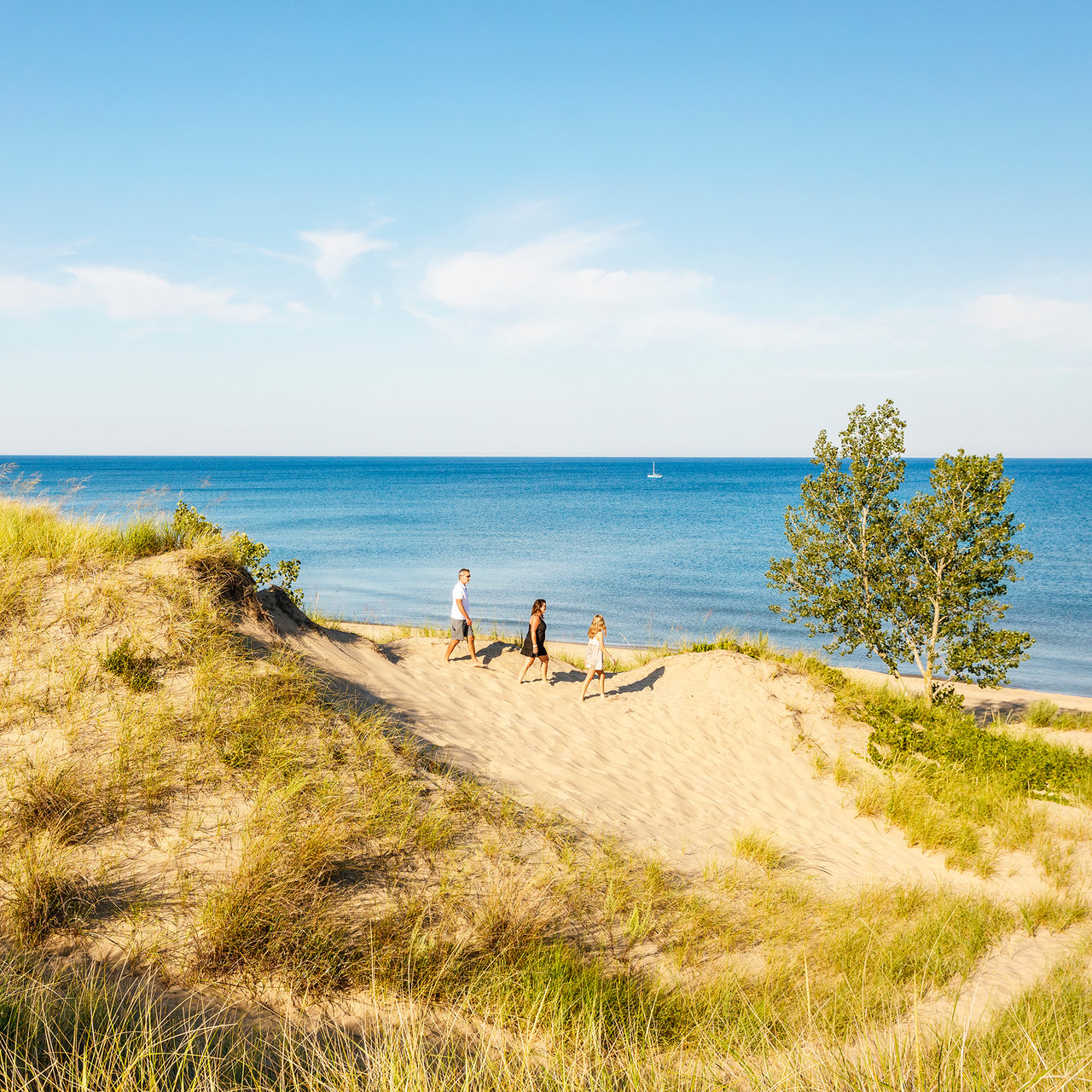
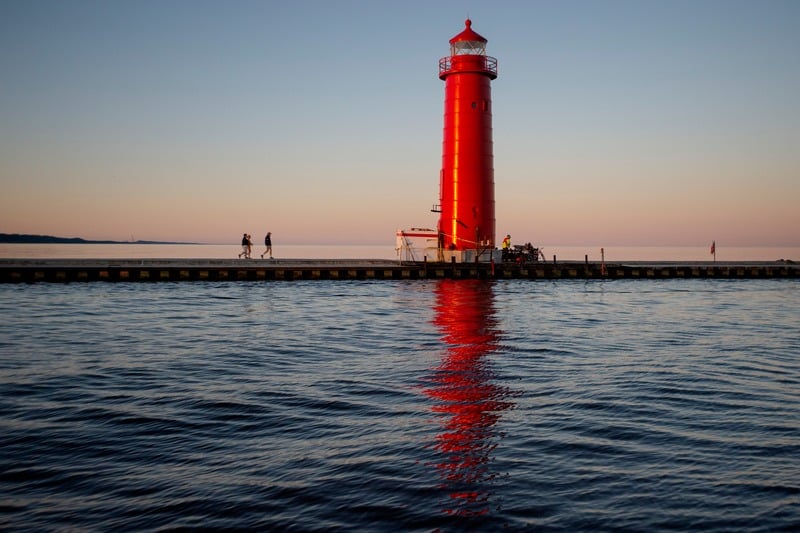
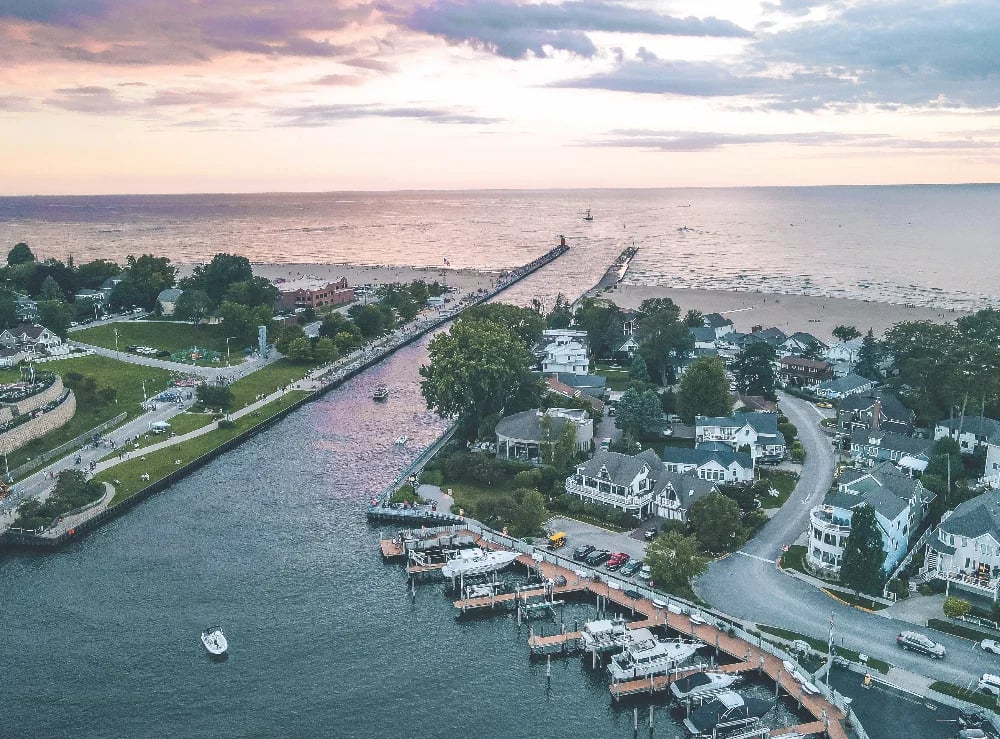
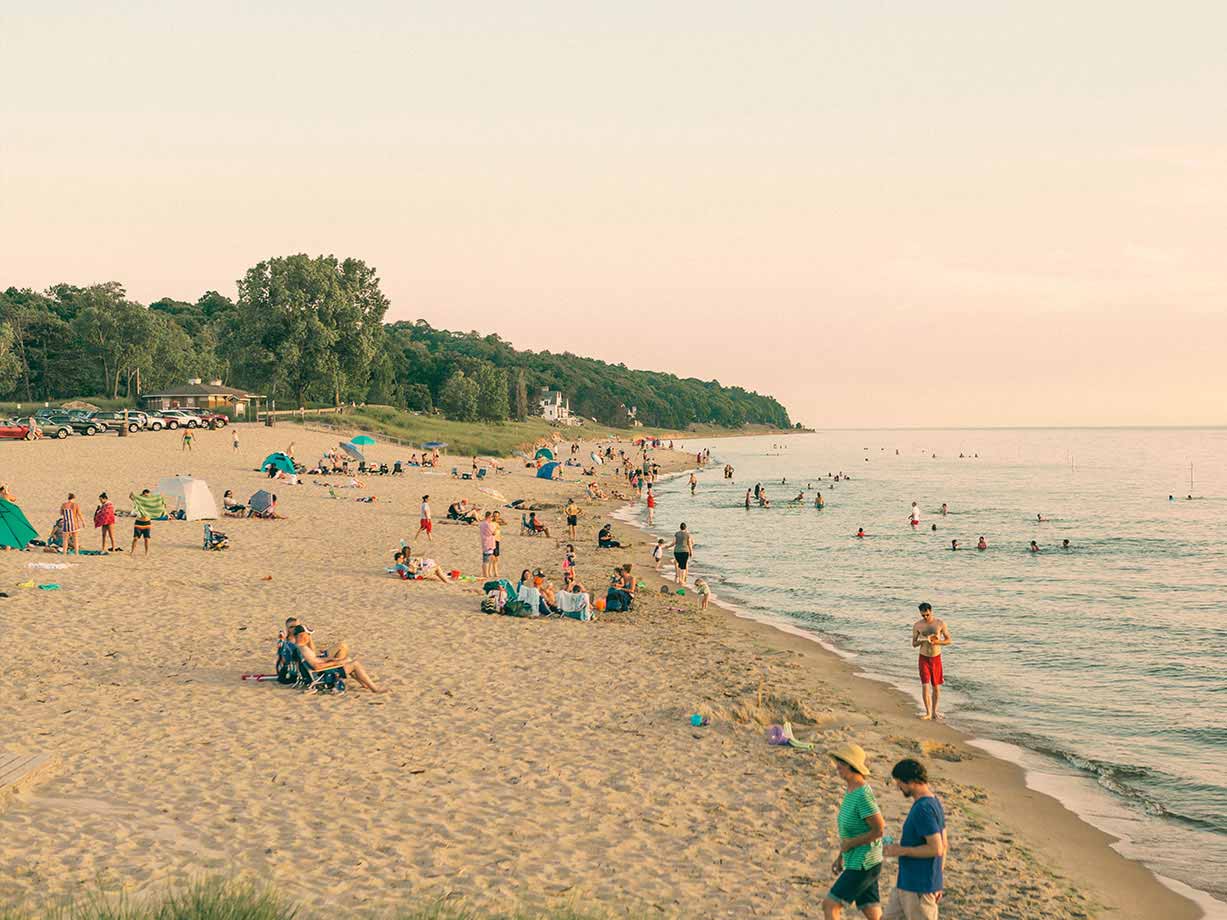
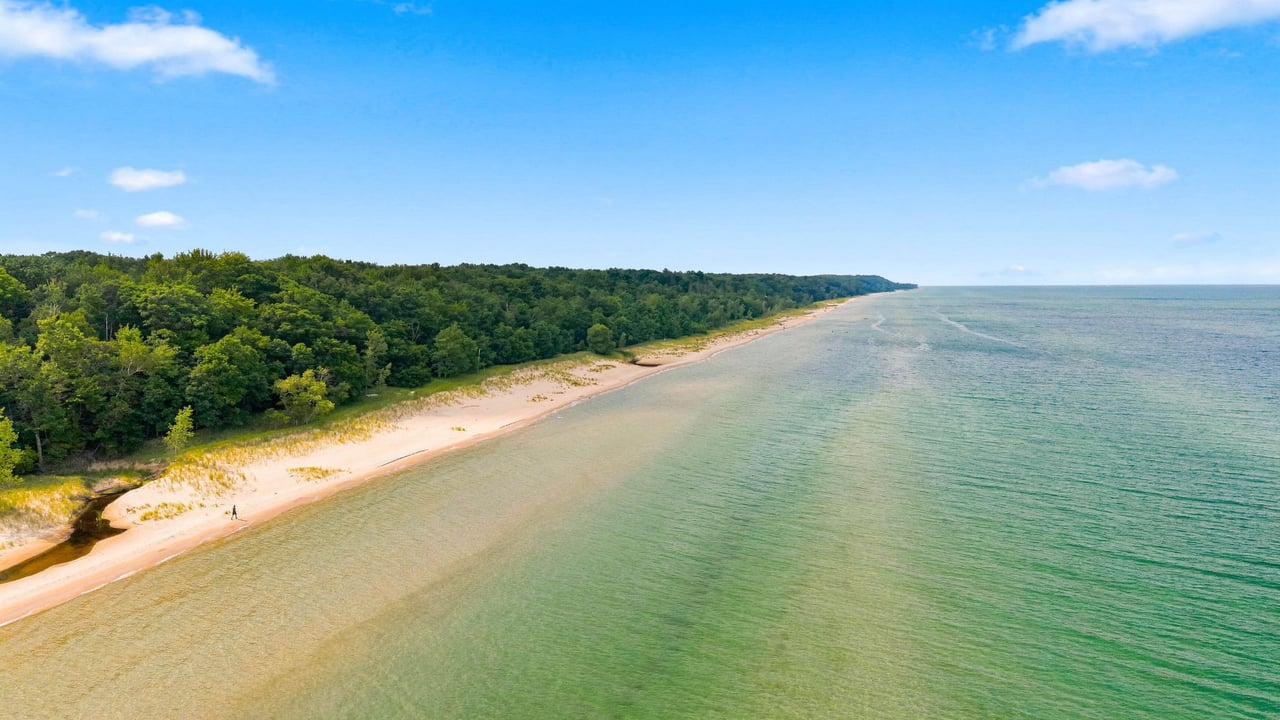
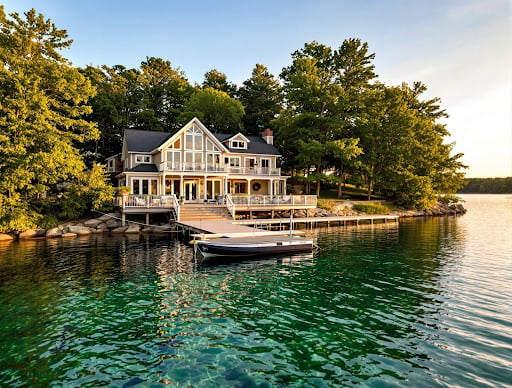
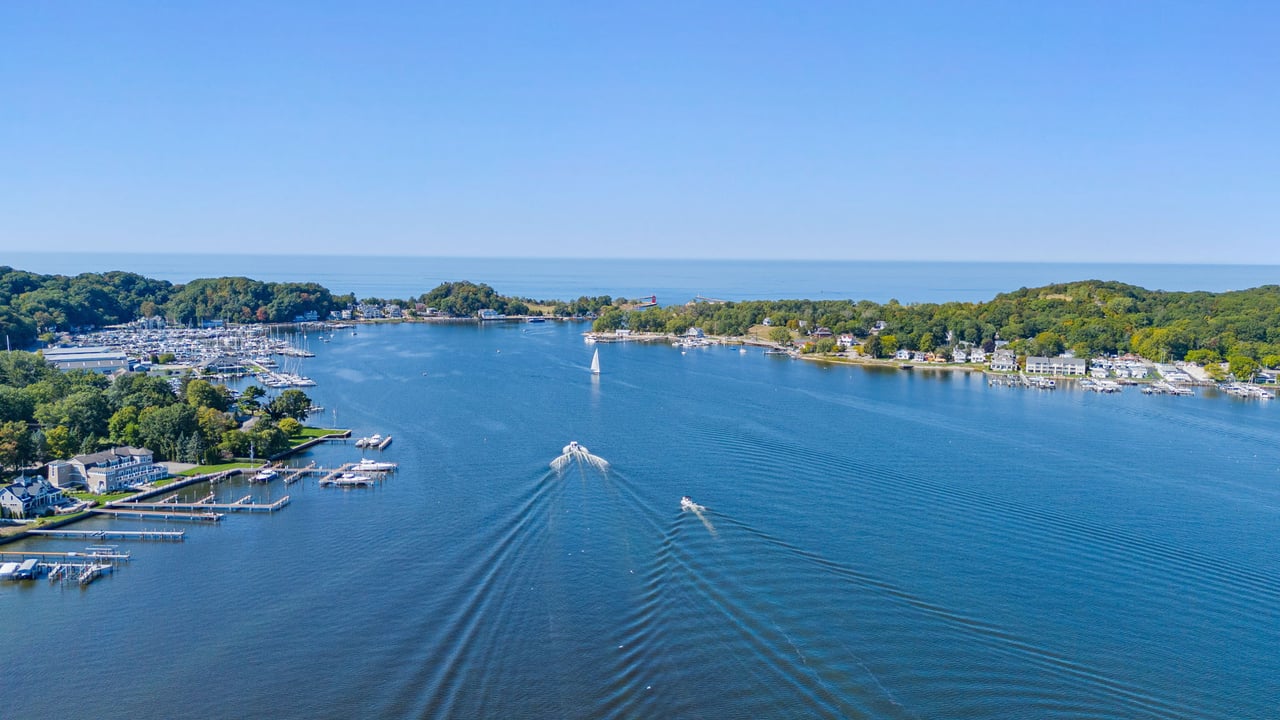
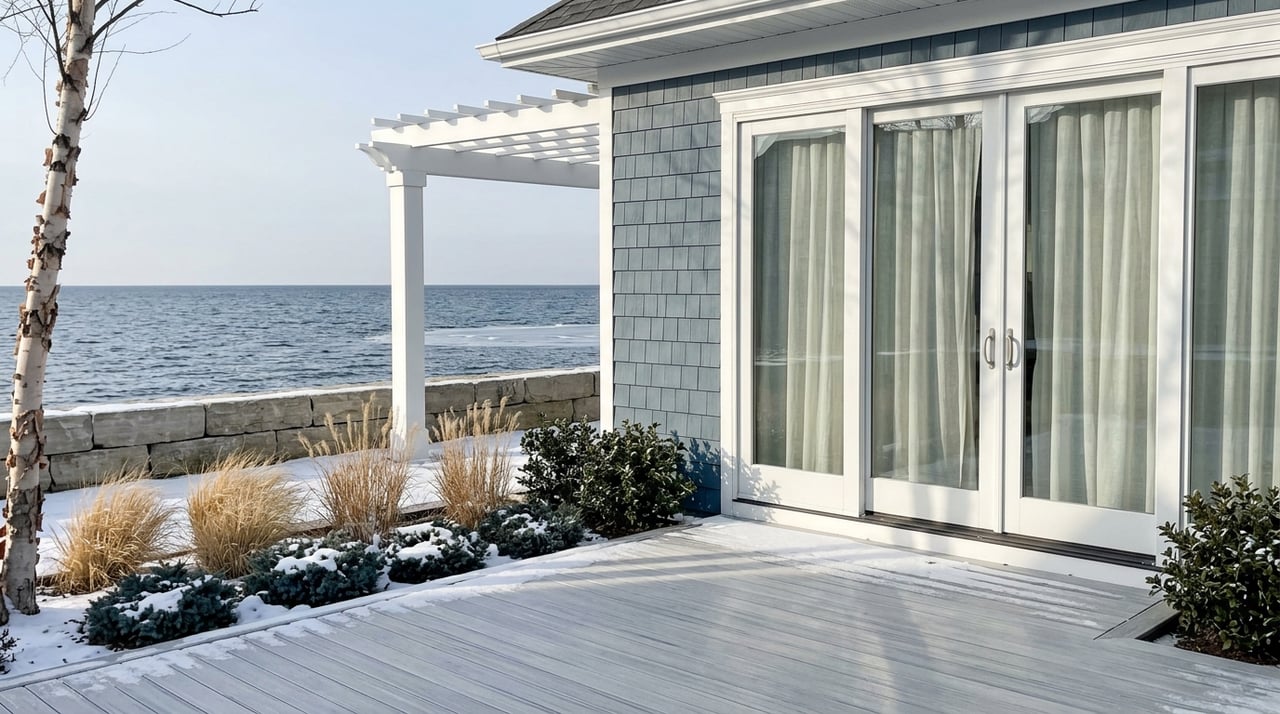
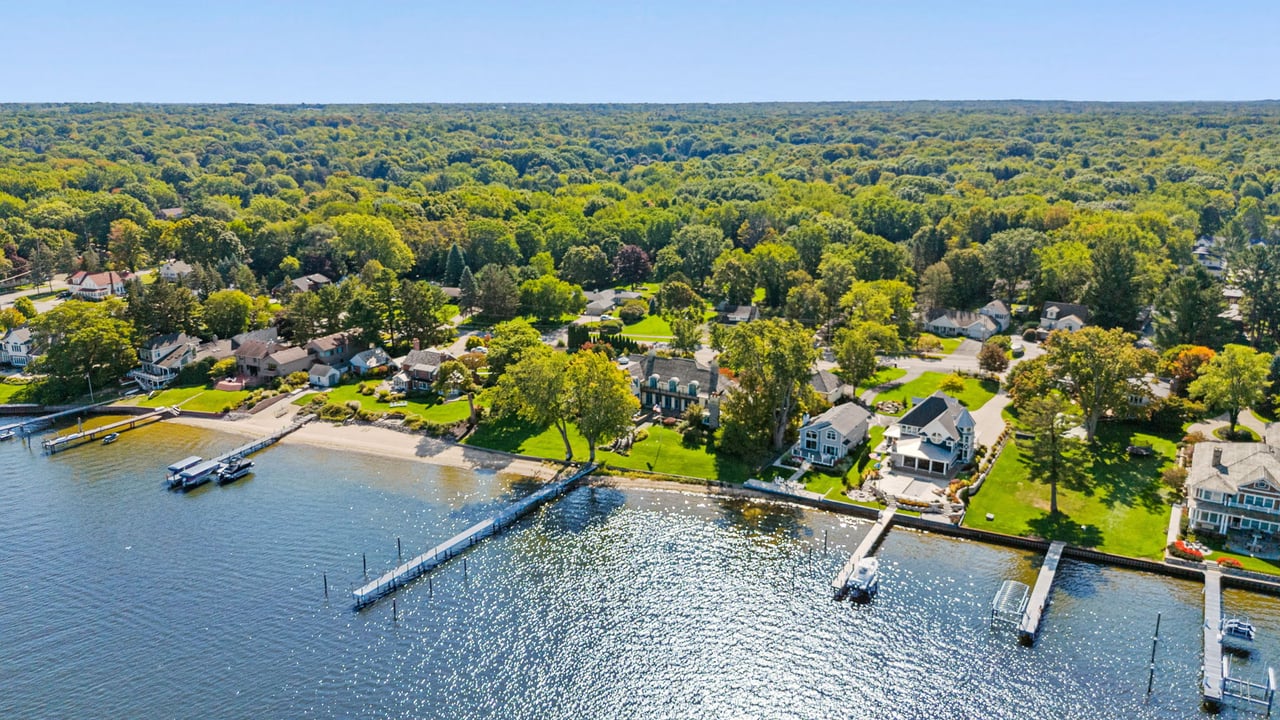
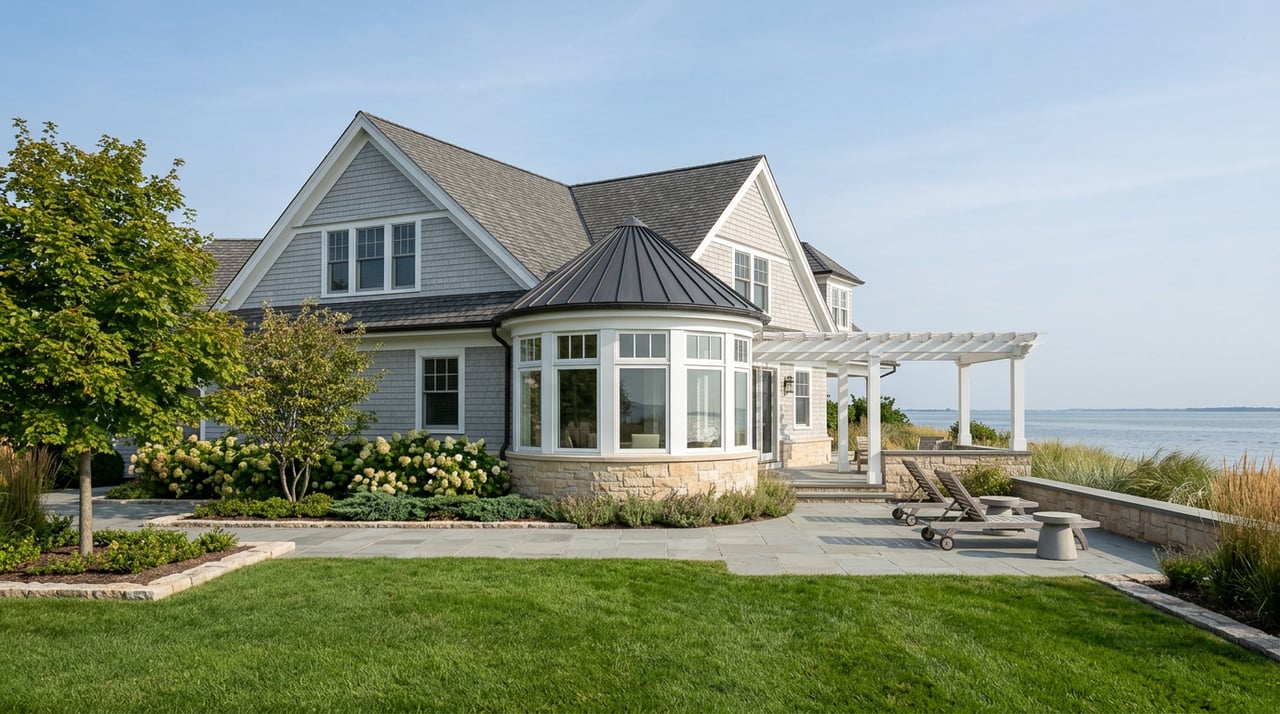
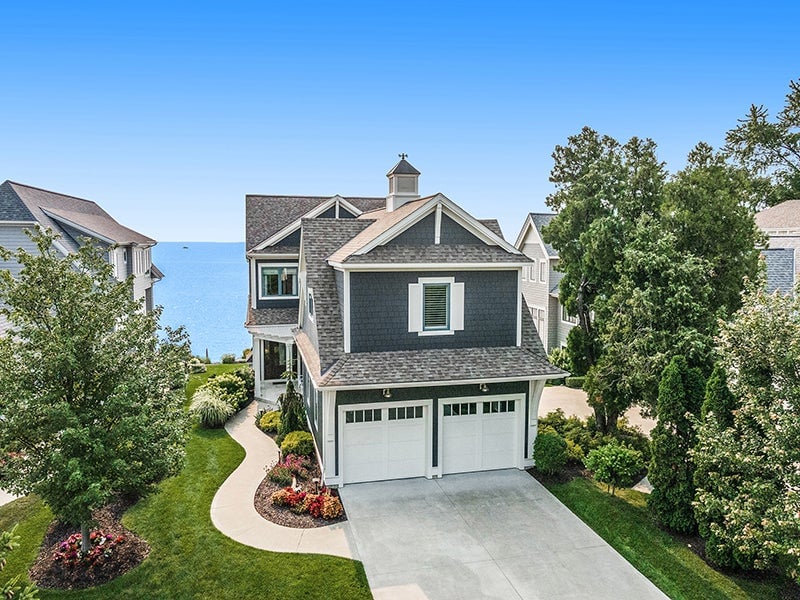
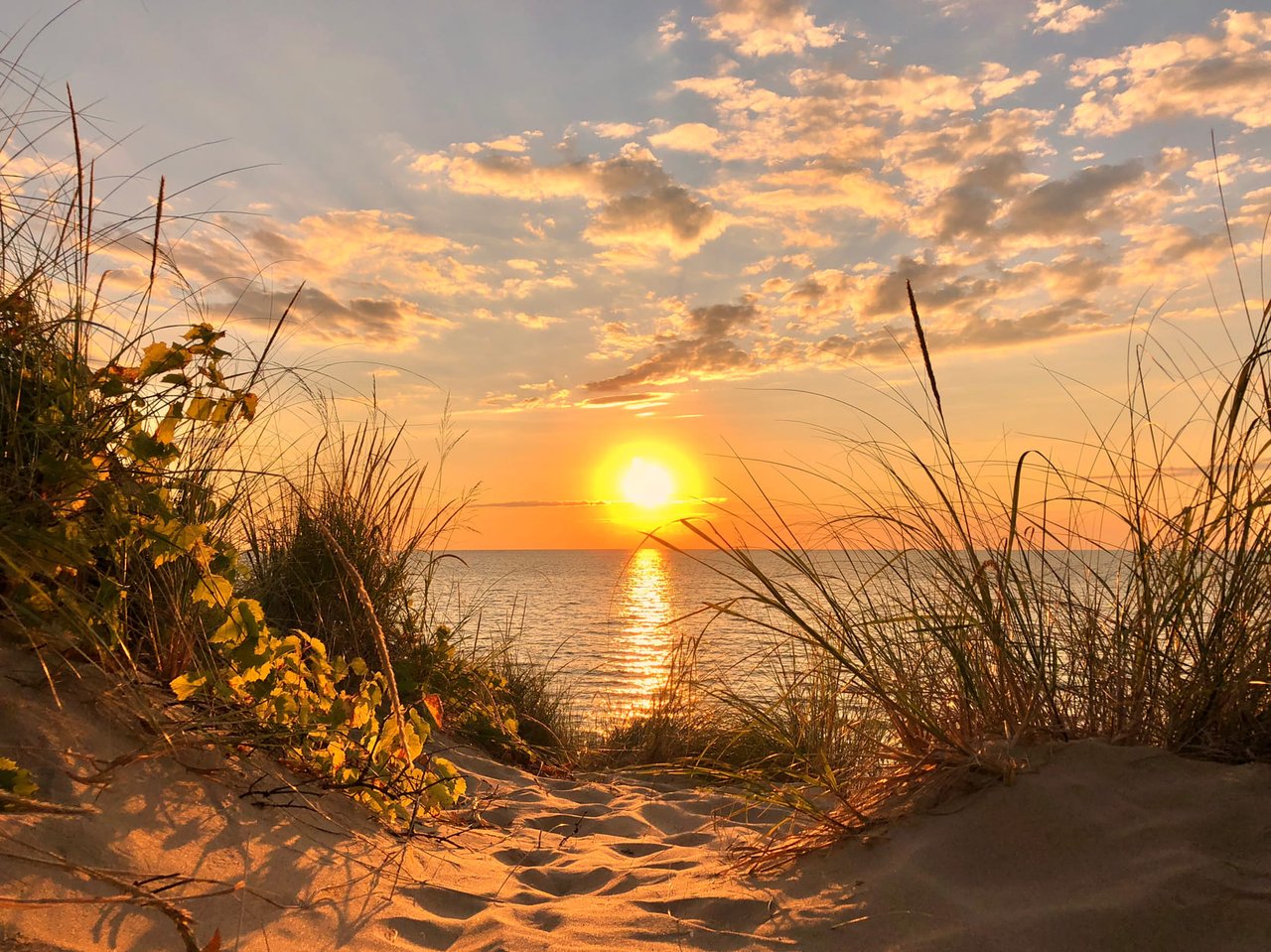
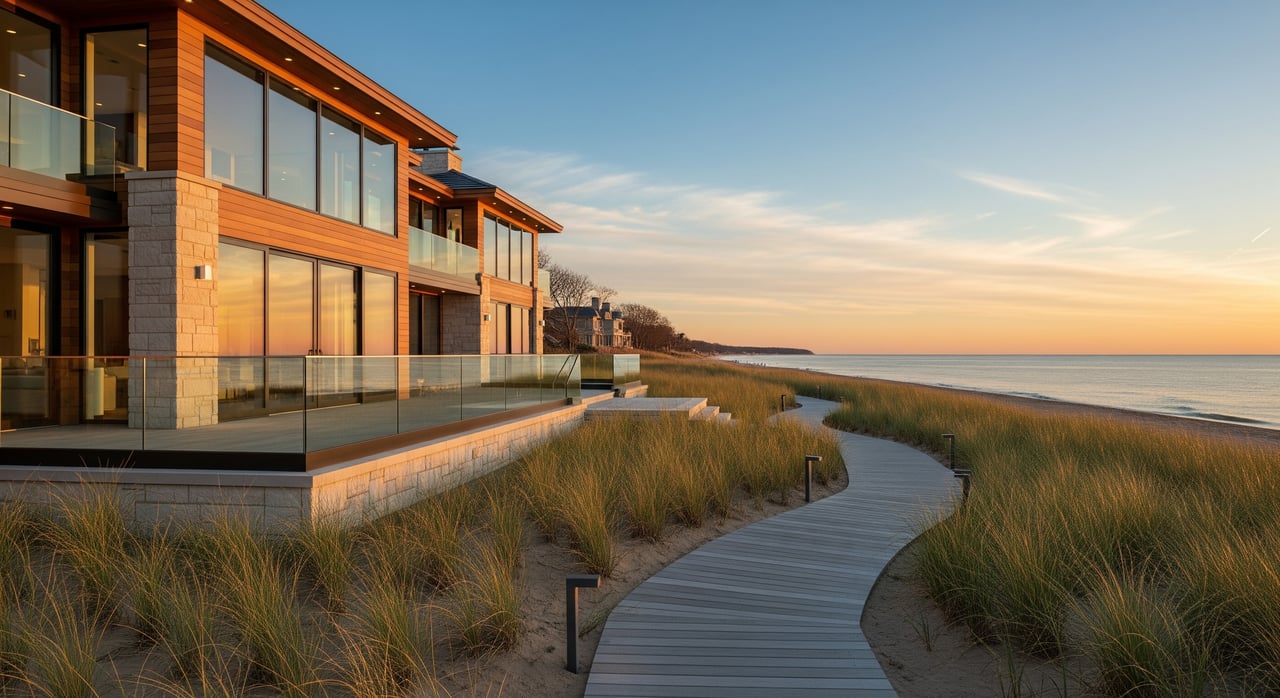
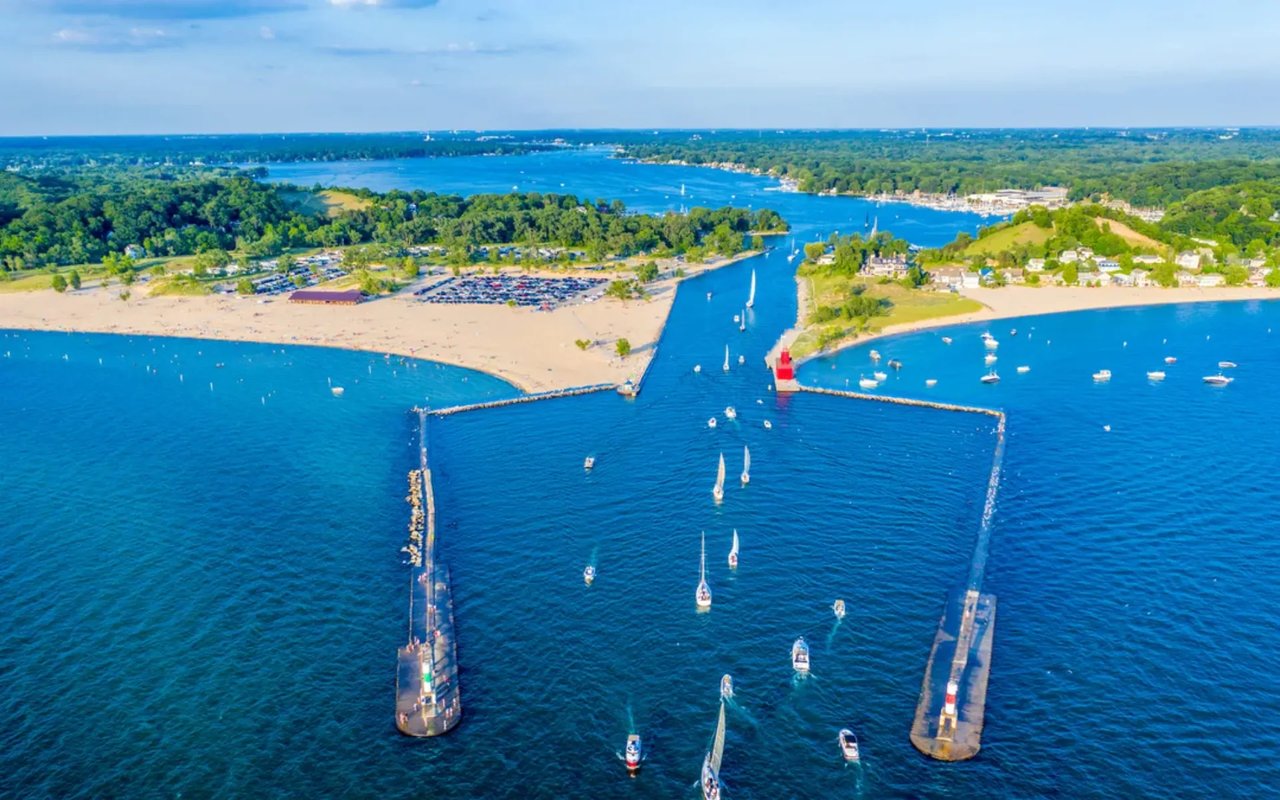
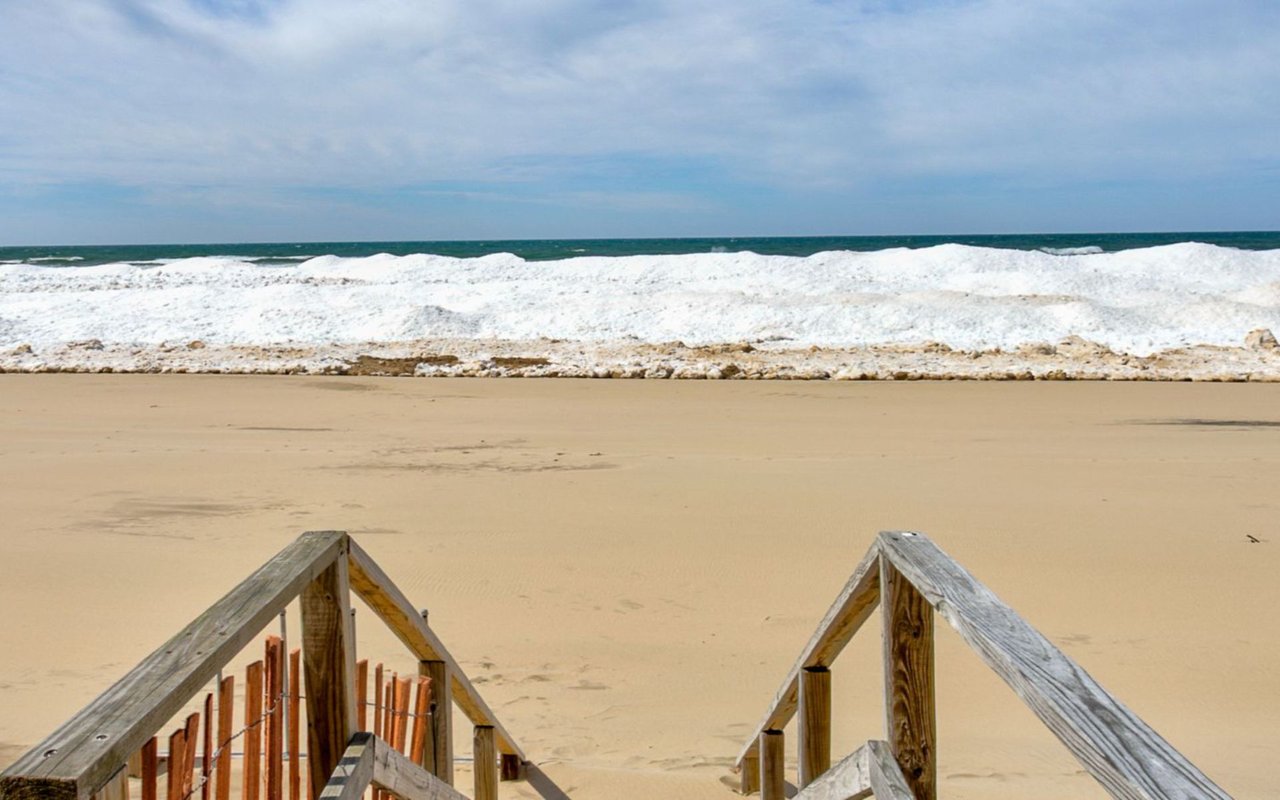
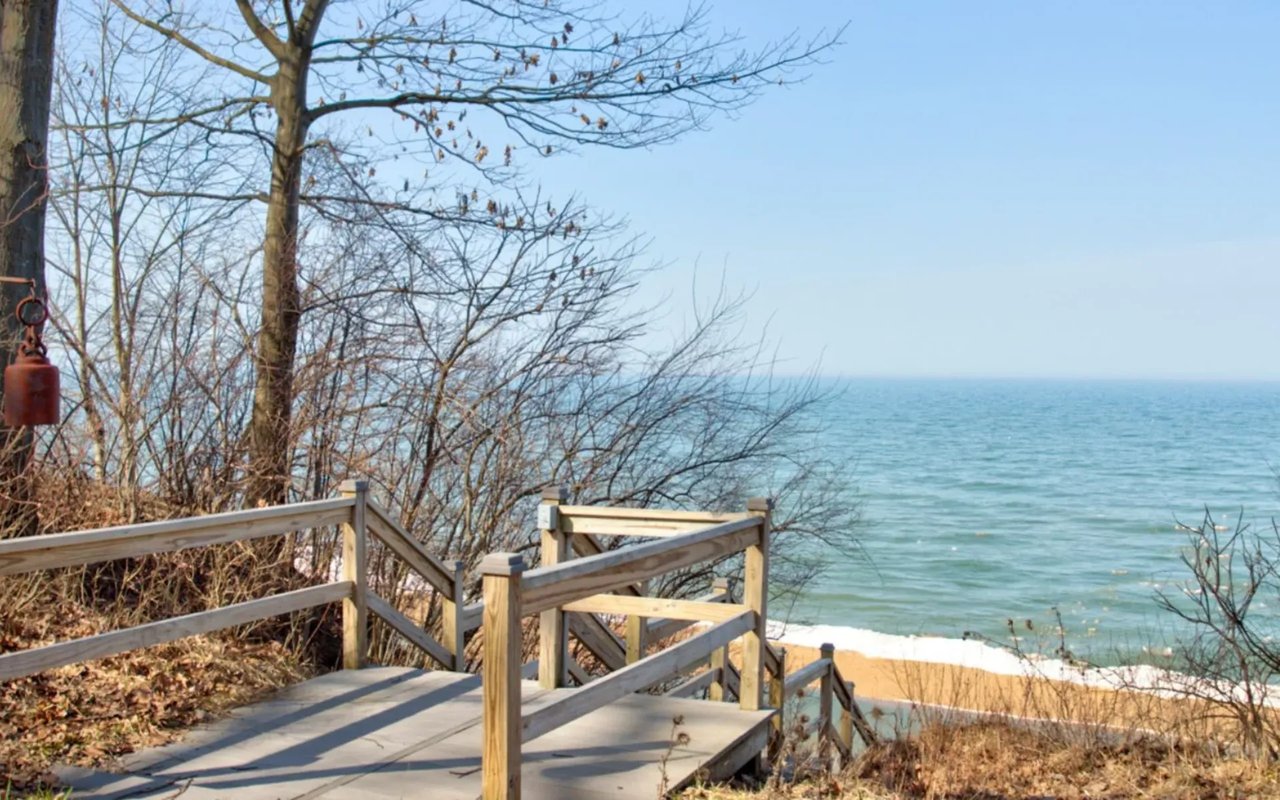
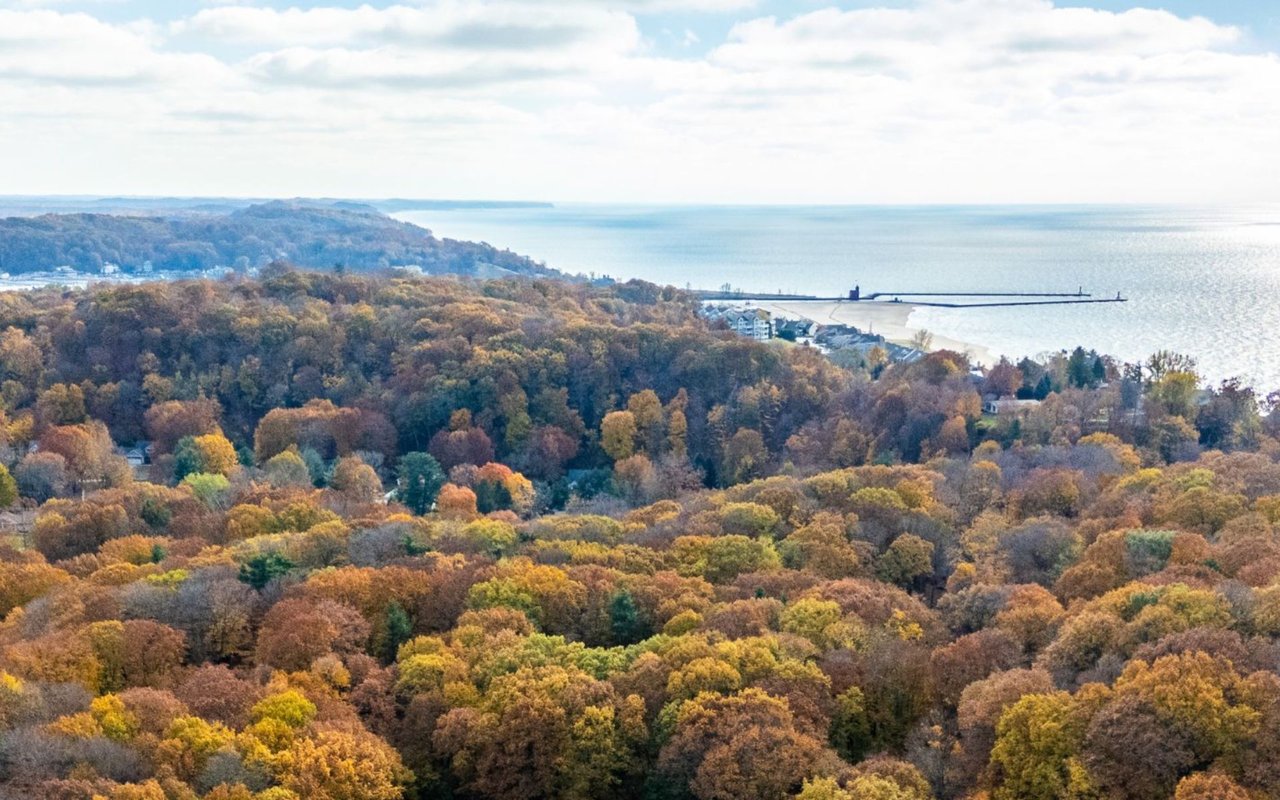
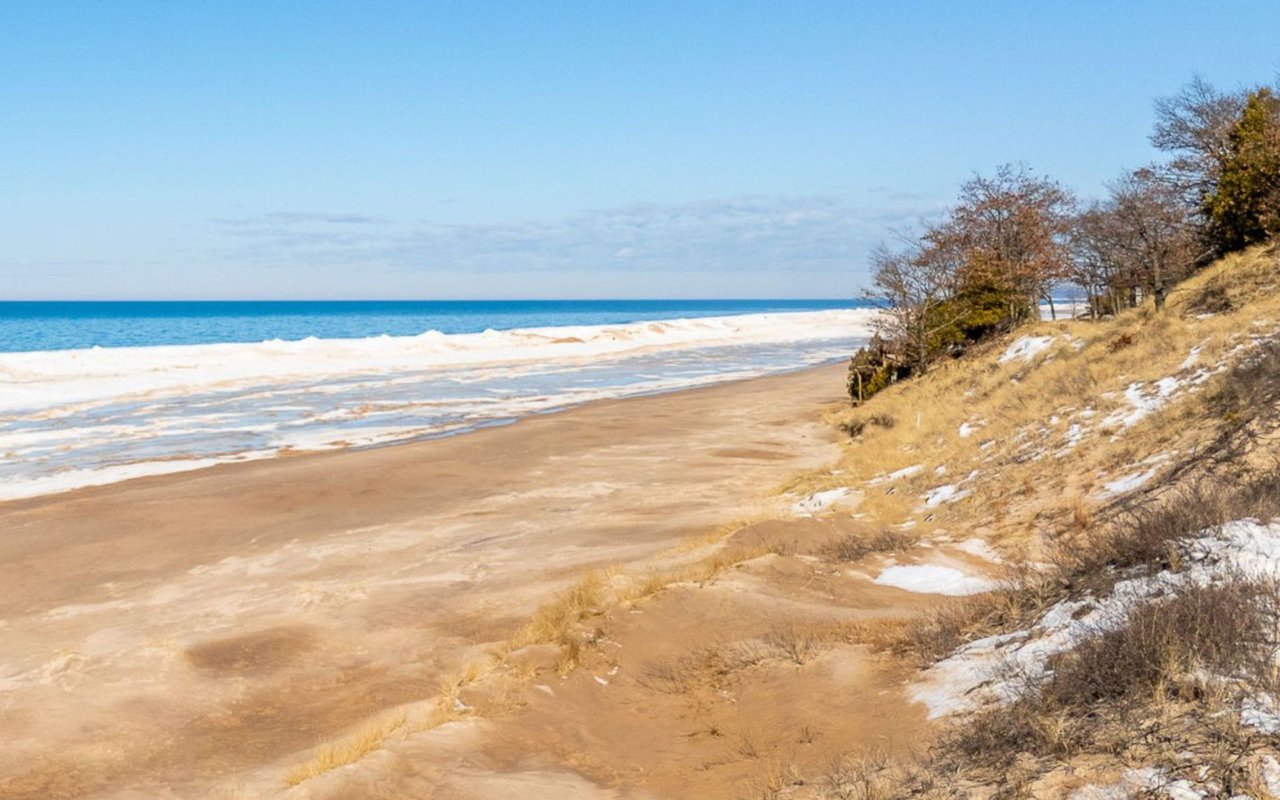
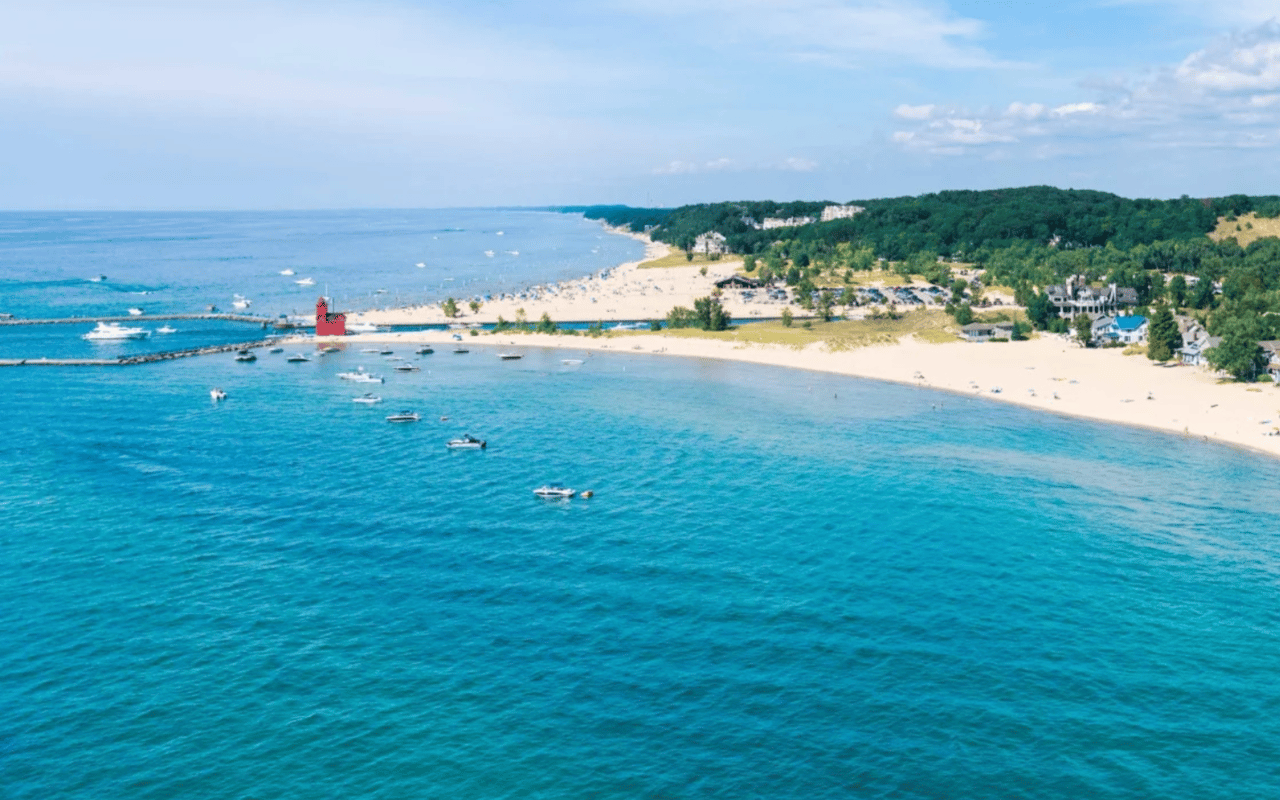
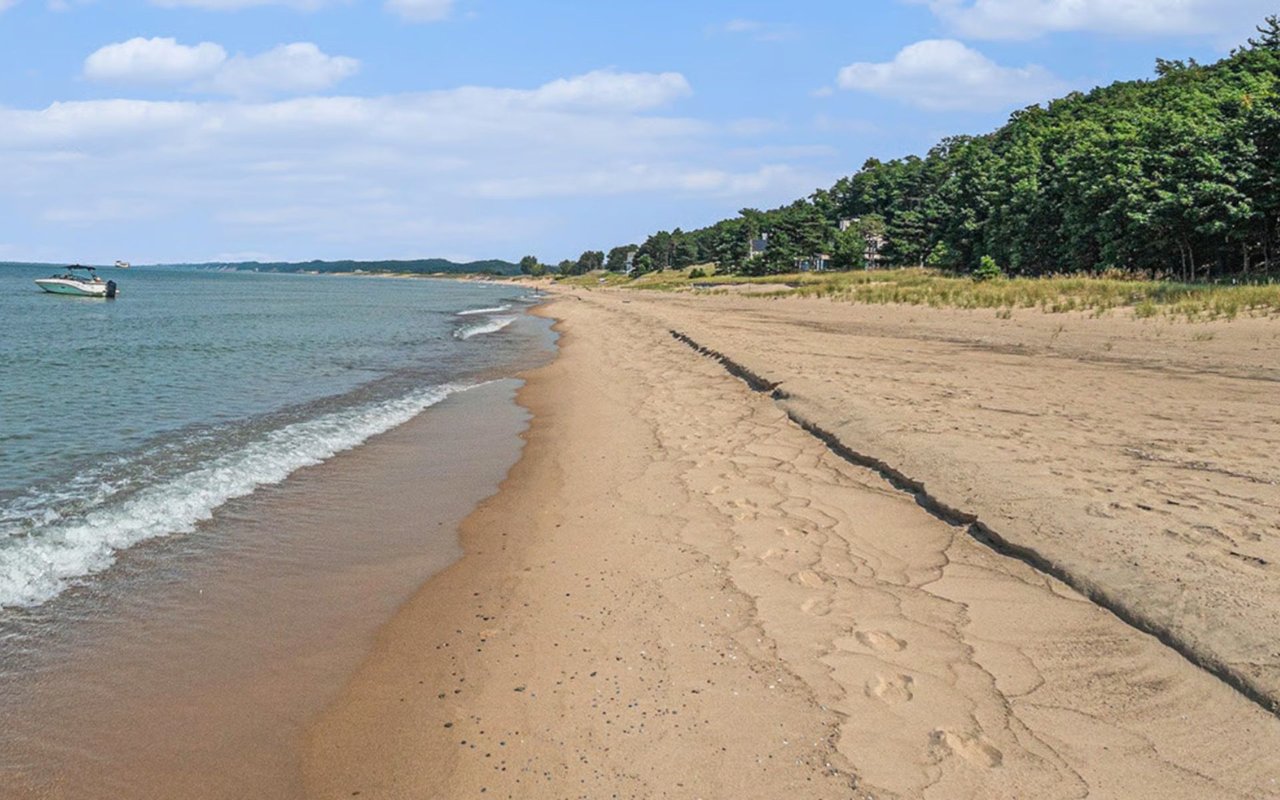
The Lake Michigan shoreline is renowned for its sandy beaches, soaring dunes, and natural beauty. When Great Lakes water levels reached their peak in 2020, the encroaching water reduced the amount of exposed sand along the West Michigan coast. However, over the last few years, water levels on Lake Michigan have receded. Whether viewed from a private home or one of Holland, Saugatuck, or Grand Haven’s beautiful state parks, beaches along West Michigan’s coast have returned to their more familiar size.
The Impact on West Michigan Beaches
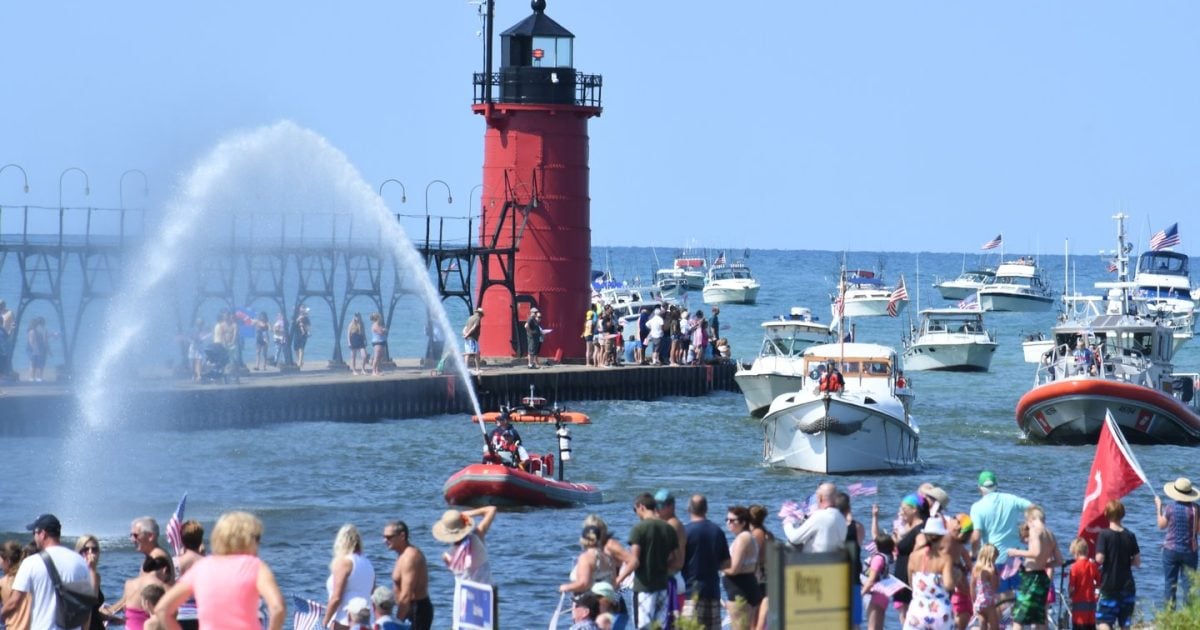
The drop in Lake Michigan’s water levels has had a visible effect on beaches all along the lakeshore. Popular spots like Grand Haven, Holland, and South Haven—once reduced in size—now boast extended sandy stretches once again. With tourism as a major part of West Michigan’s economy, coastal beaches are a cornerstone of what attracts summer guests.
Local beachgoers and seasonal visitors alike are celebrating the return of larger beach surface areas, offering more space for recreation and tourism. The recent reduction in water levels highlights the resilience of West Michigan’s natural environment but also brings important considerations for future shoreline changes.
Important Considerations for Future Fluctuations
State and Local Planning: Erosion-resistant infrastructure and coastal resiliency planning will remain key priorities. Communities need evolving strategies to protect shorelines, properties, and public infrastructure.
Habitat Preservation: Larger beaches offer opportunities to restore dune ecosystems. Conservation efforts that protect natural habitats and promote native species will help maintain a balanced shoreline environment.
Tourism Strategy: Lessons from recent fluctuations may encourage tourism authorities to promote off-season tourism, helping to stabilize local economies regardless of beach size.
Education and Awareness: Understanding the forces that shape Lake Michigan’s shoreline is crucial. Education initiatives can foster responsible tourism, shoreline preservation, and community support.
A Watchful Eye
The United States Army Corps of Engineers (USACE) and other agencies actively monitor Great Lakes water levels and provide monthly forecasts. These insights help local governments, property owners, and conservation organizations adapt to changing shoreline conditions.
By staying informed about water level trends, businesses and waterfront property owners in communities like Holland, South Haven, and Grand Haven can better prepare for future challenges.
The recent retreat of Lake Michigan’s waters and the return of West Michigan’s beaches are a reminder of nature’s variability and resilience. While residents and visitors enjoy the expanded shores, these changes also underscore the importance of thoughtful planning and conservation to preserve the region’s natural beauty for generations to come.