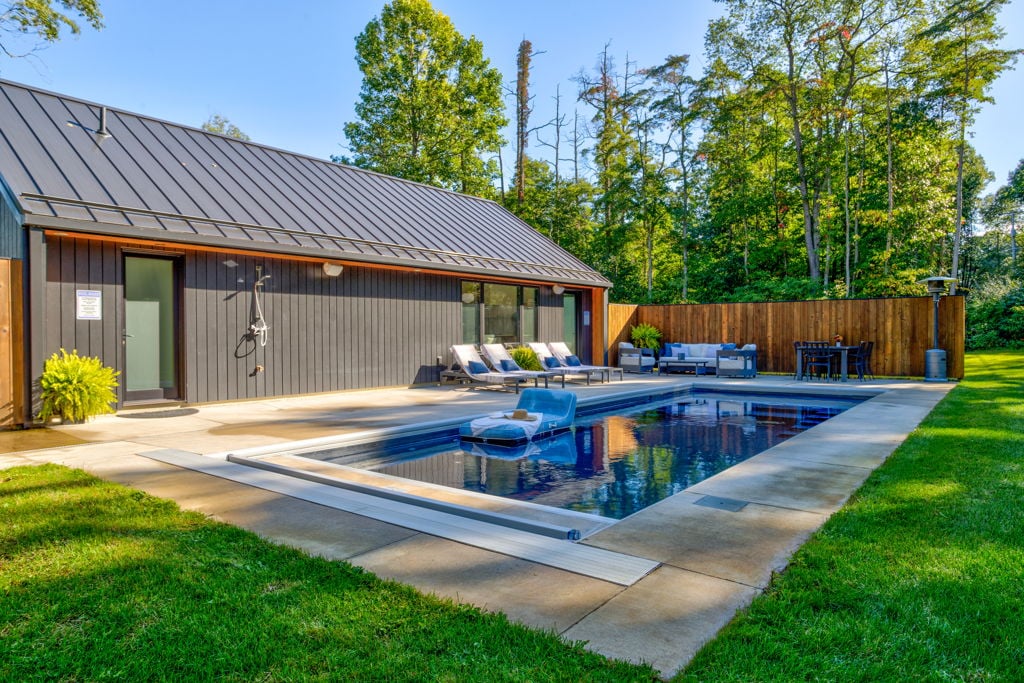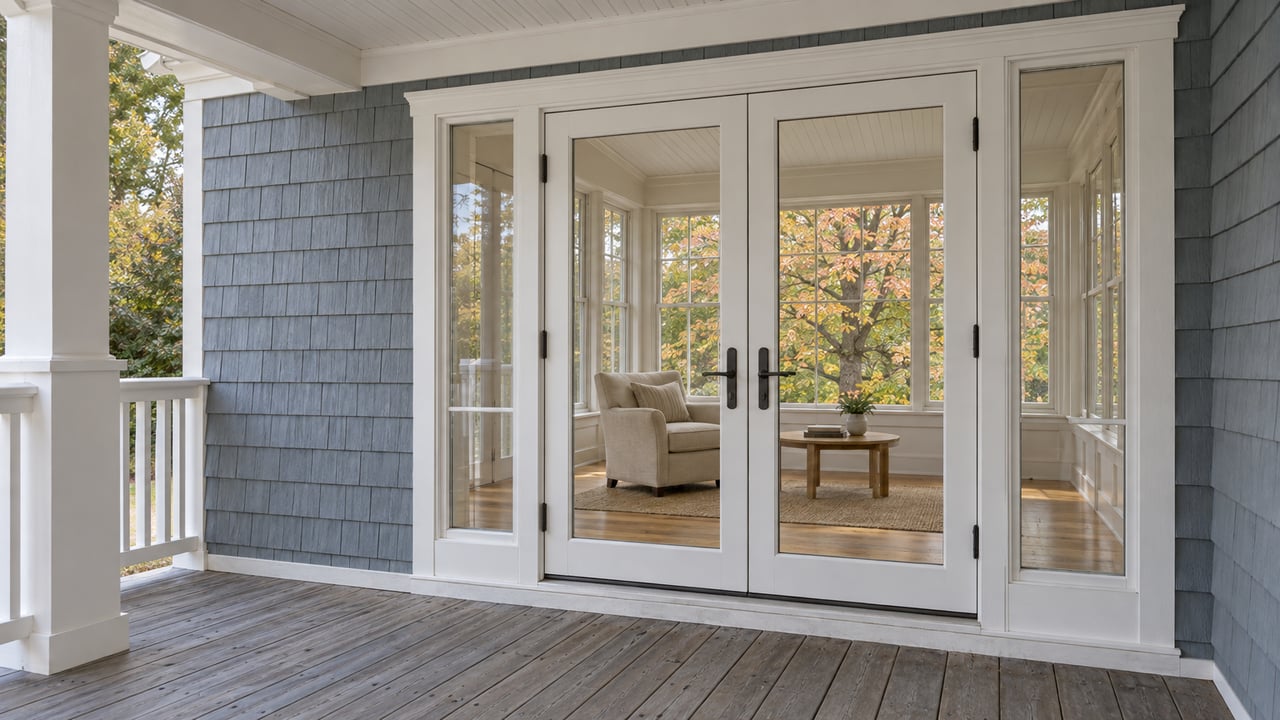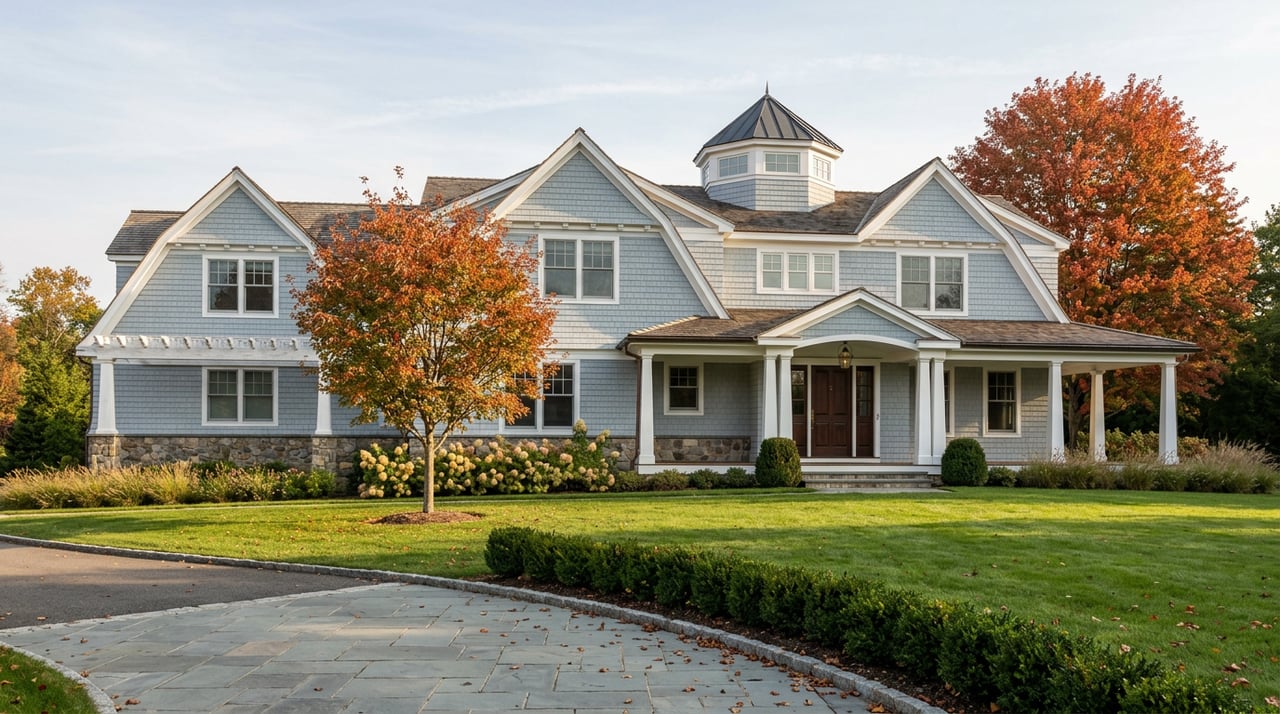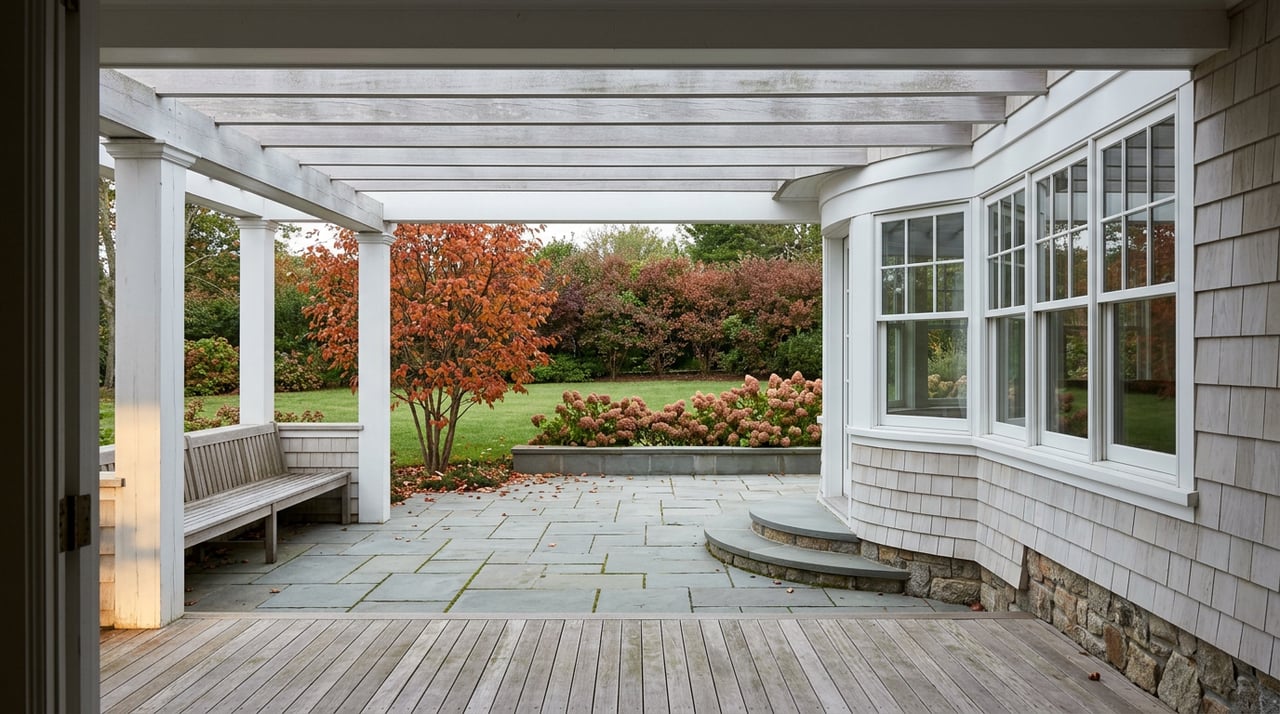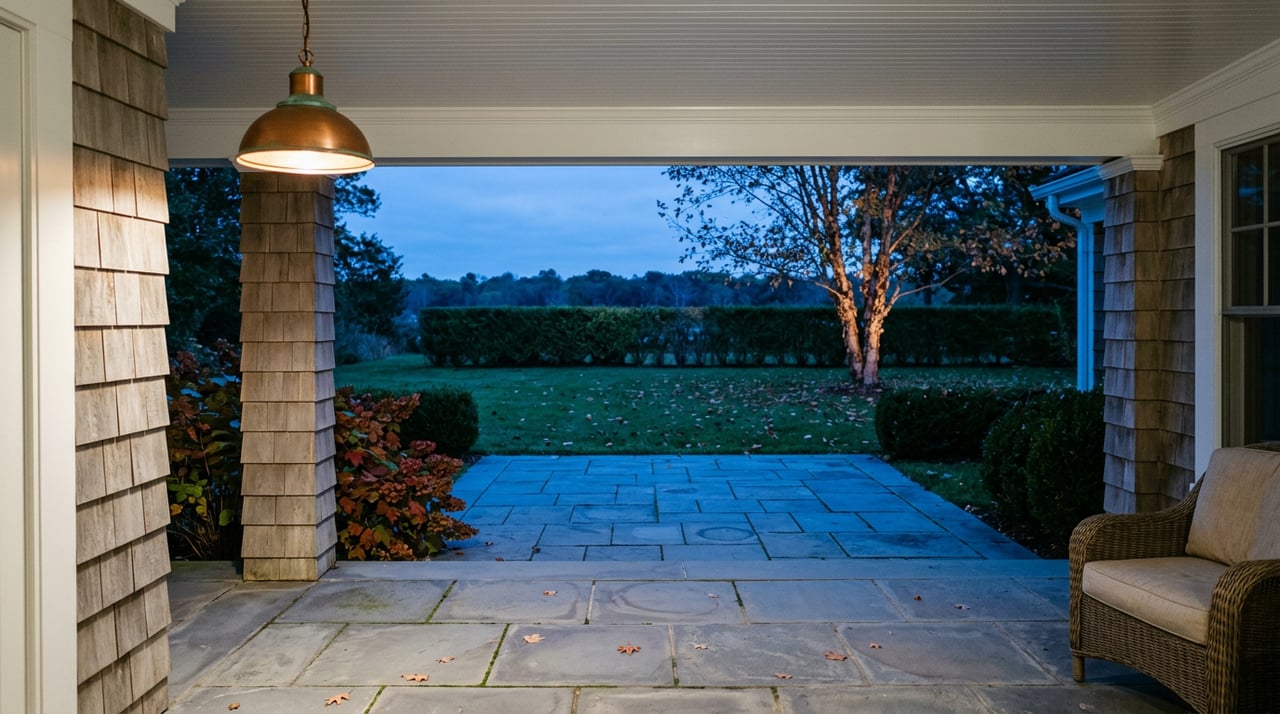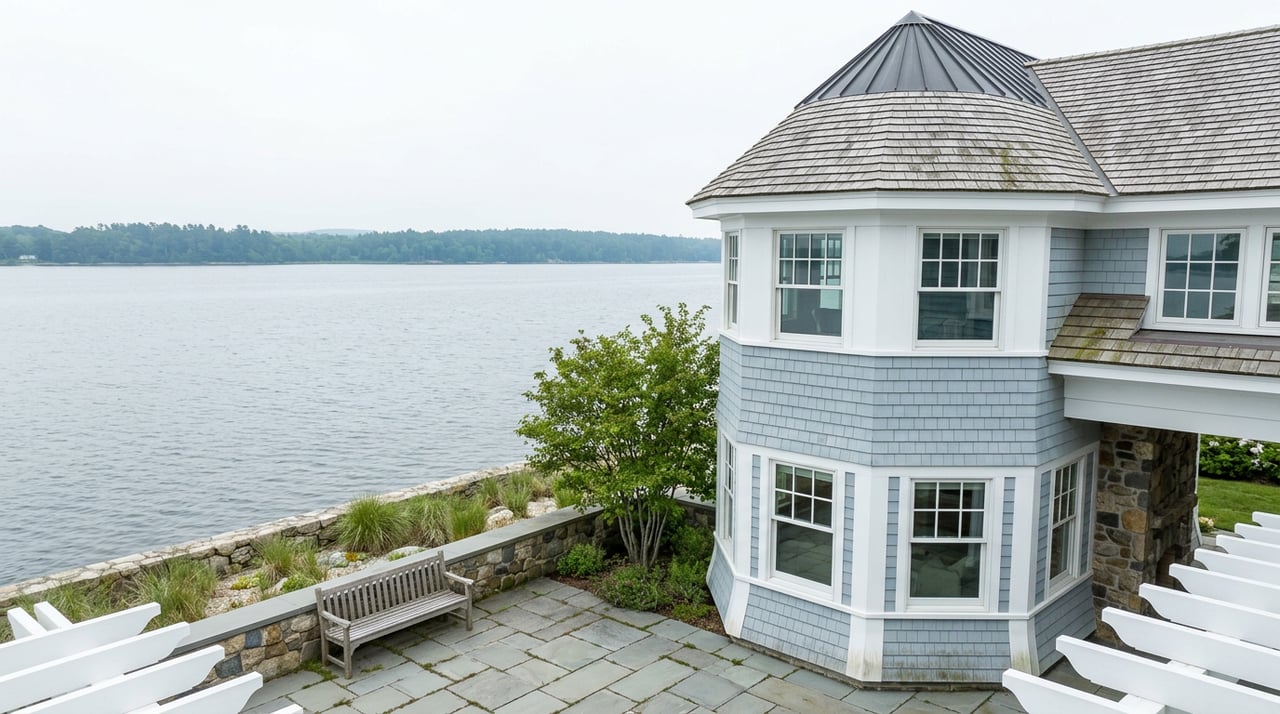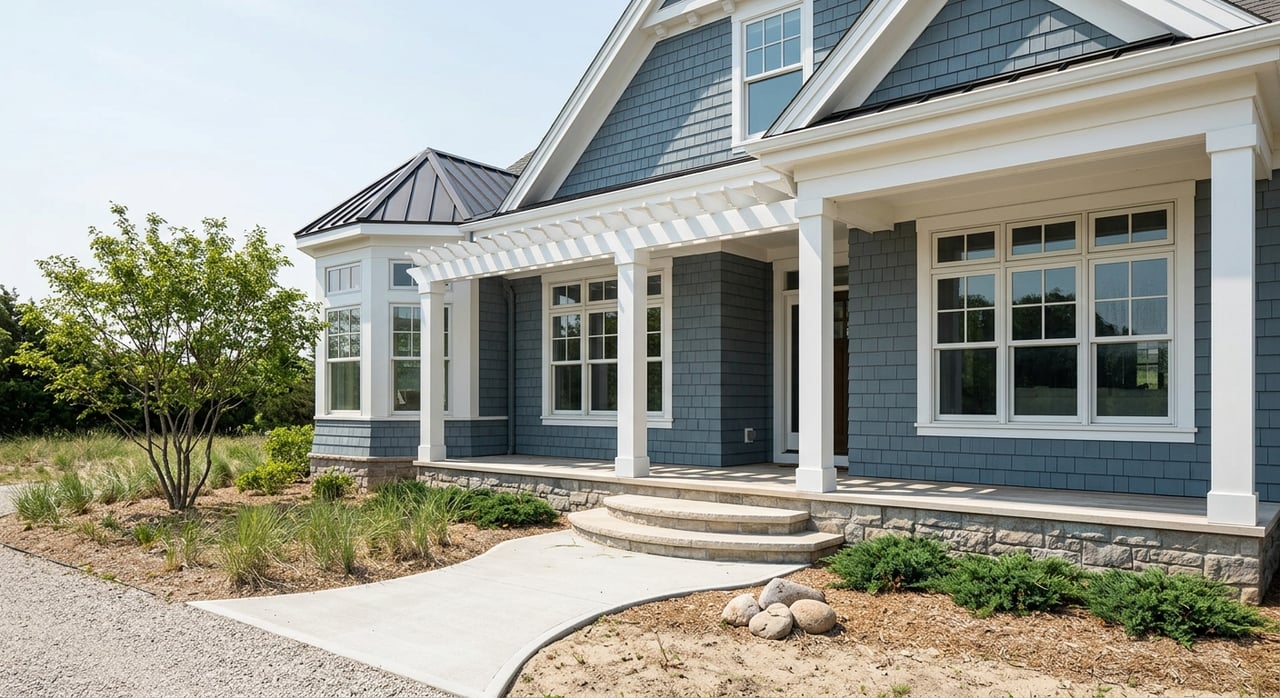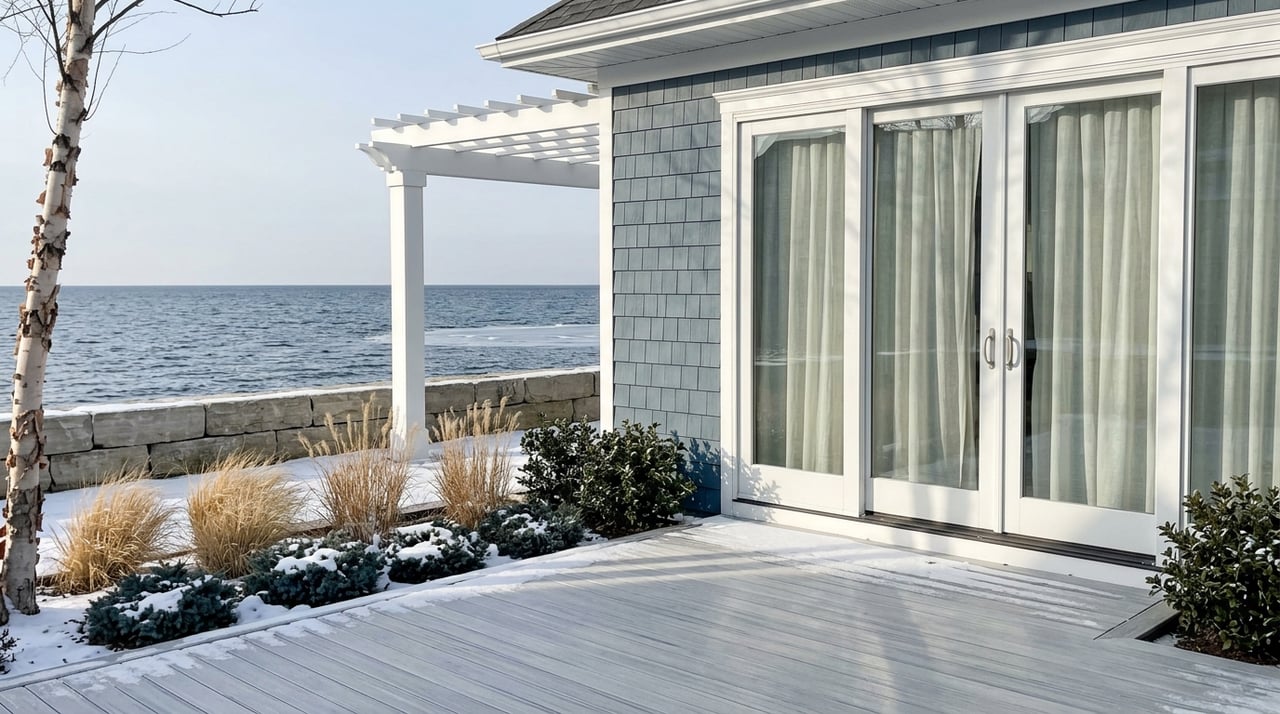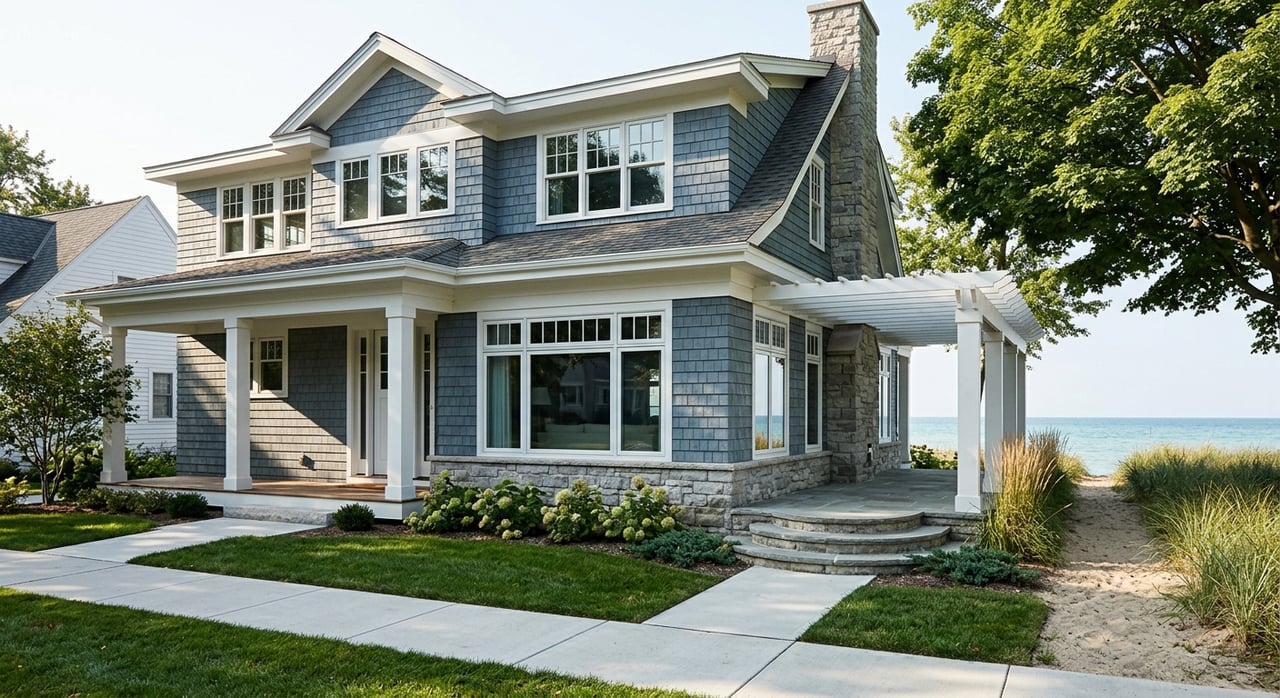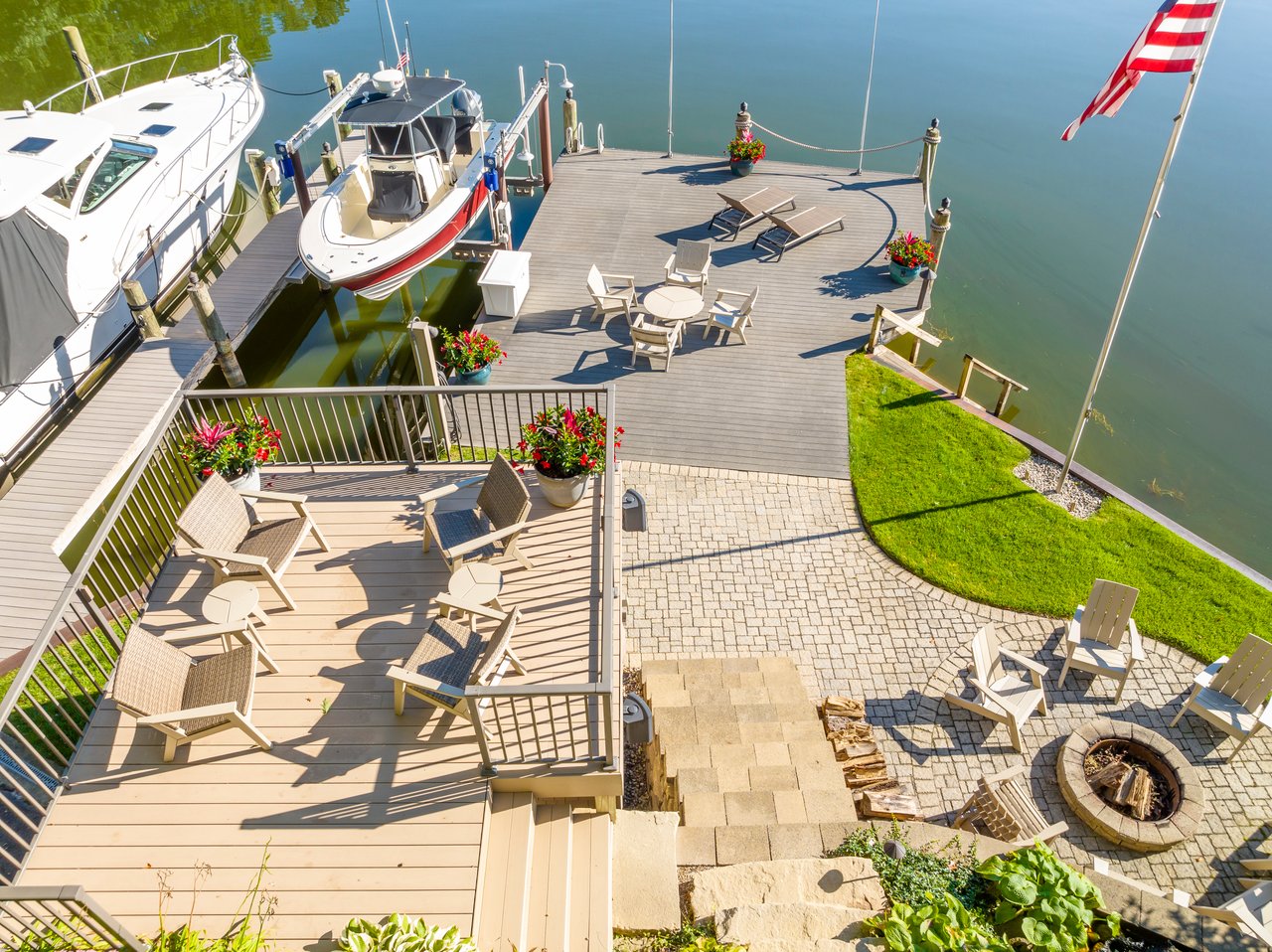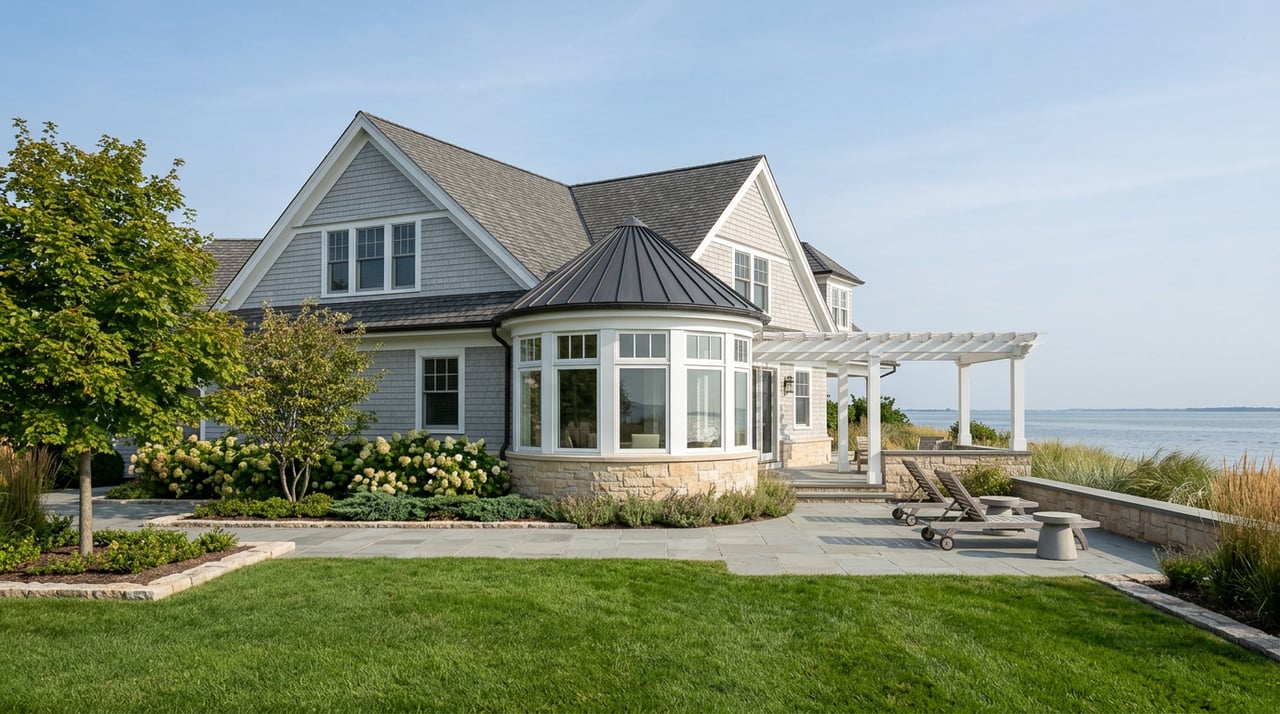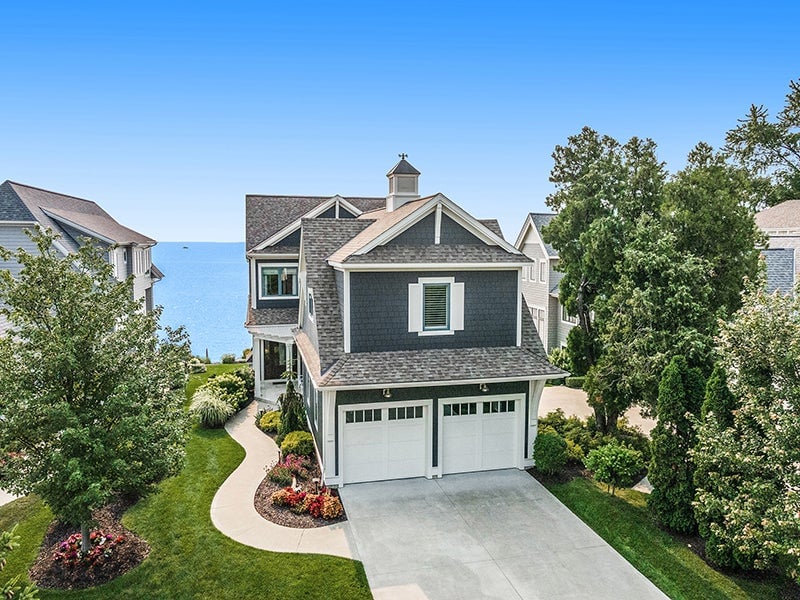
If you picture a second home in Saugatuck as one simple waterfront search, you may miss what really matters. In this market, “waterfront” can mean river access near downtown, a dune-side setting near Lake Michigan, or an in-town home with easy access to both. If you are trying to match your budget, lifestyle, and rental goals to the right property, understanding those differences early can save you time and costly surprises. Let’s dive in.
Understand Saugatuck’s Three Waterfront Lifestyles
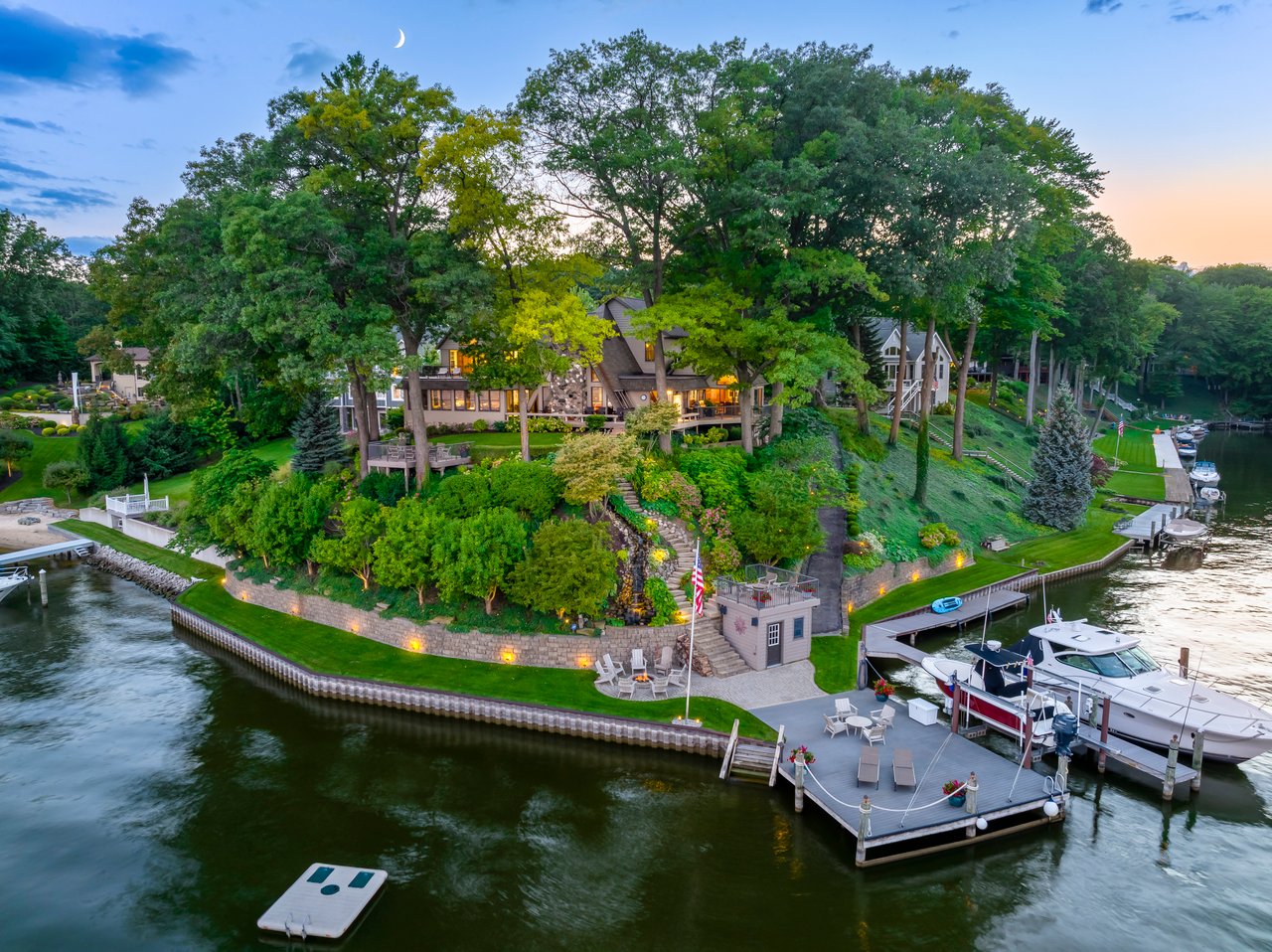
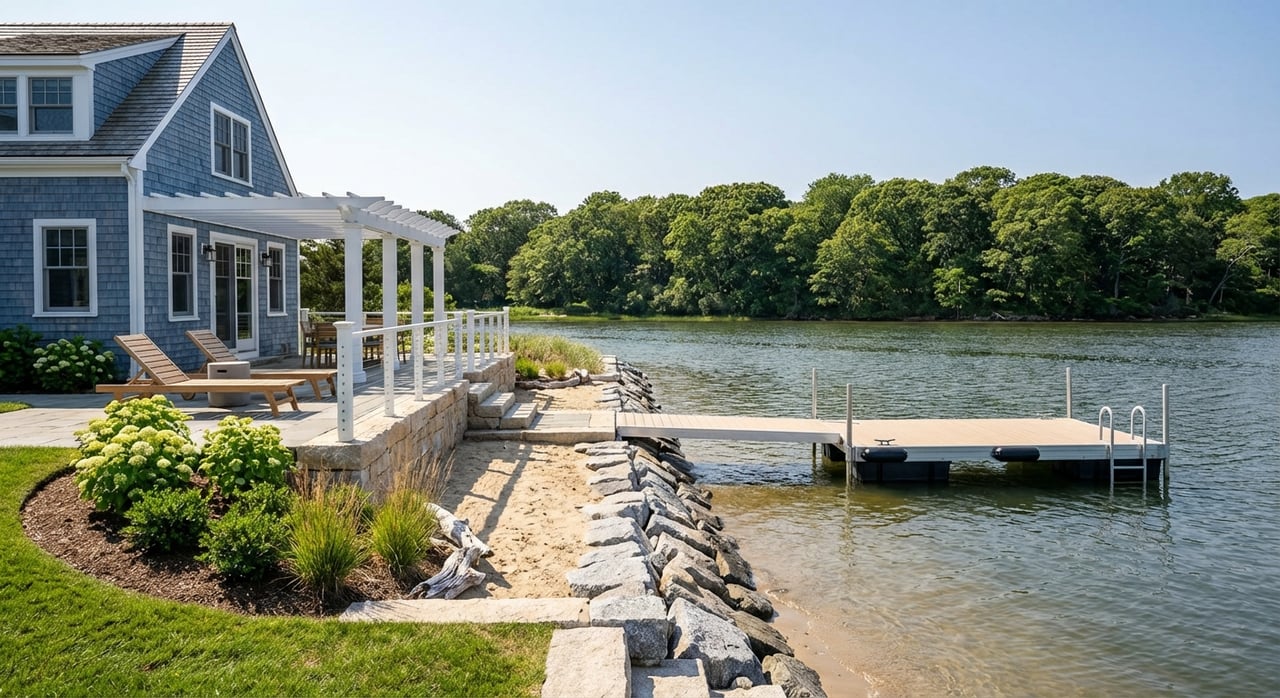
Saugatuck’s second-home market works best when you think beyond the view. The city offers three distinct ownership experiences: river and harbor, lake and dunes, and in-town walkability. Each one comes with a different mix of access, upkeep, rules, and day-to-day convenience.
A recent Zillow estimate placed the average Saugatuck home value at $617,275, but that number is only a broad citywide baseline. In a waterfront market, parcel-level details often matter more than city averages. That is especially true when your buying decision includes boating, beach access, rental use, or long-distance ownership.
River and Harbor Living
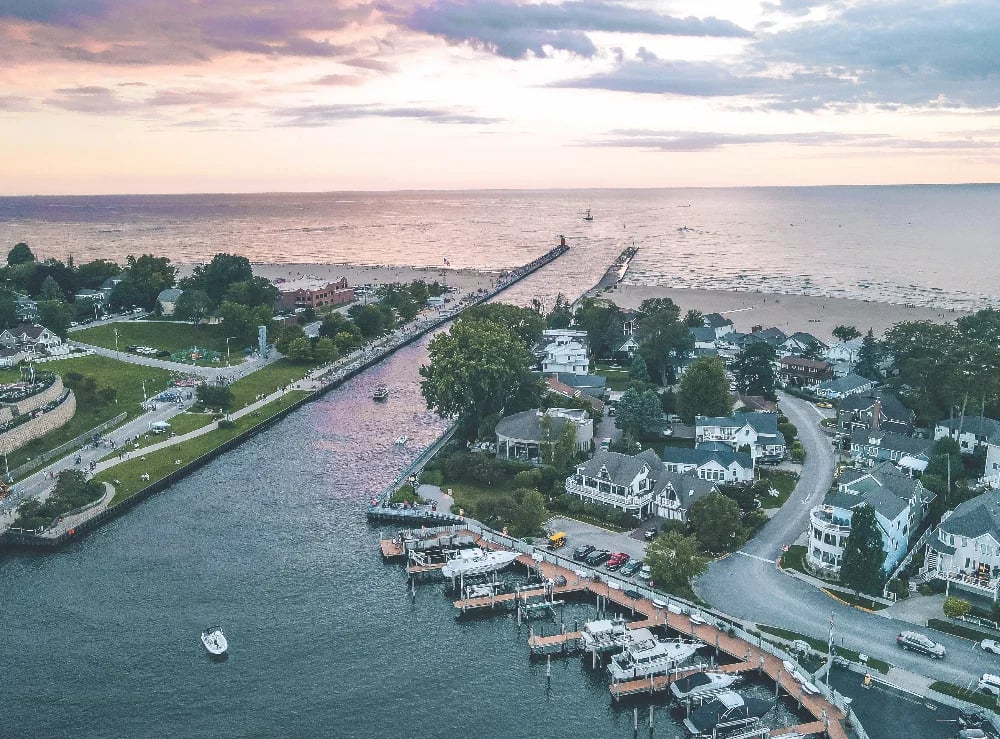
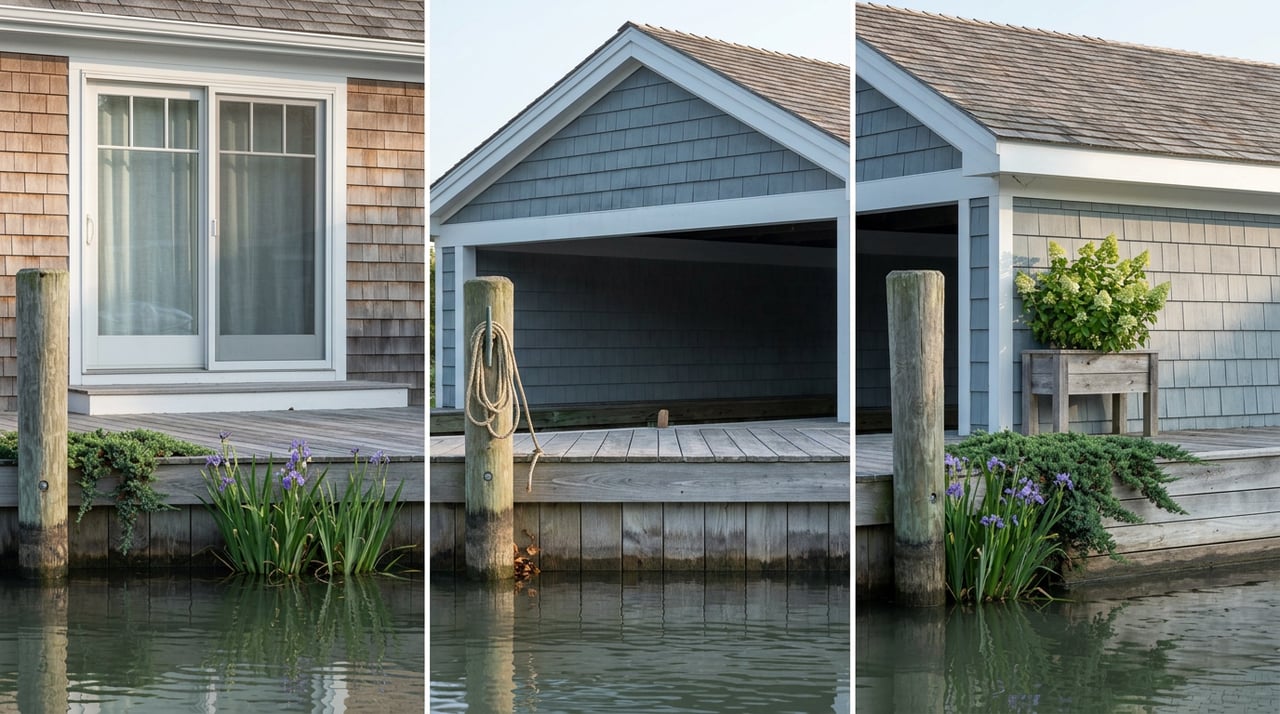
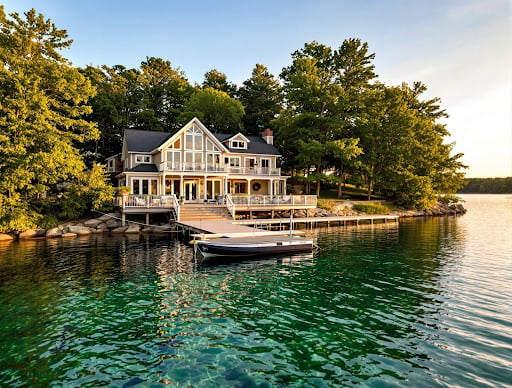
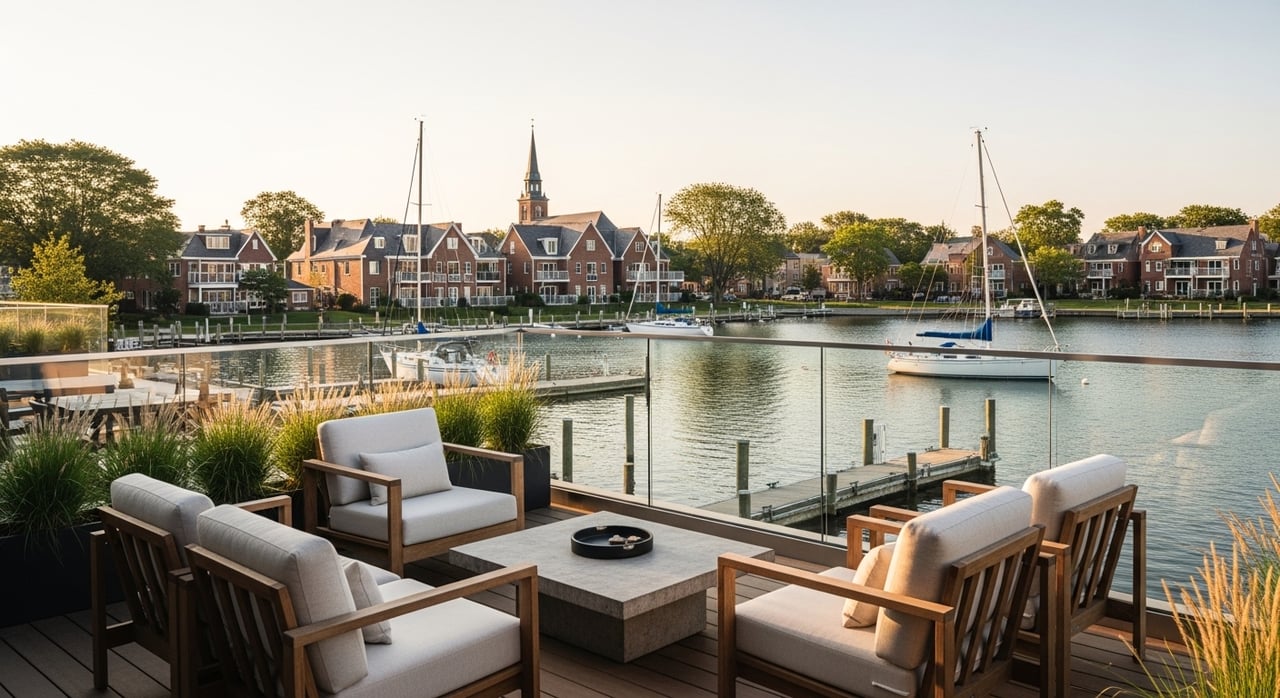
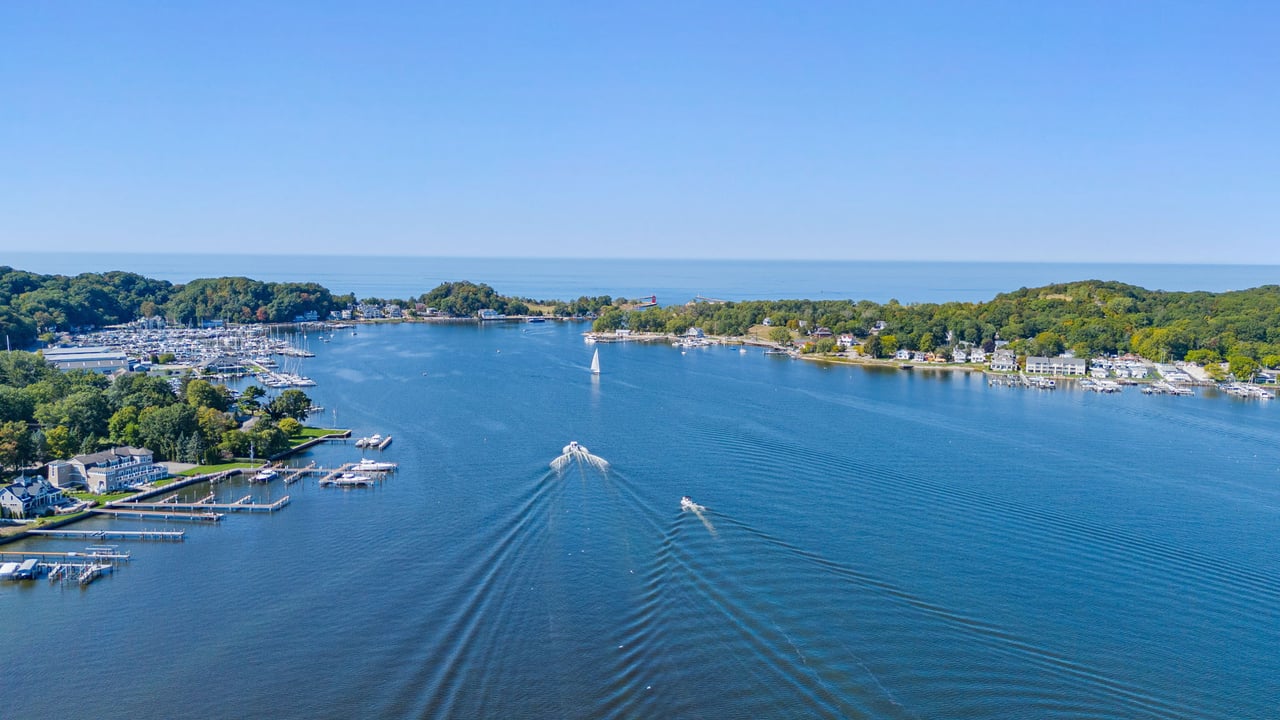
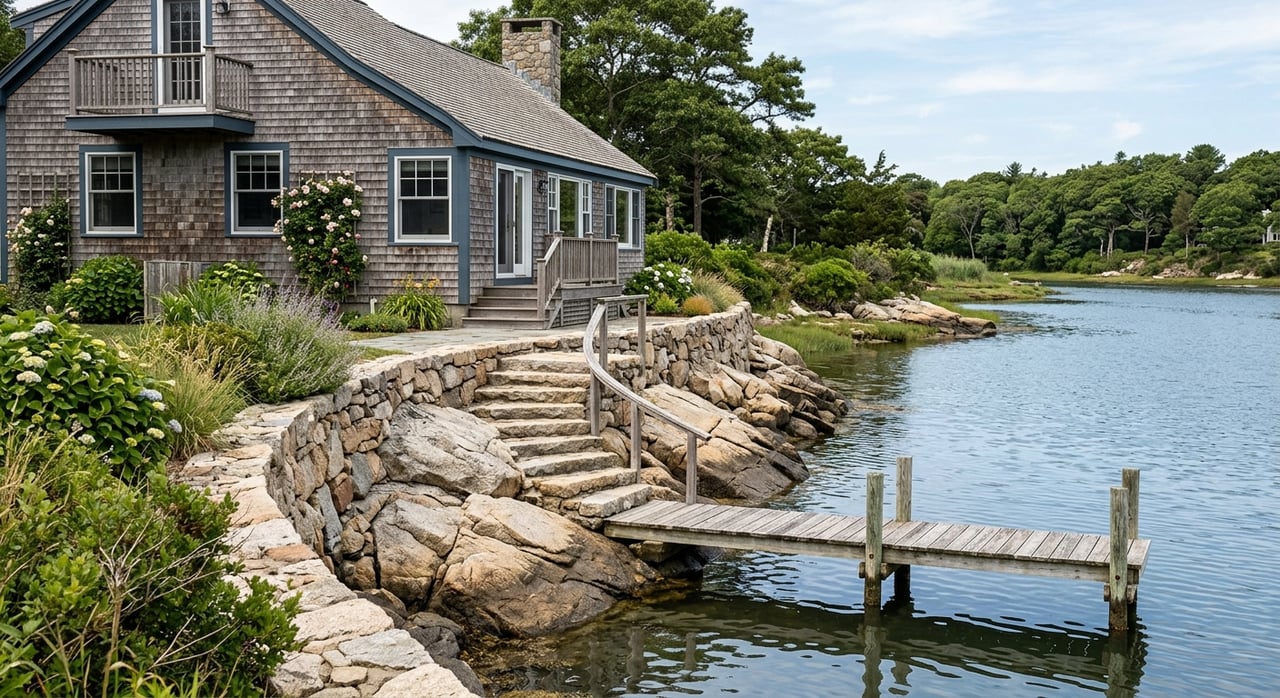
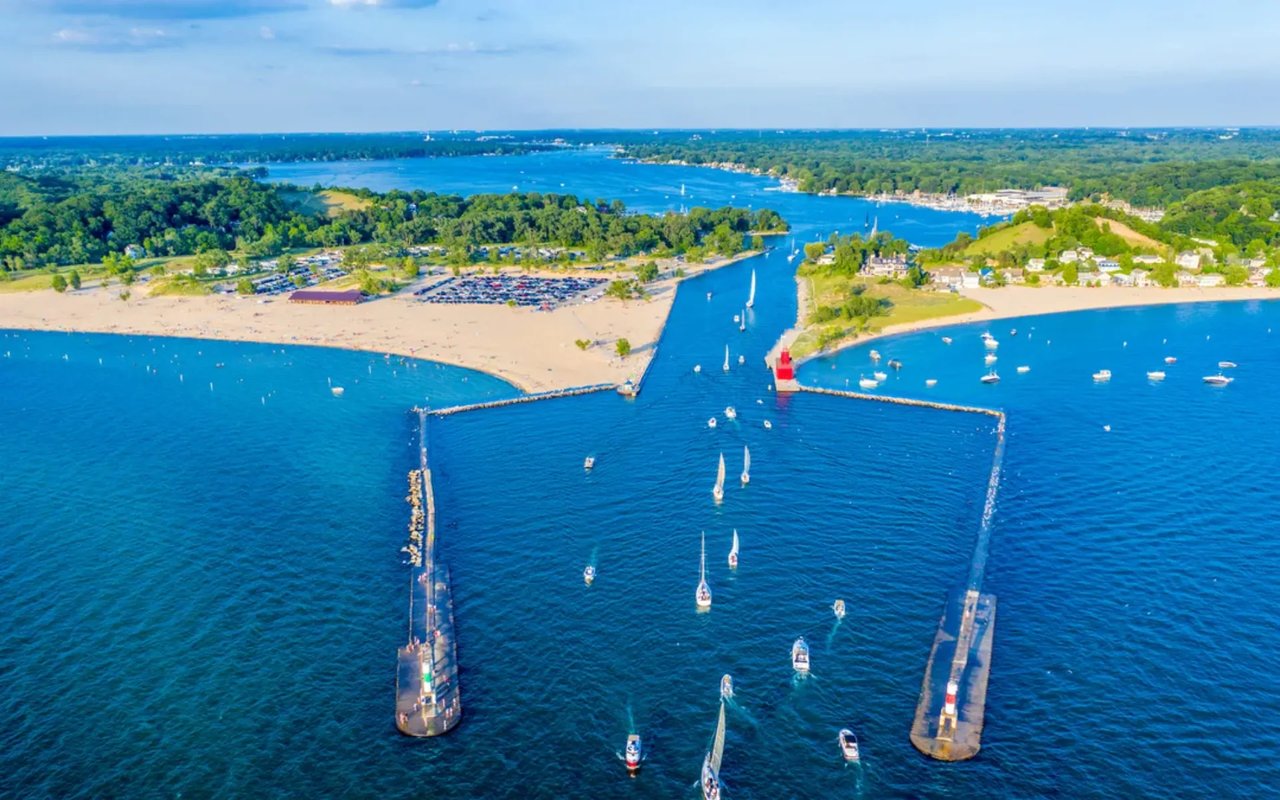
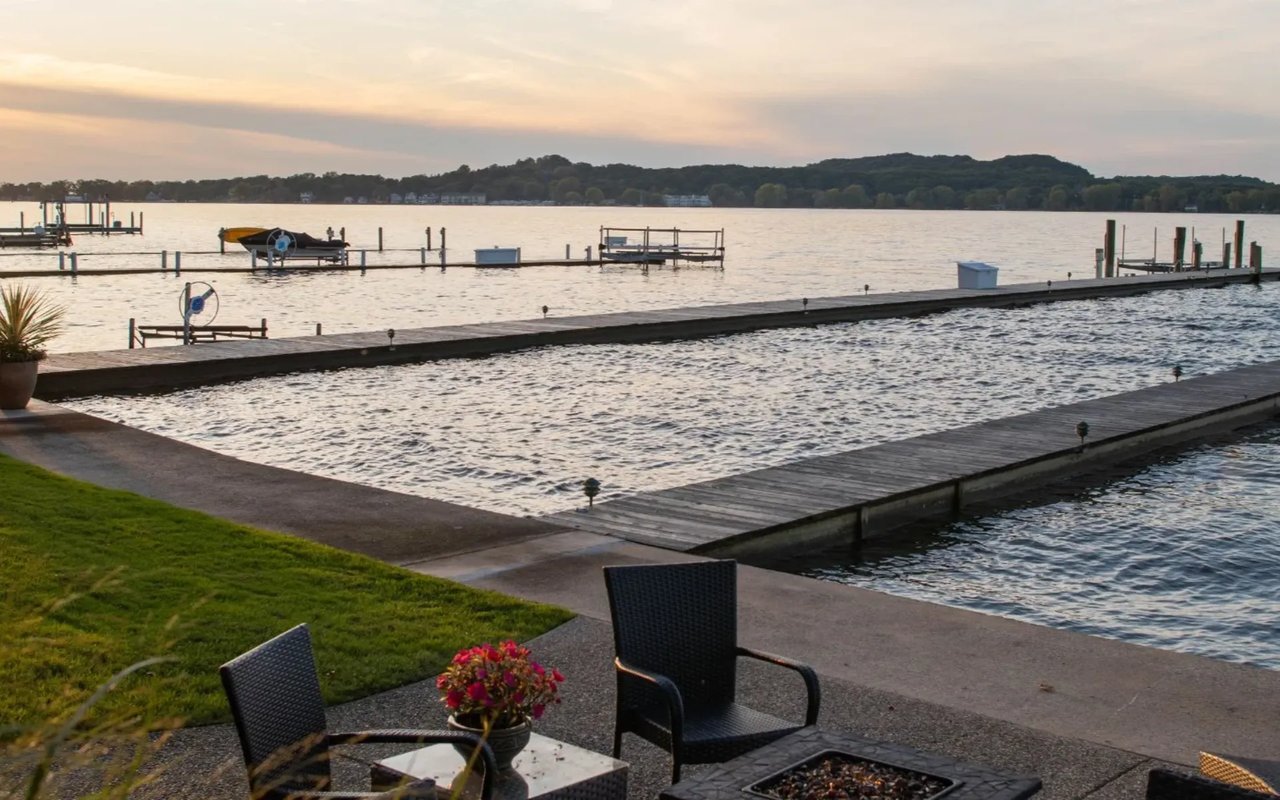
The river and harbor side centers on the Kalamazoo River and the downtown waterfront. Wicks Park and Cook Park overlook the river, and the hand-cranked Chain Ferry connects downtown Saugatuck with the beach side. For many second-home buyers, this area stands out because it blends waterfront atmosphere with easy access to restaurants, shops, and the broader boat-and-beach ecosystem.
If you want a property that feels active, connected, and easy to enjoy without getting in the car for every outing, river-adjacent ownership may be the best fit. This setting often appeals to buyers who care as much about access and activity as they do about a wide-open shoreline view. It can be a strong option if you want to arrive for the weekend and step right into town life.
Lake and Dunes Living
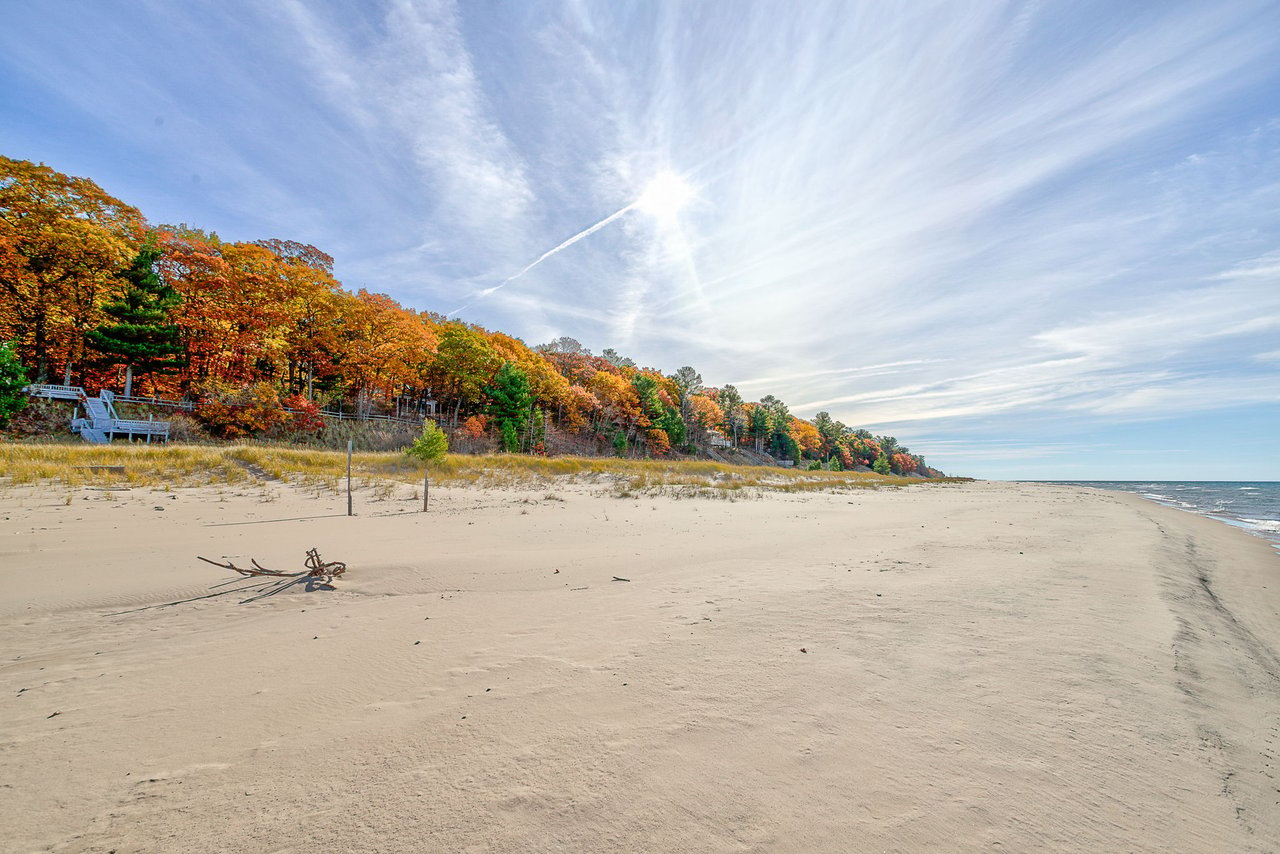
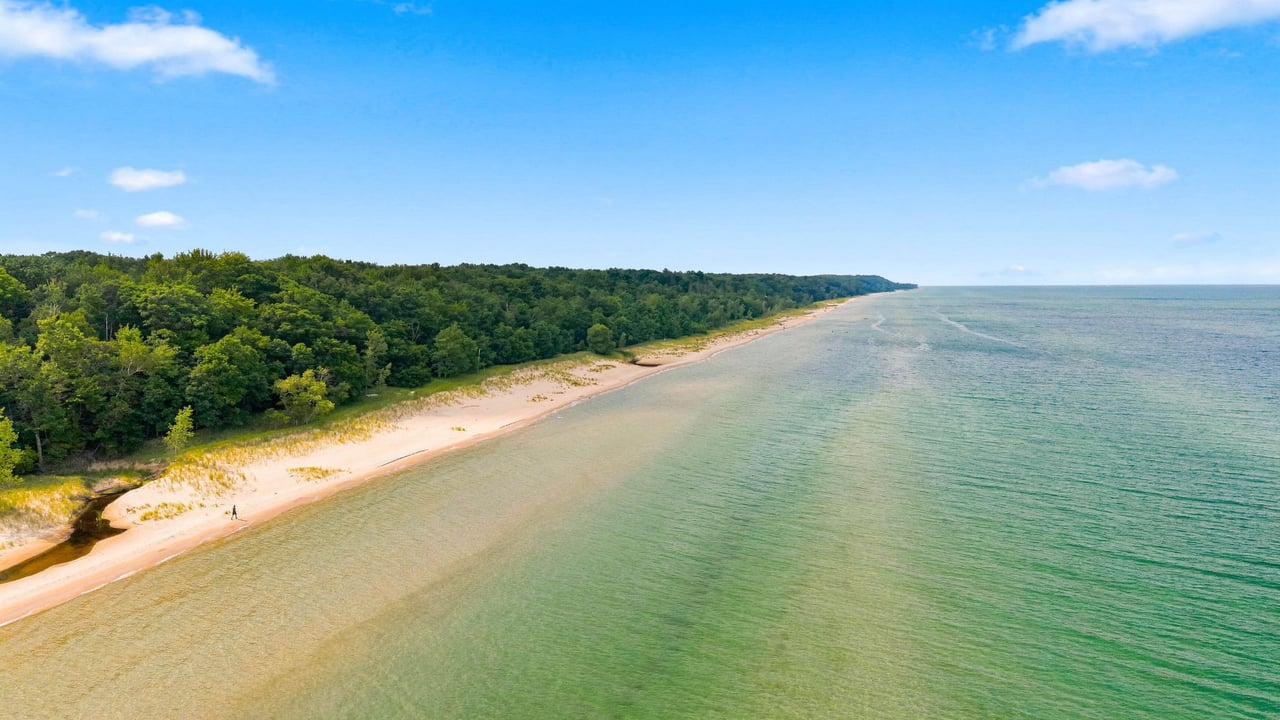
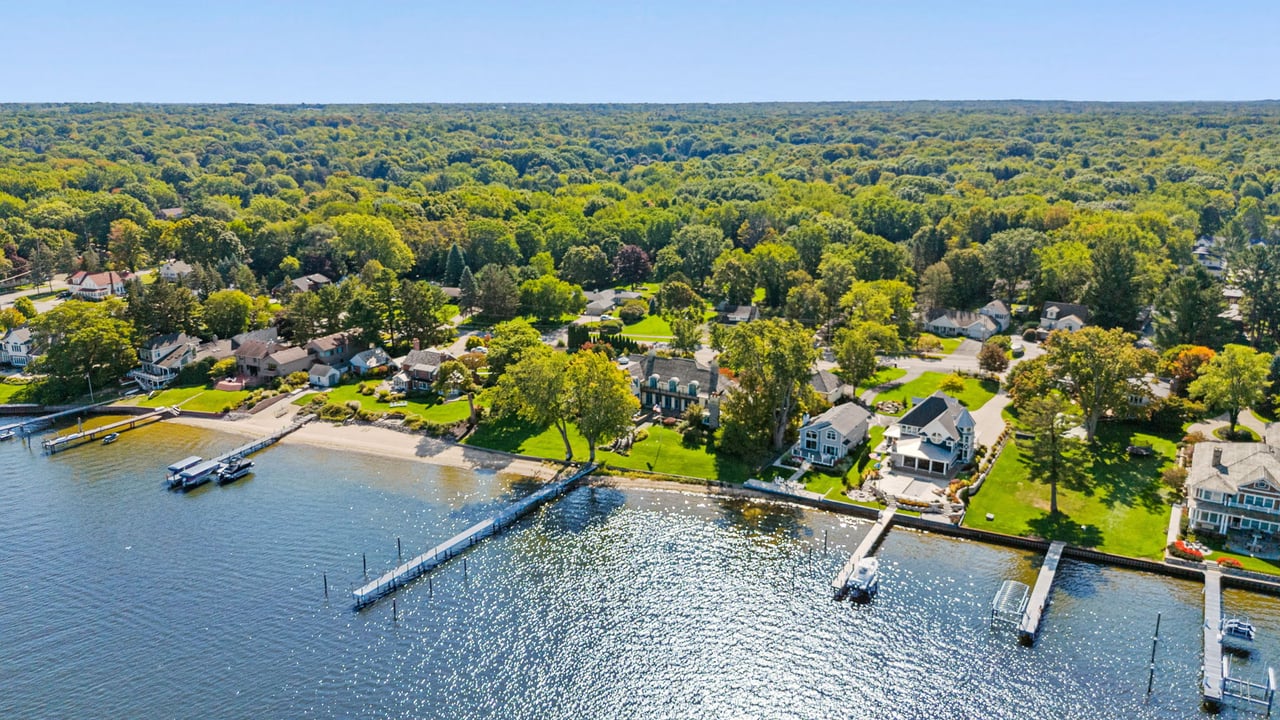
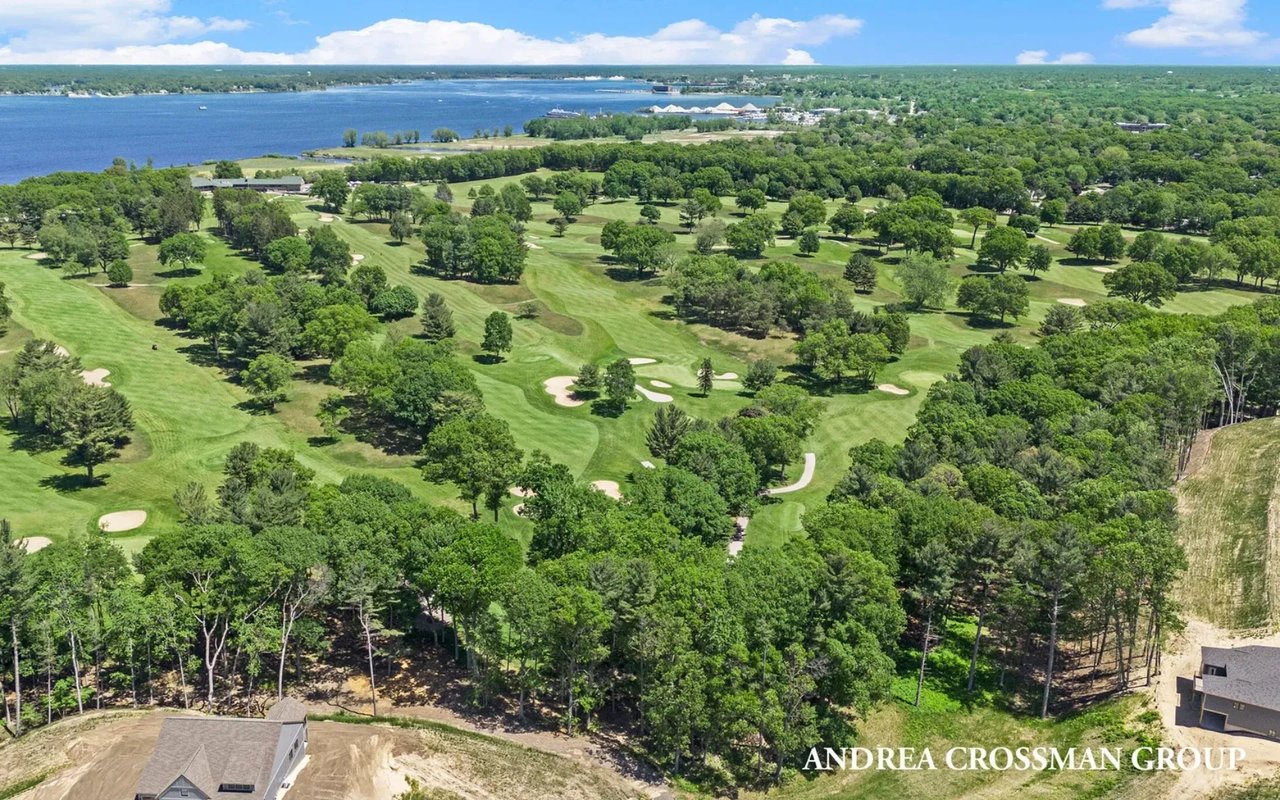
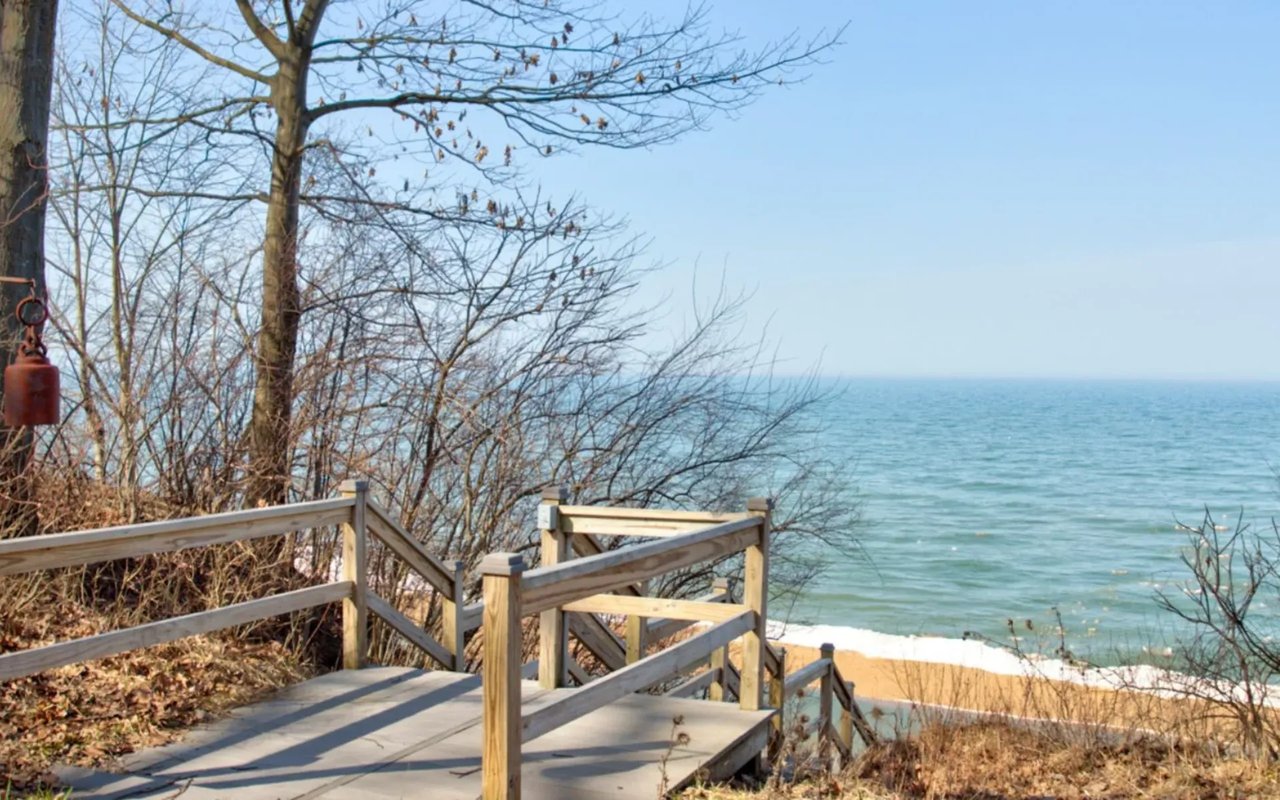
The lake-and-dunes side offers a very different feel. The Saugatuck Harbor Natural Area is a 173-acre duneland tract along Lake Michigan north of Oval Beach, and Saugatuck Dunes State Park includes 2.5 miles of sandy shoreline, dunes, and trails. If your goal is scenery, beach time, and a stronger sense of separation from town, this side of the market often delivers that experience.
That said, a dune-side purchase is not just about the setting. It also means buying into a more environmentally sensitive area where erosion, drainage, shoreline conditions, and land-use restrictions can play a bigger role in ownership. The beauty is real, but so is the need for careful due diligence.
In-Town Walkable Living
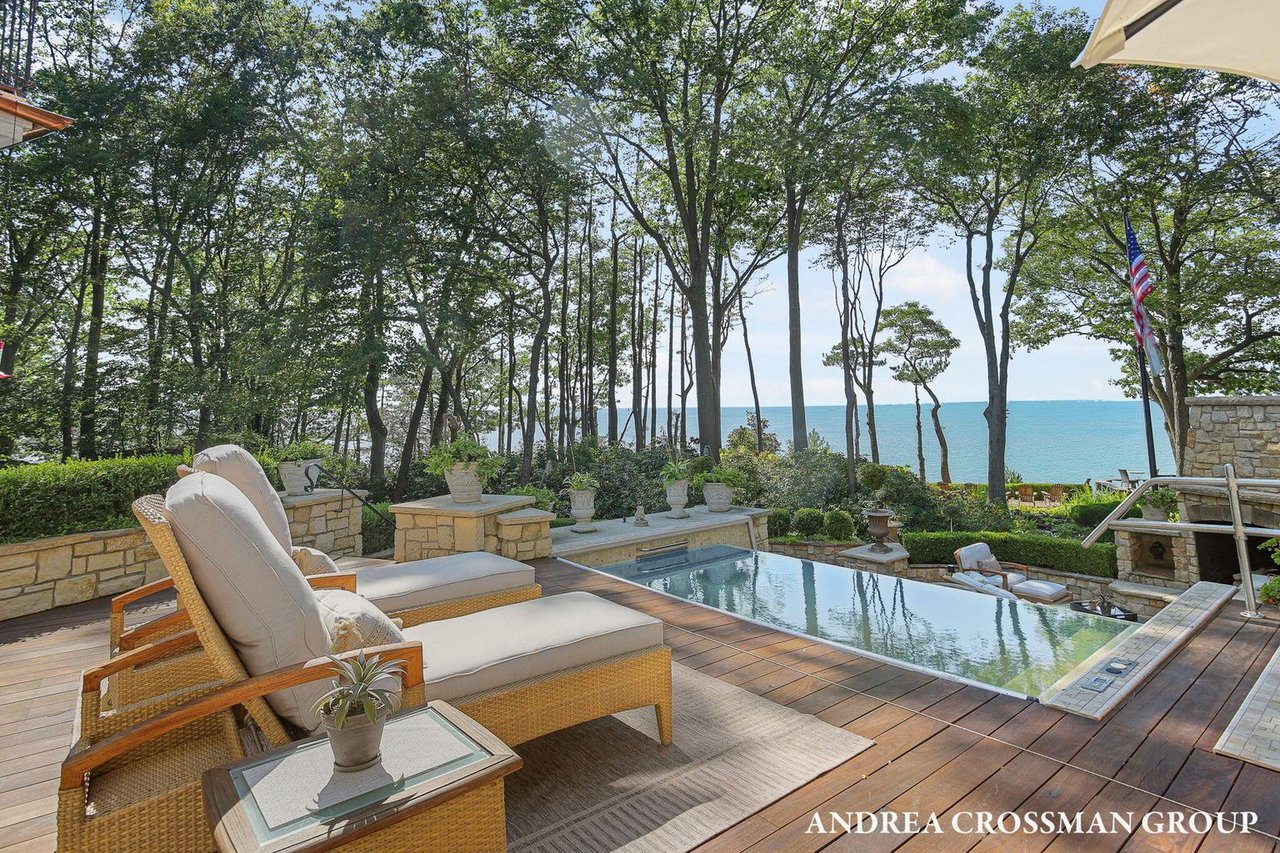
In-town homes can be a smart second-home choice if you want convenience and lower day-to-day friction. Saugatuck’s downtown is known for boutiques, galleries, and restaurants, which makes an in-town property appealing if you value a lock-and-leave lifestyle with easy access to local amenities. You may not have direct waterfront frontage, but you can still be close to the river, parks, shops, and beach routes.
Convenience does not always mean fewer rules, though. If a home is located within the city’s Historic District, exterior work may be reviewed by the Historic District Commission for compliance with historic-rehabilitation standards. If you are thinking about updates, additions, or exterior changes, that review process should be part of your planning from the start.
Match the Setting to Your Second-Home Goals
The best Saugatuck second home is usually the one that fits how you will really use it. A beautiful property can still feel like the wrong choice if the upkeep is heavier than expected, the rental plan does not work, or access is less convenient than you hoped. Before you focus on finishes, start with your ownership priorities.
Ask yourself a few simple questions:
- Do you want boating access or beach access first?
- Do you plan to walk into town often?
- Will you use the home mostly yourself, or rent it part of the year?
- Are you comfortable managing a more sensitive shoreline property?
- Do you want a lower-maintenance setup for long-distance ownership?
For many buyers, this comes down to lifestyle and operations more than scenery alone. River and harbor homes often support access and activity. Lake-side homes often support beach and dune experiences. In-town homes often support convenience, walkability, and easier everyday use.
Plan Early for Flood and Shoreline Risk
In Saugatuck, waterfront buying should always be flood-aware. The city defines a floodplain as land adjacent to a river, lake, or stream, and development in a floodway may require engineering analysis before permits are approved. That matters even if you are not planning major work right away, because future projects may depend on conditions that are not obvious during a casual showing.
Flood insurance also deserves early attention. FEMA notes that flood insurance is a separate policy, and most homeowners policies do not cover flood damage. If a property is in a Special Flood Hazard Area and you have a government-backed mortgage, flood insurance is required.
Even if a property sits outside a mapped high-risk area, you should not assume there is no flood-related cost. Flood insurance may still be available, and some lenders may still require it. For second-home buyers, the practical move is to review insurance early in the offer process rather than waiting until the final days before closing.
Why Timing Matters for Flood Insurance
Flood insurance timing can affect your transaction planning. FEMA states that National Flood Insurance Program policies typically have a 30-day waiting period before coverage begins, unless the policy is lender-mandated or tied to a map change. In a waterfront market, that makes early conversations with your insurance provider especially important.
This is one of those details that can feel minor at first and suddenly become urgent. If you are buying from out of town, it helps to treat flood review as part of your first-round due diligence, not a final checklist item.
Expect More Scrutiny on Shoreline Changes
Lake Michigan shoreline property comes with real local considerations around erosion and site work. The Michigan DNR has warned of recent high-water levels and shoreline erosion in the Saugatuck Dunes area, and Saugatuck Township adopted its Lakeside Overlay District to combat coastal erosion. That local framework matters if you are considering grading, drainage changes, landscaping, or outdoor improvements near the shoreline.
The city’s major waterfront construction permit application also shows how detailed waterfront work can become. Required materials can include a survey, site plan, current improvements, proposed dimensions, and the location of ordinary high water, flood plains, wetlands, easements, and critical dunes, plus copies of state and federal approvals. If you are buying with plans for a dock, bulkhead, or shoreline upgrade, those plans should be discussed before you finalize the purchase.
In short, not every improvement idea is plug-and-play on a waterfront lot. If your second-home vision includes significant exterior work, a parcel-level review can help you understand what is realistic before you commit.
Think Carefully About Rental Potential
Many buyers want a Saugatuck second home that can offset costs when they are not using it. That can work, but only if the exact parcel and jurisdiction support your plan. In this market, rental potential is highly local, and assumptions can lead to disappointment.
In the City of Saugatuck, a dwelling rented or advertised for less than 31 consecutive days needs a short-term rental license. The city requires annual licensing, rental property insurance, and display of the license number in advertising. Occupancy is capped at 12, and the license holder or local agent must address violations within 2 hours.
One of the biggest issues for buyers is transferability. In general, short-term rental certificates and licenses do not transfer when ownership changes. That means you should not assume a property with a current rental history will come with the same rental rights after closing.
Zoning and Caps Matter
Saugatuck’s short-term rental system is district-specific, and some R-1 districts are capped. Those include Community Residential R-1, Peninsula West R-1, Maple Street R-1, Peninsula South R-1, and two Peninsula North subdistricts. The city has also published notices showing very limited license availability in certain areas.
That creates a simple but important takeaway: rental feasibility depends on the exact parcel. A home may look perfect for vacation rental use and still sit in a district where licenses are capped or only available through a city process. If rental income is part of your purchase strategy, parcel-level verification should happen before you rely on those numbers.
City and Township Rules Are Not the Same
Another key detail is jurisdiction. Rules can change if the property is in Saugatuck Township rather than within city limits. The township requires a Rental Certificate for both short-term and long-term rentals, uses a 3-year permit term, requires a local agent in certain situations, and expects a parking site plan with adequate off-street parking and emergency-vehicle access.
The city and township also define short-term rental differently. The city uses less than 31 consecutive days, while the township defines short-term rental as less than 28 days. If you are comparing nearby properties, that difference can affect how you model income, plan minimum stays, and evaluate operational needs.
Build a Local Support Team if You Live Out of State
A second home is easier to enjoy when you have the right local support in place. This matters even more if you plan to rent the property or only visit seasonally. In Saugatuck, local responsiveness is part of the ownership equation, not just a convenience.
The city states that owners are responsible for tracking short-term rental expiration dates and that advance reminders are not sent. The local agent’s name and phone number also appear in the public short-term rental registry. In the township, rental permits also have renewal deadlines and can be voided by changes in use or structure.
For remote owners, a good setup often includes:
- A local insurance contact
- A property manager or local agent, if needed
- Reliable maintenance and seasonal service vendors
- Clear calendar reminders for permit and license deadlines
- Local guidance for waterfront, utility, and harbor-related questions
The broader waterfront system in the Saugatuck and Douglas area also points owners toward local authorities for harbor planning, access, permits, and utility matters. If boating or waterfront improvements are part of your lifestyle, those local relationships can make ownership much smoother.
Budget Beyond the Purchase Price
When you buy a second home in Saugatuck, the purchase price is only part of the financial picture. Insurance, permit requirements, maintenance, and tax treatment can all shape the true cost of ownership. That is especially important if you are comparing a simple in-town property to a more complex waterfront parcel.
Michigan’s Principal Residence Exemption applies only to an owner’s principal residence and exempts it from the local school operating millage up to 18 mills. A second home generally does not qualify. If the property will remain a true second home, it is wise to budget without assuming PRE savings.
You should also factor in ownership realities that are easy to overlook, such as flood insurance timing, shoreline maintenance, rental compliance, and busy summer access. For example, the city notes that Oval Beach parking can reach capacity during peak summer hours and encourages advance planning. If your second-home vision depends on easy beach days for family or guests, that seasonal traffic pattern is worth understanding ahead of time.
What Smart Buyers Do Before Making an Offer
In a market like Saugatuck, strong second-home decisions usually come from targeted due diligence. The goal is not to make the process harder. It is to make sure the property you love also fits the way you plan to use it.
Before you move forward, it helps to confirm:
- The exact jurisdiction: city or township
- Floodplain status and insurance implications
- Short-term rental eligibility for the parcel
- Whether any existing rental approval transfers, if applicable
- Historic District review requirements, if applicable
- Shoreline, dune, or waterfront improvement constraints
- The local support system you will need after closing
The right home can absolutely check the boxes for lifestyle, convenience, and long-term value. The key is understanding which version of Saugatuck waterfront living you are actually buying into.
If you are exploring a second home in Saugatuck, working with a team that understands West Michigan waterfront micro-markets can make the search much more efficient. The Andrea Crossman Group helps buyers navigate the details that matter most, from access and setting to parcel-specific considerations that shape the ownership experience.
FAQs
What type of Saugatuck second home is best for walkability?
- In-town and river-adjacent properties are often the best fit if you want easy access to downtown shops, restaurants, parks, and the waterfront.
Do Saugatuck short-term rental licenses transfer to a new owner?
- No. In the City of Saugatuck, short-term rental certificates and licenses are generally non-transferable when ownership changes.
Does a Saugatuck waterfront home always need flood insurance?
- Not always, but flood insurance should be reviewed early because most homeowners policies do not cover flood damage, and some lenders may require flood coverage even outside high-risk zones.
Are Lake Michigan-side properties in Saugatuck harder to improve?
- They can be, because shoreline and dune-area properties may face added scrutiny related to erosion, drainage, wetlands, critical dunes, and waterfront permitting.
Do rental rules change between Saugatuck city and township properties?
- Yes. The city and township use different rental definitions, permit structures, response requirements, and operational rules, so the exact jurisdiction matters.
Does a second home in Michigan qualify for the Principal Residence Exemption?
- Generally no. Michigan’s Principal Residence Exemption applies to a principal residence, not a second home.