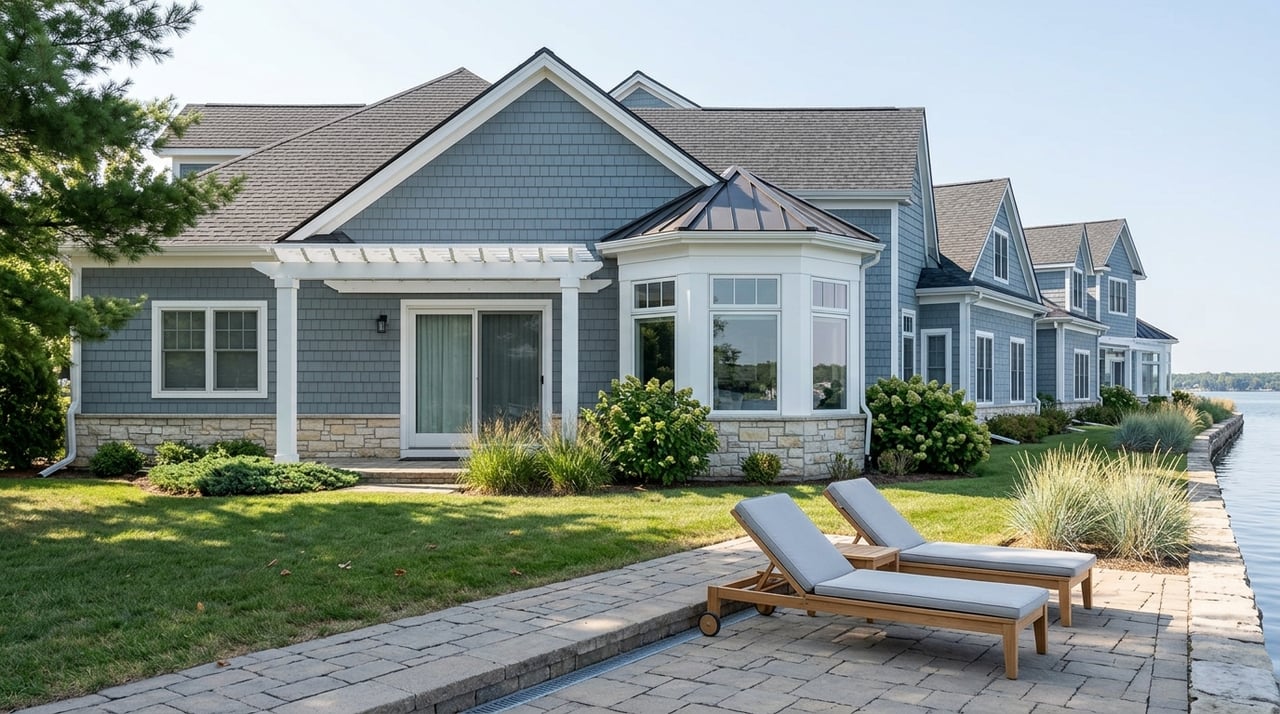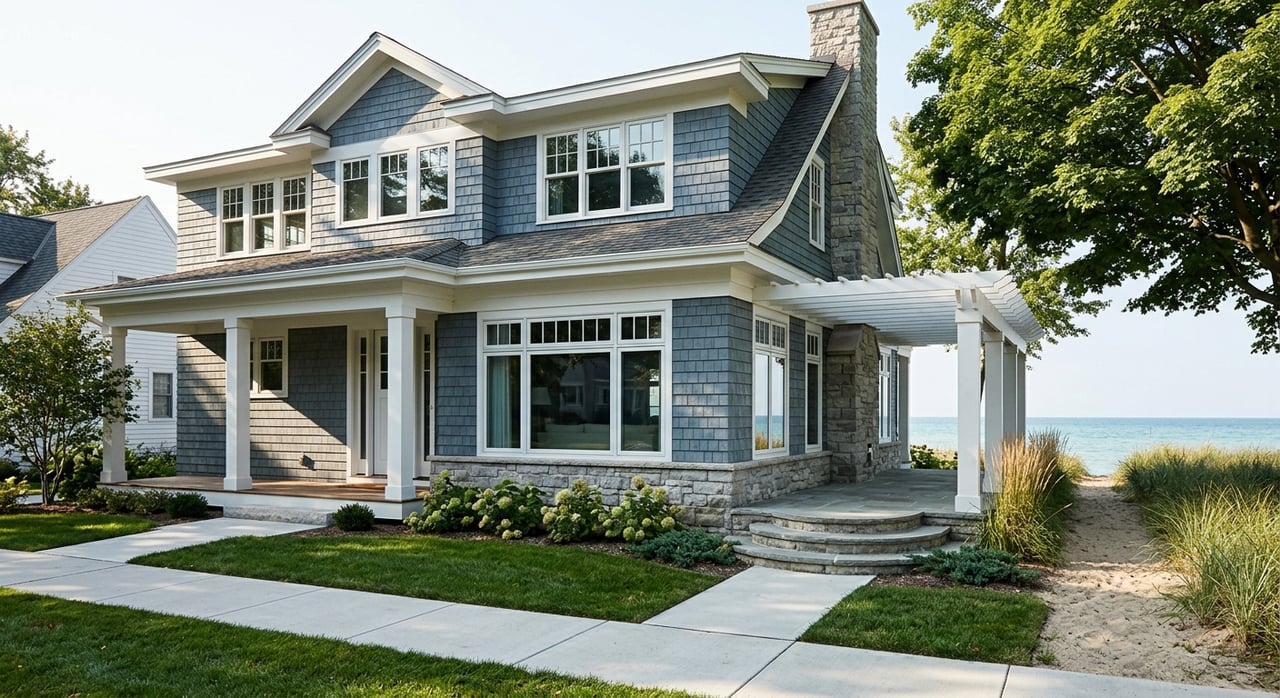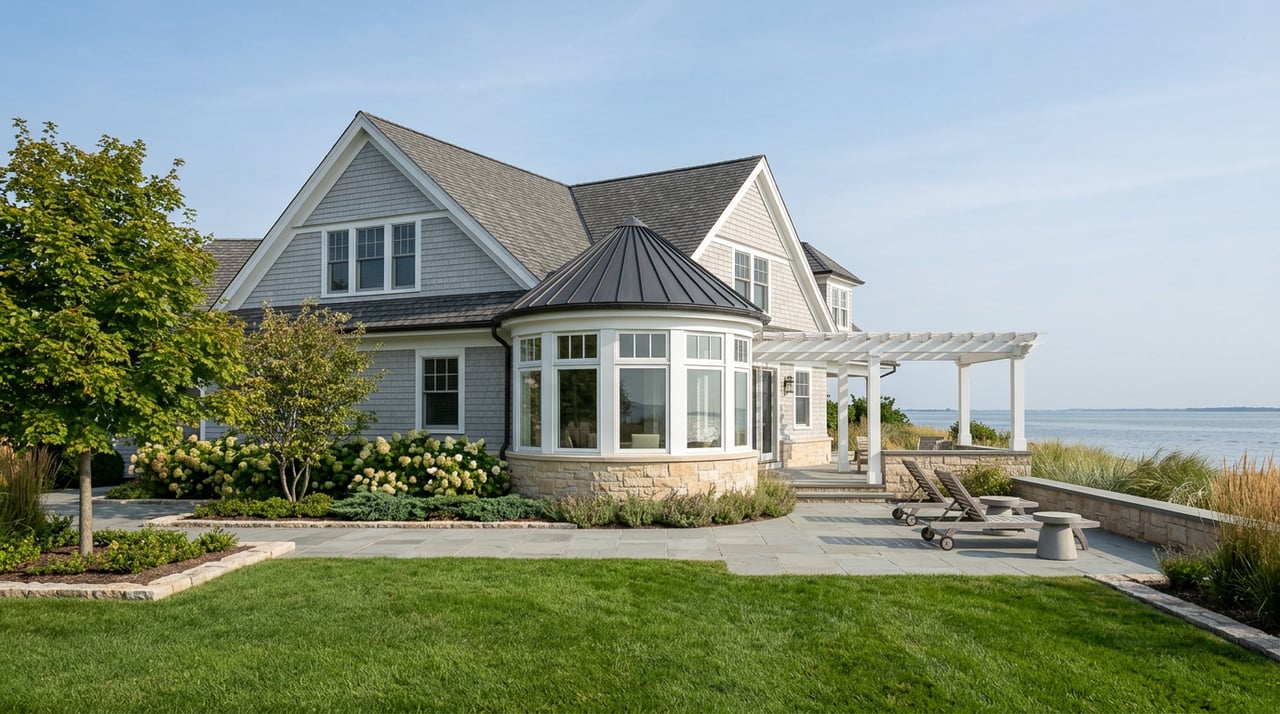
Selling a waterfront home in Spring Lake is rarely as simple as putting a sign in the yard and waiting for offers. Buyers in this market tend to look closely at the details that affect boating, shoreline use, and long-term upkeep, which means your preparation can shape both your timeline and your final price. If you want to know what matters most before you list, this guide will walk you through pricing, timing, inspections, and marketing so you can move forward with more confidence. Let’s dive in.
Spring Lake waterfront sales are highly property-specific
Not all Spring Lake homes compete on the same terms, and that is especially true on the water. A home’s value can shift based on view quality, dock usability, shoreline condition, and how easily buyers can access Spring Lake, the Grand River, and nearby boating amenities.
That is one reason public market numbers can look different depending on the source. In March 2026, Redfin reported a median sale price of $415,000 in Spring Lake city and 14 days on market, while Realtor.com reported a median listing price of $489,900 and 39 median days on market for the broader 49456 ZIP. Zillow showed 30 median days to pending for 49456 as of March 31, 2026, and a local MLS-based Spring Lake Township report showed 68 days on market, 3.3 months of inventory, and 98.6% of original list price received over a rolling 12-month period.
The takeaway is simple: your waterfront home should be priced and marketed using property-specific comparables, not broad townwide averages alone. In a niche market like Spring Lake, small differences in shoreline setup and water access can create major pricing differences.
What kind of buyer may be shopping your home?
Spring Lake Township appears to be an established, owner-occupied market. According to the Census Bureau, the township has a median household income of $97,451, an owner-occupied housing rate of 81.2%, and 22.5% of residents age 65 or older.
That does not directly measure waterfront buyers, but it does help frame the local market. National data also points toward a buyer pool that is often older and more equity-driven, with the National Association of Realtors reporting in 2025 that first-time buyers made up 21% of buyers, while repeat buyers had a median age of 62.
For you as a seller, that often means waterfront buyers may be comparing lifestyle value just as much as square footage. They may focus on things like dock condition, ease of boating, shoreline maintenance, and whether the home feels ready to enjoy from day one.
Pricing should reflect waterfront realities
Spring Lake’s market labels are mixed depending on where you look. Realtor.com described Spring Lake city as a seller’s market in March 2026, while the broader 49456 ZIP was described as balanced, and Redfin called the city somewhat competitive.
That mixed picture reinforces the need for careful pricing. A waterfront home with strong views, a compliant and usable dock, and clear records may perform very differently than a similar-sized home with shoreline concerns or less functional access.
It is also worth noting that pricing close to market can still lead to strong results. Realtor.com showed 49456 homes selling at roughly asking price on average in March 2026, and the Spring Lake Township MLS-based report showed sellers receiving 98.6% of original list price over a rolling 12-month period.
Why overpricing can hurt more on the waterfront
Waterfront buyers tend to be selective. If your home lingers on the market because the price does not match the property’s condition or water features, buyers may start to assume there is a hidden issue.
That can be especially risky when buyers are already doing a deeper review of the shoreline, dock, and maintenance history. In many cases, a well-supported list price creates more momentum than an aspirational one.
Timing matters, but preparation matters more
If you are hoping to sell during the spring market, it helps to plan earlier than you think. Realtor.com’s 2026 analysis found that April 12 through April 18 was the best week to list nationally, with 16.7% more views per listing, homes selling about 9 days faster than average, and 11.9% fewer sellers than a typical week.
That same report noted that 53% of sellers take one month or less to prepare their home. For a waterfront property, that can be a tight window because prep often involves more than decluttering and touch-up paint.
You may need time to gather dock records, confirm shoreline work history, address moisture issues, and schedule photography when the exterior and water views show well. If you think you might sell within the next year, starting early can give you more options and fewer last-minute surprises.
Waterfront inspections often go beyond the usual checklist
One of the biggest differences between selling a waterfront home and selling an inland home is the inspection process. Buyers are often just as interested in the land-water interface as they are in the kitchen or primary suite.
In Spring Lake, common buyer questions may center on the shoreline, dock structures, erosion control, drainage, and signs of past water intrusion. Those issues can affect confidence, financing, and negotiations.
Shoreline and dock questions to expect
Michigan EGLE says permits are required for many inland lake activities, including shoreline protection, dredging, filling, structures on bottomlands, and docks or boat hoists in many situations. EGLE also uses the ordinary high-water mark when evaluating inland lake projects.
That means buyers may ask for records related to shoreline improvements, dock work, or other projects near the water. If you have documentation for permits, repairs, or upgrades, having it organized before listing can help reduce uncertainty.
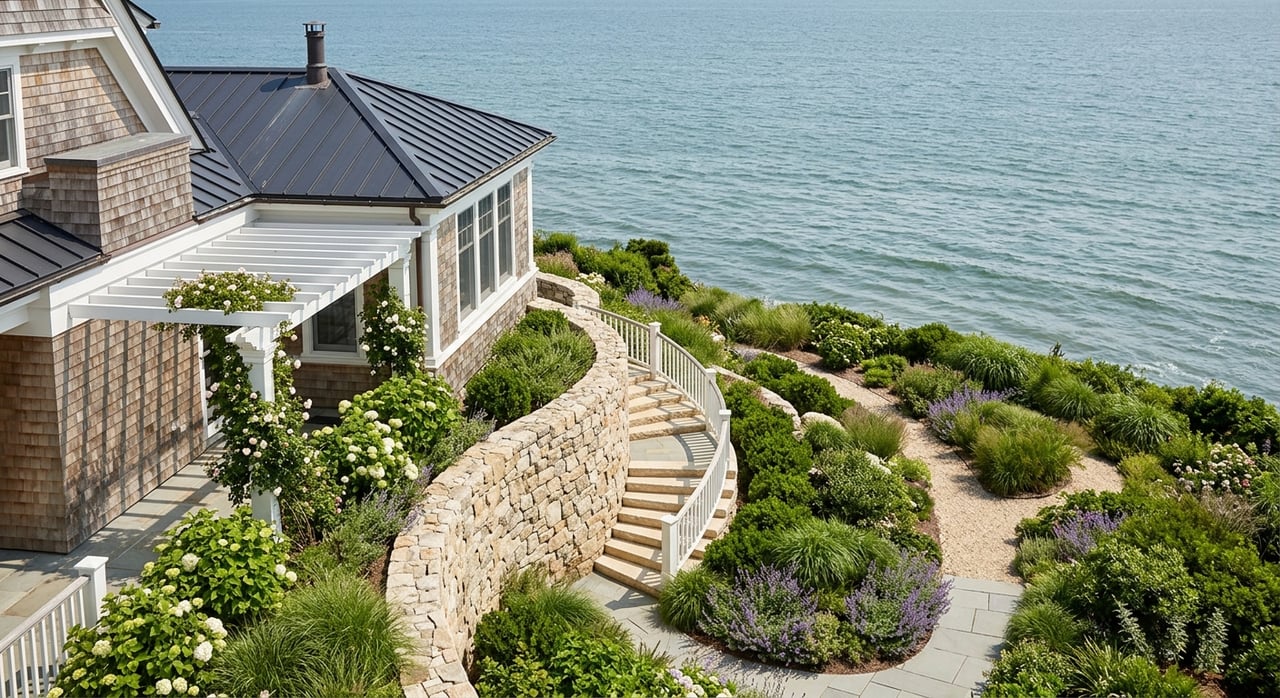
EGLE also notes that seawalls and other hard shoreline structures can affect habitat and water quality, and that hardening should be minimized to the amount needed to address erosion. From a selling standpoint, buyers may want to know the age, condition, and repair history of seawalls, riprap, tiebacks, and similar features.
Local dock compliance can matter
Village rules can add another layer of review. In the Village of Spring Lake, the code limits single-family dwellings to one dock per dwelling unit, and dock or slip use is generally limited to residents or guests rather than compensation-based use.
The local code also regulates certain dock spacing and length issues in waterfront-access situations. Before listing, it is smart to verify that your existing dock setup is compliant, especially if it has been modified over time.
Moisture and maintenance are common buyer concerns
Waterfront homes can face higher exposure to moisture-related wear if maintenance falls behind. ASHI notes that waterfront homes can attract more water damage, mold, and pests, and Michigan mold guidance says mold commonly grows because of leaks, flooding, or humidity above 60%.
For sellers, this means buyers and inspectors may pay close attention to:
- Basements and crawlspaces
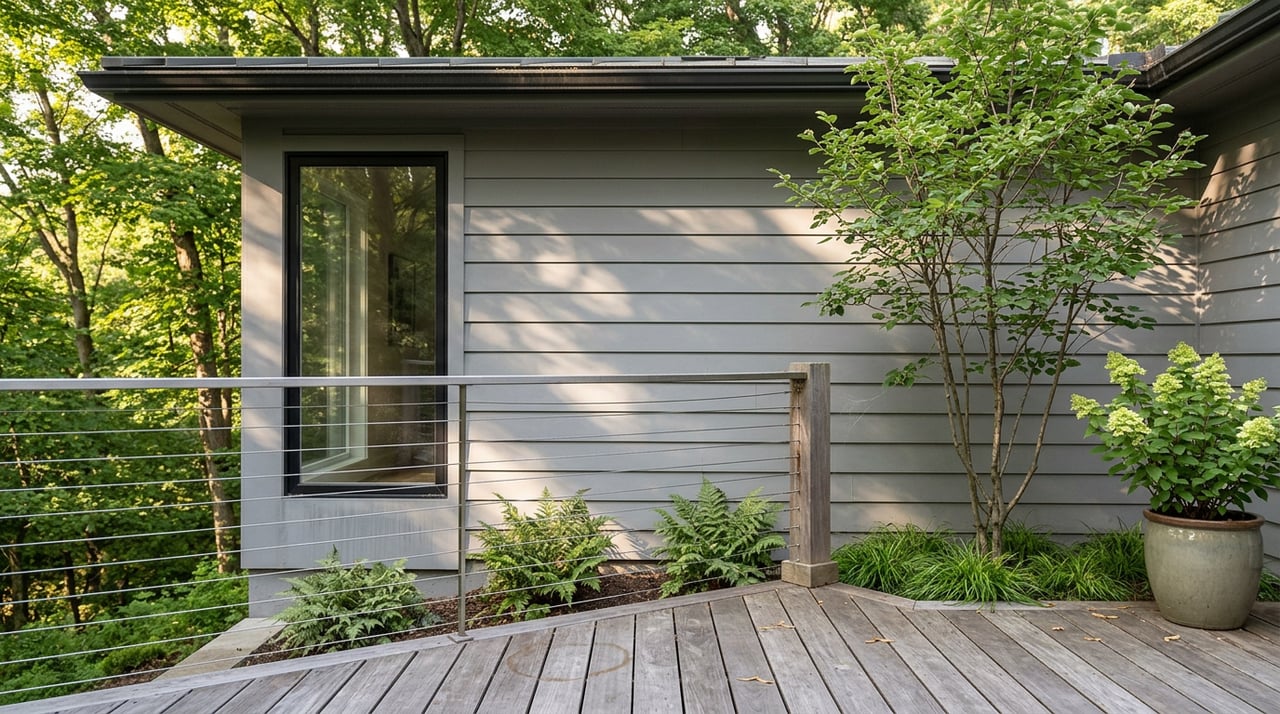
- Deck and railing condition
- Hidden rot around exterior materials
- Signs of past leaks or flooding
- Ventilation and humidity control
If you know of an issue, dealing with it before listing can improve both presentation and buyer confidence.
What to emphasize in your listing
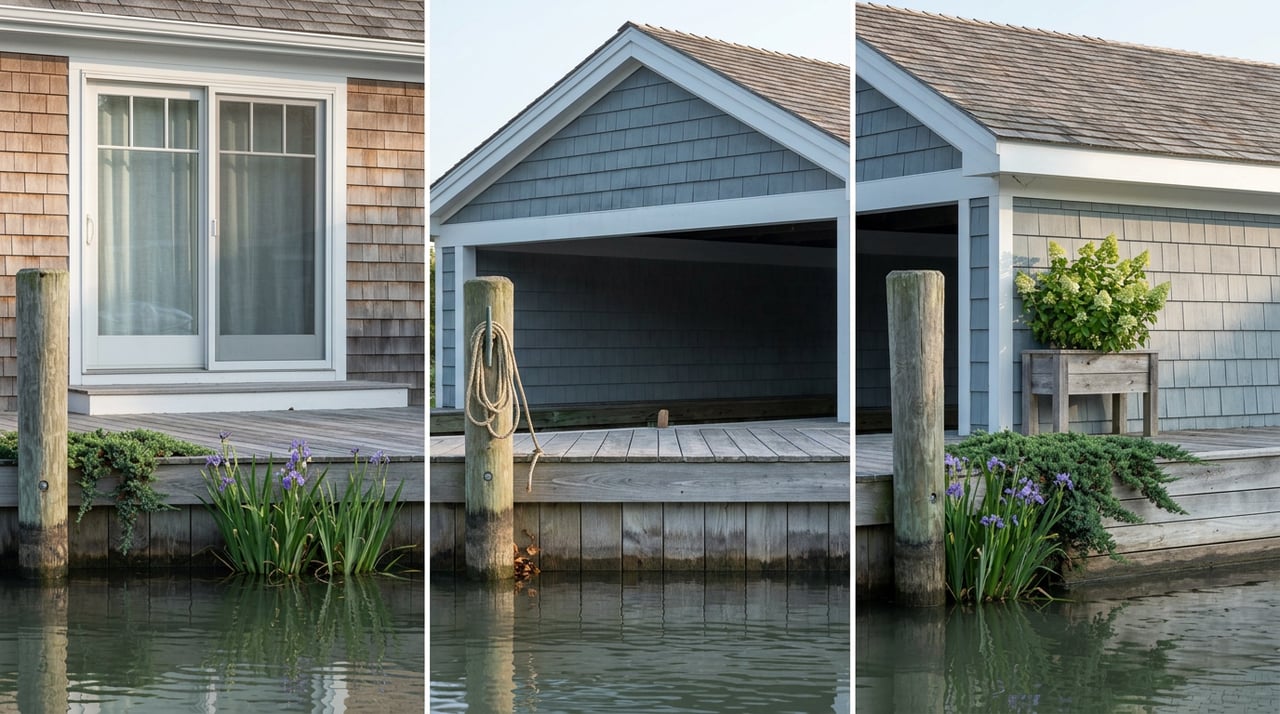
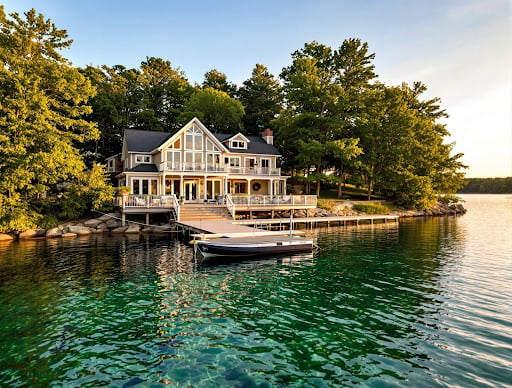
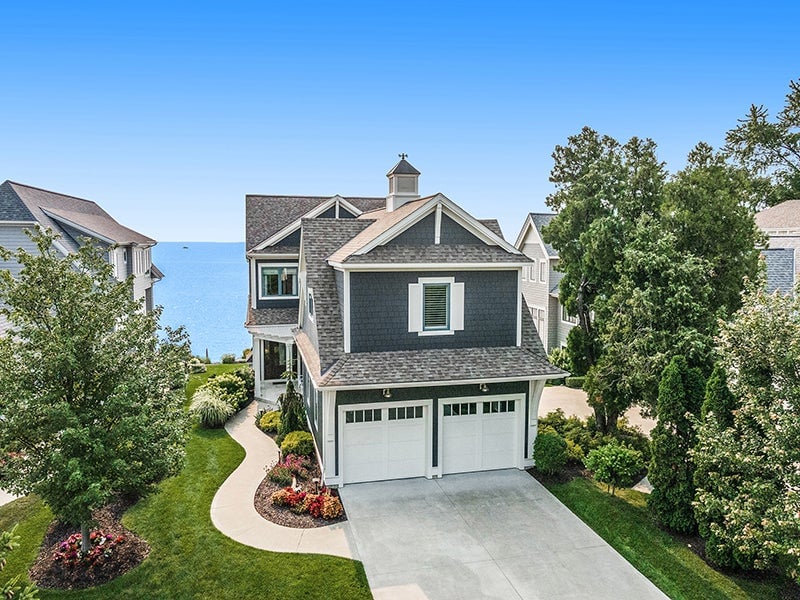
A waterfront home is not just selling interior space. You are also selling the way the property connects to the water and the lifestyle that comes with it.
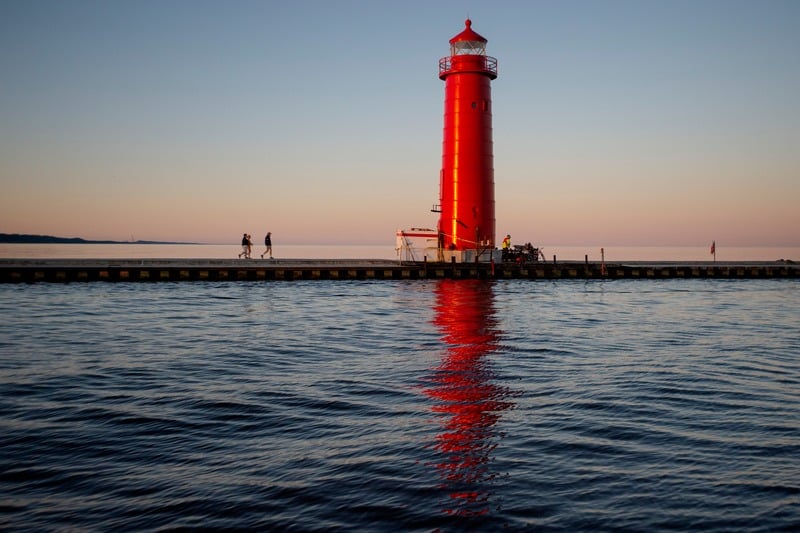
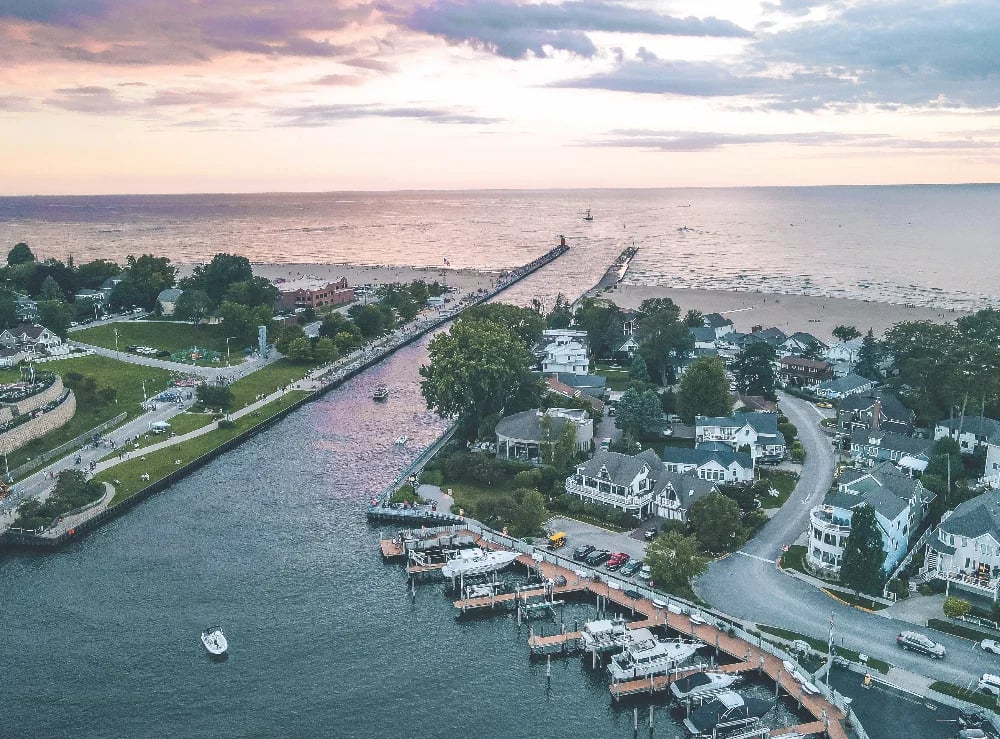
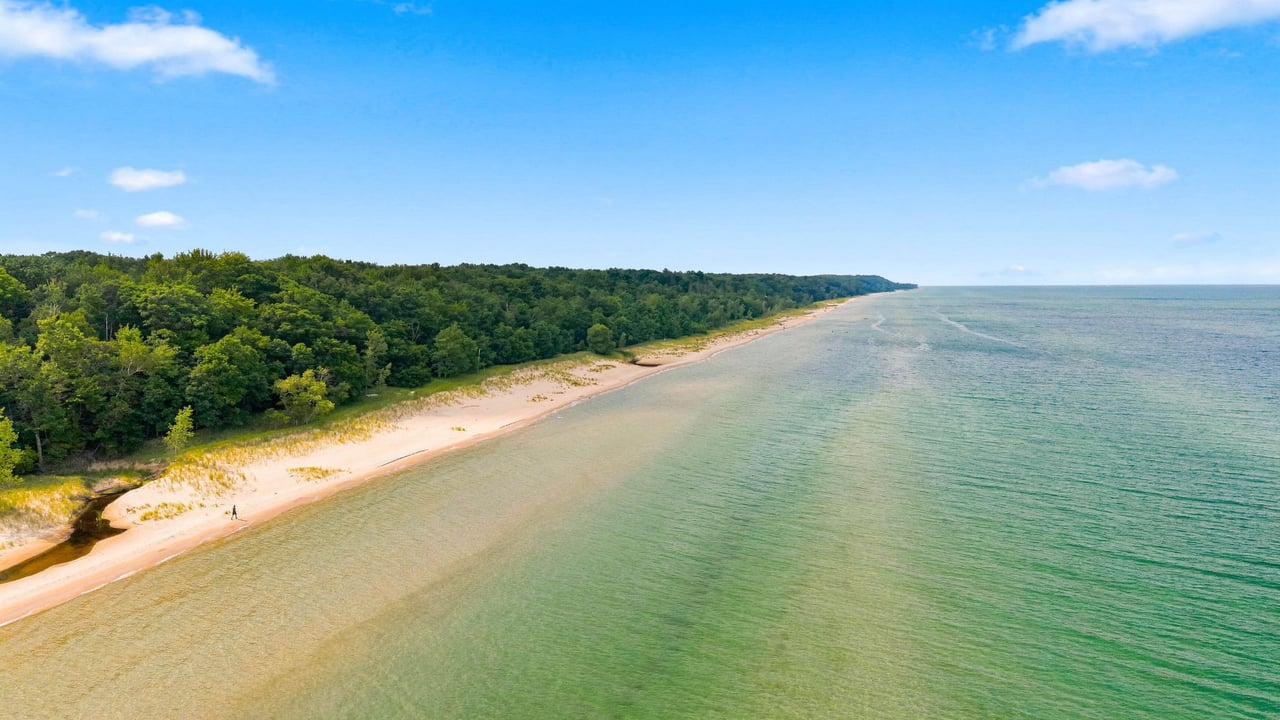
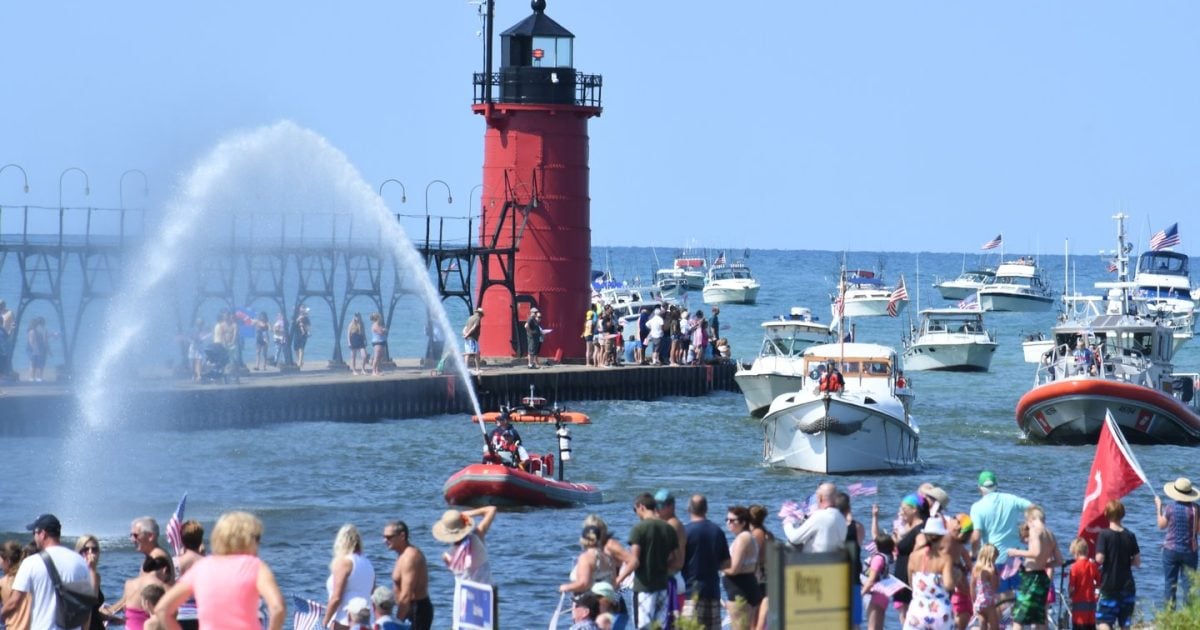
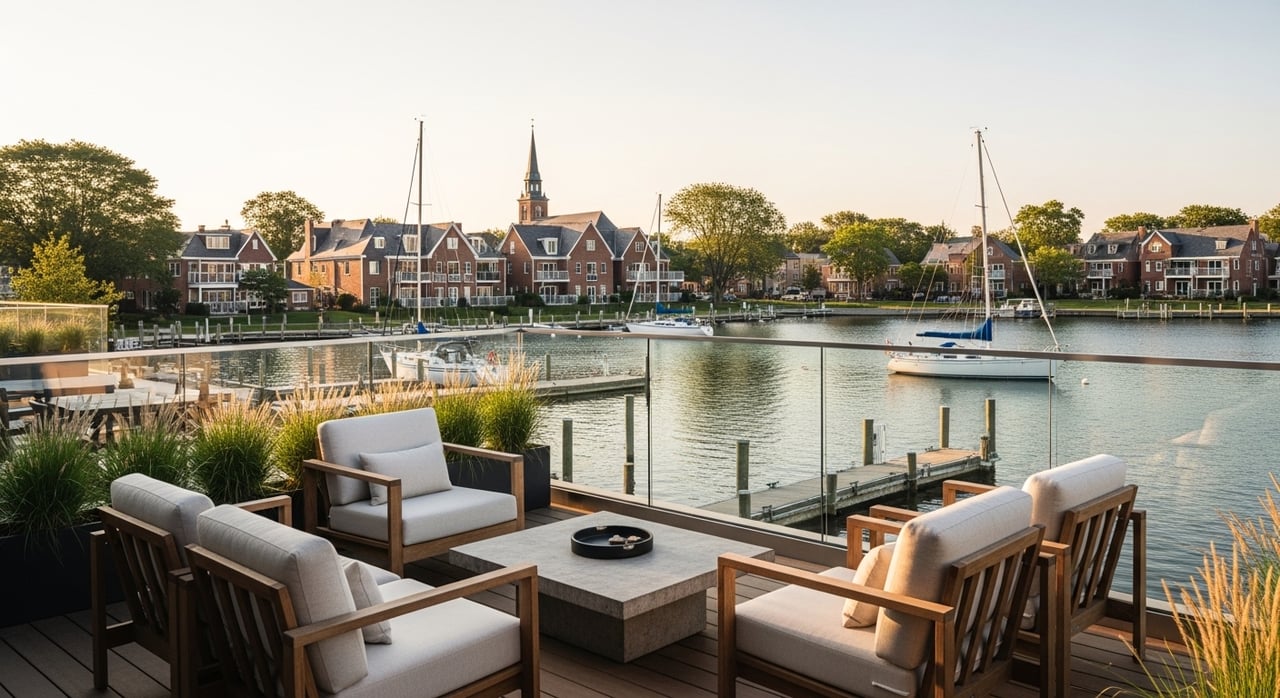
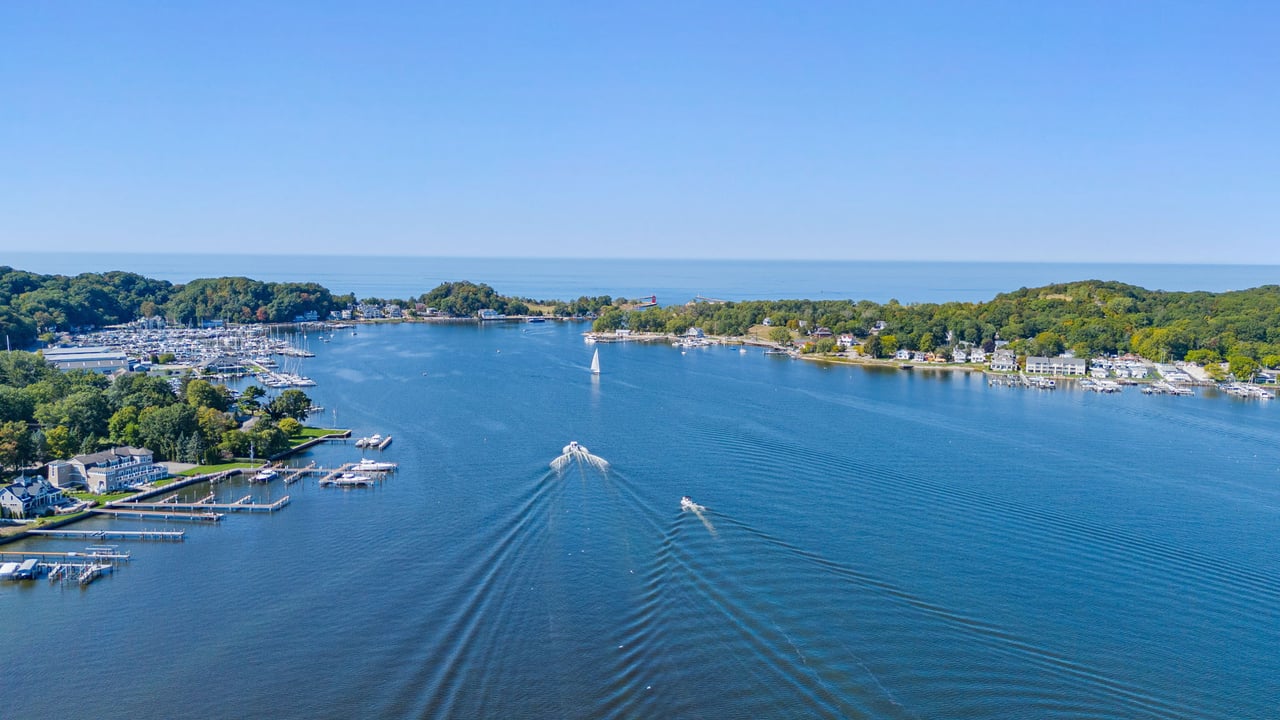
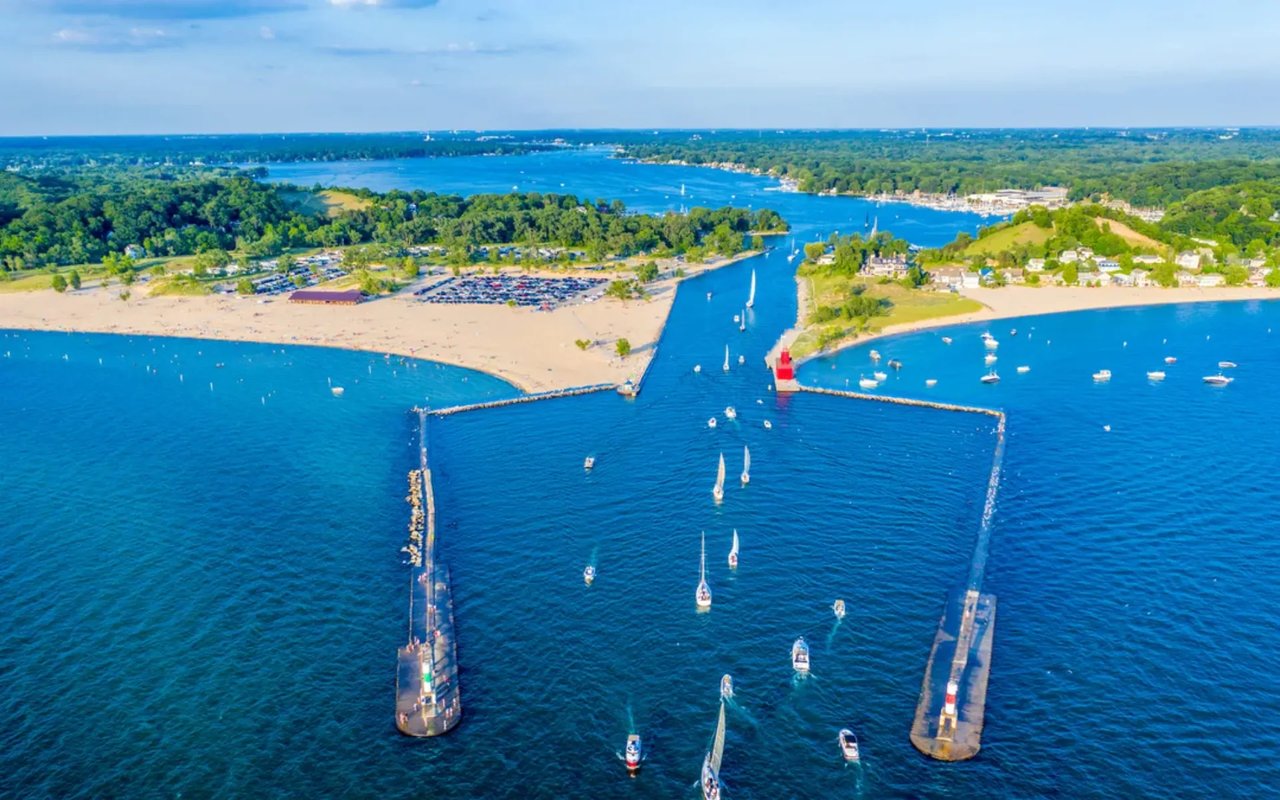
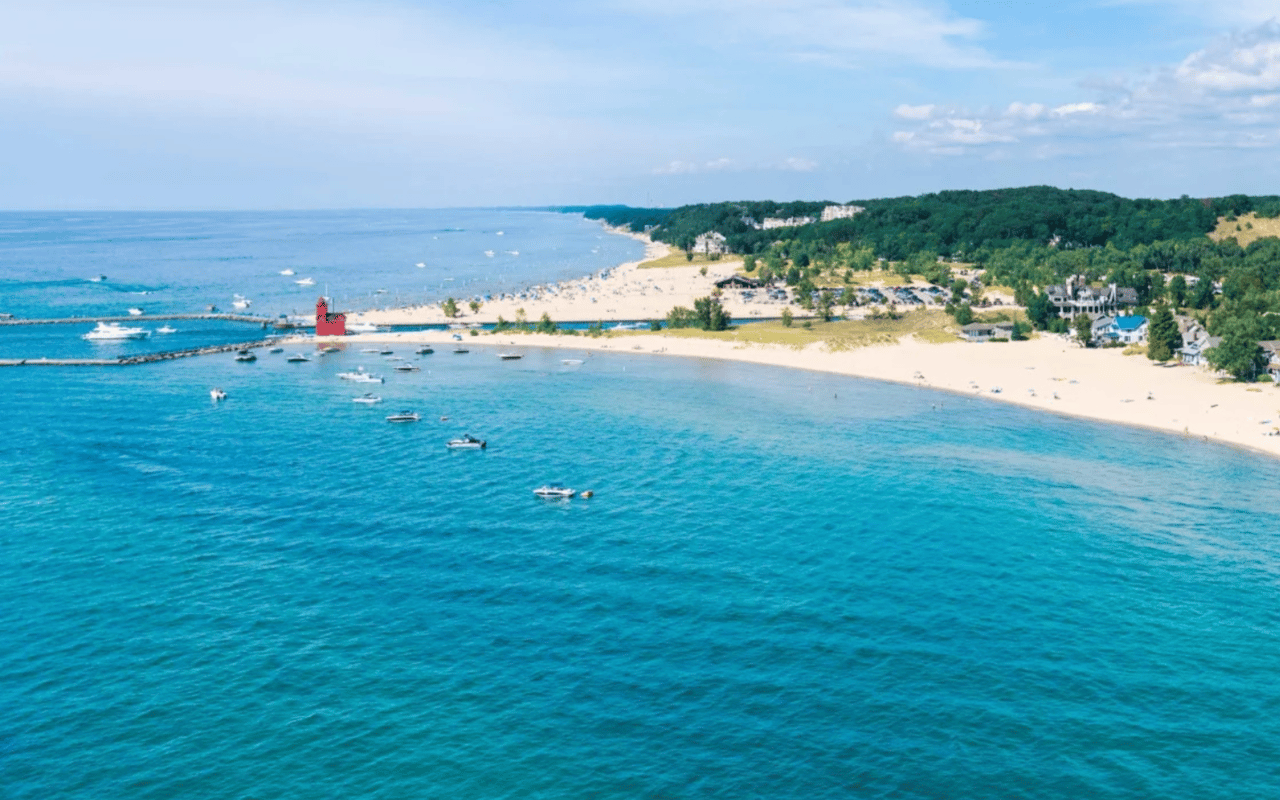
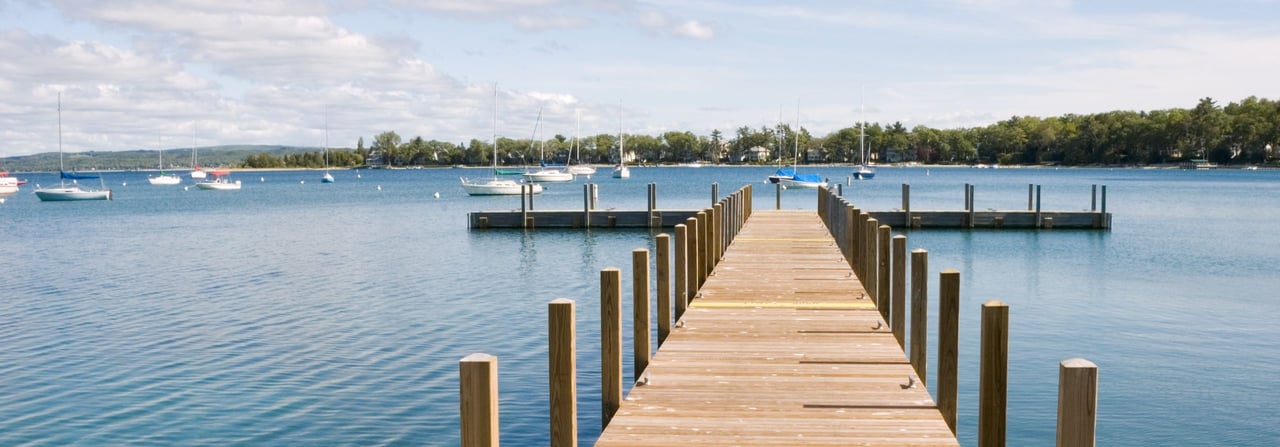
Spring Lake’s setting is a major part of that value. The village sits on a peninsula surrounded by Spring Lake and the Grand River, with public boat launches, canoe and kayak launches, a sandy beach, fishing platforms, and Barrett Boat Works marina with 145 slips. Grand Haven’s municipal marina also promotes boating access tied to Lake Michigan, the Grand River, and Spring Lake.
That context helps buyers picture how they might use the property. Your marketing should clearly communicate the practical features that shape that experience.
Details buyers want to see clearly
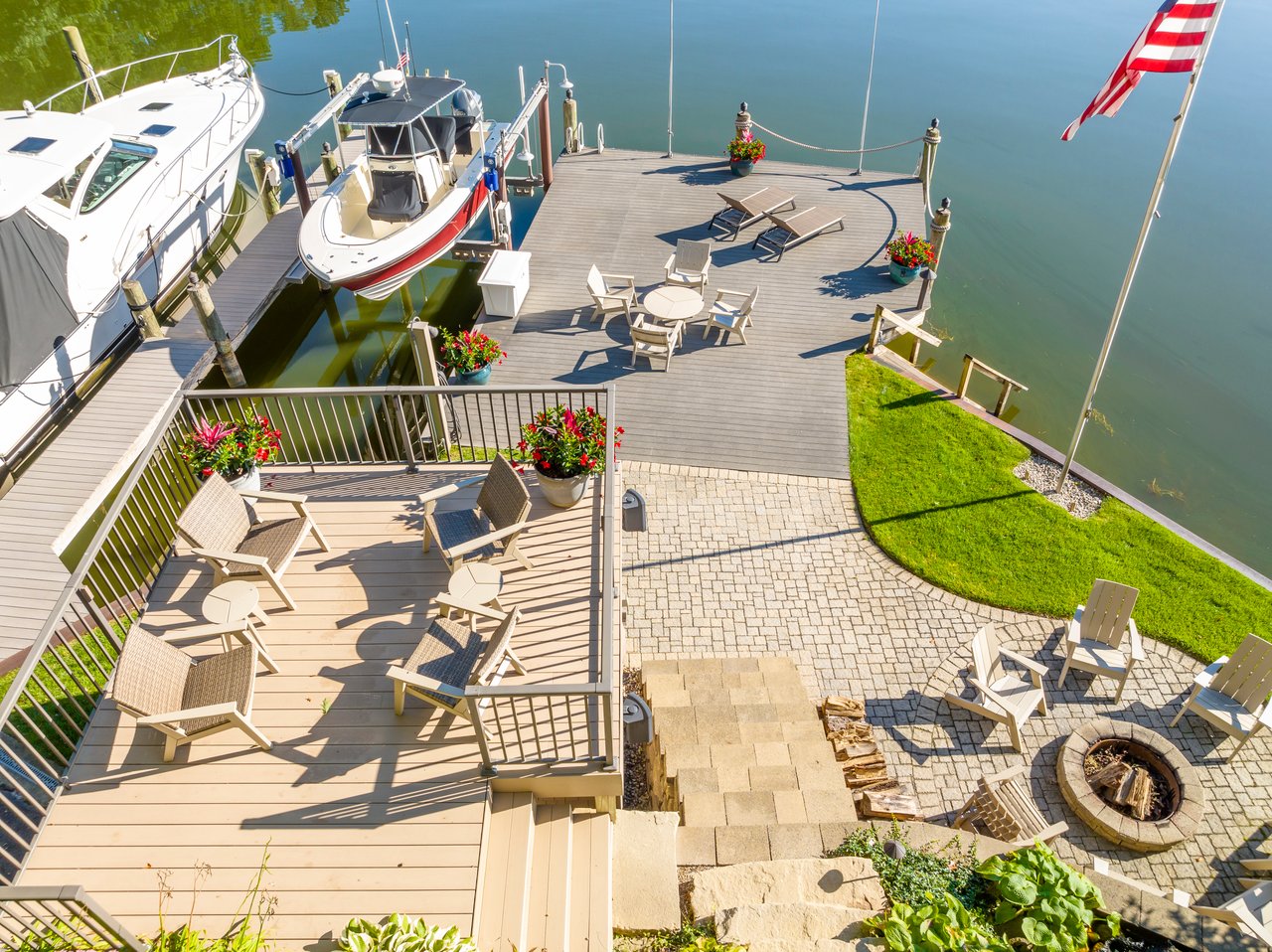
Strong waterfront marketing should document what buyers are actually purchasing, including:
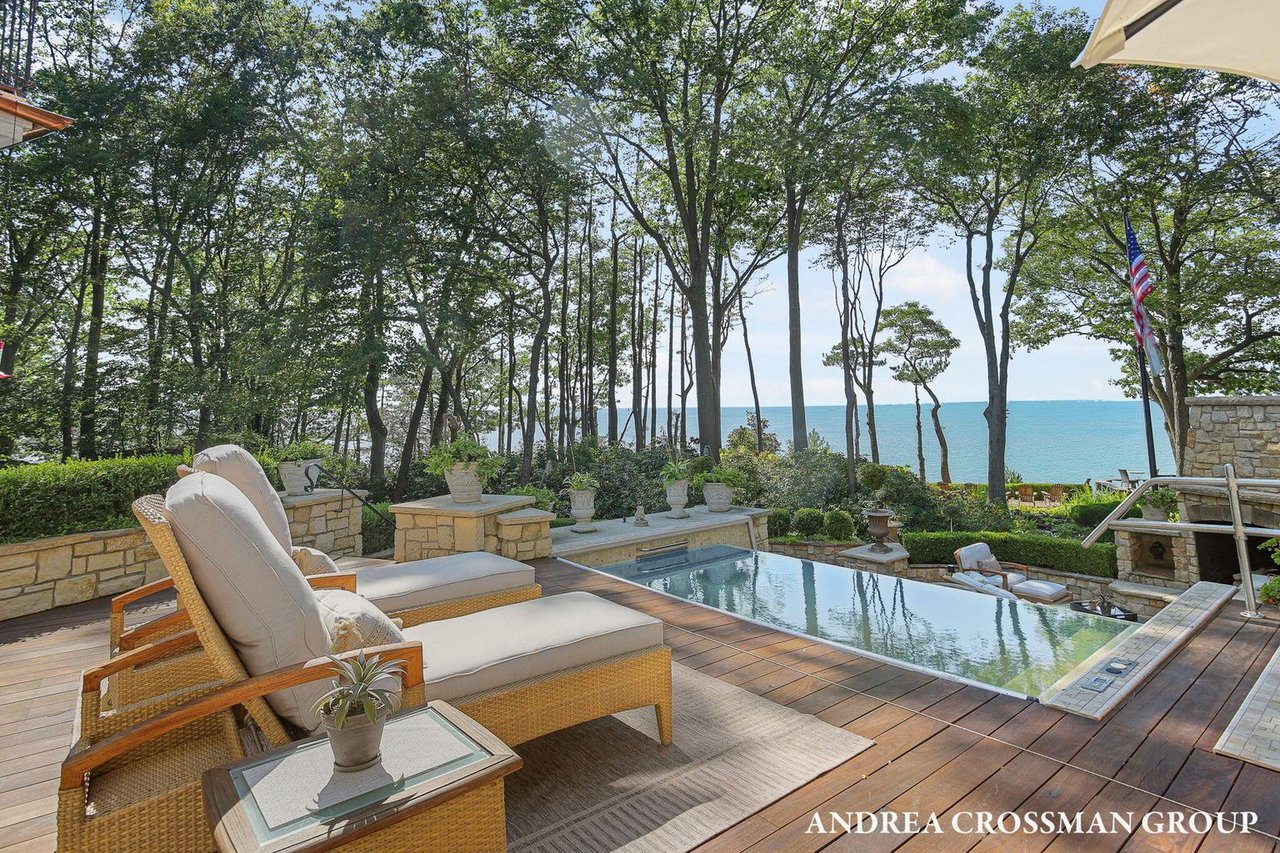
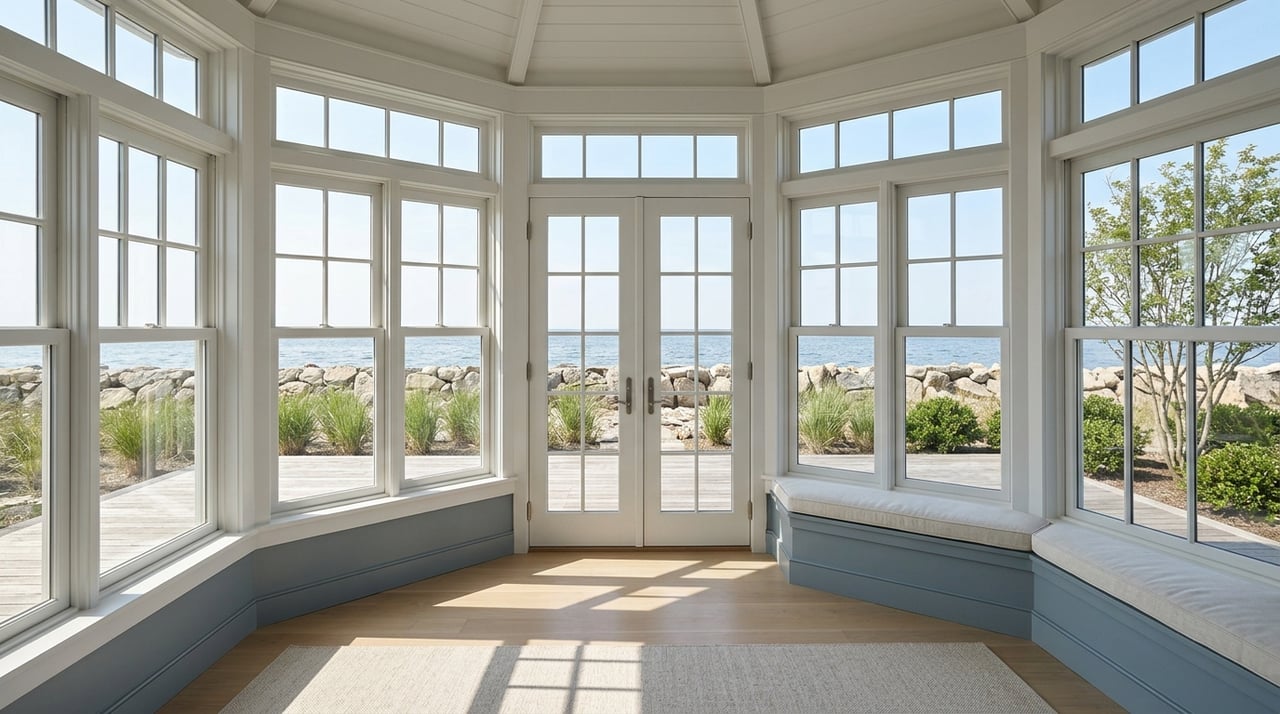
- Water views from key rooms and outdoor spaces
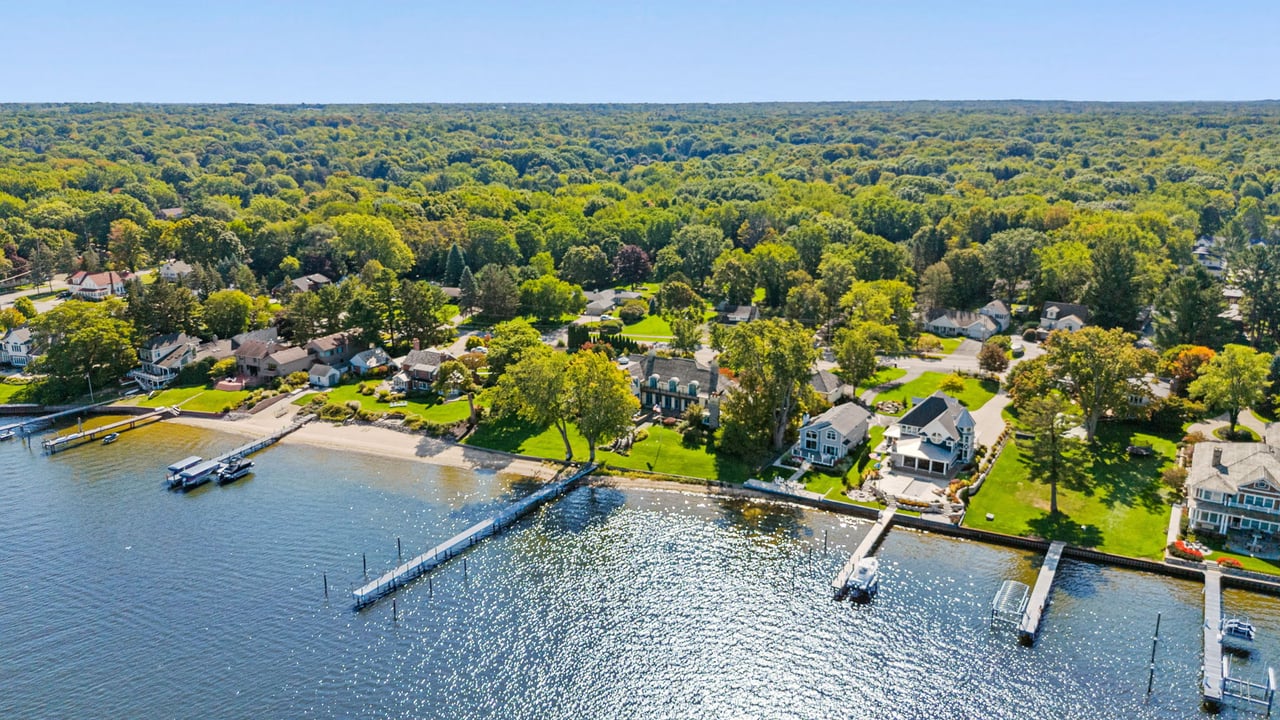
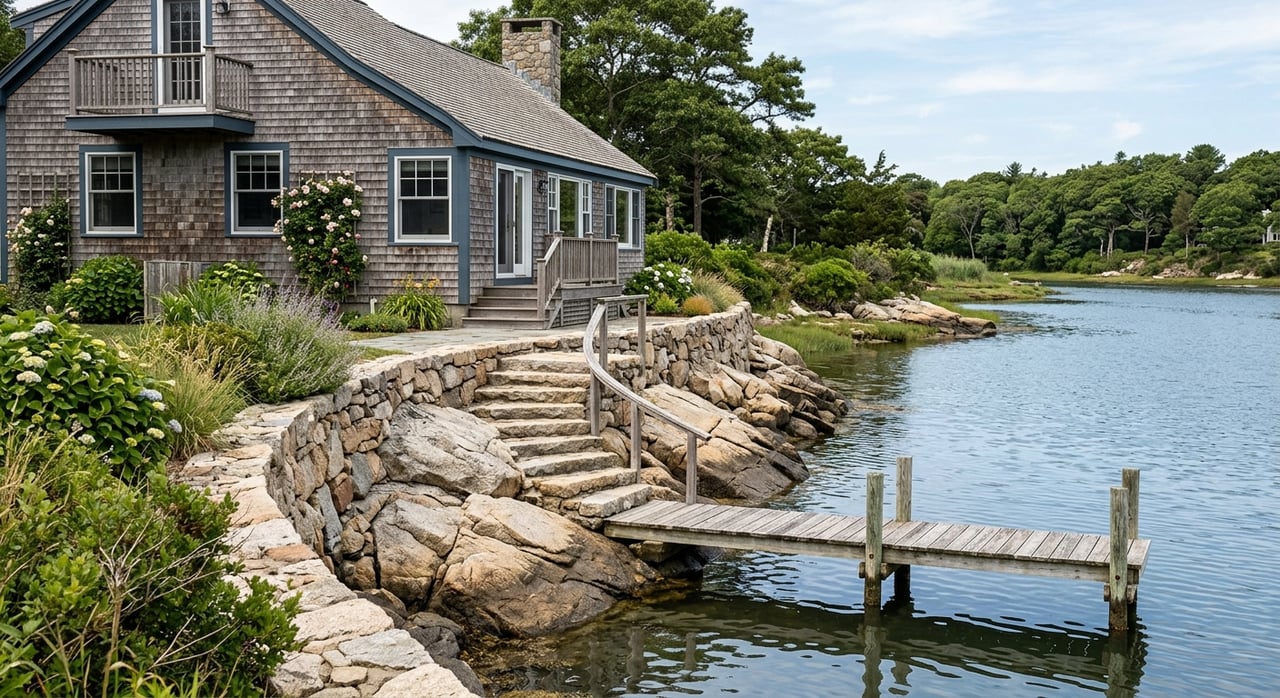
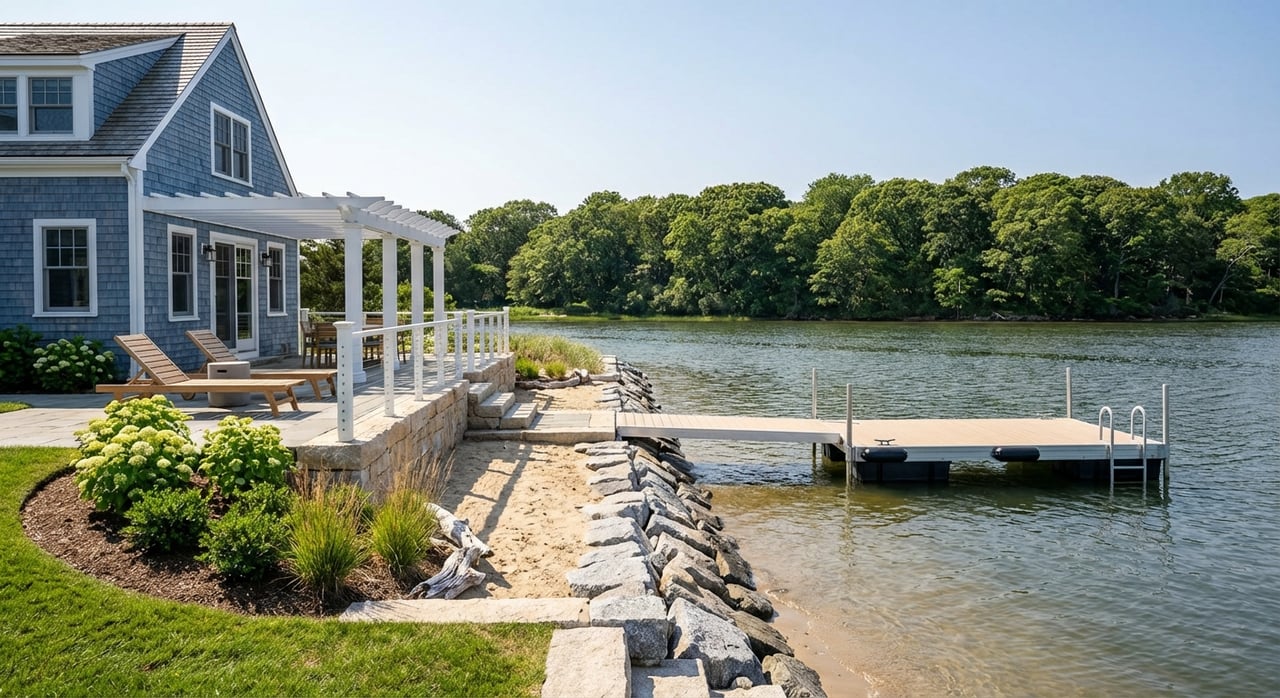
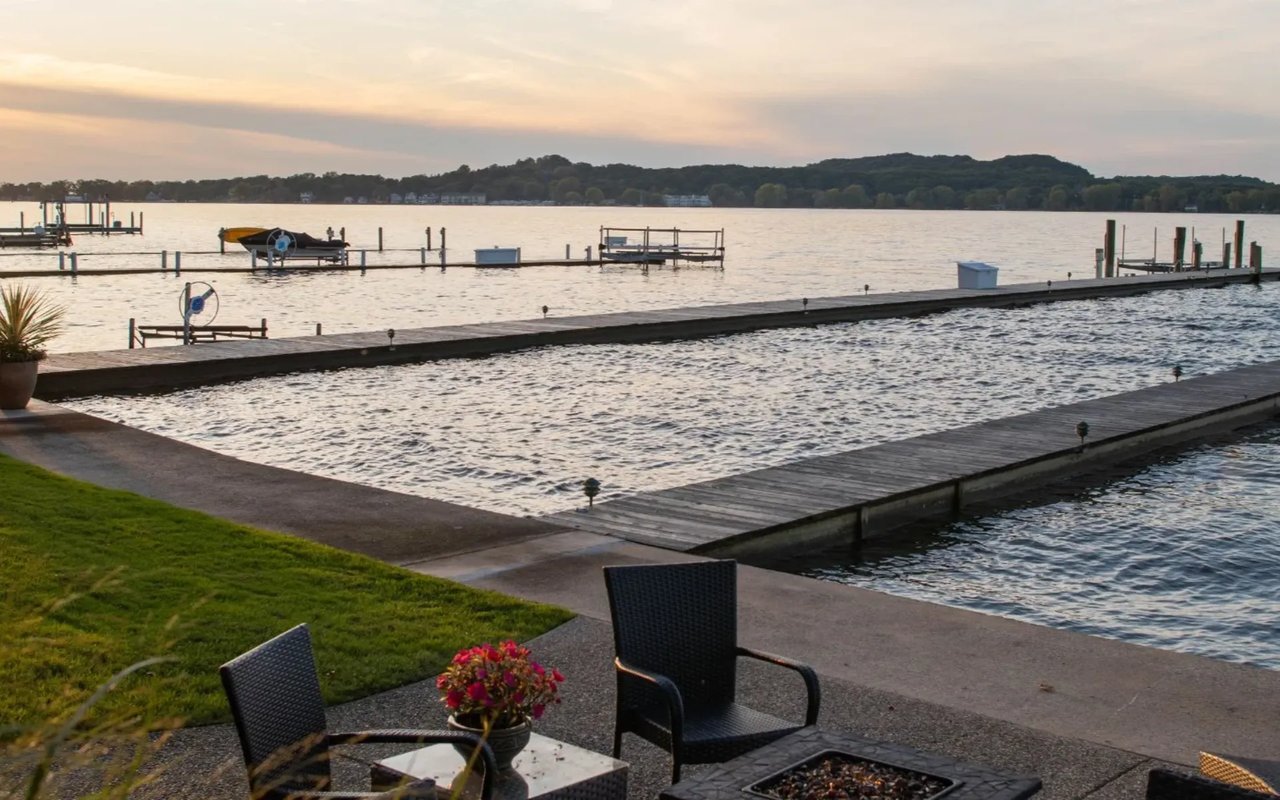
- Dock size, condition, and setup
- Boat lift details, if applicable
- Shoreline type
- Access to Spring Lake, the Grand River, and nearby boating amenities
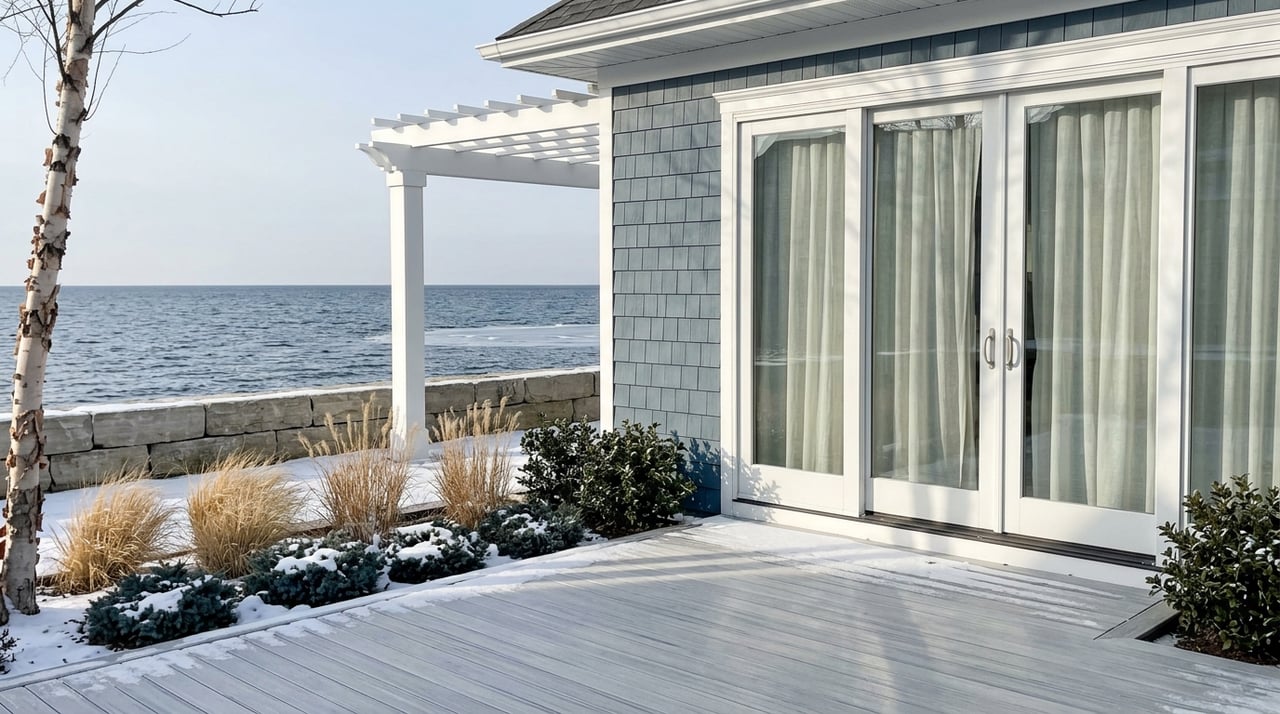
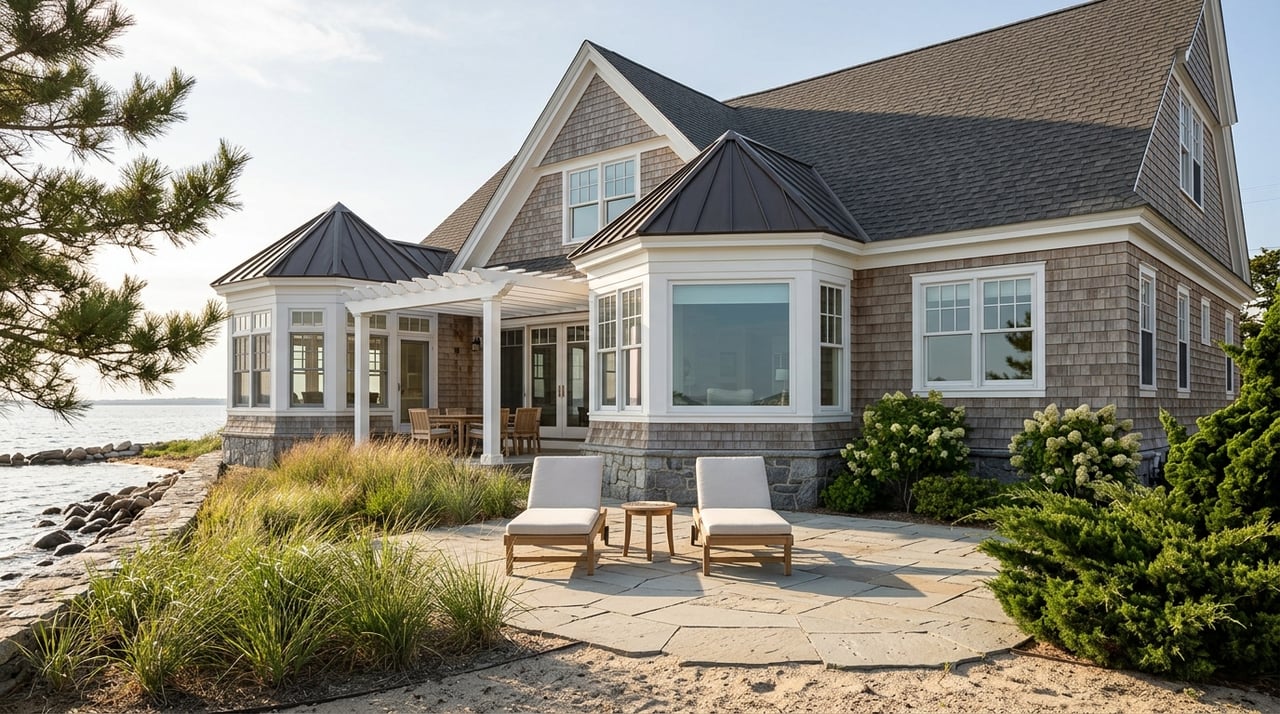
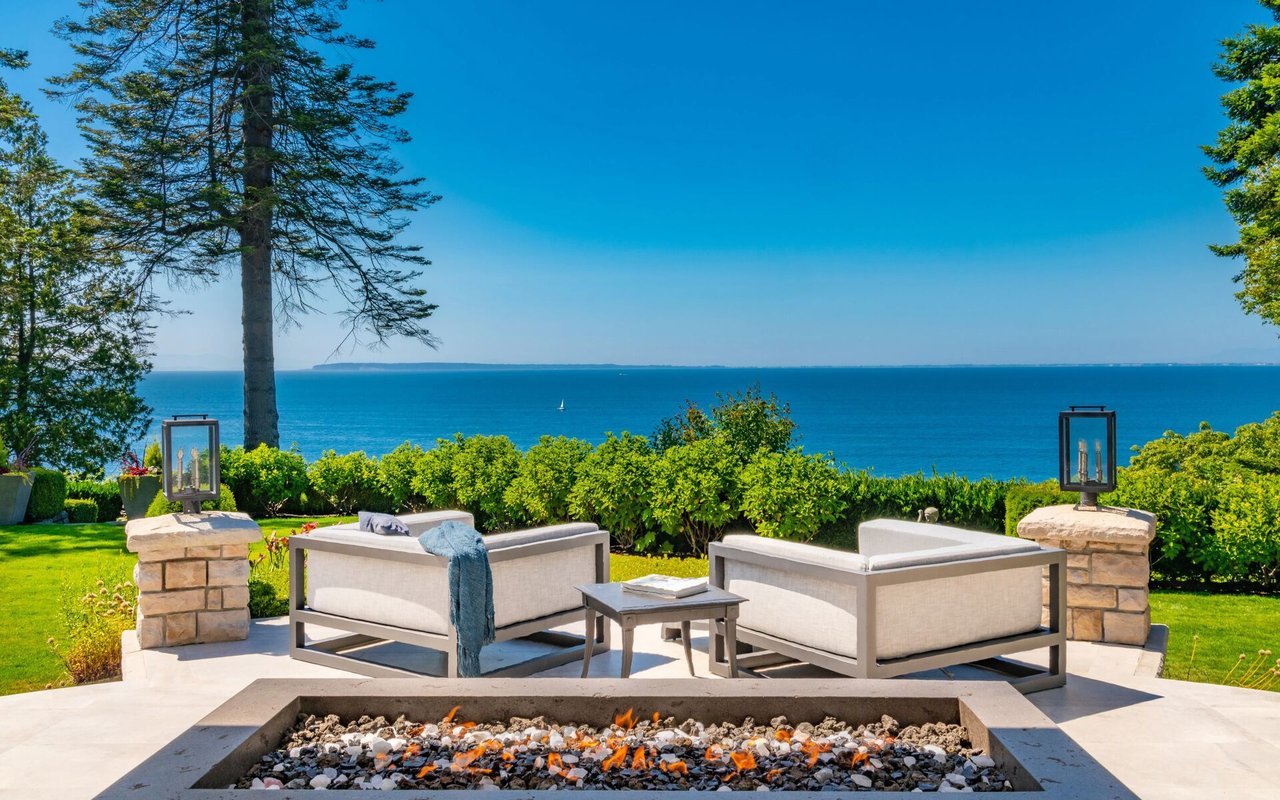
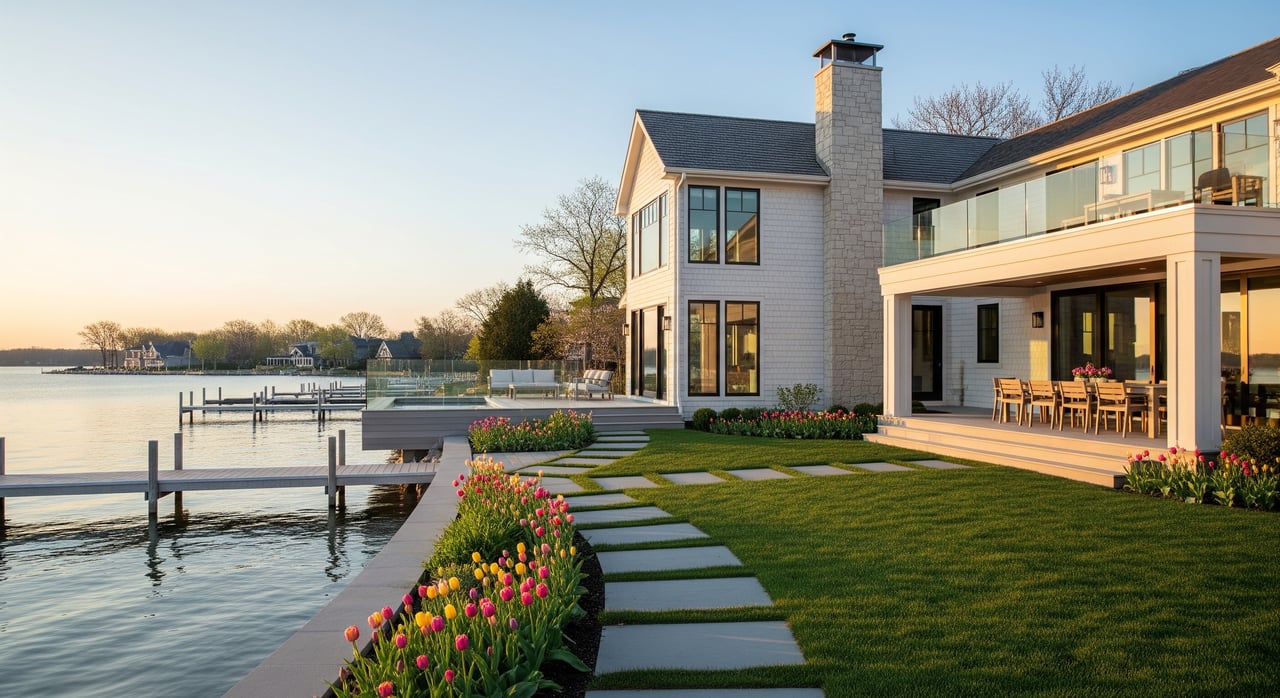
- Outdoor living areas that face the water
These details help serious buyers compare your home against other waterfront options. They also reduce confusion and attract buyers whose needs match the property.
Presentation can support stronger offers
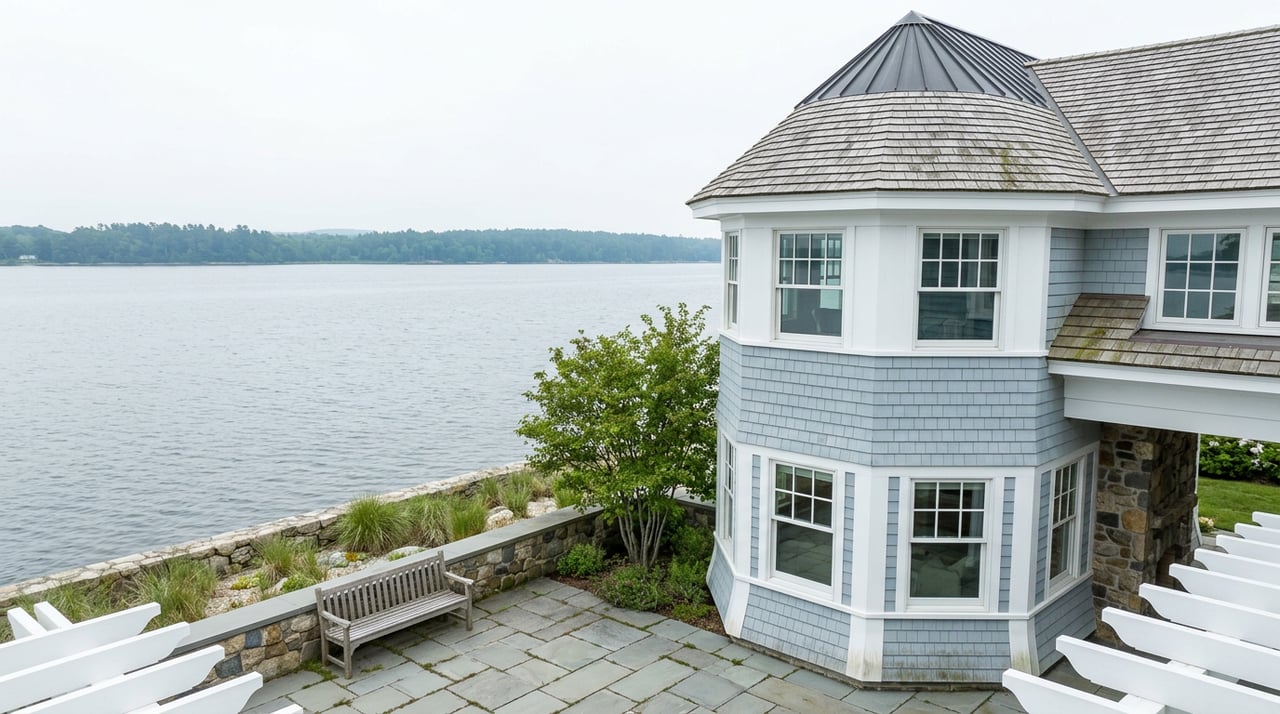
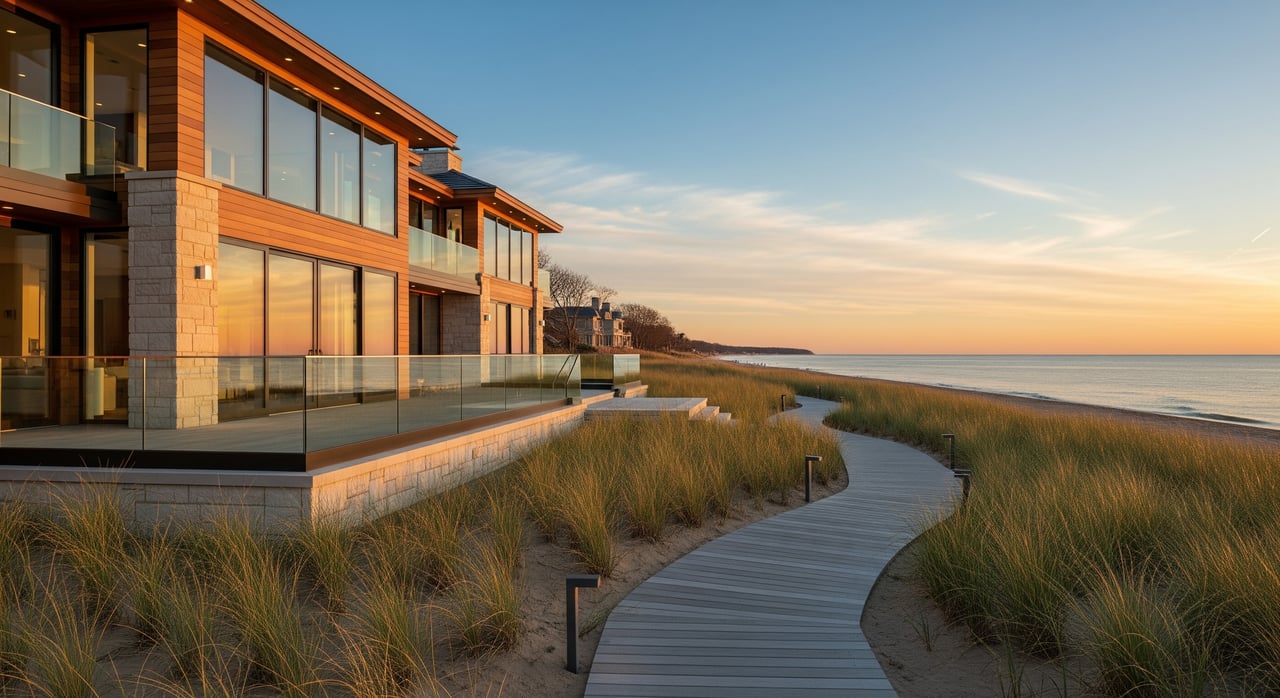
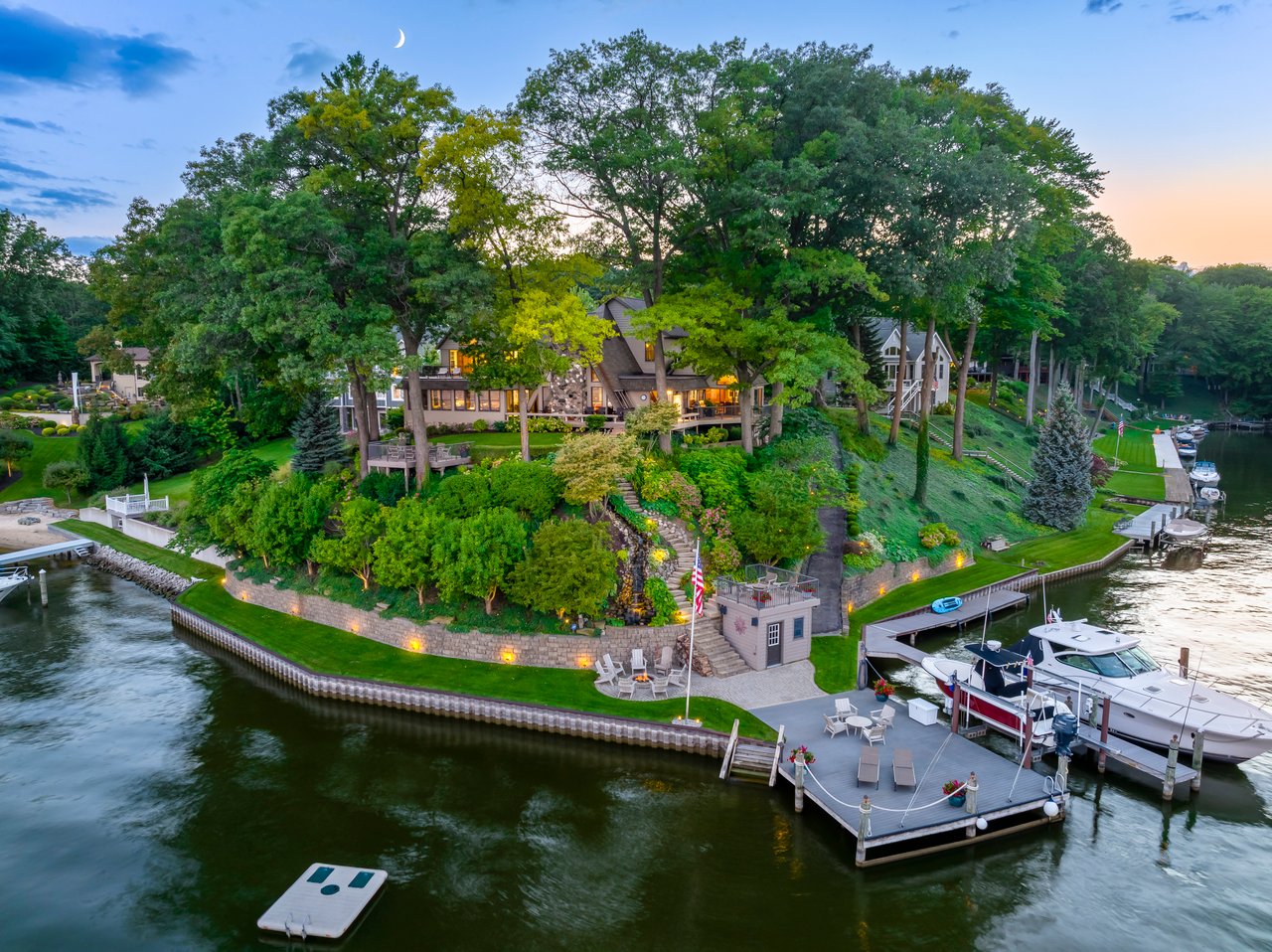
Because waterfront buyers often shop visually first, professional presentation matters. Clean exterior spaces, clear sightlines to the water, and well-documented feature lists can help your home stand out before a showing even happens.
This is especially important in a niche market where buyers may be local, regional, or from outside West Michigan. Many will compare homes online before deciding which properties are worth an in-person visit.
Good preparation often includes:
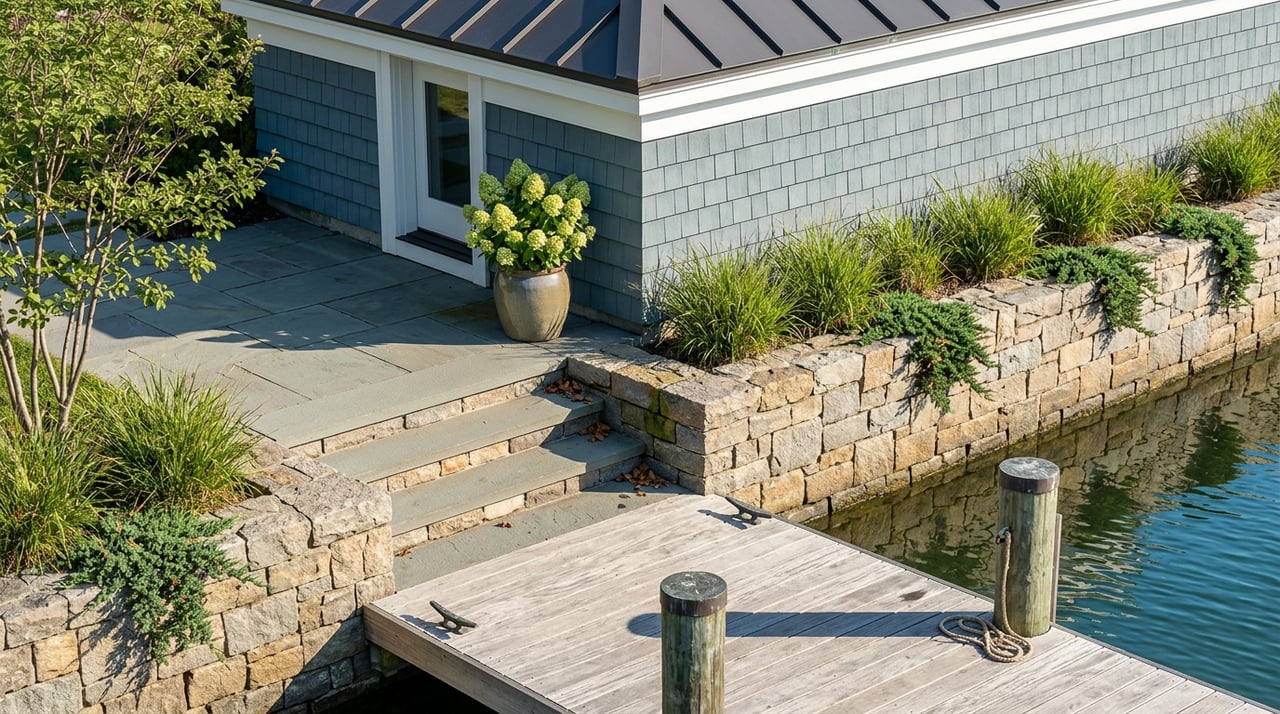
- Tidying docks, patios, and lake-facing decks
- Trimming landscaping that blocks water views
- Organizing repair and permit records
- Scheduling photography when light and water conditions are favorable
- Making sure utility and storage areas feel dry, clean, and well-maintained
When buyers see a home that feels cared for and easy to understand, they are more likely to move forward with confidence.
Expect negotiations to focus on condition and documentation
In many Spring Lake waterfront sales, negotiations are less about dramatic discounting and more about risk. Buyers may ask for clarification or concessions if they are unsure about shoreline work, dock compliance, moisture history, or deferred maintenance.
That is why documentation matters so much. If you can clearly show what has been repaired, permitted, maintained, or upgraded, you may be able to keep the conversation focused on value rather than uncertainty.
For many sellers, the smoothest transactions happen when the home is priced realistically, presented clearly, and backed by organized records. That combination helps buyers feel more comfortable making a strong offer.
Selling a Spring Lake waterfront home takes a specialized approach
Waterfront homes in Spring Lake live in a category of their own. Your buyer is often evaluating not just the home itself, but the full relationship between the house, the shoreline, the dock, and the boating lifestyle.
That is why broad market headlines only tell part of the story. To sell well, you need a strategy built around your specific location on the water, the condition of your shoreline features, and the details that matter most to waterfront buyers.
If you are thinking about selling your Spring Lake waterfront home, the right guidance can help you prepare early, price accurately, and present your property in a way that highlights its full value. Connect with the Andrea Crossman Group to plan your next move with a team that understands West Michigan waterfront real estate.
FAQs
What should sellers expect when pricing a Spring Lake waterfront home?
- Sellers should expect pricing to depend heavily on property-specific factors like views, dock usability, shoreline condition, and water access, not just broad city or ZIP code averages.
What timeline should sellers expect for a Spring Lake waterfront home sale?
- Sellers should expect timelines to vary by source and property type, with public reports ranging from about 14 days to 68 days on market, which makes preparation and pricing especially important.
What dock rules should sellers check for a Village of Spring Lake waterfront home?
- Sellers should check whether the property’s dock setup complies with local rules, including the limit of one dock per dwelling unit and restrictions on slip use.
What inspection issues matter most for a Spring Lake waterfront home?
- Sellers should expect buyers to look closely at shoreline protection, dock condition, water intrusion, mold risk, deck wear, and records for past repairs or permits.
What should sellers highlight when marketing a Spring Lake waterfront home?
- Sellers should highlight views, boating access, dock and lift details, shoreline type, outdoor living spaces, and the home’s connection to Spring Lake, the Grand River, and nearby boating amenities.