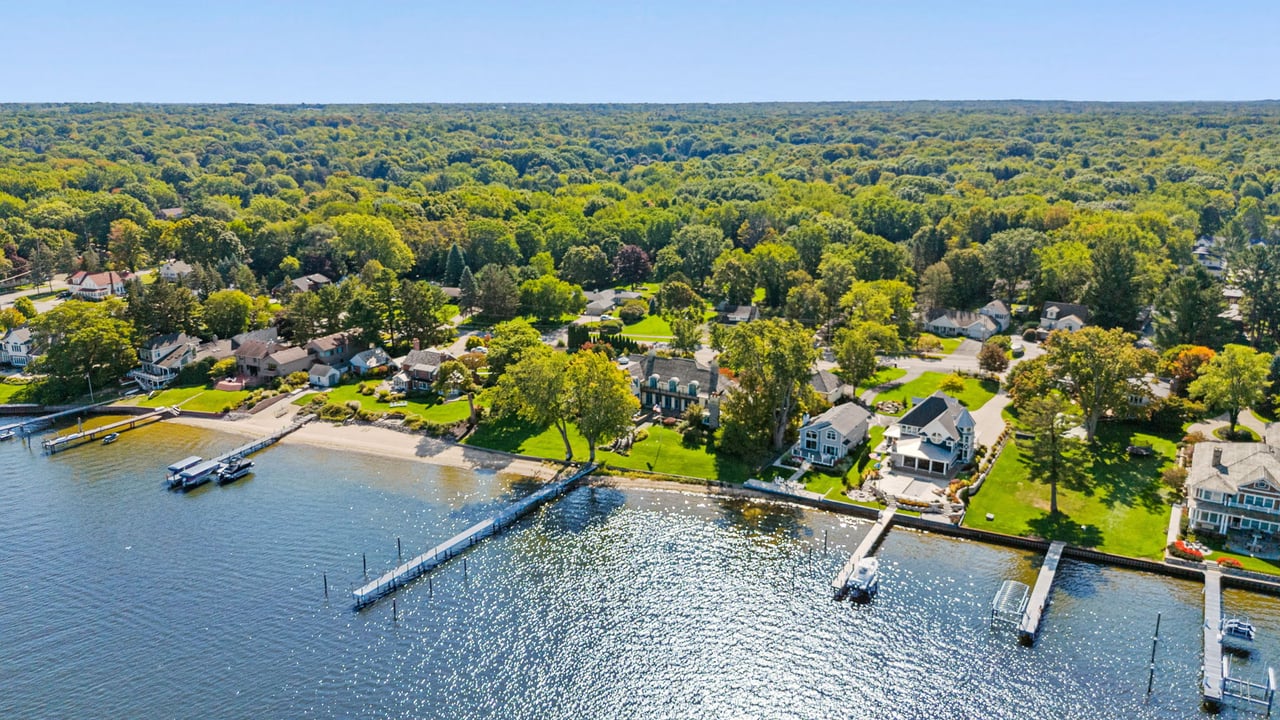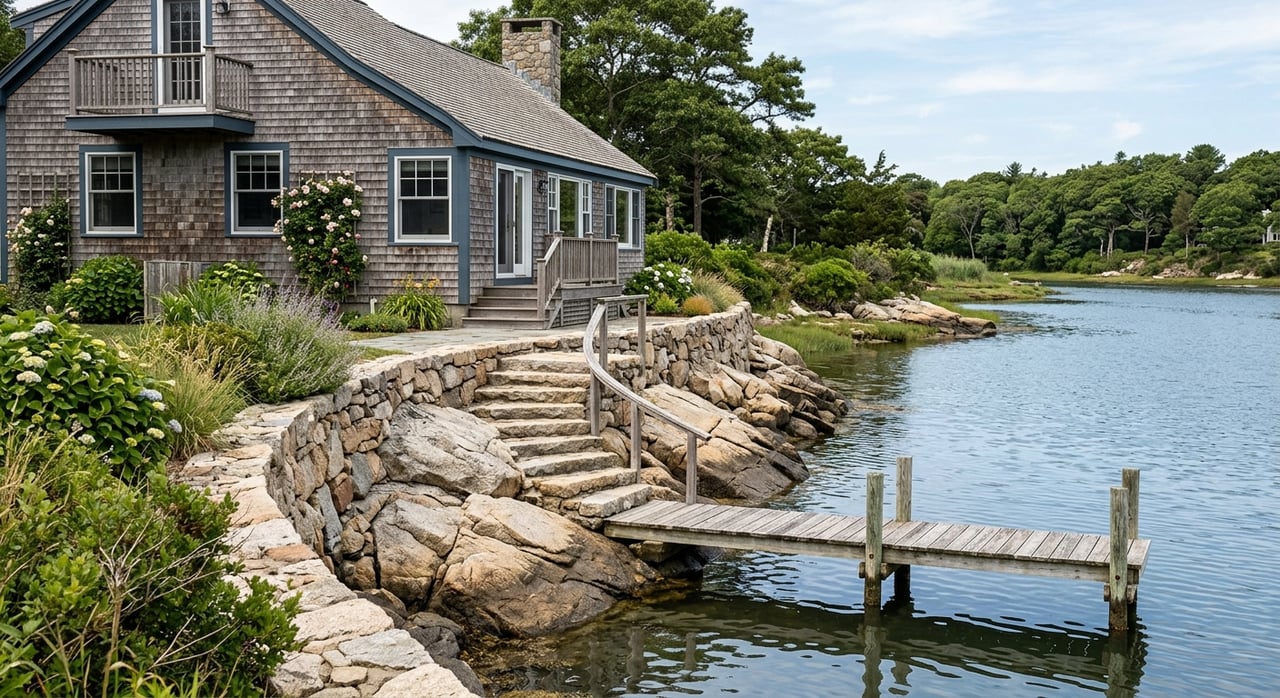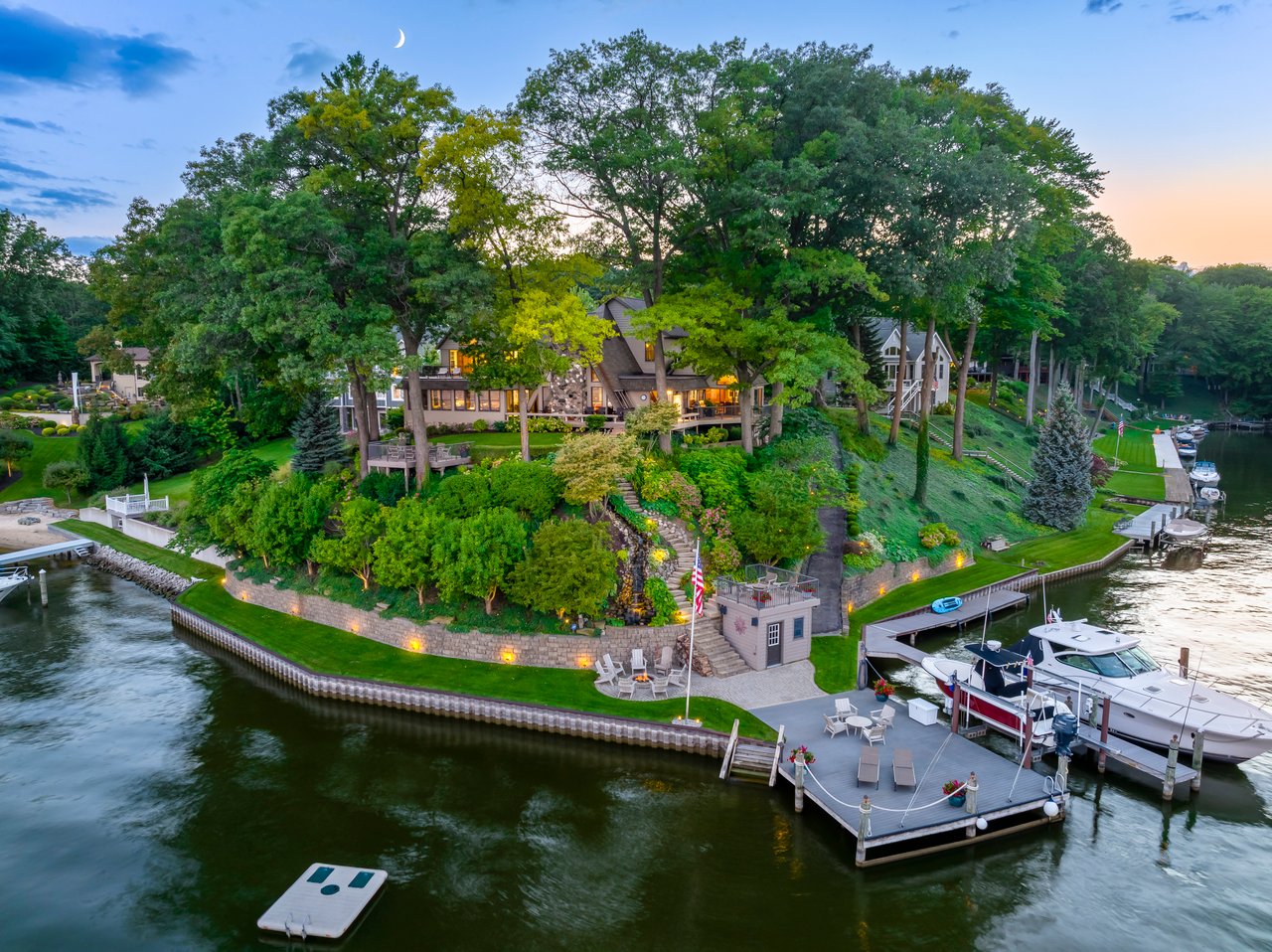
If boating is part of how you want to live, Grand Haven makes a strong case right away. Few West Michigan waterfront towns offer such an easy connection between protected river water, a working harbor, and open Lake Michigan in one compact setting. Whether you are buying a home for full-time lakeshore living or looking for a second place near the water, understanding how Grand Haven works for boaters can help you focus on the right areas and lifestyle fit. Let’s dive in.
Why Grand Haven Stands Out for Boaters
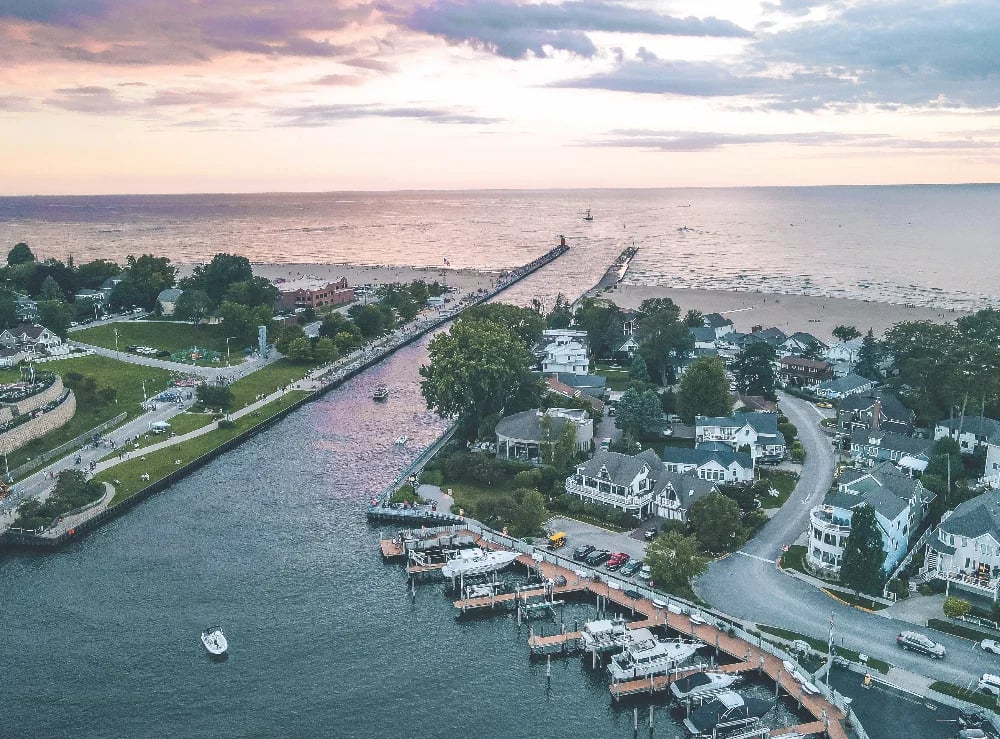
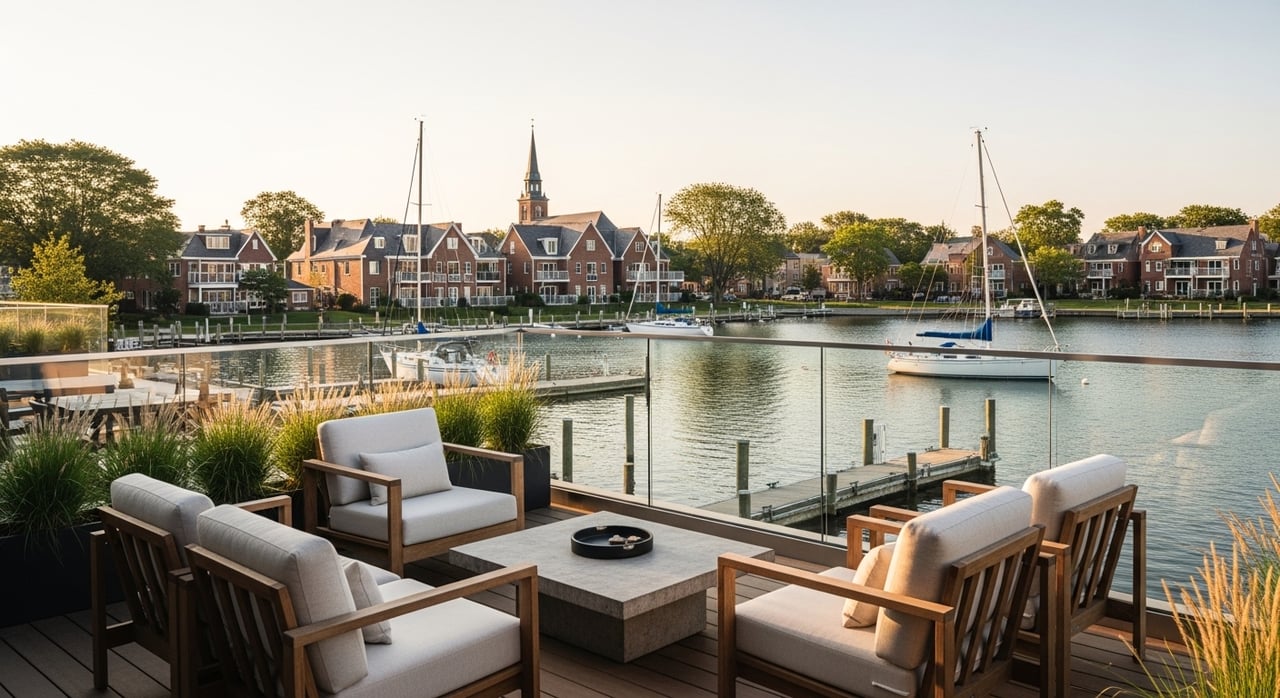
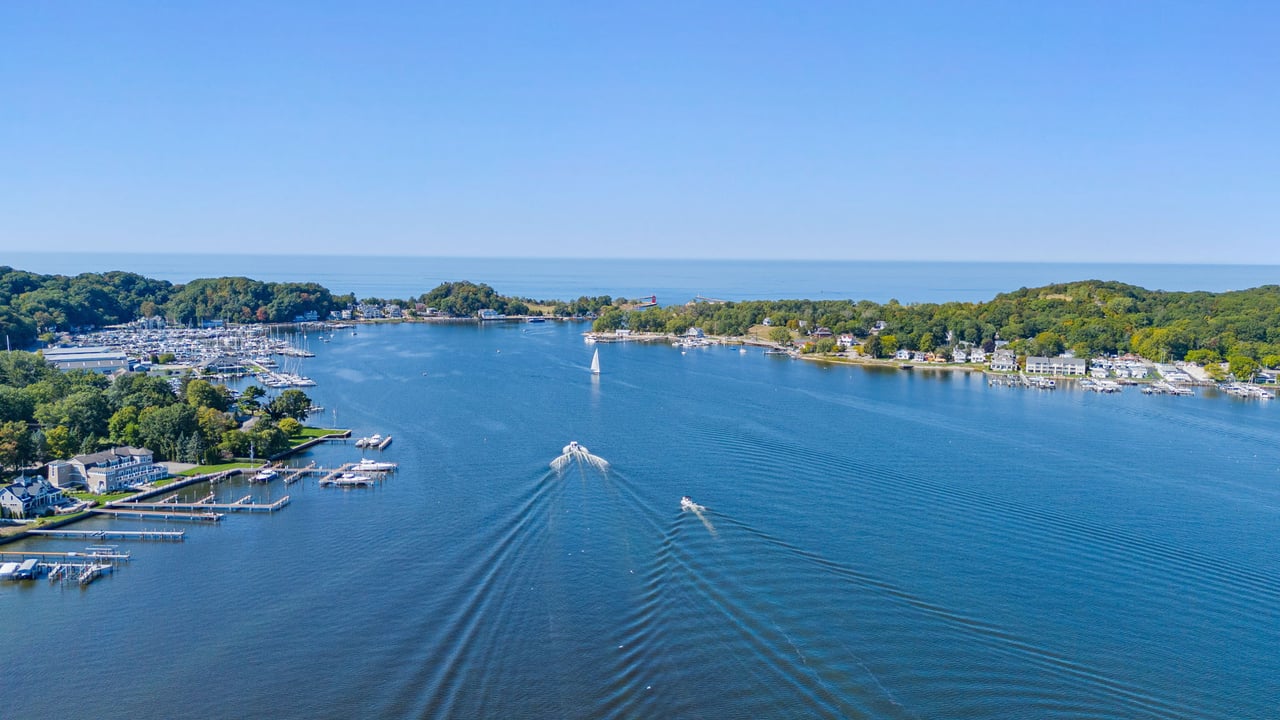
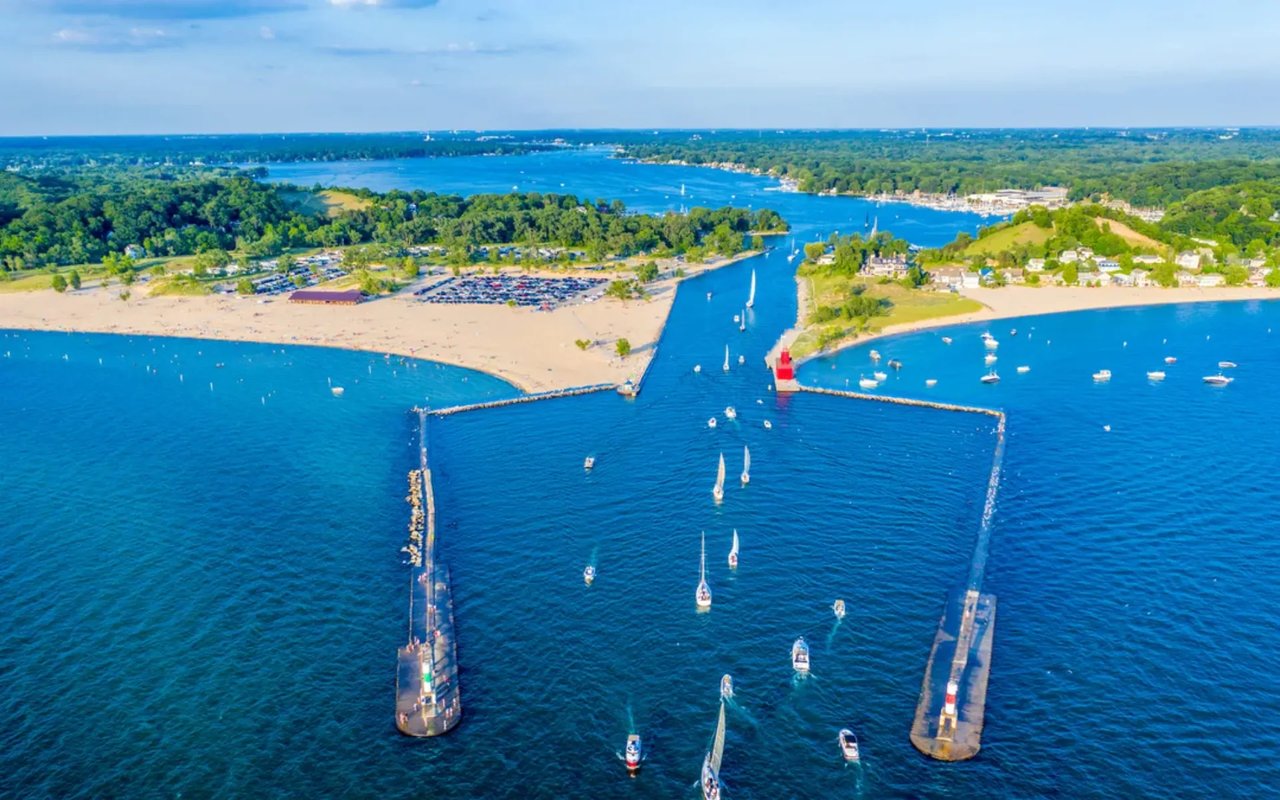
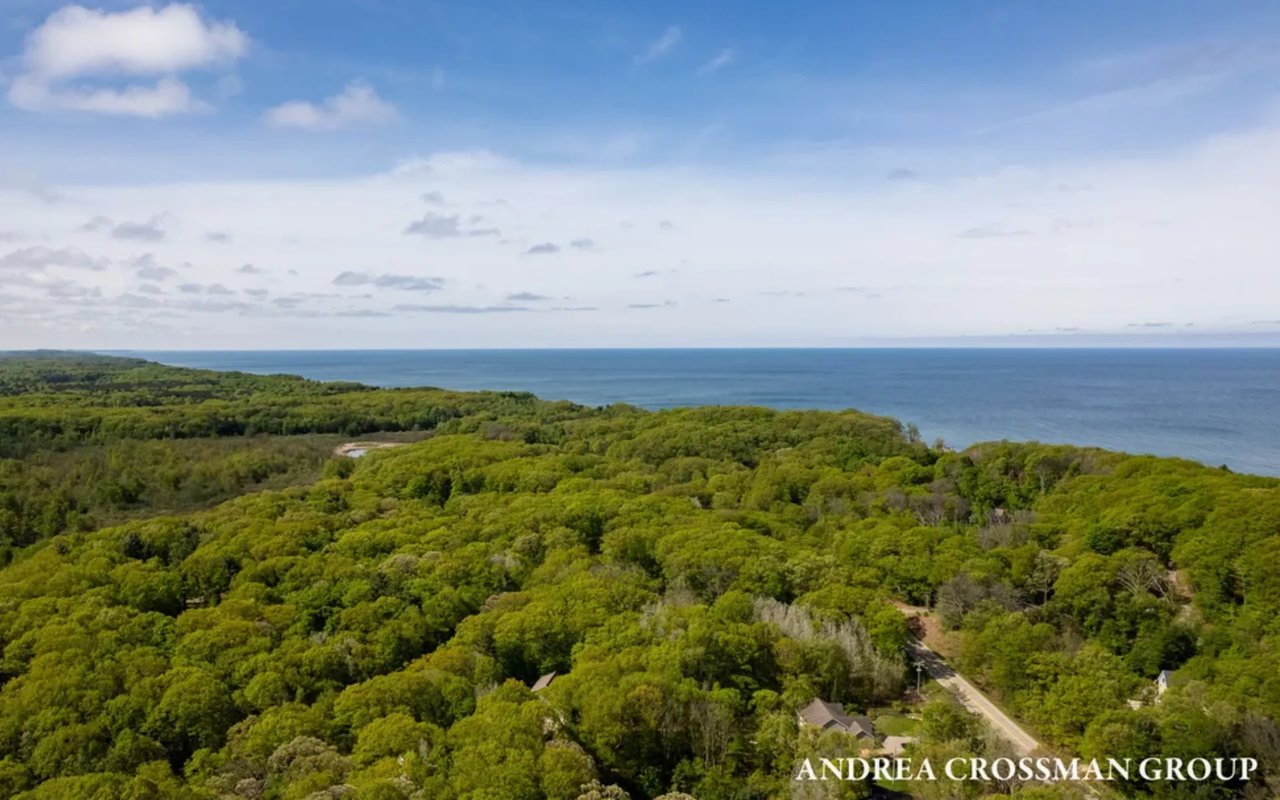
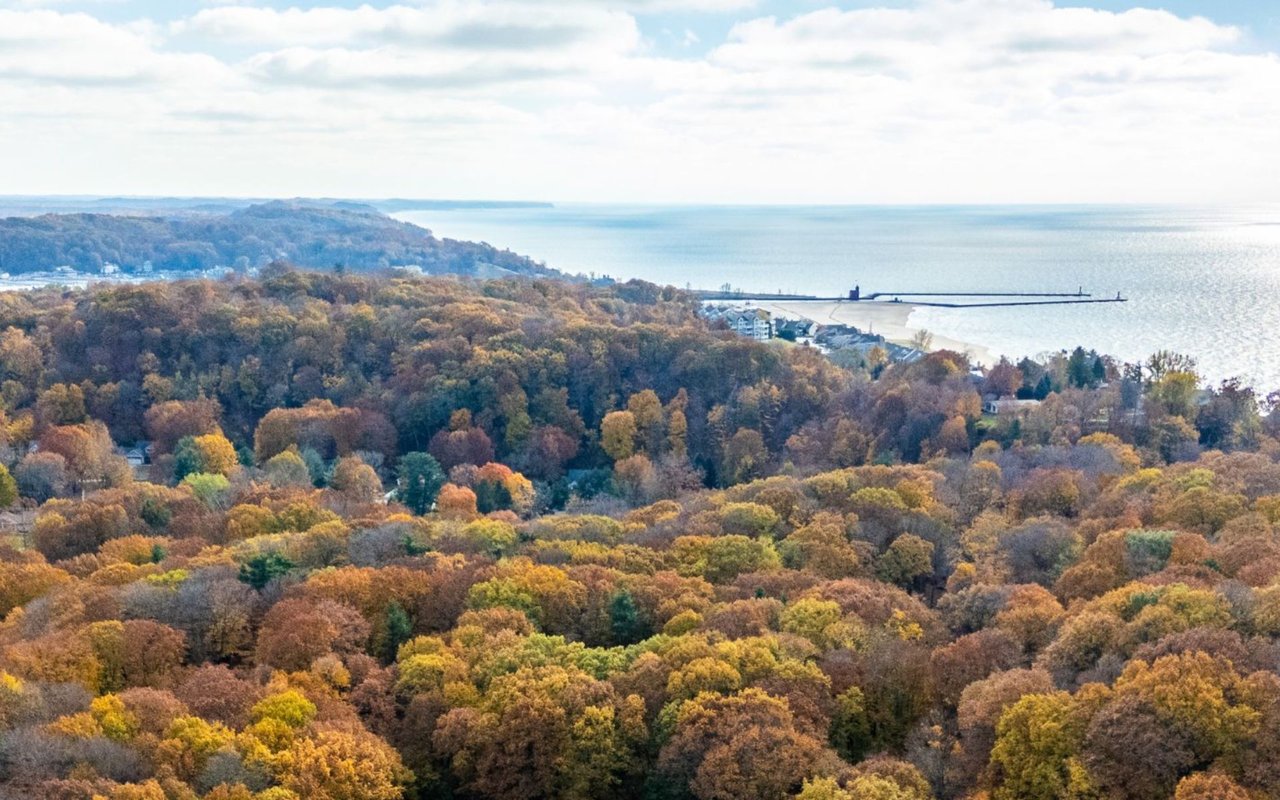
Grand Haven sits at the mouth of the Grand River on Lake Michigan, with Spring Lake Township to the north and east and Lake Michigan to the west. That geography gives you a true river-to-lake setup, where boating can shift from calm inland water to harbor cruising to big-lake access without a long run.
The city also frames its waterfront as a place where you can access Lake Michigan, the Grand River, and Spring Lake from the same general boating corridor. For many buyers, that is the real draw. You are not choosing between a downtown marina feel and open-water potential. In Grand Haven, those experiences sit close together.
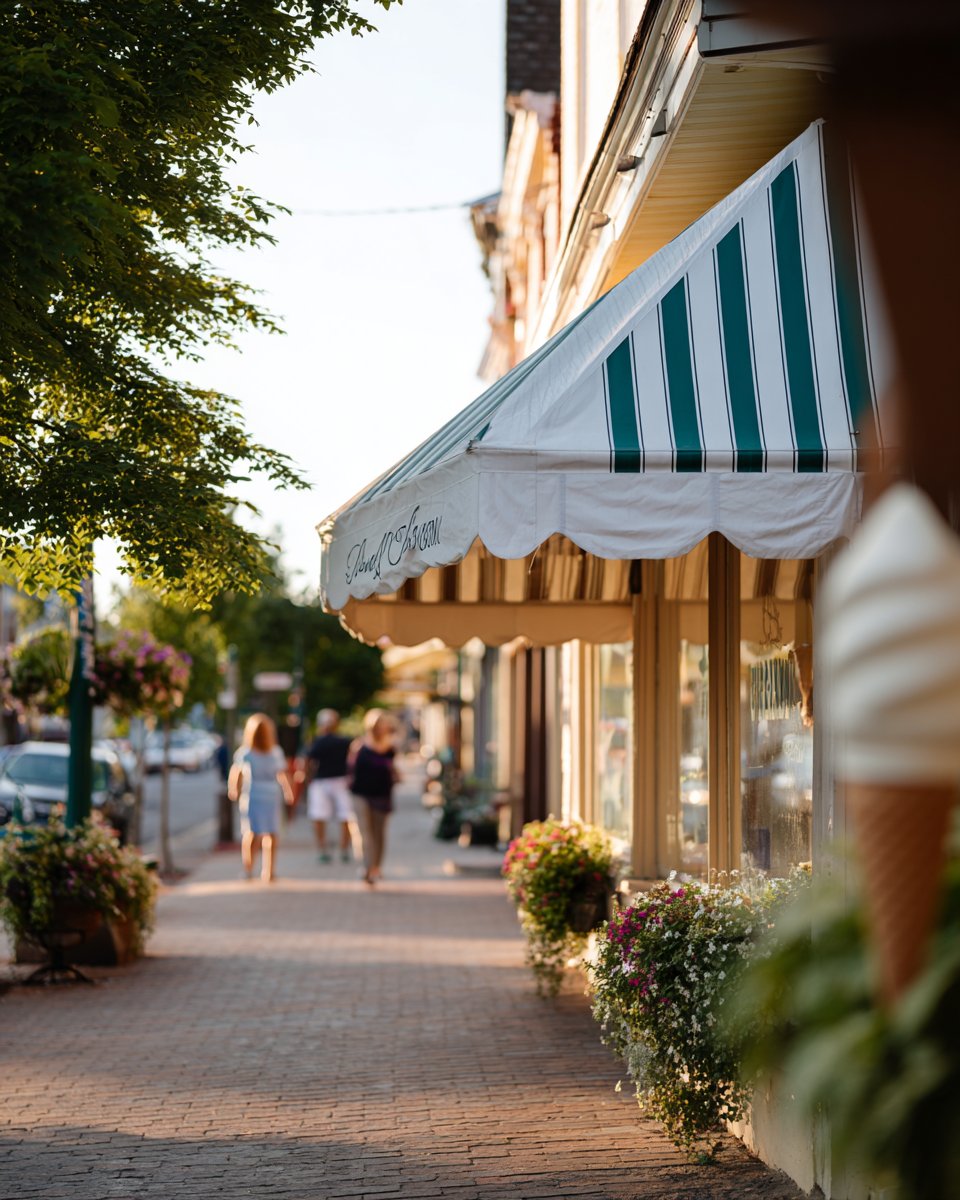
Another advantage is how connected the waterfront feels to daily life on shore. The Municipal Marina is in the heart of town near Chinook Pier and is described by the city as the closest public marina to Lake Michigan on the Grand River. State harbor information also notes that boaters are within walking distance of restaurants, shopping, bars, and the beach.
River, Harbor, and Lake Access
For boaters, convenience matters as much as scenery. In Grand Haven, the transition from the river to the harbor and out to Lake Michigan is part of the appeal. You can enjoy more protected water conditions on the river, then head west toward the big lake when conditions line up.
That same layout also benefits people who may not be on the boat every hour of the day. Family or guests can enjoy the waterfront on foot, spend time downtown, or head to the beach while the boat remains part of the plan rather than the whole day’s logistics.
The city’s public spaces support that experience well. Grand Haven describes a 1.5-mile boardwalk from downtown to Lake Michigan, while the master plan highlights the broader waterfront trail system linking the lake, Harbor Island, Coho Drive, and nearby shops.
Main Marinas and Launch Points
If you are comparing where and how you would keep or launch a boat, Grand Haven offers a mix of public and private options. Each serves a slightly different boating style, from seasonal slip users to day boaters and trailered boats.
Grand Haven Municipal Marina
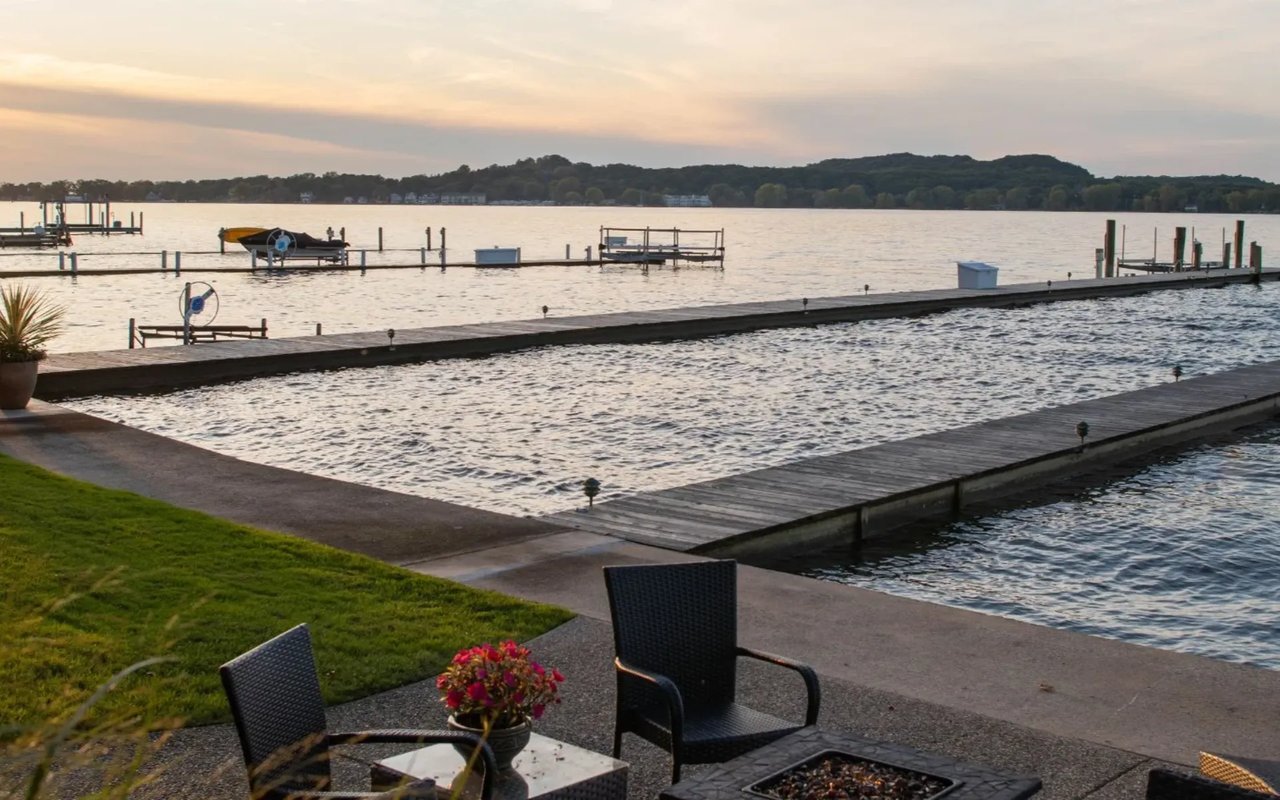
The Grand Haven Municipal Marina is one of the best-known public options in town. The city says it serves both transient and seasonal boaters and includes amenities such as water, electricity, ice, restrooms, showers, laundry, wifi, a fishing pier, a splash pad, and day-use dockage.
A practical note matters here. Public sources do not agree on the exact number of slips, so it is best to verify the current count directly before relying on a specific figure. Reservations are handled through the Michigan DNR harbor reservation system.
Harbor Island Boat Launch
For trailered boats, Harbor Island Boat Launch is a key access point. The city places it on Harbor Island just west of US-31 and south of the drawbridge, with direct access to the Grand River’s main channel.
The master plan notes 10 ramps, a transfer dock, and both regular and overflow trailer parking. The city also states that a pass is required, with daily and seasonal options available.
Flahive Boat Launch
Flahive Boat Launch at East Grand River Park offers another public launch option within the city. The master plan identifies it as one of only two public launches in Grand Haven and notes that it is popular with both residents and visitors.
The surrounding park amenities can make a difference if your boating day includes family or extra shore time. The park includes restrooms, a picnic shelter, a play area, picnic tables, benches, a raised wetland walkway, and a floating fishing dock.
Private Marina Options
Grand Haven also offers several private marina choices that may appeal to buyers who want a different service mix or location.
- Wharf Marina is described as being on a channel into Lake Michigan and within about a 10-minute walk of downtown businesses and restaurants. Amenities include floating docks, showers, a customer pavilion, rack storage, and dockside fuel service.
- Grand Isle Marina is described as a Safe Harbor marina with drive-up slips and an in/out operation, positioned for Lake Michigan access and nearby shops and eateries.
- Coastal Zone Marina is located on the Grand River about 3 miles by boat from downtown and 4 miles from Lake Michigan. Visit Grand Haven notes electricity, water, restrooms, showers, and off-season storage, but no in/out service.
Best Places to Go Ashore
A great boating town is not just about where you launch. It is also about where you want to stop, walk, dine, and spend time once the boat is tied up. Grand Haven performs well here because the waterfront is woven into the town experience.
Chinook Pier and Downtown Access
Chinook Pier is one of the strongest shore-side destinations for boaters. The city lists a commercial fishing marina, fish cleaning station, seasonal food and retail shops, miniature golf, a farmers market, a historic steam train display, a splash pad, and access to the waterfront trail.
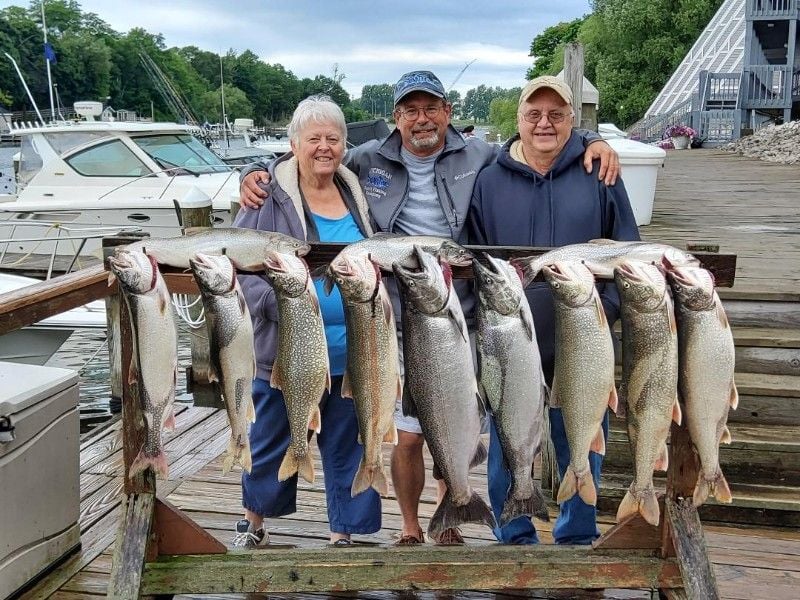
That mix creates a boating stop that feels active and useful, not just scenic. State harbor information also notes charter fishing excursions from the marina, which adds to the harbor’s working-waterfront feel.
Waterfront Stadium and Summer Activity
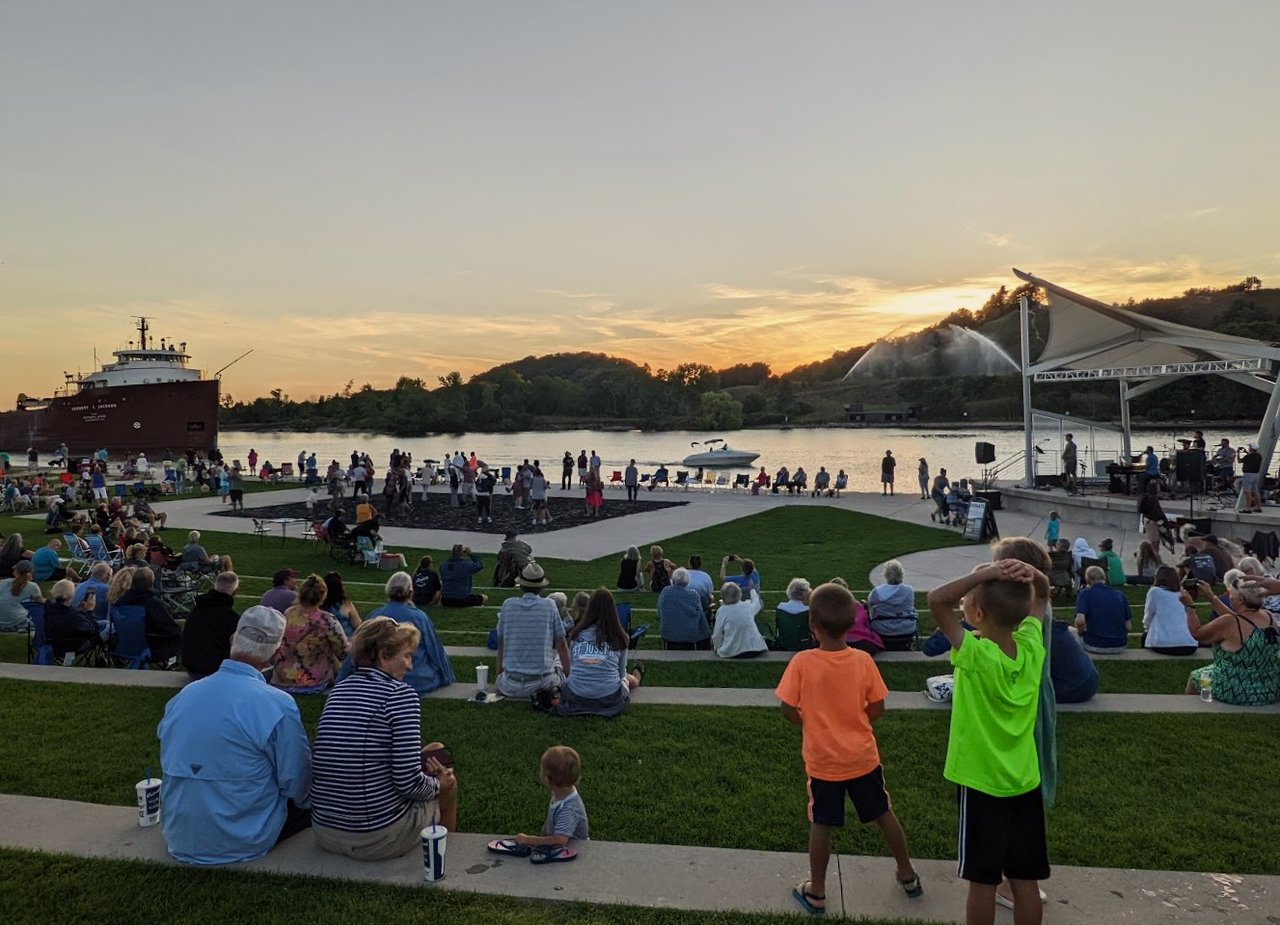
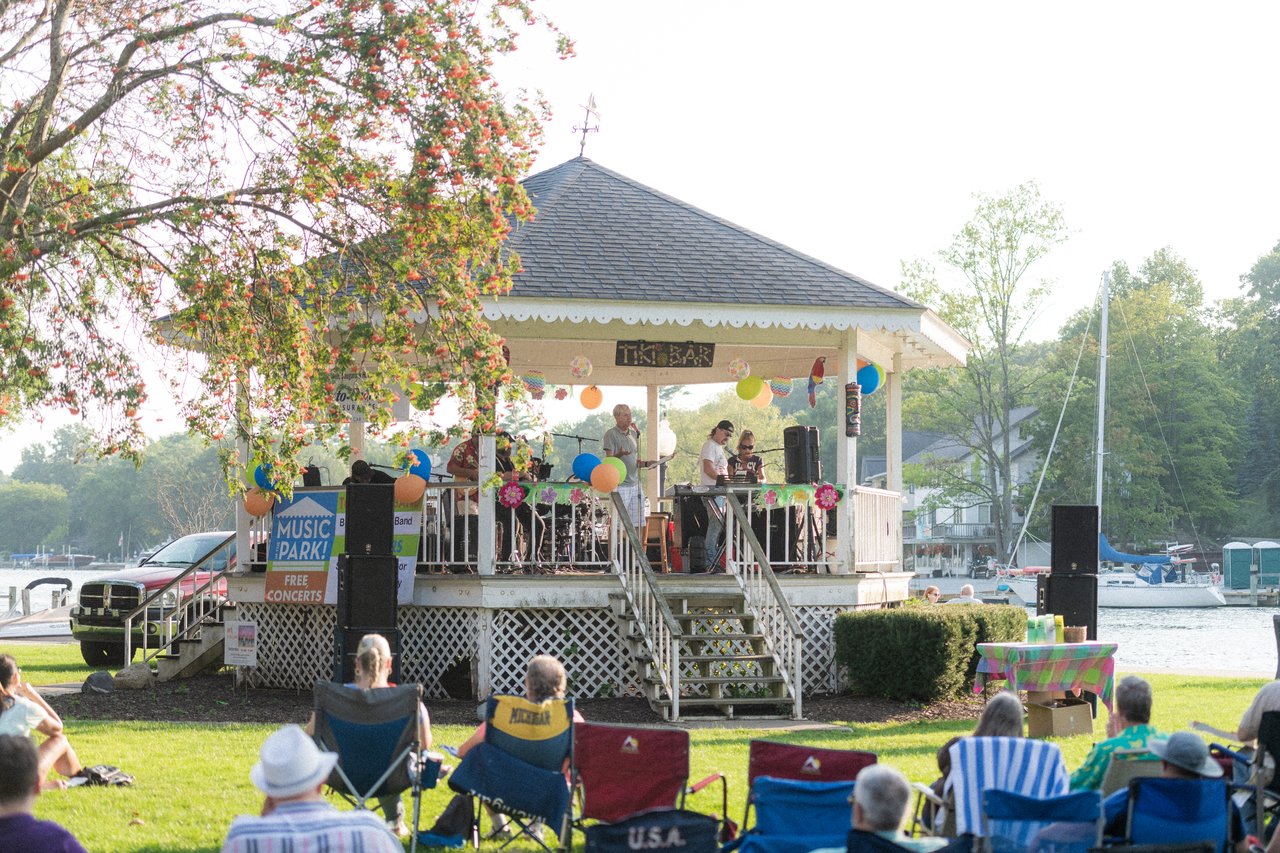
The riverfront stays lively after the boat is docked. The Waterfront Stadium serves as a riverfront performing arts venue used during the summer for Musical Fountain performances, concerts, shows, memorials, and other community events.
For buyers, that matters because it shows how boating and downtown life overlap in Grand Haven. The waterfront is not isolated from the community. It is one of the places where people gather.
Boardwalks, Parks, and Temporary Mooring
Several public spaces add to the boater experience. The master plan notes that Bicentennial Park and Riverview include boardwalk extension space, benches, small tourist shops, and temporary mooring for transient boaters.
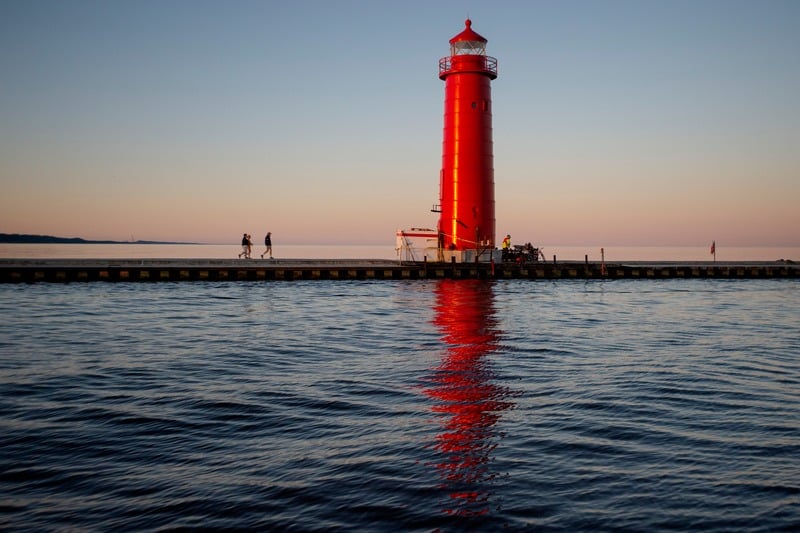
Lighthouse Connector Park also links Bicentennial Park with the Lake Michigan south pier along the Grand River channel. The area includes benches, specialty shops, restaurants, and parking along the boardwalk, giving you more ways to enjoy the waterfront once you step off the boat.
Beach Access Adds to the Lifestyle
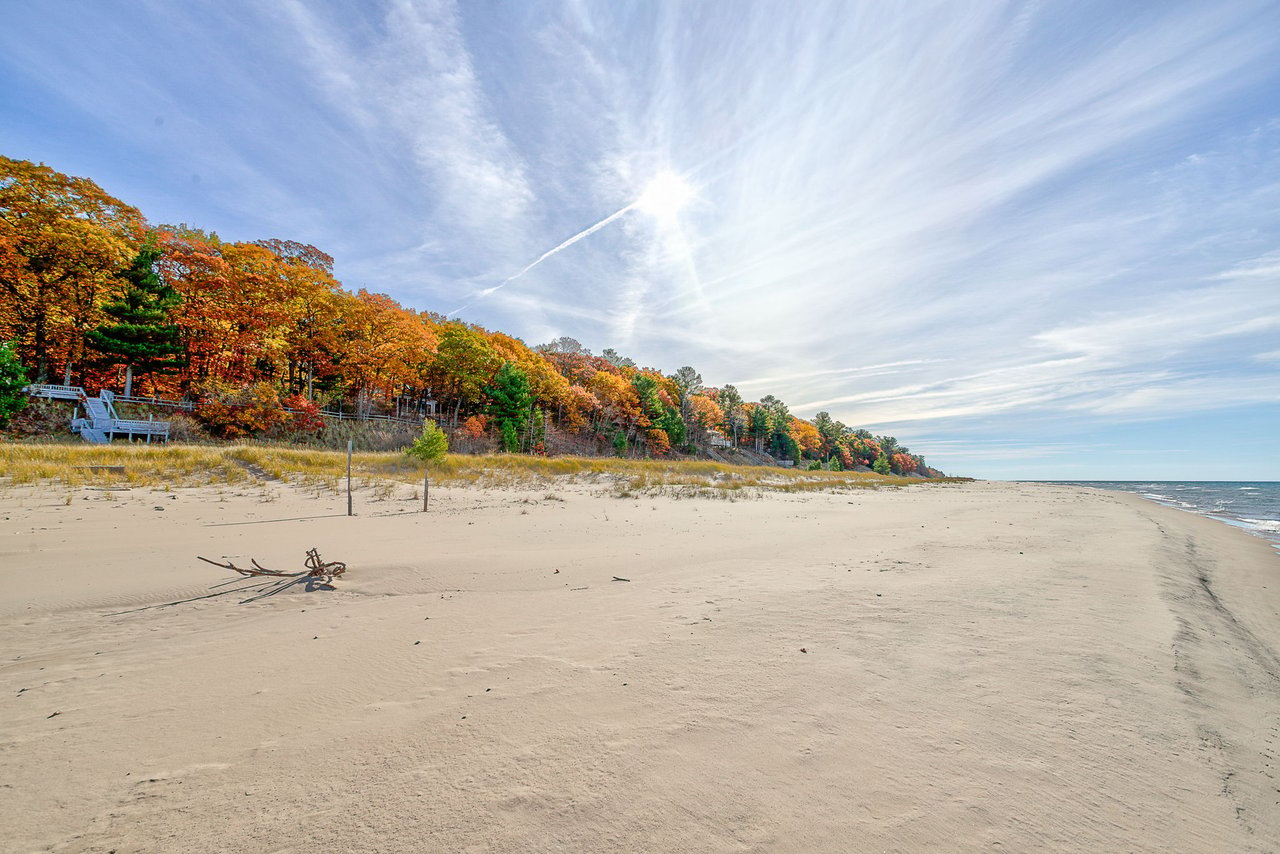
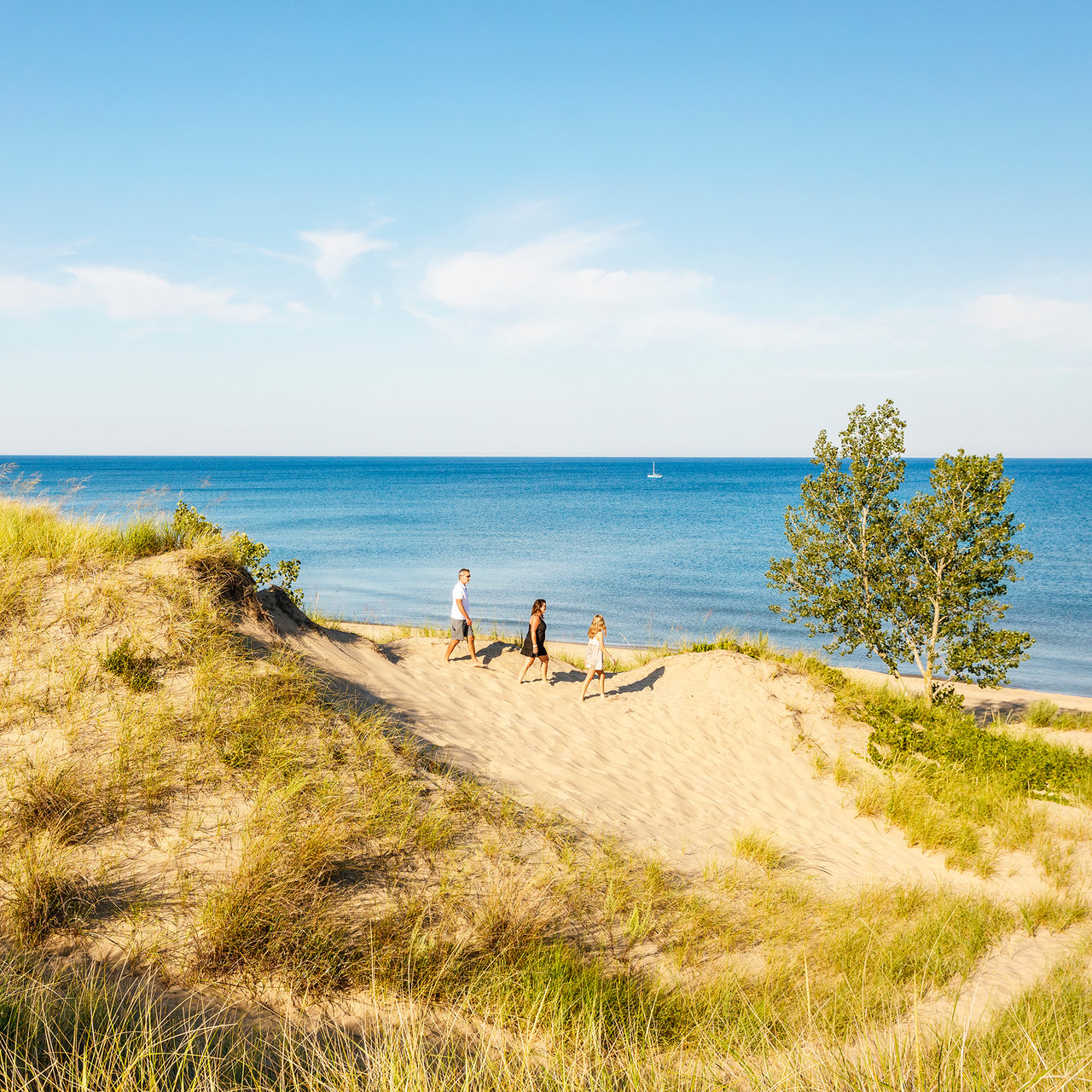
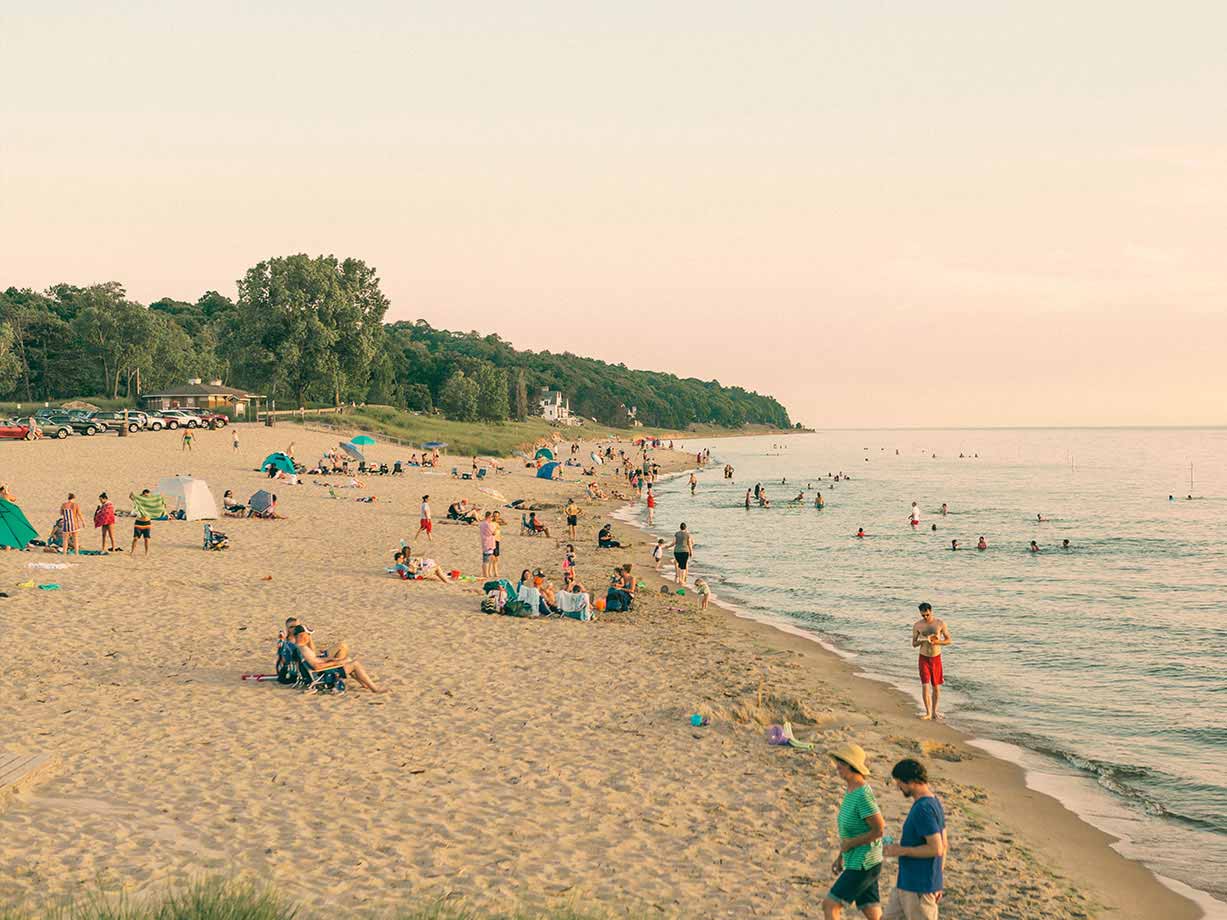
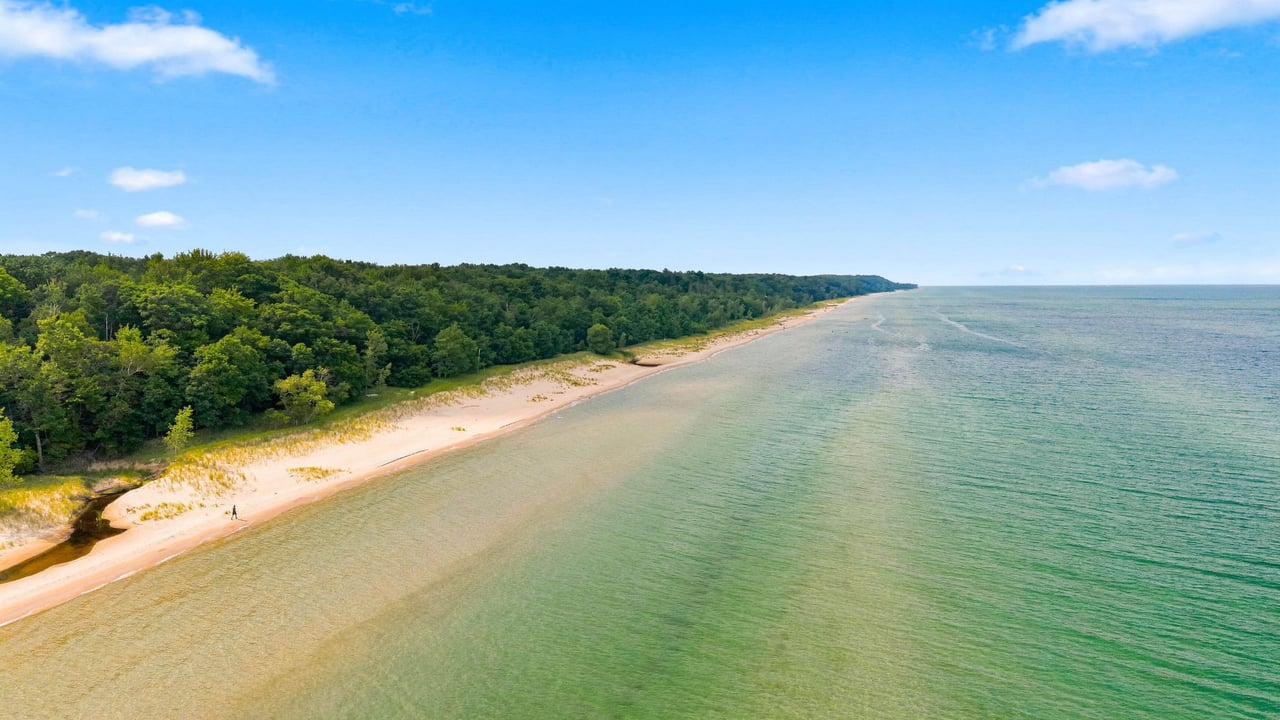
Grand Haven State Park is another reason this market stands out. The park sits at the mouth of the river, with Lake Michigan shoreline on one side and the Grand River on the other. The state describes it as a 48-acre park with a half-mile of sandy Lake Michigan shoreline.
For many buyers, this expands the value of boating access. You are not only close to slips and launches. You are also close to a well-known beach setting that supports the full lakeshore lifestyle.
The city’s beach information also directs visitors to NOAA beach conditions and Ottawa County beach advisories. That is a useful reminder that enjoying the water here includes staying informed about daily conditions.
Planning for Season and Weather
Grand Haven boating is highly seasonal, and that should shape how you think about ownership and use. The DNR harbor guide says the Municipal Marina is open from mid-May to mid-October and serves transient and seasonal slip holders during that period.
Lake Michigan conditions also deserve serious attention. The National Weather Service marine information for the Grand Rapids area provides nearshore forecasts within 5 nautical miles of shore and shows how quickly winds and waves can shift in the Holland-to-Grand Haven zone.
In practical terms, the river may look calm while the lake tells a different story. If your boating plans include Lake Michigan, checking marine conditions is part of the routine, not an extra step.
Peak Summer Crowds Matter Too
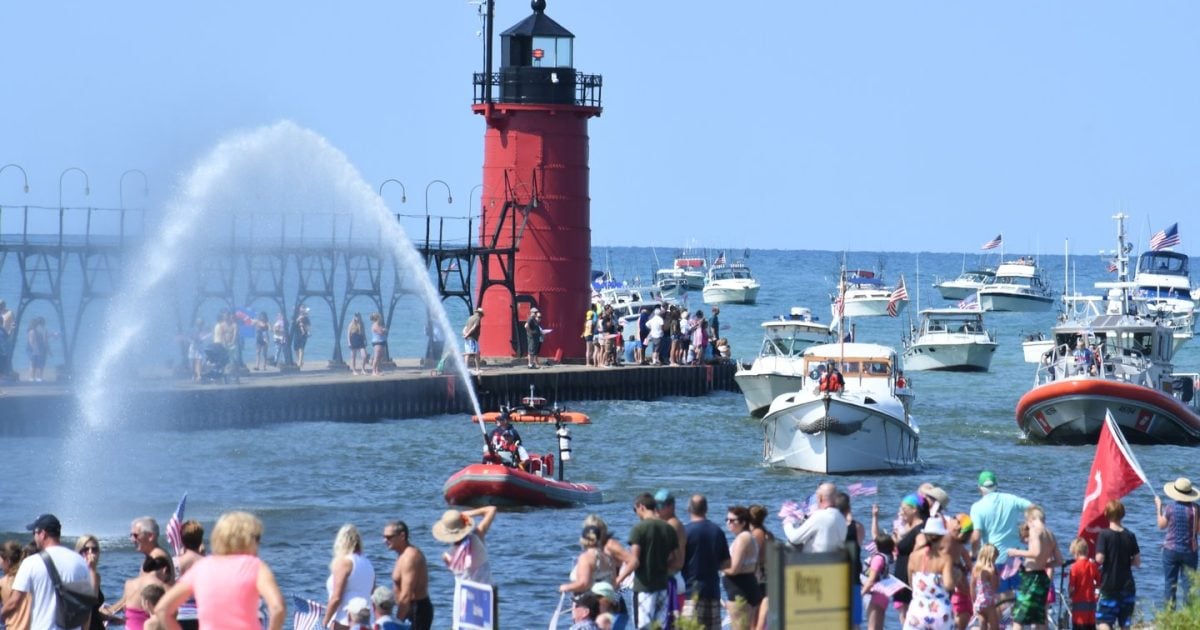
Grand Haven’s popularity is part of its charm, but it also affects boating logistics. The city notes that Grand Haven is Coast Guard City, USA, and that the annual Coast Guard Festival draws about 580,000 visitors each year.
That kind of seasonal traffic can mean busier docks, more demand for launch access, and fuller downtown parking during peak periods. For some buyers, that energy is a plus. For others, it is a reason to think carefully about timing, location, and how close they want to be to the busiest waterfront areas.
What This Means for Homebuyers
If you are shopping for a home in Grand Haven, the boating story is bigger than simple water access. What stands out is the combination of marina access, launch options, walkable downtown amenities, beach proximity, and practical river-to-lake connectivity in a relatively compact waterfront corridor.
That is especially relevant if you want boating to be part of everyday living rather than an occasional outing. Based on the city layout and waterfront system, areas near Harbor Drive and Harbor Island may be especially worth watching if your goal is to stay closely connected to slips, launches, boardwalks, and the harbor environment.
It also helps to think beyond the boat itself. Questions about how you want to launch, where you want to dock, how often you expect to go out on Lake Michigan, and how much you value walkability can all shape which part of Grand Haven feels right for you.
What This Means for Sellers
If you are selling a property in Grand Haven, boating context can be a major part of the story, especially for waterfront and near-water homes. Buyers in this market often care about the small details that affect daily use, such as proximity to launches, marina options, beach access, and how quickly they can move from home to harbor.
That is why micro-location matters so much in waterfront marketing. A home near Harbor Island, the river corridor, or the downtown waterfront may appeal for different reasons than a home farther from the boating core, and those distinctions should be presented clearly and accurately.
For premium properties, that kind of positioning can help buyers understand not just where the home is, but how the lifestyle works.
If you are thinking about buying or selling in Grand Haven and want guidance tailored to boating access, waterfront lifestyle, and the details that shape value, connect with Andrea Crossman Group to explore your next move.
FAQs
What makes Grand Haven good for boaters?
- Grand Haven offers a rare setup where you can access the Grand River, harbor areas, Spring Lake, and Lake Michigan from the same general waterfront corridor, with marinas, launches, downtown amenities, and beach access close together.
What public boat launch options are available in Grand Haven?
- The city identifies Harbor Island Boat Launch and Flahive Boat Launch as the two public launch options within Grand Haven, with Harbor Island offering 10 ramps, a transfer dock, and trailer parking according to the city master plan.
What should Grand Haven boaters know about marina season?
- The DNR harbor guide says the Grand Haven Municipal Marina is typically open from mid-May to mid-October, so planning around the seasonal boating window is important.
What should Lake Michigan boaters in Grand Haven watch for?
- Boaters should check nearshore marine forecasts because Lake Michigan wind and wave conditions can change quickly, even when the river appears calm.
What Grand Haven areas may interest homebuyers who want boating access?
- Based on the city layout and waterfront system, the Harbor Drive and Harbor Island area may be especially relevant for buyers who want boating to be part of everyday life, with close access to marinas, launches, trails, and downtown waterfront activity.