Buying a Second Home on the West Michigan Lakeshore: What You Need to Know
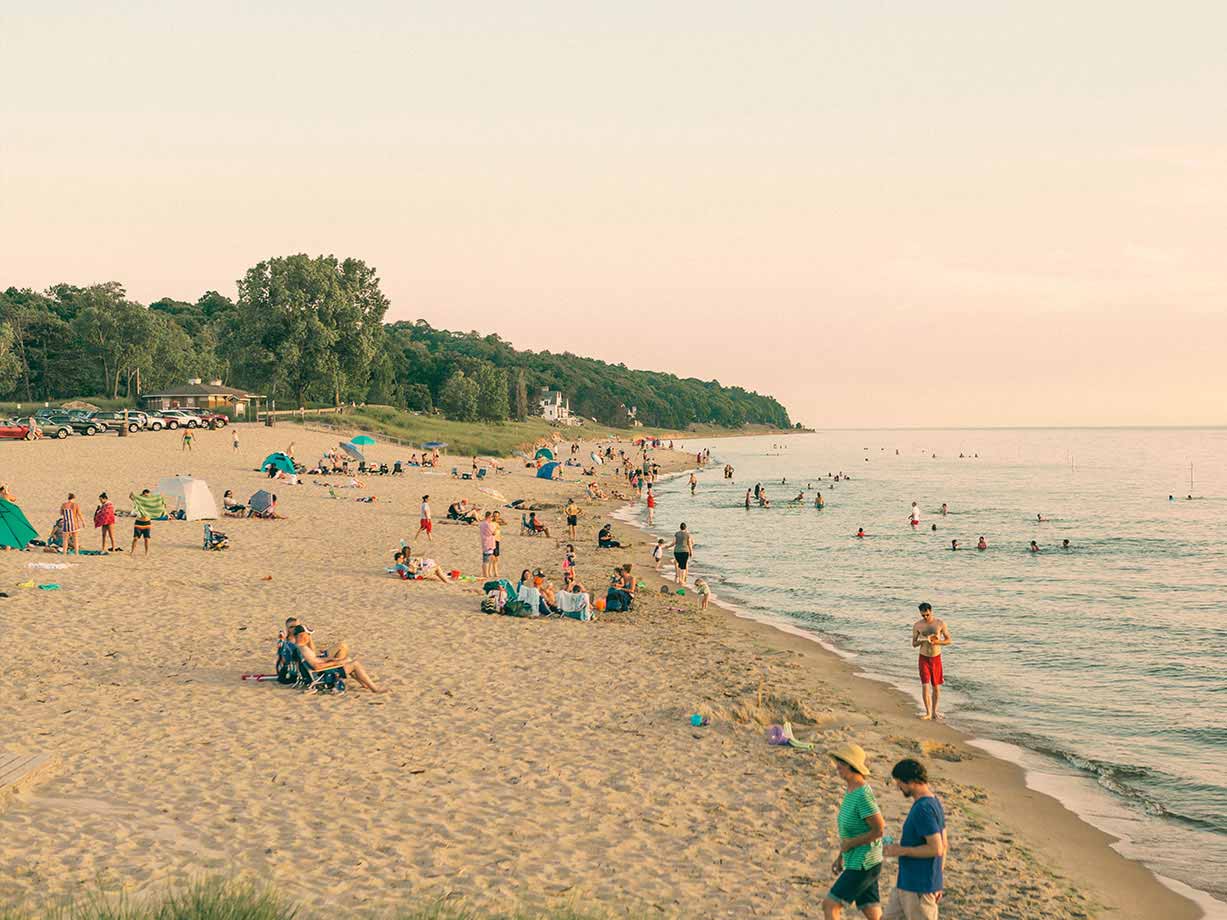
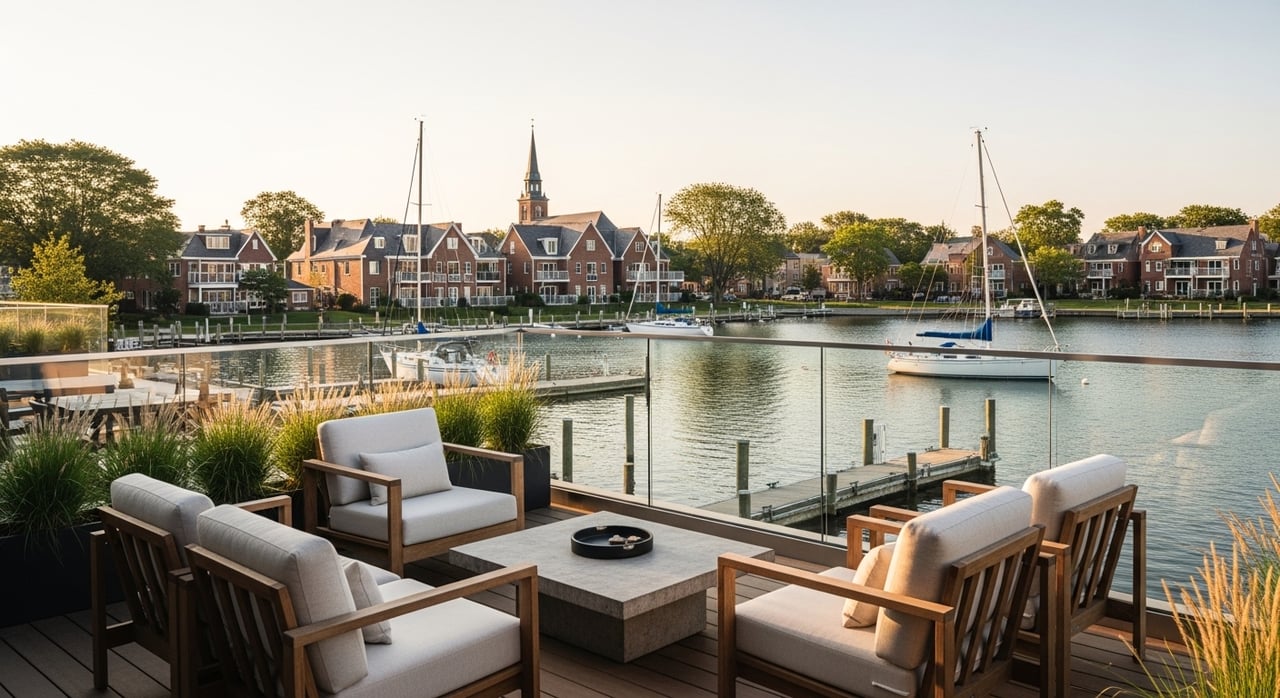
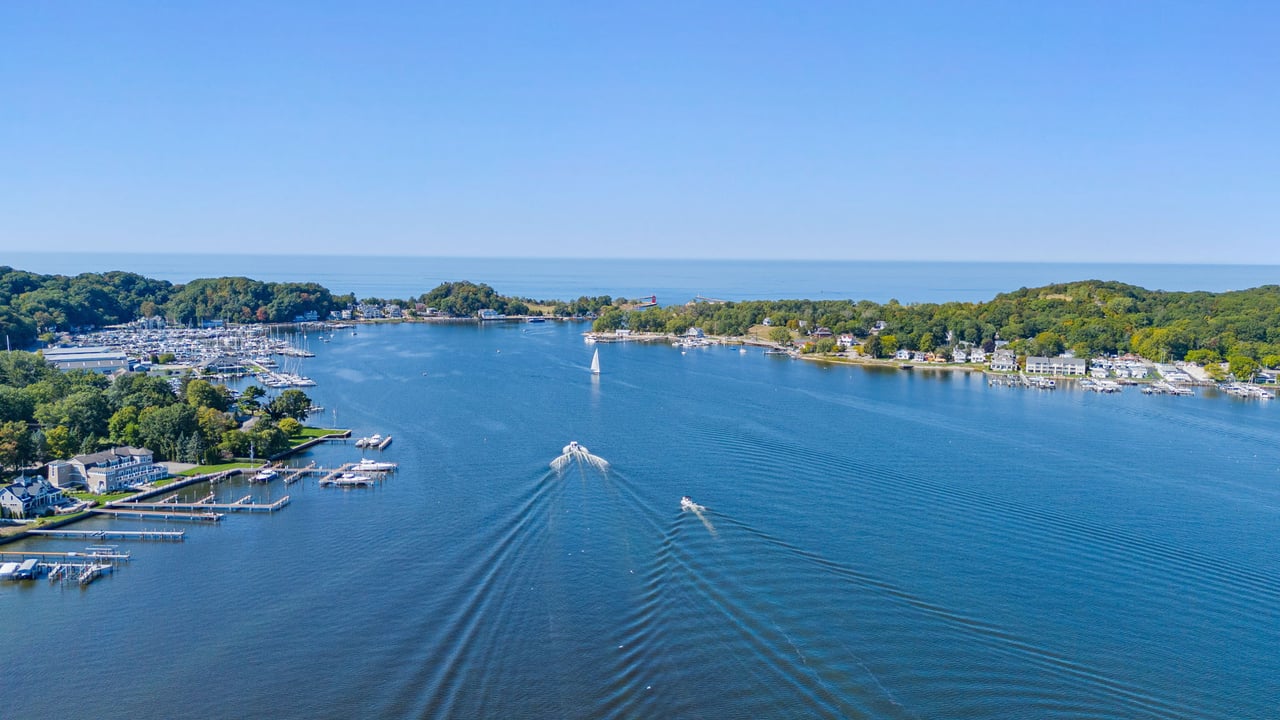
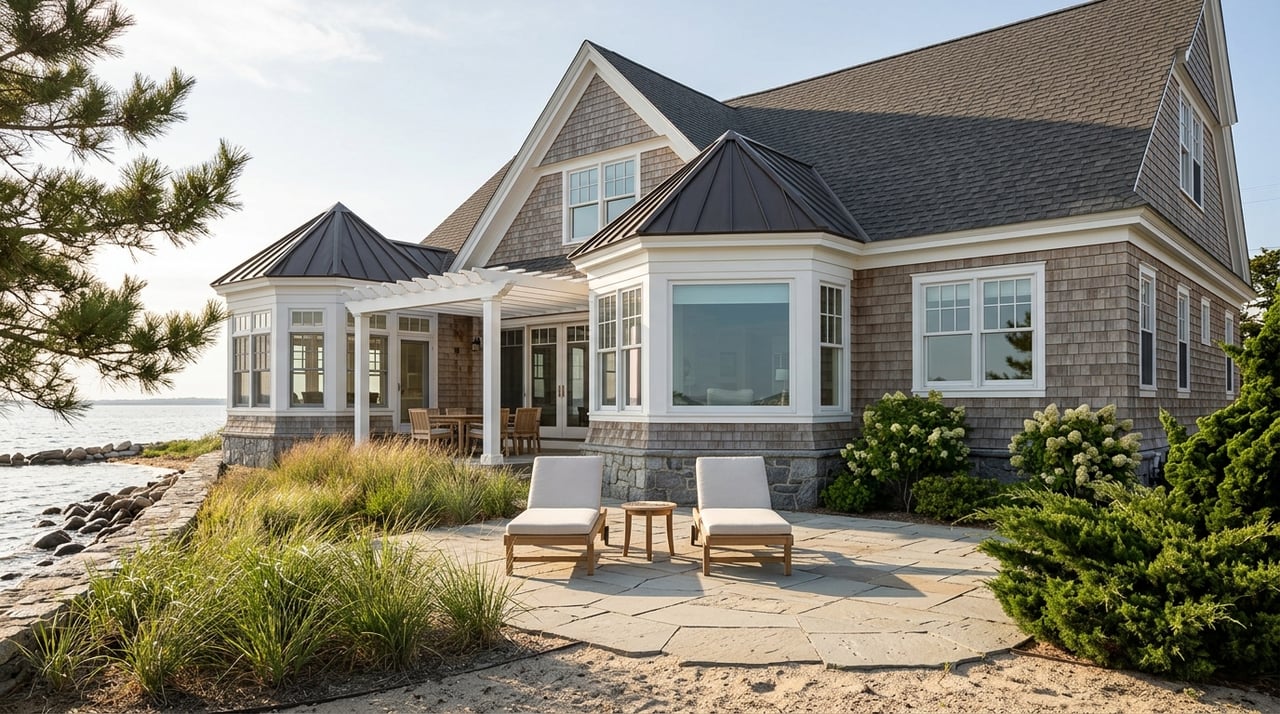
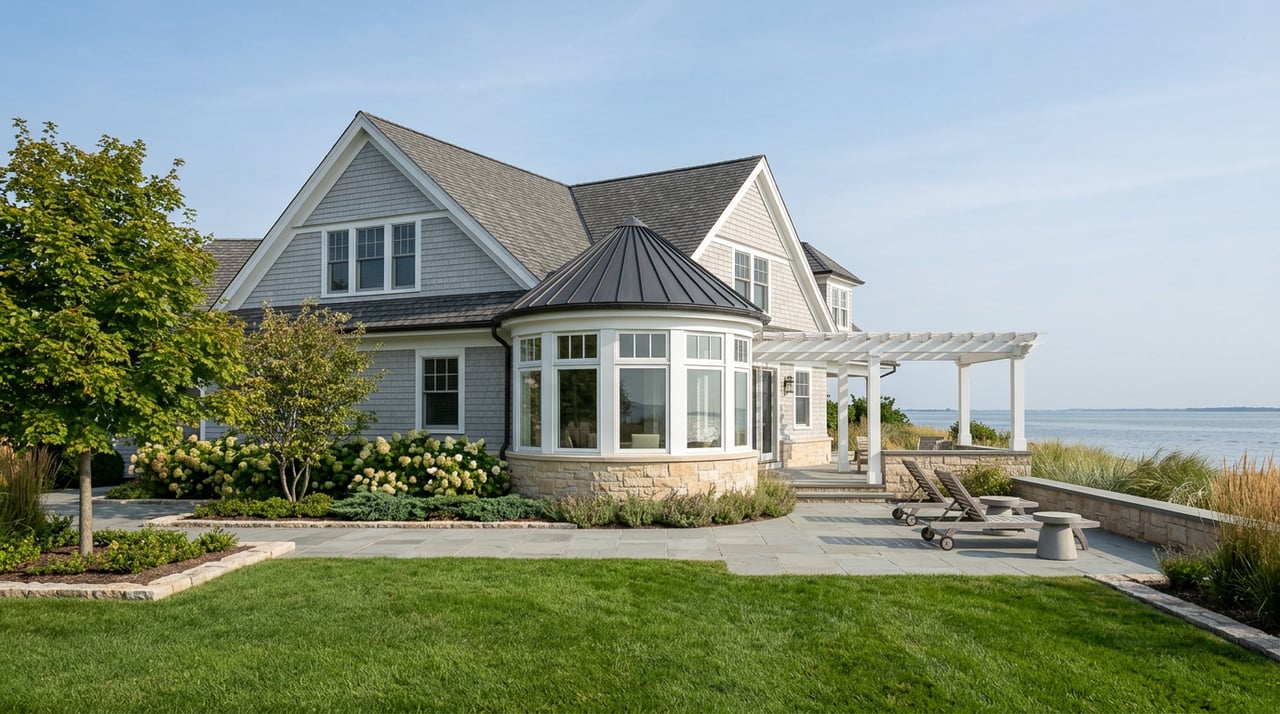
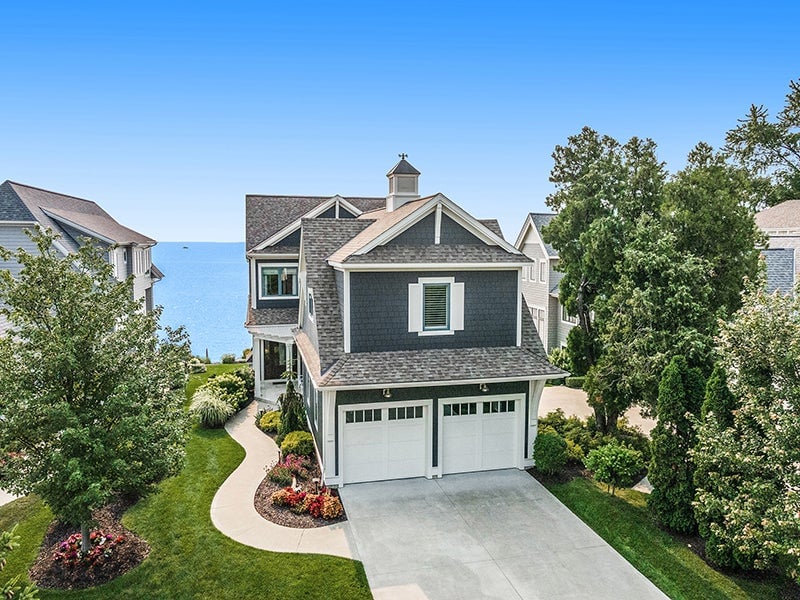
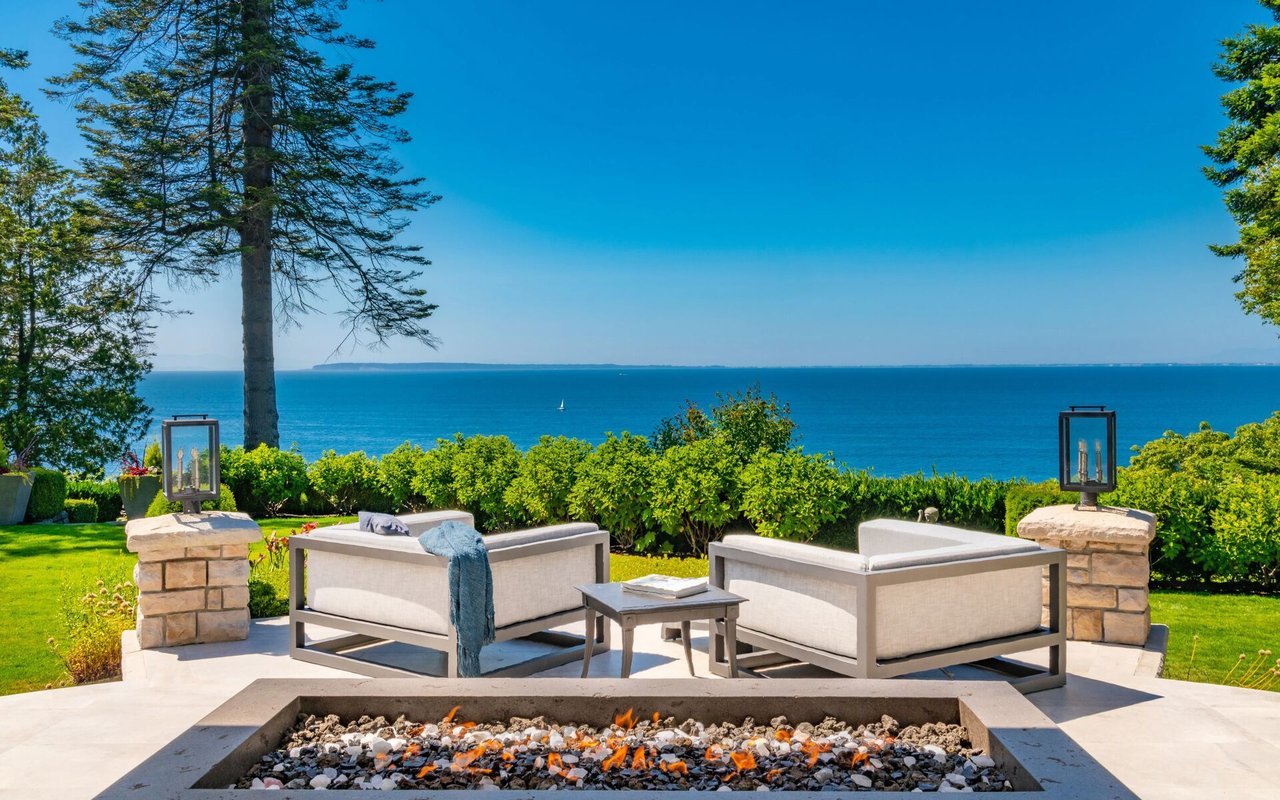
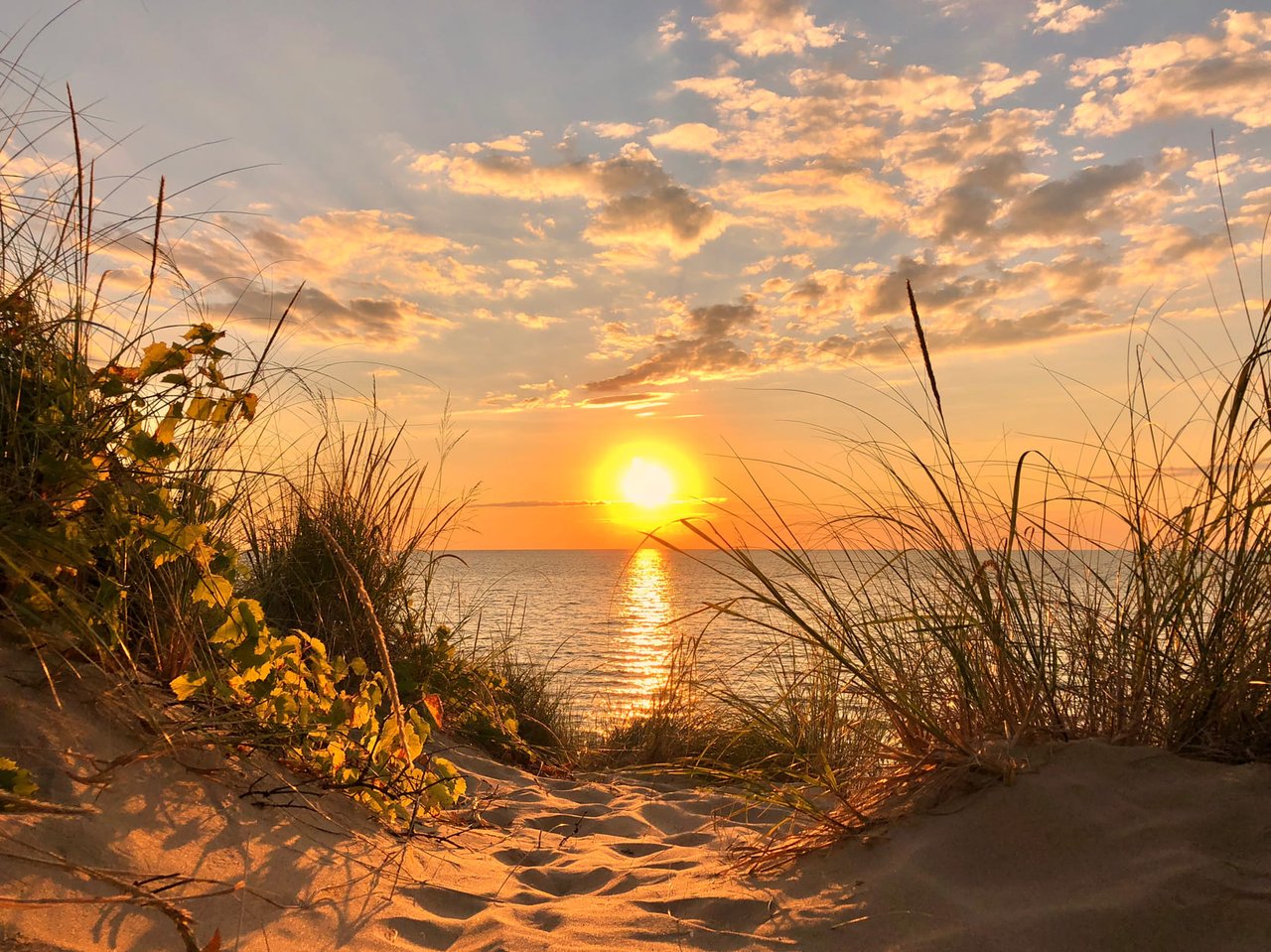
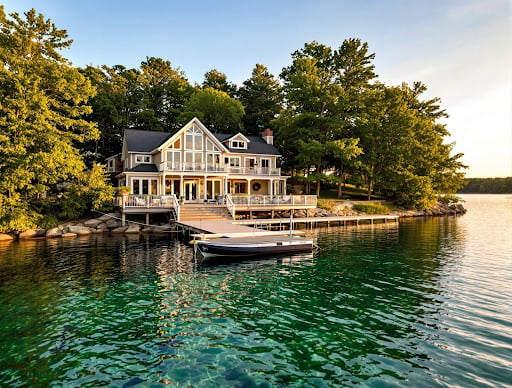
A second home along the West Michigan lakeshore can offer something difficult to replicate elsewhere: summer days on Lake Michigan, walkable downtowns, boating, beaches, restaurants, and a place to return to year after year.
But buying a second home is different from buying a primary residence.
Before purchasing in Holland, Saugatuck, South Haven, Grand Haven, or another lakeshore community, buyers should think carefully about location, financing, maintenance, rental rules, and how they actually plan to use the property.
Here are the most important things to consider.
Start With How You Plan to Use the Home
Before looking at properties, decide what role you want the home to play.
Will it be:
- A weekend getaway?
- A summer cottage?
- A gathering place for family?
- A future retirement home?
- A property you occasionally rent?
- A combination of personal use and investment?
The answer can significantly affect which community, property type, and location make the most sense.
The National Association of REALTORS® recommends that second-home buyers consider lifestyle, financial goals, location, ongoing responsibility, and potential rental use before purchasing.
Choose the Right West Michigan Community
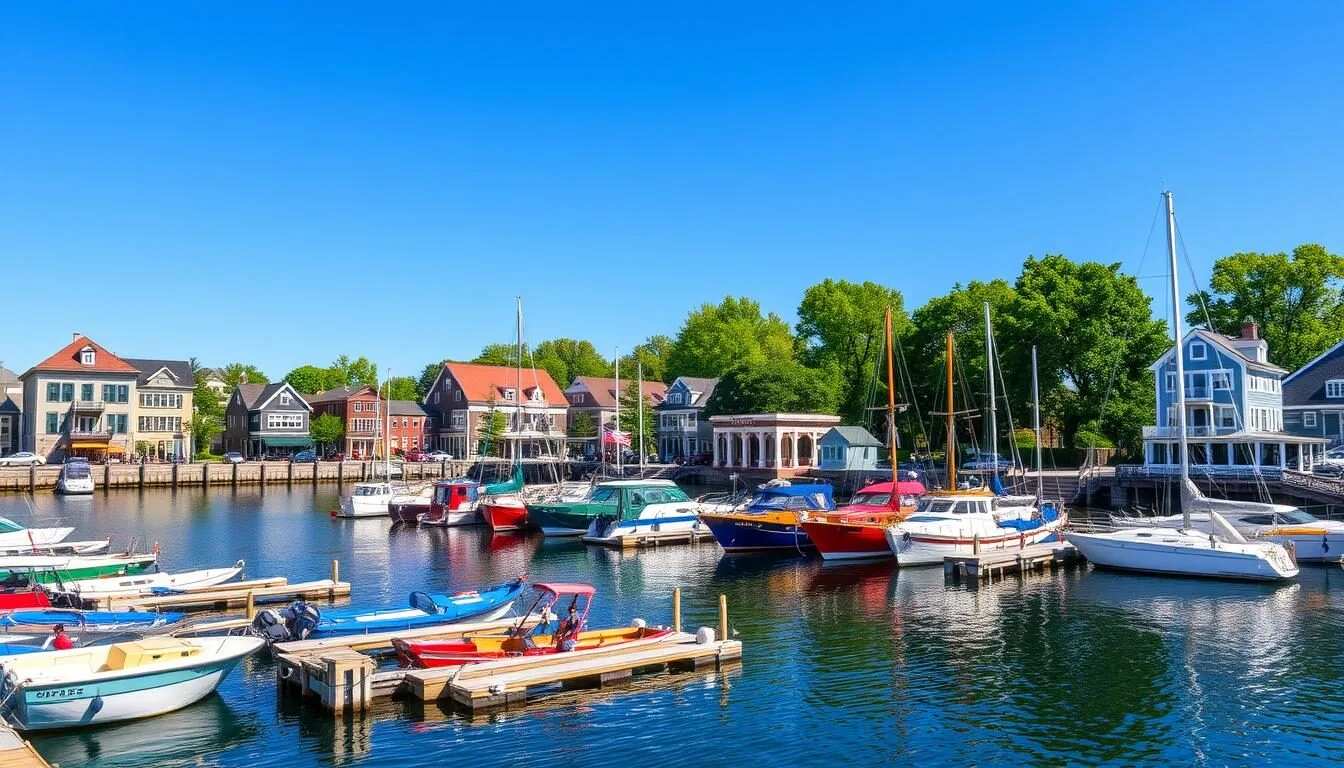
The West Michigan lakeshore is not one single market.
Each community offers a different lifestyle.
Holland
Holland combines a larger year-round community with Downtown Holland, Lake Macatawa, Lake Michigan beaches, marinas, restaurants, and established neighborhoods.
It can work particularly well for buyers who want their second home to feel connected to a full-service community throughout the year.
Saugatuck and Douglas
Saugatuck and Douglas offer a smaller resort-town atmosphere centered around the Kalamazoo River, Lake Michigan, art galleries, restaurants, boating, and a highly walkable downtown.
The area is especially appealing to buyers looking for a more distinctive vacation-home environment and a slower lakeshore pace. Saugatuck-Douglas continues to promote itself around art, water, dining, recreation, and the relaxed lifestyle that draws repeat visitors.
South Haven
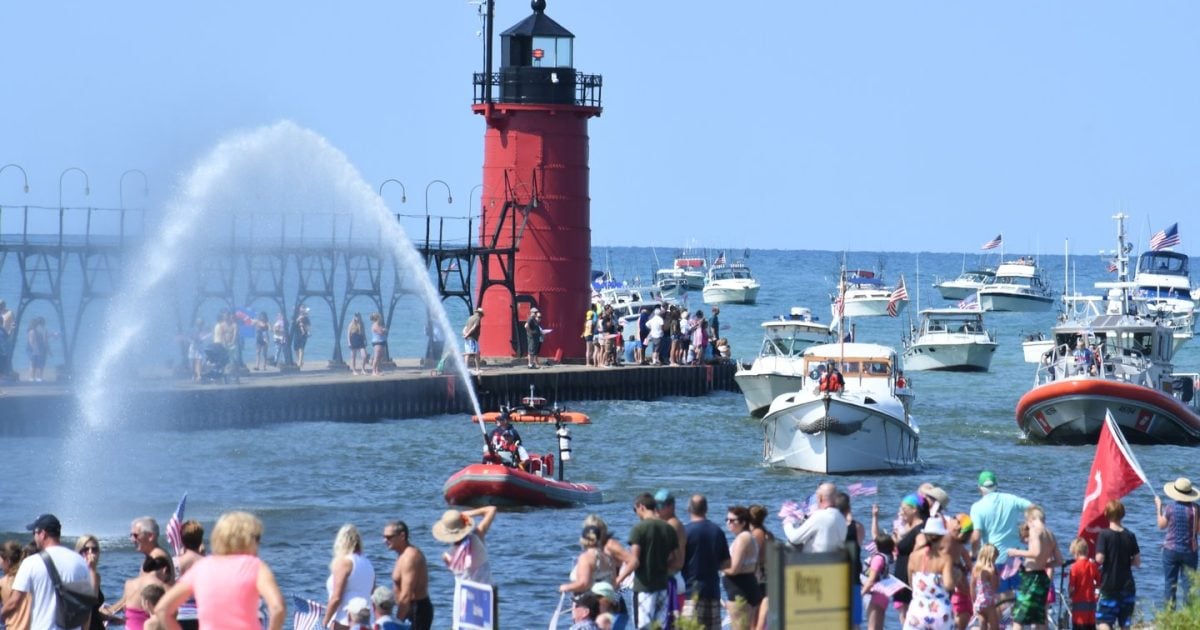
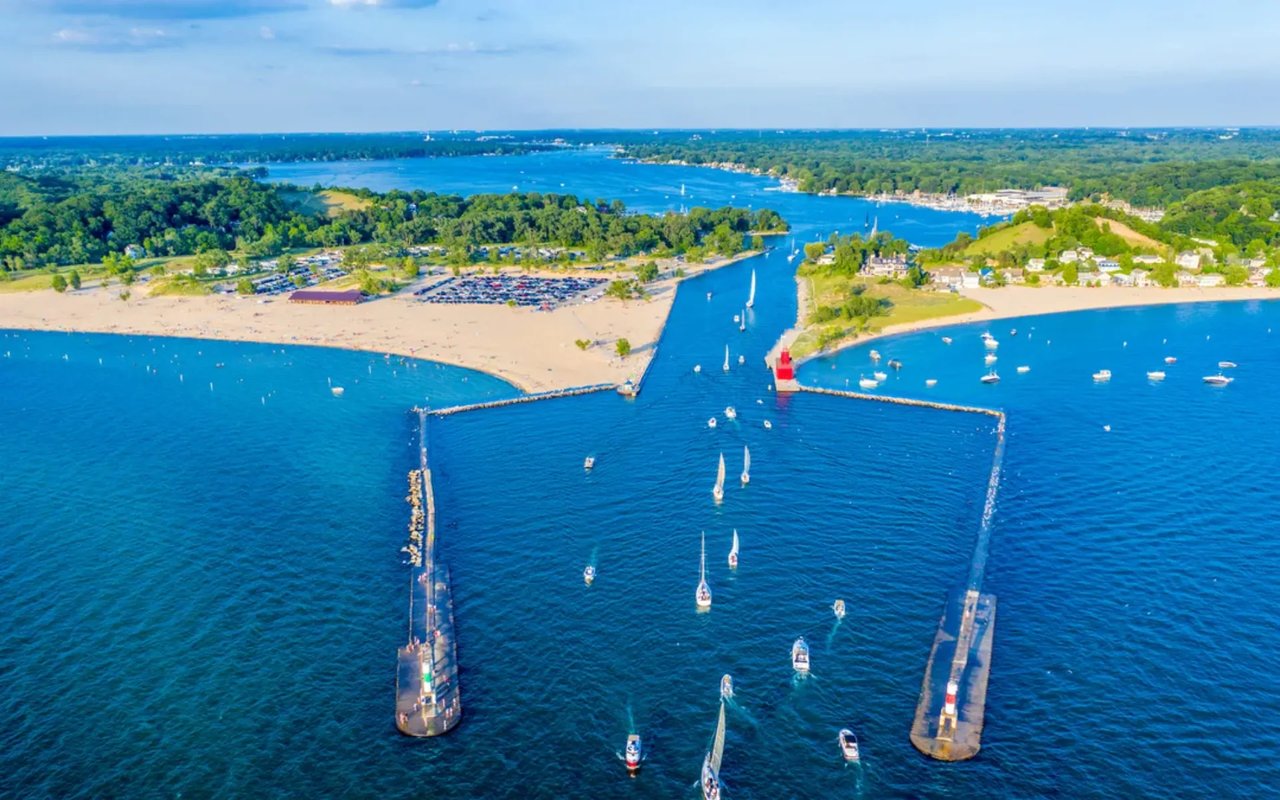
South Haven offers Lake Michigan beaches, a walkable downtown, harbor access, boating, fishing, restaurants, and a strong seasonal atmosphere.
Buyers can find everything from downtown properties to cottages and larger waterfront homes.
Grand Haven and Spring Lake
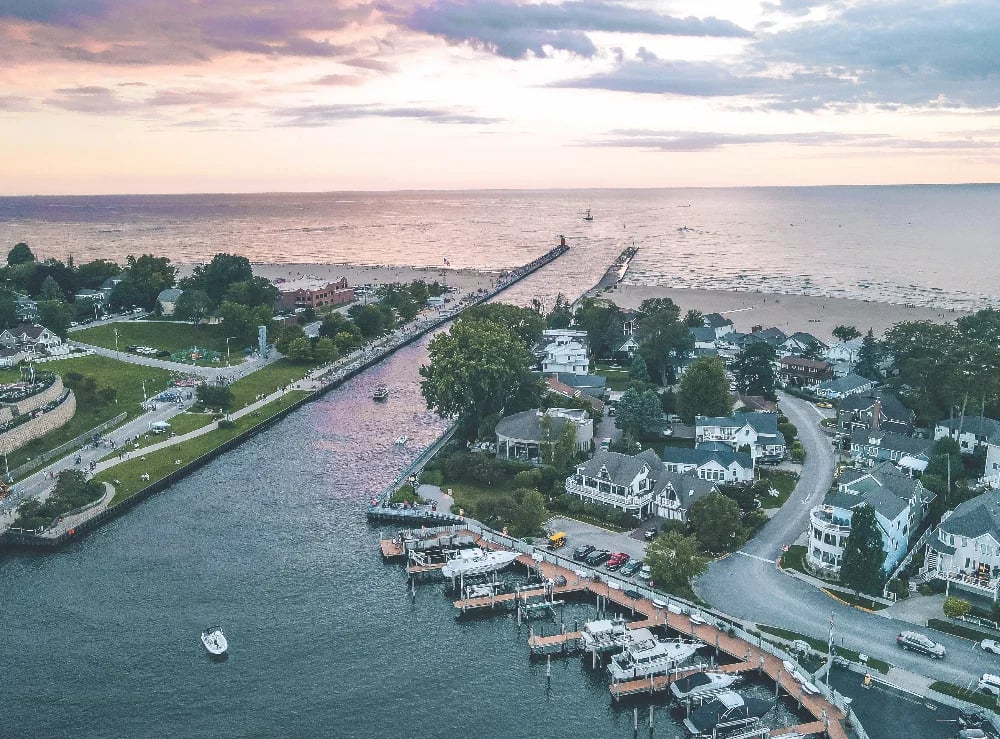
Grand Haven provides access to Lake Michigan, the Grand River, beaches, marinas, downtown activity, and a larger year-round population.
Nearby Spring Lake can be attractive for buyers prioritizing boating and inland-water access while remaining close to Lake Michigan.
The best community depends less on which town is “best” and more on what you want to do when you are there.
Understand the Different Types of Waterfront
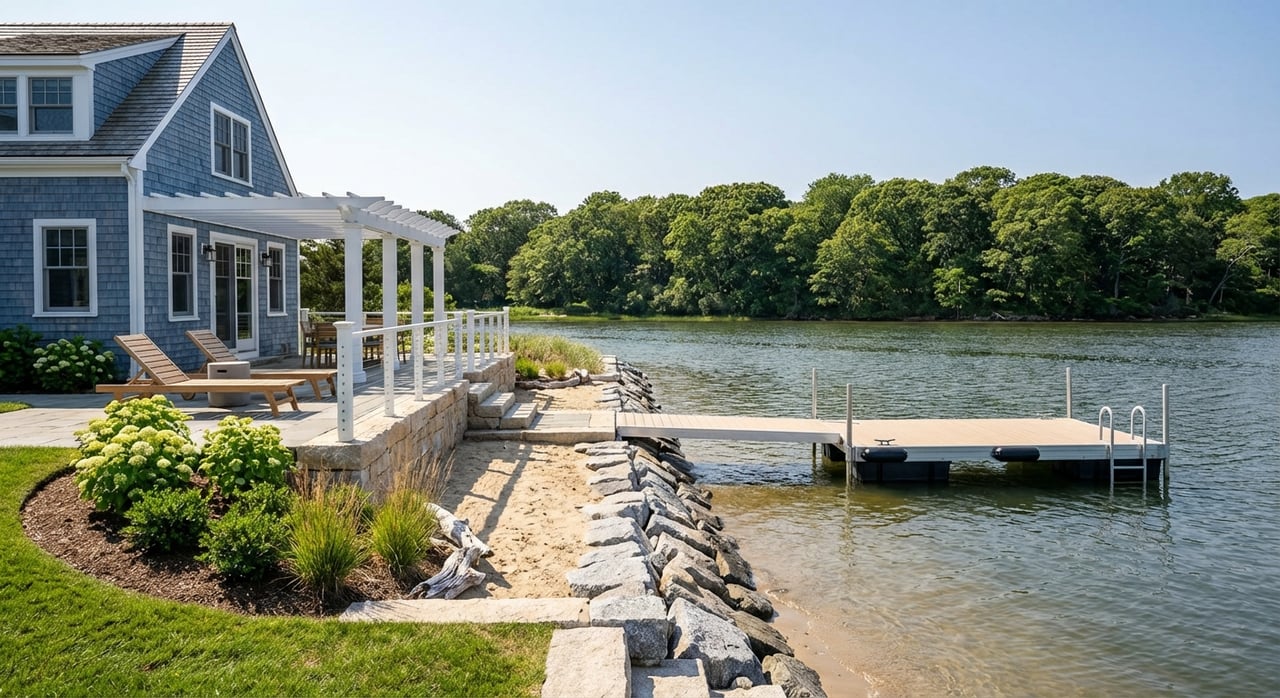
Not every property near the water offers the same experience.
A buyer might consider:
- Direct Lake Michigan frontage
- Lake Macatawa frontage
- Kalamazoo River frontage
- Spring Lake frontage
- Association beach access
- Deeded Lake Michigan access
- Homes within walking distance of the beach
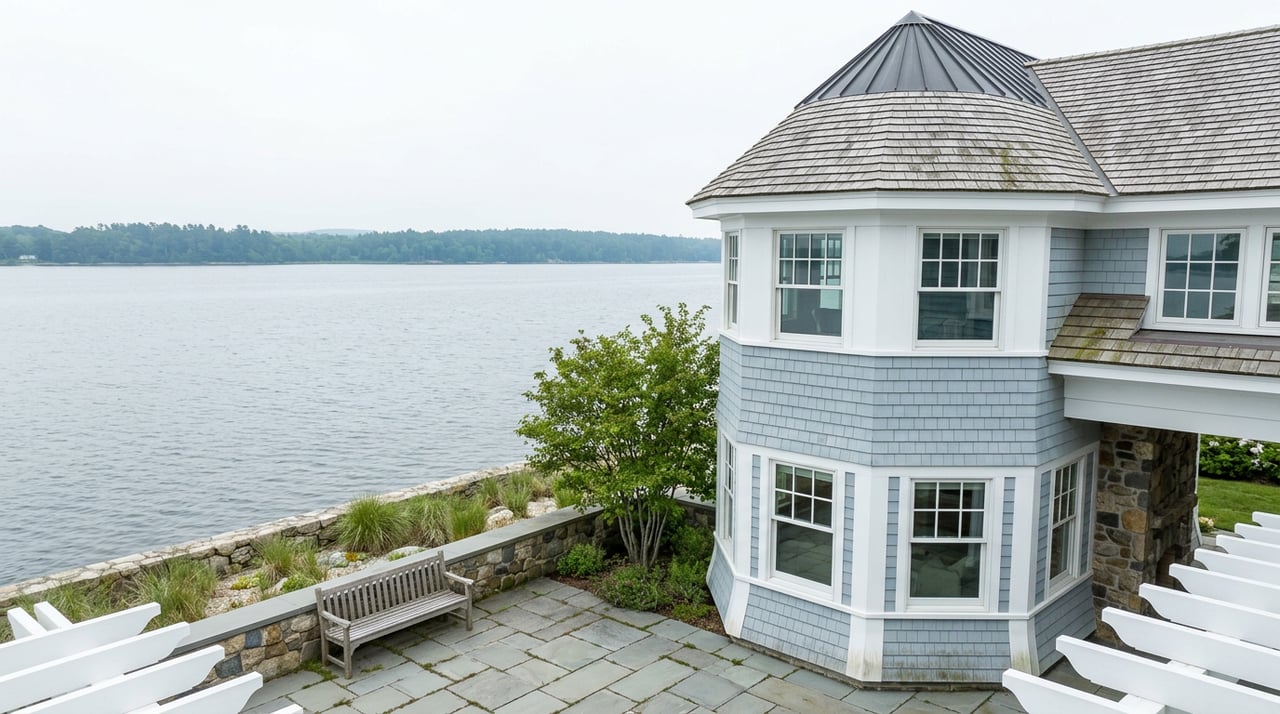
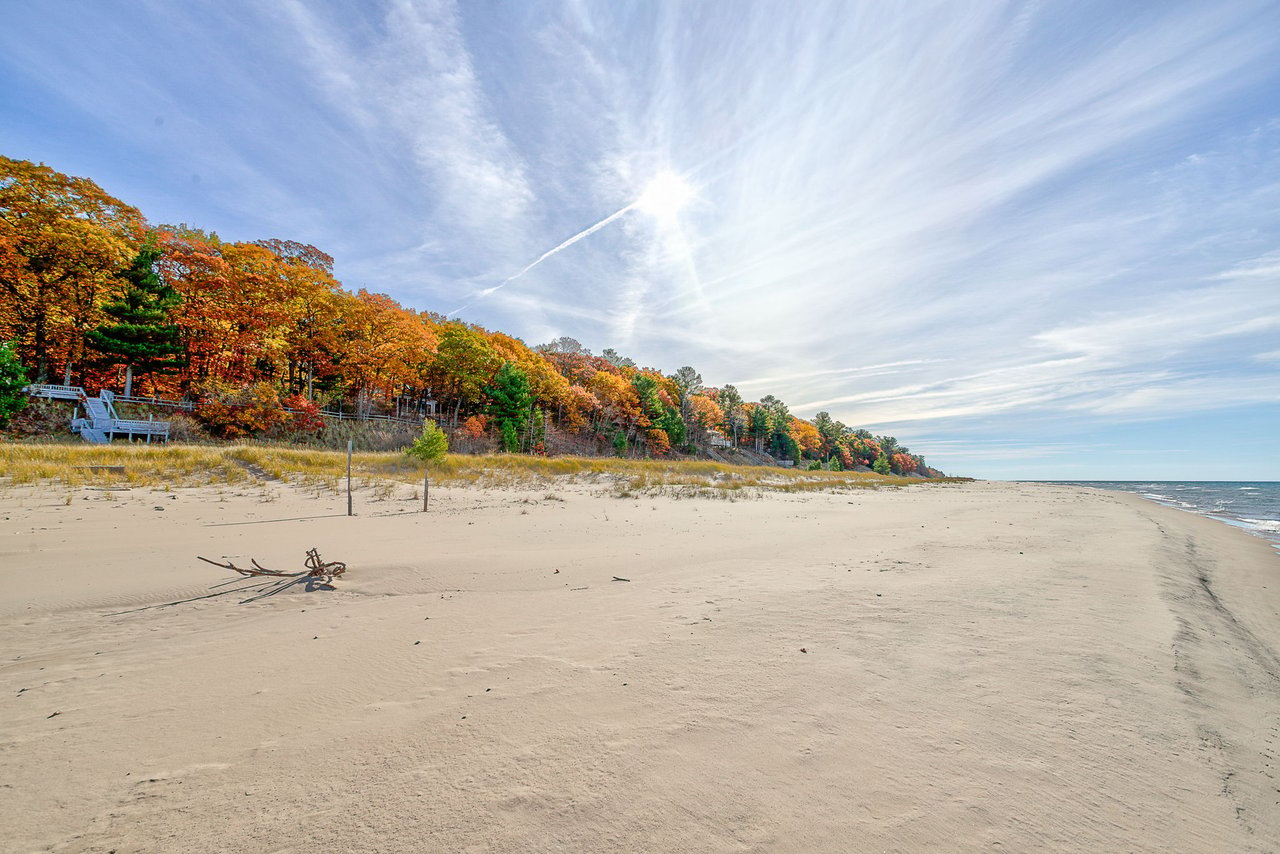
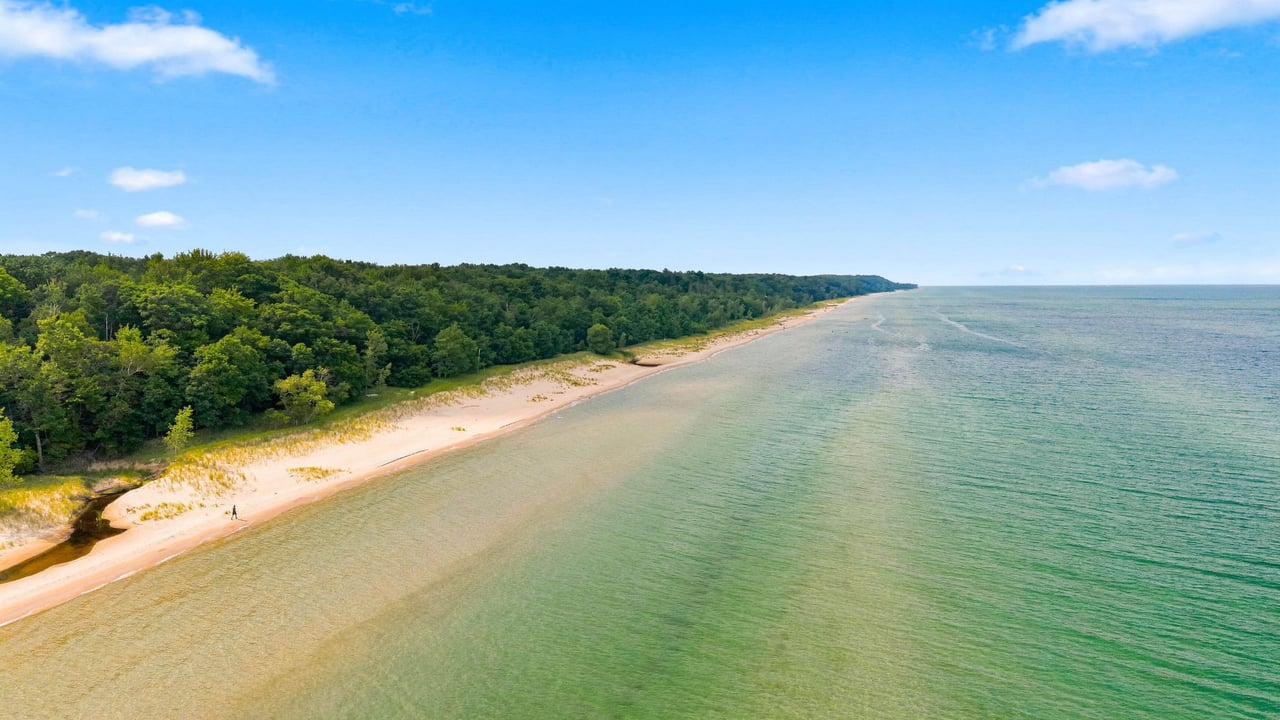
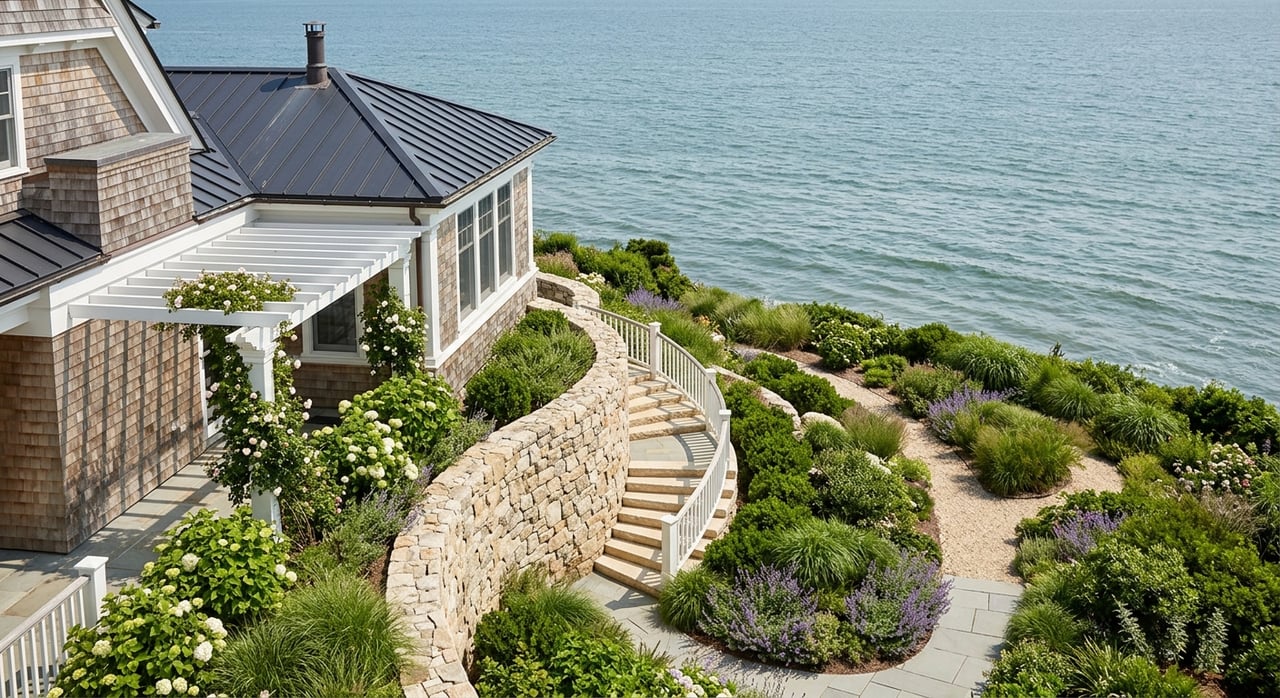
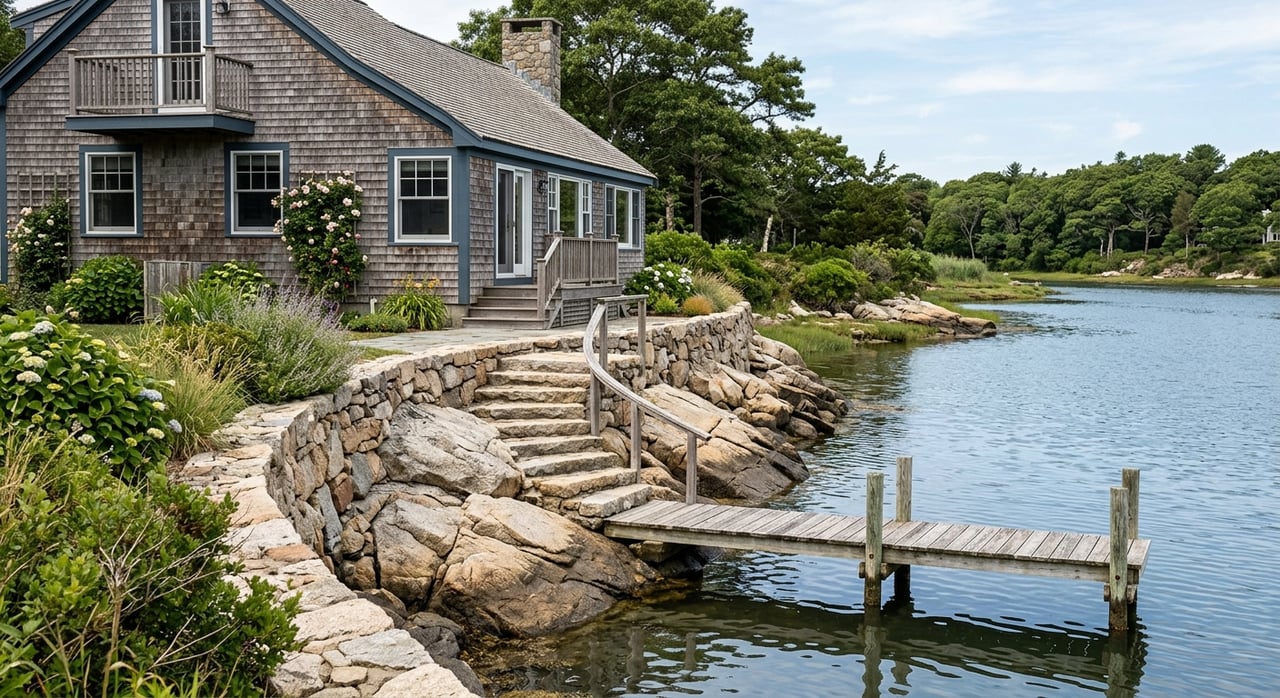
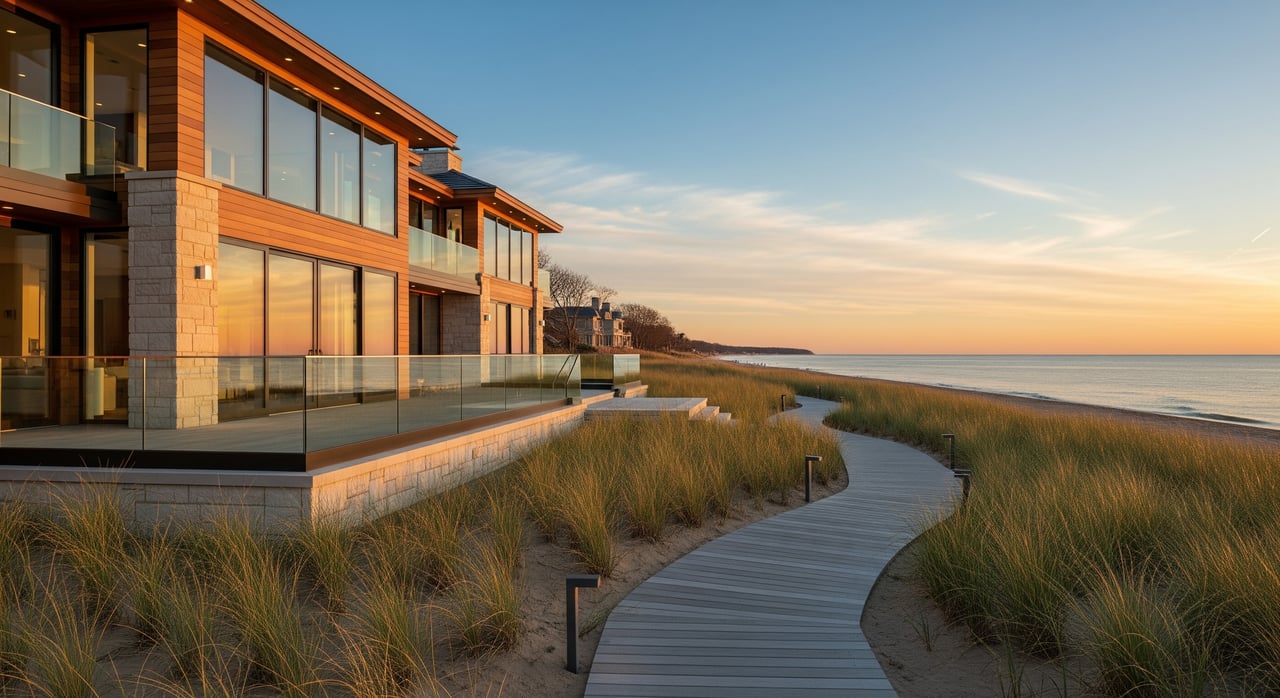
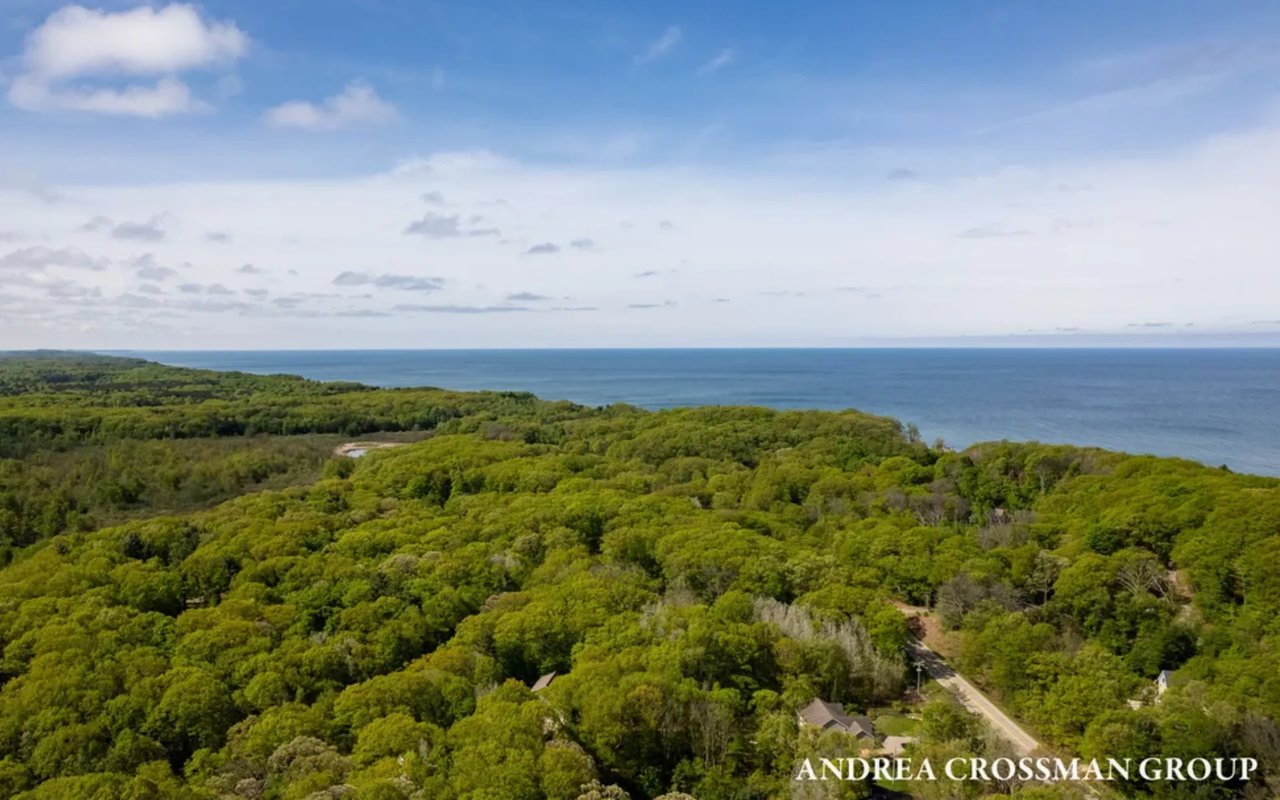
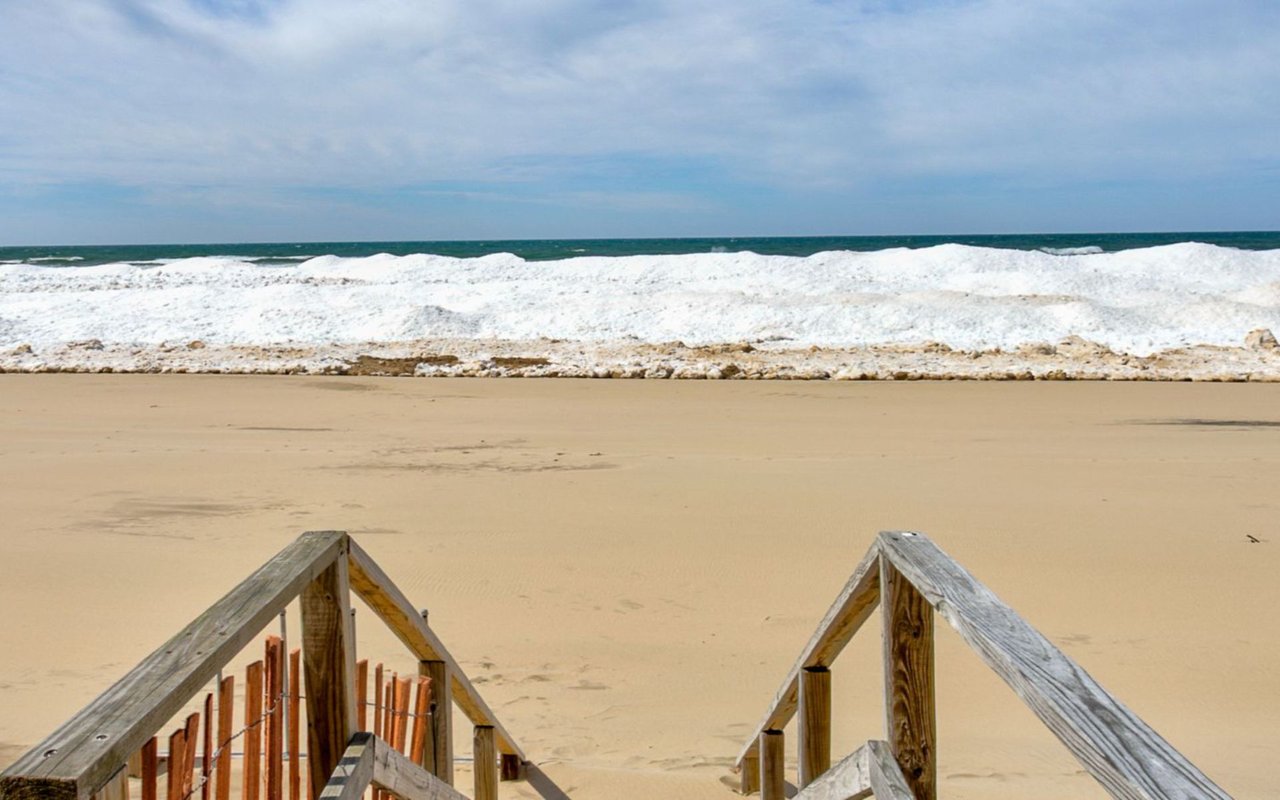
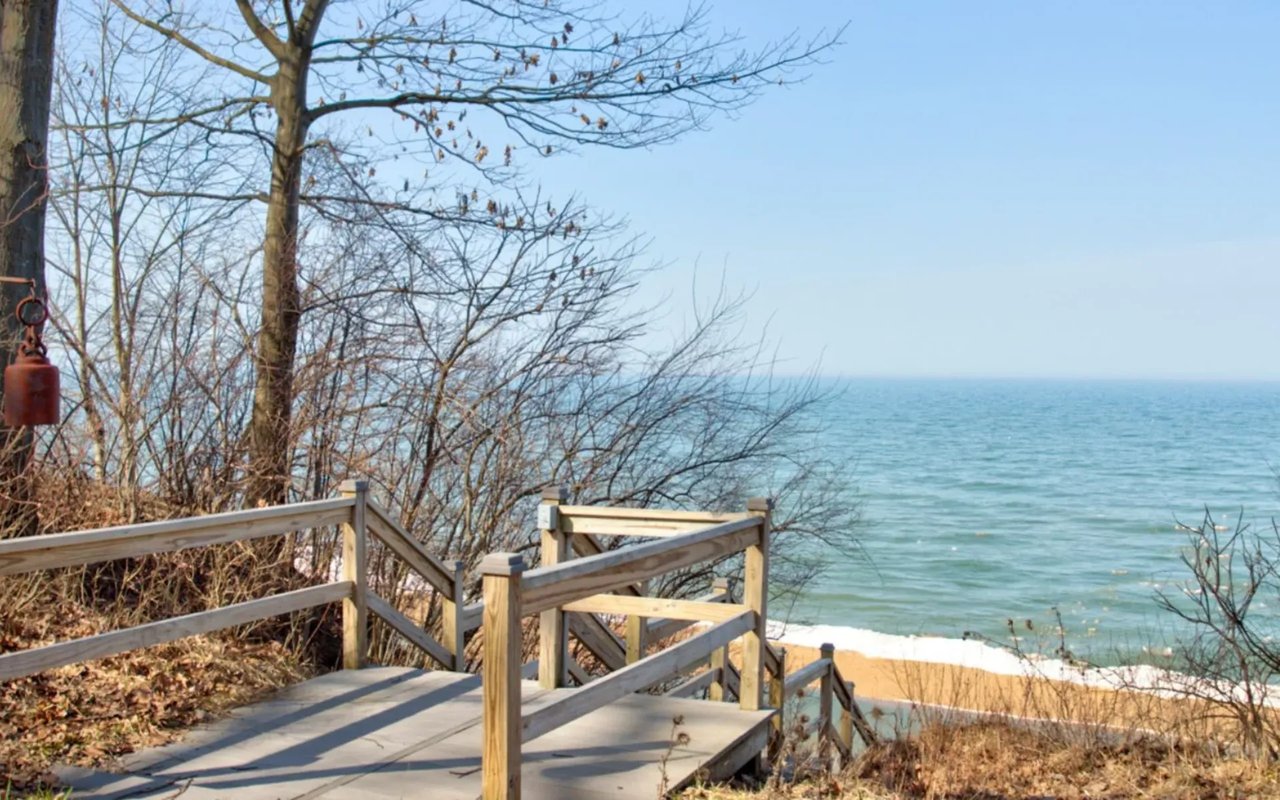
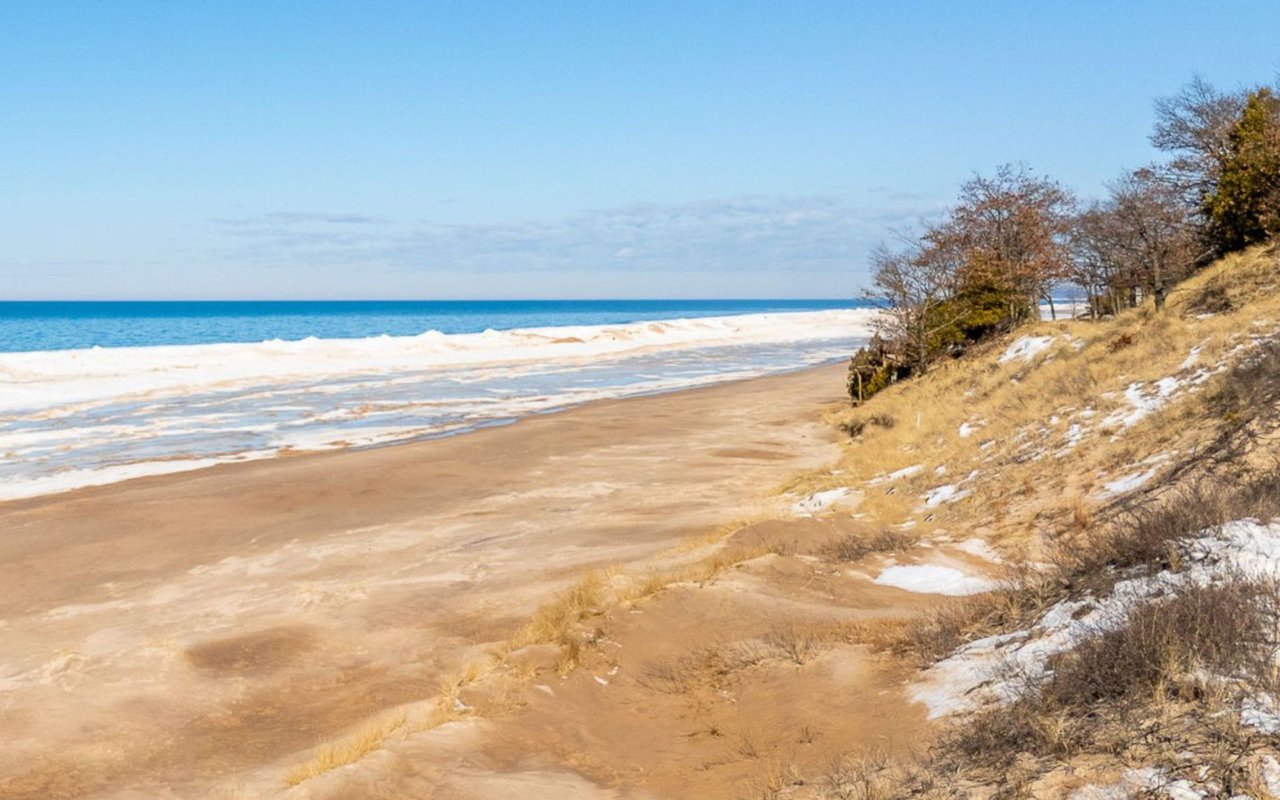
Direct Lake Michigan frontage can provide extraordinary views and beach access, but buyers should also evaluate bluff height, stairs, shoreline conditions, erosion exposure, and maintenance.
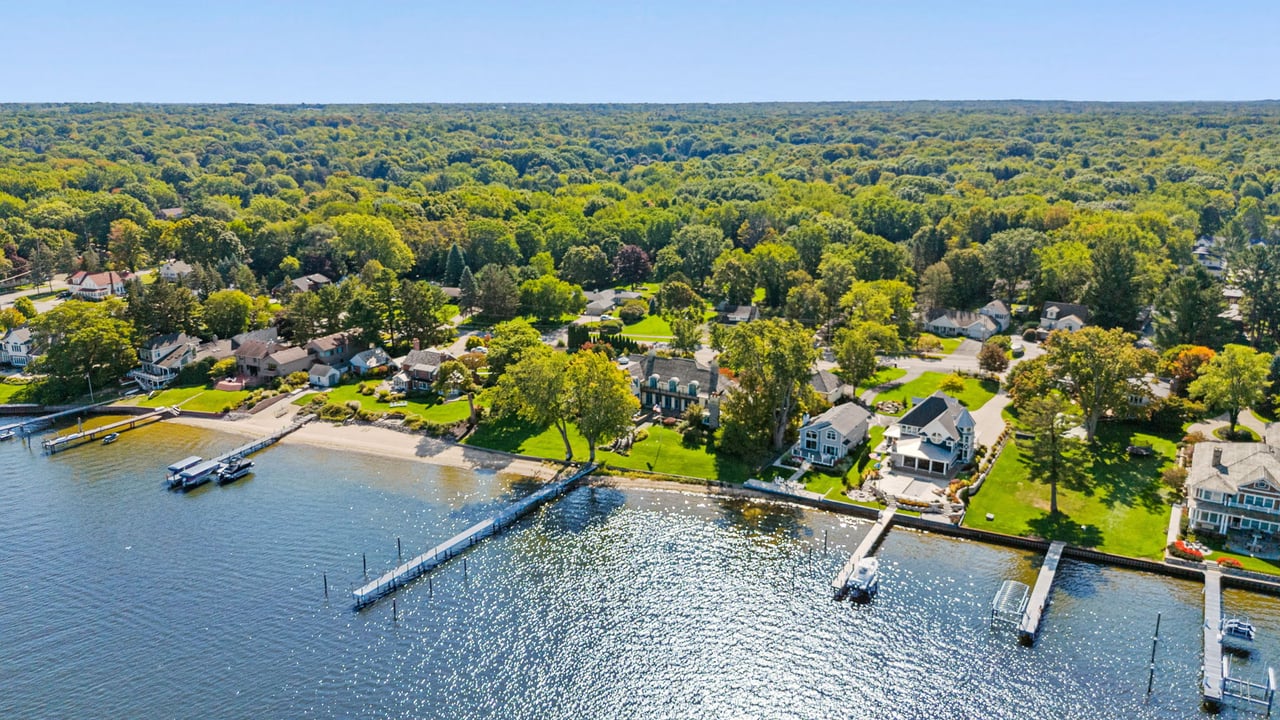
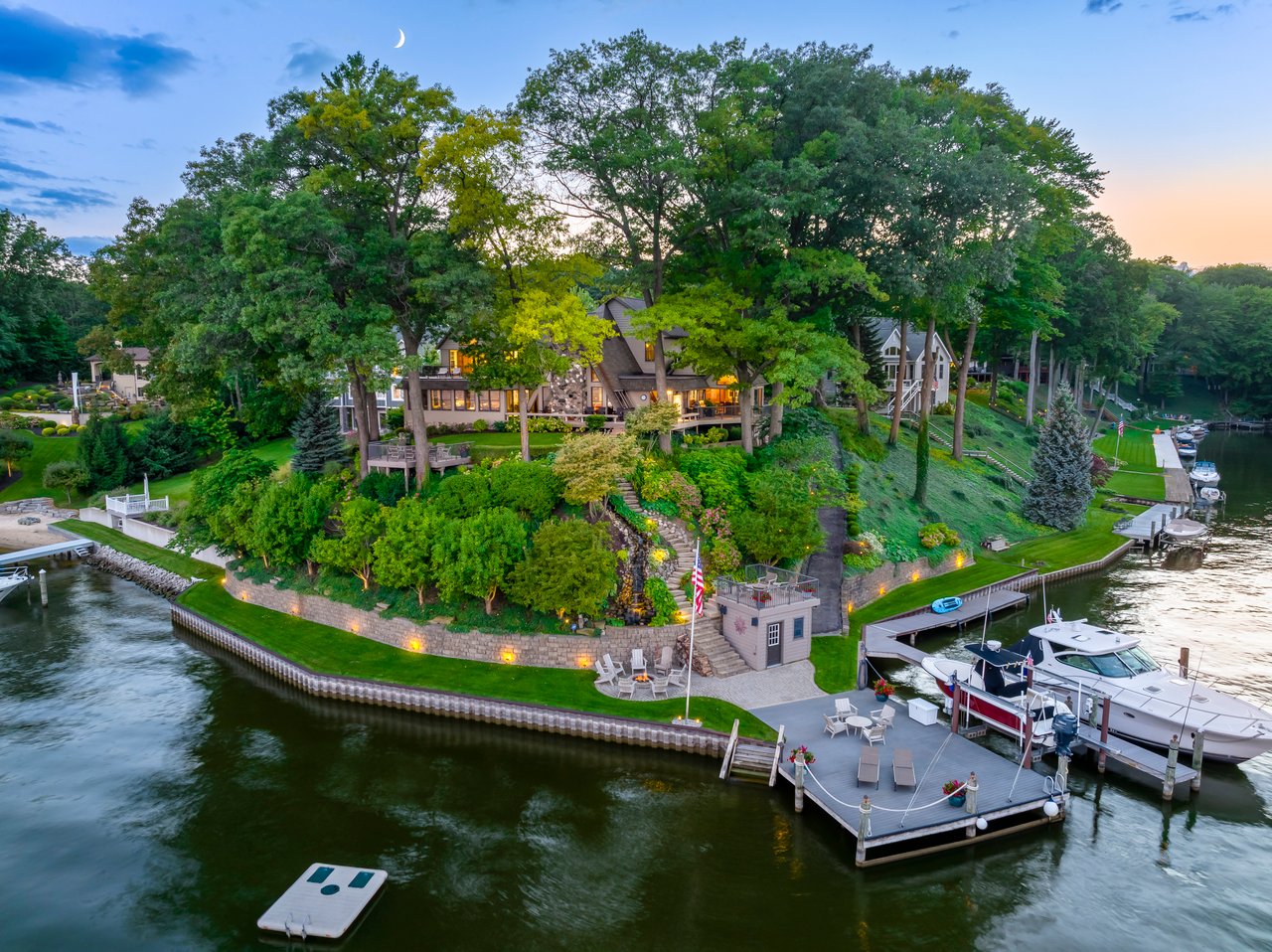
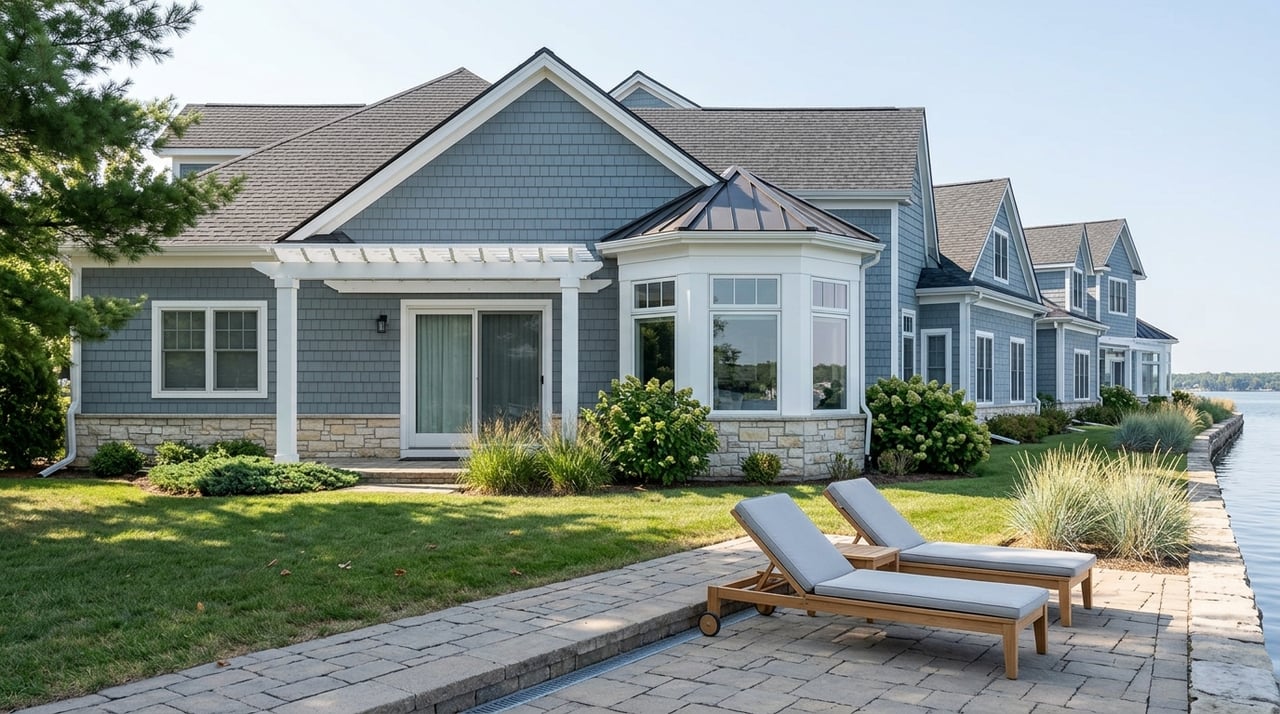
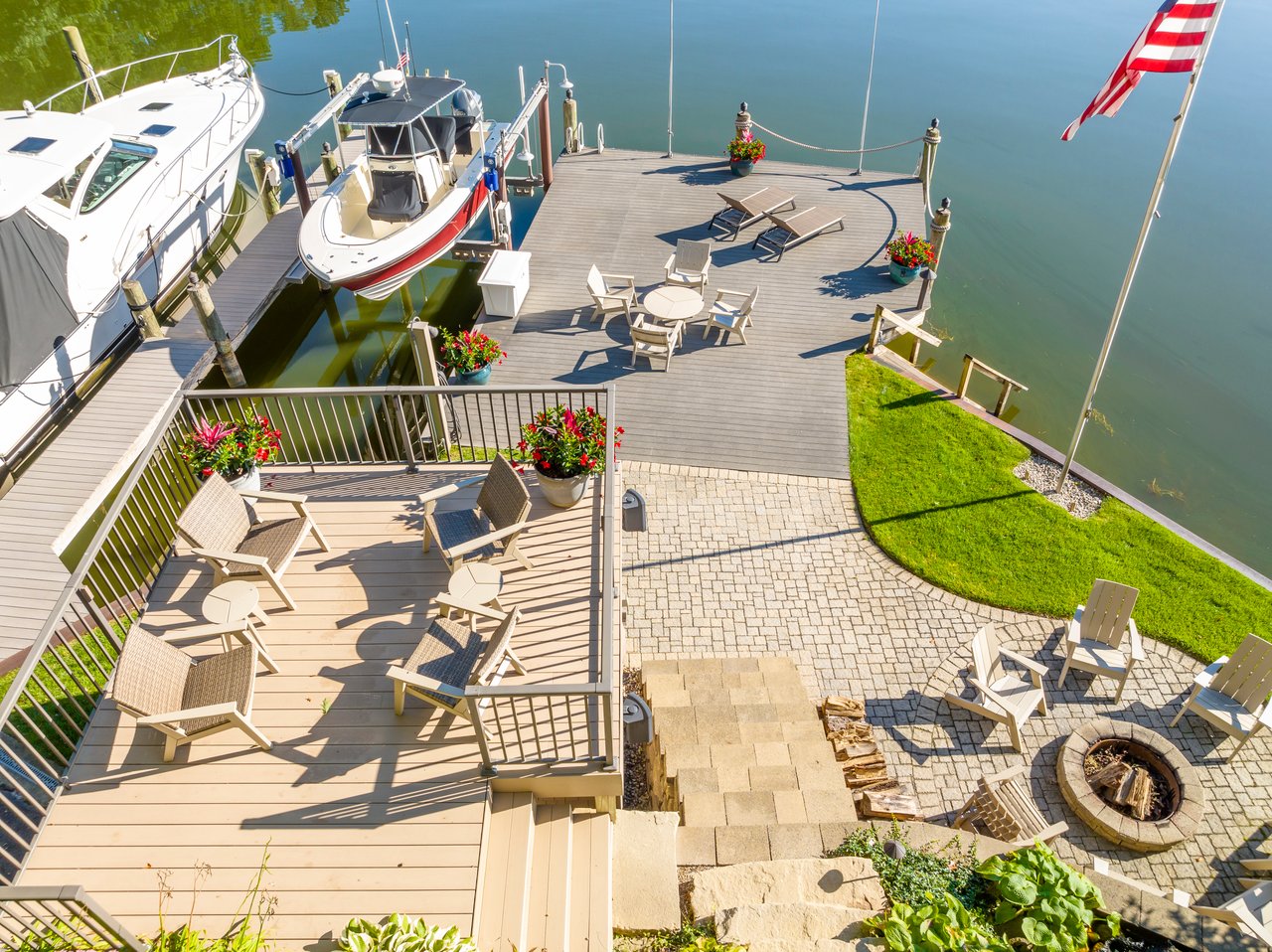
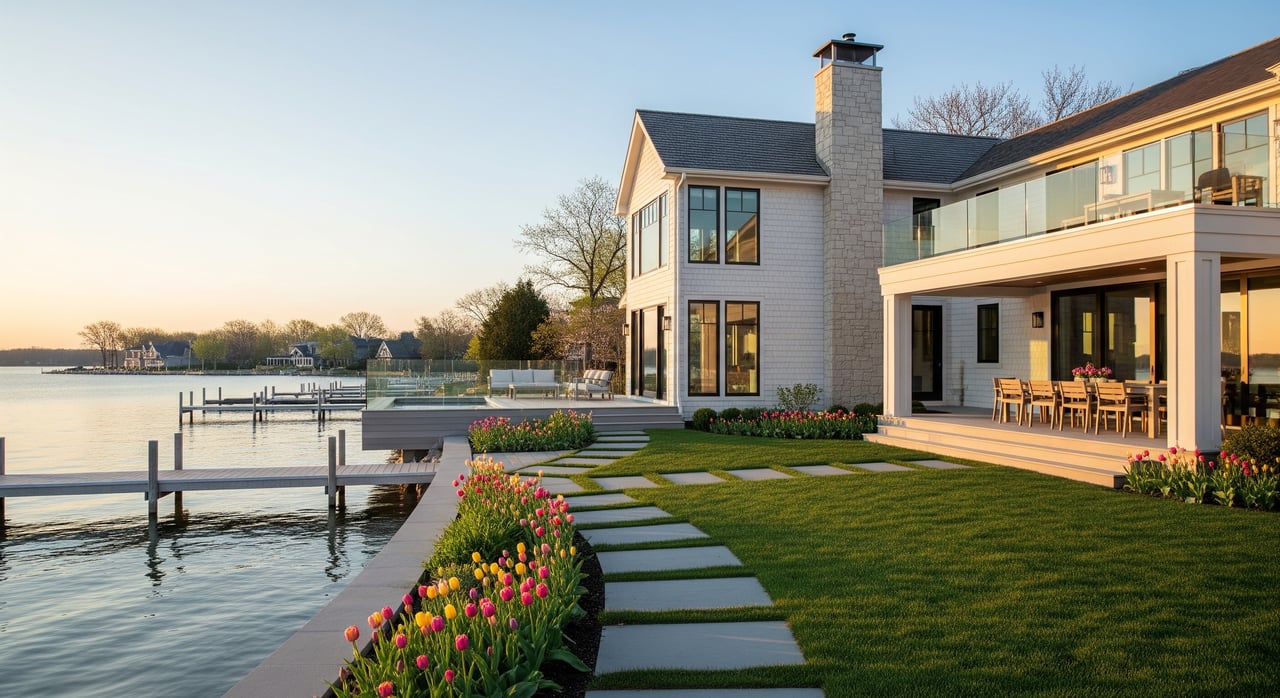
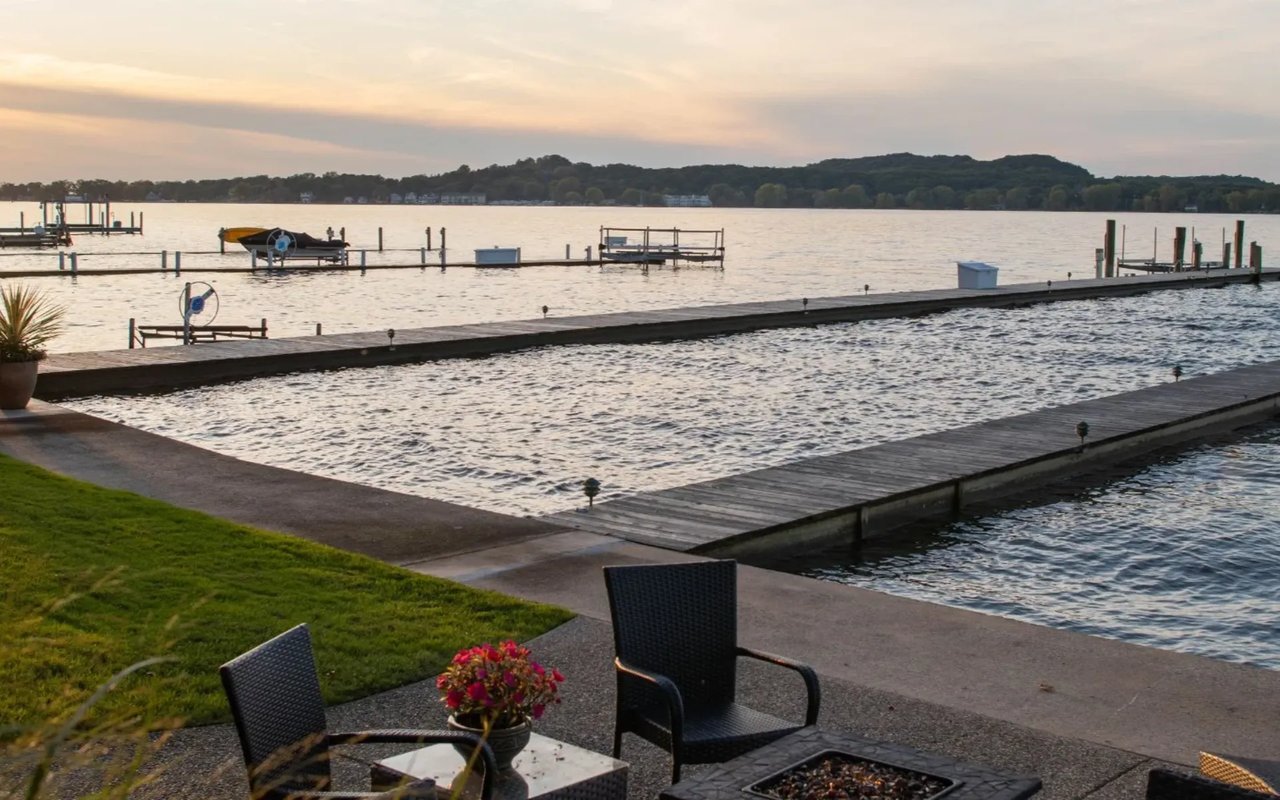
Inland waterfront may offer easier boating access, docks, calmer water, and fewer physical barriers between the home and the shoreline.
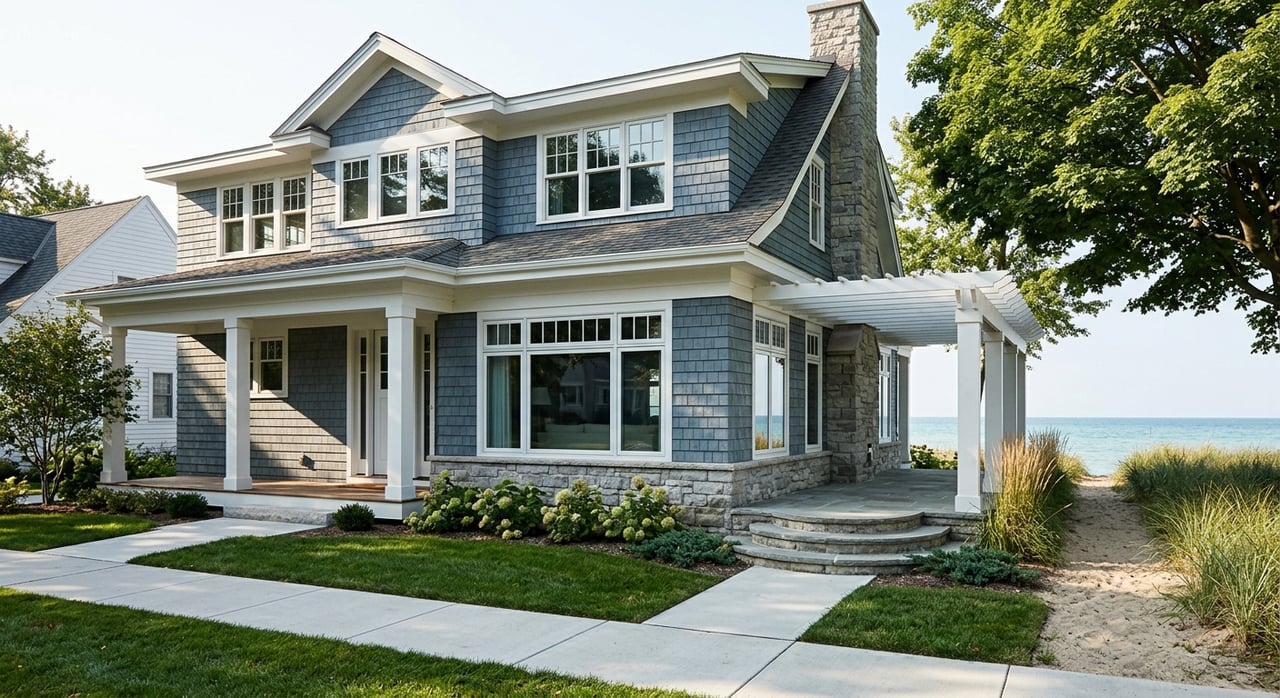
A property with deeded or association access may provide much of the lakeshore lifestyle without the cost or maintenance associated with direct frontage.
Look Beyond the House
When purchasing a second home, the property itself is only part of the decision.
Consider how close you are to:
- The beach
- A marina
- Downtown restaurants and shopping
- Grocery stores
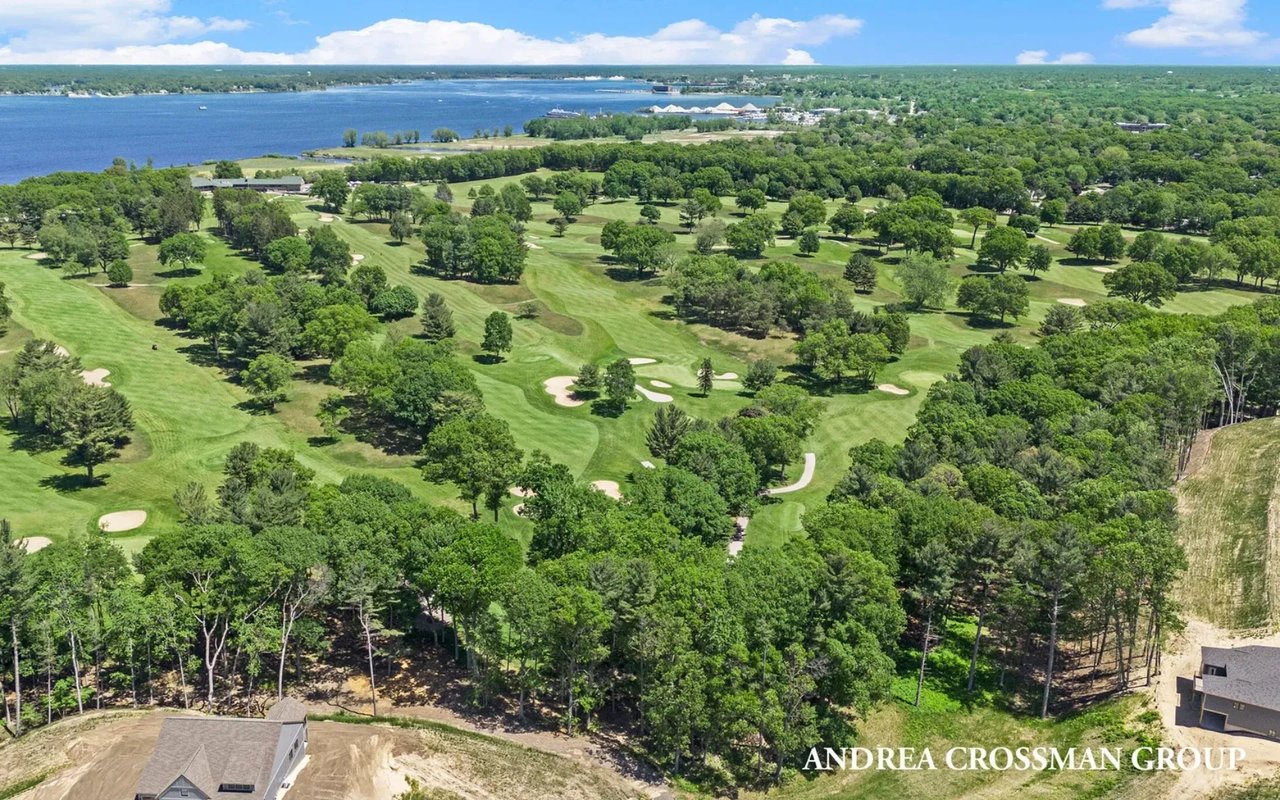
- Golf courses
- Parks and trails
- Boat launches
- Medical services
- Your primary residence
A beautiful property can become less enjoyable if every trip to dinner, the beach, or the marina requires a long drive.
Think about what a normal weekend at the property would actually look like.
Plan for Financing Early
Financing a second home can differ from financing a primary residence.
Lenders evaluate income, assets, debts, credit history, and the borrower’s ability to repay when underwriting a mortgage.
Buyers should speak with a lender before beginning a serious search so they understand:
- Available loan options
- Expected down payment
- Interest rate
- Cash requirements
- Debt-to-income considerations
- Estimated closing costs
The amount you put down can also affect both the money needed at closing and the overall cost of the mortgage.
Getting financing organized early is especially useful in lakeshore markets where a desirable or unusual property may not have many direct substitutes.
Budget for More Than the Mortgage
A second home creates ongoing expenses even when no one is using it.
Potential costs include:
- Property taxes
- Homeowners insurance
- Utilities
- Association dues
- Landscaping
- Snow removal
- Dock installation or removal
- Beach or bluff maintenance
- Repairs
- Cleaning
- Property management
Vacation-home owners should also have a plan for monitoring the property while they are away. NAR notes that owners may use smart-home technology, property managers, or home-watch services to help manage maintenance and problems that occur when a home is vacant.
A second home should fit comfortably into your overall financial plan, not just your purchase budget.
Do Not Assume You Can Use It as a Short-Term Rental
Some buyers plan to offset expenses by renting their second home when they are not using it.
Do not assume that will automatically be allowed.
Short-term rental rules can vary by municipality, zoning district, condominium association, and homeowners association. Michigan municipalities have historically exercised local zoning authority over short-term rental uses, so buyers should verify the current rules for the exact property before relying on rental income.
Before purchasing, investigate:
- Local short-term rental ordinances
- Registration or licensing requirements
- Occupancy restrictions
- HOA or condominium rules
- Parking requirements
- Rental-management costs
If rental income is important to the purchase decision, that research should happen before making an offer.
Inspect Waterfront Properties Carefully
Waterfront and seasonal properties can have issues that are less common in conventional homes.
Depending on the property, buyers may want to pay particular attention to:
- Shoreline condition
- Bluff stability
- Drainage
- Seawalls or revetments
- Stairs to the beach
- Docks
- Moisture
- Crawl spaces
- Well and septic systems
- Seasonal plumbing
- Roof and exterior exposure
- Flood considerations
A standard home inspection is important, but certain properties may require additional specialists.
The more unique the property, the more important thorough due diligence becomes.
Consider Year-Round Accessibility
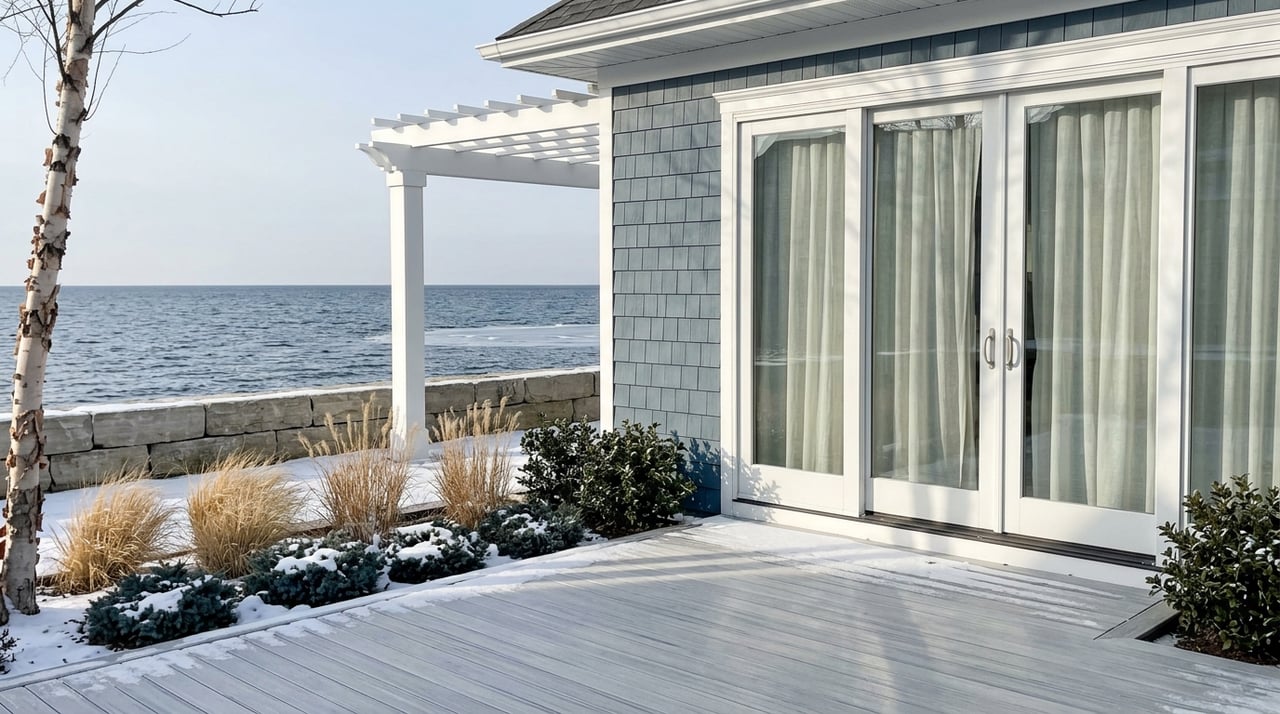
A cottage that feels perfect in July may be very different in January.
Ask:
- Is the road maintained year-round?
- Who handles snow removal?
- Is the home winterized?
- Is the heating system adequate for winter use?
- Are utilities available throughout the year?
- Can emergency vehicles easily reach the property?
This matters particularly for buyers who eventually want to spend more time at the home or convert it into a primary residence.
Think Long Term
The best second-home purchase should work not only this summer, but years from now.
Consider whether the property could eventually become:
- A retirement home
- A family gathering place
- A legacy property
- A long-term investment
- A home that future generations will use
Location remains one of the most important considerations in vacation-home ownership, particularly because you cannot change the waterfront, community, view, or proximity to the places you enjoy.
You can renovate a kitchen.
You cannot move the shoreline.
Work With Someone Who Understands the Lakeshore
West Michigan second homes can be more complicated than conventional residential properties.
Lake frontage, bluff characteristics, beach access, docks, association rights, rental restrictions, seasonal maintenance, and highly localized pricing can all influence the decision.
NAR specifically recommends working with an agent familiar with vacation and second-home properties because these transactions involve lifestyle, investment, tax, and recreational considerations beyond a typical purchase.
:max_bytes(150000):strip_icc():focal(851x816:853x818)/MWL_Marker-9_lake-6e18bde1a87142c2903b9dc81bede21f.jpg)
Finding the Right Second Home
Buying a second home on the West Michigan lakeshore should ultimately be about finding a property that fits the way you want to spend your time.
For one buyer, that may mean walking from a downtown Saugatuck cottage to dinner.
For another, it may mean keeping a boat behind a home on Lake Macatawa.
For someone else, nothing replaces stepping out the door and looking directly across Lake Michigan.
The Andrea Crossman Group at Coldwell Banker Woodland Schmidt helps buyers navigate Holland, Saugatuck, Douglas, South Haven, Grand Haven, Spring Lake, and waterfront communities throughout the West Michigan lakeshore.
Whether you are beginning a second-home search or simply trying to determine which community is the right fit, our team can help you compare properties, understand the local market, and evaluate the factors that matter beyond the listing itself.
Contact the Andrea Crossman Group to begin exploring second-home opportunities along the West Michigan lakeshore.