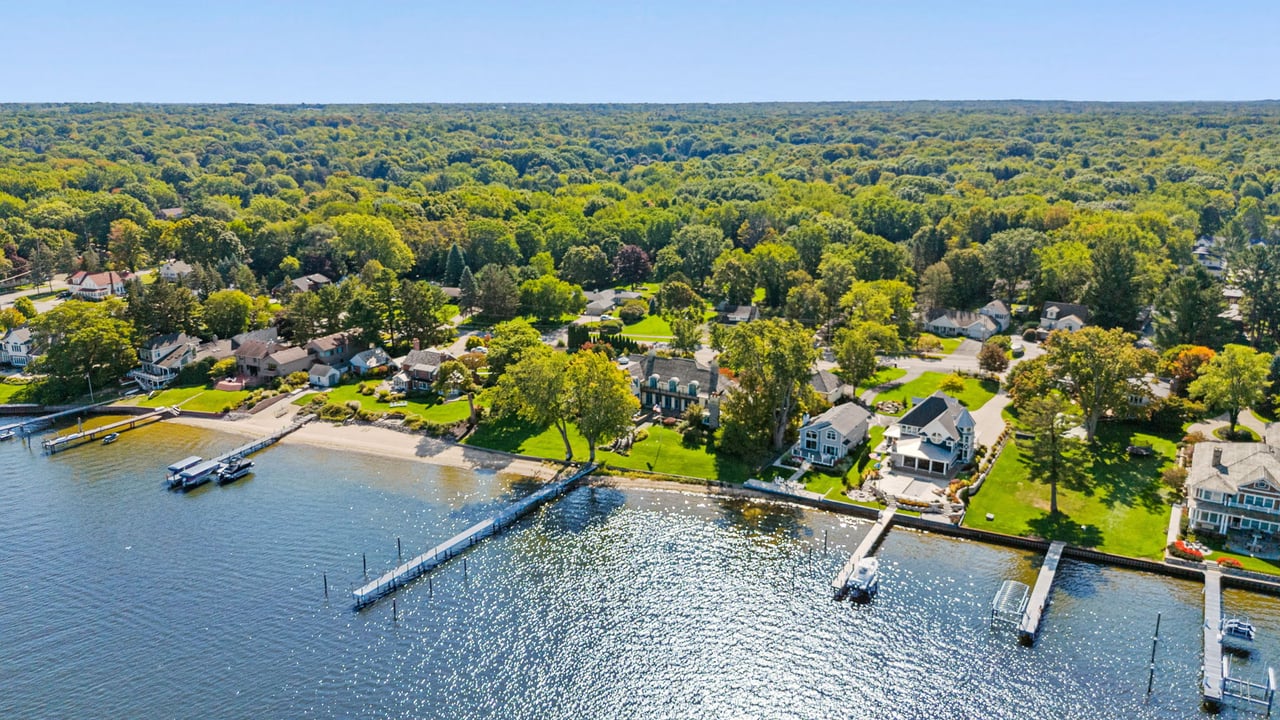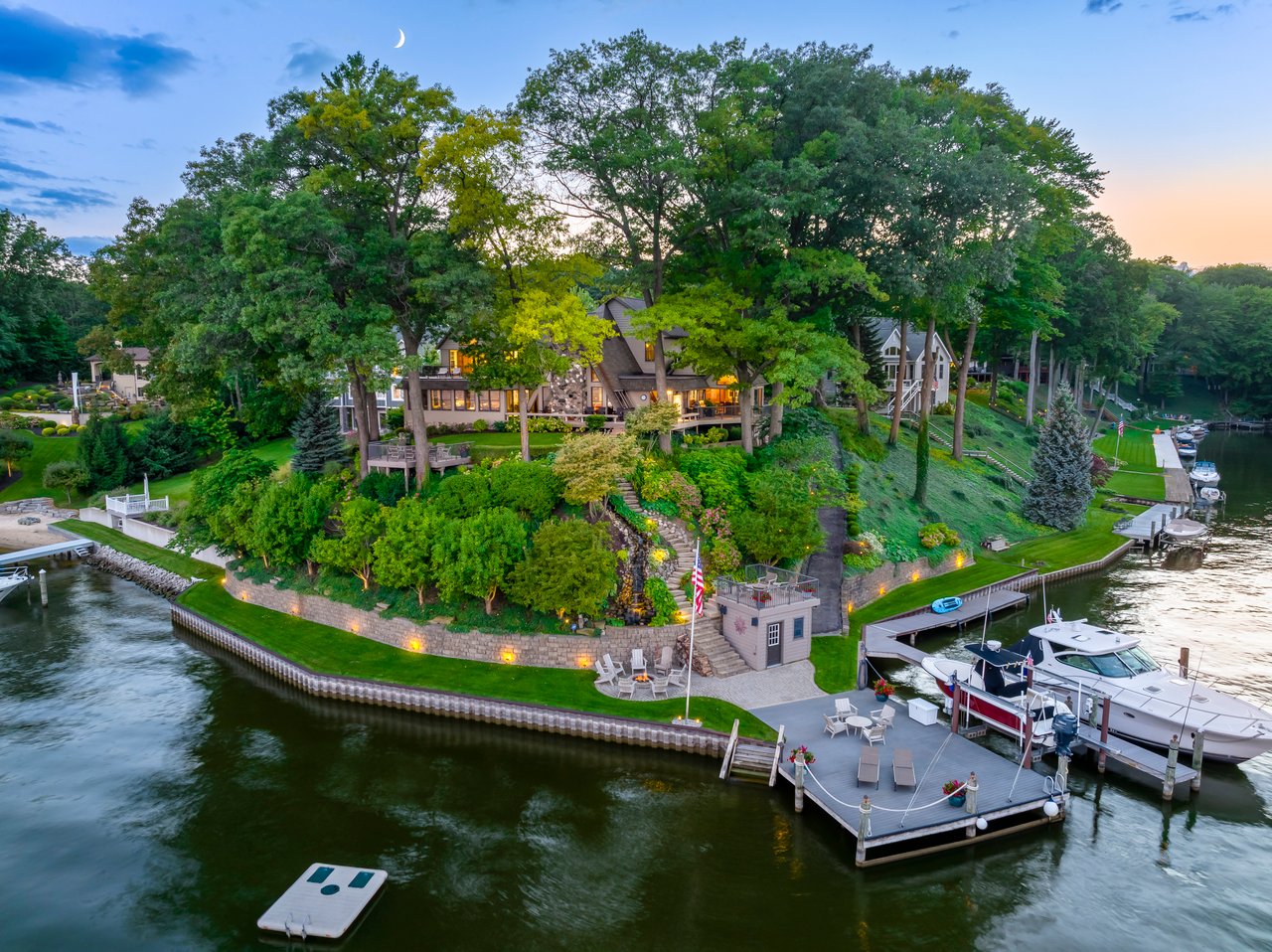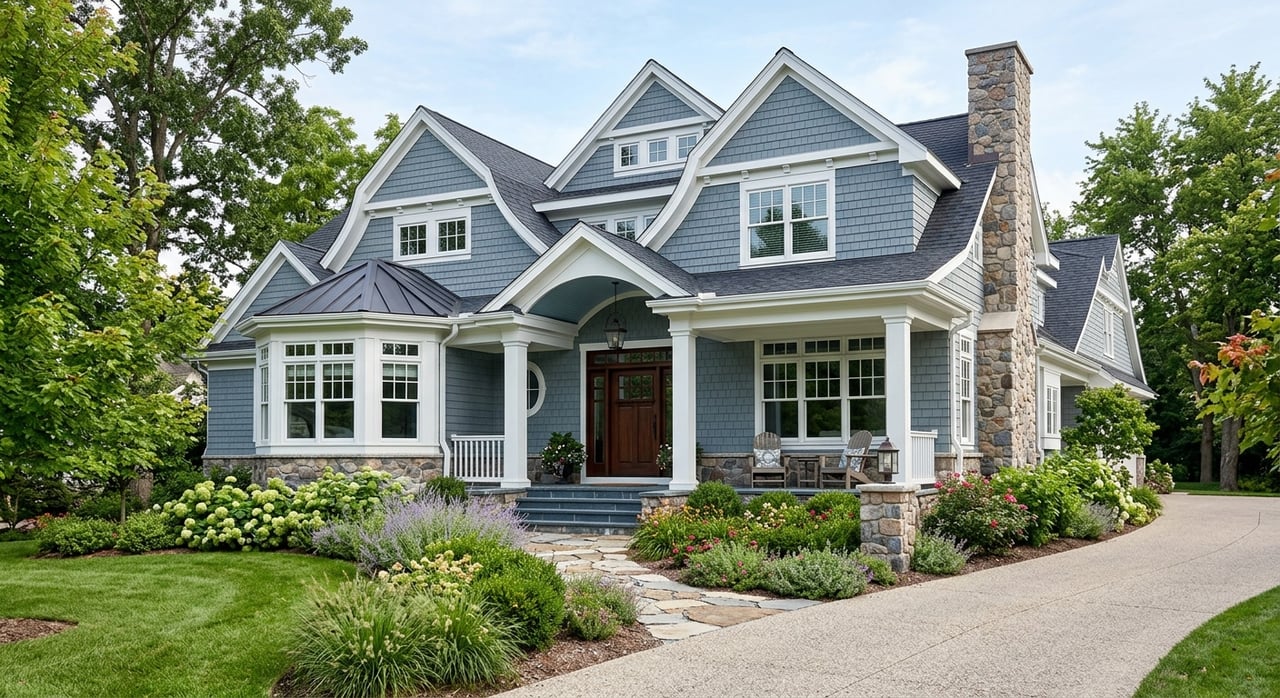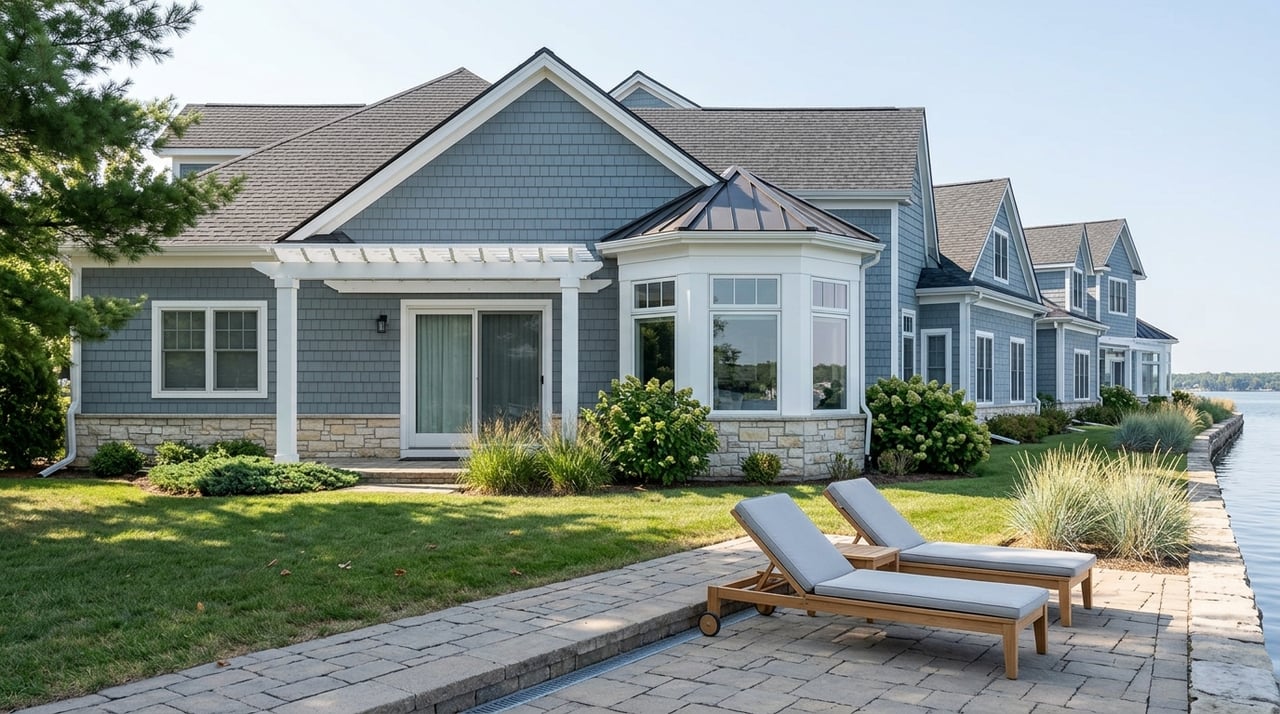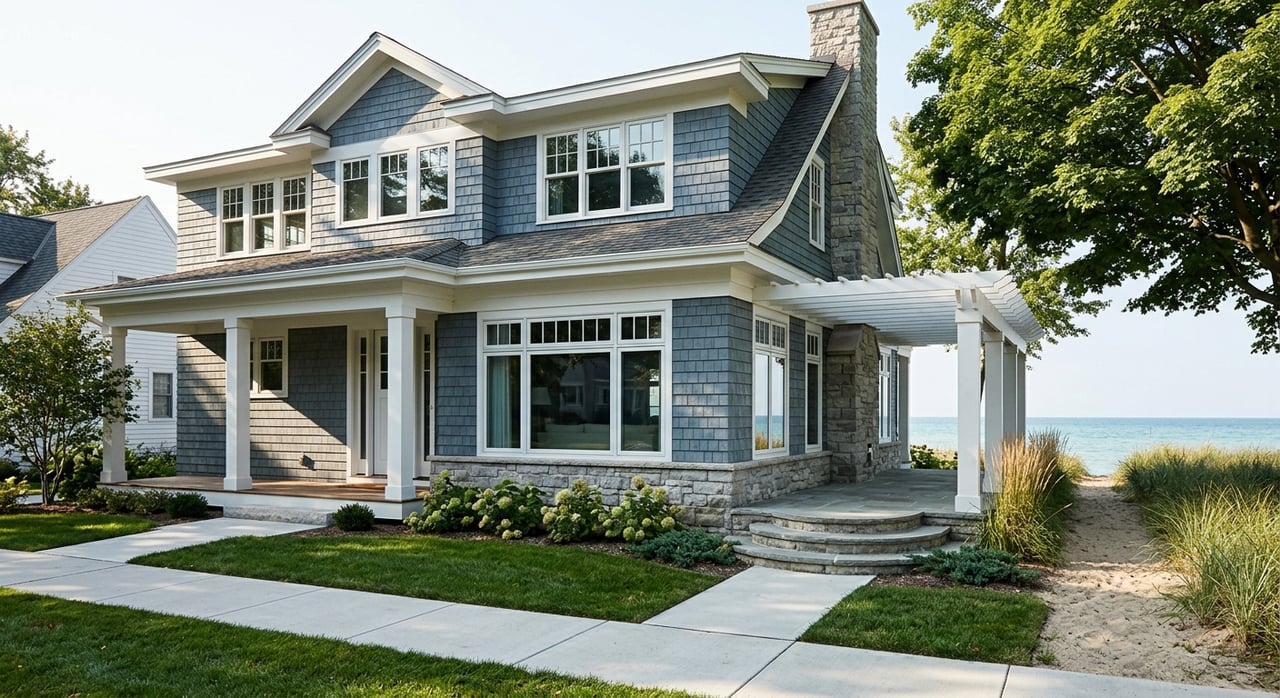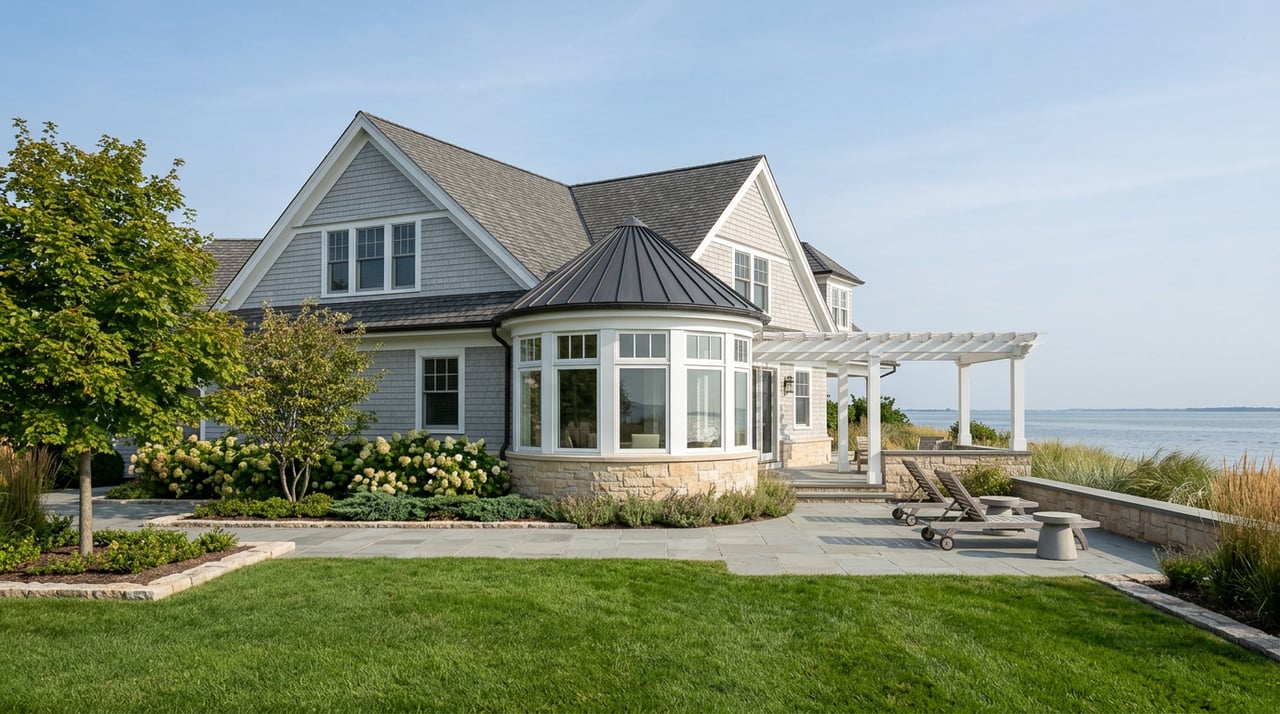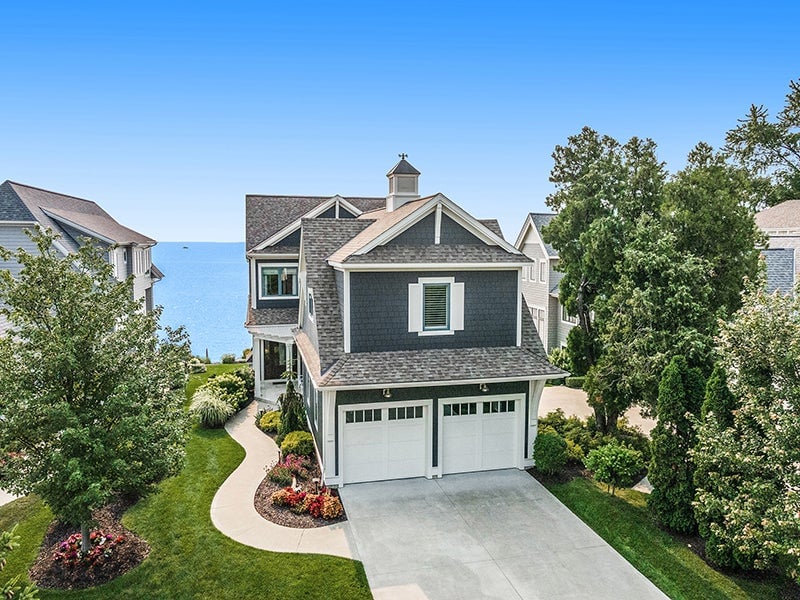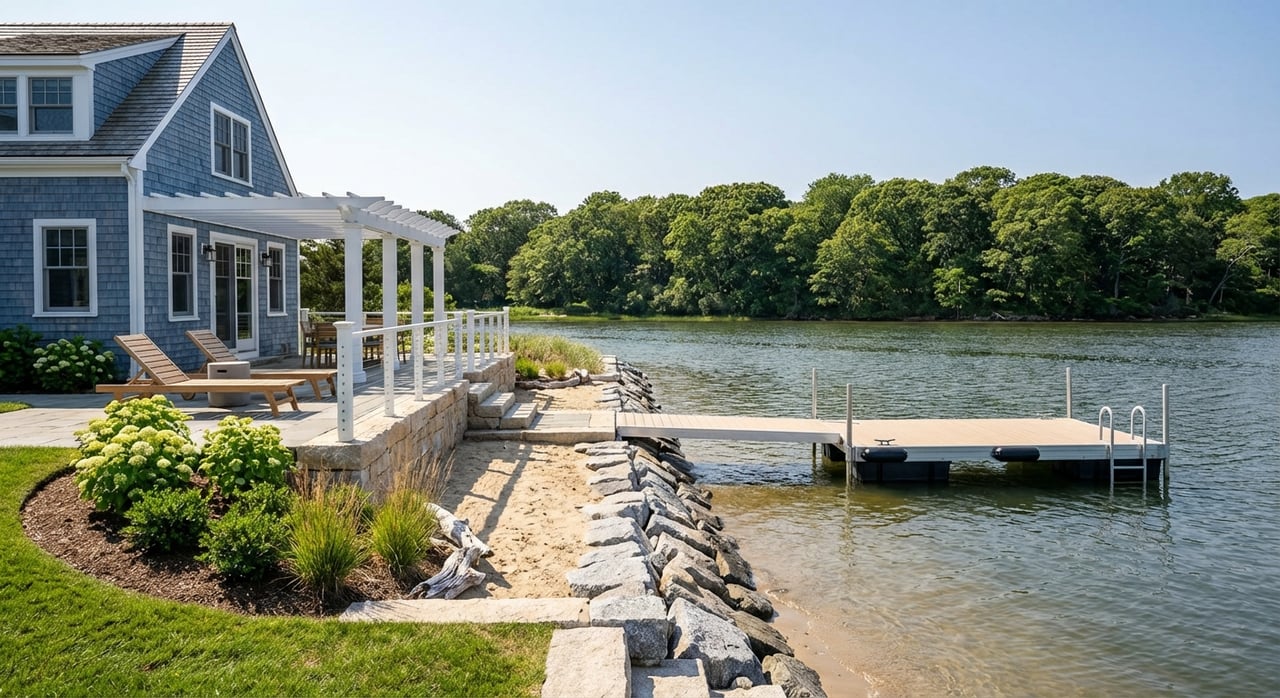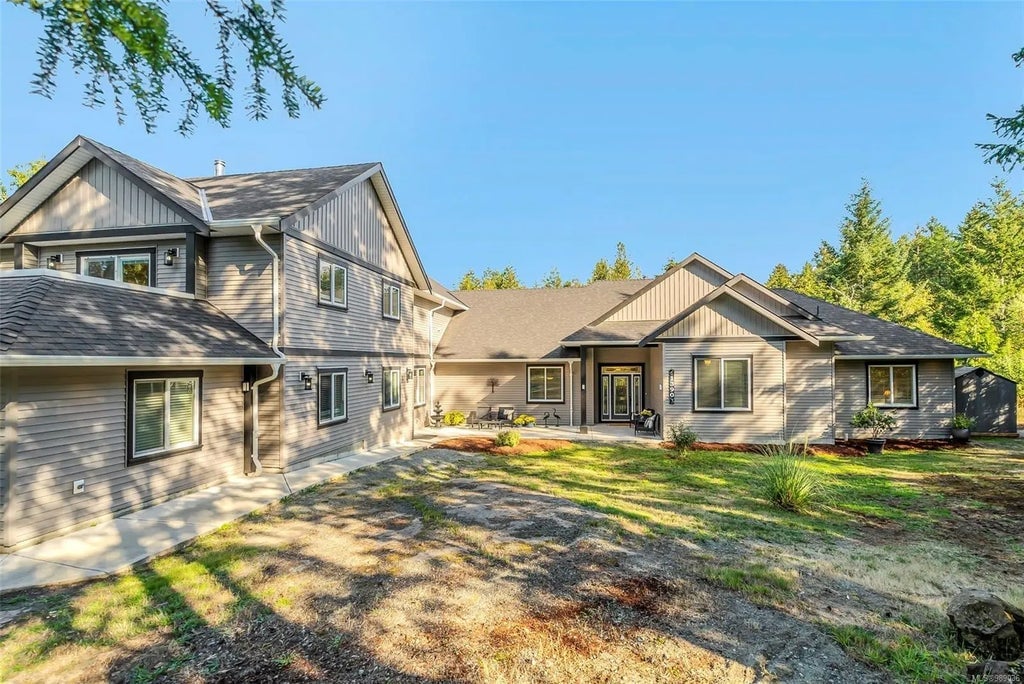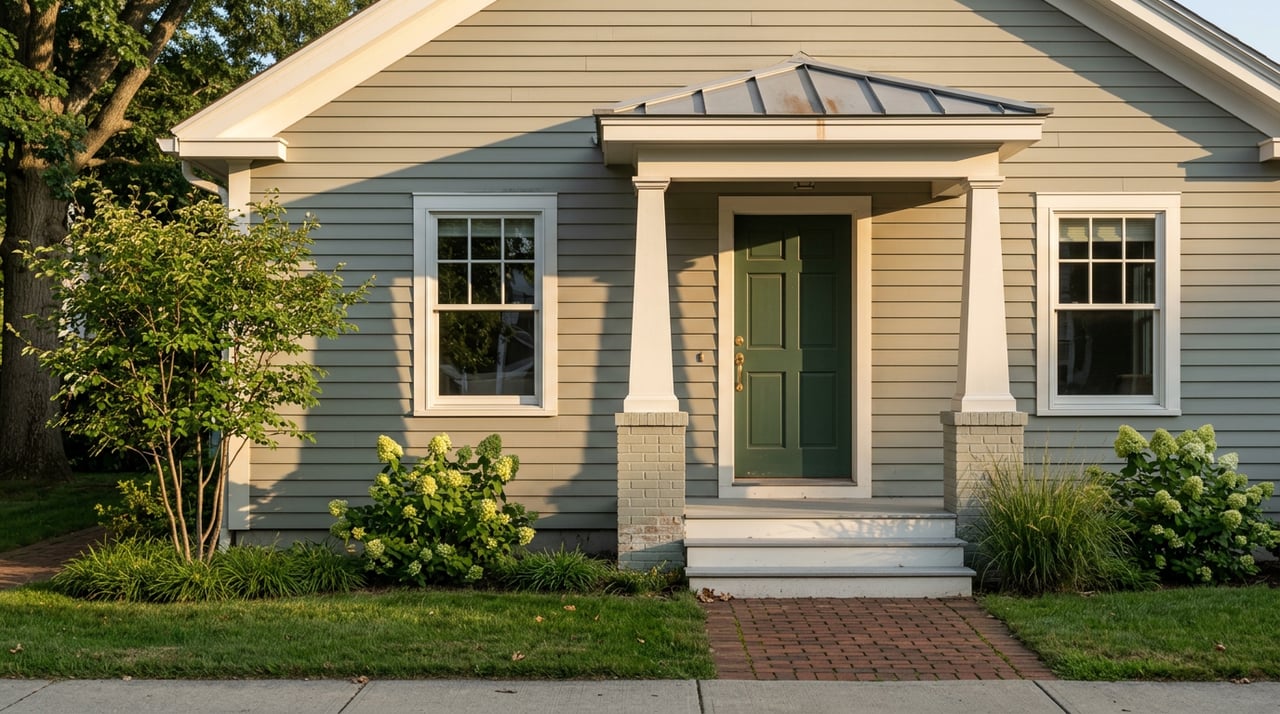
A buyer finds a cottage two blocks off Butler Street, pictures the rental income covering the mortgage, and assumes the math works the way it worked for the last three owners. Then someone mentions the cap. Then someone else mentions the township line running through the middle of the neighborhood. By the time the buyer understands what they're actually purchasing, the offer deadline has usually already passed.
Saugatuck looks like one market from the road. It is not. Since 2024, the City of Saugatuck has been actively splitting its own housing stock into tiers based on whether a short-term rental license is even obtainable, and the boundary between the city and Saugatuck Township adds a second layer that has nothing to do with price or square footage.
The cap that filled up before some buyers noticed it existed
In 2024, after sustained pressure over how much of the housing stock had converted to vacation rentals, the Saugatuck City Council capped short-term rental licenses in the city's six R-1 residential districts at 20 percent of each district's housing supply. The council's own count that year showed rentals already running at 32 percent of housing stock across those six districts combined. One area in particular, the residential zone locals call the Hill, was already at roughly 37 percent. That district didn't just approach the new limit. It exceeded it on the day the cap took effect, which means no new short-term rental licenses can be issued there until existing licenses drop out through non-renewal or non-transfer.
City Manager Ryan Cummins framed the goal at the time as a balancing act rather than a retreat from tourism.
"We welcome visitors. We want them to come."
That balancing act now means two homes a few doors apart in the same R-1 district can carry entirely different investment potential. One sits under a district that's still accepting new license applications. The other sits in a district that's full, where the only way in is to buy a property that already carries a valid, transferable license, and even then, transferability isn't guaranteed.
One zip code, two separate rental systems
The cap only governs property inside Saugatuck's city limits. Step across into Saugatuck Township, which surrounds much of the city and shares the same mailing address conventions, and you're operating under a completely different rental inspection and certificate program that applies to both short-term and long-term rentals. A property with a Saugatuck address tells you almost nothing about which system governs it.
| City of Saugatuck | Saugatuck Township | |
|---|---|---|
| Governing framework | Chapter 99.5 of the city code, license-based | Separate township rental inspection and certificate program |
| District-level caps | Yes, capped at 20% of housing supply per R-1 district | No equivalent district cap in the city's framework |
| Fire inspection authority | Conducted by the Saugatuck Township Fire District, even for city-licensed rentals | Same fire district, under township process |
| License transferability | Non-transferable to a new owner | Governed independently by township rules |
The fire inspection line is the detail that trips people up most. Even a rental licensed entirely within city limits still requires sign-off from the Saugatuck Township Fire District. The city and the township are not competitors here so much as two overlapping bureaucracies that a buyer has to satisfy separately, sometimes for the same property.
Rental history is not the same thing as rental rights
Before the 2024 ordinance, some Saugatuck properties operated under older short-term rental certificates. Those didn't simply carry forward. Under the current code, pre-2024 certificates were grandfathered only until their original expiration date. Once a certificate expires, the owner has to apply for a brand new license under the current rules, and the old certificate cannot be renewed on its own terms. A property that generated strong nightly rates for five years under a legacy certificate is not guaranteed to keep generating anything once that certificate lapses, particularly if it sits in a district that's already past the 20 percent cap.
This matters most for anyone underwriting a purchase based on a seller's rental income statements. Past performance under an expired or expiring certificate says nothing about future eligibility. The only number that matters is whether the specific parcel, in its specific zoning district, still has room under the cap or already has a currently valid, properly transferred license attached to it.
What the license actually requires once you have one
Getting a license in an uncapped district isn't a formality either. The city's fee schedule lists a $540 annual license fee, with an additional $175 charge if the property doesn't pass its first fire inspection and needs a reinspection. Owners also have to designate a local agent who lives or maintains a place of business within a 25-mile radius of the rental and who is available to respond around the clock, every day of the year. Occupancy isn't left to the owner's judgment either. It's set by a formula, two occupants per bedroom plus two more per finished floor, and confirmed by the township fire inspection referenced above.
The city also requires every rental to hand guests a copy of its Good Neighbor Guide, covering noise, trash, and parking, and licensed rentals remain subject to a noise ordinance the council amended at the same time it adopted the rental chapter. None of this is unusual for a tourism-driven lakeshore town, but it adds real, recurring cost and administrative overhead on top of whatever the cap already restricts.
The fight over the cap is still active
The rental cap did not settle the issue. A resident group calling itself Saugatuck Neighbors formed specifically in response and, through counsel, filed a legal complaint against the city arguing that the cap was adopted without following the process required under the city's own charter. That dispute has not resolved the underlying policy question, and the council has continued adjusting the ordinance since.
As of February 2026, the council was revisiting fixed license renewal dates, the application window, and considering a one-time amnesty period for existing license holders, all while overseeing more than 250 licensed short-term rentals within city limits. None of that changes the 20 percent cap itself, but it signals that the rules a buyer reads today may not be the exact rules in place by closing, let alone a year after that.
What to verify before you write an offer around rental income
Before treating a Saugatuck property as a rental investment, confirm the following, in this order:
- Whether the parcel sits inside City of Saugatuck limits or Saugatuck Township, since the two run entirely separate licensing systems
- Which of the six R-1 districts the property falls into, and whether that district is currently under, at, or over the 20 percent cap
- Whether an existing short-term rental license is attached to the property, its expiration date, and whether it's a post-2024 license or a legacy certificate scheduled to lapse
- Whether the license is transferable to a new owner or will require a fresh application under current rules
- The full cost of compliance: the annual license fee, potential reinspection fee, and the ongoing requirement to retain a local agent within 25 miles
FAQ
Does the 20 percent cap apply everywhere in Saugatuck? No. It applies specifically to the city's six R-1 residential zoning districts. Property in other zoning classifications, or across the boundary in Saugatuck Township, follows different rules entirely.
If a listing says it currently operates as a short-term rental, can I assume that continues after I buy it? Not automatically. Licenses are non-transferable, and pre-2024 grandfathered certificates expire on their original schedule rather than renewing under the old terms. You need to confirm the license status directly rather than relying on the seller's rental history.
Is the cap likely to change again? The ordinance has already been amended multiple times since 2024, most recently with adjustments discussed in February 2026, and it remains the subject of an active legal challenge from a resident group. Treat any summary of the rules, including this one, as a starting point for verification rather than a final answer.
Saugatuck's rental rules are not something a listing description will spell out, and they change often enough that even recent research can be out of date by the time you're under contract. If you're weighing a waterfront or investment purchase along this stretch of the lakeshore, the Andrea Crossman Group can walk the district lines, license status, and jurisdiction with you before you make an offer, not after. Discover lakeshore living with someone who already knows which side of the line your listing sits on.