Most people think of Lake Michigan as a summer destination. But if you’ve ever wondered what it looks like to actually live there year-round—not just visit—you’re asking the right question before making one of the biggest purchases of your life. Agents like those at Andrea Crossman Group work with buyers who fall in love with the lake in July and then need an honest picture of what February looks like before they sign. This post gives you that picture.
Quick Snapshot: Lake Michigan Year-Round Living Four very different seasons. Big weather swings. A tight-knit community in the off-season. Lower off-peak costs. Stunning beauty that doesn’t stop when summer ends. |
Summer: Everything You’ve Heard Is True
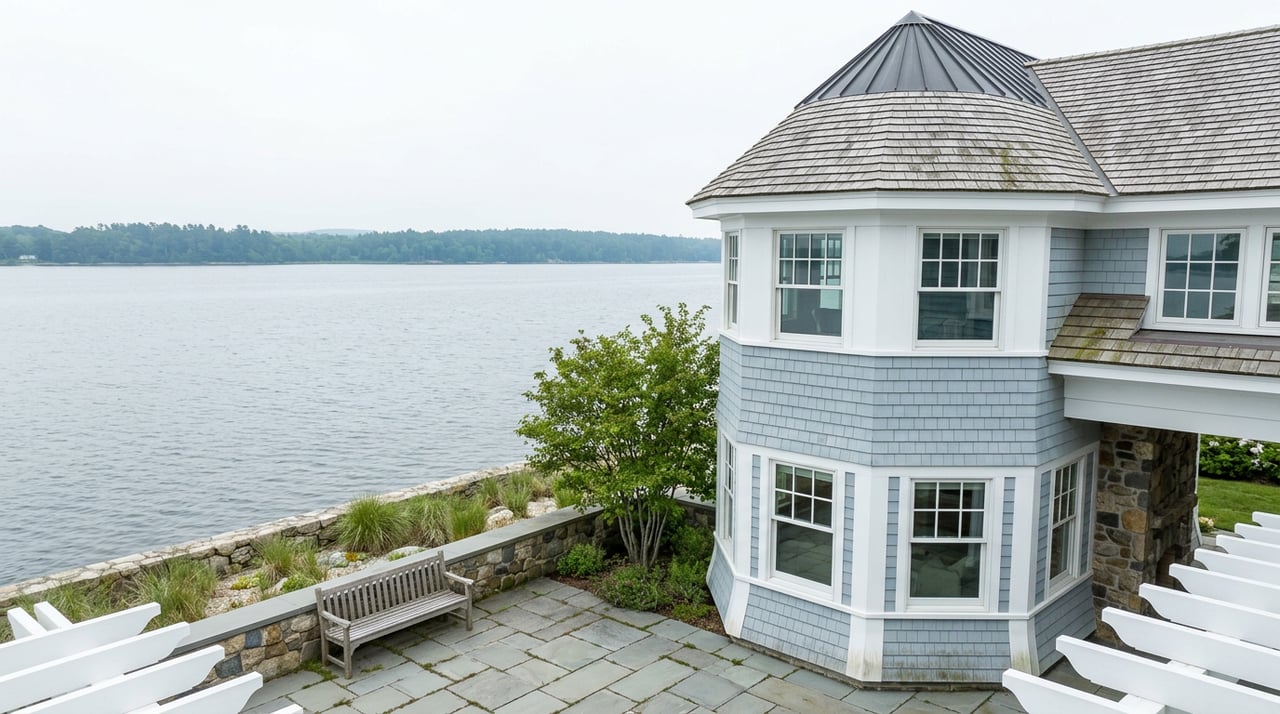
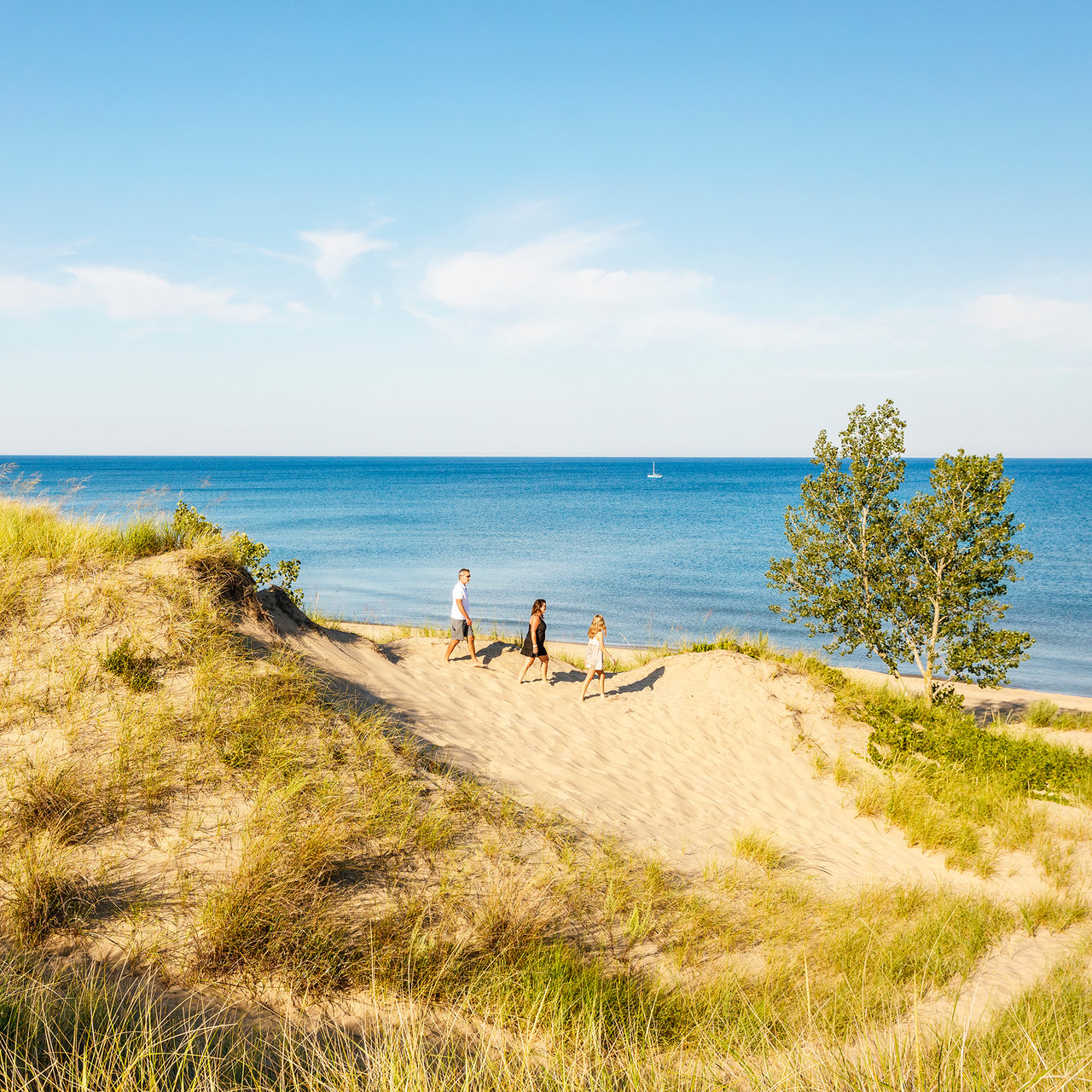
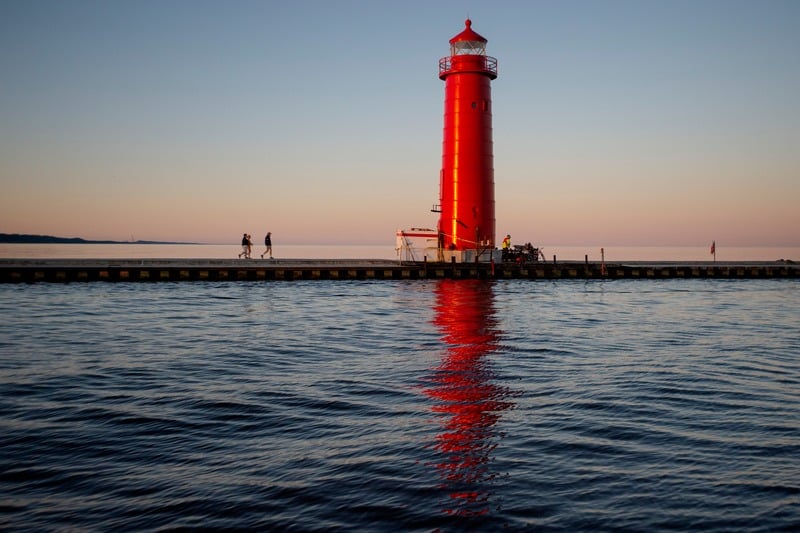
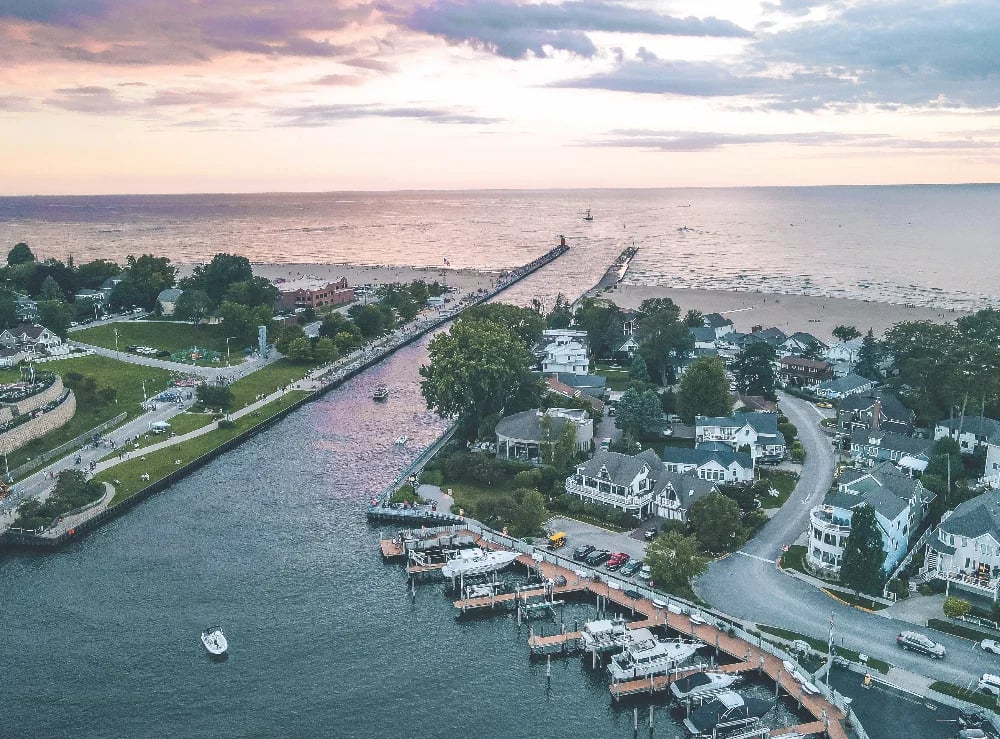
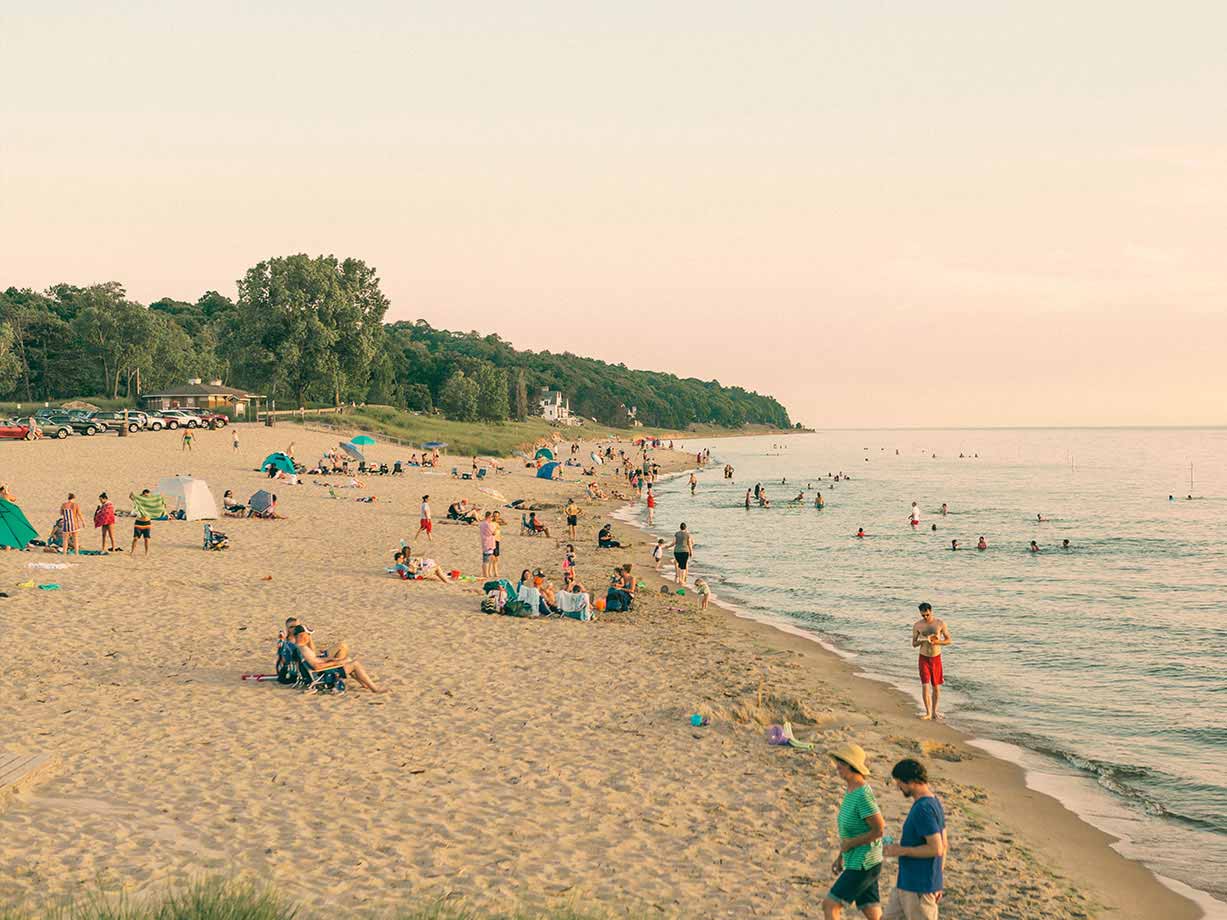
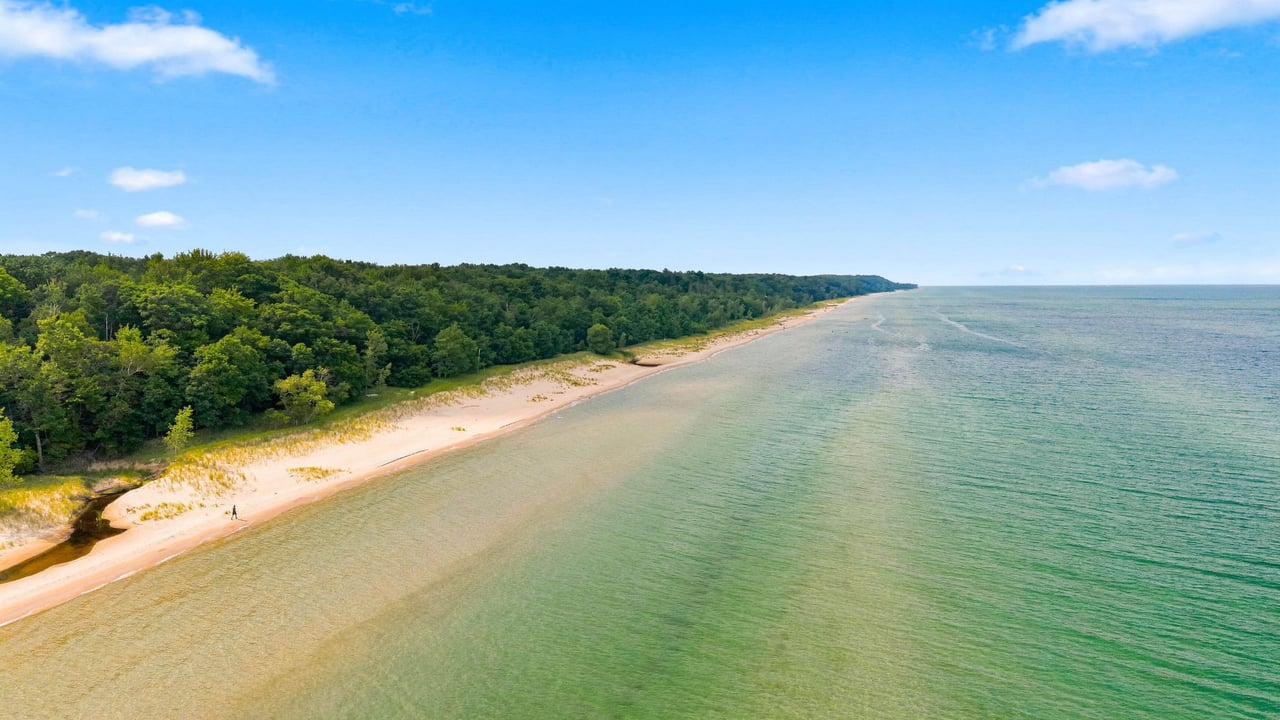
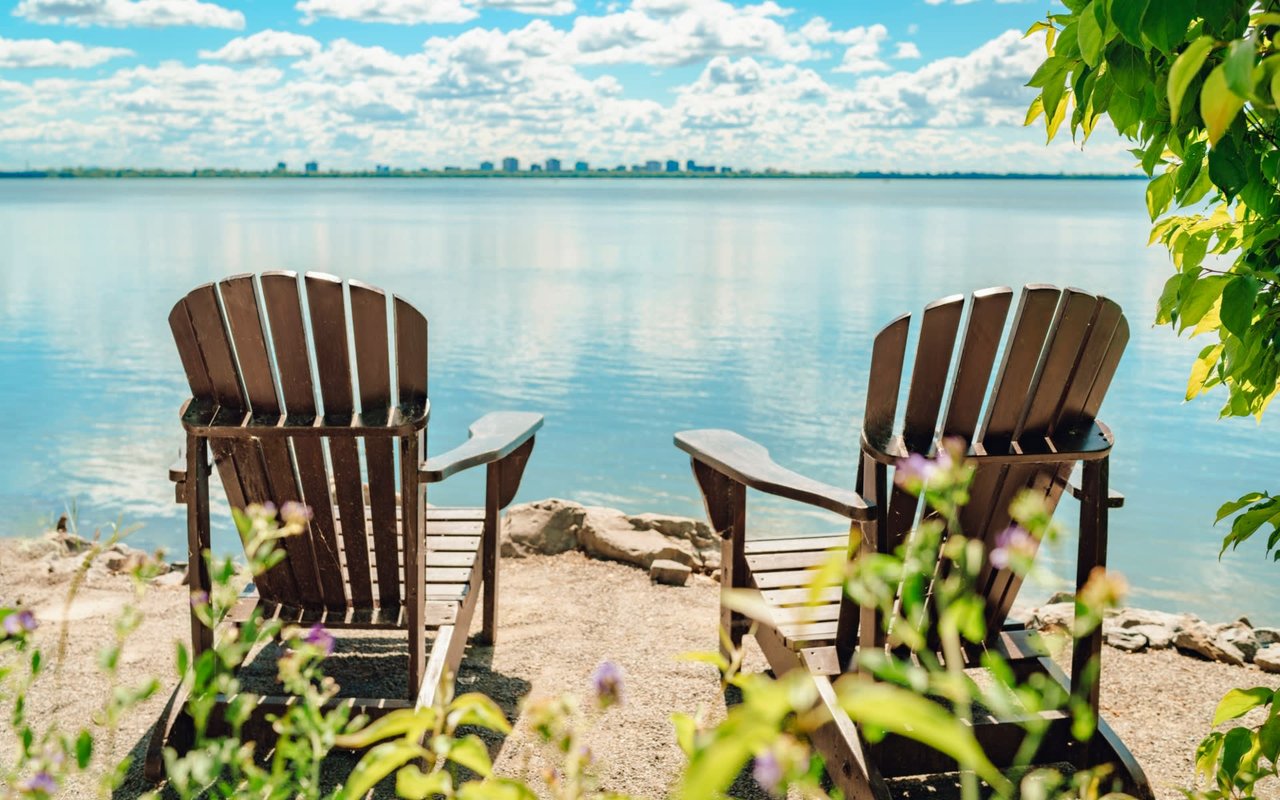
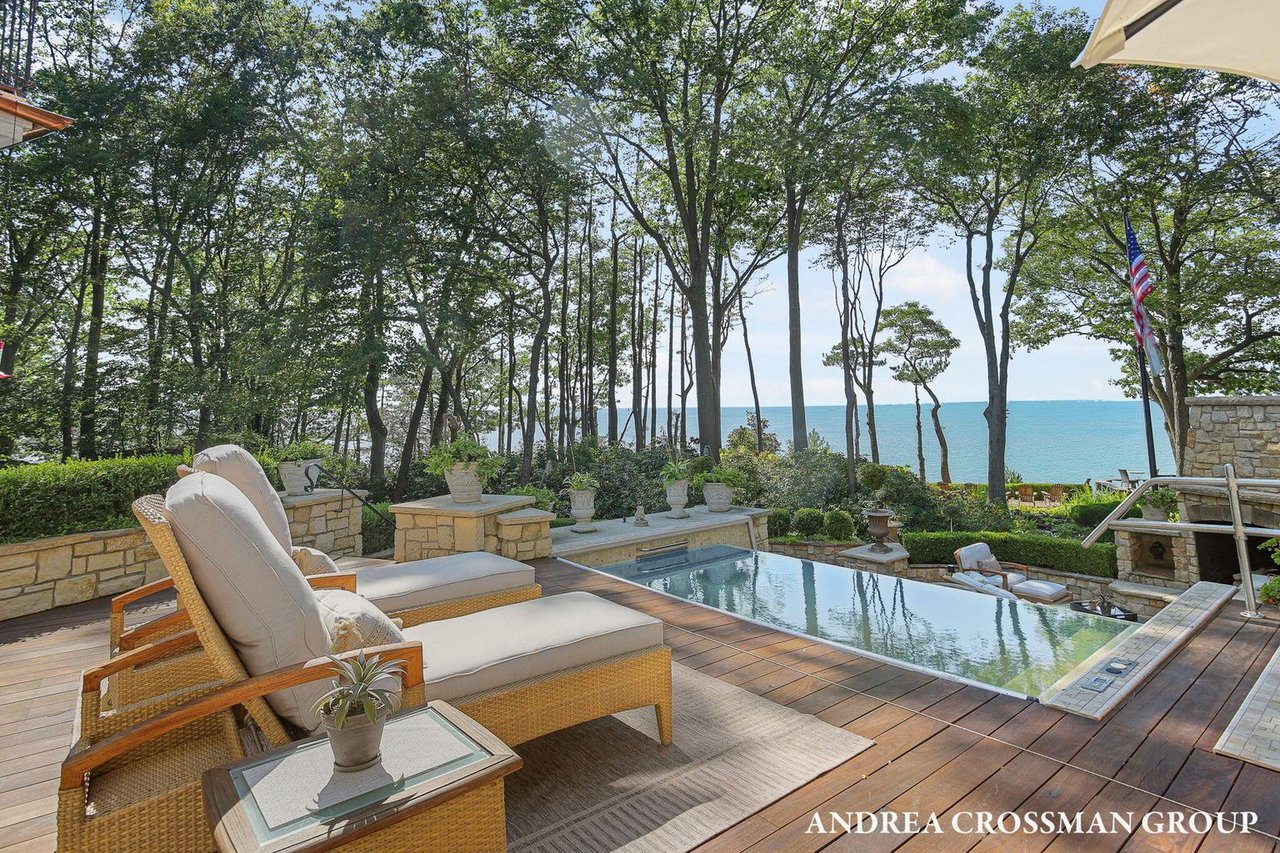
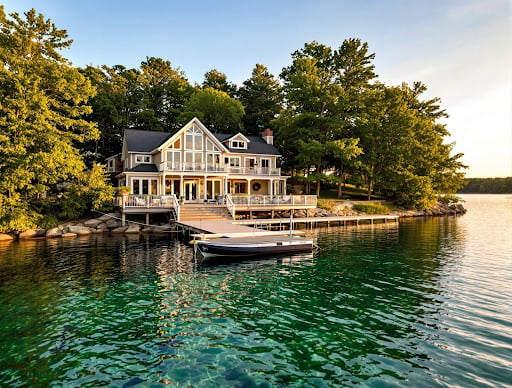
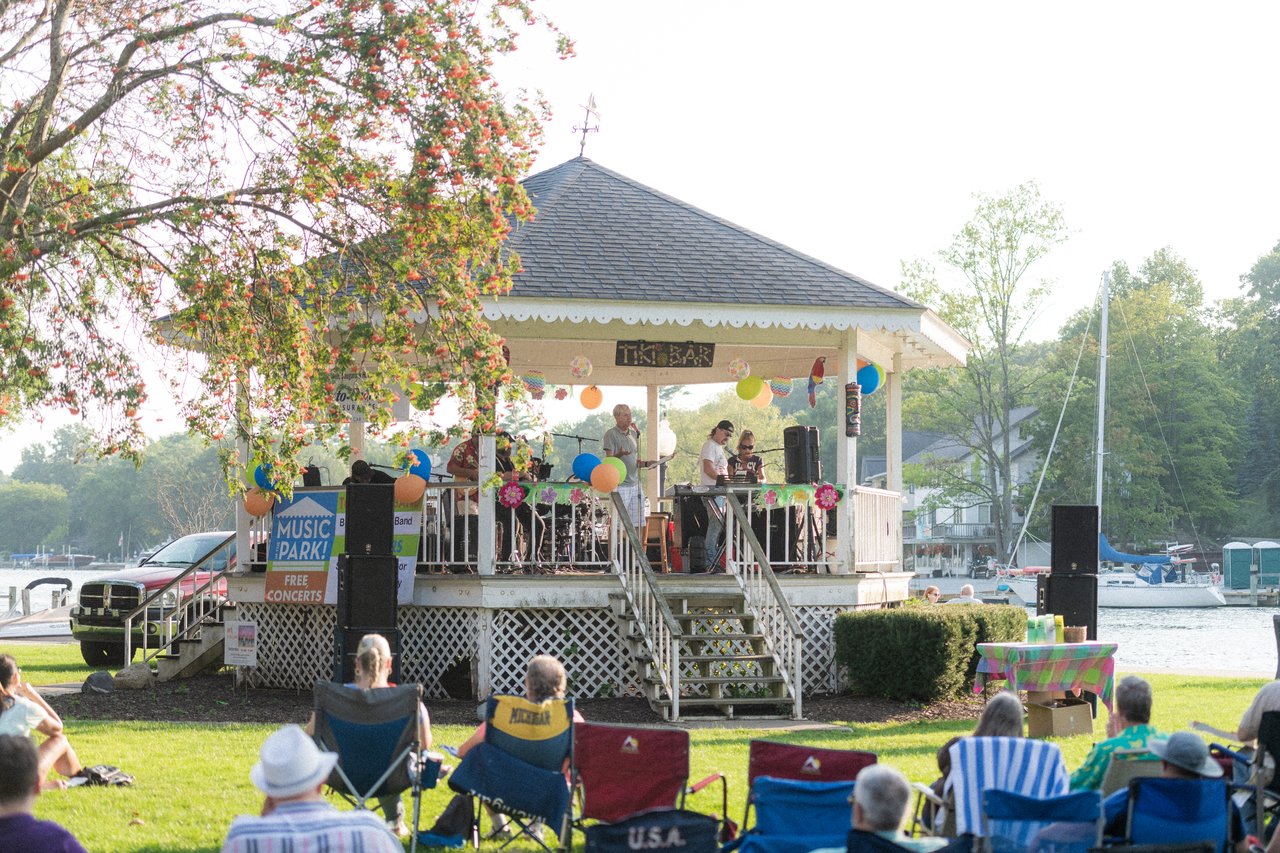
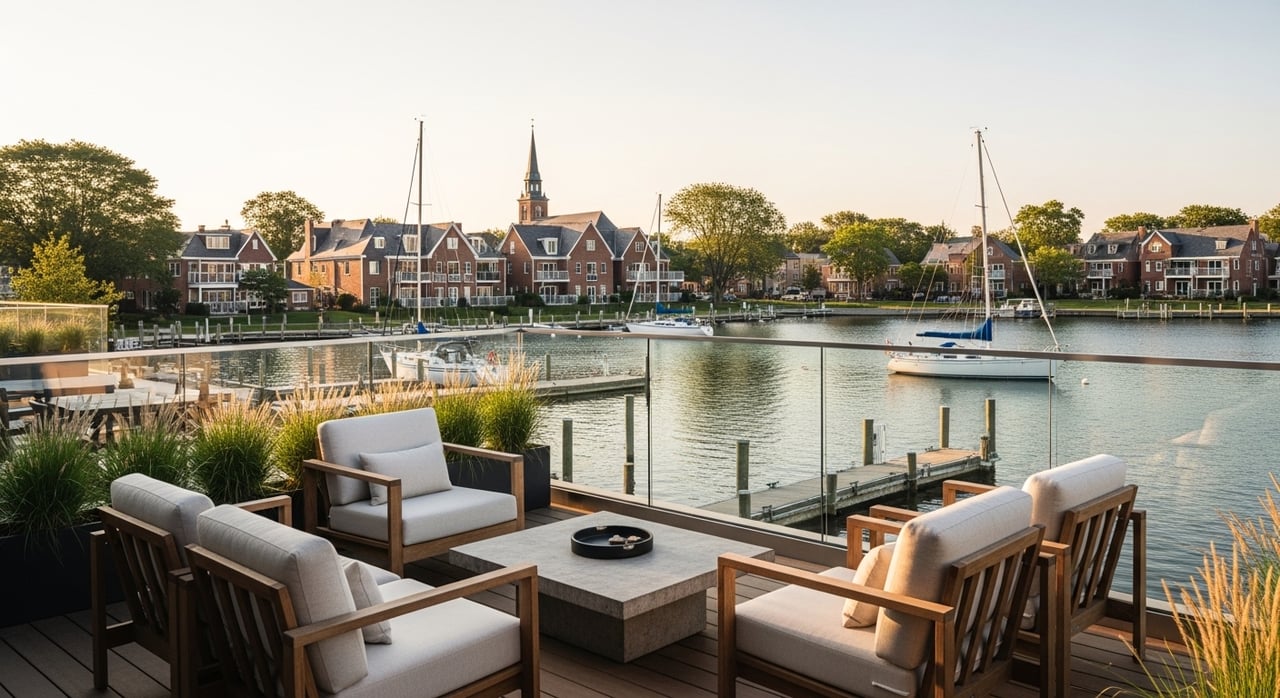
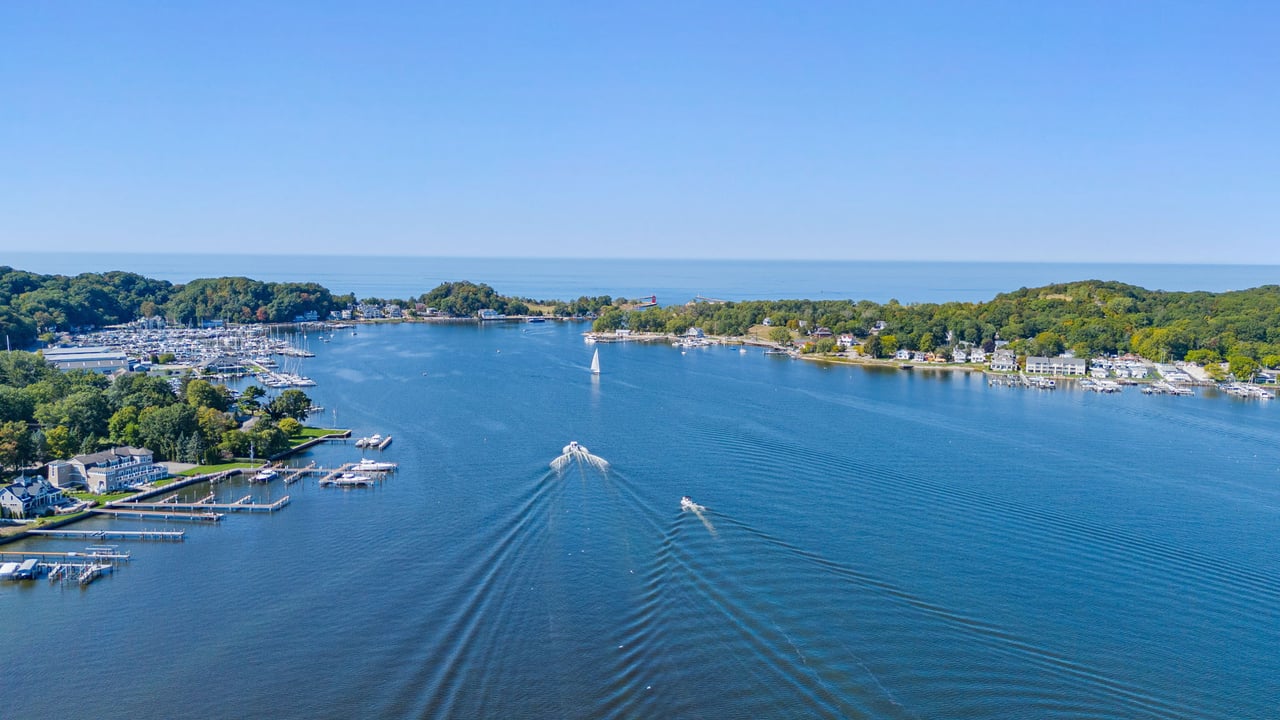
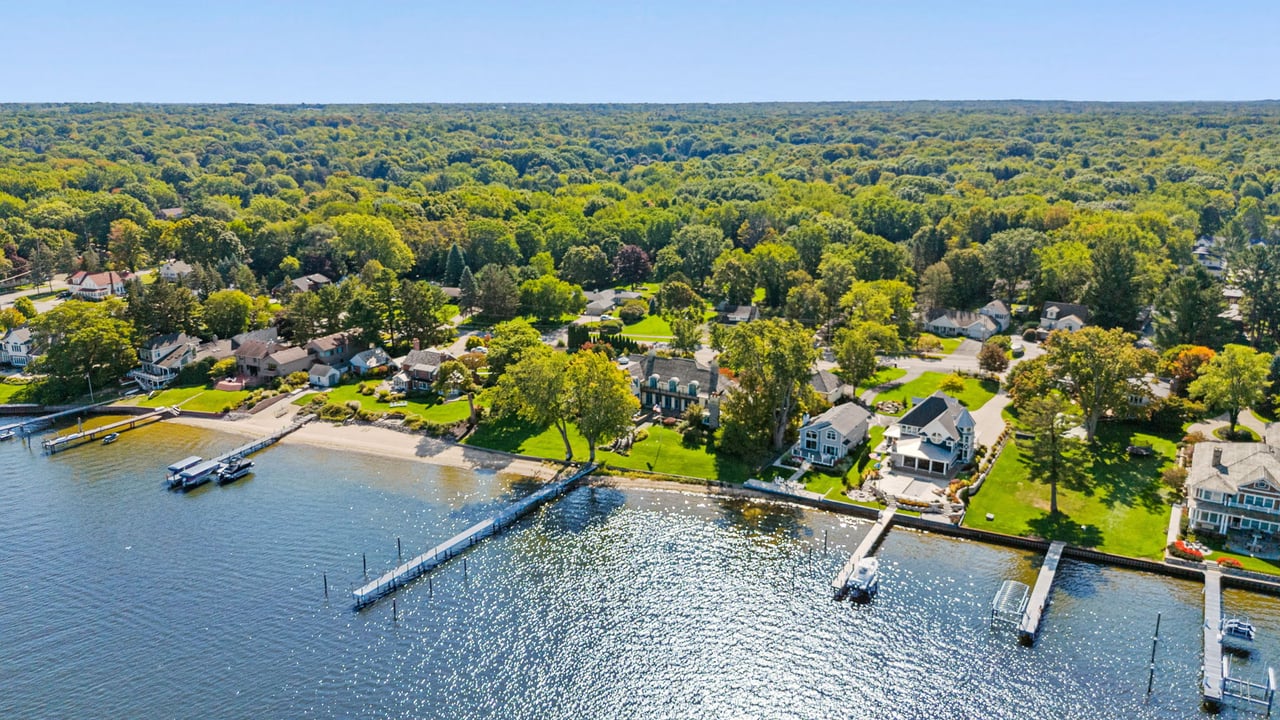
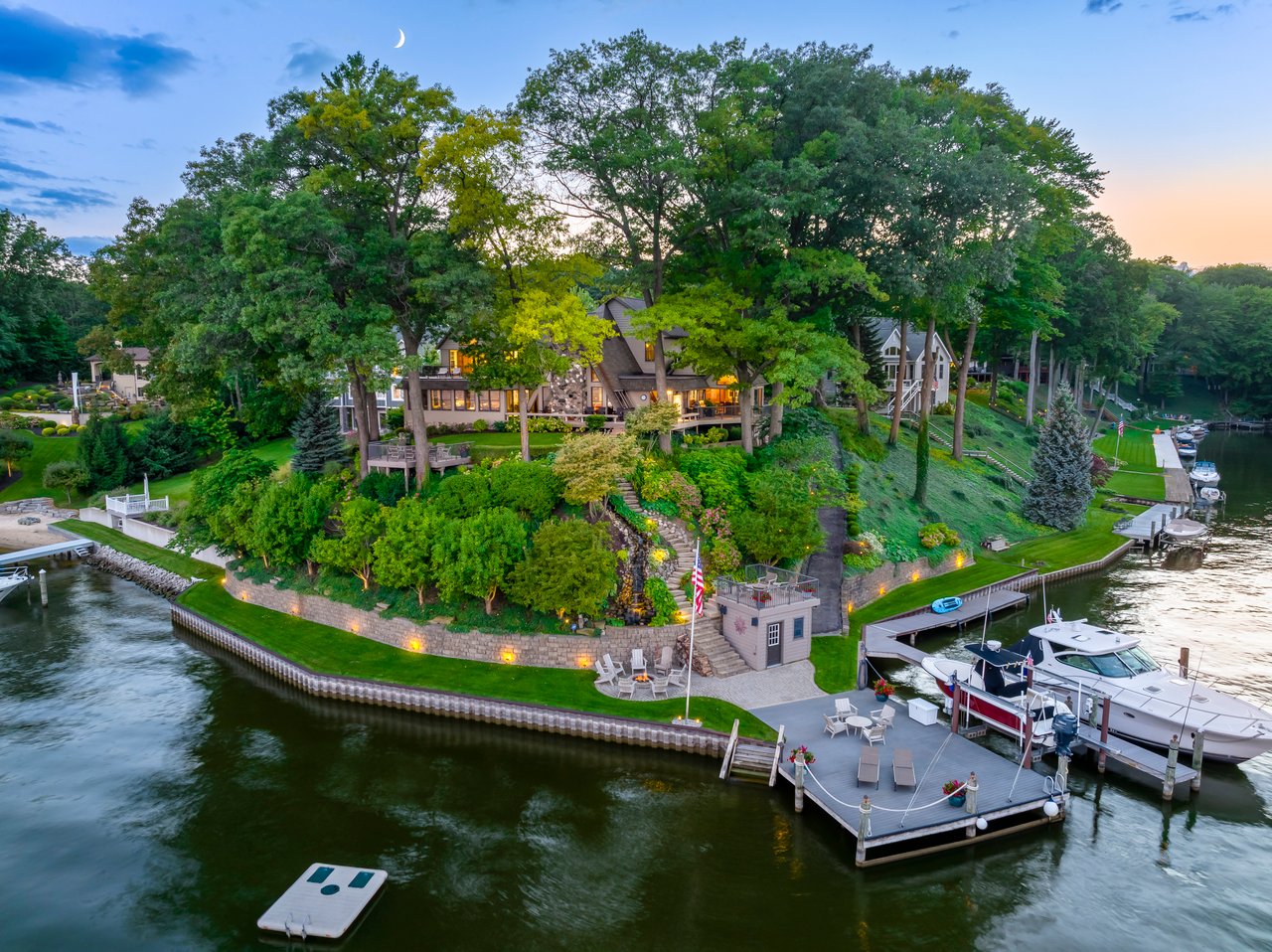
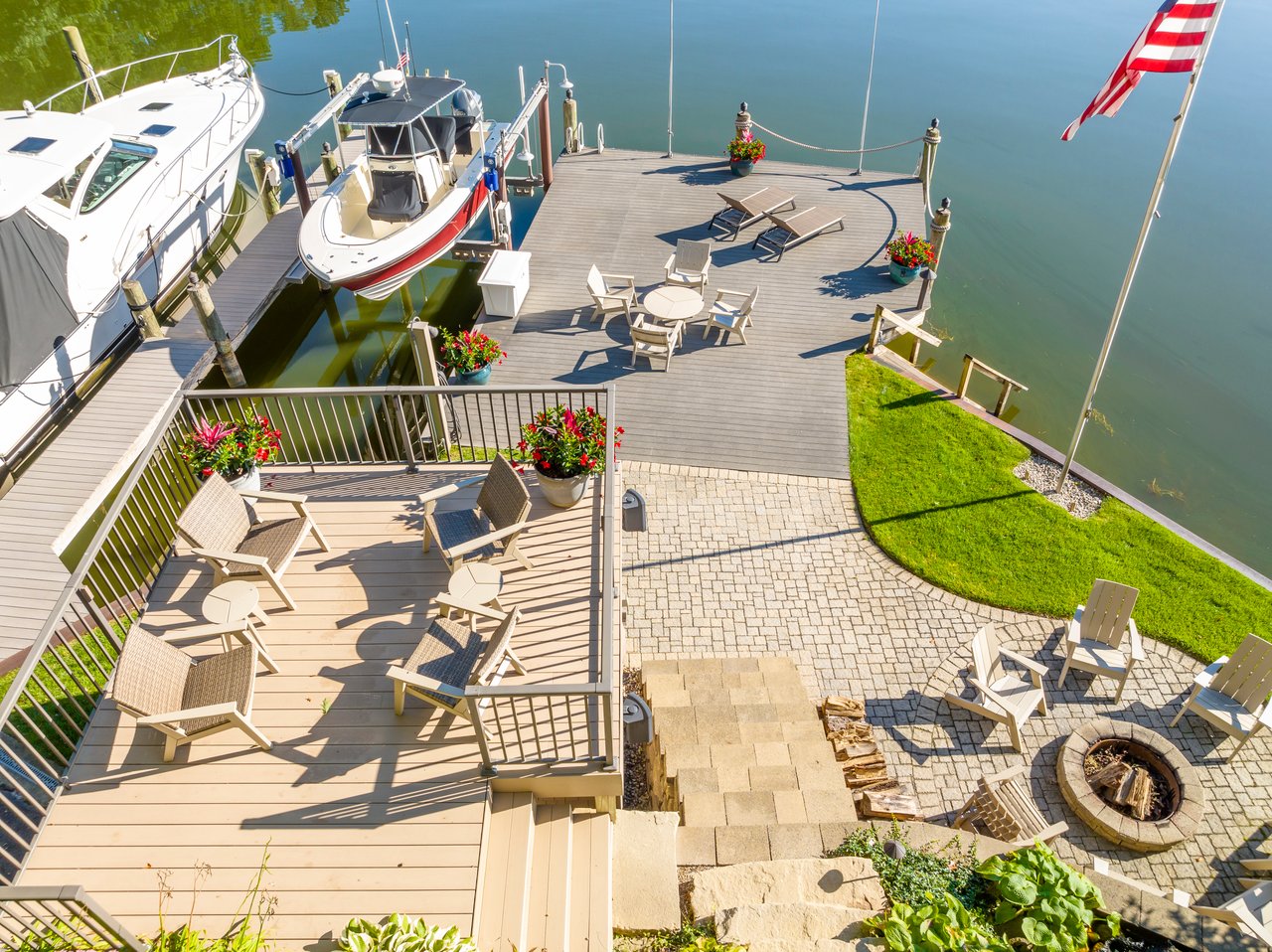
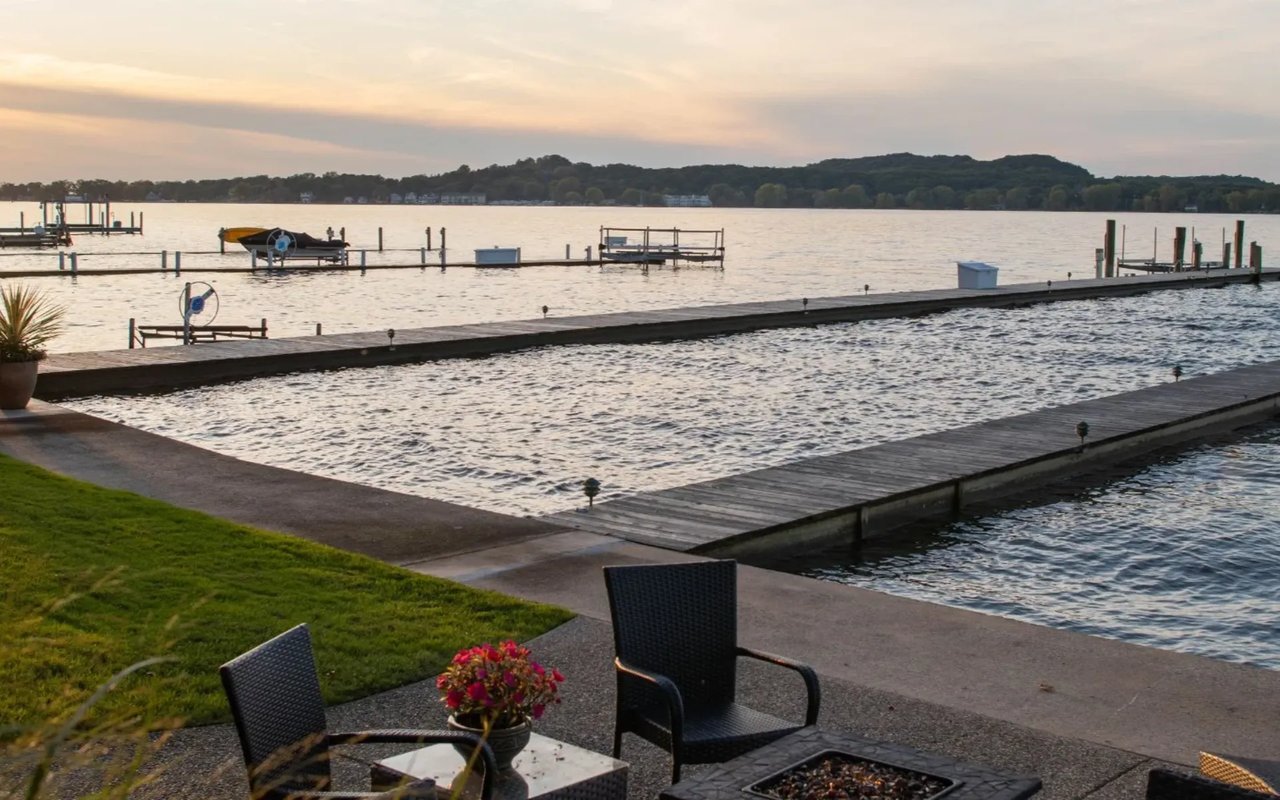
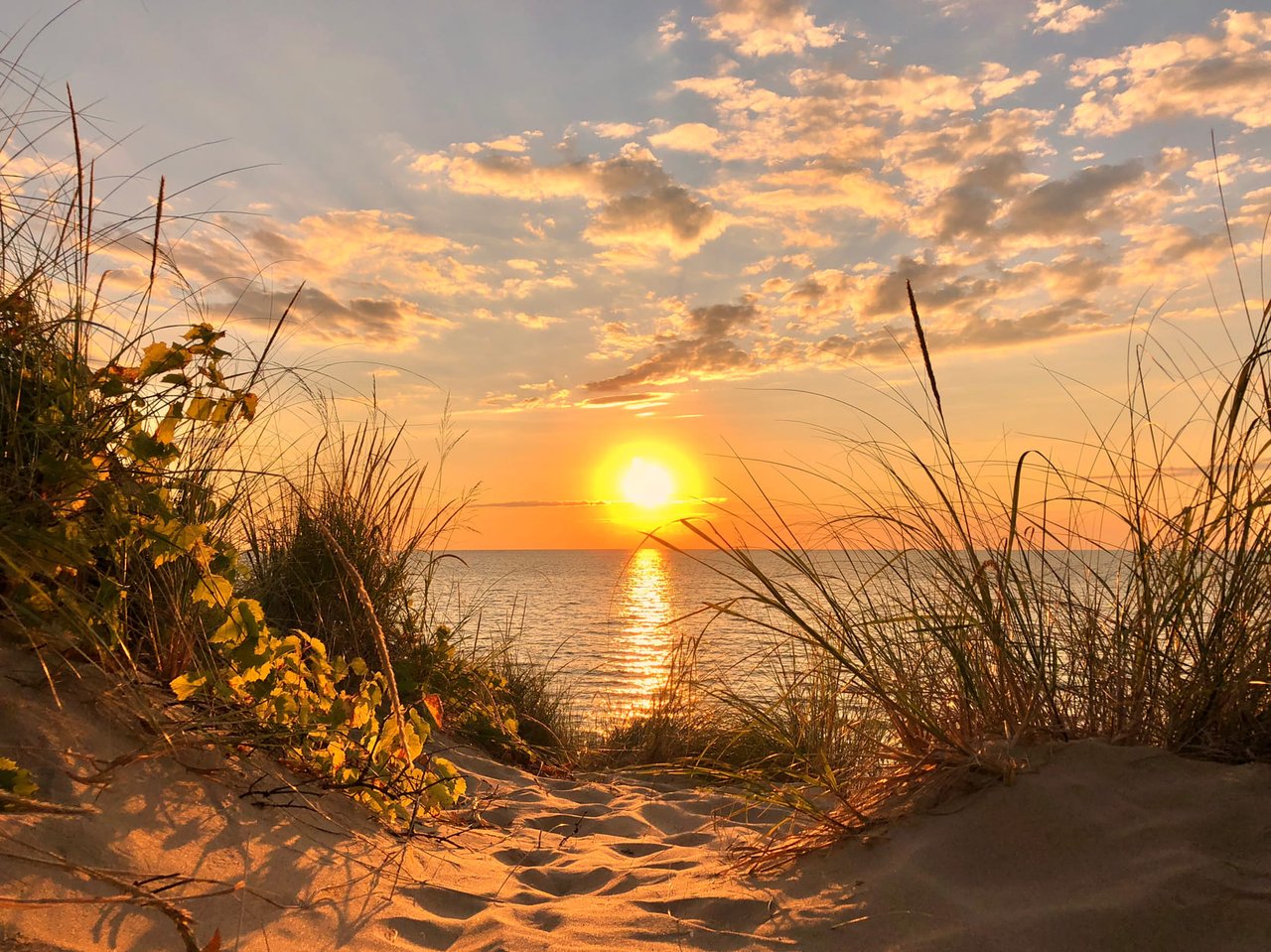
Summers on Lake Michigan are genuinely exceptional. Water temperatures in the southern basin reach the mid-70s by late July, the beaches are clean and uncrowded compared to ocean alternatives, and the sunsets over the water are the kind that stop traffic. Towns along the shoreline come alive with farmers markets, outdoor concerts, and boating culture that feels relaxed rather than rushed.
But summer has a flip side. If your property is near a resort town or public beach access, expect weekends in June and July to bring traffic, noise, and neighbors you’ve never met. Rental demand is high, which is good if you plan to rent the property, but it also means your favorite local restaurant has a two-hour wait from Memorial Day to Labor Day.
Fall: The Season Nobody Talks About Enough
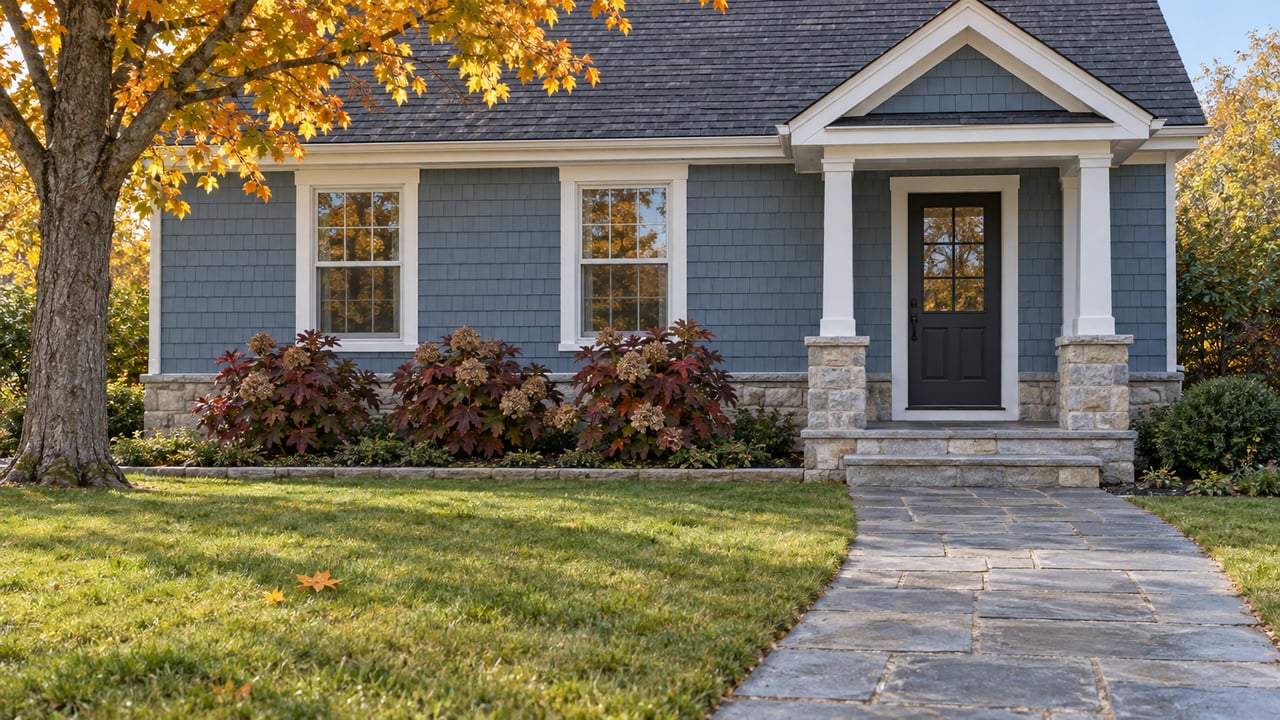
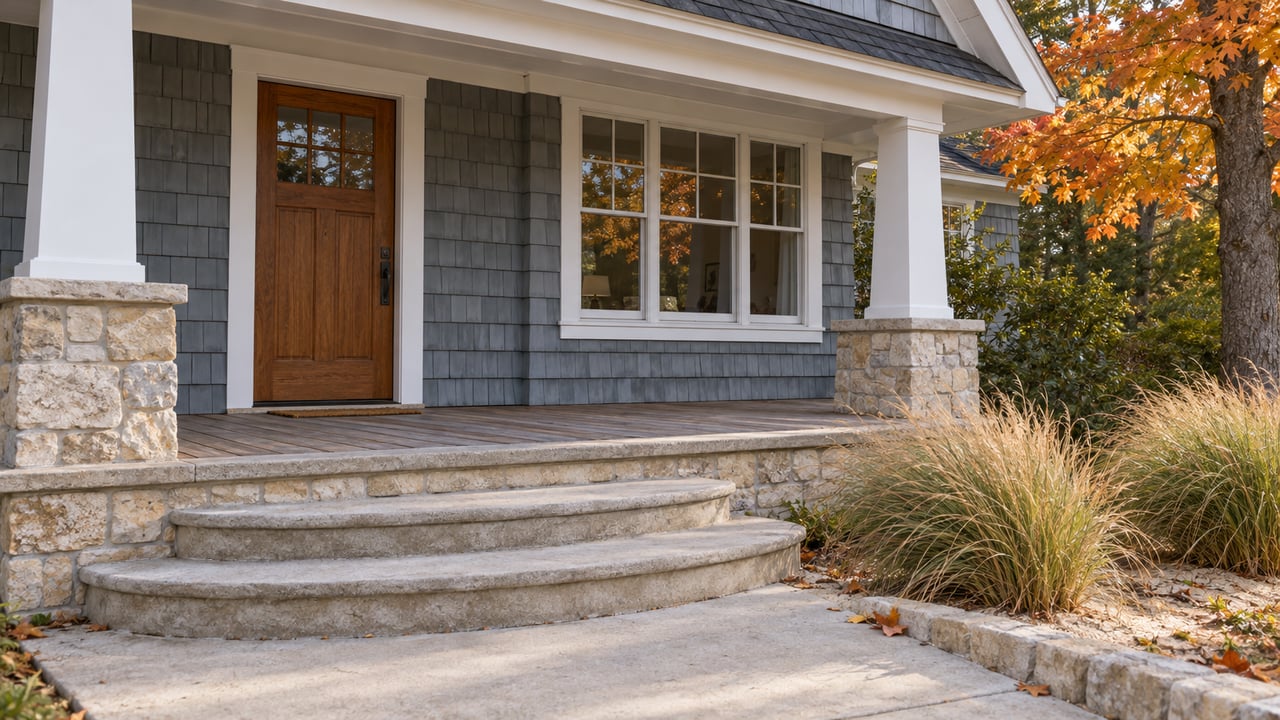
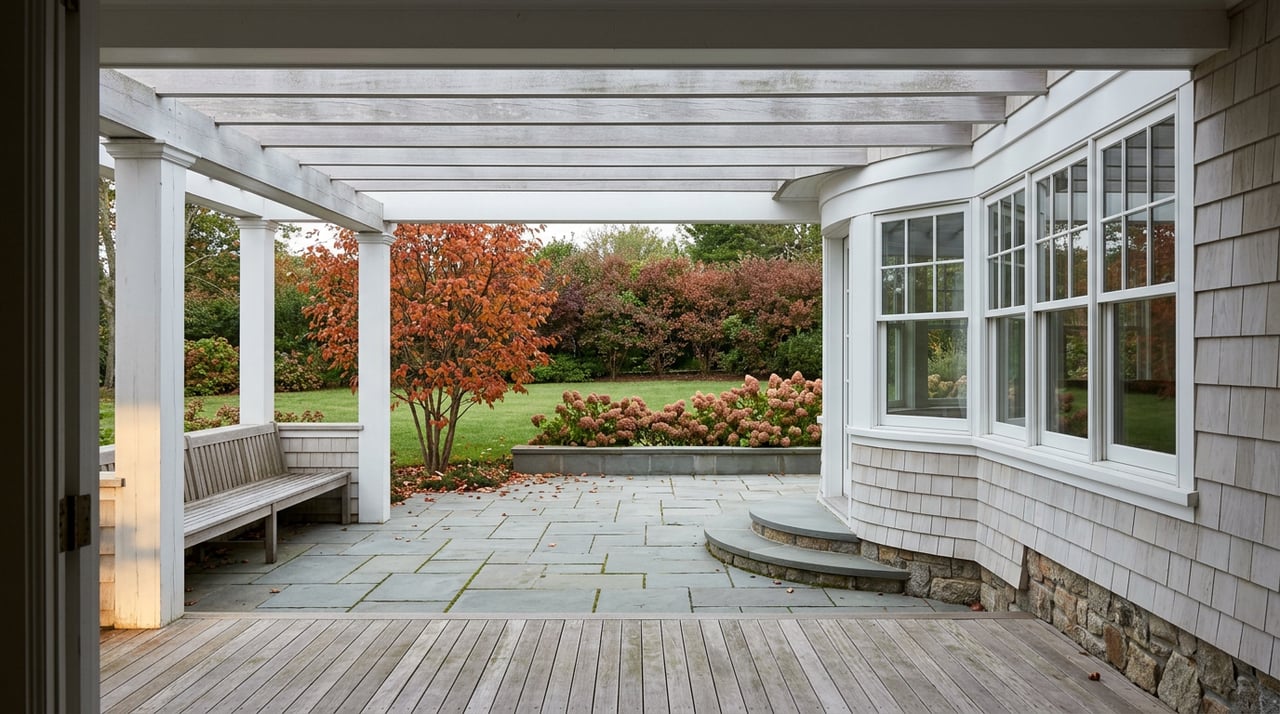
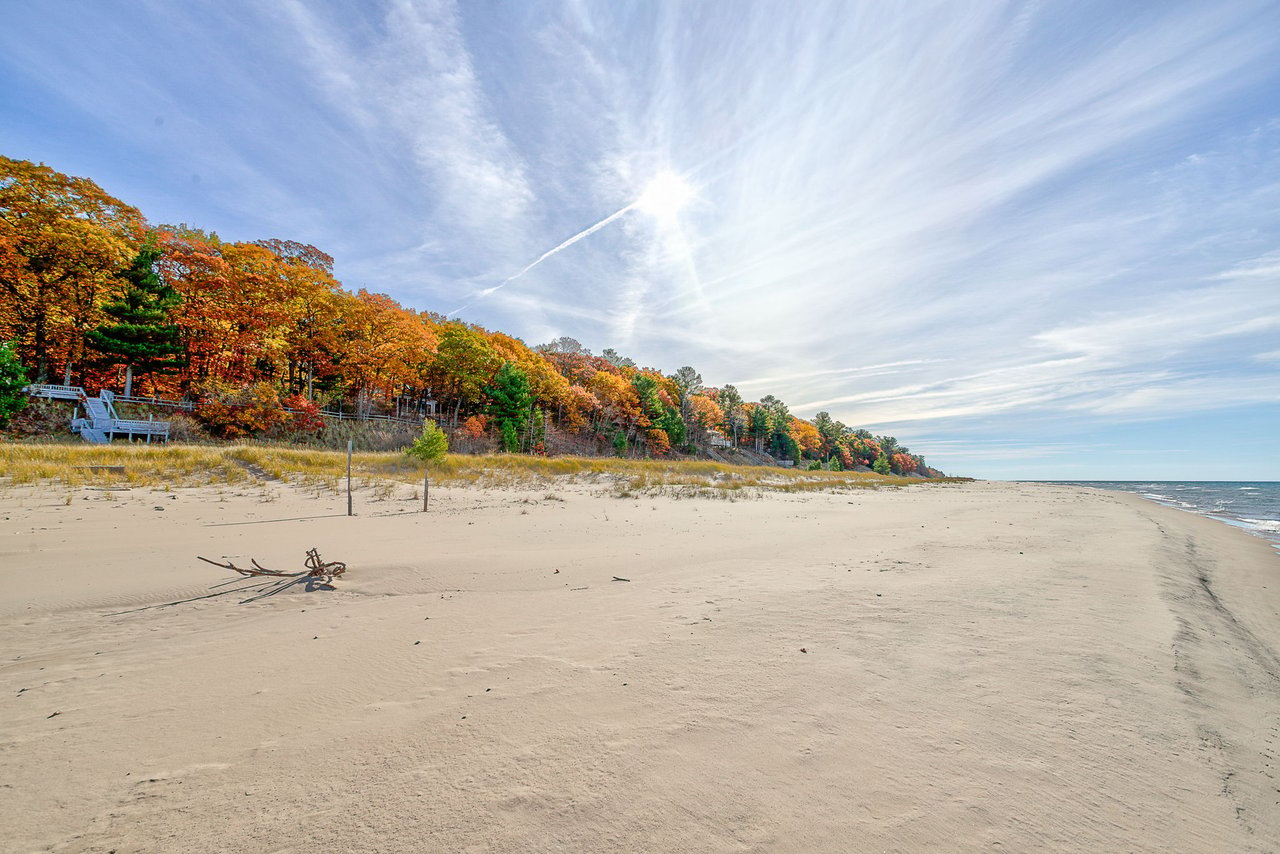
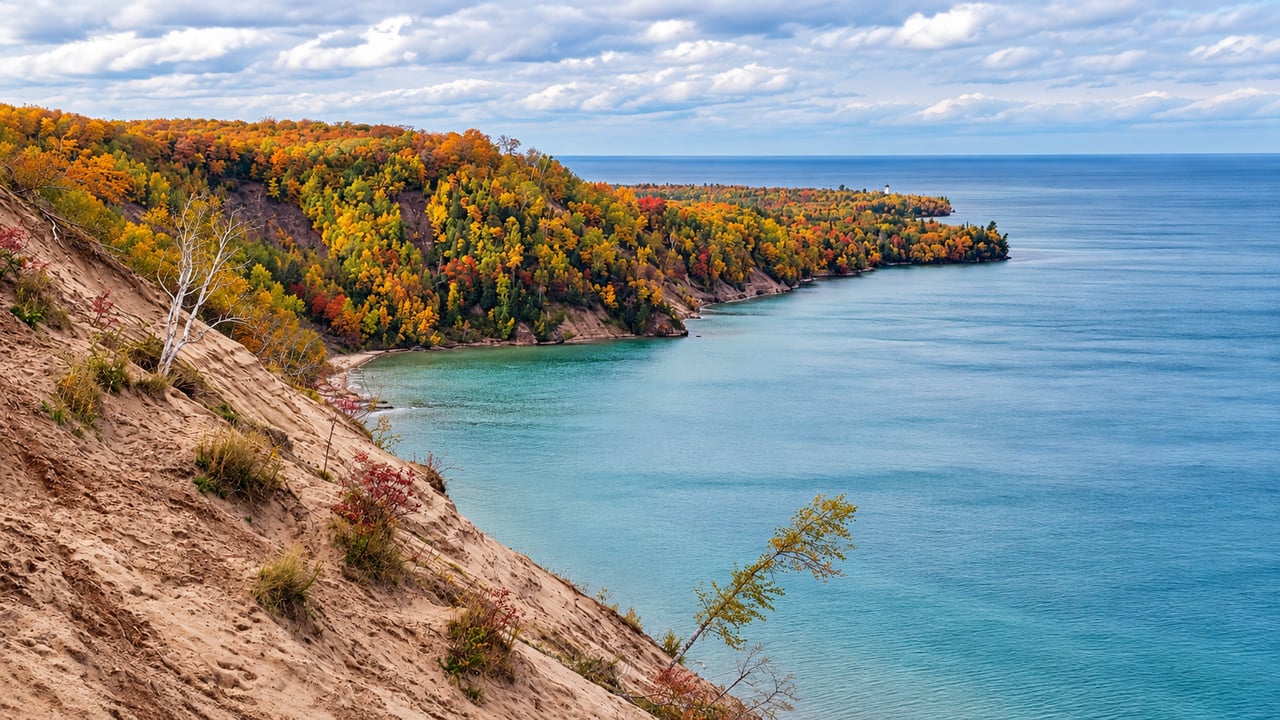
Fall is arguably the best-kept secret of Lake Michigan living. The summer crowds disappear almost overnight after Labor Day. Temps stay comfortable through October. The lake takes on a deeper blue-gray color, the trees around the shoreline put on a real show, and you get your community back.
It’s also when you’ll start seeing the lake’s true personality. Winds pick up, waves get serious, and you start to understand why Great Lakes sailors have so much respect for the water. Storm watching from a lakefront property in October is one of those experiences that’s hard to describe to someone who hasn’t seen it.
Winter: Honest Talk
Winter on Lake Michigan is not for everyone. Lake-effect snow is real. Communities on the eastern shore of the lake, particularly in southwestern Michigan, can see 100+ inches of snow in a season. If you’re coming from a southern state, that number deserves a pause.
Roads get icy. Some local businesses close or run reduced hours. If your property is in a seasonal community, you may find yourself as one of a handful of year-round residents. That’s either a feature or a bug depending on your personality.
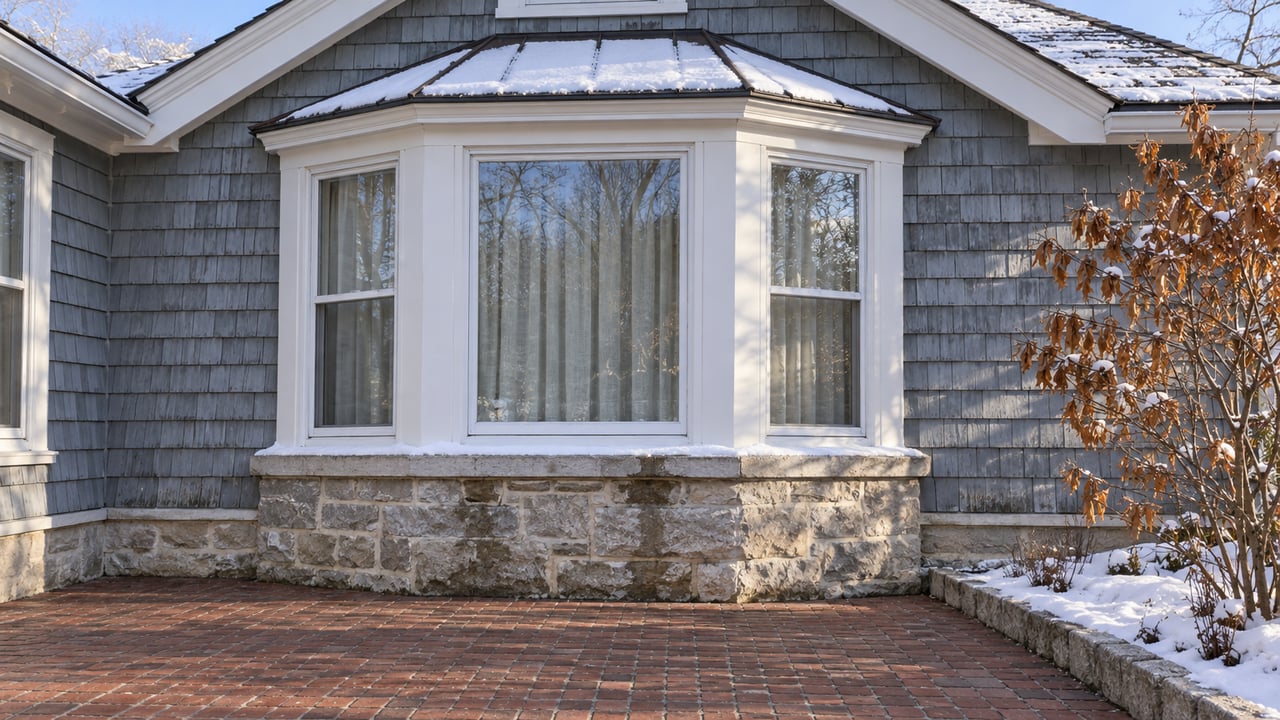
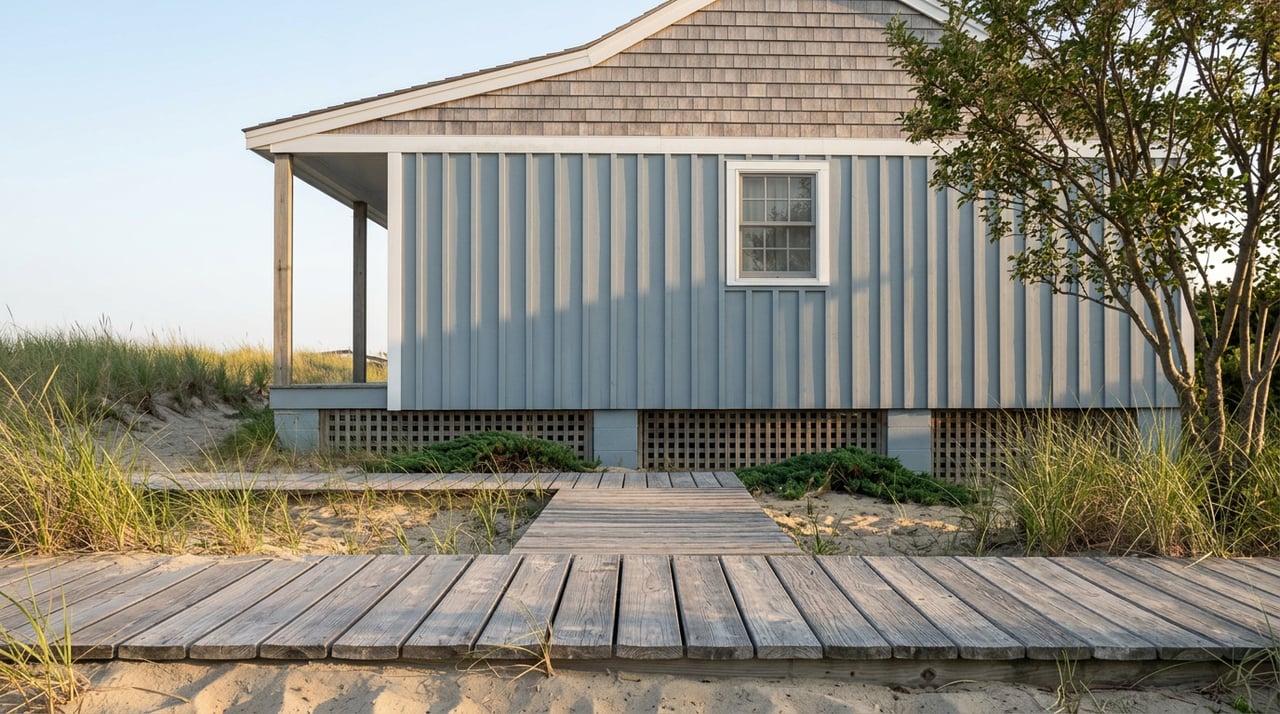
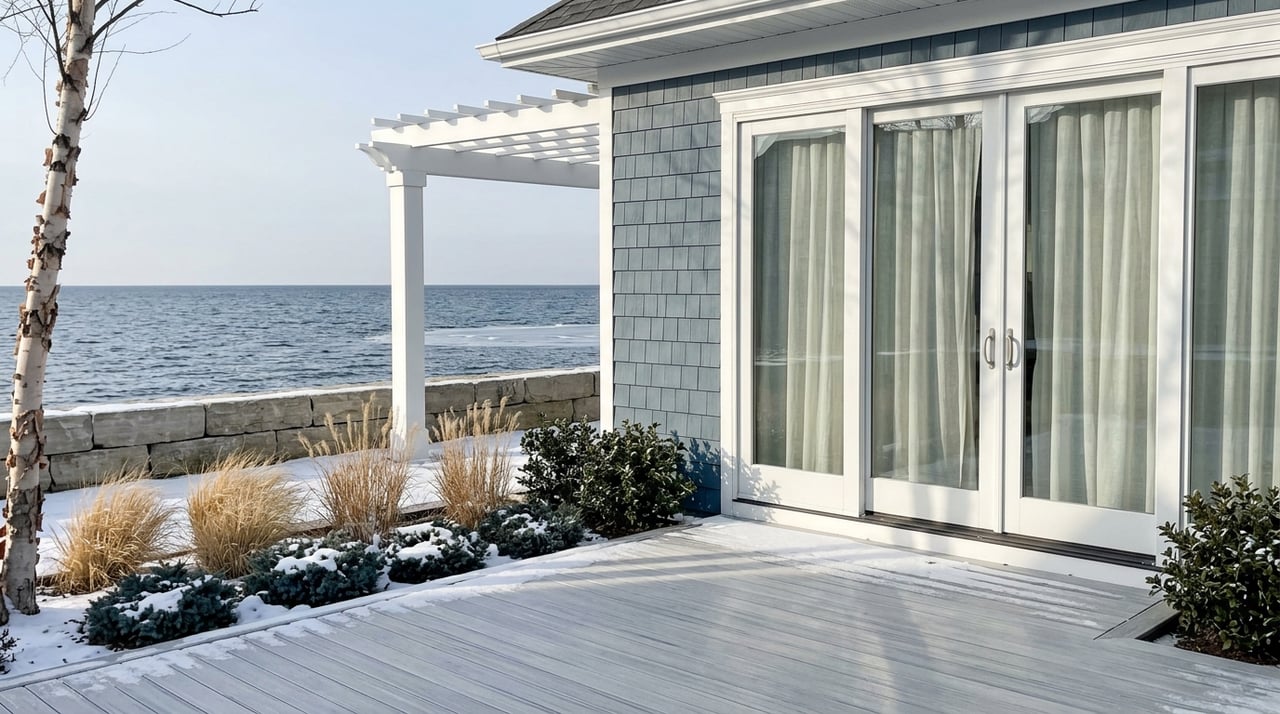
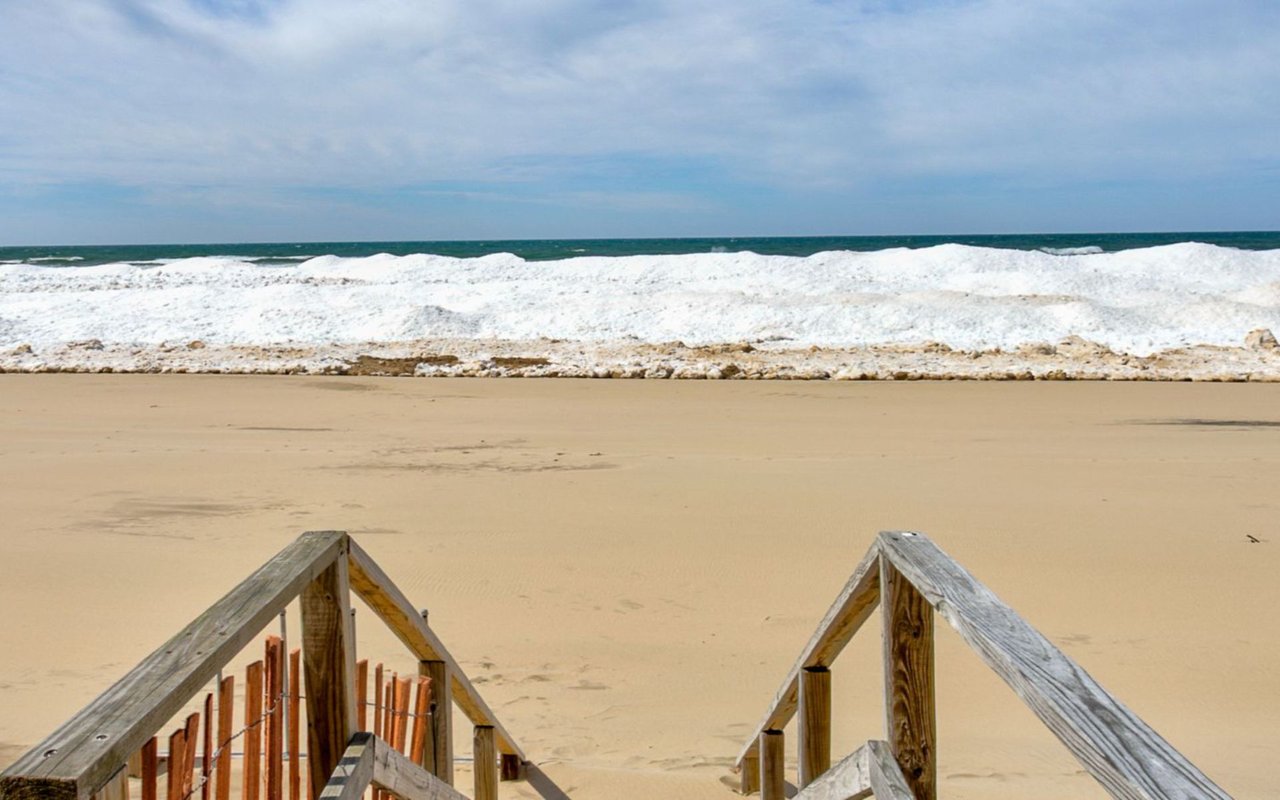
On the other side: frozen dunes, ice formations along the shoreline, cross-country skiing, snowmobiling, and the kind of quiet that city people pay a lot of money to try to find. Winter on the lake is genuinely beautiful if you go in prepared.
Season | Avg Temp Range | What’s Open | Key Consideration |
|---|---|---|---|
Spring | 35–60°F | Limited; ramps up April–May | Watch for flooding and high water levels |
Summer | 65–85°F | Fully open; peak crowds | Best beach access; rental income potential |
Fall | 45–65°F | Mostly open through October | Best time for solitude and local culture |
Winter | 15–35°F | Reduced; some towns quiet significantly | Lake-effect snow; road conditions vary |
Spring: Mud Season and the Lake’s Mood Swings
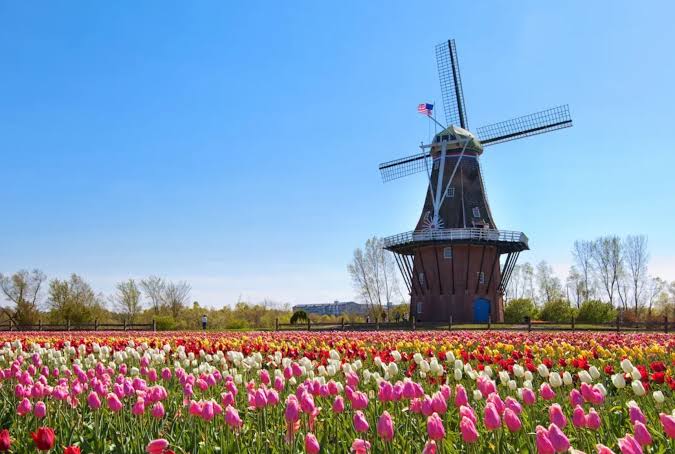
Spring is the messiest season on the lake and also one of the most dramatic. Water levels tend to be at their highest coming out of winter. Ice breakup on the lake creates wild scenes in March and April. Shoreline erosion from winter storms becomes visible, and it’s not uncommon to see sandbag operations along vulnerable stretches of beach.
If you’re buying in spring, that post-winter reveal is actually useful. You’ll see the property at its most raw and get a clearer picture of how the shoreline holds up. A good home inspector and a conversation with your agent about recent water levels can tell you a lot.
Community Life Off-Season
One thing most people underestimate is how much the community changes between summer and winter. In popular lake towns, the full-time population can be a fraction of the summer headcount. That means your local grocery store, hardware shop, and coffee spot may have limited hours or close entirely for a few months.
Year-round residents tend to know each other well. There’s a community cohesion that’s genuinely appealing if you’re the type who wants to put down real roots rather than just show up in summer. Local events—holiday markets, ice fishing tournaments, community dinners—fill the calendar if you know where to look.
Pro Tip for Buyers Before purchasing a year-round lakefront home, visit the property in at least two seasons if possible. A summer visit tells you what the neighborhood looks like at peak. An off-season visit tells you what your life actually looks like. |
Infrastructure and Logistics
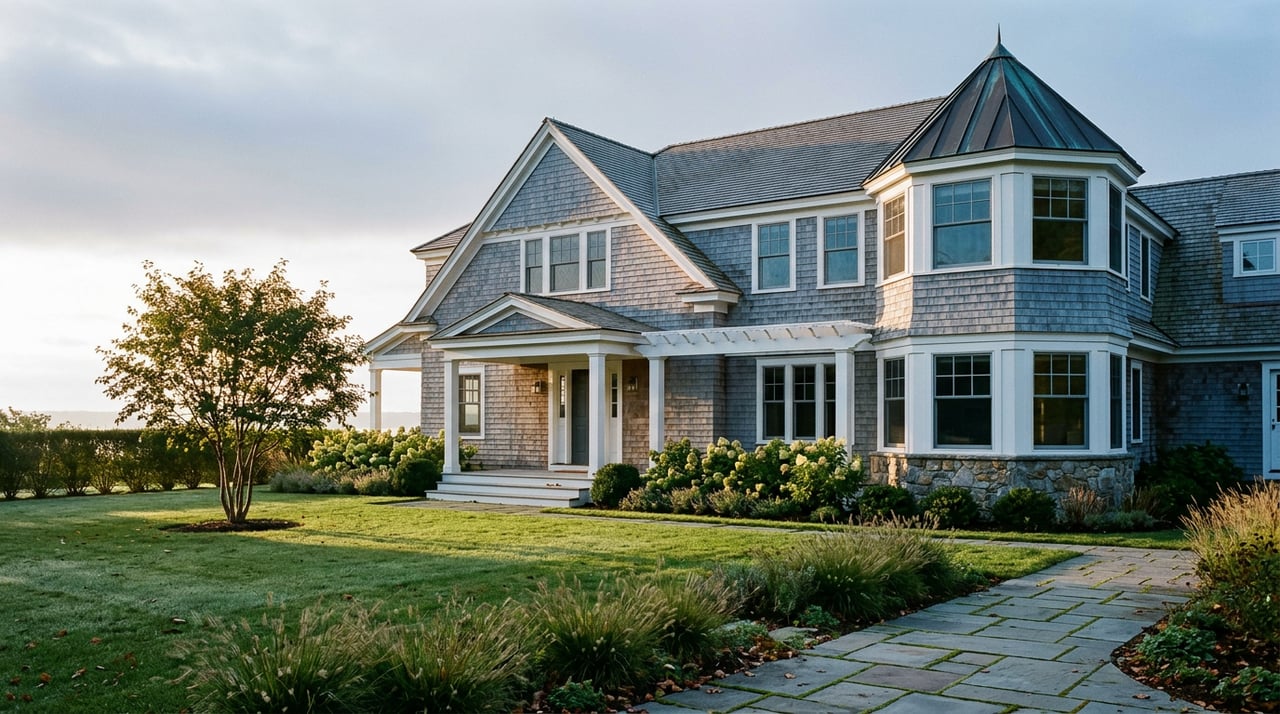
Year-round lakefront living involves practical considerations that vacation buyers often overlook. Propane or heating oil delivery schedules matter when you’re in a rural area. Well and septic systems are common outside of municipal utilities and require maintenance. High-speed internet access is inconsistent in some shoreline areas, which matters if you work remotely.
Driveway and road clearing is a real expense in snow-heavy communities. If your property has a long gravel driveway to a lakefront lot, factor in plowing costs or buy a tractor. These aren’t deal-breakers, but they’re the kind of details that experienced lakefront buyers account for before closing.
Is Year-Round Lake Michigan Living Right for You?
The honest answer is that it depends on what you’re looking for. If you want a low-maintenance second home you’ll visit three months a year, a lakefront property can work perfectly. If you’re planning to move full-time, go in with eyes open about the winters, the logistics, and the off-season rhythms of your specific town.
People who thrive in year-round lake living tend to share a few traits: they’re comfortable with weather, they value community over convenience, and they find the slower pace of the off-season restorative rather than boring. If that sounds like you, the lake has a lot to offer 365 days a year.
Frequently Asked Questions
Is it expensive to heat a lakefront home in winter?
Yes, more so than a comparable inland home. Lakefront properties tend to be older, larger, and exposed to wind on at least one side. Heating costs depend heavily on the home’s insulation, the heating system type, and your local utility rates. Budget conservatively and get a home energy audit before buying.
Can I get reliable internet on Lake Michigan?
It varies significantly by location. Towns like South Haven, St. Joseph, and Traverse City have solid broadband access. More rural stretches of shoreline may only have satellite or fixed wireless options. Ask your agent specifically about internet availability at any property you’re seriously considering.
Are there year-round services like grocery stores and medical care?
Larger lake towns maintain year-round services. Smaller communities may have seasonal businesses but rely on a nearby town for groceries, healthcare, and other needs. Research the nearest hospital and grocery store before committing to a specific location.
Does lake-effect snow affect all of Lake Michigan?
No. Lake-effect snow primarily impacts the eastern and northeastern shores of the lake, where cold air picks up moisture crossing the open water. The western shore (Illinois and Wisconsin) gets far less lake-effect snow. The southwestern Michigan shoreline and the areas around Traverse City get the most.
Ready to Find Your Lake Michigan Home? Andrea Crossman Group specializes in Lake Michigan waterfront real estate. Whether you're buying your first lakefront property or selling a family cottage, we know this market inside and out. Contact Andrea Crossman Group today to start your search. |