Buying a Lake Michigan waterfront home: what to know about jumbo loans
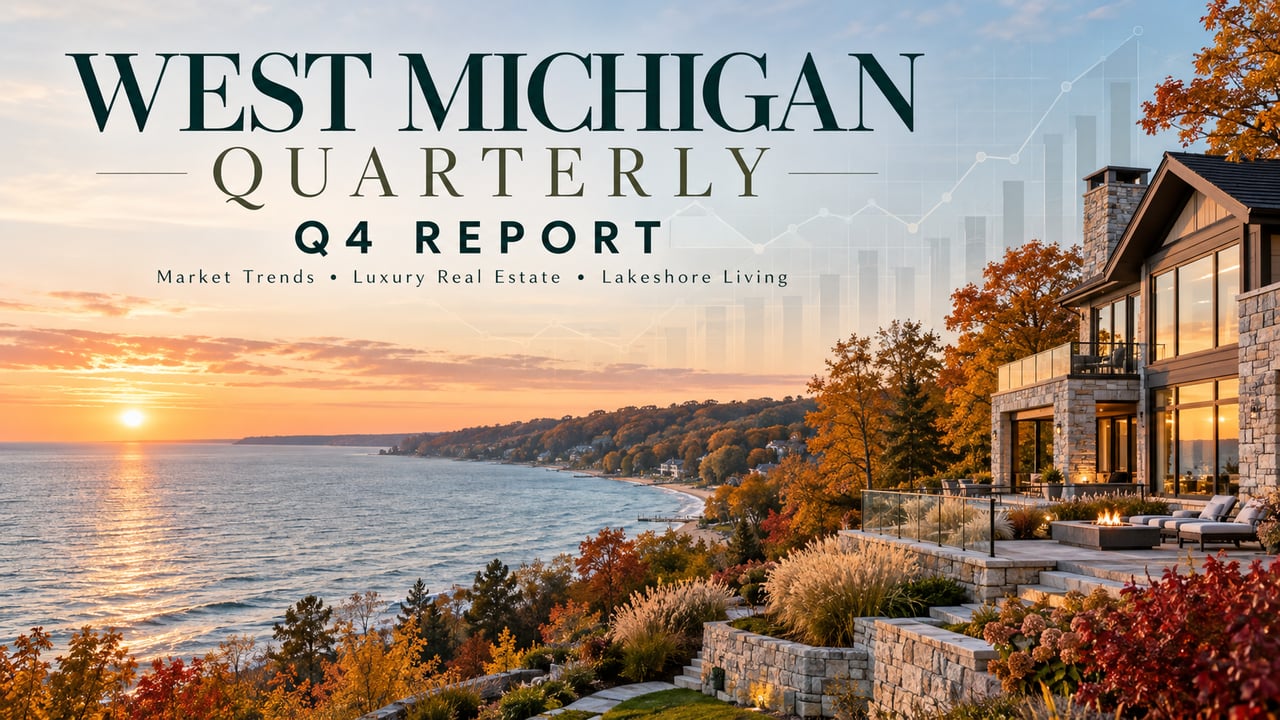
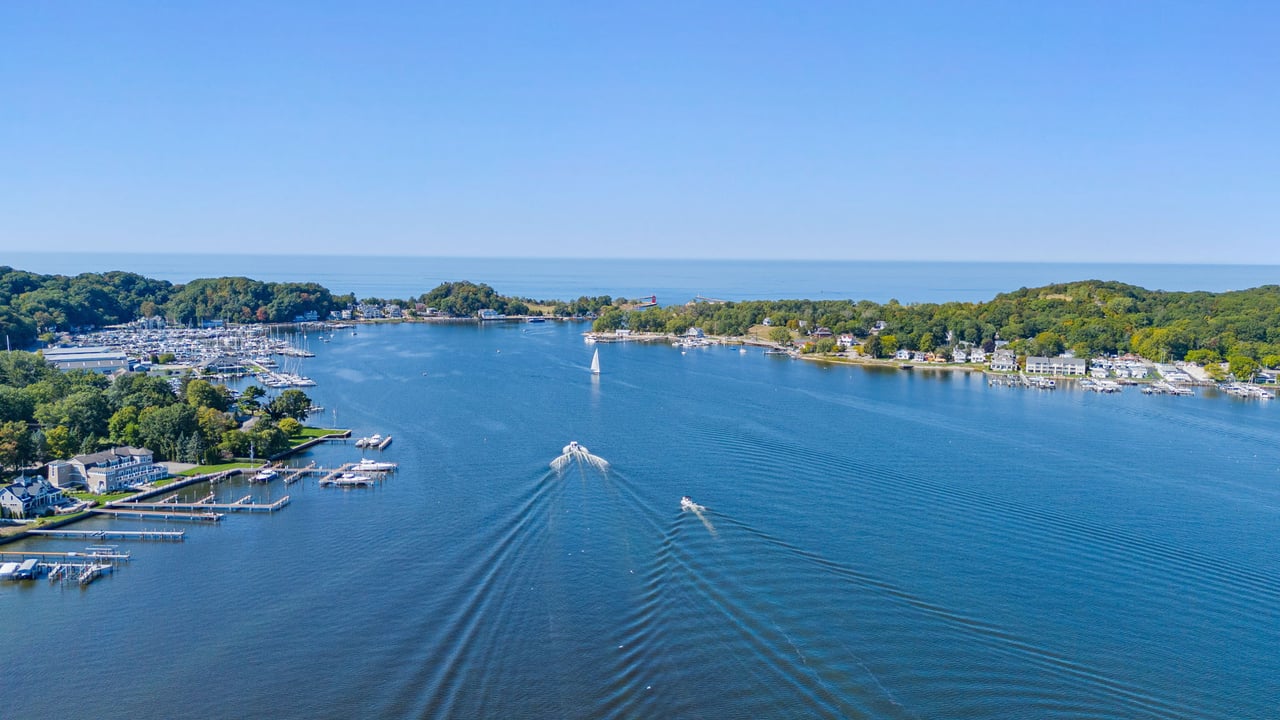
Buying a Lake Michigan waterfront home is an exciting move. For many buyers, it’s also a cash purchase. But when financing is part of the plan—whether for leverage, liquidity, or portfolio strategy—the process can feel more complex than a standard home loan.
Waterfront prices along the Lake Michigan shoreline often exceed conforming loan limits, which puts financed buyers into jumbo territory. The key is having a clear plan, realistic timelines, and no surprises at closing.
In this guide, you’ll learn how jumbo loans work for second homes, what lenders expect, and the extra steps that can come with financing a waterfront property in West Michigan.
What counts as a jumbo loan in West Michigan
For 2024, the baseline single-unit conforming loan limit is $766,550. Loan amounts above that are considered jumbo and are not eligible for purchase by Fannie Mae or Freddie Mac. You can confirm current limits through the FHFA conforming loan limits.
Most West Michigan counties along Lake Michigan—including Ottawa and Allegan—follow the baseline conforming limit rather than high-cost thresholds. Given shoreline values, custom construction, and lot scarcity, many waterfront homes exceed this number, making jumbo financing the primary option when buyers choose to finance.
Cash buyers vs. financed buyers
Many Lake Michigan waterfront buyers purchase with cash. Others choose financing strategically—preserving liquidity, optimizing investments, or structuring estate plans.
If you’re financing, how the home will be used matters:
-
Primary residences often receive the most flexible terms
-
Second homes are eligible for jumbo financing but come with more conservative underwriting
-
Rental or income-producing use may shift the loan into investment territory, with tighter requirements
Lenders look closely at occupancy intent, so it’s important to align financing strategy early.
What lenders look for on jumbo second homes
Credit, debt ratios, and reserves
Most jumbo lenders look for credit scores of 700+, with best pricing typically at 720+. Debt-to-income ratios are commonly capped between 43–50%, depending on overall financial strength.
Cash reserves are standard. Expect 6–12 months of PITI (principal, interest, taxes, and insurance), with higher requirements for larger or more complex loans.
Down payment expectations
While conforming second-home loans may allow lower down payments in limited cases, jumbo second-home financing typically requires 20–30% down. Very high loan amounts may require more.
Each lender sets its own guidelines, which is why comparing options matters.
Waterfront-specific underwriting in West Michigan
Flood zones and insurance
If a property falls within a FEMA Special Flood Hazard Area, flood insurance will be required. Even outside designated zones, lenders may flag elevated risk due to lake levels, erosion, or storm exposure.
An early flood-zone determination and insurance quotes help avoid delays. FEMA’s Flood Map Service Center is a useful starting point.
Shoreline structures and permits
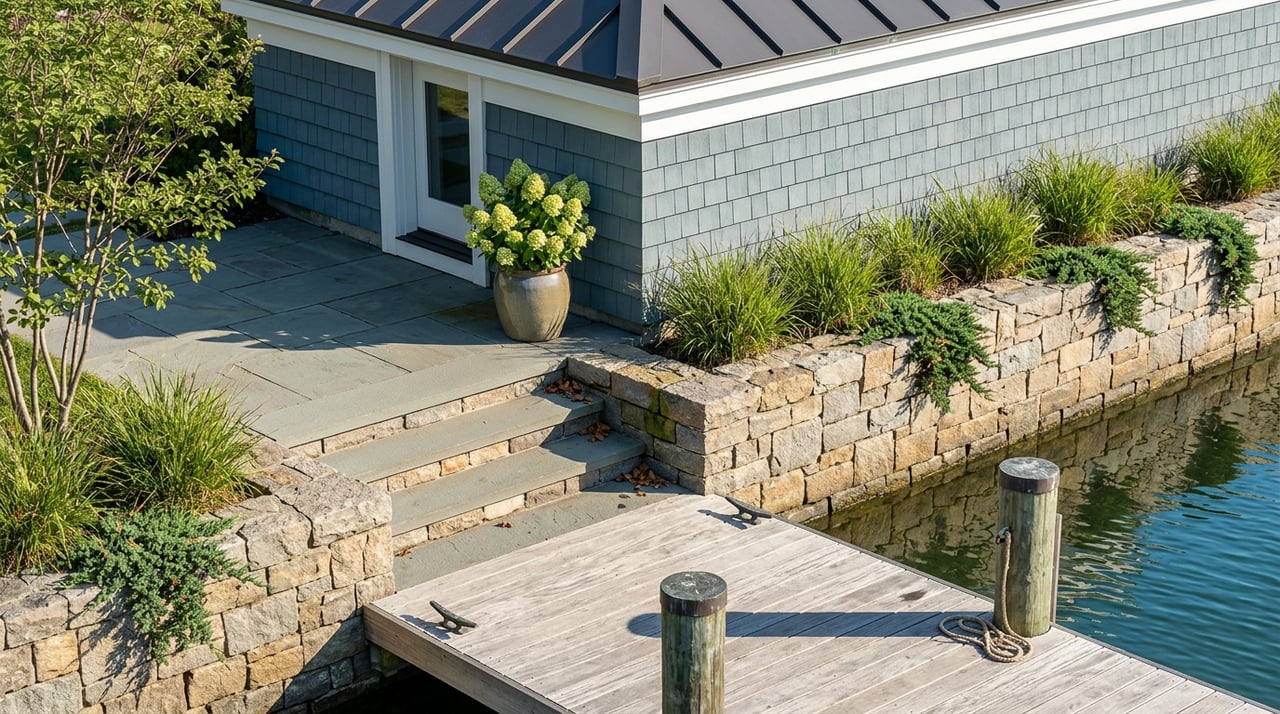
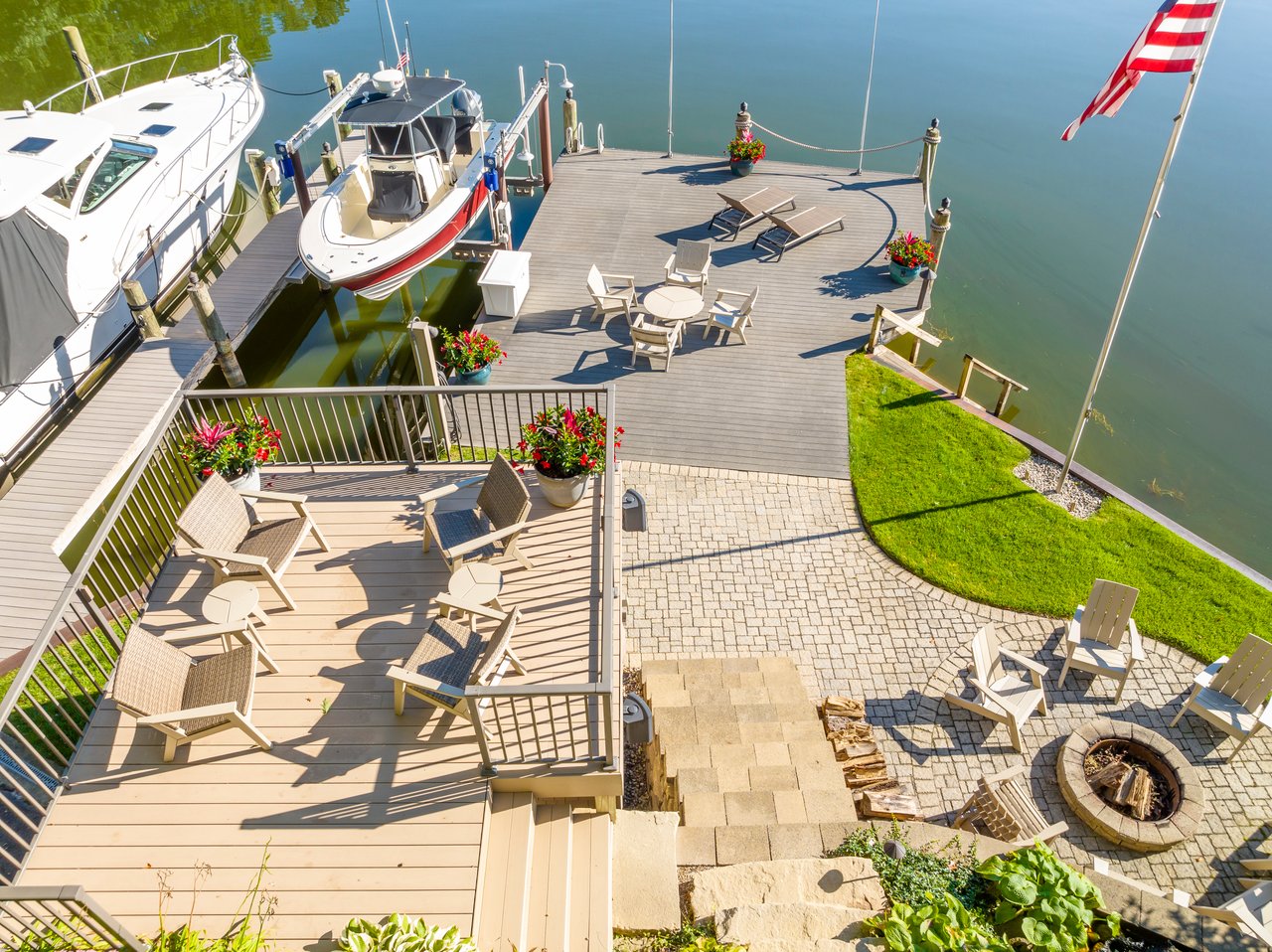
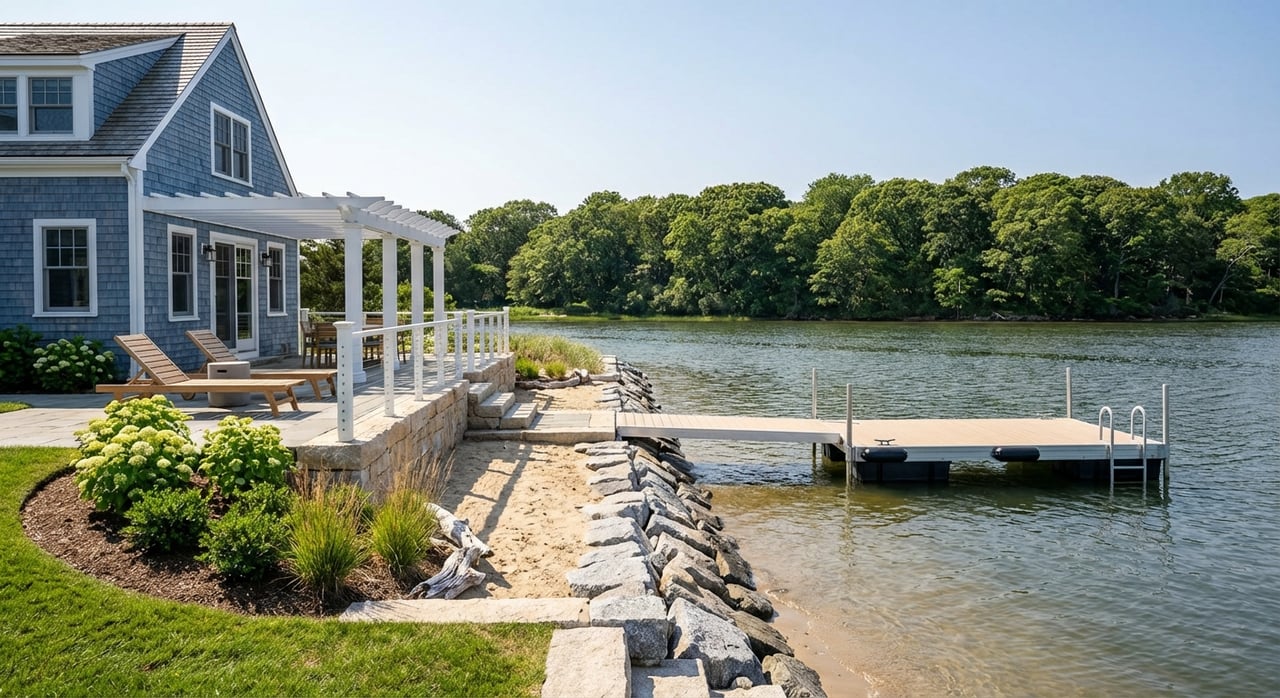
Seawalls, riprap, bluff stabilization, docks, and lifts can affect valuation, insurability, and lender comfort. Appraisers or underwriters may request engineering reports or permit records.
In Michigan, shoreline work is commonly regulated by the Department of Environment, Great Lakes, and Energy (EGLE). Verifying permit history early helps prevent surprises.
Appraisals for waterfront homes
Waterfront appraisals are highly localized. Limited comparables, elevation differences, access, and dockage all factor into value. Some jumbo lenders require appraisal reviews or second opinions for high-value or unique properties.
Maintaining a strong appraisal contingency is especially important on the lakeshore.
Condos and HOAs on the shoreline
Waterfront condos require additional review.
Lenders evaluate:
-
HOA budgets and reserves
-
Master insurance policies
-
Pending or planned special assessments
Some jumbo programs do not allow non-warrantable condos. Gathering HOA documents early can save weeks.
Your jumbo financing game plan
If you’re financing a Lake Michigan waterfront home, this approach helps keep things on track:
-
Get preapproved with a lender experienced in Great Lakes waterfront properties
-
Plan for 20%+ down and 6–12 months of reserves
-
Order flood and insurance quotes early
-
Build in extra time for appraisals and shoreline documentation
-
For condos, request HOA documents before writing the offer
-
Verify shoreline permits through EGLE and local records
How we help you win the shoreline
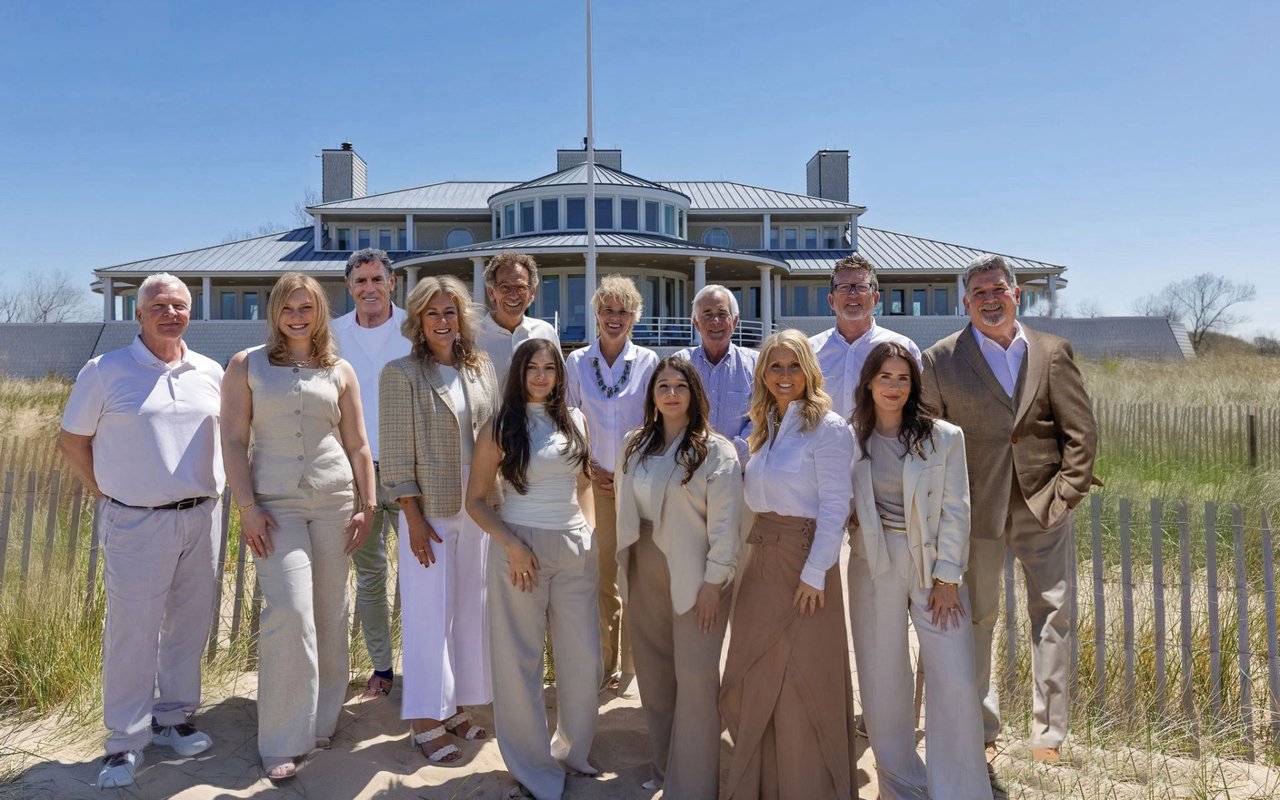
Lake Michigan waterfront purchases come with unique details—docks, bluff conditions, flood zones, HOA reviews, and specialized appraisals. Our team specializes in West Michigan waterfront and luxury properties, and we work closely with lenders, appraisers, title teams, and insurers who understand the shoreline.
Whether you’re buying with cash or financing strategically, we help manage the details so you can focus on the lifestyle.
Ready to explore Lake Michigan waterfront opportunities across West Michigan? Connect with the Andrea Crossman Group to map your next move.