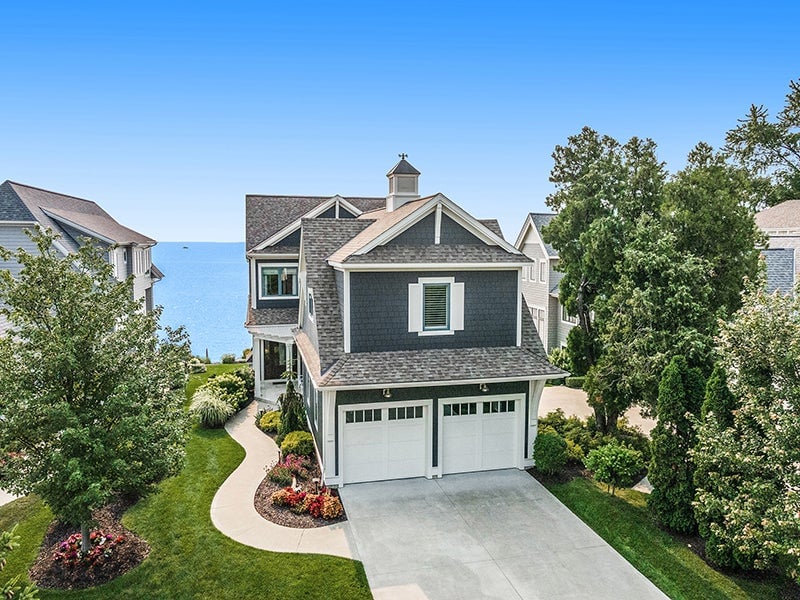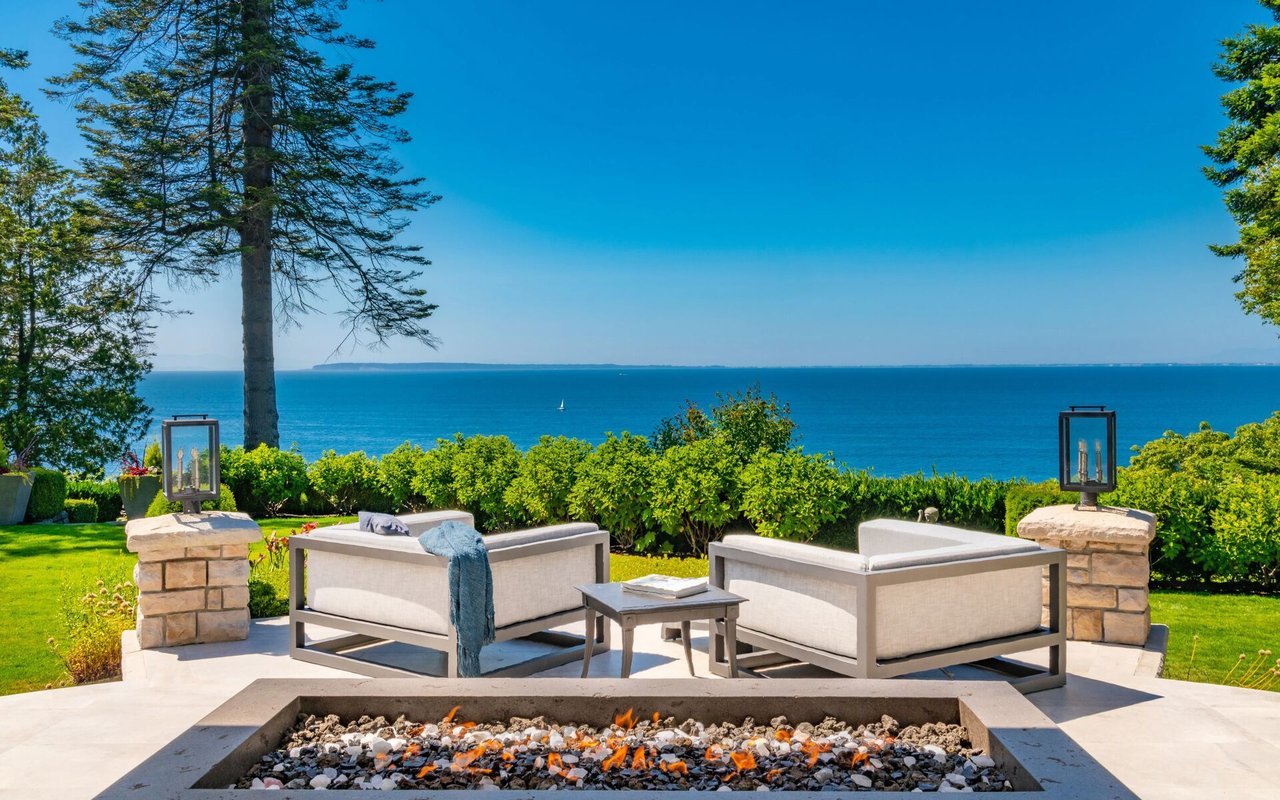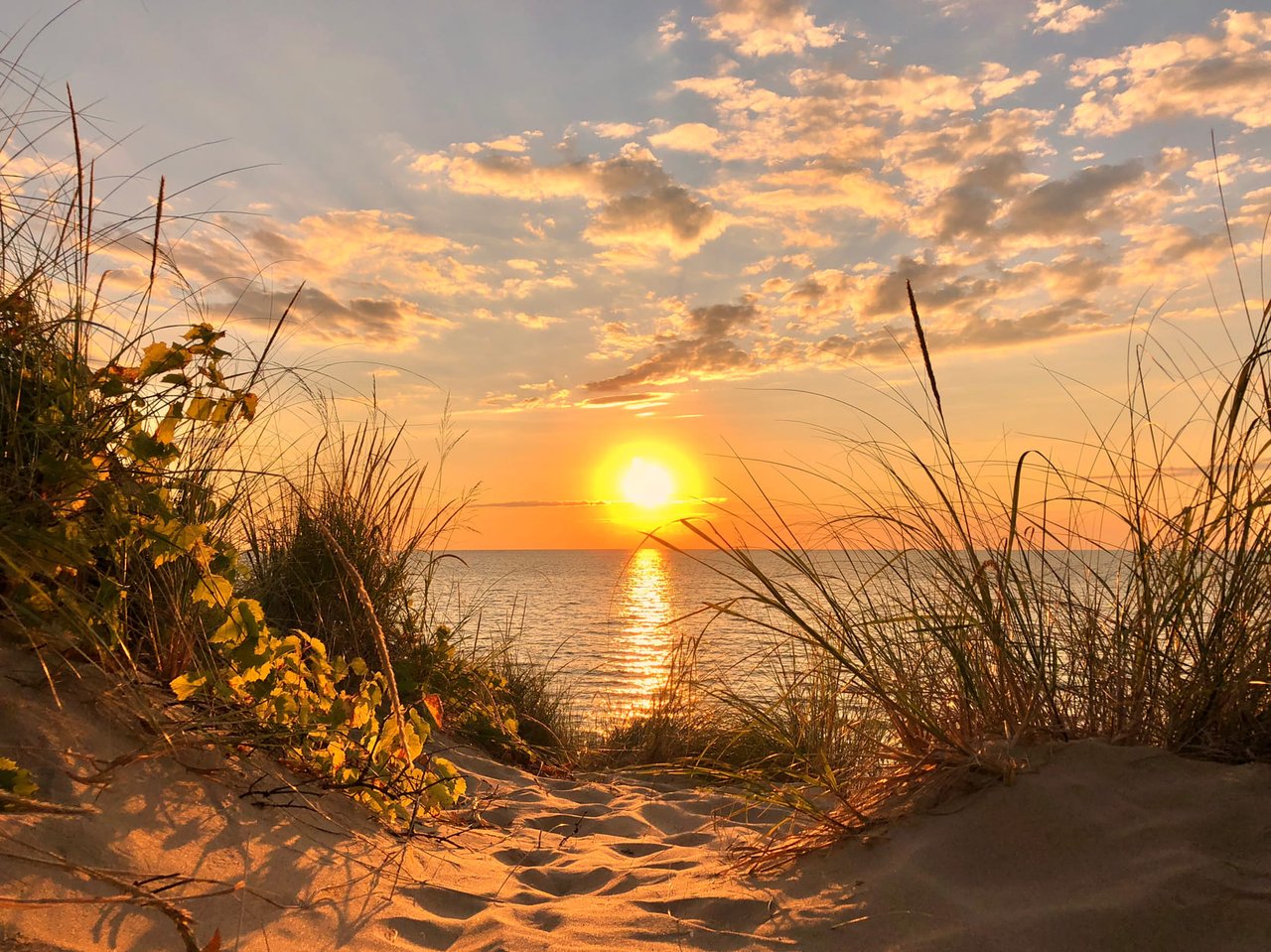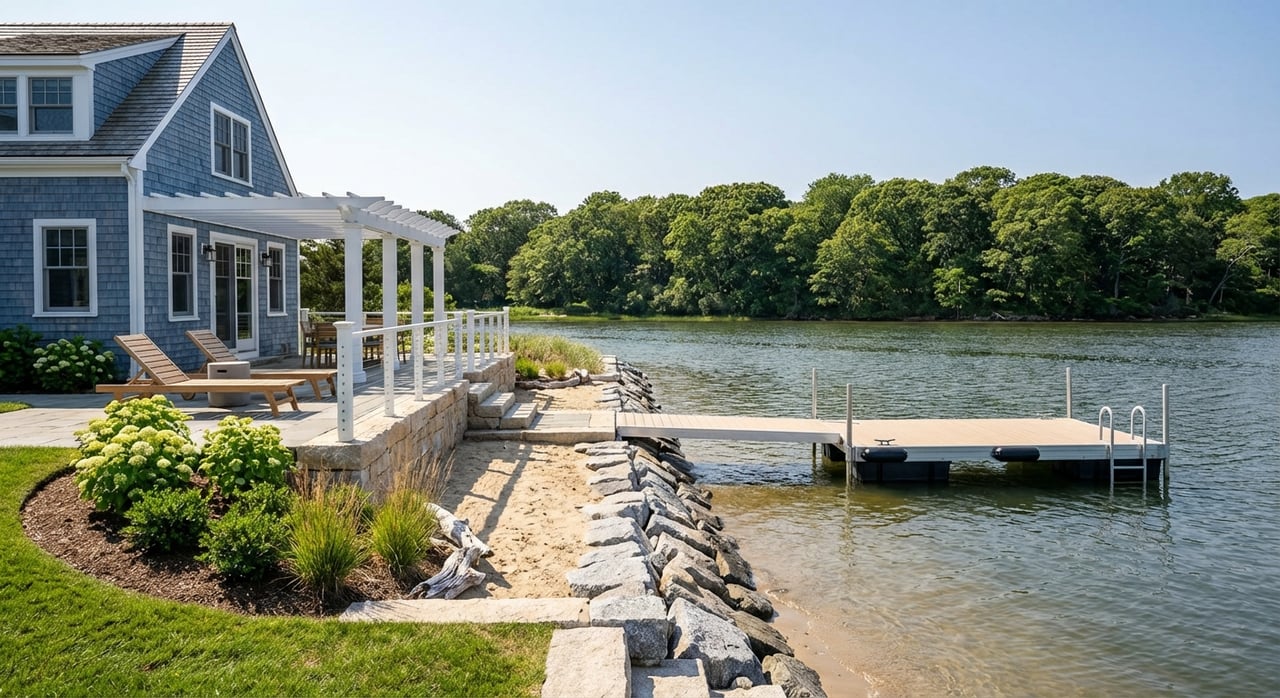
Thinking about listing your Holland waterfront home this spring? The weeks between late April and June are when West Michigan truly shines, and that timing can make a real difference for your results. You want buyers focused on sparkling water, green lawns, and safe, ready-to-enjoy shoreline features, not winter leftovers or repair questions. This guide gives you a clear, step-by-step plan to prepare your property, time your photos, stage for views, and handle the local details that matter in the Holland, Ottawa County market. Let’s dive in.
Get the timing right for spring
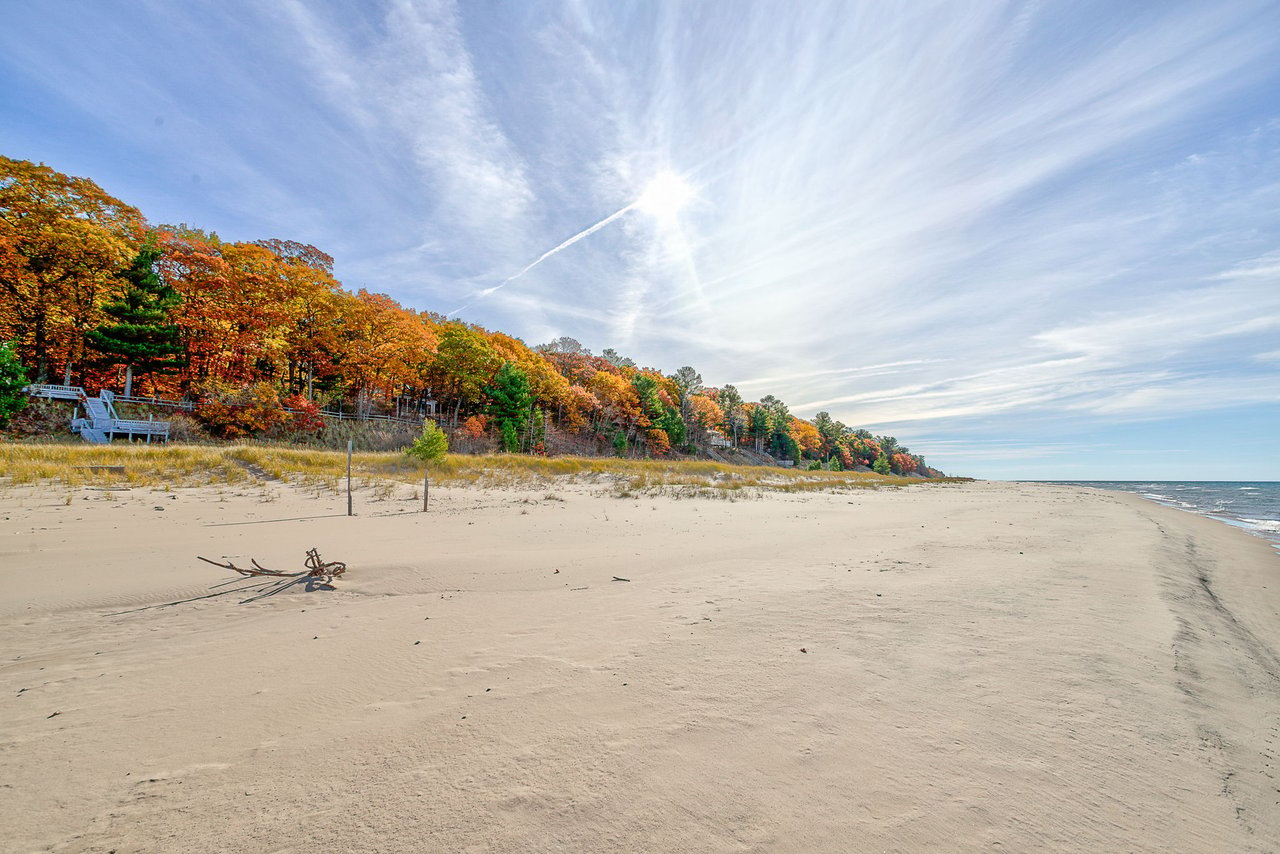
Spring arrives in stages along the lakeshore. In the Holland area, lawns and trees usually green up from late April into May. Listing before this can make your exterior look flat and limit photo appeal. Plan repairs and prep in March and early April so you can hit the market when the property looks its best.
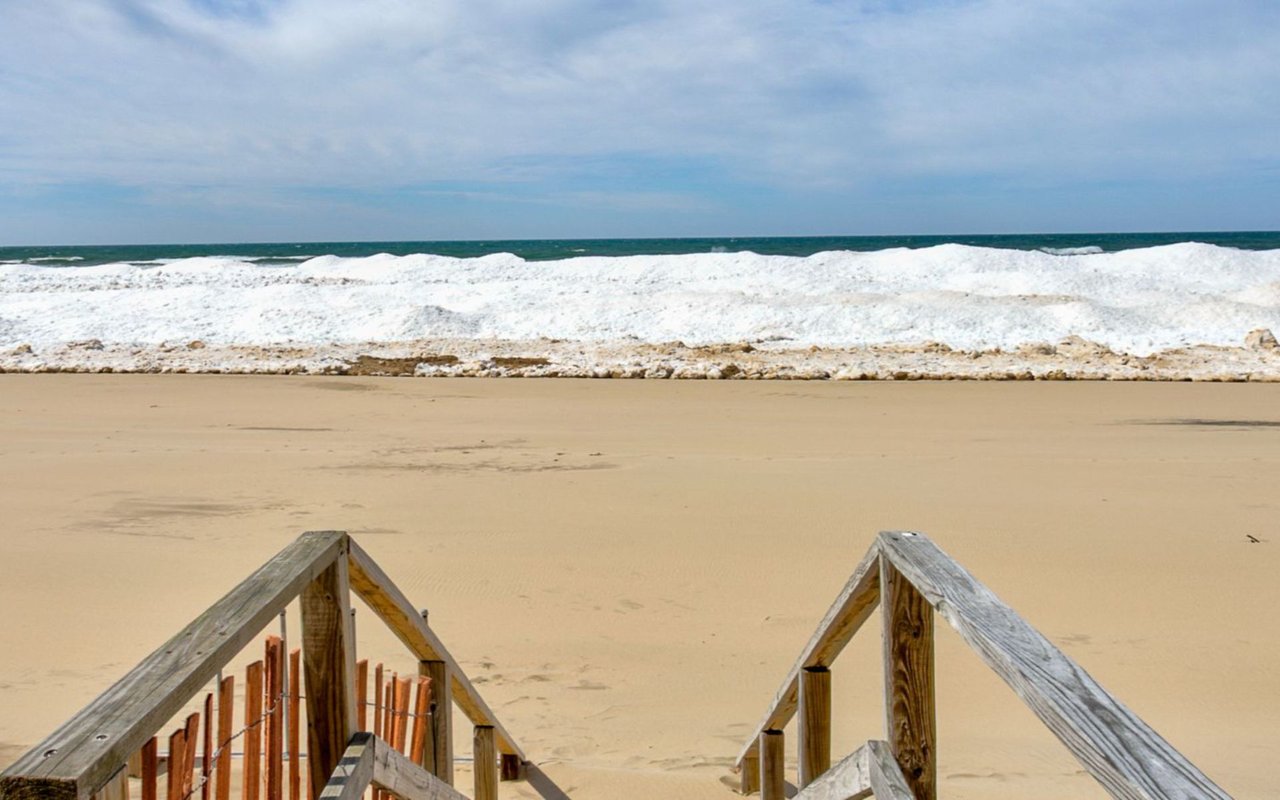
Great Lakes water levels have been variable in recent years, and buyers pay attention. Be ready to speak to shoreline stability, dock condition, and any floodplain considerations. If you are on Lake Michigan, exposure to wind and waves is a larger factor. If you are on Lake Macatawa or a connected inland lake, buyers often focus on navigability, dock access, and protected-water benefits.
Elevate curb appeal and exterior basics
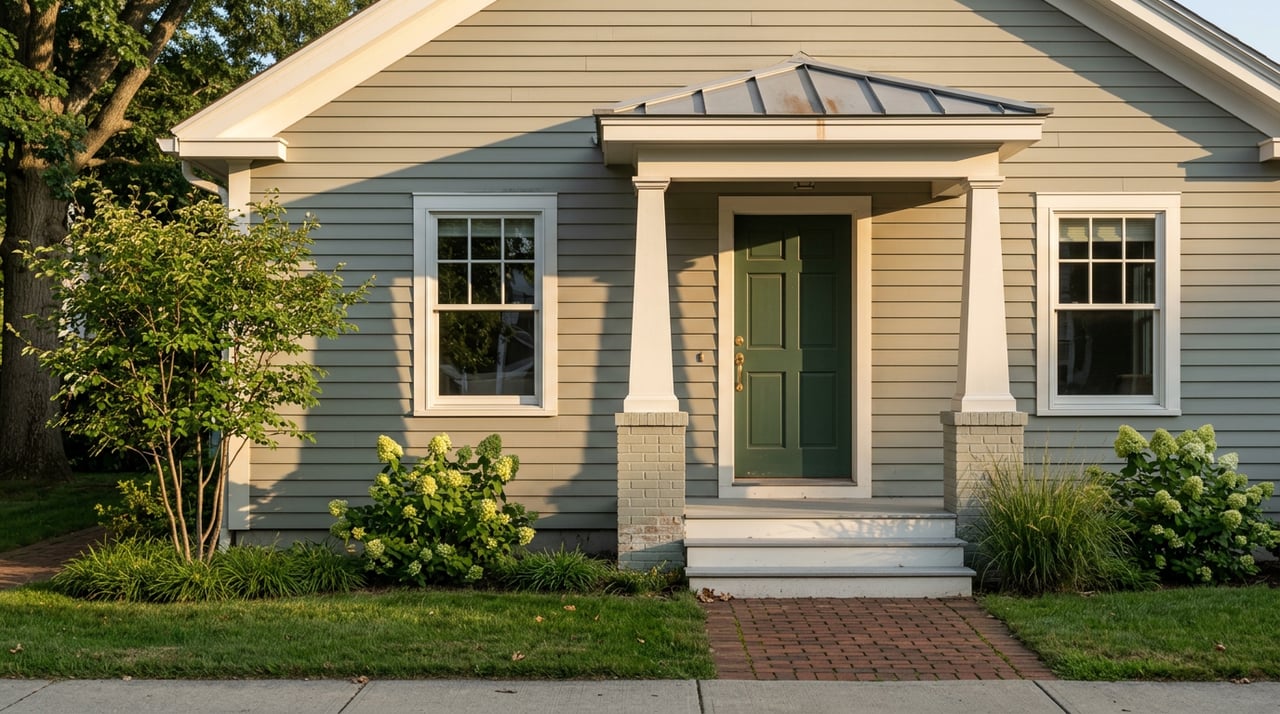
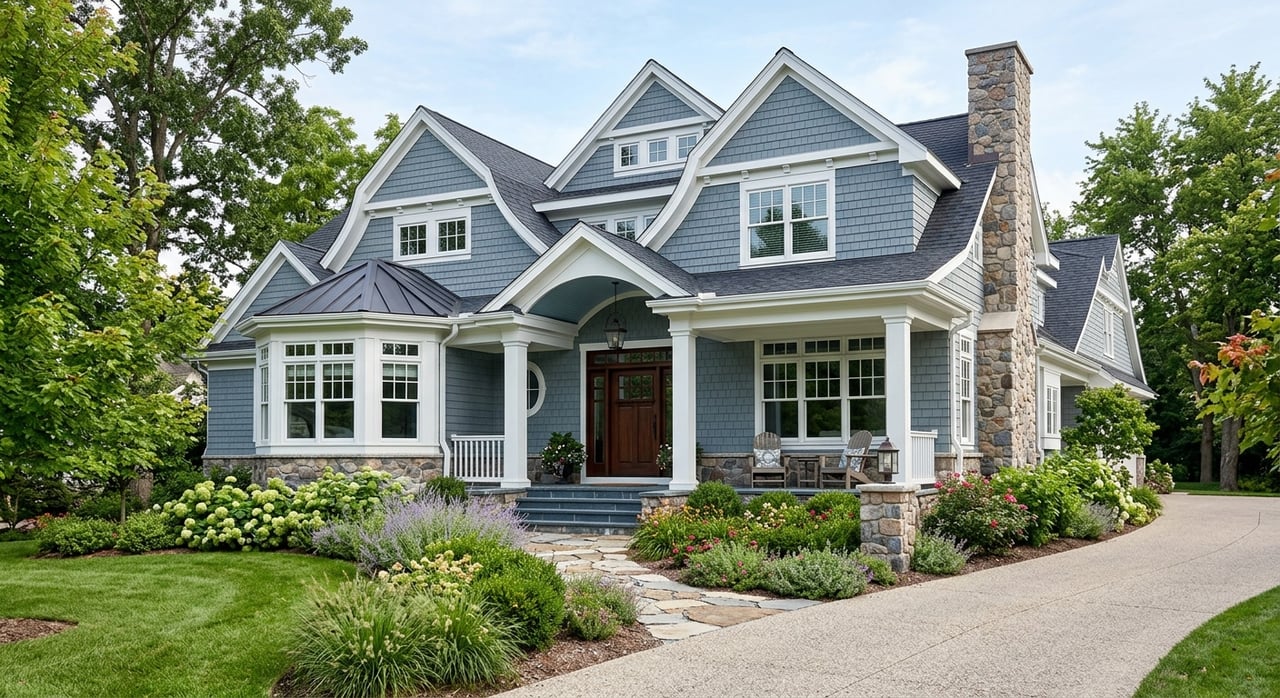
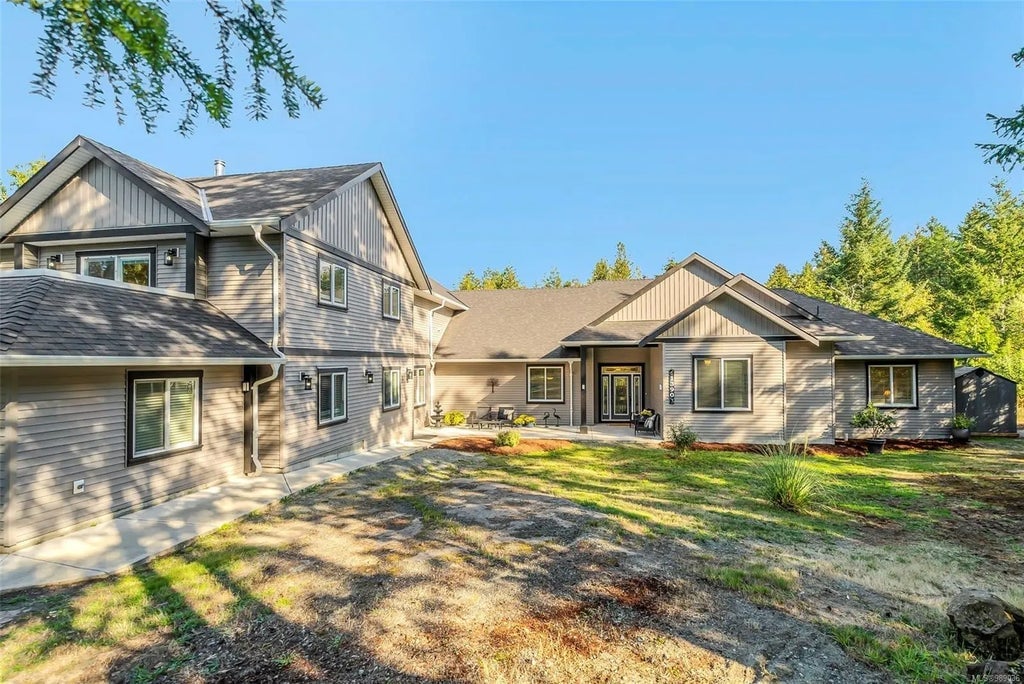
A clean, safe, and well-kept exterior signals that the rest of the property is cared for.
Lawn and landscape refresh
- Dethatch and overseed as needed in early spring so grass is green by photo time.
- Remove leaves and winter debris, then edge beds for crisp lines.
- Refresh mulch or gravel where it has thinned.
Trim for views and safety
- Prune dead or damaged limbs and remove growth that blocks line-of-sight to the water.
- Clear low branches that hang over paths and seating areas.
- Address hazards like limbs over roofs or patios.
Roof, siding, and gutters
- Clean gutters and downspouts and check for loose sections.
- Inspect shingles and flashing for ice and freeze-thaw damage.
- Wash siding where mildew or grime shows. A light pressure wash often pays off.
Driveways and hardscapes
- Repair cracks and trip hazards on walks and steps.
- Clean oil stains and sweep sand and salt from winter.
- Touch up paint or stain on railings and exterior doors.
Shoreline, seawalls, and erosion control
Waterfront buyers look closely at shoreline condition and documentation. Visible deferred maintenance can affect offers and inspections.
Seawalls, bulkheads, and natural edges
- Have a qualified professional evaluate any seawalls or retaining structures for bowing, gaps, or cracking.
- Tidy riprap and rockwork and remove washed-up debris.
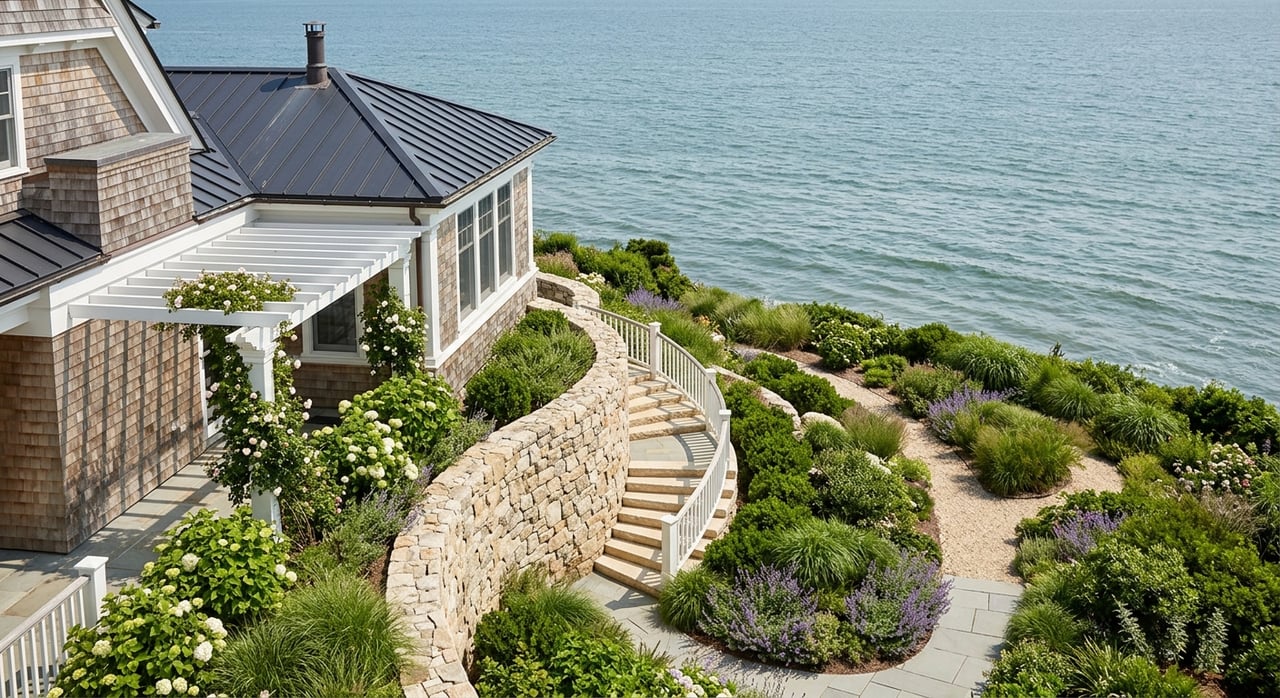
- Maintain or establish native vegetative buffers where appropriate. They help stabilize banks and appeal to buyers who value stewardship.
- Collect records for any past or recent shoreline work, including permits and contractor invoices.
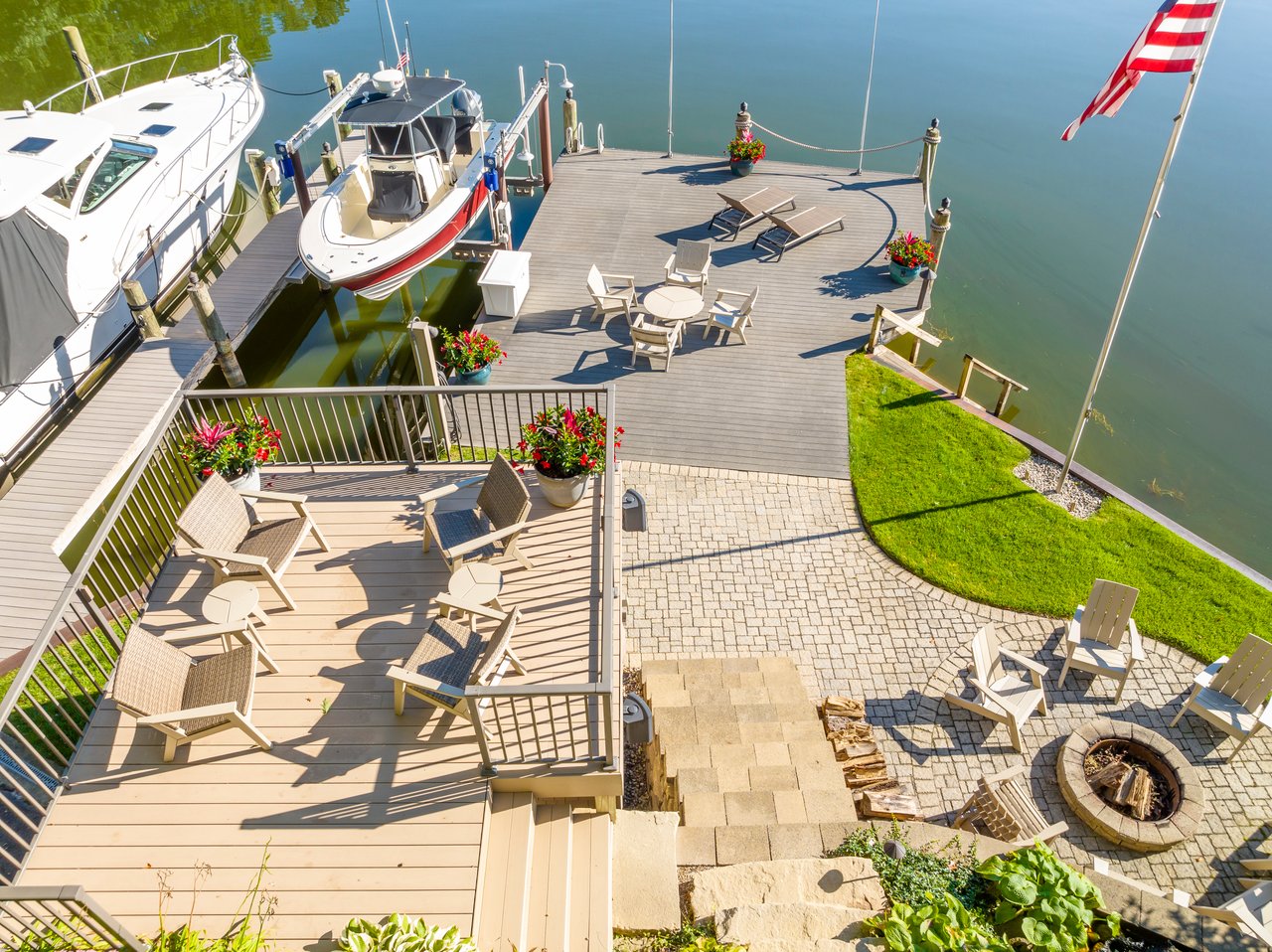
Dock, pier, and boat-lift readiness
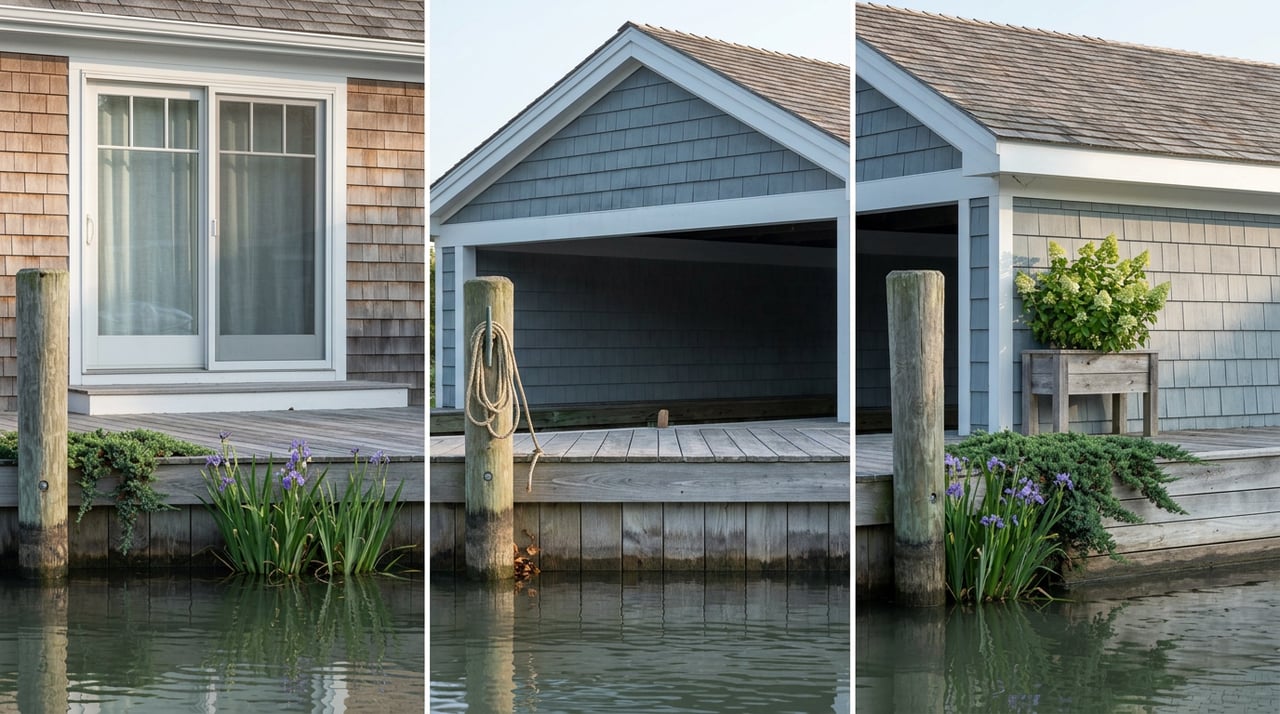
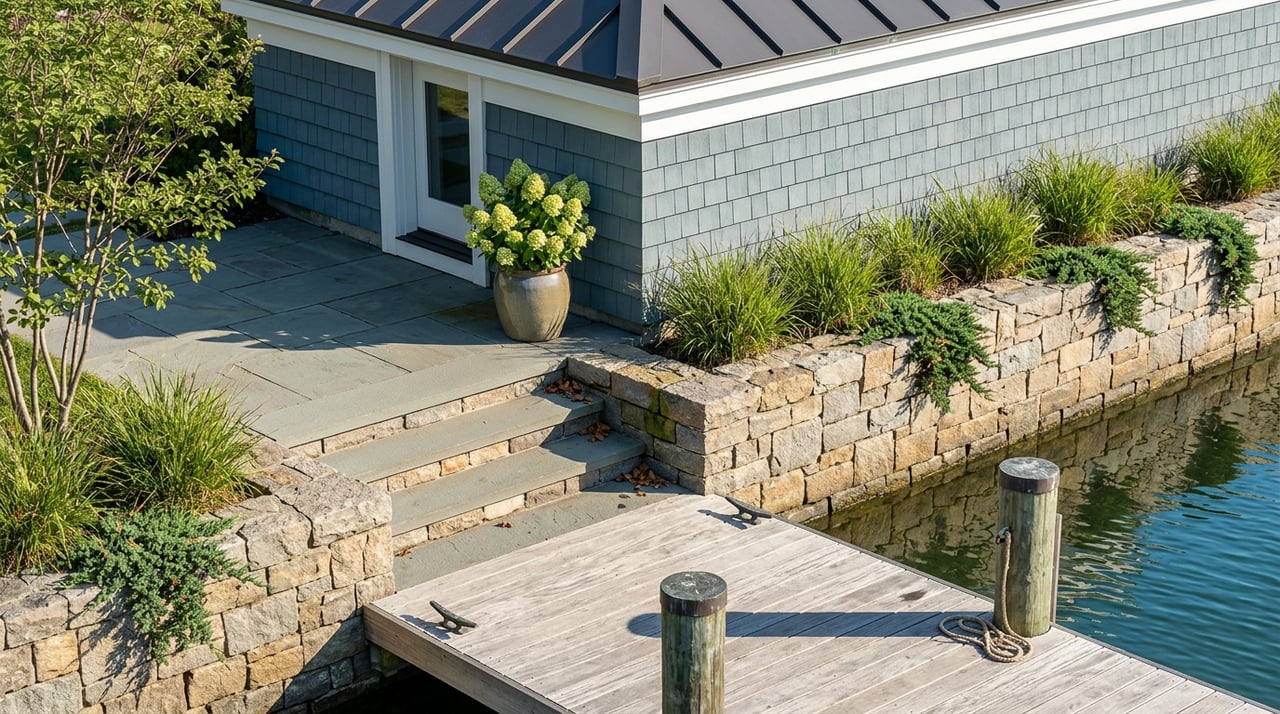
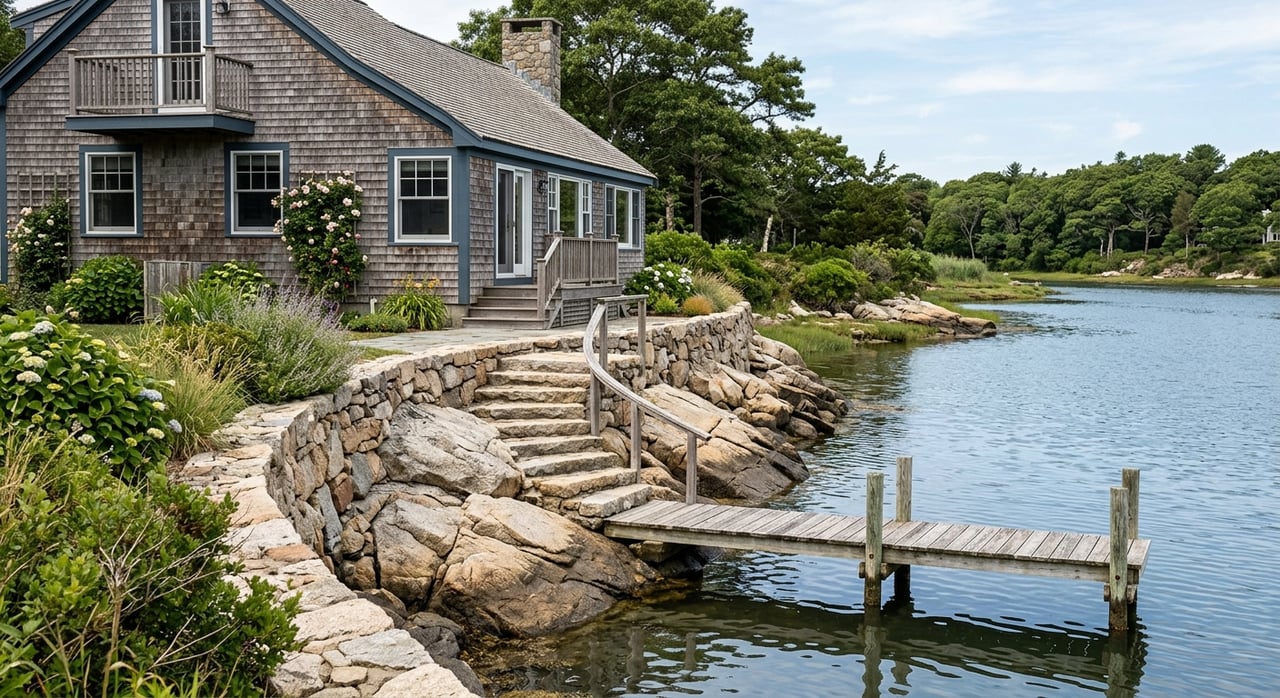
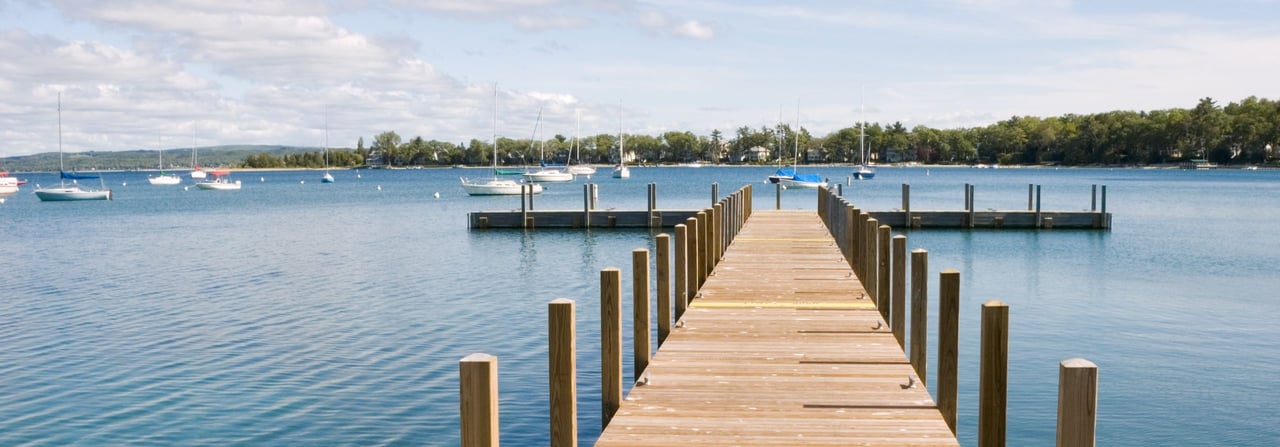
- Repair loose or rotted boards and confirm railings, cleats, and ladders are secure.
- Ensure electrical components are GFCI-protected and professionally installed.
- Service lift mechanisms and inspect floats, bumpers, and anchor lines.
- Stage a safe approach to the dock and remove trip hazards. If an area is not safe, gate or mark it off until repaired.
- Assemble permits or operator records for original installation and repairs. Buyers and inspectors ask for them.
Septic, well, and water management
- If you have septic, gather inspection and pumping history. Waterfront buyers often request documentation.
- Provide recent well flow or water quality tests if you have them.
- Test sump pumps and confirm foundation drains are working. Battery backups are a plus.
Insurance and disclosures
- Identify whether your parcel is in a regulated floodplain and be ready to discuss insurance availability.
- Disclose known flooding events, shoreline damage, or past claims. Transparency builds trust.
Stage for views and the waterfront lifestyle
Staging on the lakeshore is about directing attention to the water and showing easy outdoor living.
Interior staging that centers the view
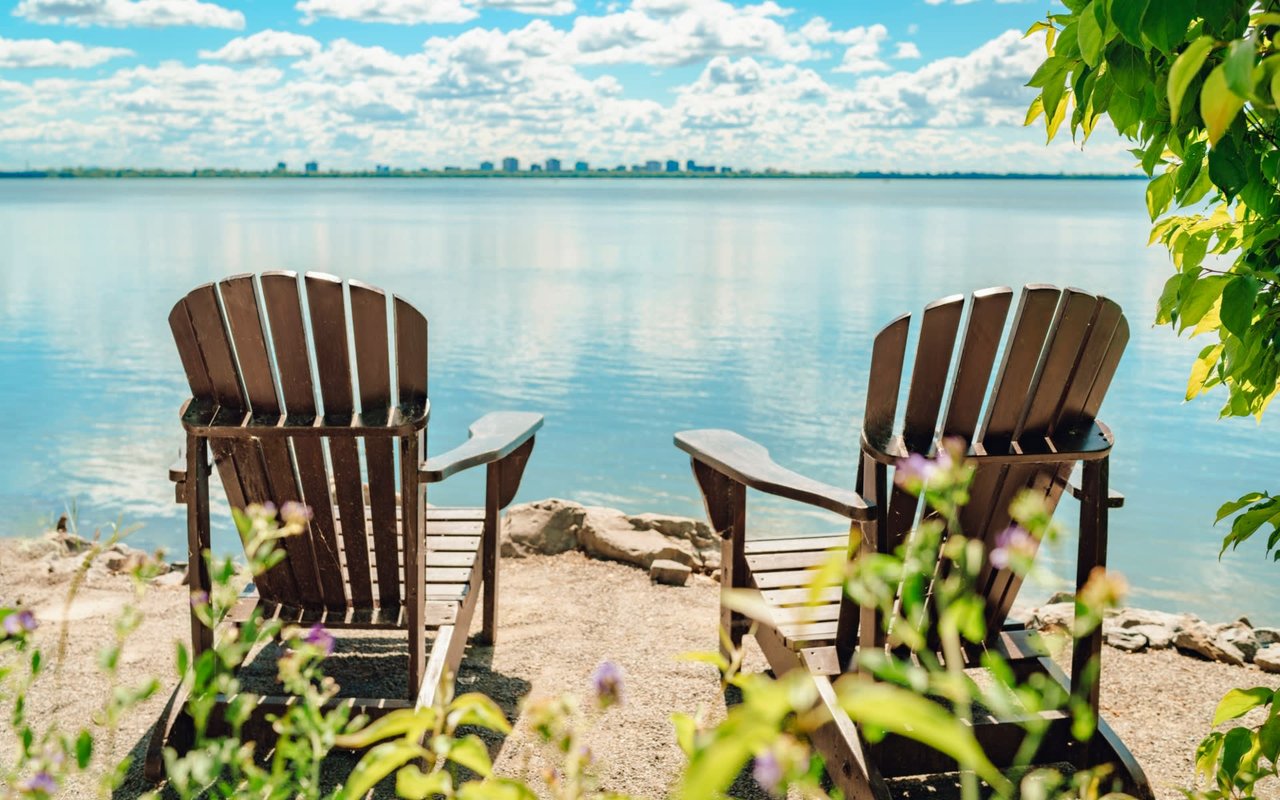
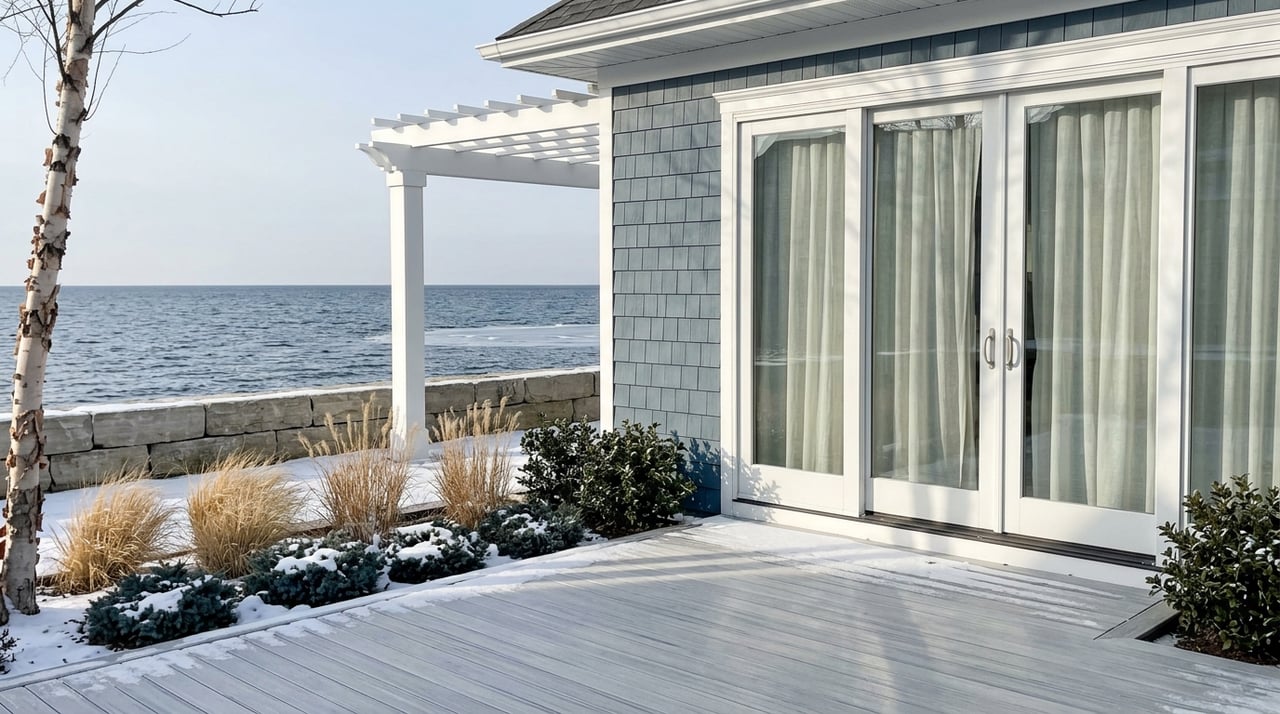
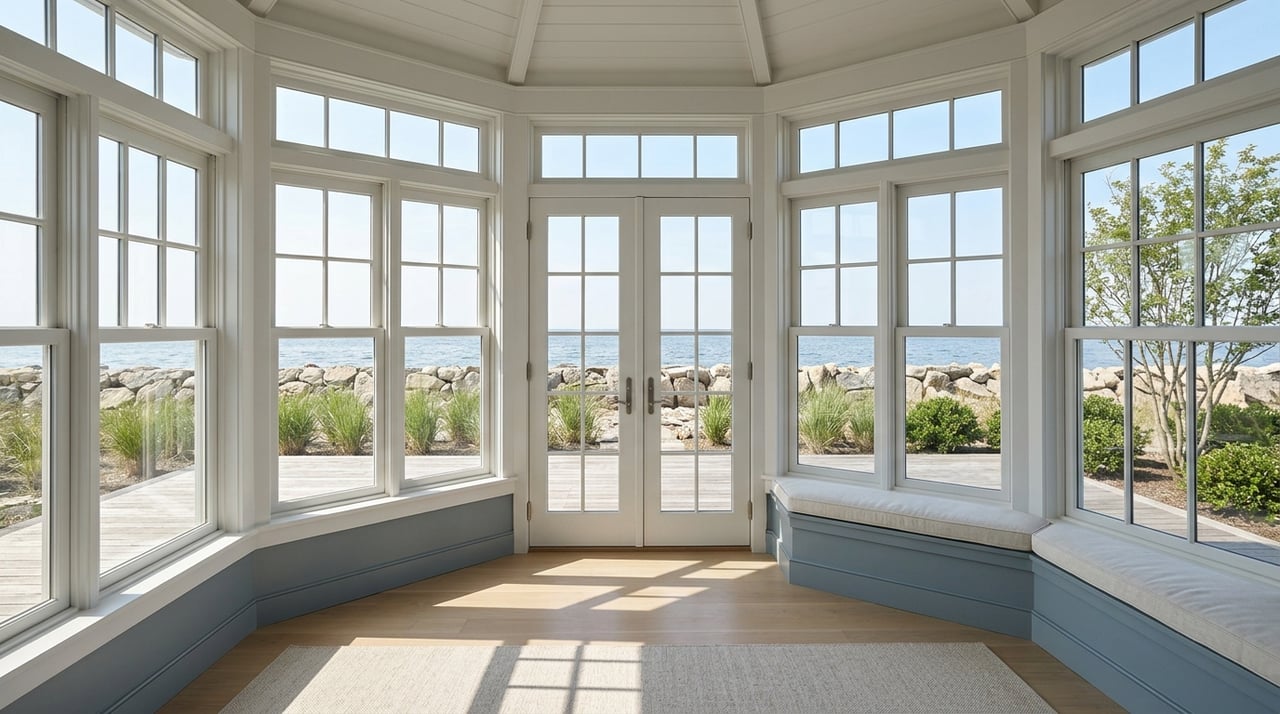
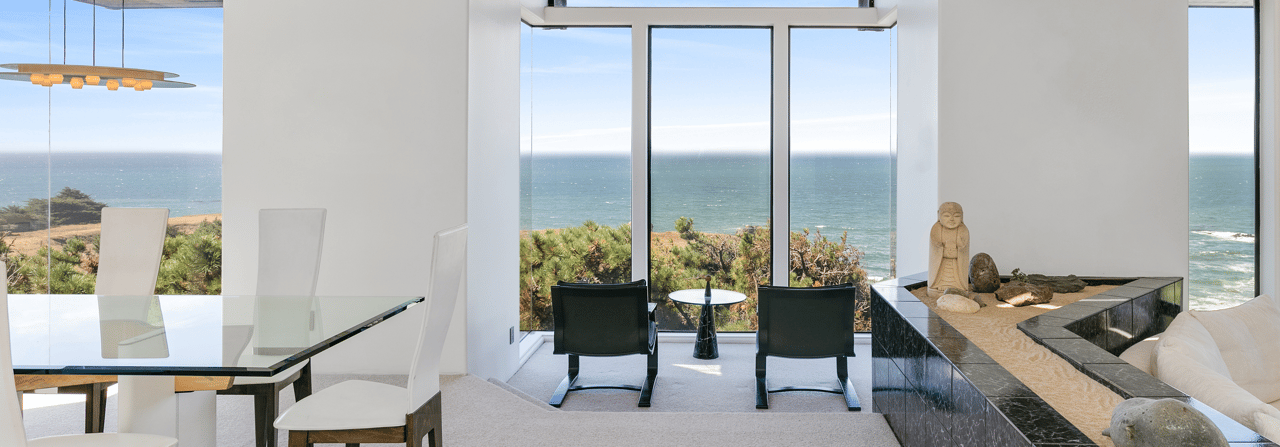
- Remove heavy draperies and open blinds so sightlines point to the lake.
- Keep window sills and slider thresholds clear of clutter.
- Use light, neutral colors so the room feels bright and the view stands out.
- Store away ropes, life jackets, and gear that can distract in entry or mudroom areas.
Outdoor rooms with purpose
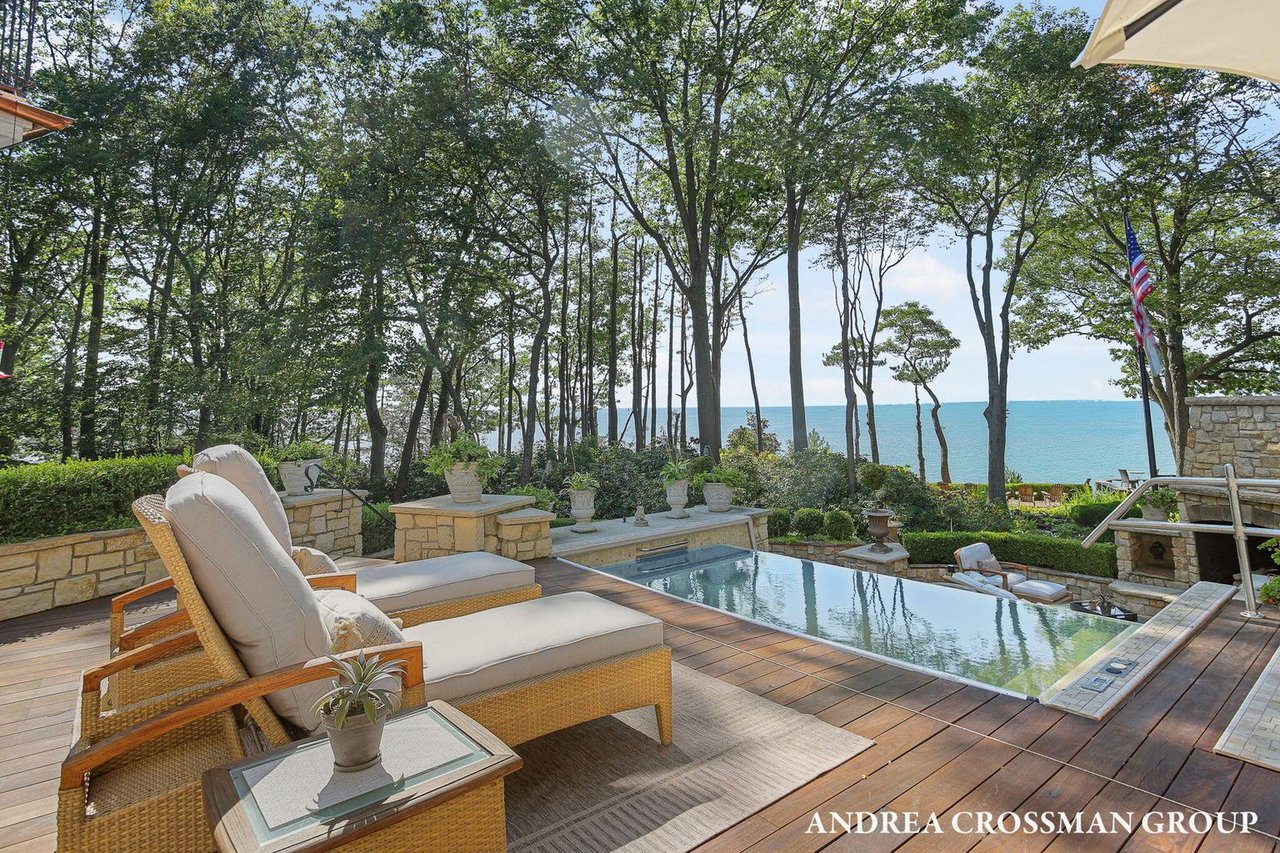
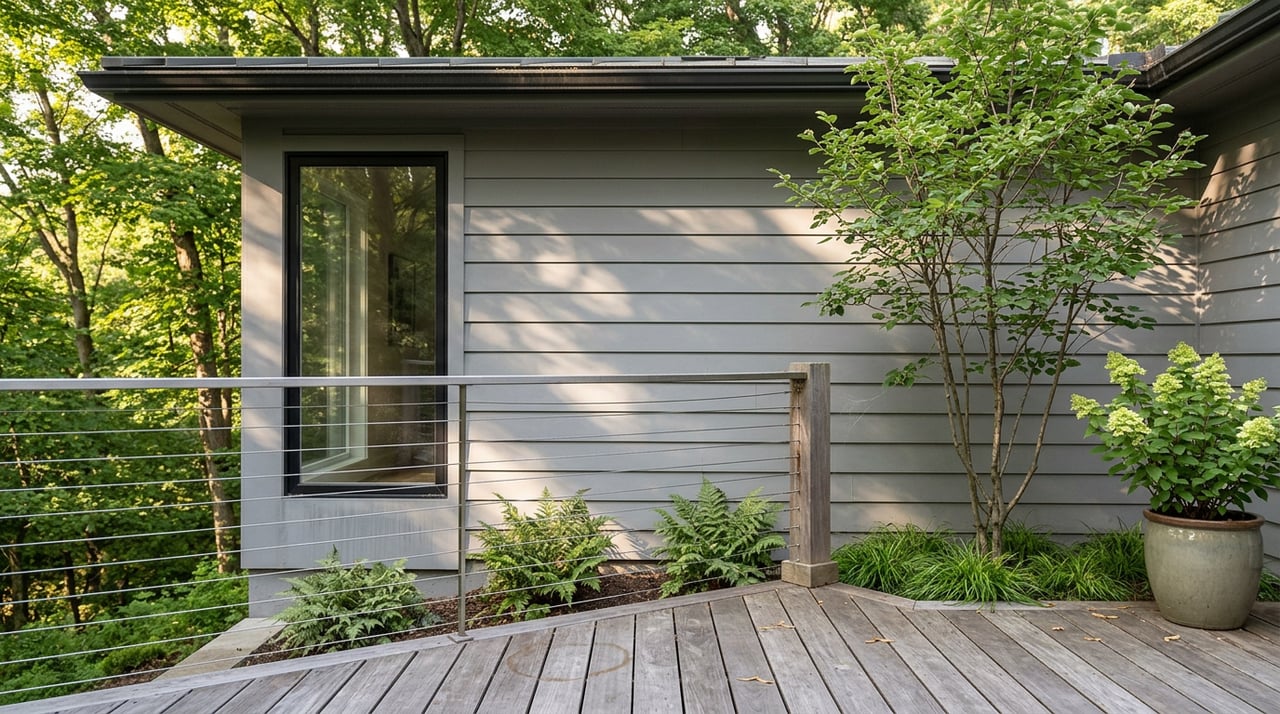
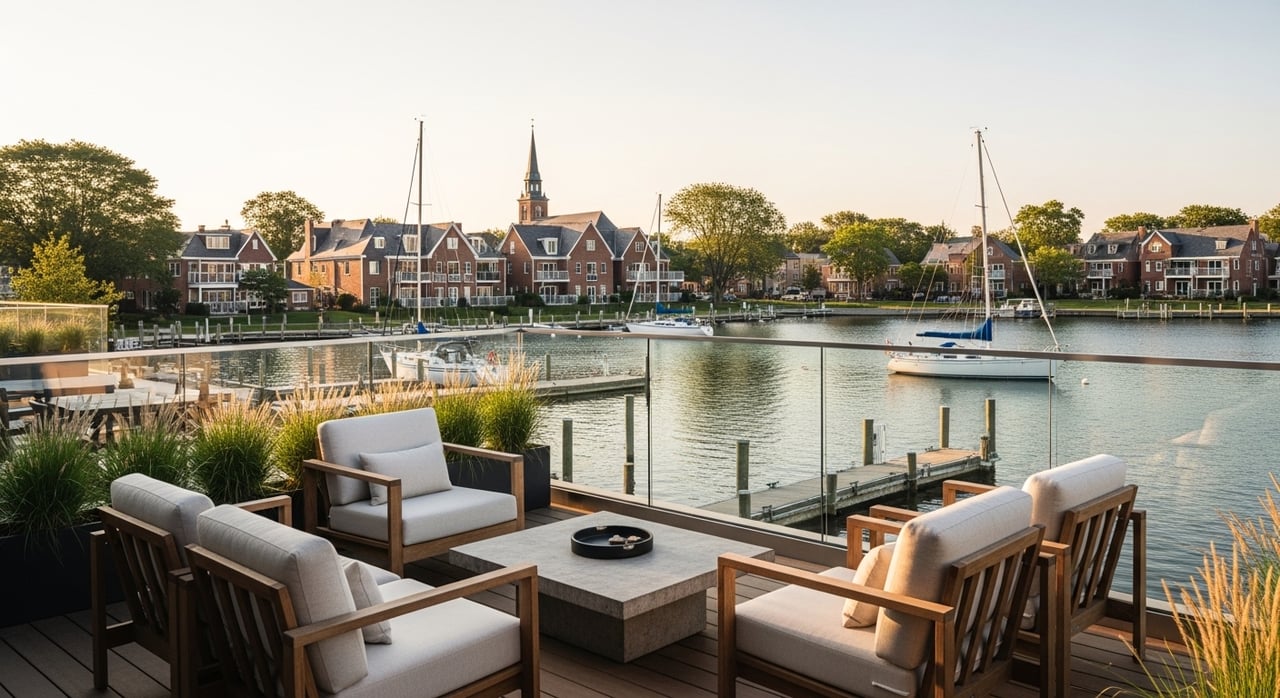
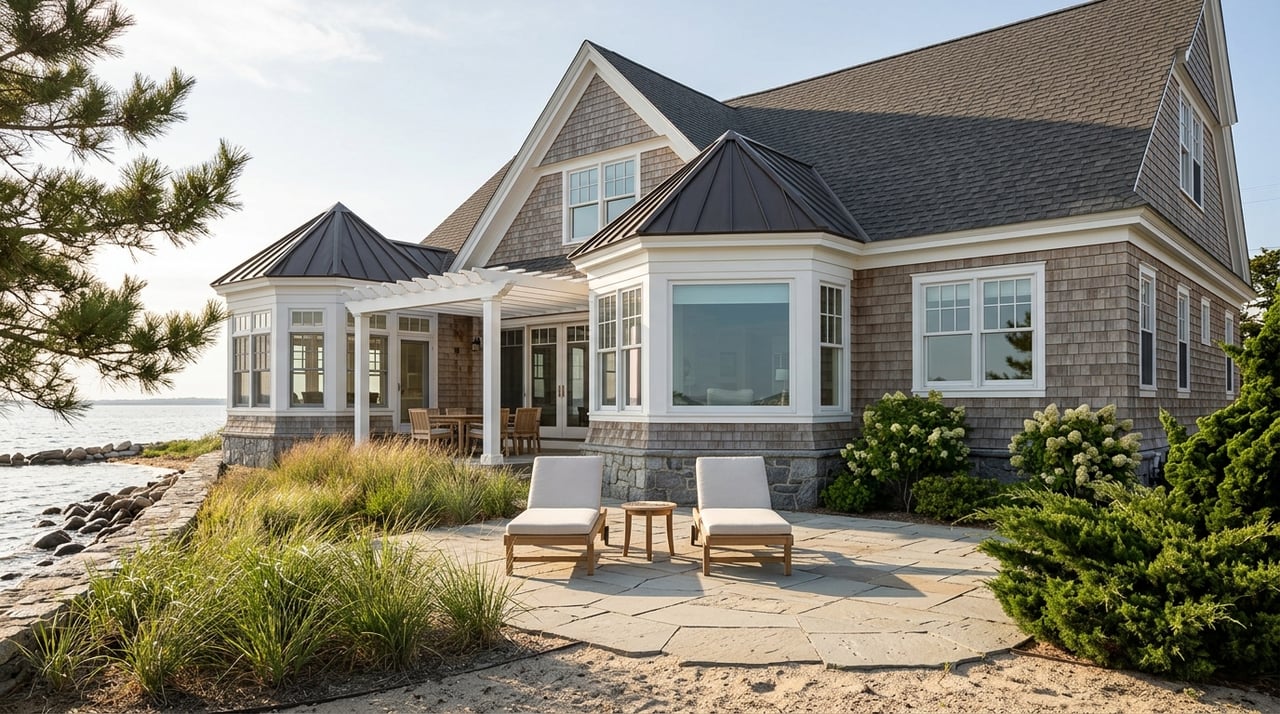
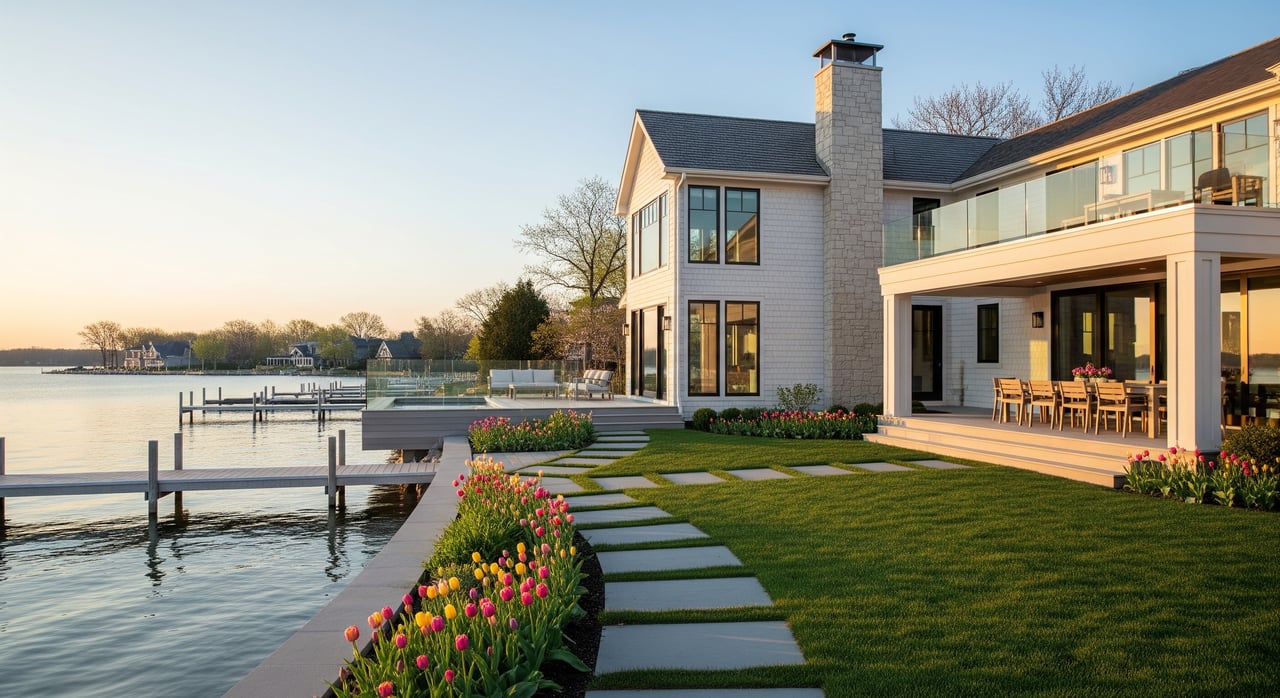
- Arrange simple, clean-lined furniture on the deck or lawn for dining and lounging.
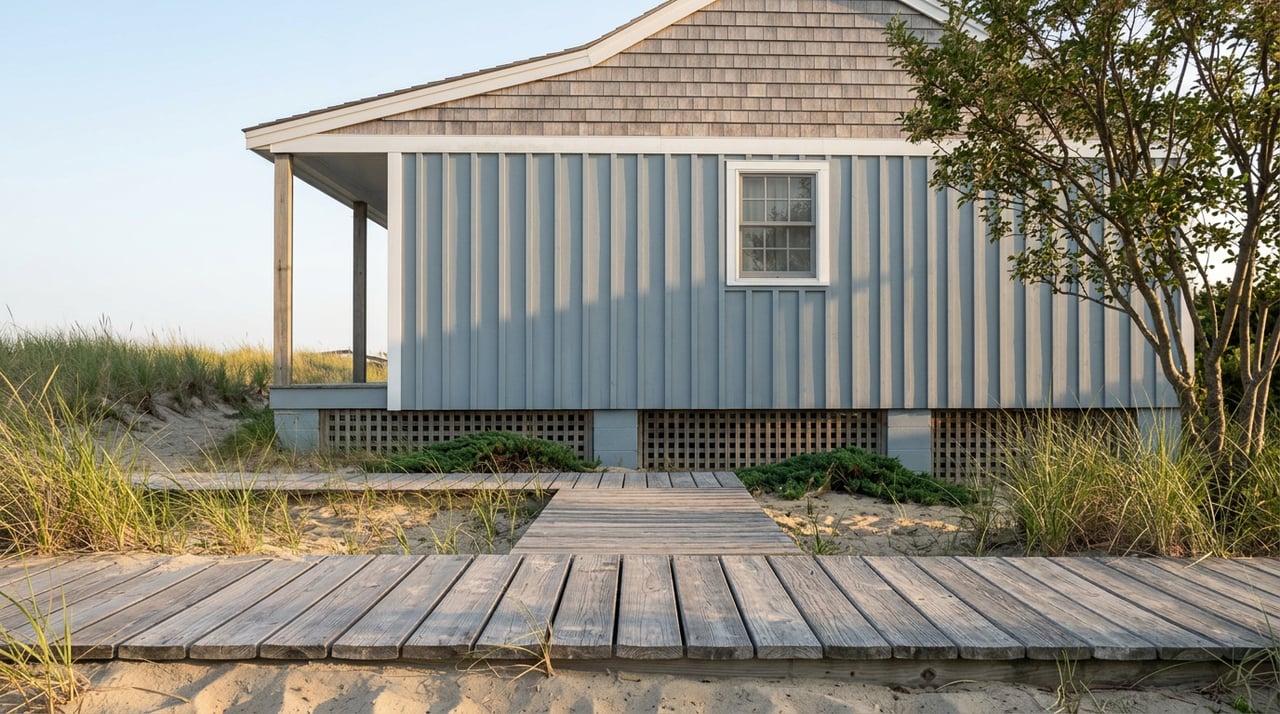
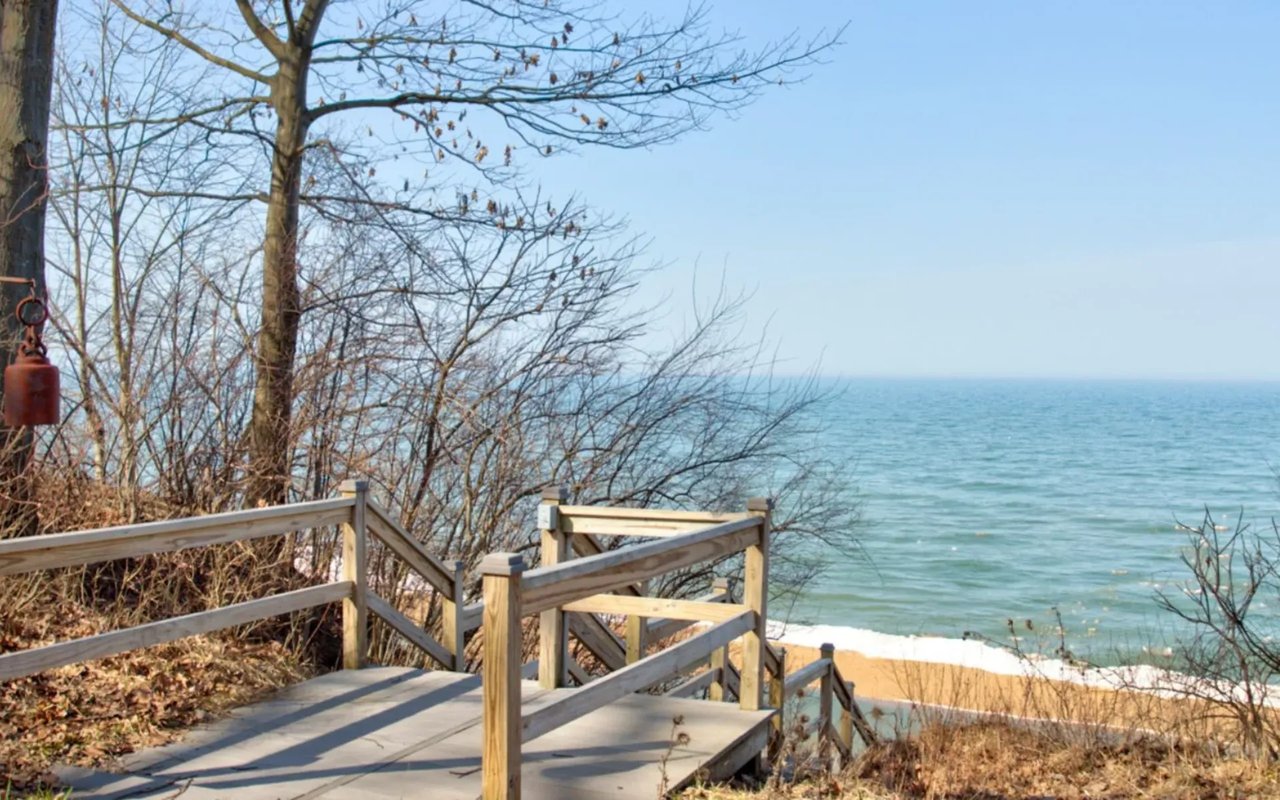
- Keep a clear, attractive path from the house to the dock or beach.
- Add modest spring accents like potted plants and fresh cushions, but avoid over-decorating.
- Balance privacy with sightlines. Trim for views while respecting neighbor proximity.
Safety and showing flow
- Make sure gates, ladders, and steps to the water are functional and safe.
- Relocate personal watercraft and pet items away from main viewing zones.
- Keep maintenance logs and warranties handy for showings.
Visual merchandising for your listing
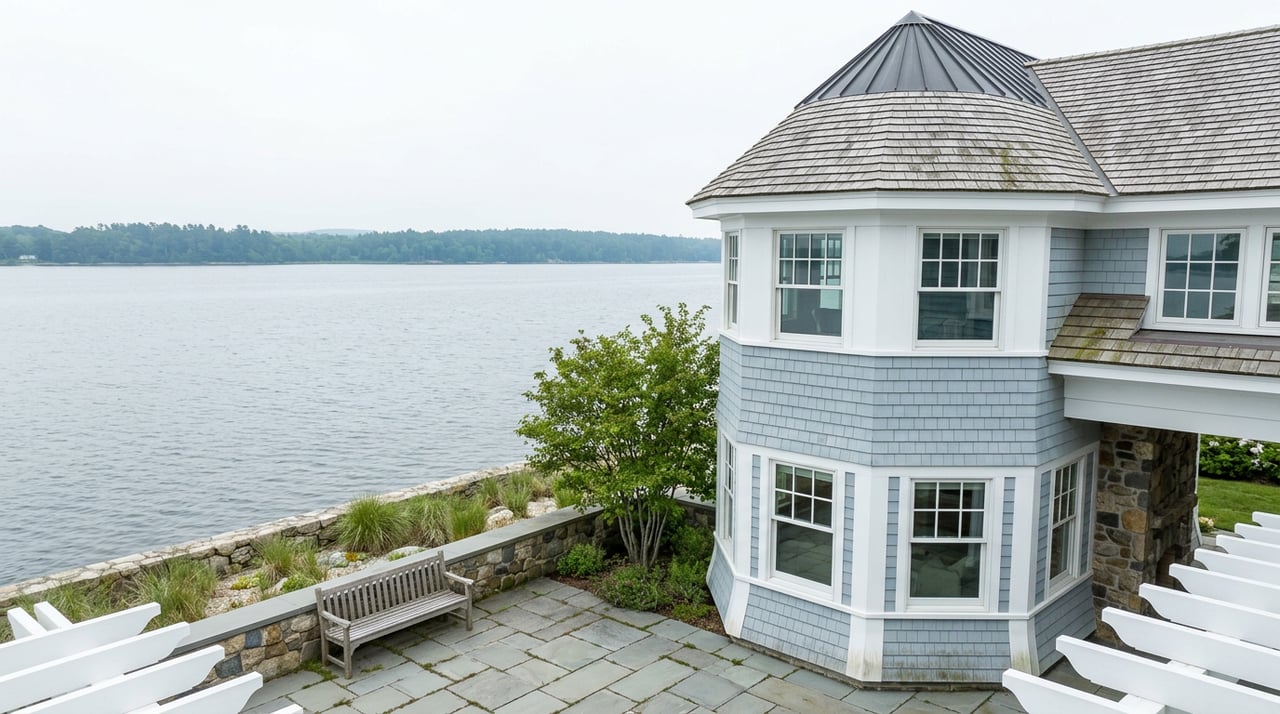
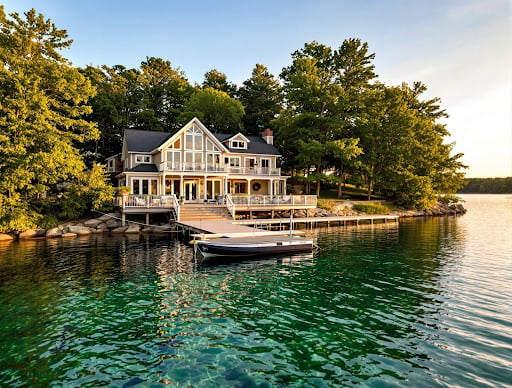
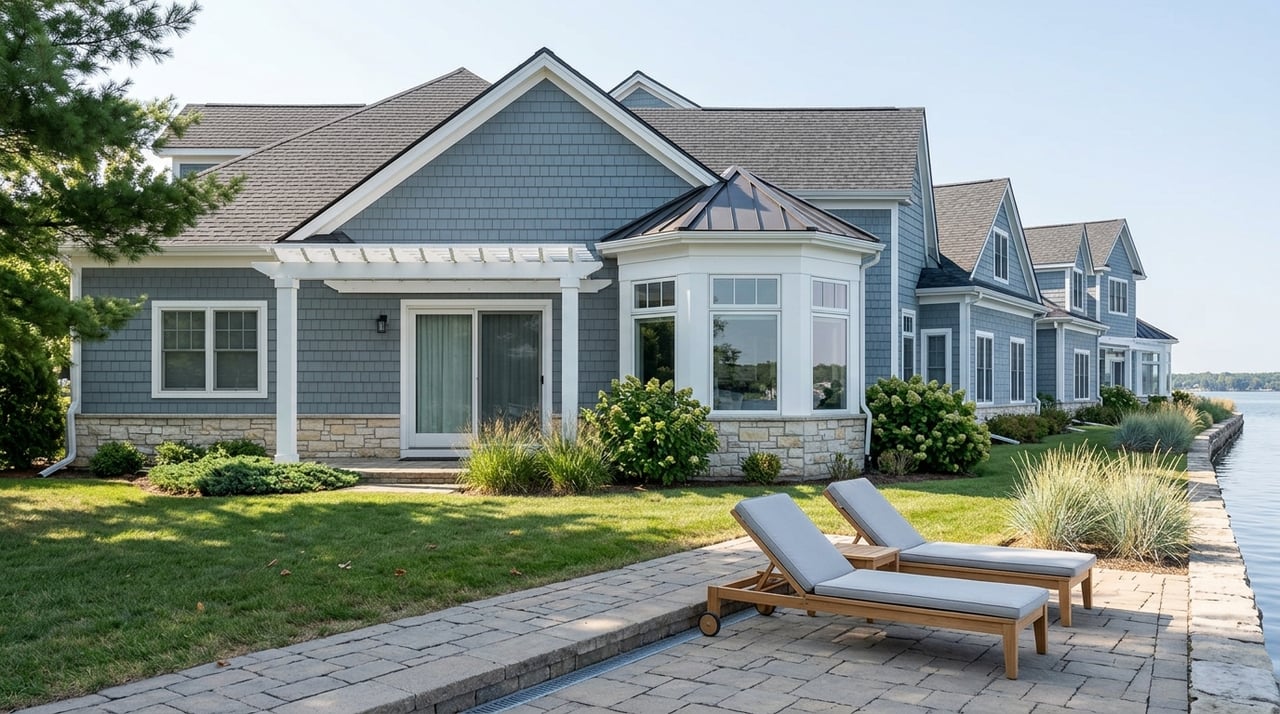
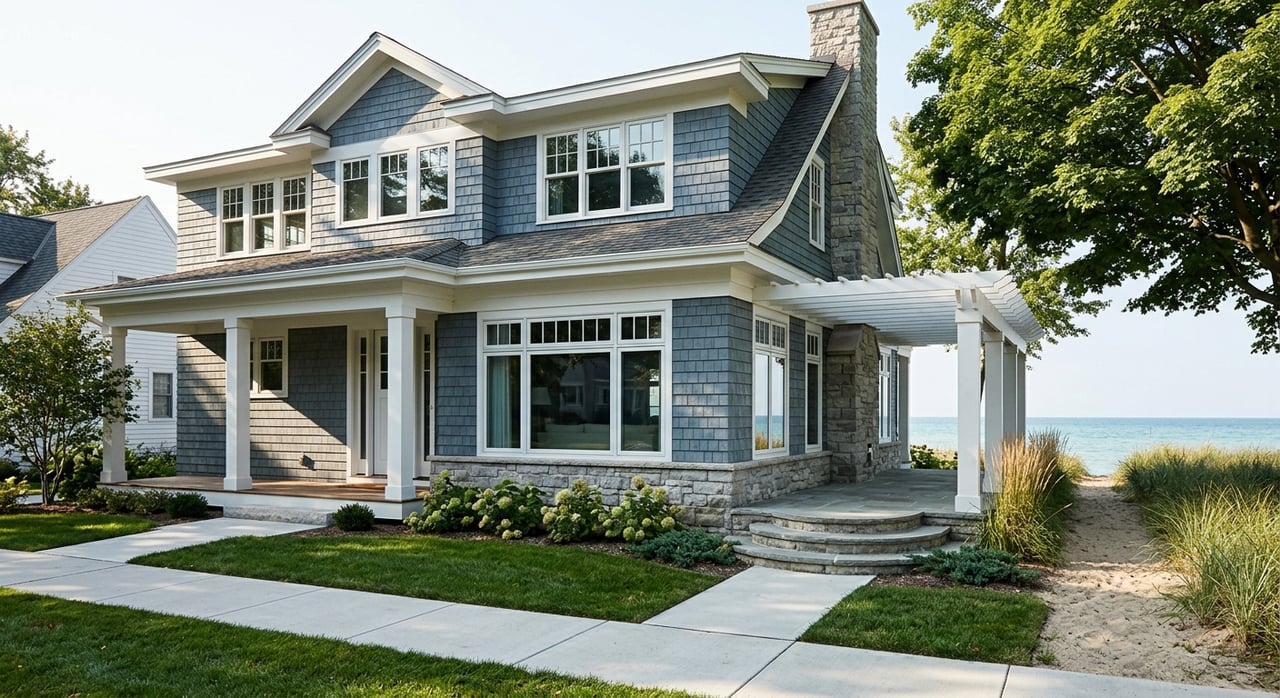
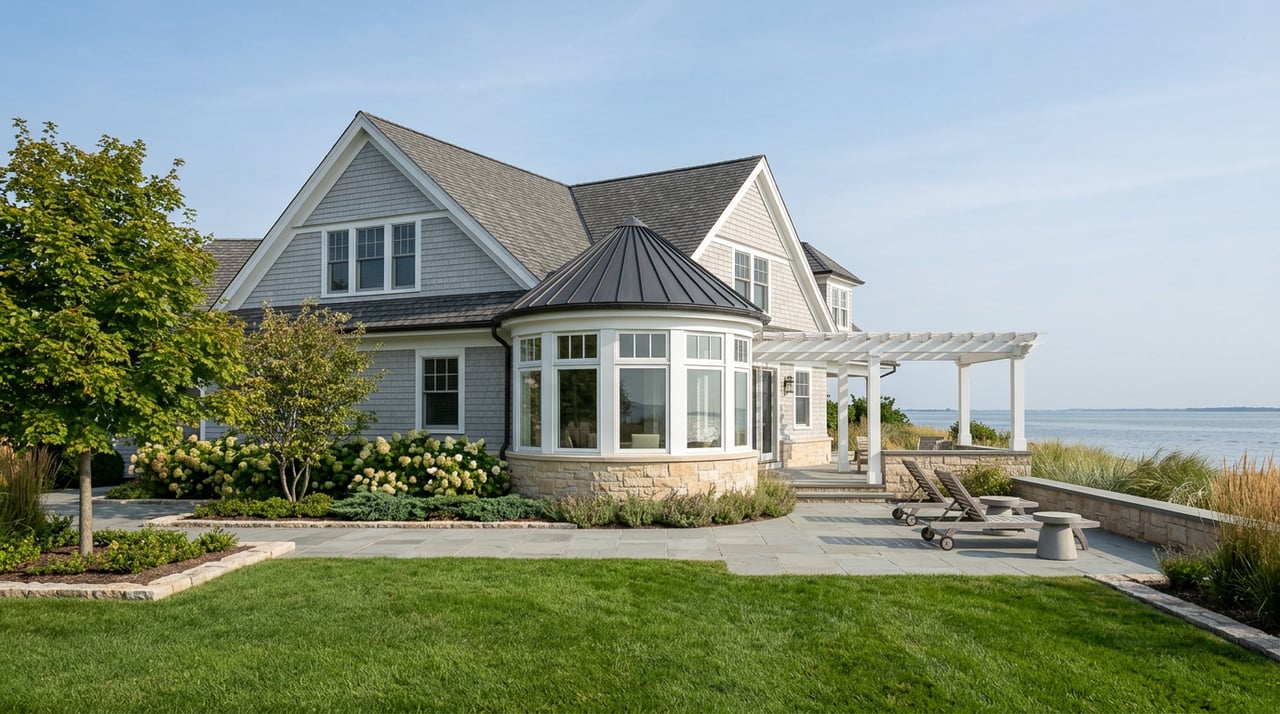
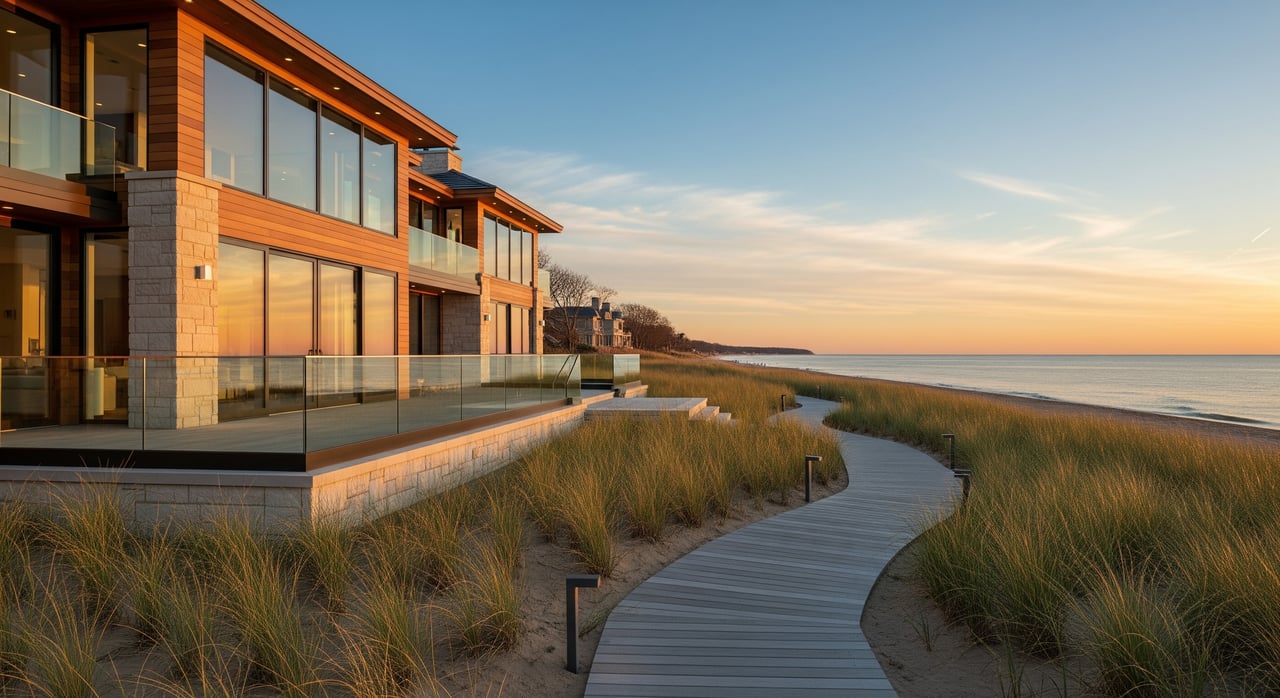
- Include wide exterior shots that capture water, shoreline, and outdoor seating.
- Add at least one interior photo framing the water from a main living area.
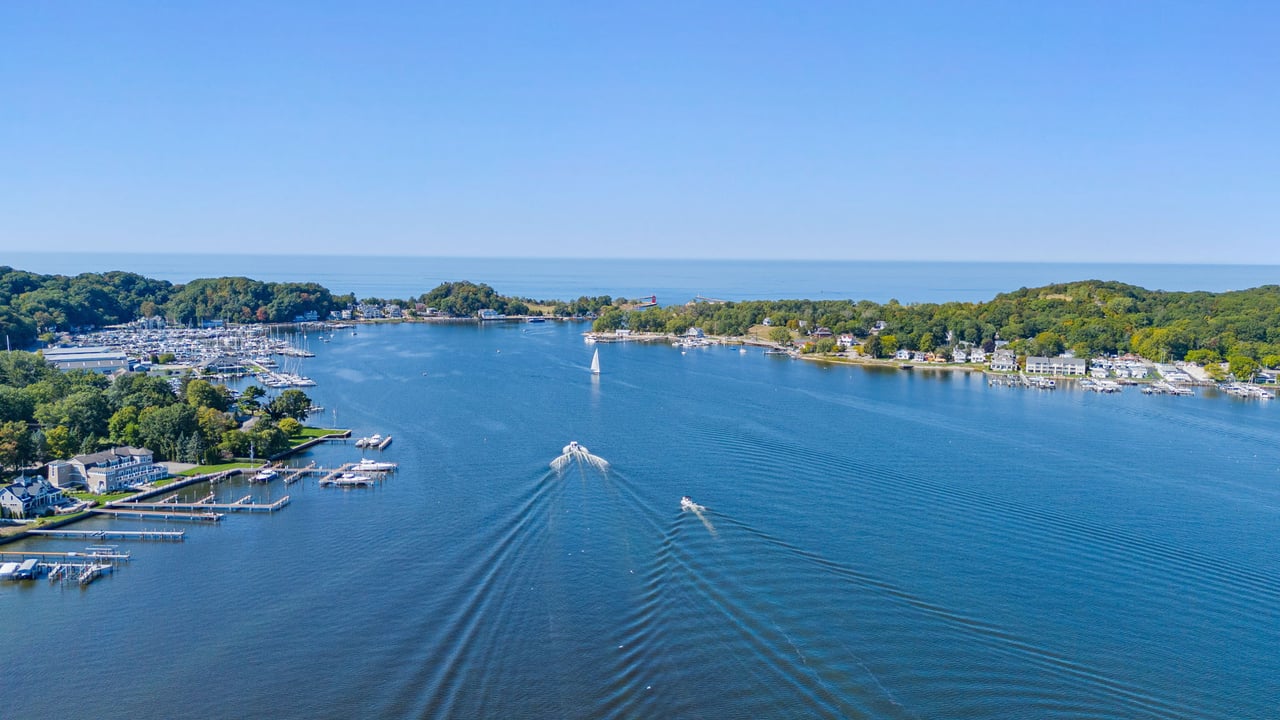
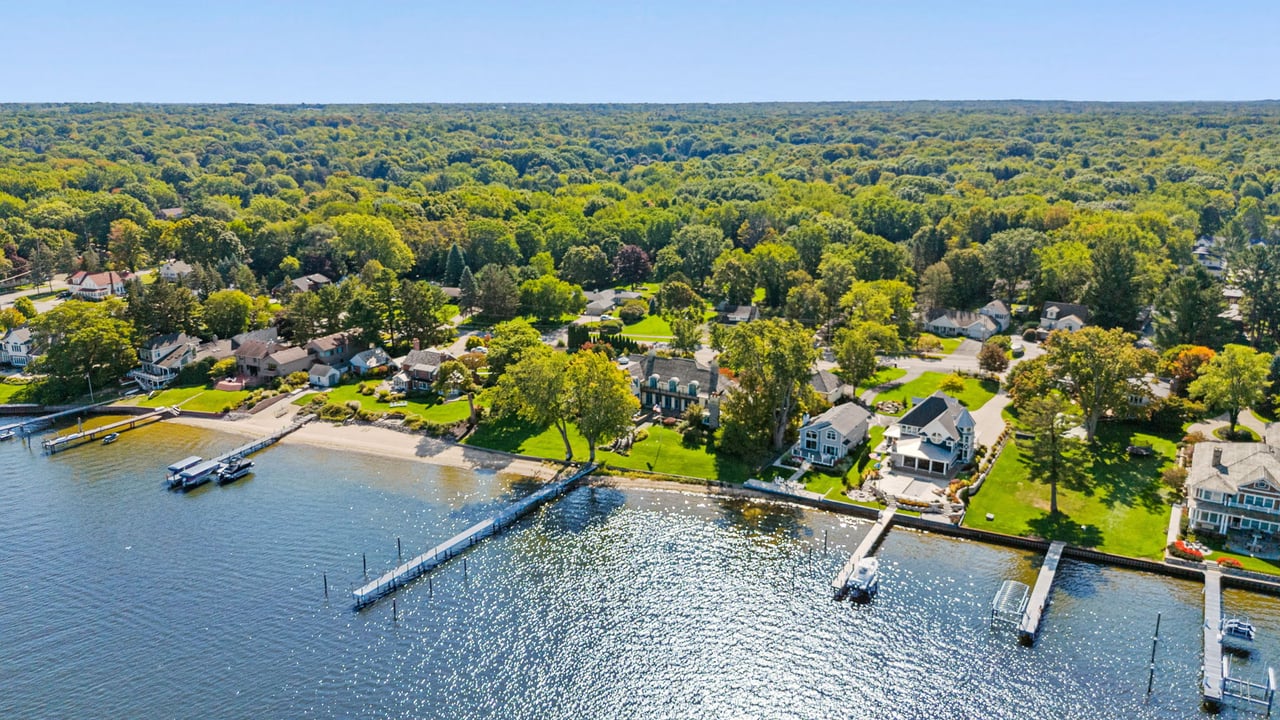
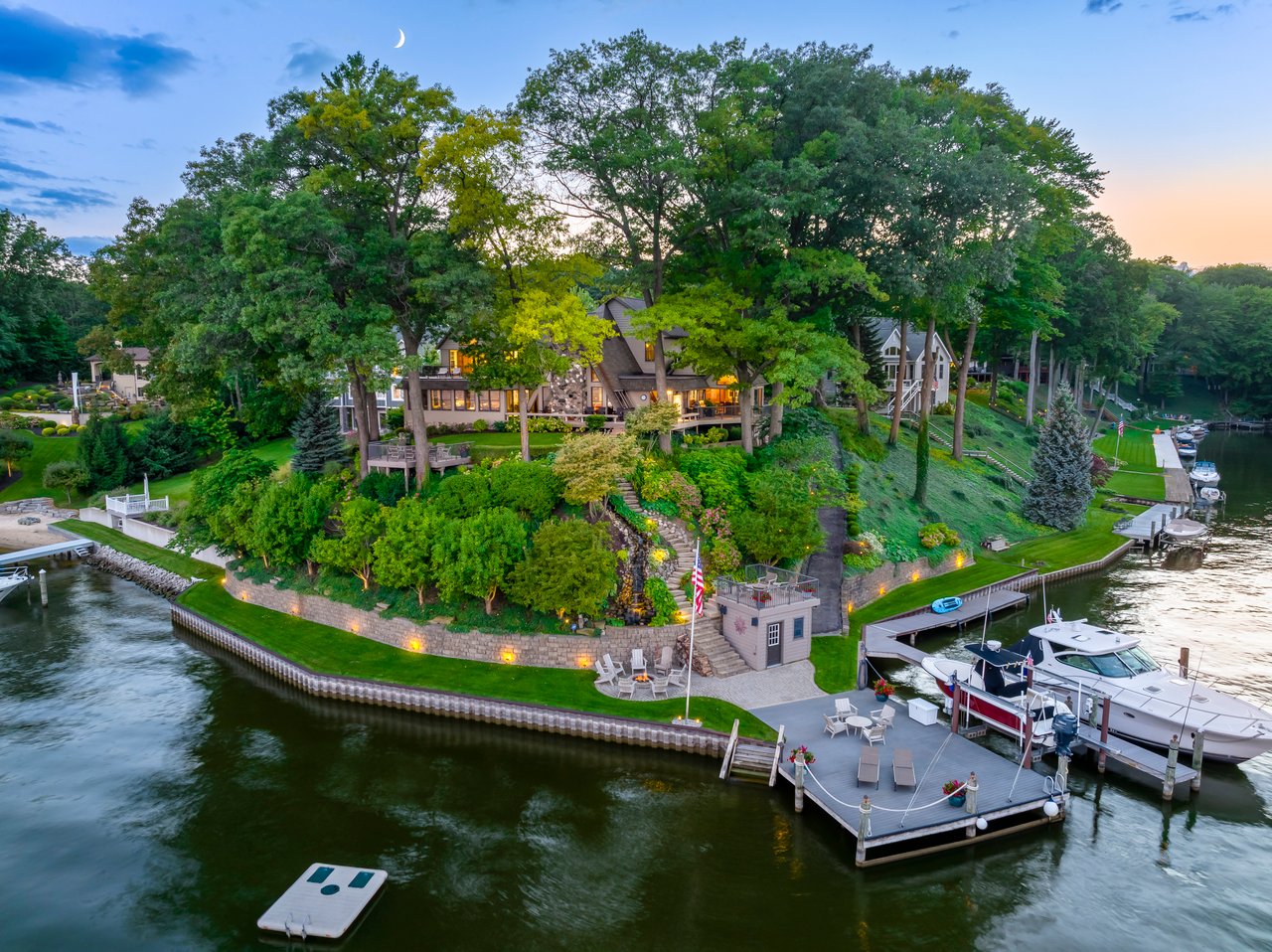
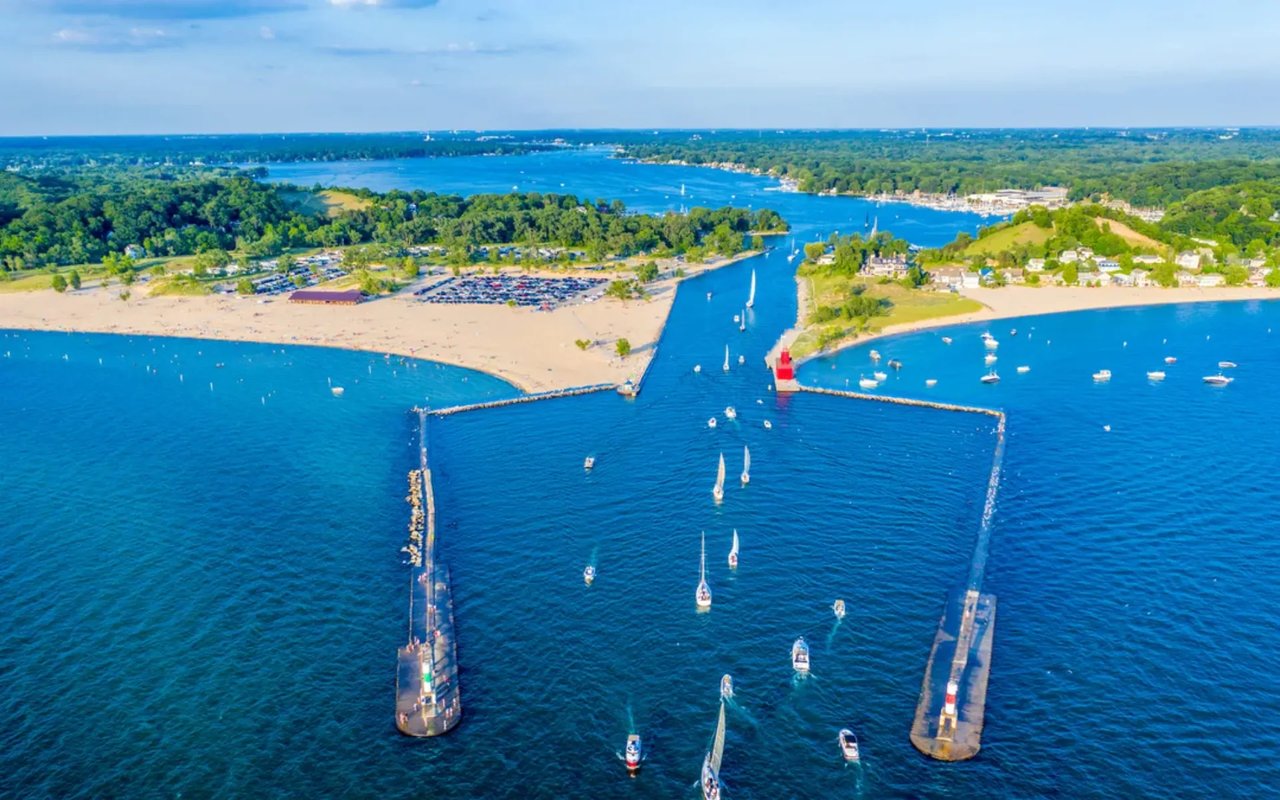
- Use a simple site plan or aerial image to clarify orientation and access when helpful.
Photo and drone plan for Holland light
Great photos carry your listing. Timing and technique matter even more on the water.
Choose the best photo window
- Wait for green-up so grass and trees look vibrant. In the Holland area, this is often late April through May.
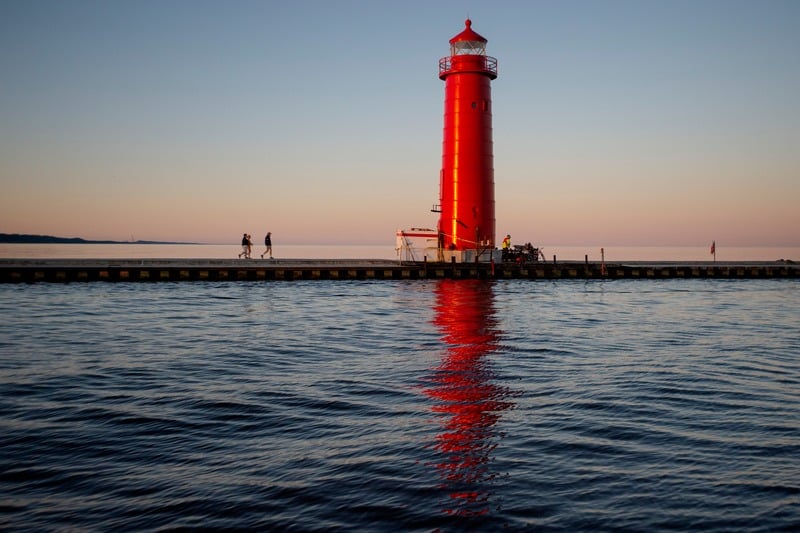
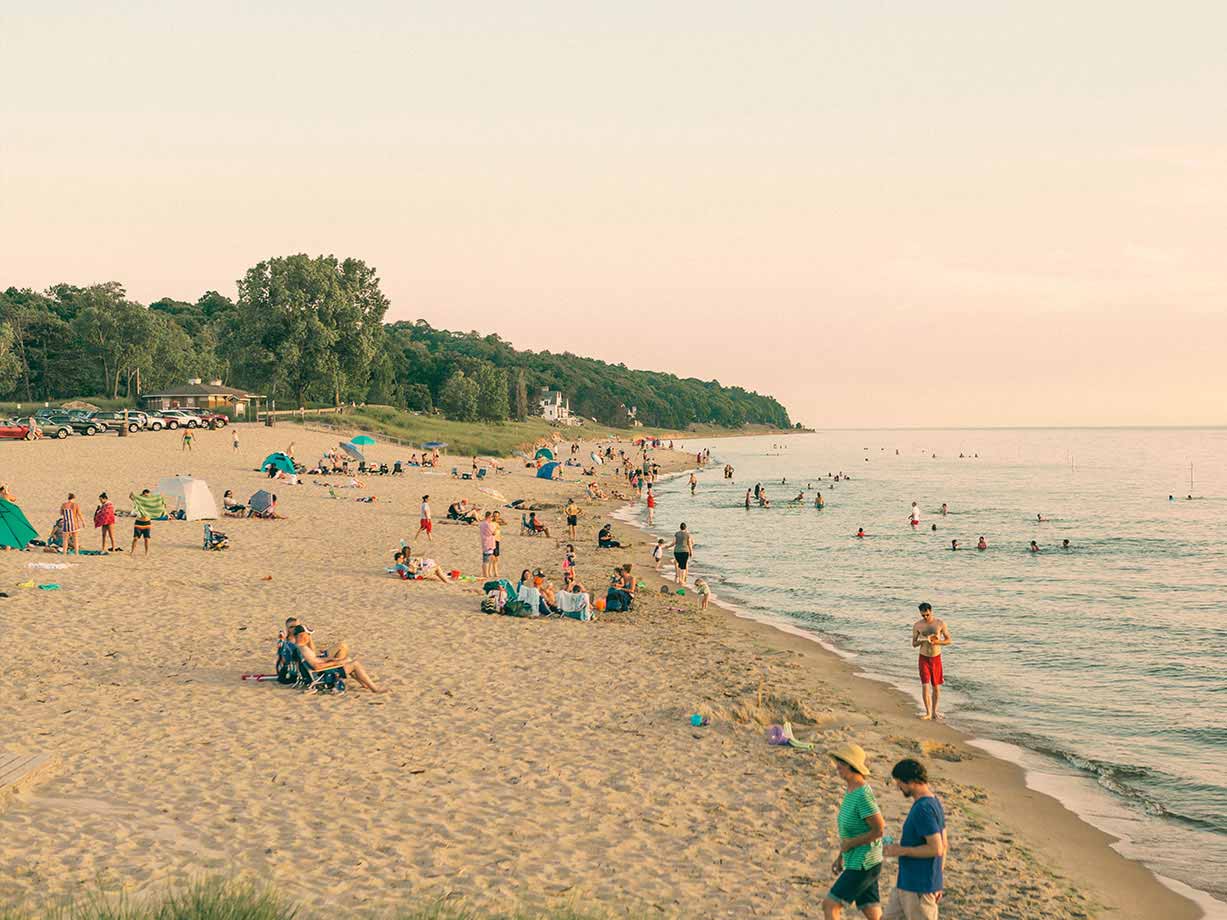
- Use sunrise or sunset for warm light and reflections. West-facing Lake Michigan lots often excel at sunset, while some Lake Macatawa orientations photograph best at sunrise.
- Aim for calm days with light or filtered sun. Avoid fog or heavy haze for initial photos.
Aerials that add context
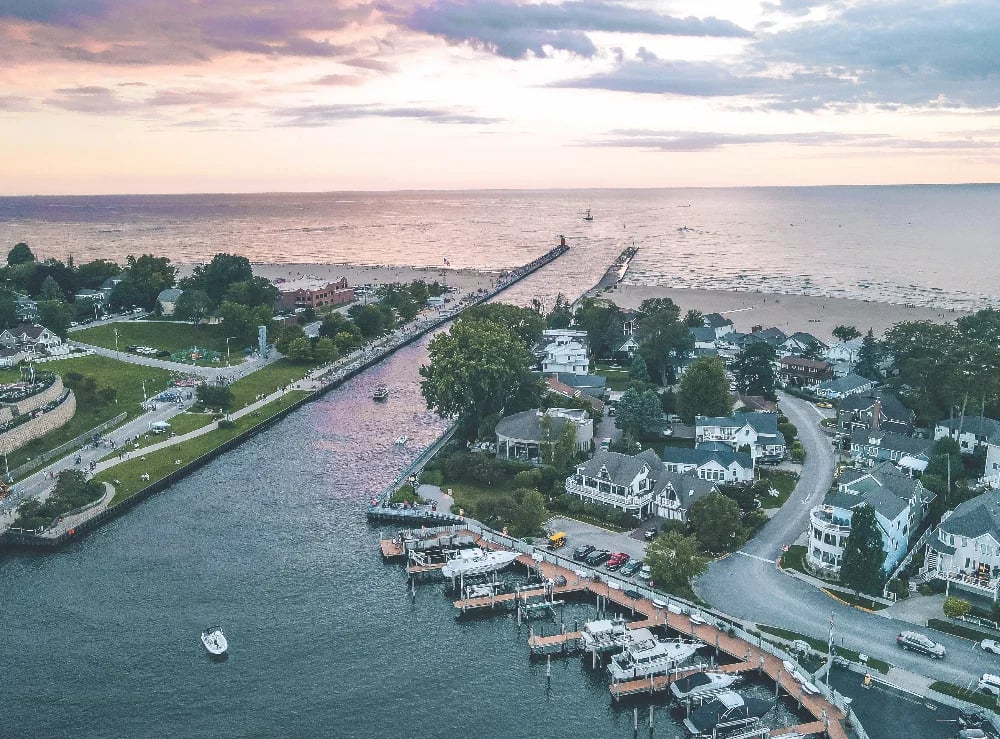
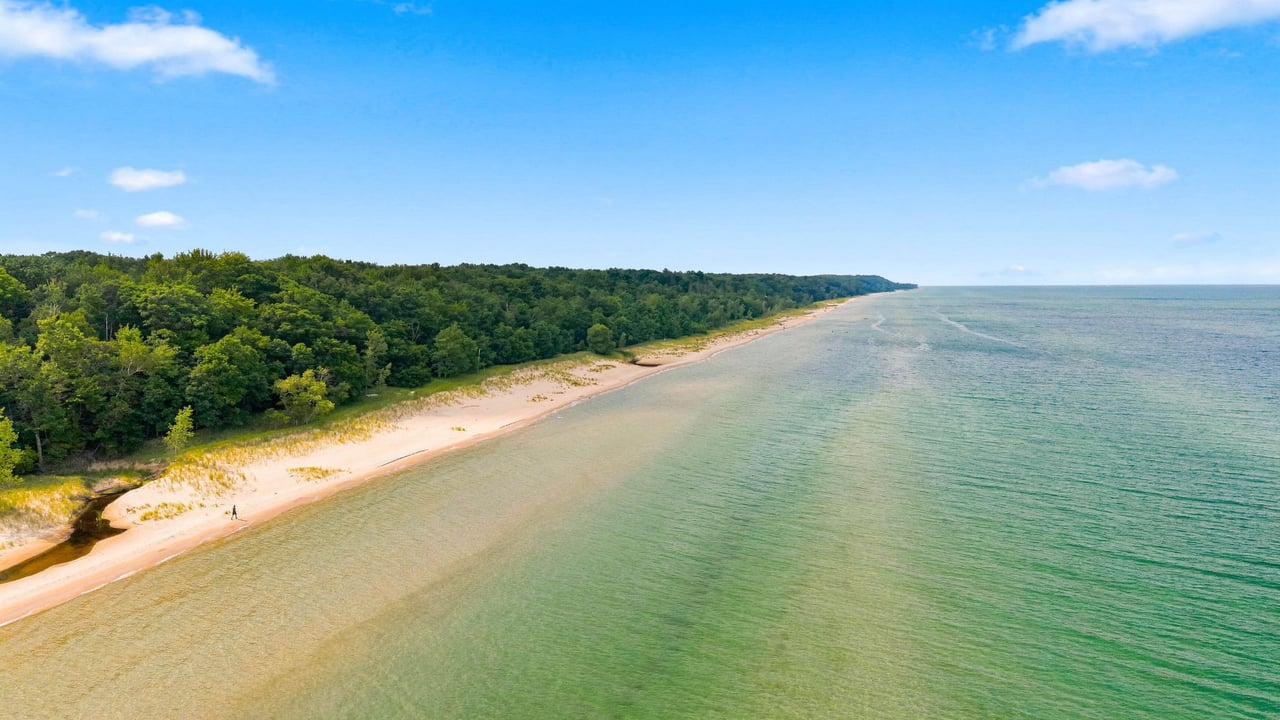
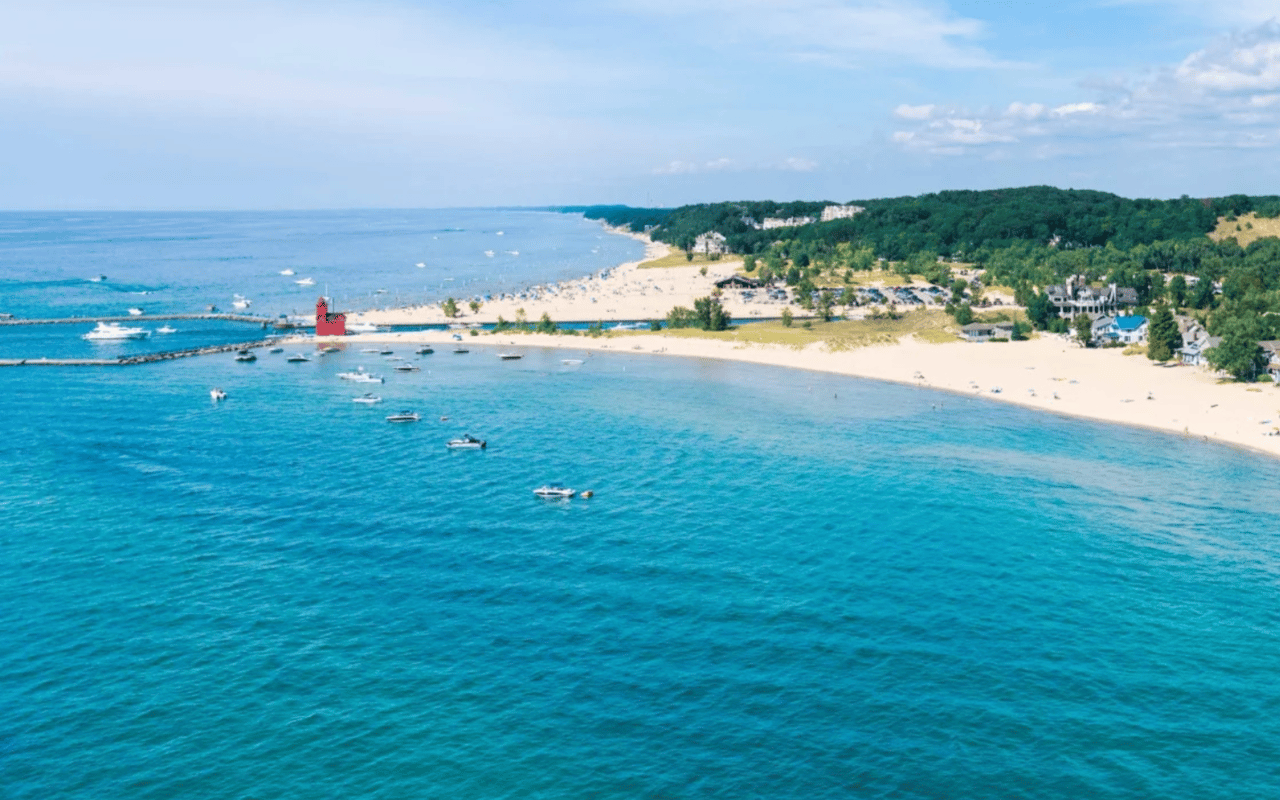
- Consider professional drone images to show shoreline, dock placement, and proximity to channels or launches.
- Use a certified pilot who follows FAA Part 107 rules. Confirm operator insurance and local ordinance compliance.
Practical photography tips
- Balance interior and exterior exposure so water views are clear through windows.
- Capture both lifestyle vignettes and wide context shots.
- Keep props minimal and seasonally neutral so photos age well.
Permits and environment essentials
Waterfront properties intersect state, federal, county, and municipal rules. Prepare early so you can answer buyer questions with confidence.
Common permit needs
- Construction, repair, or replacement of docks, seawalls, boathouses, or dredging typically requires permits.
- State agencies and federal authorities may have jurisdiction for in-water work, while the City of Holland, Park Township, or Ottawa County manage building and zoning on land.
- Allow weeks or months for review depending on scope. Emergency work may have expedited processes but still needs documentation.
Invasive species and vegetation
- Be aware of aquatic invasive species and shoreline plants that need professional treatment.
- Use native plantings for buffers and erosion control where appropriate. Buyers value both stability and thoughtful landscaping.
Who to contact locally
- City of Holland building and permitting offices for parcels within city limits.
- Park Township and other township zoning and building departments based on parcel location.
- Ottawa County planning and drain commissioner for county-level guidance.
- State and federal agencies for shoreline and navigable waters questions as needed.
Pre-listing timeline for a spring launch
Working backward from your ideal list date keeps you on track and photo-ready.
6 to 8 weeks before photos
- Schedule a pre-listing consult with a Holland waterfront specialist.
- Line up inspections for dock, shoreline structures, septic, and well.
- Confirm whether planned repairs require permits and submit applications if needed.
- Request bids from marine contractors, landscapers, and exterior trades.
3 to 4 weeks before photos
- Complete exterior repairs, landscaping, and shoreline clean-up.
- Stage outdoor rooms and remove personal watercraft and clutter.
- Book professional photography and aerials for the right light window.
1 week before photos and listing
- Deep clean interiors and wash windows inside and out.
- Finalize interior staging with light palettes and open sightlines to water.
- Confirm safe, easy access to the dock and outdoor areas for showings.
After you list
- Maintain lawn and seasonal accents and keep docks show-ready.
- Prepare clear answers on water levels, maintenance history, permits, and insurance.
What buyers ask on the waterfront
When you are ready with documentation, negotiations run smoother and buyer confidence rises.
- Who maintains the dock, seawall, or shared shoreline, and what agreements exist.
- History of flooding or shoreline damage and any insurance claims.
- What permits exist for docks, seawalls, and dredging, and whether recent repairs were permitted.
- The age and expected lifespan of docks and lifts, supported by inspection notes.
- Boat access details like water depth, draft, slips, and proximity to channels or public launches.
- Septic and well status, with recent tests or service logs.
- Seasonal nuances such as algae blooms, ice heaves, or prevailing winds, with practical mitigation steps.
Lake Michigan vs. Lake Macatawa focus points
Every shoreline is different, and smart preparation reflects those differences.
Lake Michigan frontage
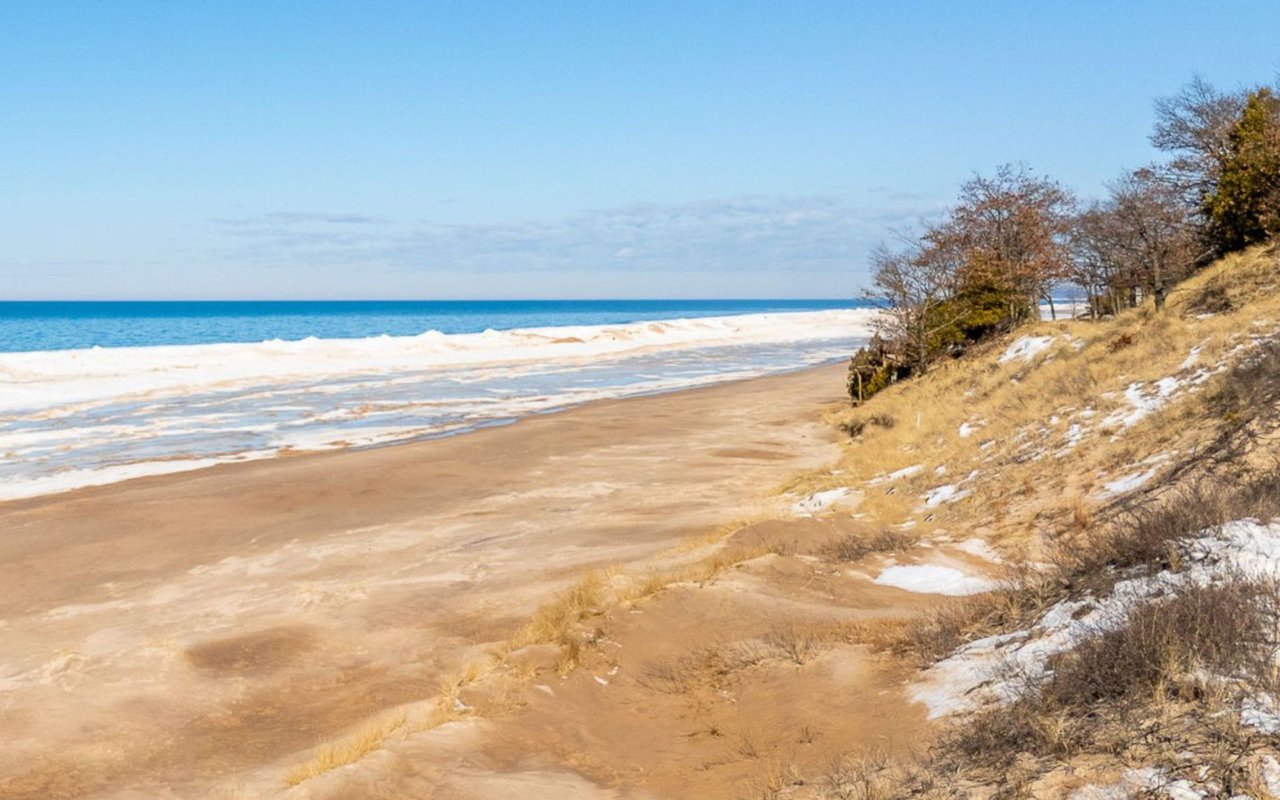
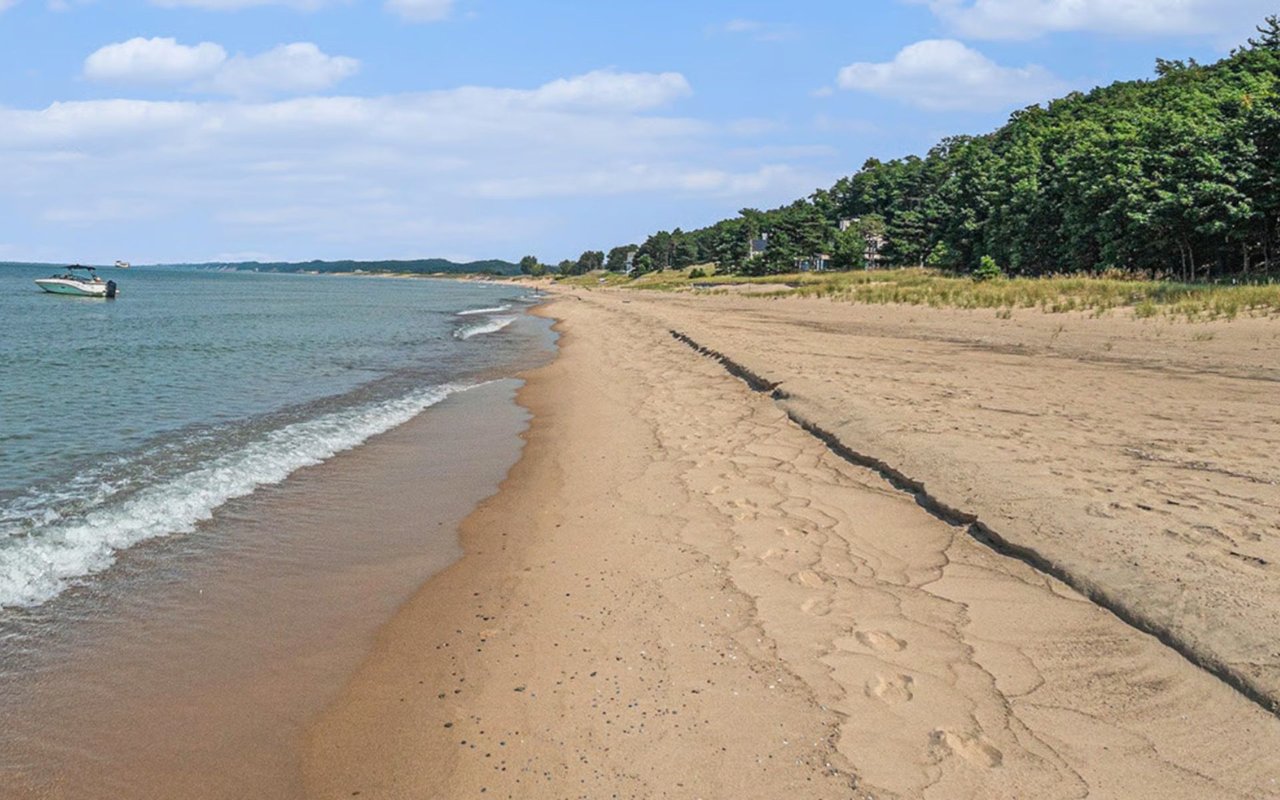
- Prioritize visible stability of seawalls or dune stabilization where applicable.
- Emphasize wind and wave protection in staging and outdoor furniture placement.
- Target sunset photography and calm-day shoots for reflections.
Lake Macatawa and connected inland lakes
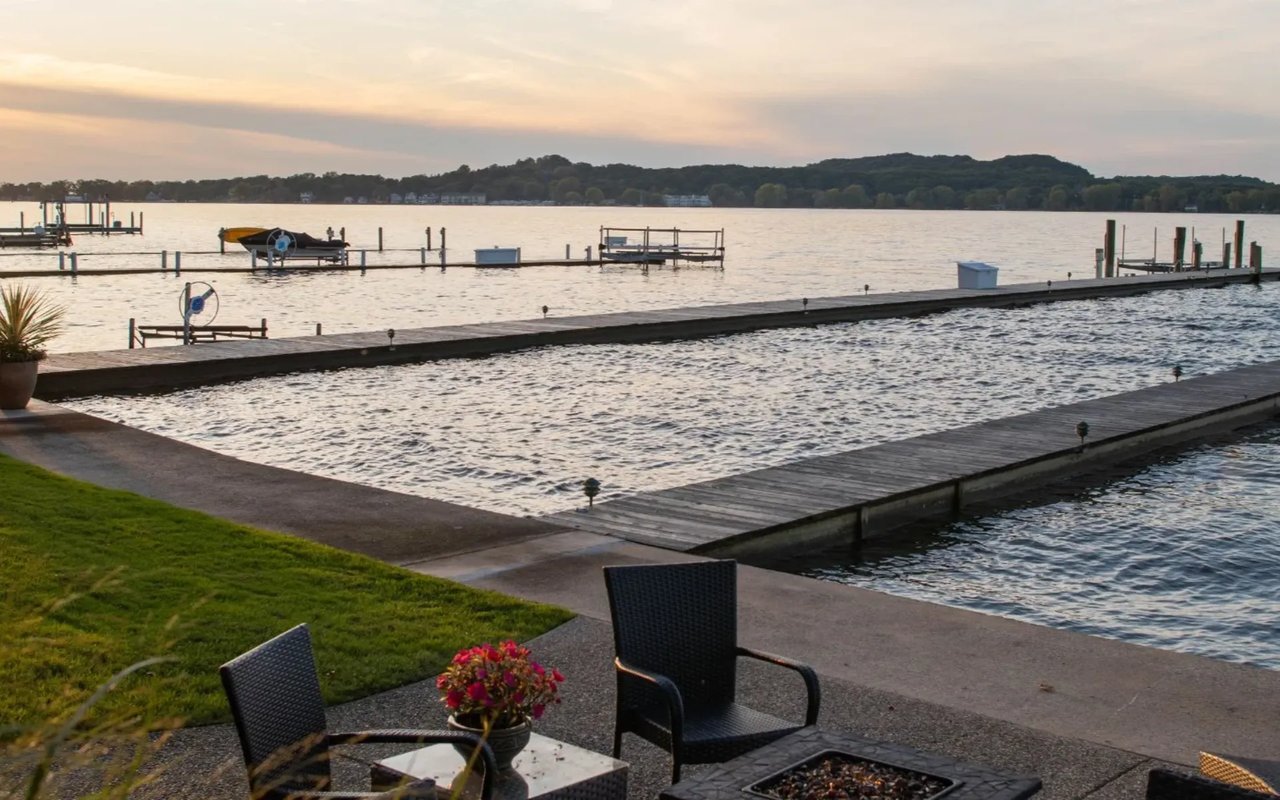
- Highlight dock functionality, lift capacity, and ease of access to channels.
- Showcase protected-water benefits and outdoor rooms close to the shoreline.
- Consider sunrise or mid-morning photos depending on lot orientation.
Your next step
If you plan to list this spring, start now. Address structural and safety items first, then polish curb appeal and stage to elevate the water. Time your photography for green-up and golden light, and gather permits and maintenance records so buyers feel confident from the first showing. For a seamless plan that matches your specific shoreline and market timing, connect with the experienced waterfront team at the Andrea Crossman Group. We combine local micro-market expertise with elevated marketing to position your property for maximum exposure and value.
FAQs
What should Holland waterfront sellers do first in early spring?
- Start with safety and structure. Inspect the dock, seawall, and utilities, line up any needed repairs, and schedule a pre-listing consult 6 to 8 weeks before photos.
When is the best time to photograph a Holland waterfront home?
- After green-up in late April or May, during sunrise or sunset based on your lot’s orientation, and on a calm day to capture reflections and warm light.
How can I prepare documentation buyers will request for a waterfront sale?
- Gather permits, inspection reports, maintenance logs for docks and seawalls, septic and well tests, and any insurance claim history related to flooding.
What staging moves best showcase water views indoors?
- Remove heavy window treatments, clear sills and thresholds, use light color palettes, and orient seating toward windows and sliders.
What shoreline details matter most to Lake Michigan vs. Lake Macatawa buyers?
- Lake Michigan buyers watch seawall and erosion stability, while Lake Macatawa buyers focus on dock condition, lift capacity, and channel access.
Do I need a drone for my listing photos in Holland, MI?
- Aerials help show shoreline context and access. If you use them, hire a certified pilot who follows FAA rules and local ordinances.