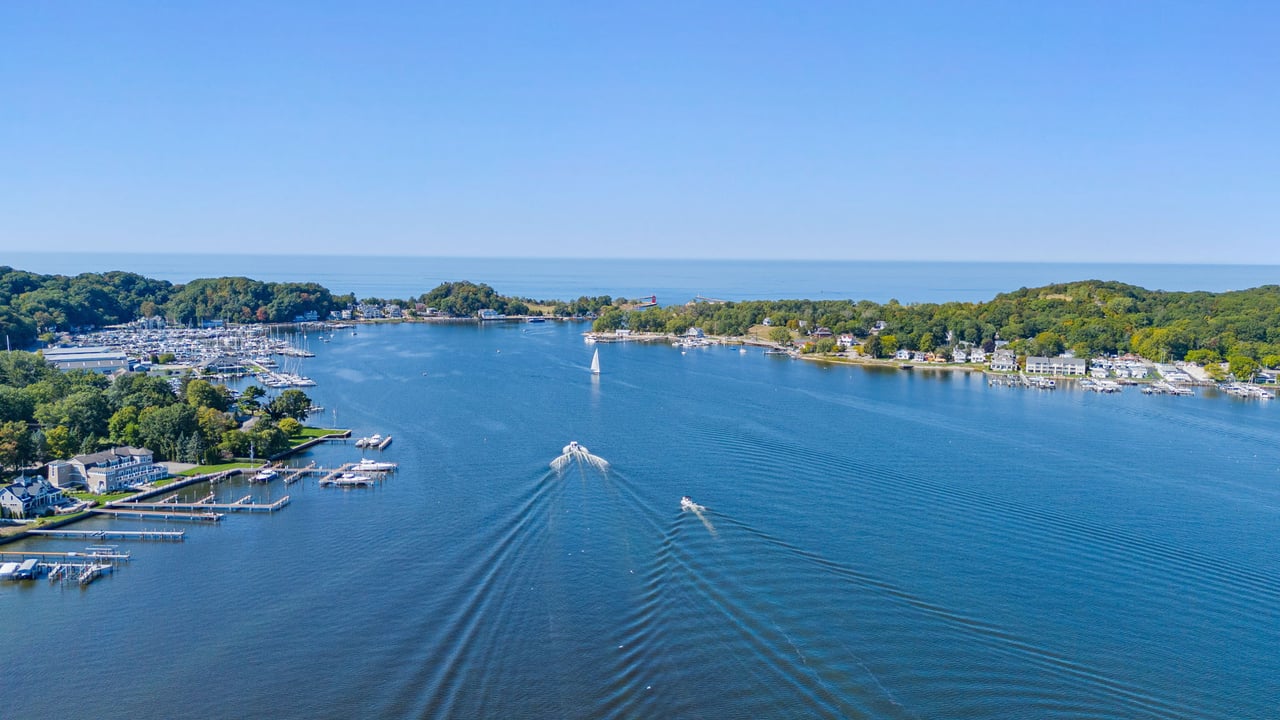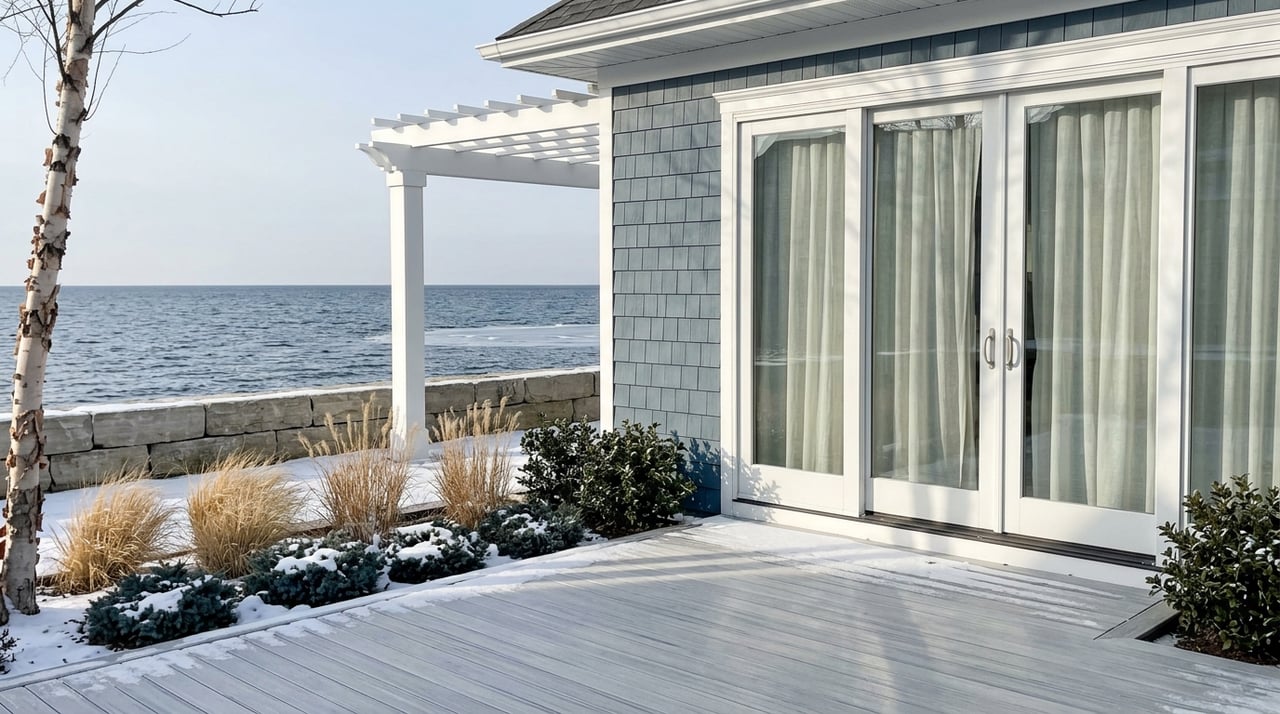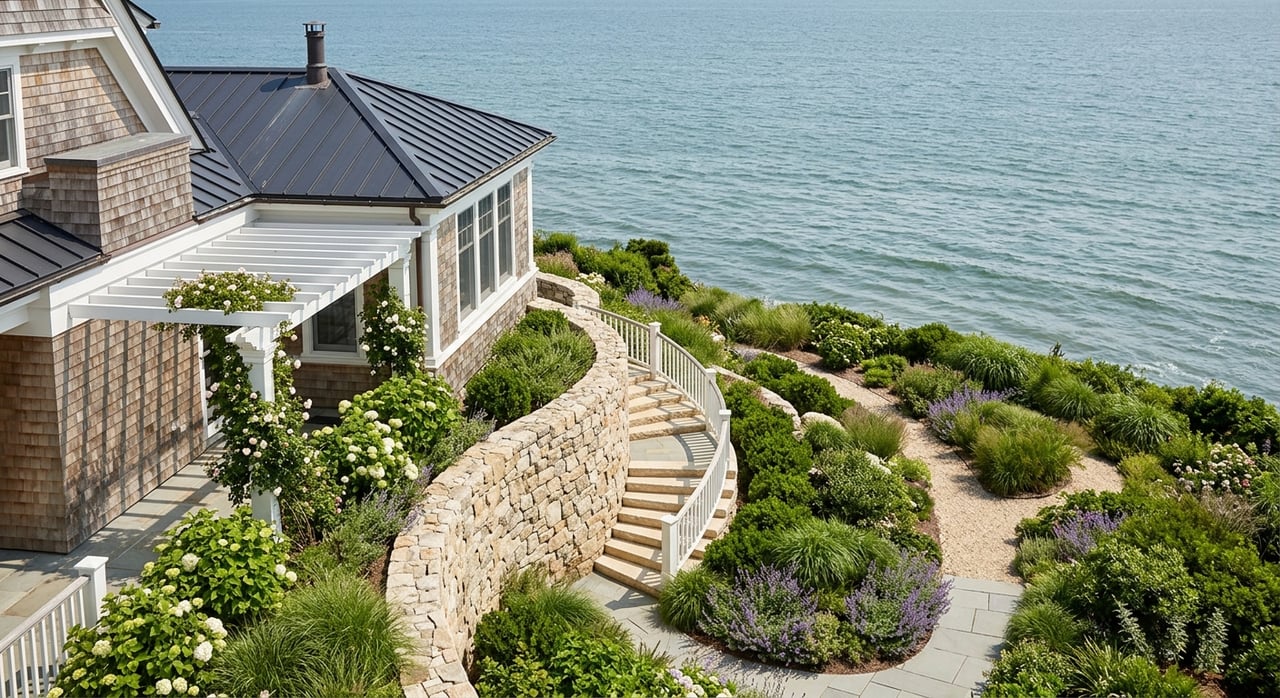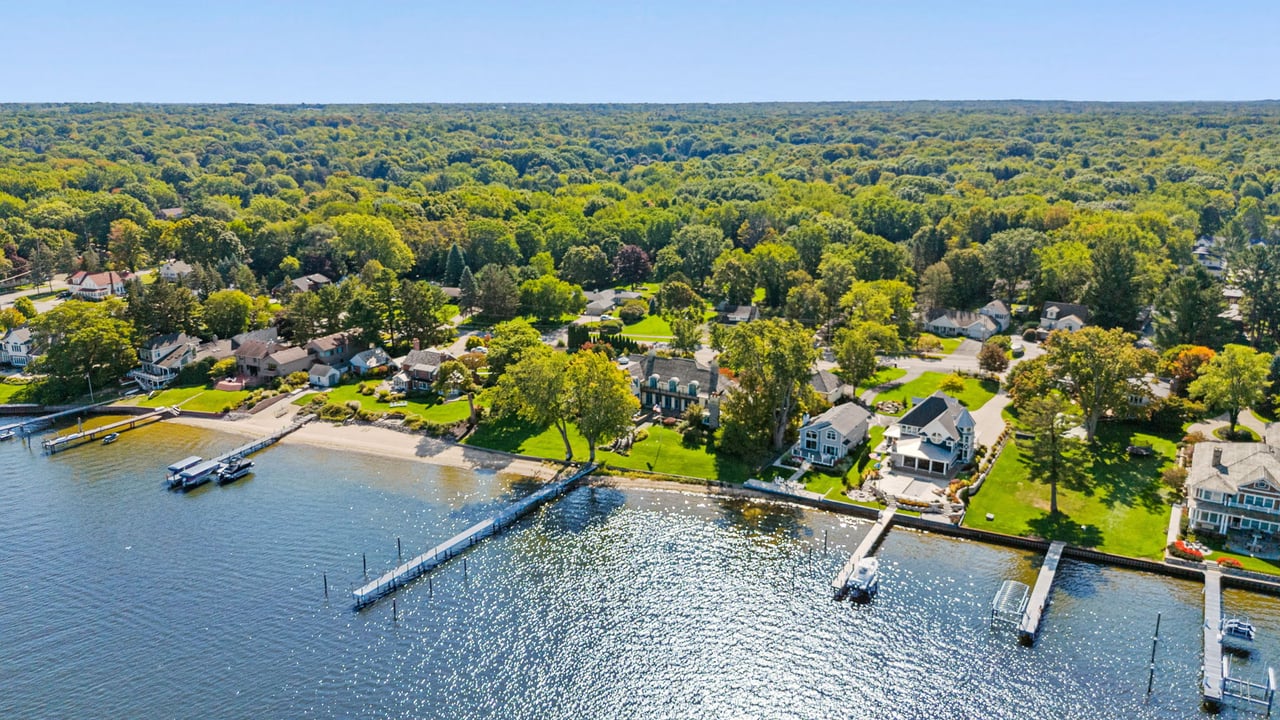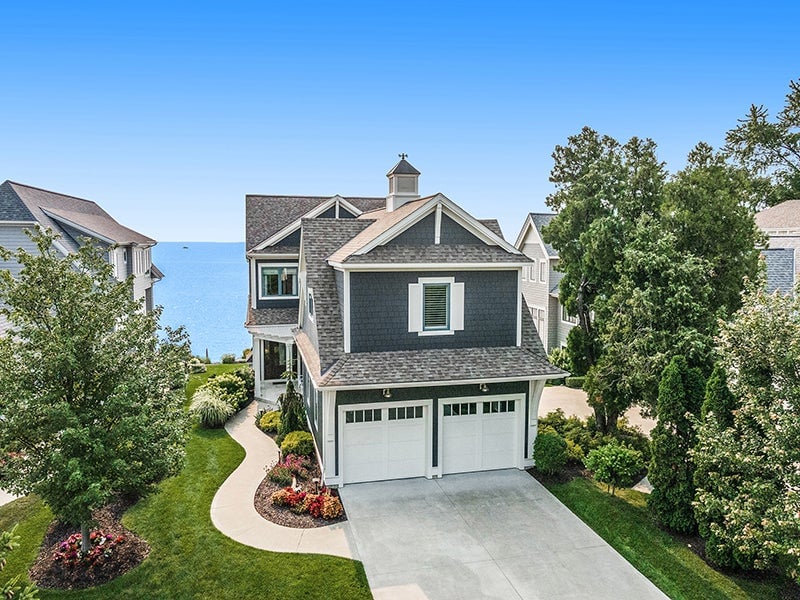
Buying a Lake Michigan waterfront home is not the same as buying any other piece of real estate. The due diligence checklist is longer, the inspection concerns are different, and there are factors specific to Great Lakes properties that most general real estate guides simply don’t cover. Whether you’re a first-time lakefront buyer or you’ve owned inland property before, this guide walks through everything that matters before you make an offer. The Andrea Crossman Group works with waterfront buyers daily and consistently finds that the buyers who do their homework up front end up with far fewer surprises after closing.
Quick Snapshot: The Big 6 for Waterfront Buyers
1. Shoreline condition and erosion history
2. Seawall or revetment status
3. Riparian rights and beach access
4. Flood zone and insurance requirements
5. Water-related infrastructure (well, septic, dock permits)
6. HOA rules and local shoreline regulations
Start With the Shoreline Itself
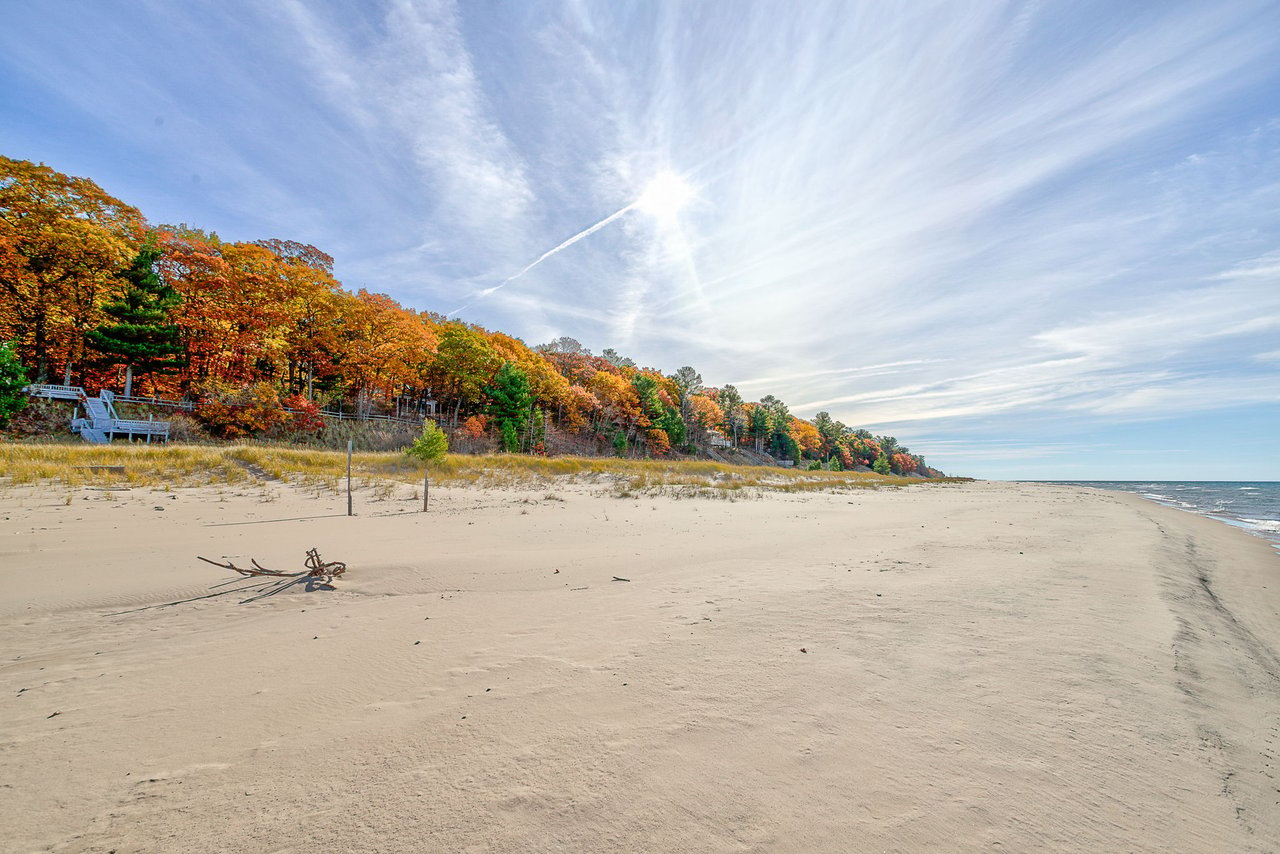
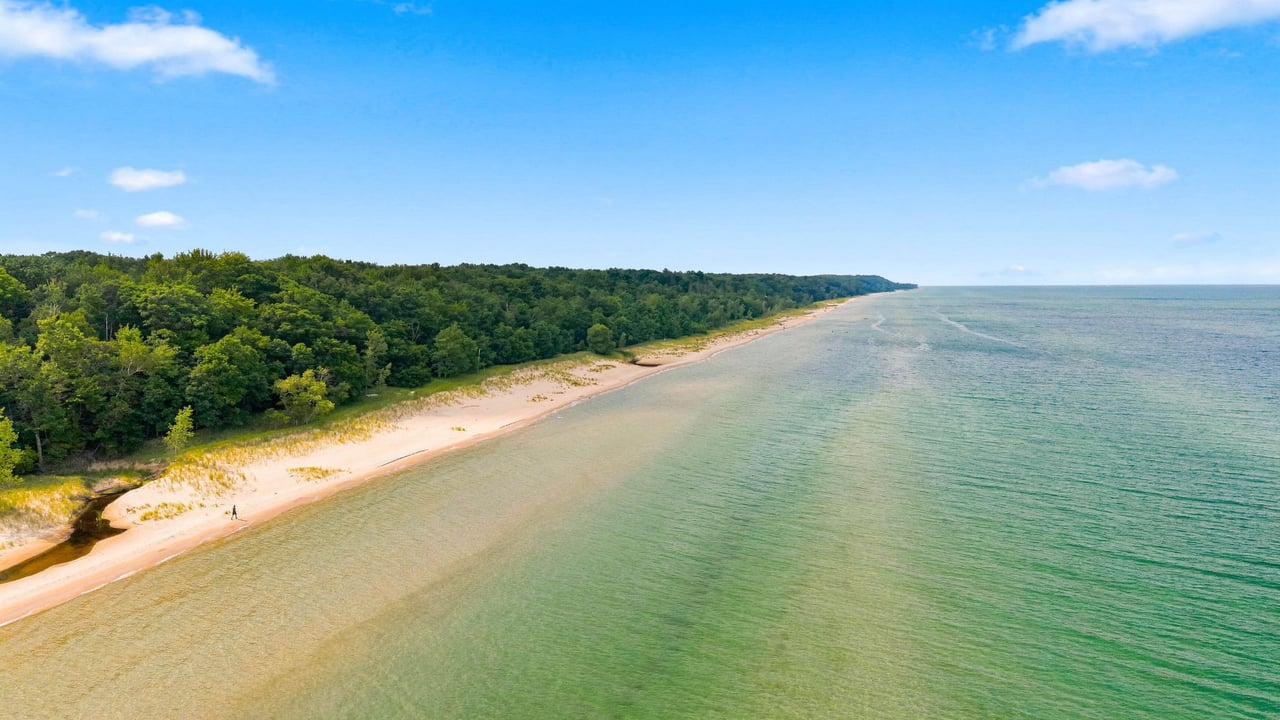
The first thing serious waterfront buyers examine is the condition of the shoreline. Lake Michigan water levels have fluctuated dramatically over the past decade—record highs in 2019–2020 caused significant erosion and damage along the shoreline, and many properties lost measurable footage of land. When you’re evaluating a property, ask specifically about the shoreline’s history during that period.
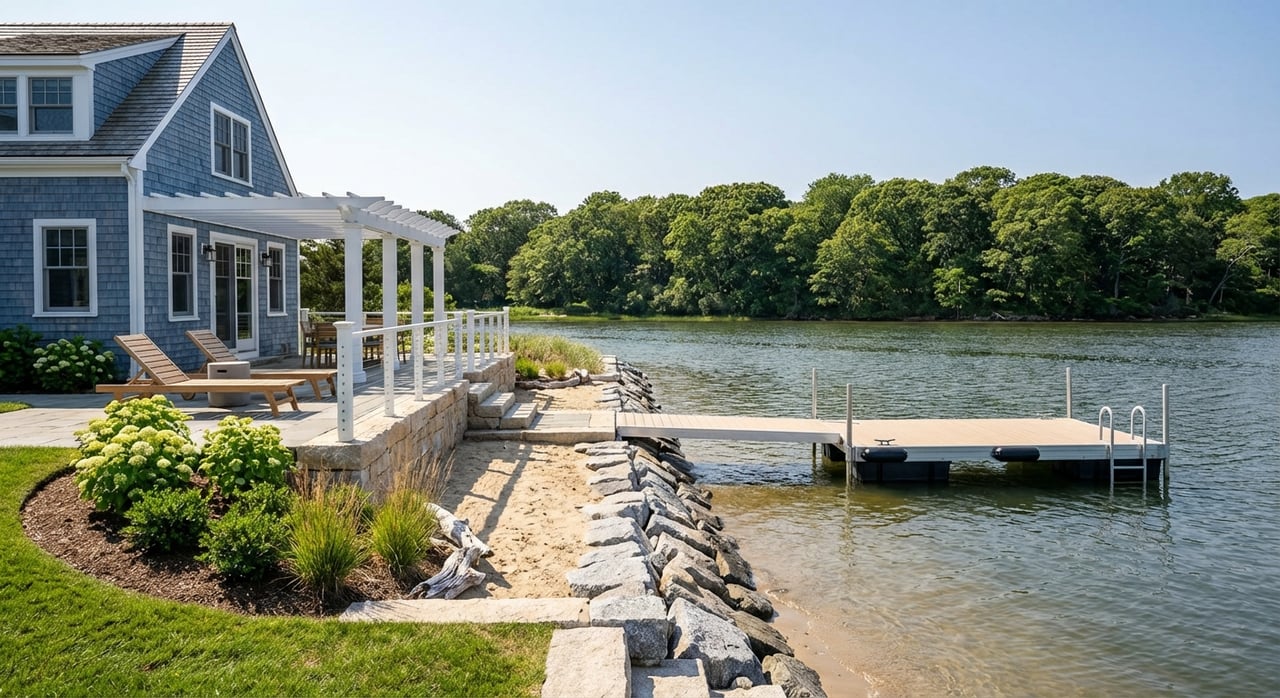
Walk the entire water frontage yourself, not just the beach in front of the house. Look at how the bluff or bank meets the water. Vertical or undercut banks are signs of active erosion. Armoring like riprap, concrete seawalls, or steel sheet pilings indicate previous erosion concerns and require follow-up questions about the history and current condition of those structures.
Seawalls and Shoreline Armoring: What to Ask
A seawall or revetment can be a significant expense, and its condition should be evaluated by a qualified engineer before you close—not after. Many buyers assume a seawall is in good shape because it looks solid from the beach, but concrete walls can have voids behind them, undermined footings, or failing joints that aren’t visible to the untrained eye.
Ask the seller for any permits, engineering reports, or maintenance records related to the seawall. Seawall replacement or major repair on a lakefront property can run anywhere from $50,000 to several hundred thousand dollars depending on the length and method. That number needs to be part of your buying calculus.
|
Shoreline Type |
Pros |
Concerns to Investigate |
|---|---|---|
|
Natural sandy beach |
Aesthetics; natural shoreline buffer |
Erosion rate; dune protection rules |
|
Riprap/stone revetment |
Lower cost; natural appearance |
Settling or displacement of stones over time |
|
Concrete seawall |
Hard protection; clearly defined property line |
Voids, cracking, footing integrity |
|
Steel sheet piling |
Strong protection; good for high-wave areas |
Rust, corrosion, anchor rod condition |
|
Vegetated bluff |
Natural; low maintenance |
Slump risk; tree root stability; erosion potential |
Water Levels: A Factor That Won’t Go Away
Lake Michigan water levels are managed by natural hydrology, not a dam or valve, which means they fluctuate based on precipitation patterns across the entire Great Lakes basin. Between 2013 and 2020, the lake rose nearly six feet from historic lows to record highs. That kind of swing changes what a waterfront property looks like, how much beach is accessible, and whether shoreline structures are at risk.
Ask your agent for a history of water levels relative to the property’s elevation. If the home was built or the seawall was engineered during a low-water period, it may be undersized for high-water conditions. The U.S. Army Corps of Engineers tracks Great Lakes water levels and publishes historical data that a knowledgeable agent can help you interpret.
|
Questions to Ask Before You Offer What was the highest water level this property has experienced, and did it cause any damage or shoreline loss? Has the seawall or any shoreline structure been repaired, permitted, or engineered within the last 10 years? Is any portion of the property in a FEMA flood zone? What are the riparian rights associated with this parcel? |
Flood Insurance: Know Before You Buy
Many Lake Michigan waterfront properties fall within FEMA-designated flood zones, which triggers a mandatory flood insurance requirement for federally backed mortgages. Even if your lender doesn’t require it, flood insurance is worth having in a waterfront location. Get a flood zone determination for the specific parcel early in your due diligence—before you’re emotionally invested—so you can factor the annual premium into your cost analysis.
Flood insurance through the National Flood Insurance Program (NFIP) has limits that may not fully cover a high-value lakefront home, so many buyers in this price range carry excess flood coverage through a private carrier. Your insurance agent and your real estate agent should both be involved in this conversation.
Riparian Rights: The Short Version
Riparian rights give waterfront property owners specific legal rights related to the water adjacent to their land. On Lake Michigan, these rights include access to the water, the ability to use the water for reasonable purposes, and in many cases, ownership of the bottomland out to the low-water mark. Understanding what rights transfer with a specific parcel is essential before buying.
The critical questions: Is the beach private or shared? Does the property have deeded lake access or does it depend on an easement? Are there any recorded easements that give neighboring properties access across yours? These questions have legal and practical implications that your agent and a real estate attorney should help you work through before closing. (There’s a full breakdown of riparian rights in a separate post if you want more detail.)
The Home Inspection: Lake-Specific Concerns
A standard home inspection is a starting point, not the finish line, for a waterfront property. You want an inspector with specific lakefront experience who will look beyond the usual checklist.
Key areas to flag:
-
Foundation and basement moisture, especially in properties with high water tables or past high-water events
-
Window and door sealing against lake-driven rain and wind
-
Roof condition—lake weather accelerates wear on roofing materials
-
HVAC and mechanical systems for salt air and high humidity exposure (more relevant on open-water frontage)
-
Electrical systems in older cottages, many of which were built for seasonal use and never fully updated for year-round living
-
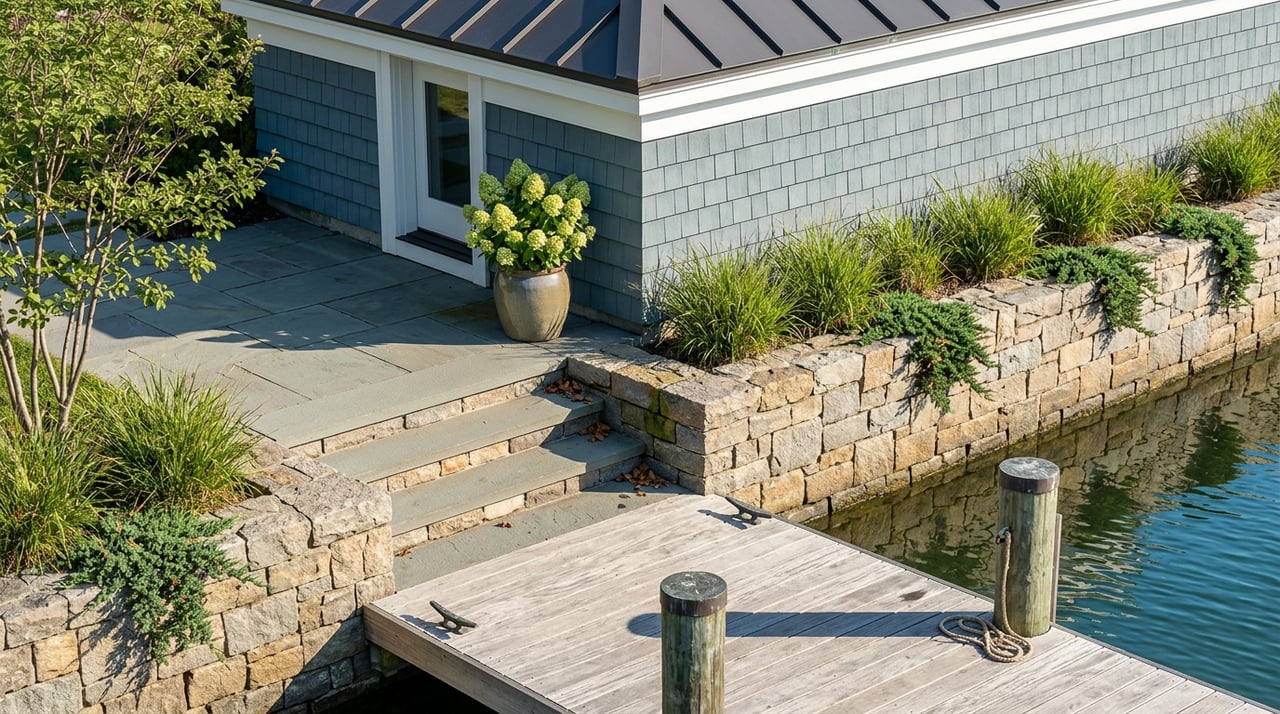
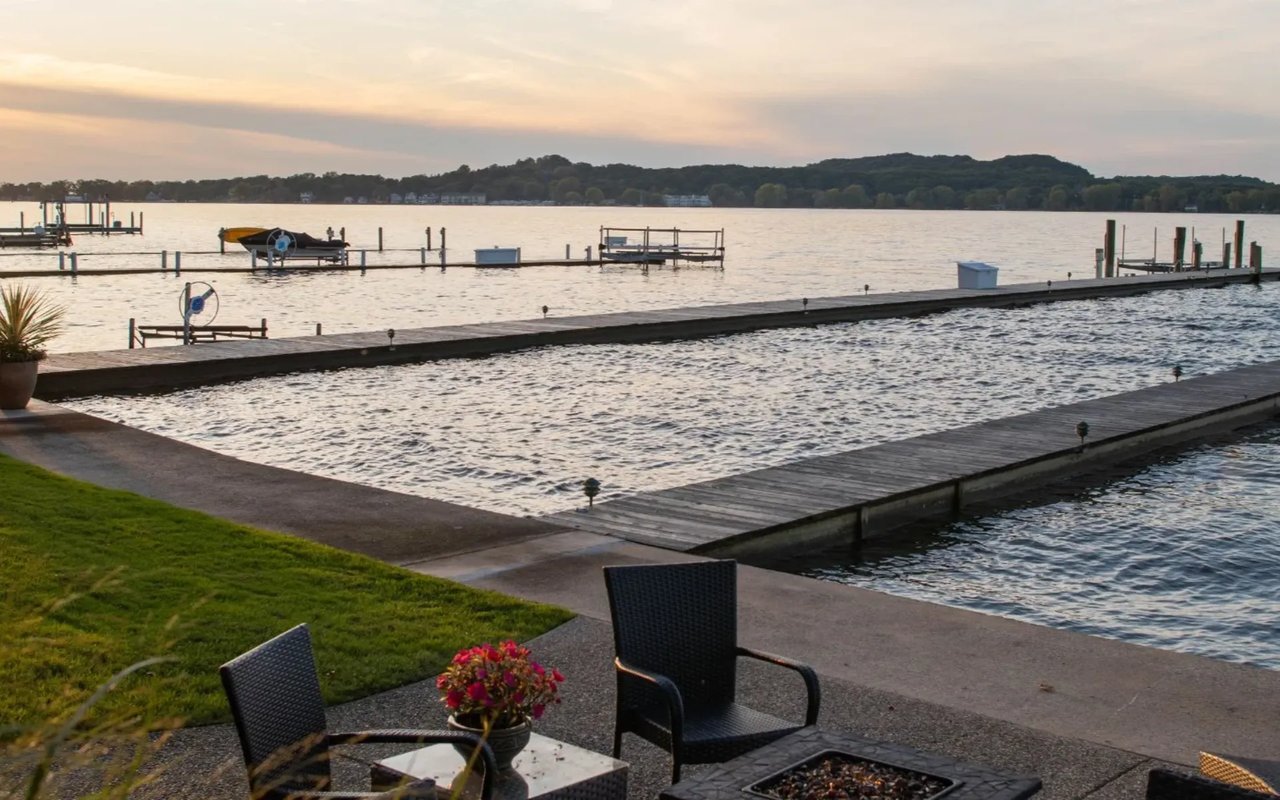
Dock and pier condition, permits, and any deferred maintenance
Permits and Regulations You Need to Know About
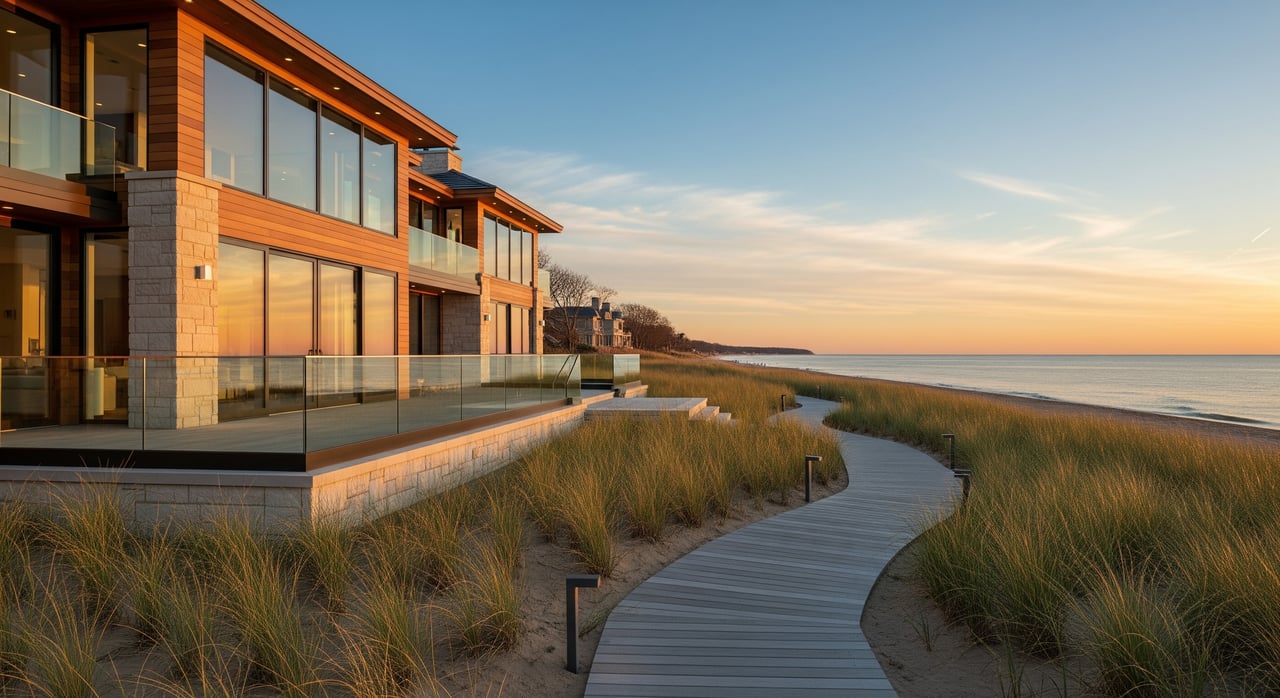
Lake Michigan shoreline is regulated at the state level in Michigan, Wisconsin, Illinois, and Indiana, and often at the county level as well. Michigan’s Sand Dune Protection Act governs activities on dune land. Many shoreline properties sit within designated critical dune areas where construction, grading, and vegetation removal require permits.
If you plan to build a seawall, add a dock, install a staircase to the beach, or make any modifications near the water, you need to know the permitting requirements for that specific location before you buy. Work with an agent who understands the local regulatory environment, because a plan that’s perfectly legal in one county may require a variance or be prohibited entirely in the next.
Frequently Asked Questions About Buying A Lake Michigan Waterfront Home
Do I need a specialist home inspector for a lakefront property?
Not necessarily, but your inspector should have direct experience with lakefront or waterfront properties. The issues that matter most—shoreline structure condition, water intrusion from lake-driven weather, high water table impacts on foundations—require someone who knows what to look for. Ask your agent for recommendations.
How do I find out if a property has riparian rights?
Start with the property deed and survey, which should describe the parcel boundaries and any easements. A title search will surface recorded easements and encumbrances. Your real estate attorney can interpret what those documents mean for access and use rights.
What’s a reasonable budget for seawall maintenance or repair?
It depends on the condition, length, and type of structure. Annual maintenance on a well-maintained seawall might run a few thousand dollars. A failing seawall on a 100-foot frontage could require $100,000 or more to replace. Get an engineering assessment before buying any property with shoreline armoring that’s more than 15–20 years old.
Does lake-effect weather affect home insurance costs?
Yes. Homes in high-wind or high-erosion areas may face higher premiums or coverage limitations. Shop your insurance before closing, not after, so you know the full cost picture. Some carriers have exited specific shoreline markets, which limits your options.
|
Ready to Find Your Lake Michigan Home? Andrea Crossman Group specializes in Lake Michigan waterfront real estate. Whether you're buying your first lakefront property or selling a family cottage, we know this market inside and out. Contact Andrea Crossman Group today to start your search. |