Ask three different sources what a home costs in Grand Haven right now and you will get three different answers, on three different timelines, measuring three different things. That is not a data error. It is the actual shape of this market in 2026, and understanding why the numbers disagree tells you more about where value sits in Grand Haven than any single figure could.
Same City, Three Numbers
Here is what a buyer researching Grand Haven this summer actually finds when they start pulling market data:
| Source | What it measures | Figure | Direction |
|---|---|---|---|
| Closed sales, citywide | Median sale price, May 2026 | $371,278 | Down 1.4% year over year |
| Estimated value index, citywide | Typical home value, late May 2026 | $348,311 | Up 3.1% year over year |
| Active listings, waterfront segment | Median list price, July 2026 | $1.1 million | Down from prior year's asking level |
None of these numbers are wrong. They are measuring different populations of homes at different moments in the sale process, and in a market as small as Grand Haven, that distinction produces headlines that flatly contradict each other. A citywide value index built from estimated property values can rise even while the median price of homes that actually closed falls, because those are two different calculations pulling from two different sets of properties. Layer in a thin, seasonal waterfront segment where list prices are still aspirational until they are tested by a real closing, and you get a market where the loudest number in a Google search is often the least useful one for a buyer trying to figure out what things actually cost.
Earlier this year, the gap showed up in an even more direct way. Grand Haven's citywide median sale price fell 2.4% year over year while median price per square foot rose 15.5% over the same period. A falling median and a rising price per square foot in the same market, at the same time, usually means one thing: the mix of homes that sold changed. Smaller or lower-priced homes made up more of the sales, pulling the median down, even as the underlying cost per square foot of livable space kept climbing. That is a mix shift, not a market correction, and it matters because it means a buyer comparing this year's "median" to last year's is not actually comparing like to like.
The Line Nobody Puts in the Listing Description
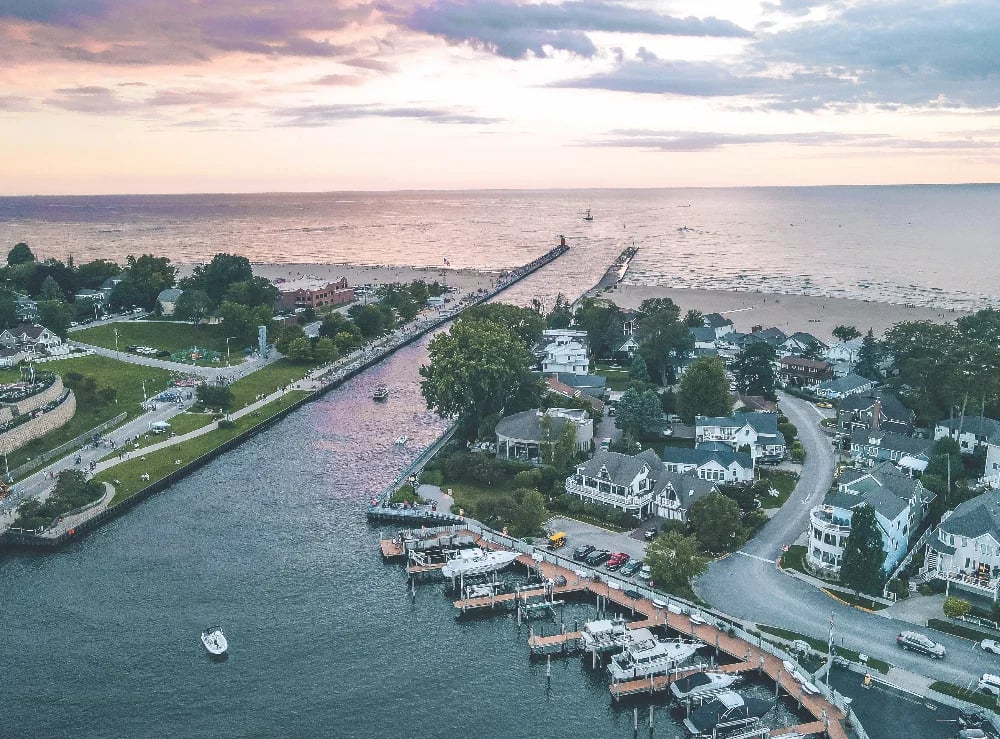
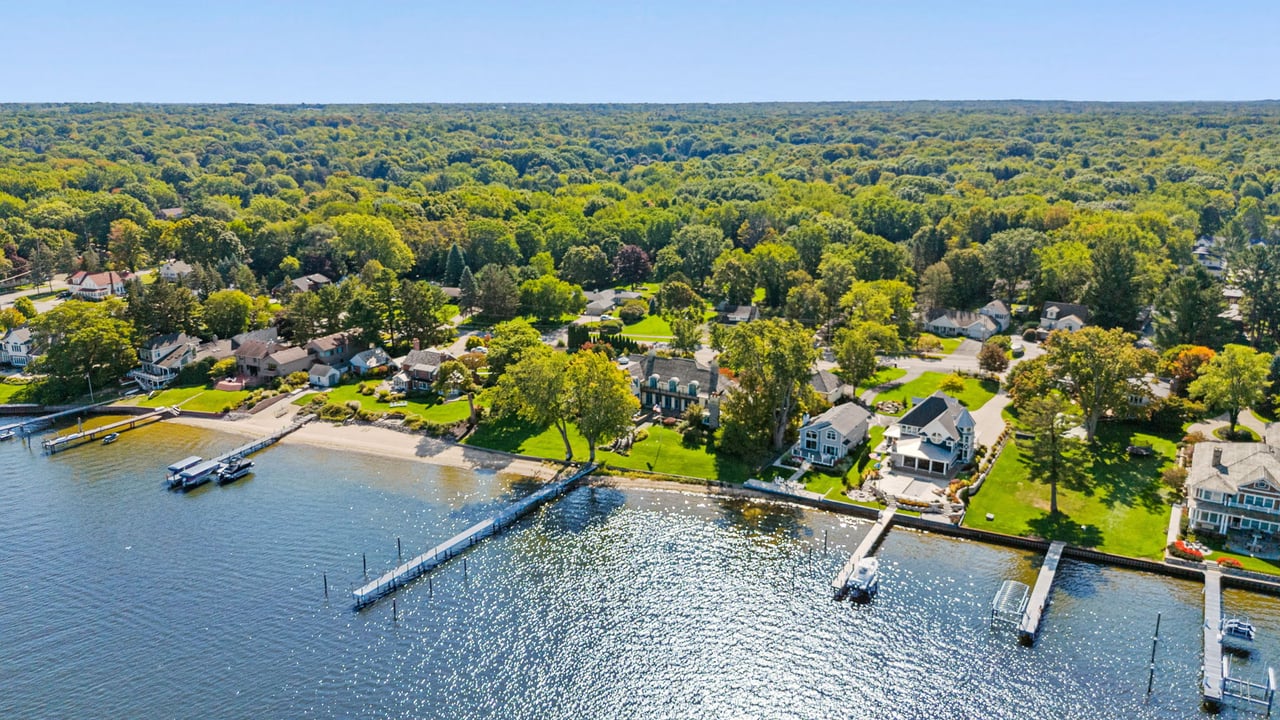
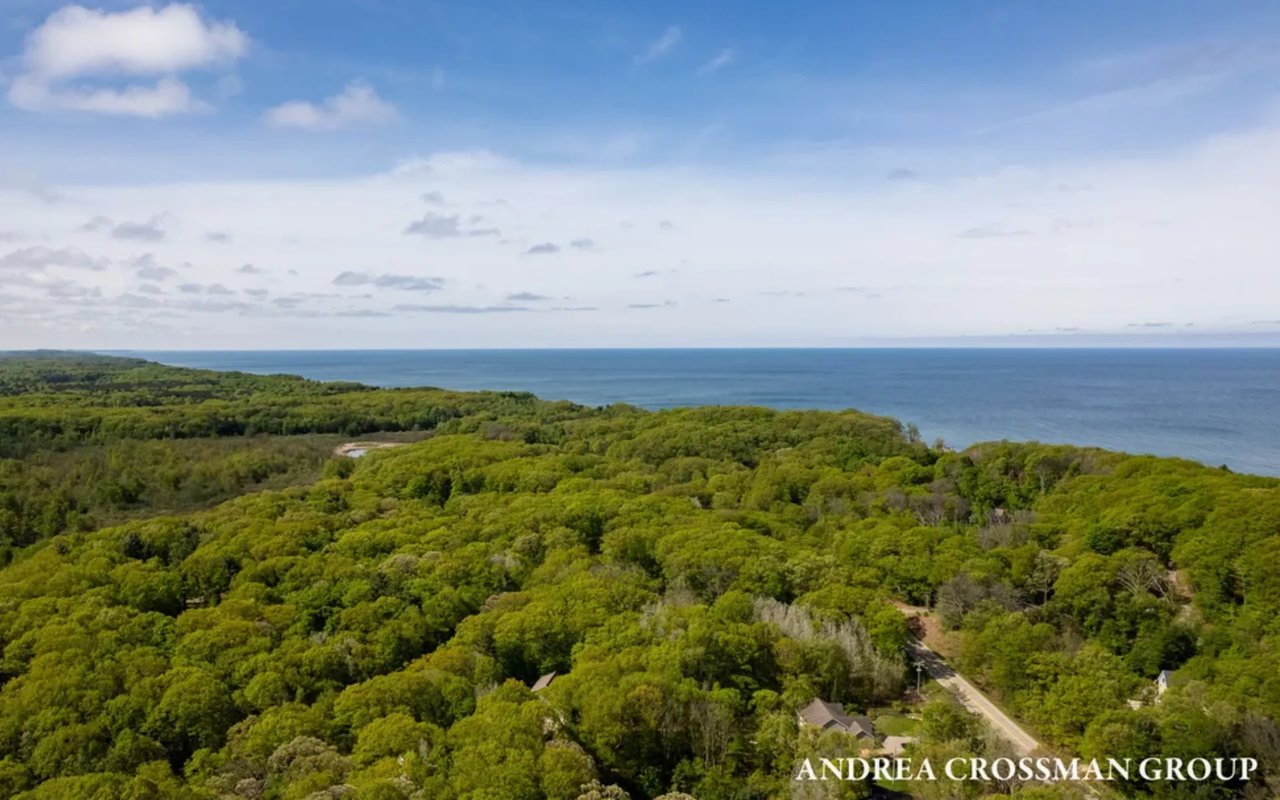
If the citywide numbers blur together, the geography inside Grand Haven does not. There is a real, physical line that splits this market more cleanly than any statistic, and it is one we flag for our own clients before they ever open a spreadsheet: Beacon Boulevard, which carries US-31 through town, functions as an informal price divider. Homes to the west, toward the beach, routinely command a premium that can exceed $100,000 over comparable homes to the east, even when square footage, bedroom count, and finish level are nearly identical on paper.
That divide is why a single "Grand Haven median" flattens a market that actually contains several distinct ones:
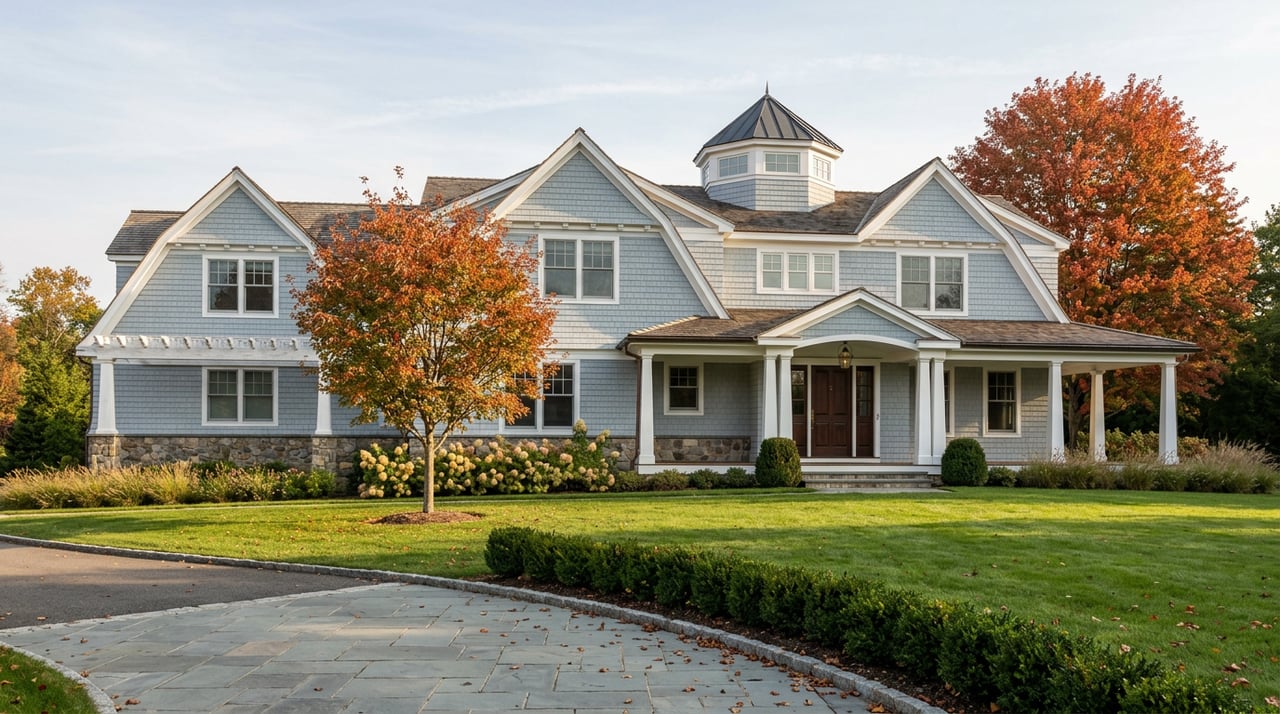
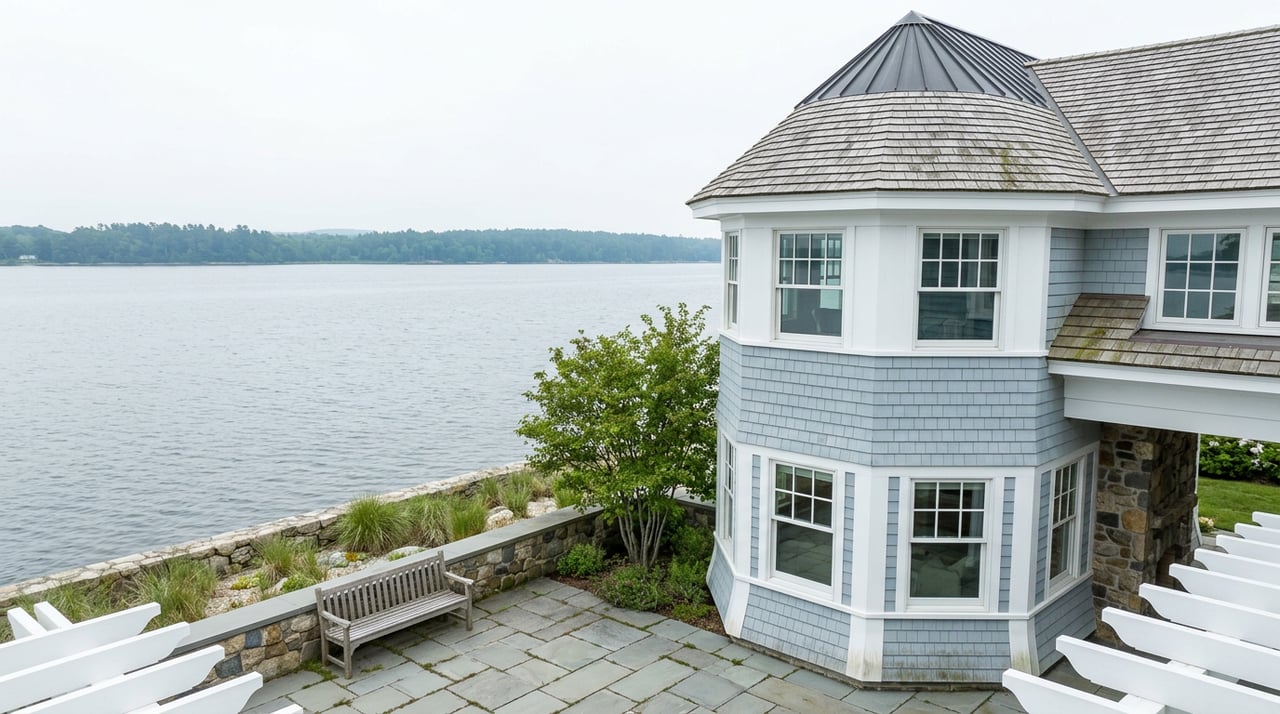
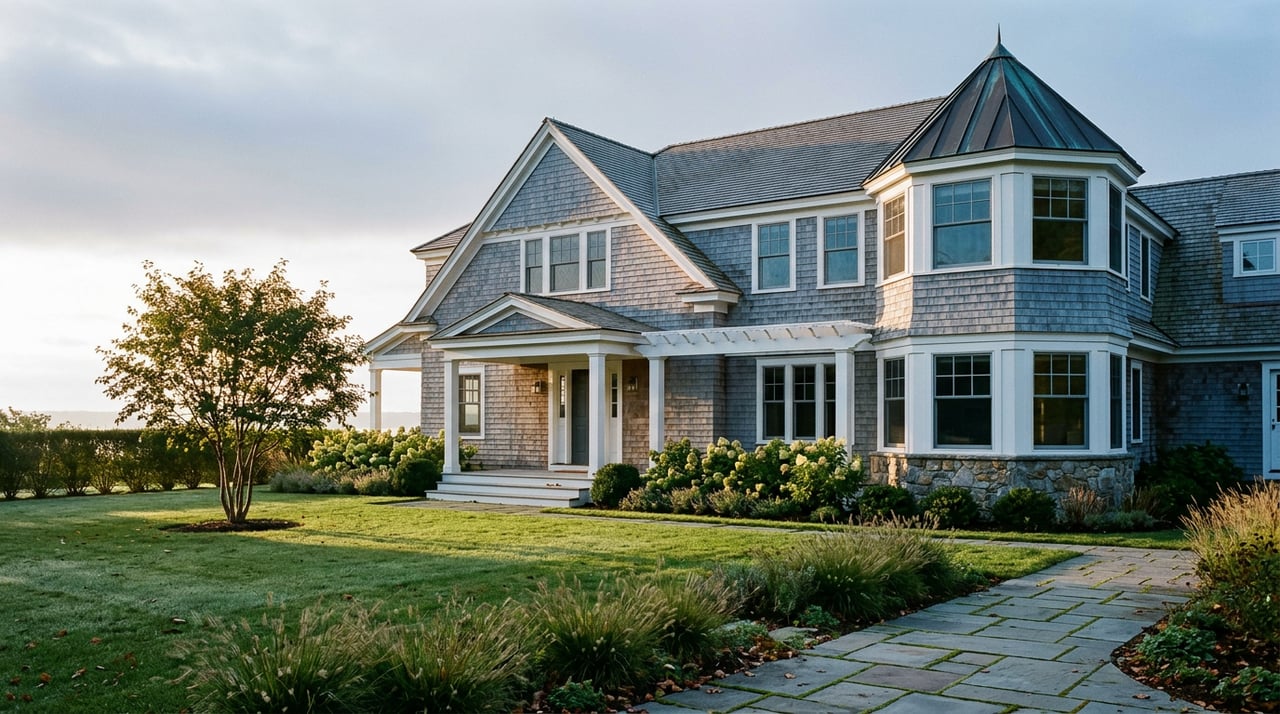
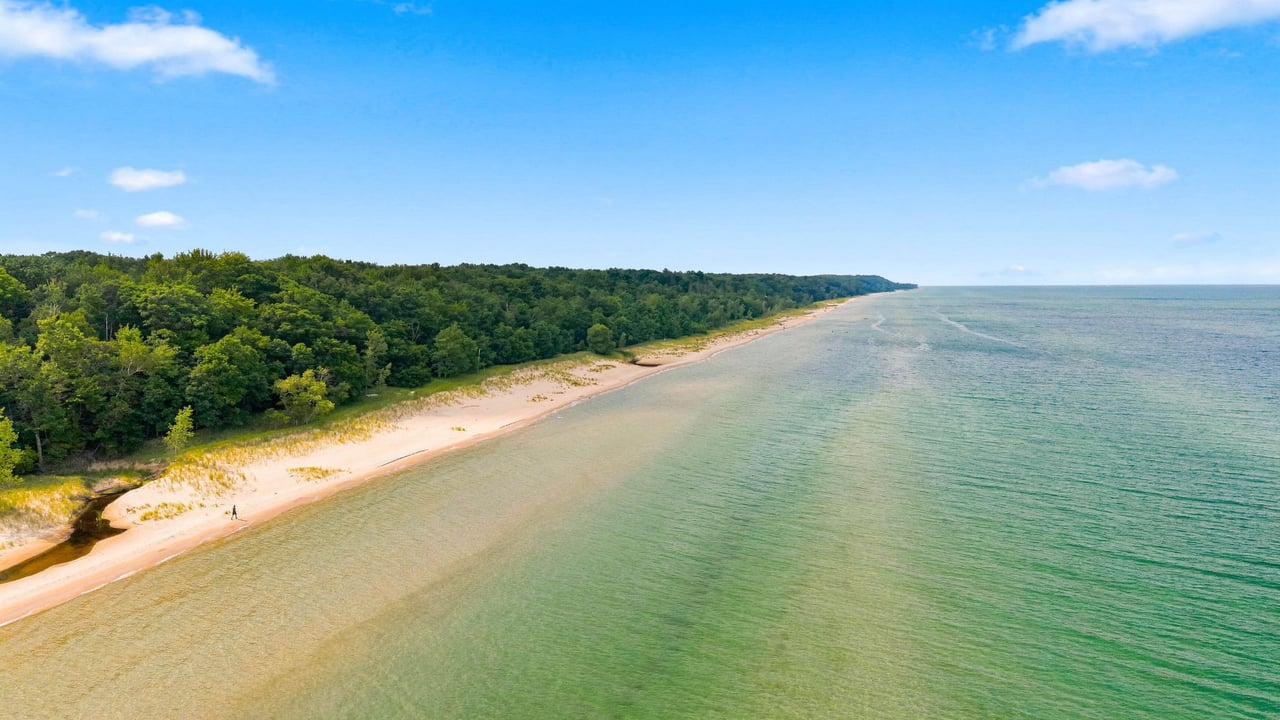
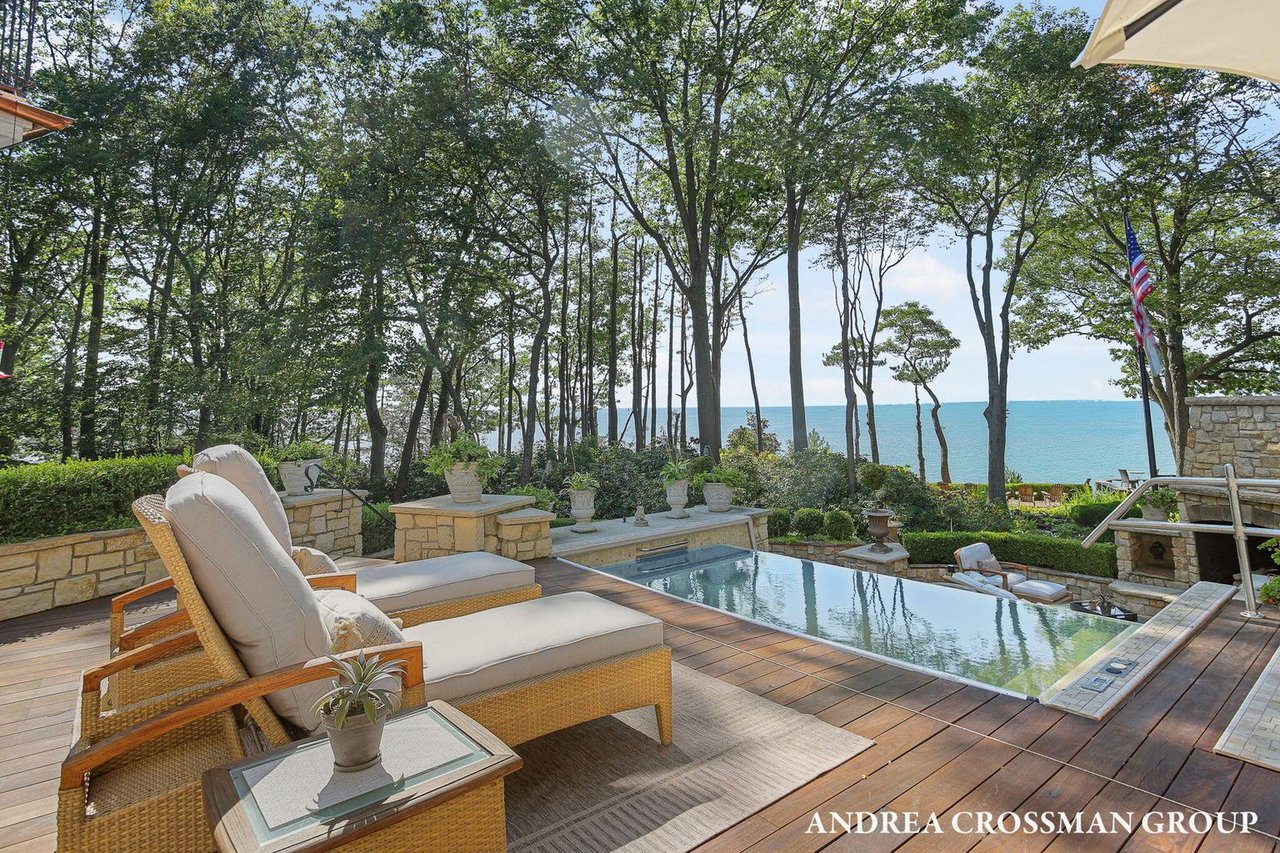
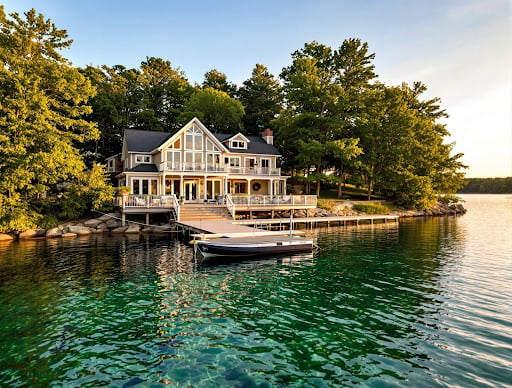
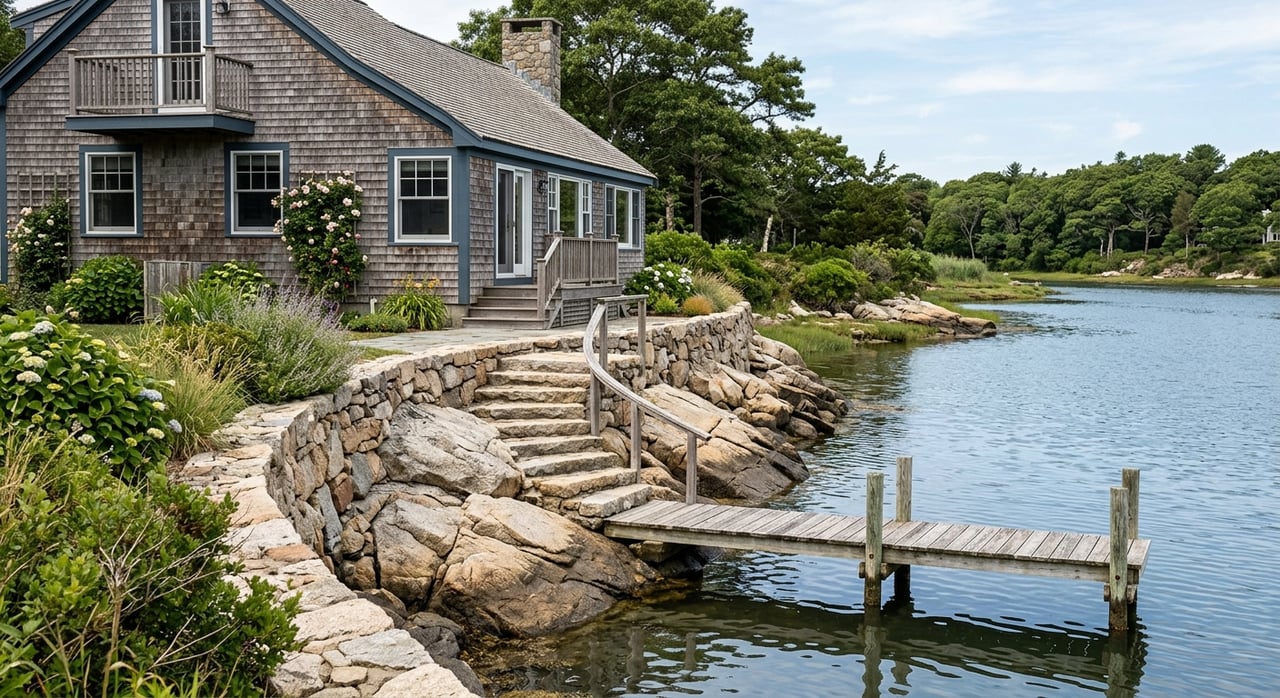
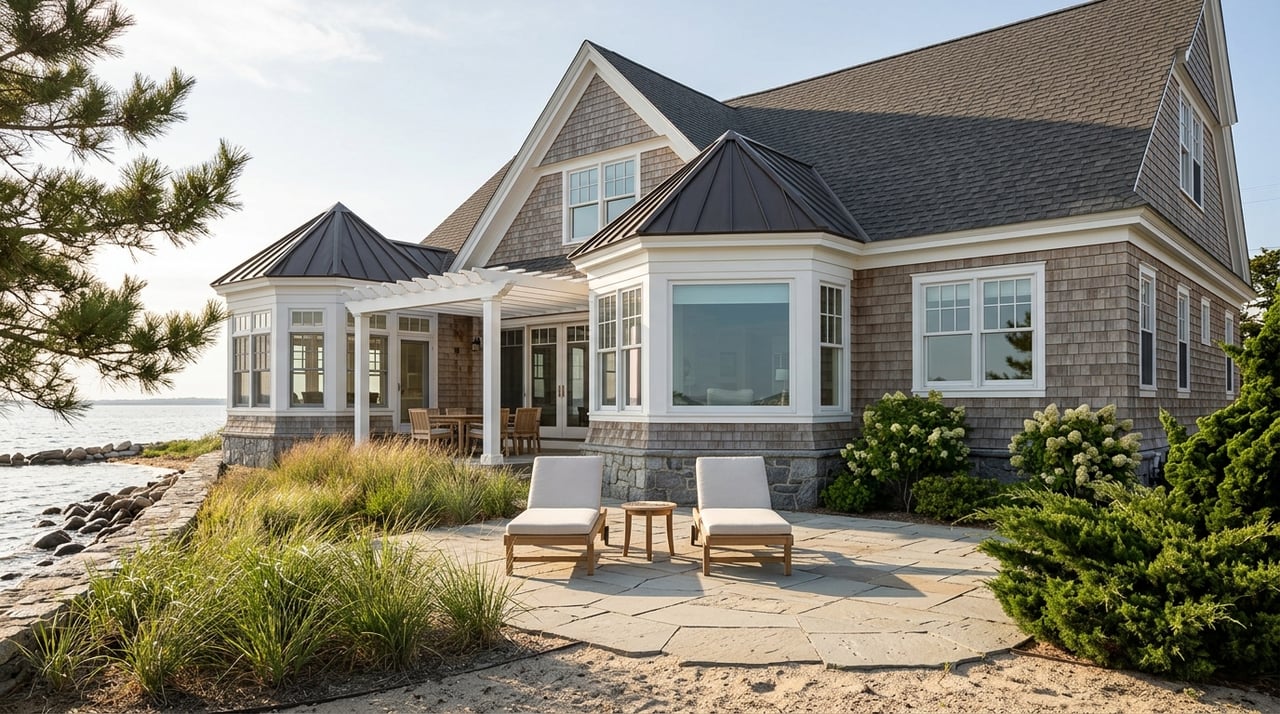
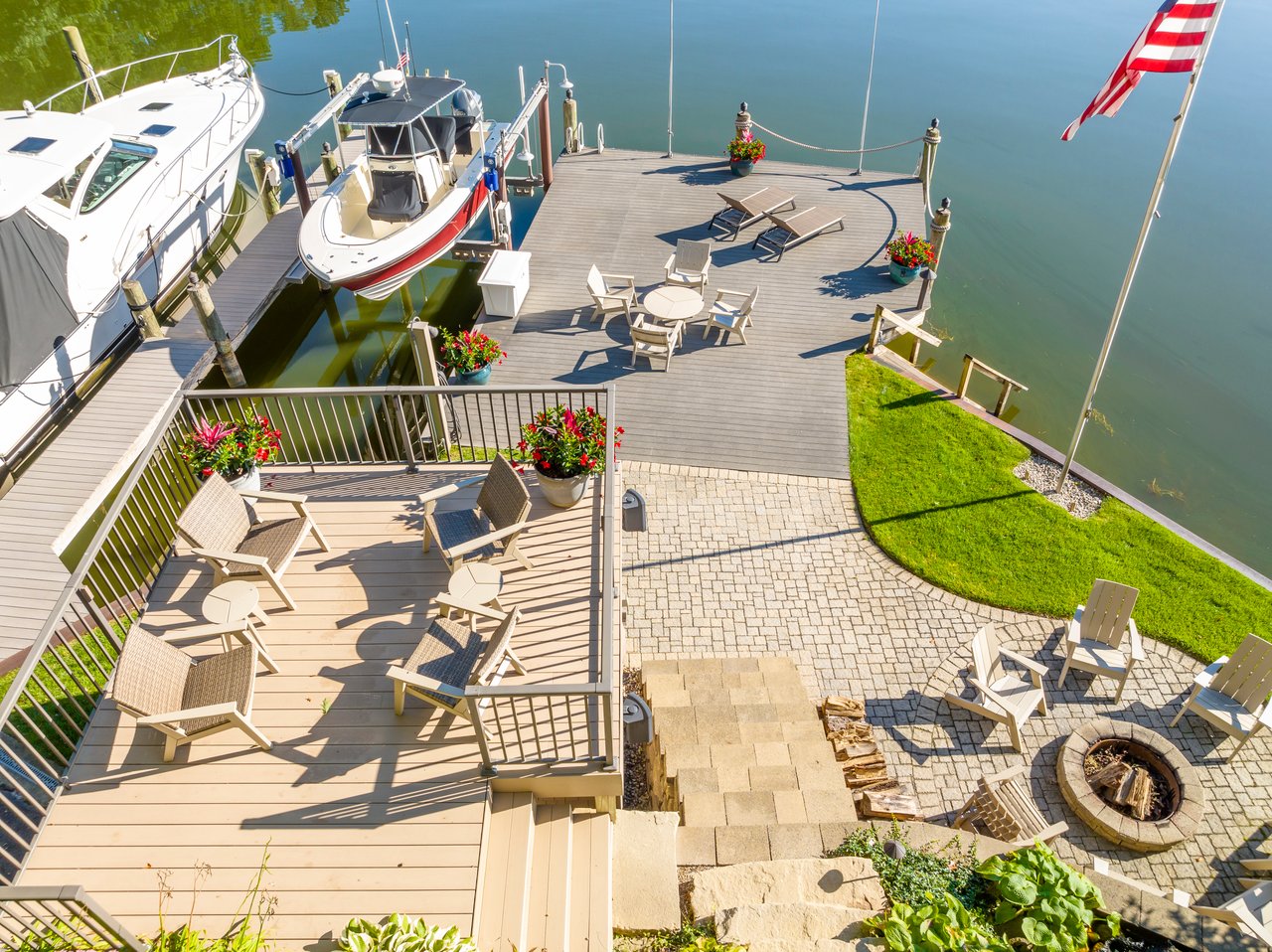
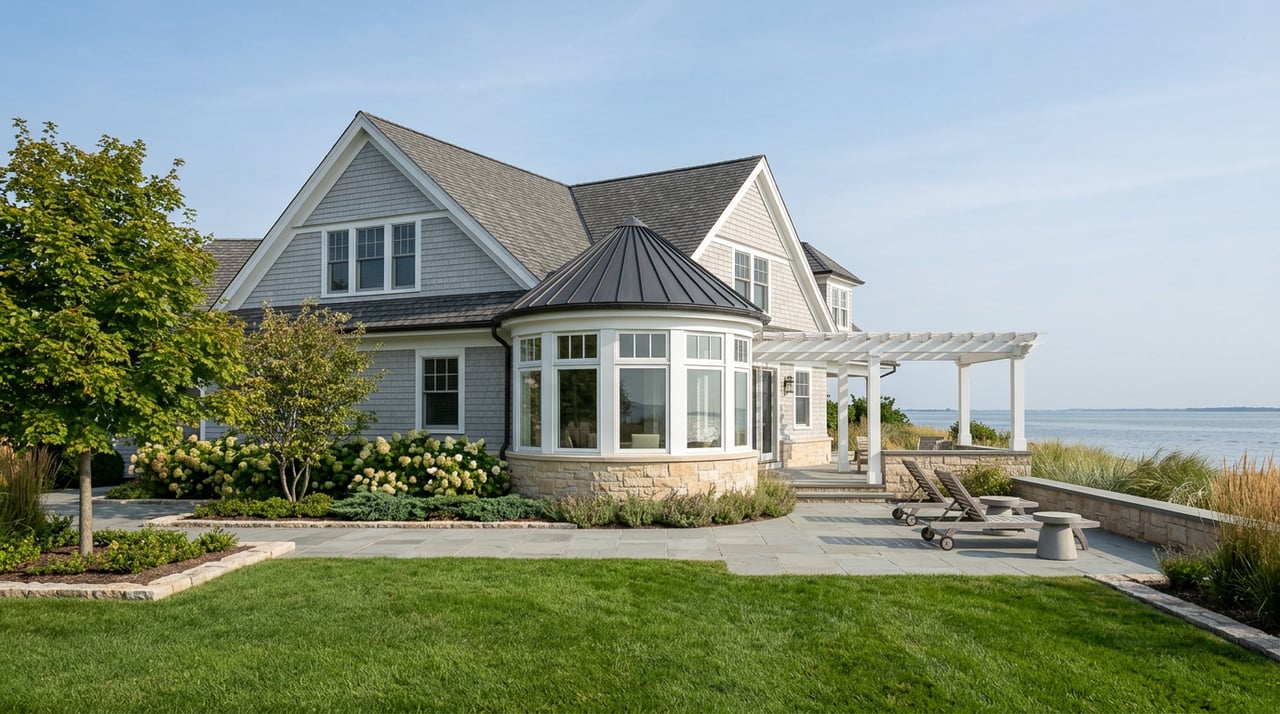
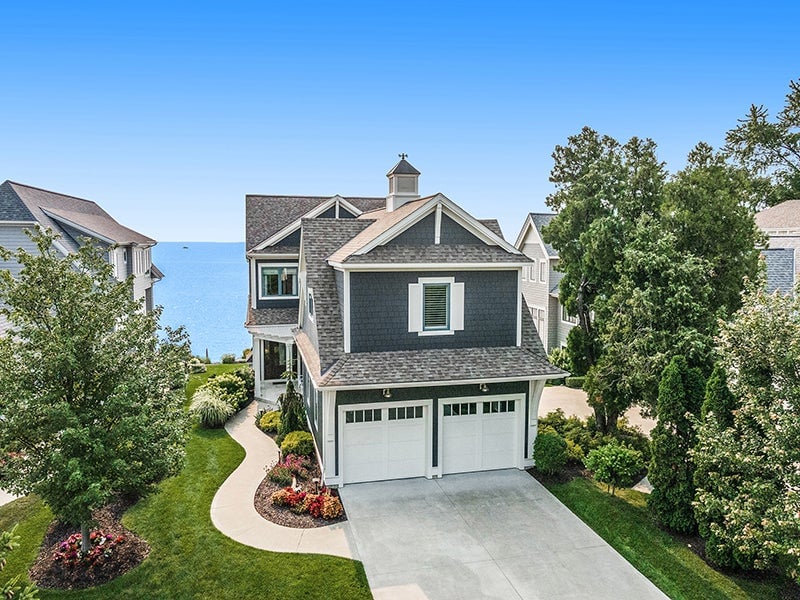
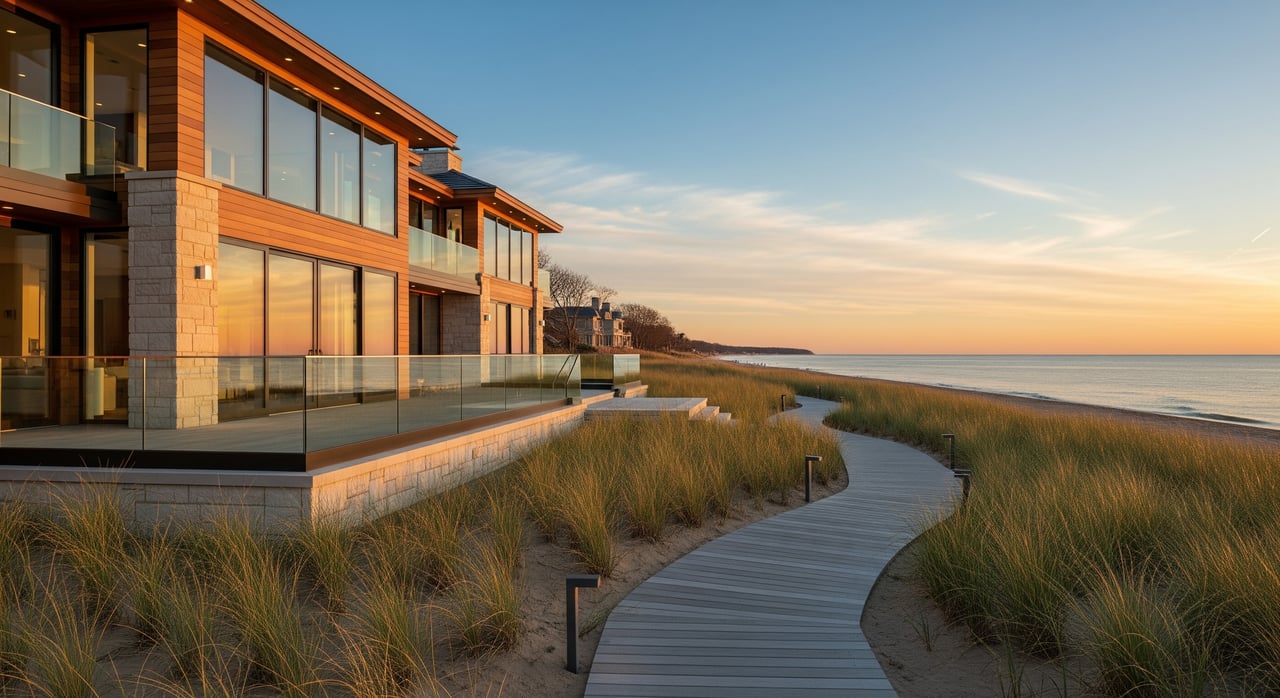
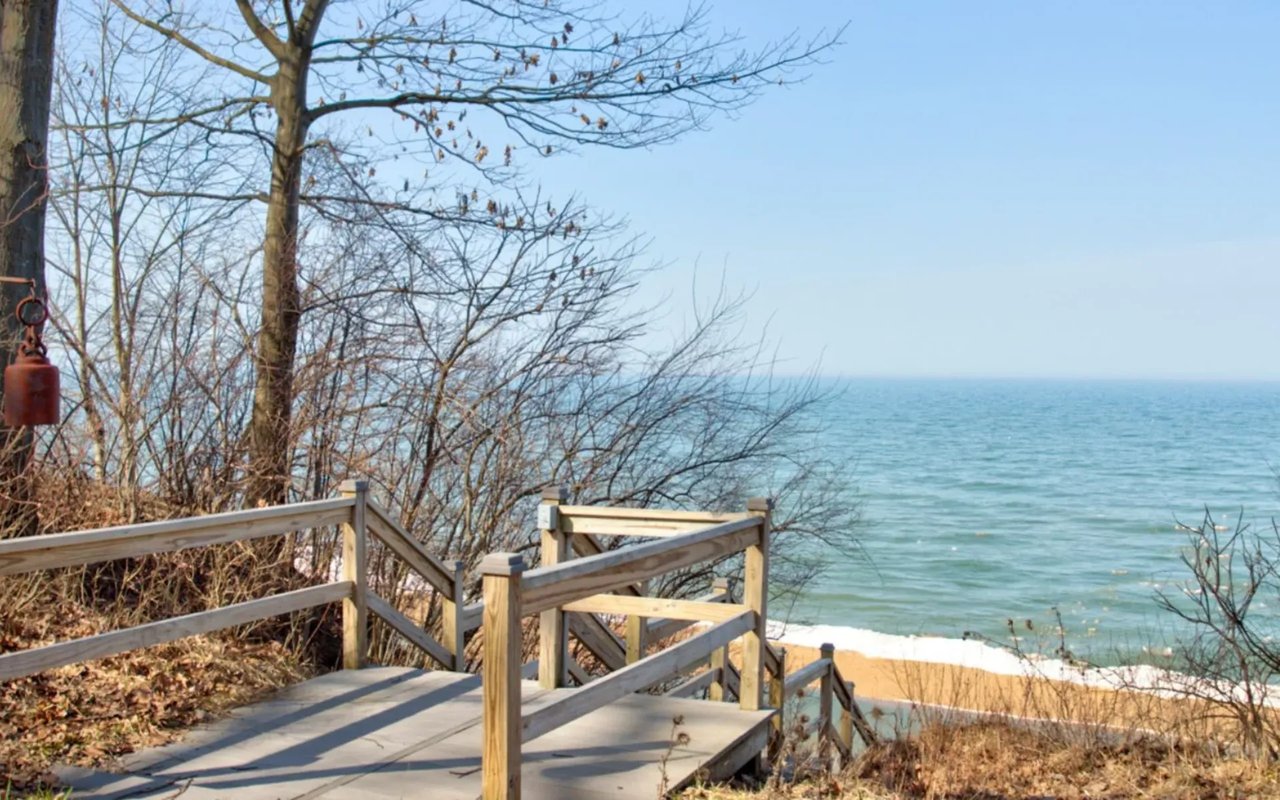
- North Shore and Lake Michigan frontage, where Cape Cod styles and custom builds sit closest to the water and carry the steepest premiums
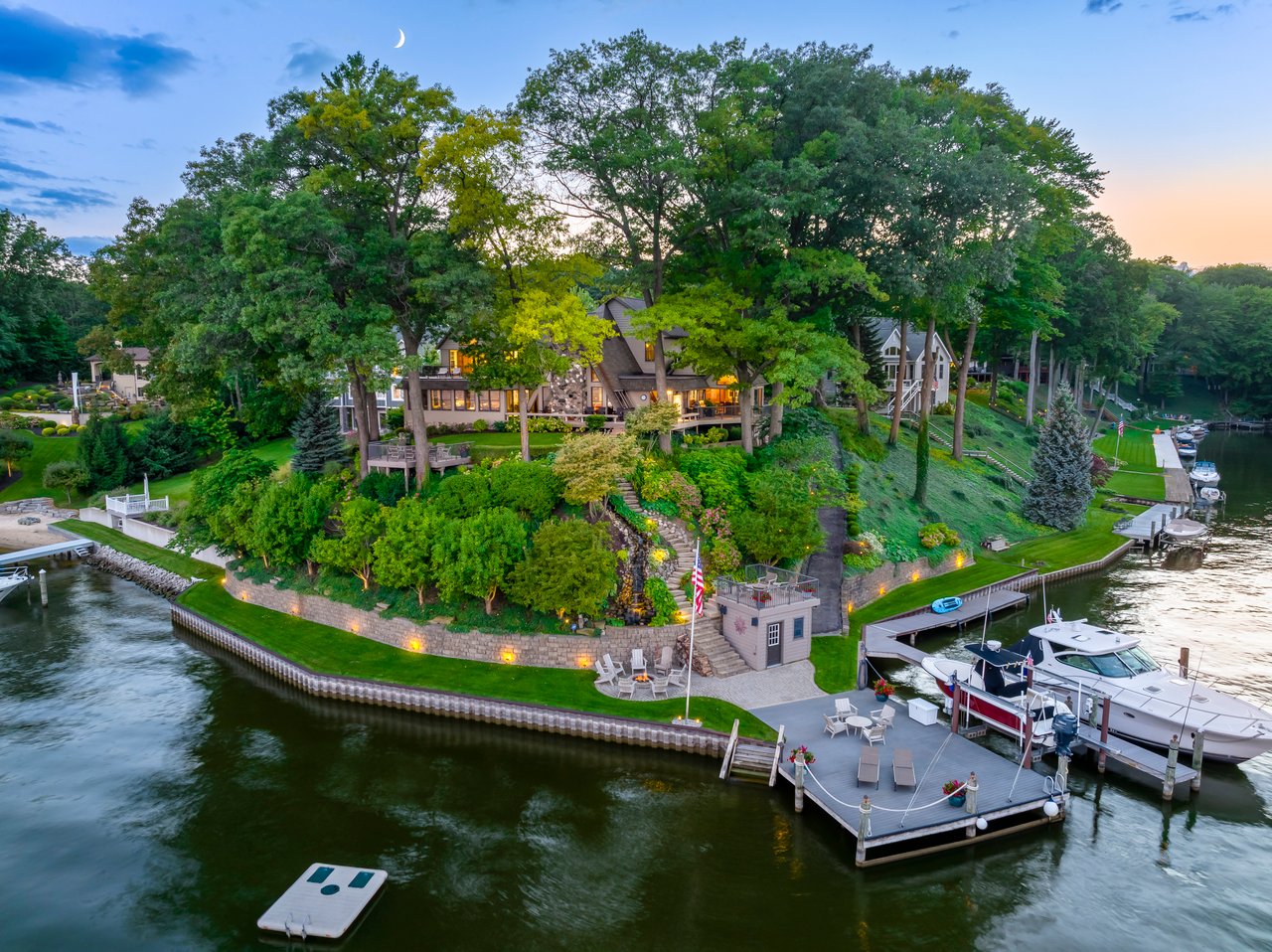
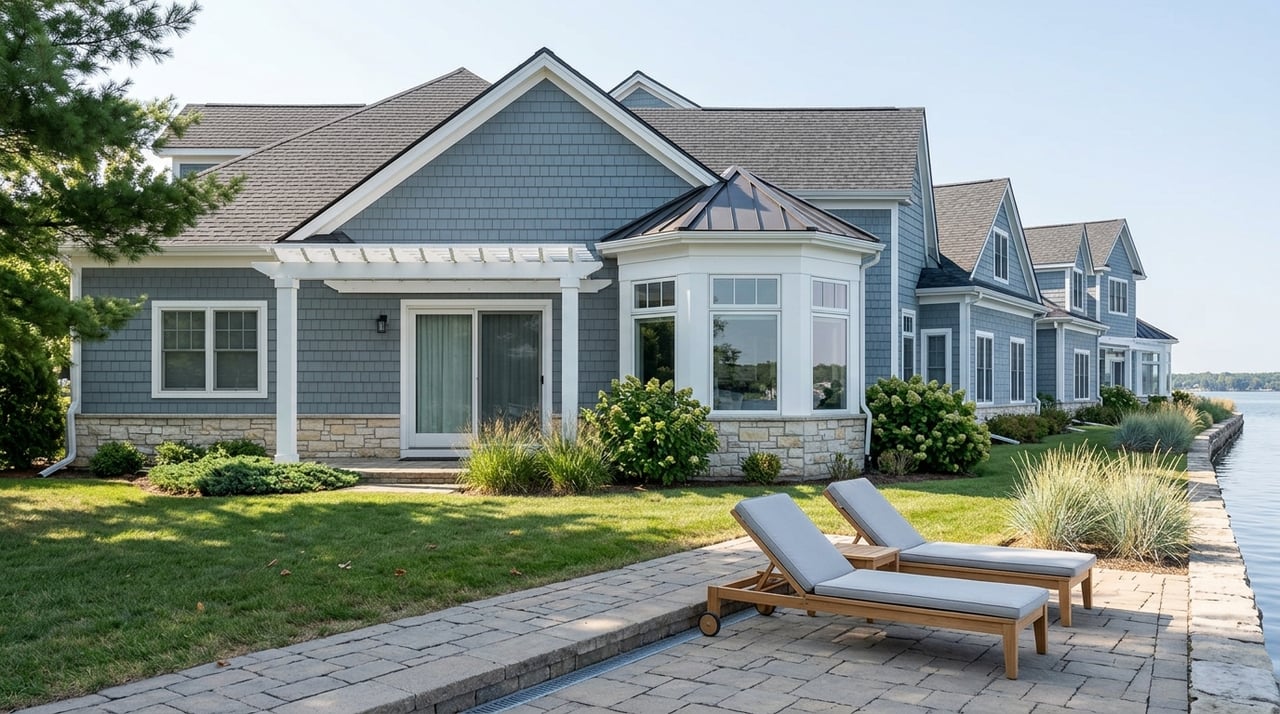
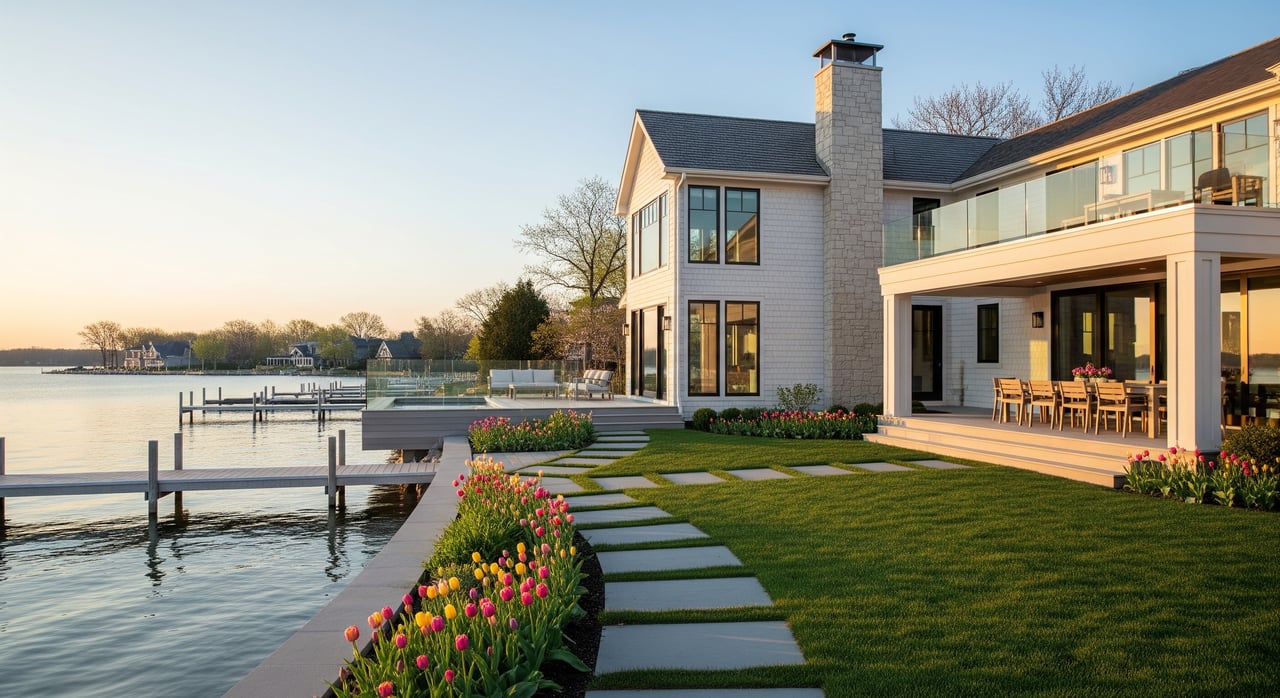
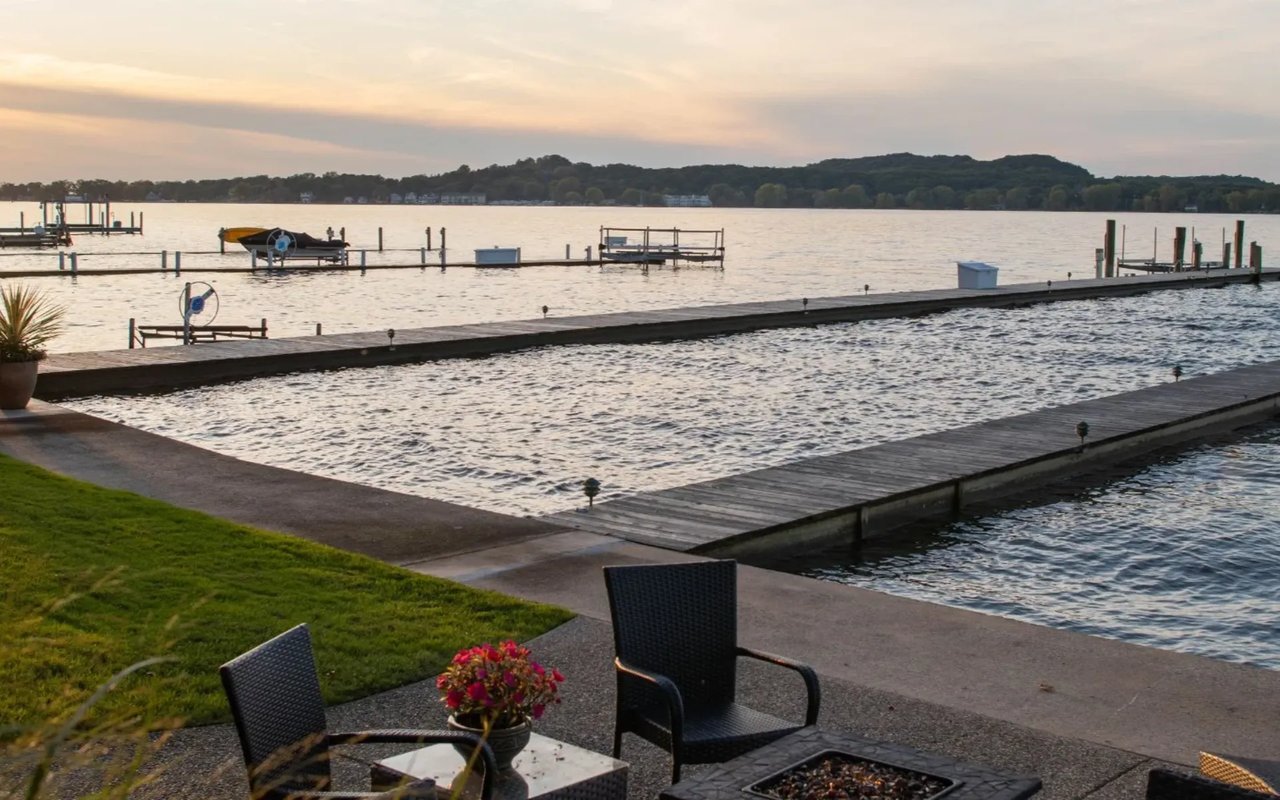
- Stonewater, a gated community on the Grand River with a private marina, clubhouse, and pool, where value is tied to river access rather than open lake frontage
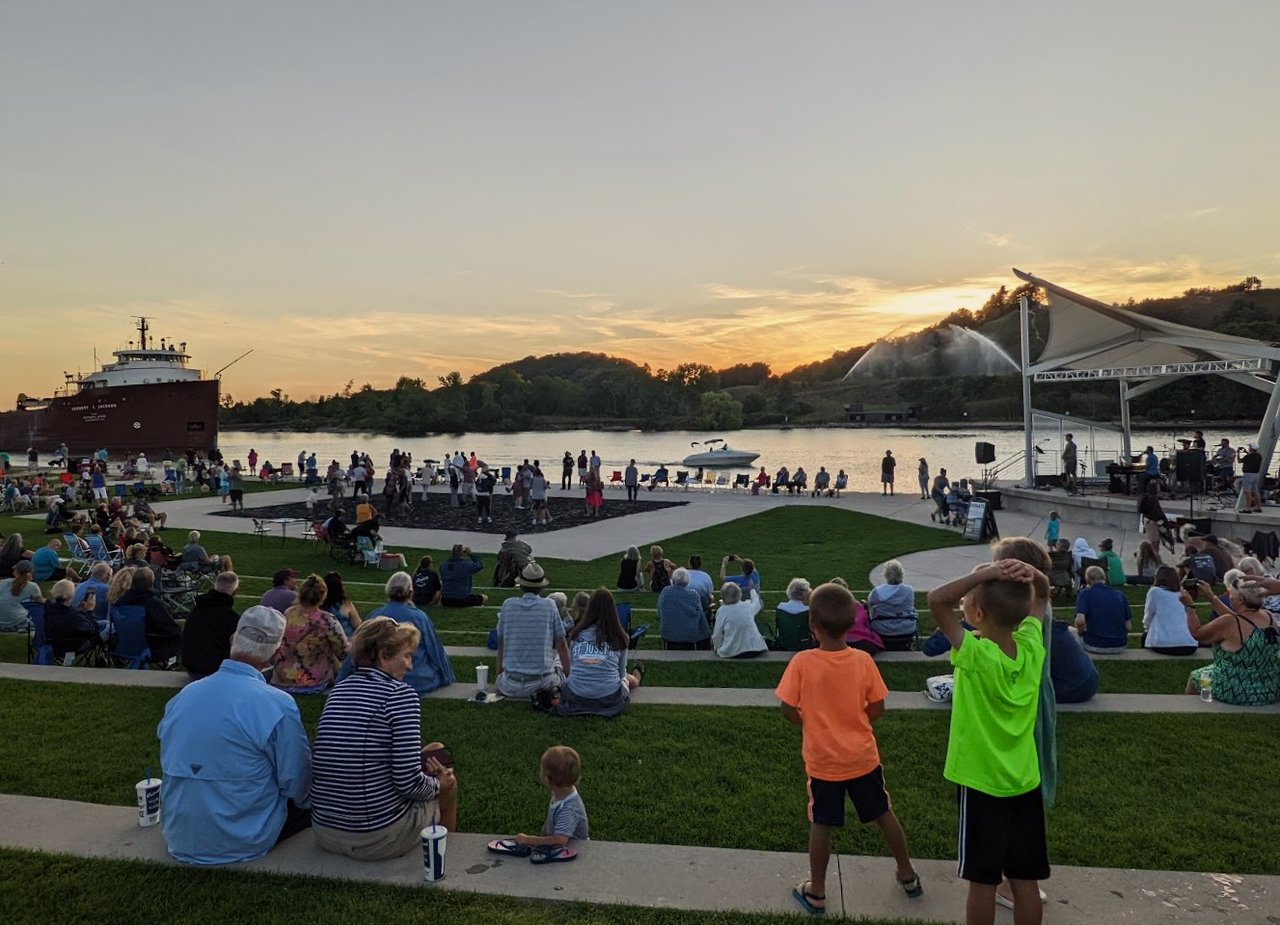
- Downtown and Centertown, where condos and renovated historic properties trade on walkability to Washington Avenue, the boardwalk, and the musical fountain rather than on direct water access
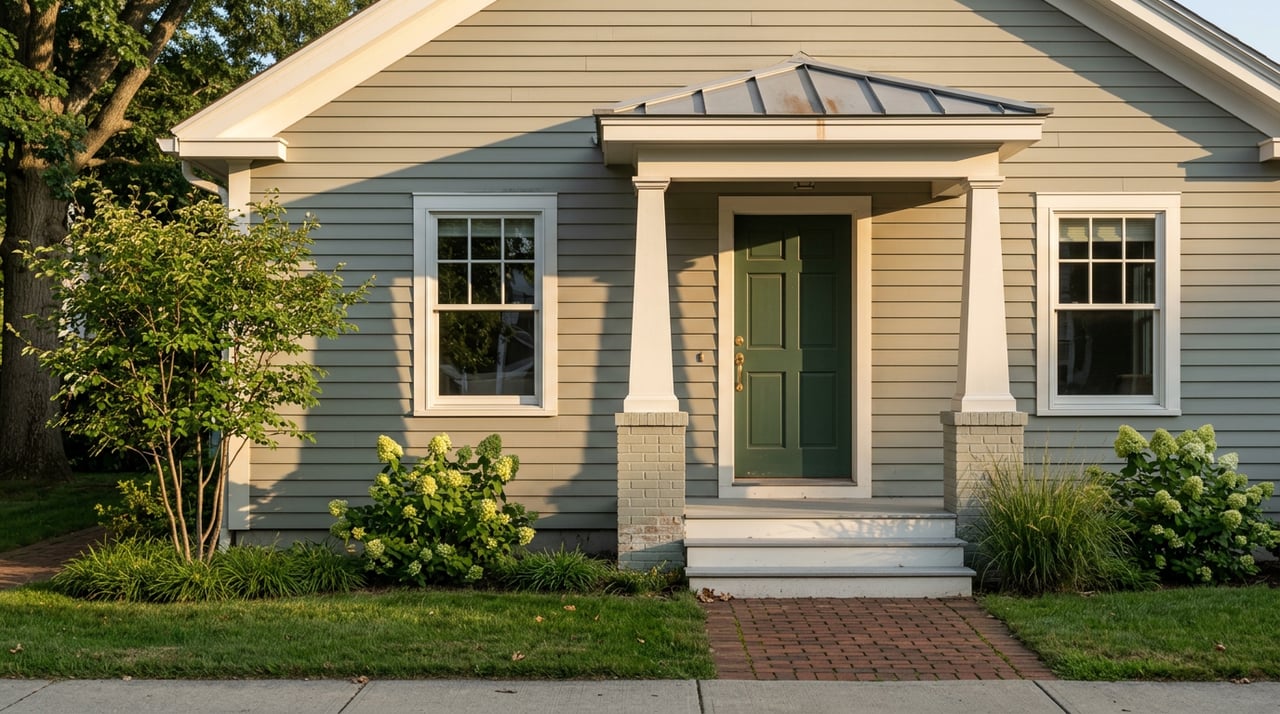
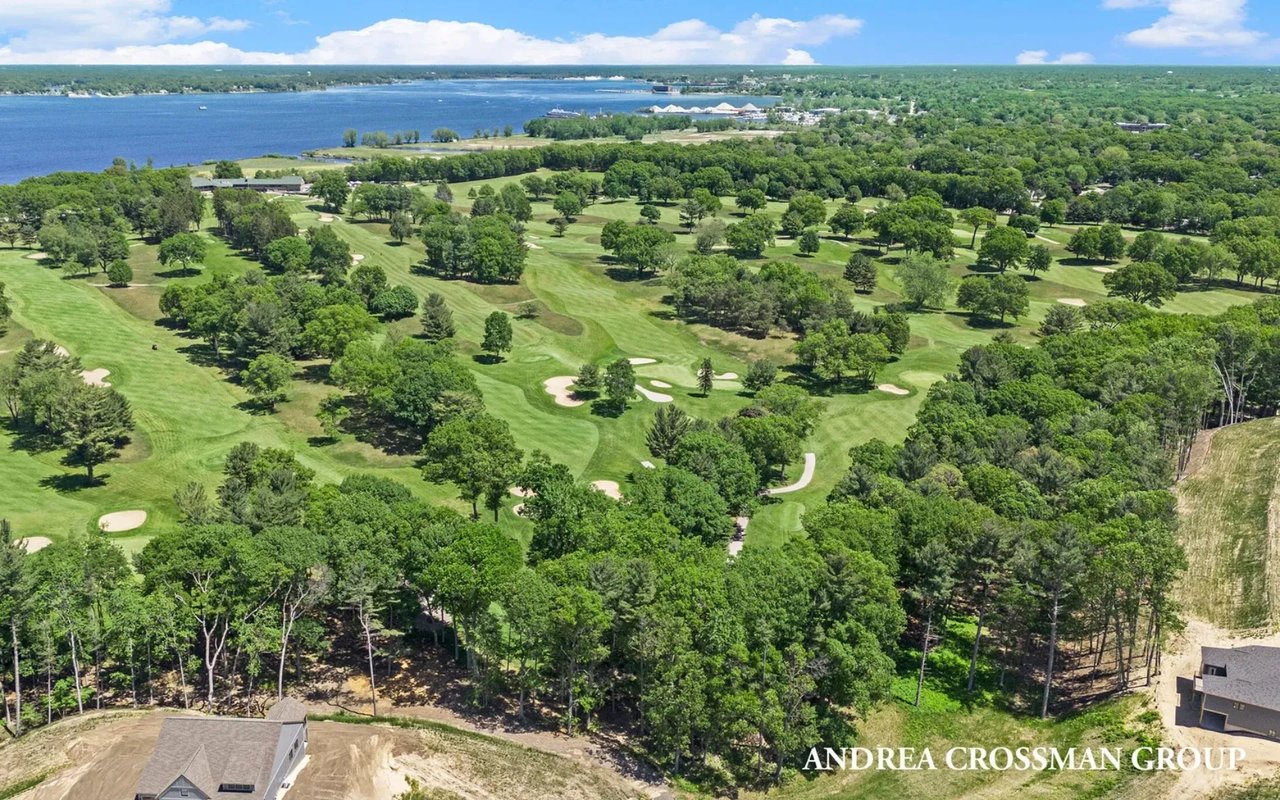
- Robinson Place, Copperstone, and the inland neighborhoods east of Beacon, where the same budget buys considerably more house but no water view
A buyer who anchors on the citywide median and then goes shopping on the wrong side of Beacon Boulevard is working from a number that was never describing the property in front of them.
A median price tells you what the market did on average. It does not tell you which side of the street you are standing on.
What "Waterfront" Doesn't Tell You About the Water
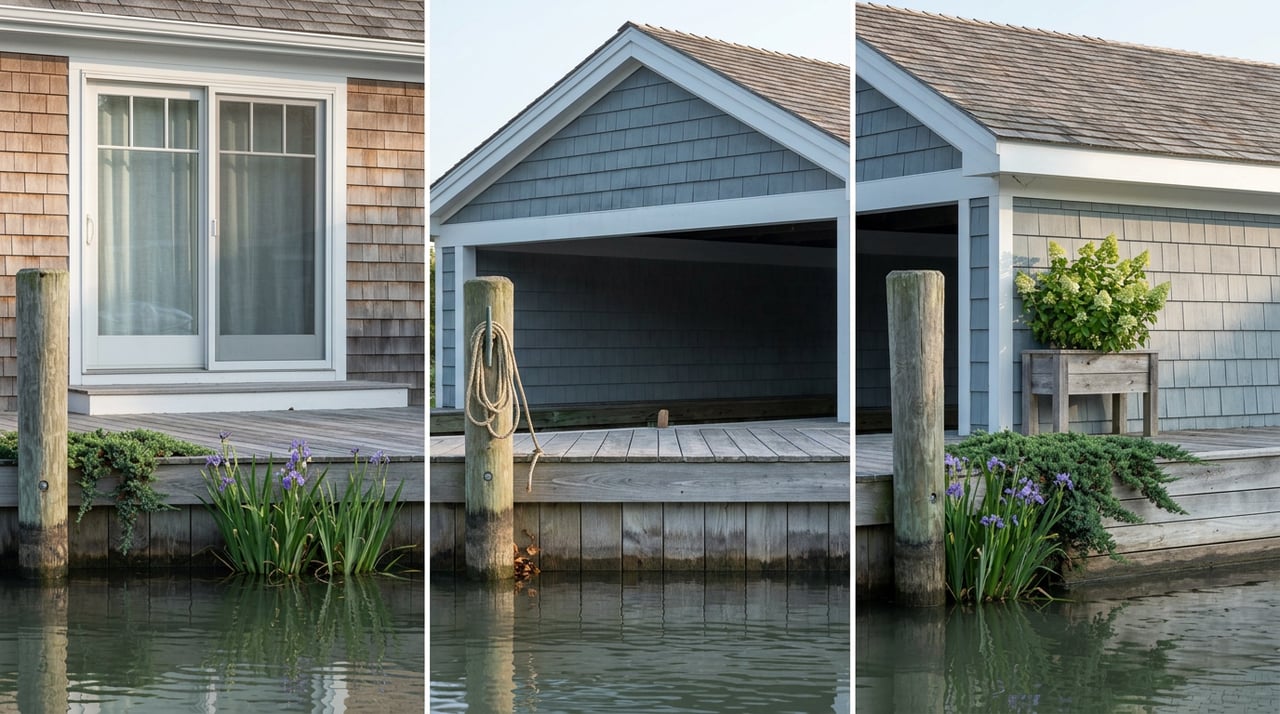
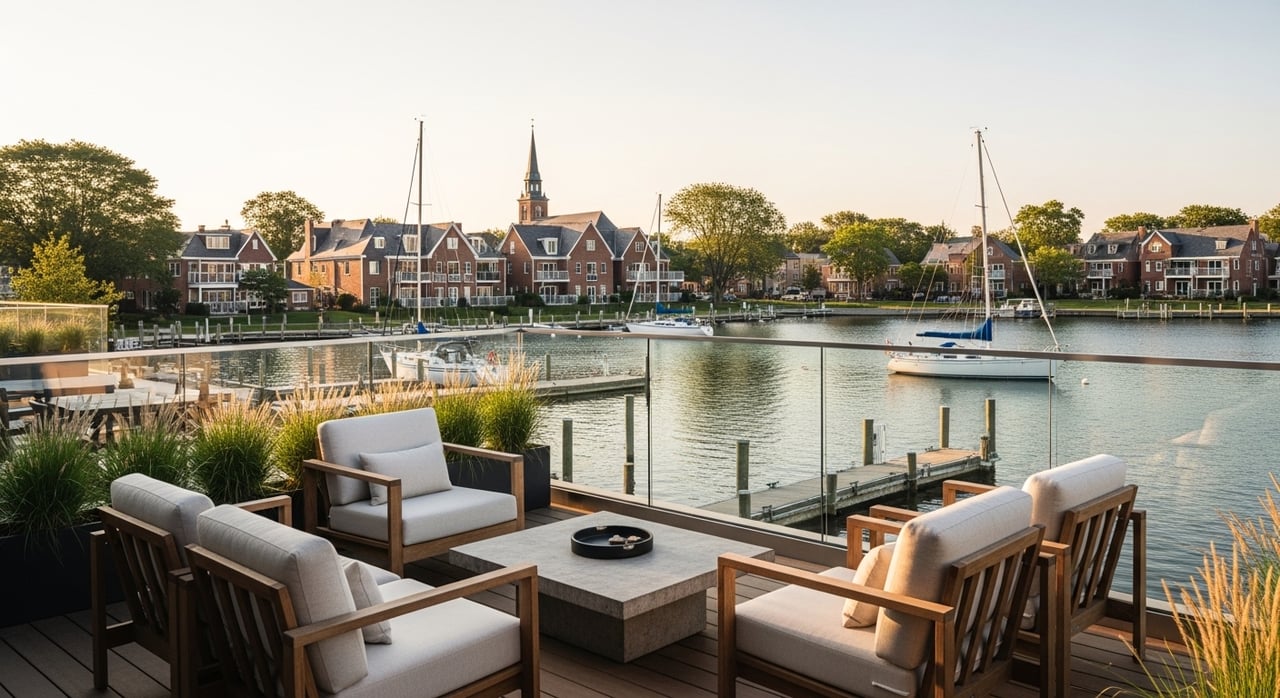
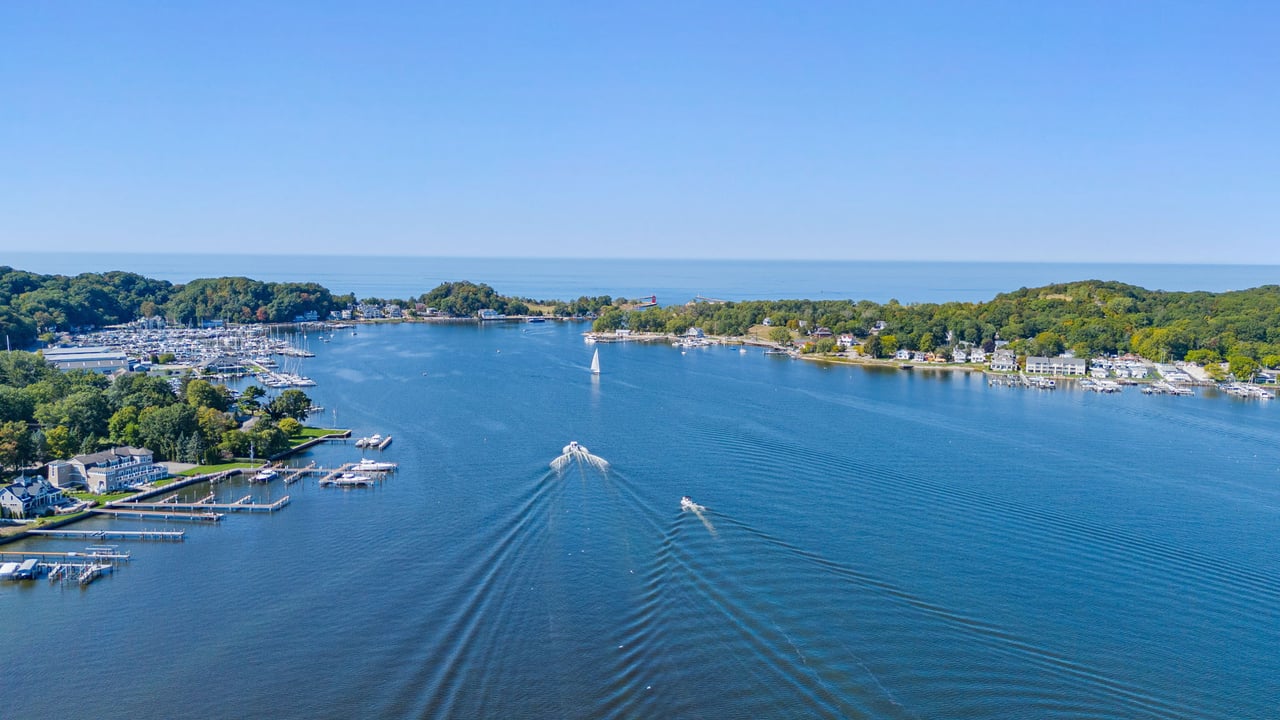
The geography question gets more complicated once you move from beachfront to channel-front, because not all Grand Haven water access is the same kind of asset, and one piece of infrastructure explains why.
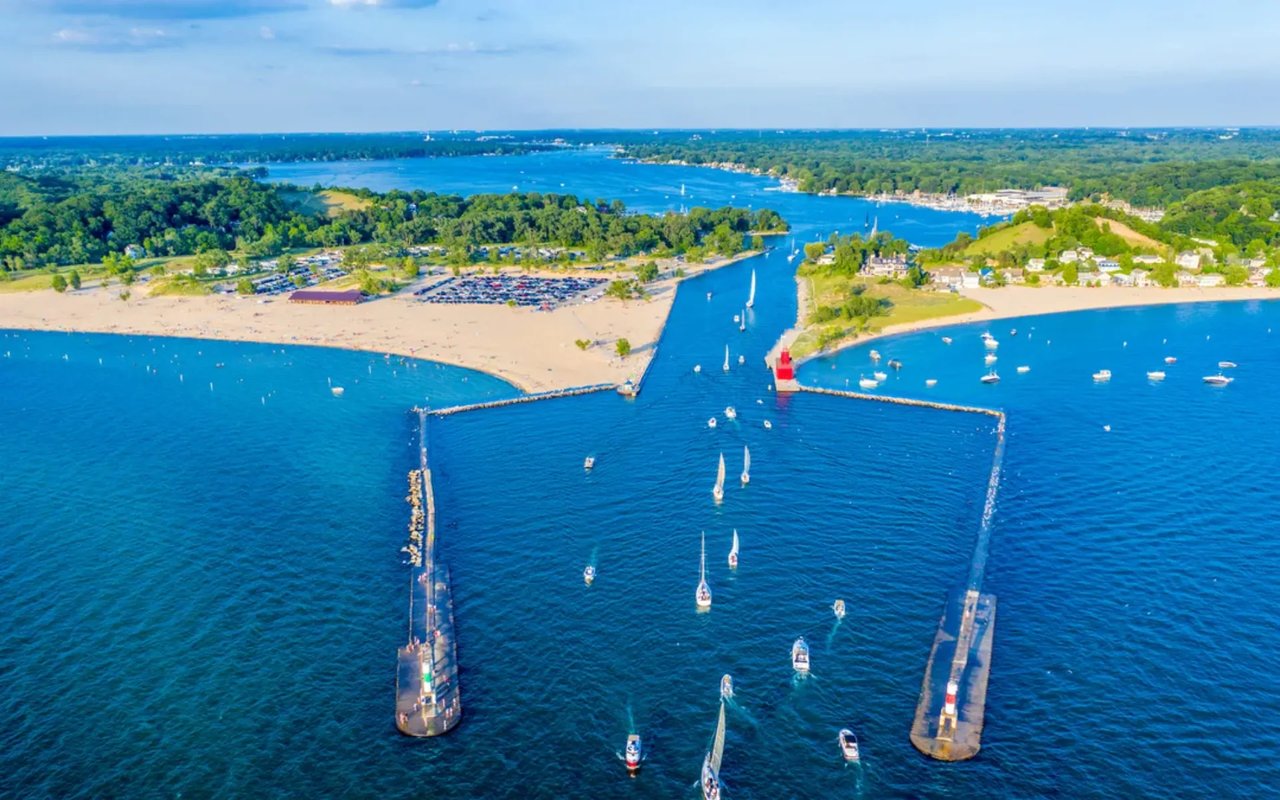
Grand Haven's inner harbor requires maintenance dredging on a cycle that has historically run about every three years, with the outer channel dredged on its own annual schedule. That maintenance calendar is not a background footnote. It is the difference between a dock that holds a deep-draft boat and one that does not, and 2025 showed how easily the cycle can be disrupted.
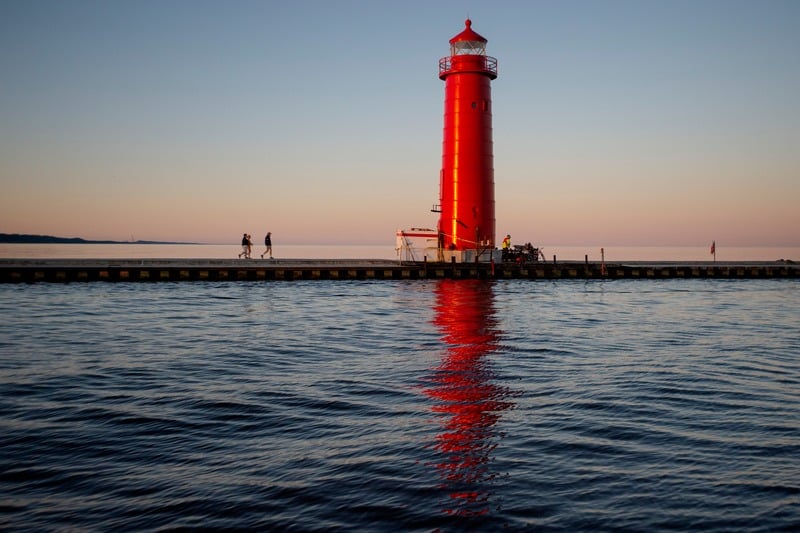
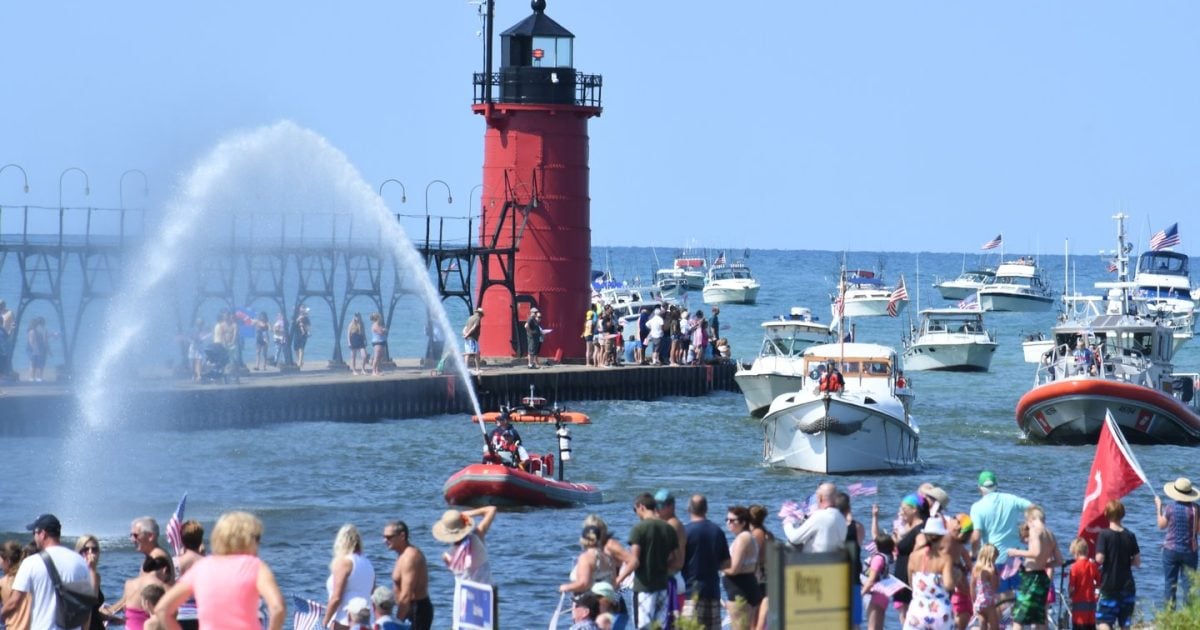
The Army Corps' 2025 plans to dredge Grand Haven's inner harbor were thrown into months of uncertainty after the Michigan Department of Environment, Great Lakes and Energy required sediment testing for PFAS contamination near Harbor Island, a dispute that delayed work while Holland's own harbor dredging proceeded on schedule that spring. A contract was eventually secured and the inner harbor project was completed that fall, but only after local officials warned that a silted channel forces ships to light-load or reroute, at a cost to a harbor that supports more than 450 jobs and generates upward of $88 million in annual economic activity, according to reporting on the delay at the time. The outer harbor's own annual maintenance continued into 2026 on a more predictable timeline, with the Army Corps beginning its next round of dredging in mid-July to clear shoaling in the federal channel between the pier heads and into Lake Michigan.
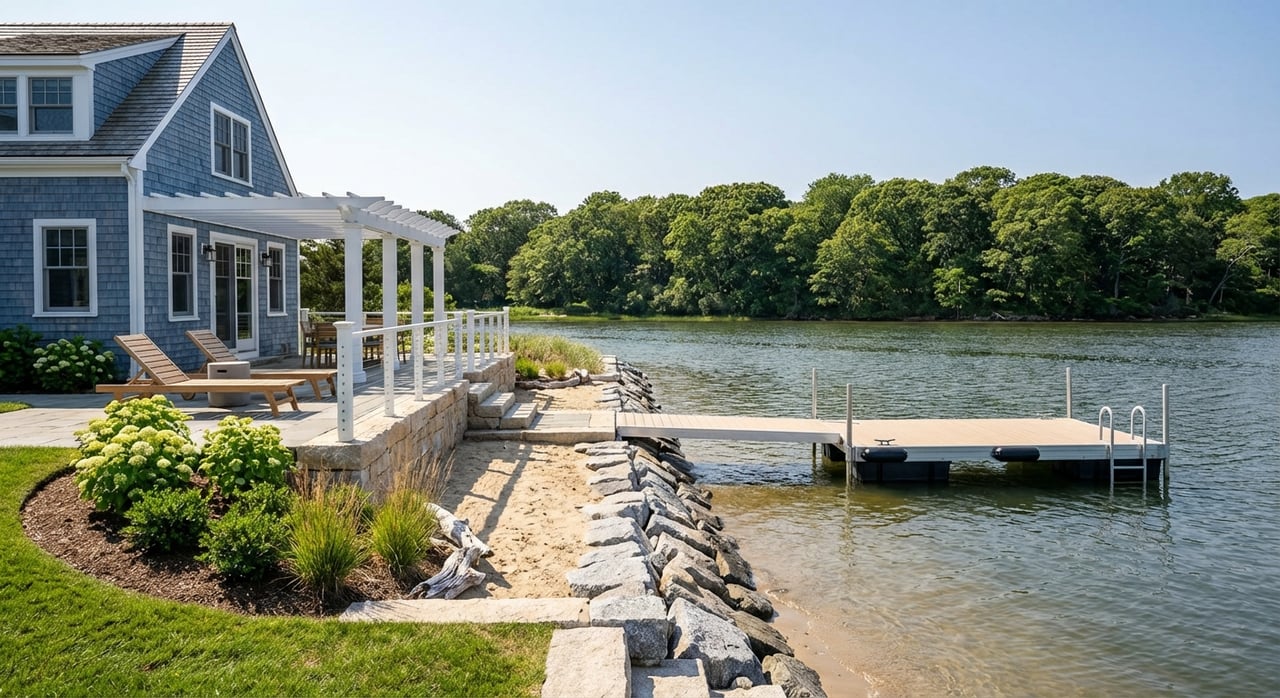
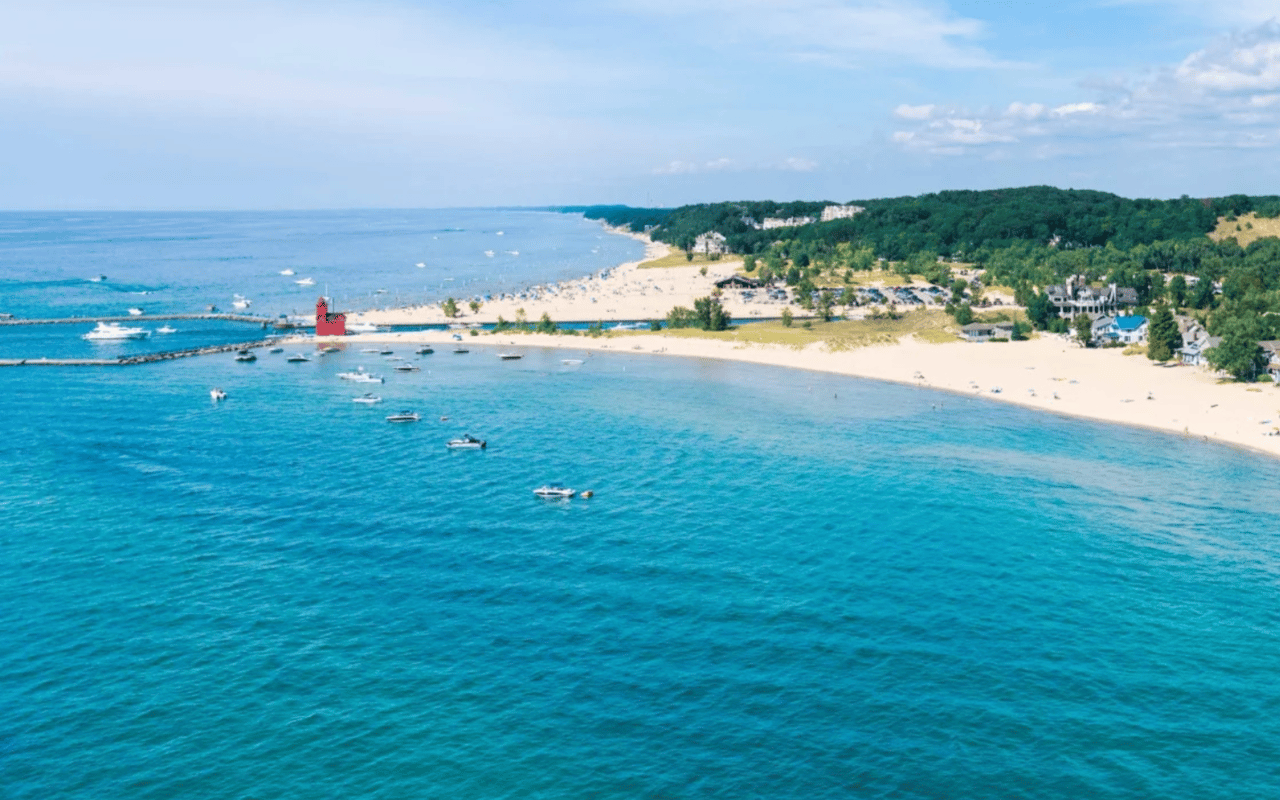
For a buyer comparing a Lake Michigan beachfront lot to a channel-front property in Stonewater or elsewhere along the Grand River, this matters in a very concrete way. Beach frontage does not depend on a federal dredging contract. Channel frontage does. A property's water access can be excellent on the listing sheet and genuinely constrained in practice if the channel silted in during a delayed maintenance cycle, and the difference will not show up in square footage or the photos.
Reading These Numbers Like a Buyer, Not a Headline
None of this means Grand Haven is a bad market to buy into. It means the headline number is the wrong tool for the decision. A buyer who wants to use these figures well should ask three narrower questions instead of one broad one:
First, is the number I'm looking at a closed sale or an active list price. The two tell different stories right now, especially in the waterfront segment, where list prices can sit well above what recent closings actually cleared.
Second, which side of Beacon Boulevard is this property on, and what is it actually being valued for: open lake frontage, river and marina access, or walkable proximity to downtown. Each of those is a different product with a different price ceiling, even inside the same zip code.
Third, if the property advertises dock or channel access, when was that channel last dredged, and is it on a schedule that has been reliable. A private marina community like Stonewater manages this differently than a home on a stretch of the Grand River that depends on the federal maintenance cycle.
Grand Haven's market in 2026 rewards buyers who ask those questions before they anchor on a number pulled from a national portal. The city's own geography and its own infrastructure calendar are doing more to set price than any single median ever will.
A Few Questions Worth Asking Directly
Is Grand Haven waterfront real estate currently overpriced? It depends which number you compare. Closed waterfront sales reached a median of $575,000 in February 2026, up 9.5% year over year and well above that month's citywide median of $366,000. Current asking prices on active waterfront listings this summer sit higher still, at a median of $1.1 million in July 2026. The gap between what sellers are asking and what recently closed is wide enough that pricing strategy, not just location, should be part of any conversation about value.
How can I tell if a home's dock or channel access is reliable long term? Ask when the adjacent channel was last dredged and whether it falls under the Army Corps' federal maintenance schedule or a private community's own marina management, like Stonewater's. Federal channels run on a maintenance cycle that can be delayed by regulatory review, as happened in 2025, while privately managed marinas set their own schedules.
If you are weighing a beachfront lot against a river or channel property in Grand Haven, or trying to figure out which side of Beacon Boulevard actually fits your budget, that is exactly the kind of comparison Andrea Crossman Group works through with buyers every week. Discover Lakeshore Living, and let's find the number that actually applies to you.