Is This Actually a Good Time to Buy a Home?
Buyers have more inventory, more negotiating room, and more price reductions to work with—but mortgage rates around 7.4% are making affordability tougher. Here’s how to think about buying in today’s West Michigan market.
The housing market is sending buyers mixed signals right now.
On one hand, there are more homes available, more sellers are reducing prices, and buyers generally have more room to negotiate than they did during the most competitive years of the market.
On the other hand, mortgage rates have climbed again. Freddie Mac reported that the average 30-year fixed mortgage rate reached 7.40% on October 8, up from 7.28% the week before. GlobeNewswire
That leaves many buyers asking the same question:
Is this actually a good time to buy a home?
The answer depends less on whether the market is universally “good” or “bad” and more on how today’s conditions affect your specific situation.

Buyers Have More Choices Than They Did a Year Ago
One of the biggest improvements for buyers is inventory.
Realtor.com reported more than 1.16 million active listings nationally in September, up 5.4% compared with a year earlier. Inventory is now much closer to typical pre-pandemic levels than it has been in recent years. Media | Move, Inc.
More inventory matters because it reduces the pressure to treat every suitable home like the only opportunity available.
Buyers may have more time to compare:
- Location
- Condition
- Price
- Days on market
- Property taxes
- Association fees
- Updates and renovations
- Lot size
- Waterfront access
- Competing listings
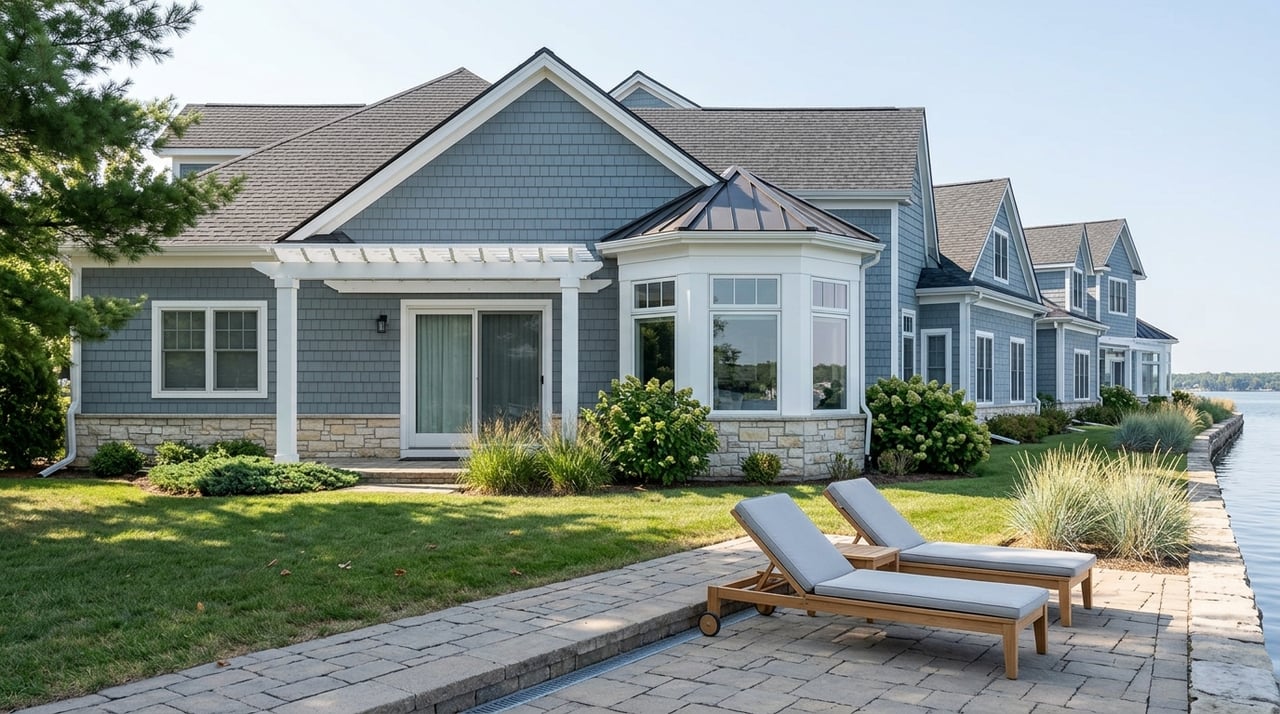
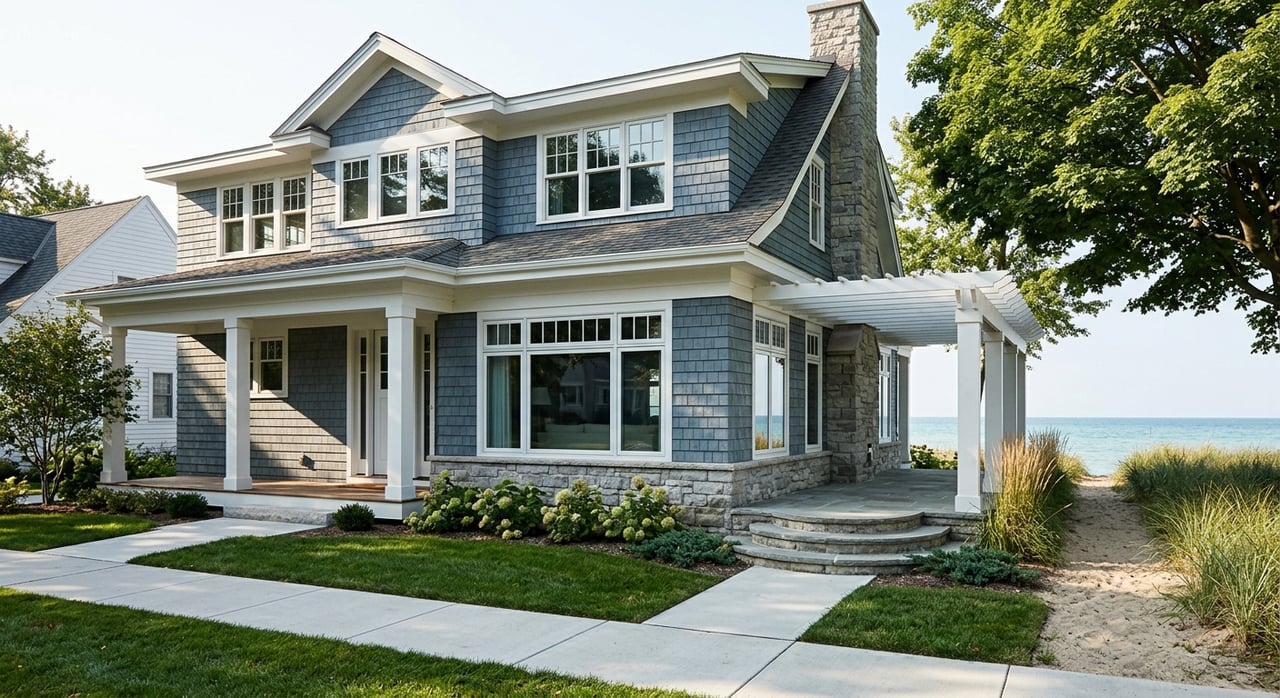
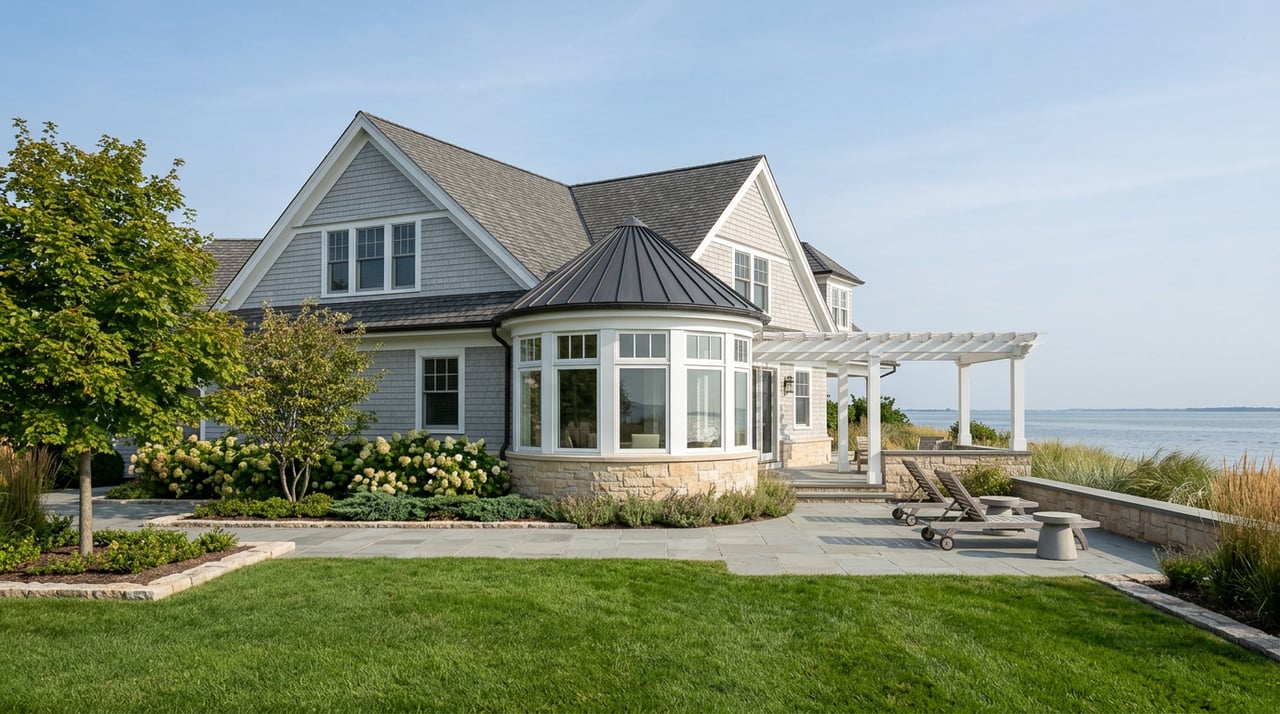
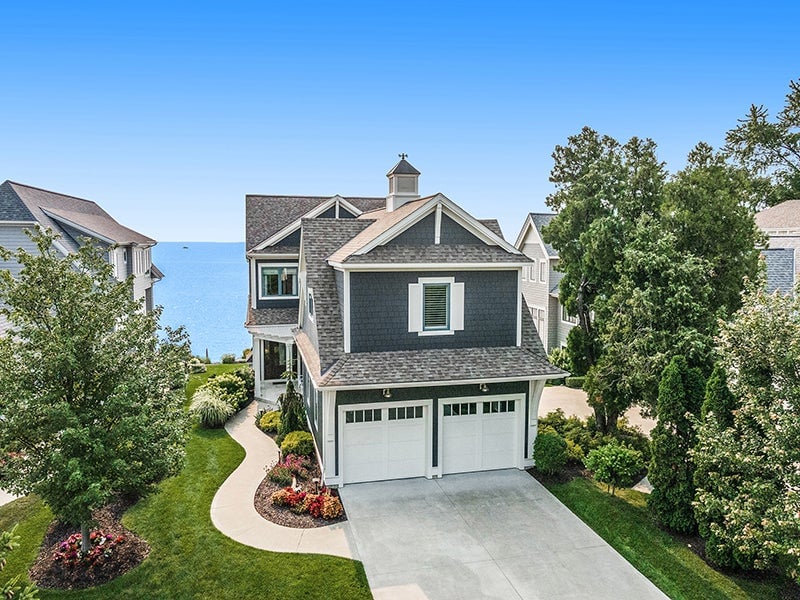
For a West Michigan buyer, that can be especially helpful when searching for something specific, such as a Lake Michigan property, inland waterfront home, acreage, second home, or particular community.
More Sellers Are Cutting Prices
Another major change is seller pricing.
In September, 20.8% of active listings had experienced a price reduction, the highest September share since 2018. Media | Move, Inc.
That does not mean every home is overpriced or every seller is desperate.
But it does suggest buyers should pay close attention to a listing’s history.
A property that has been sitting for 75 days and has already had two reductions may create a very different negotiating opportunity than a well-priced home that came on the market yesterday.
Buyers May Have More Negotiating Power
With more inventory available and fewer homes immediately going under contract, buyers can sometimes negotiate on more than just price.
Potential areas of negotiation may include:
- Purchase price
- Closing-cost assistance
- Mortgage-rate buydowns
- Repairs
- Inspection credits
- Appliances or furnishings
- Closing timeline
- Possession
- Other seller concessions
Realtor.com reported that the number of homes under contract declined 4.1% year over year in September, the steepest annual decline since March 2025. Media | Move, Inc.
That gives some well-prepared buyers more leverage.
But the key phrase is some buyers.
Highly desirable properties in strong locations can still attract competition quickly.
The Problem: Mortgage Rates Are Higher
The biggest argument against buying right now is straightforward: financing is expensive.
Freddie Mac’s latest weekly survey put the average 30-year fixed mortgage at 7.40%, compared with 6.30% a year earlier. GlobeNewswire
That difference can significantly change a monthly payment.
For example, consider a buyer borrowing $400,000 on a 30-year fixed mortgage.
At 6.3%, the principal and interest payment is roughly $2,476 per month.
At 7.4%, it is approximately $2,770 per month.
That is almost $300 more every month, before property taxes, homeowners insurance, or association fees.
So even though buyers may be getting better negotiating conditions, they may have less purchasing power.

Better Market Conditions Do Not Always Mean Better Affordability
This is the unusual part of the current market.
The actual buying process may be easier than it was a few years ago.
You may face fewer bidding wars.
You may have more homes to choose from.
You may have more time to make a decision.
You may even negotiate a price reduction or seller concession.
But the cost of financing that home may still be higher.
NAR recently noted that higher rates are causing buyers to recalculate what they can afford and contributing to weaker mortgage application activity. National Association of REALTORS®
That is why buyers should look beyond the list price.
The real question is:
What will this home cost me every month?
When Buying Now May Make Sense
Buying today may still make sense if several things line up.
You have stable income and are comfortable with the monthly payment.
You plan to stay in the home for several years.
You have enough cash for your down payment, closing costs, and emergency reserves.
You find a property that genuinely fits your needs.
You have negotiating leverage with the seller.
You are purchasing in an area where suitable homes do not become available often.
You are comfortable buying at today’s rate even if refinancing opportunities never materialize.
That last point is important.
A buyer should not purchase a home solely because they are assuming they will refinance into a much lower rate soon.
Refinancing could become an option later, but it should be treated as a potential benefit—not a guarantee.
When Waiting May Be the Better Decision
There are also good reasons to wait.
If buying would stretch your monthly budget too far, waiting may be the responsible choice.
The same is true if you have very little money left after the down payment, expect a major job or location change, need to improve your credit, or simply have not found the right property.
There is no prize for buying a house simply because market conditions are technically favorable.
The right home at the wrong financial time can still be the wrong decision.
West Michigan Is Not One Housing Market
National statistics provide useful context, but they should not be treated as a substitute for local information.
West Michigan has many different housing markets operating at the same time.
A starter home in Grand Rapids may still have significant competition.
A luxury waterfront property in Saugatuck may appeal to a much smaller group of buyers.
A downtown Holland condo competes against a different set of properties than a home on acreage in Allegan County.
And a Lake Michigan home can vary dramatically in value depending on frontage, bluff condition, beach quality, views, access, and location.
That means buyers should evaluate the specific property—not simply the national headline.

Fall Can Be a Useful Time to Buy in West Michigan
There are also practical advantages to shopping during fall.
You may get to see a property under conditions that reveal things you would not notice during a perfect summer afternoon.
Pay attention to:
- Drainage around the house
- Gutters and roof condition
- Mature trees
- Heating systems
- Window drafts
- Driveway access
- Natural light
- Seasonal water issues
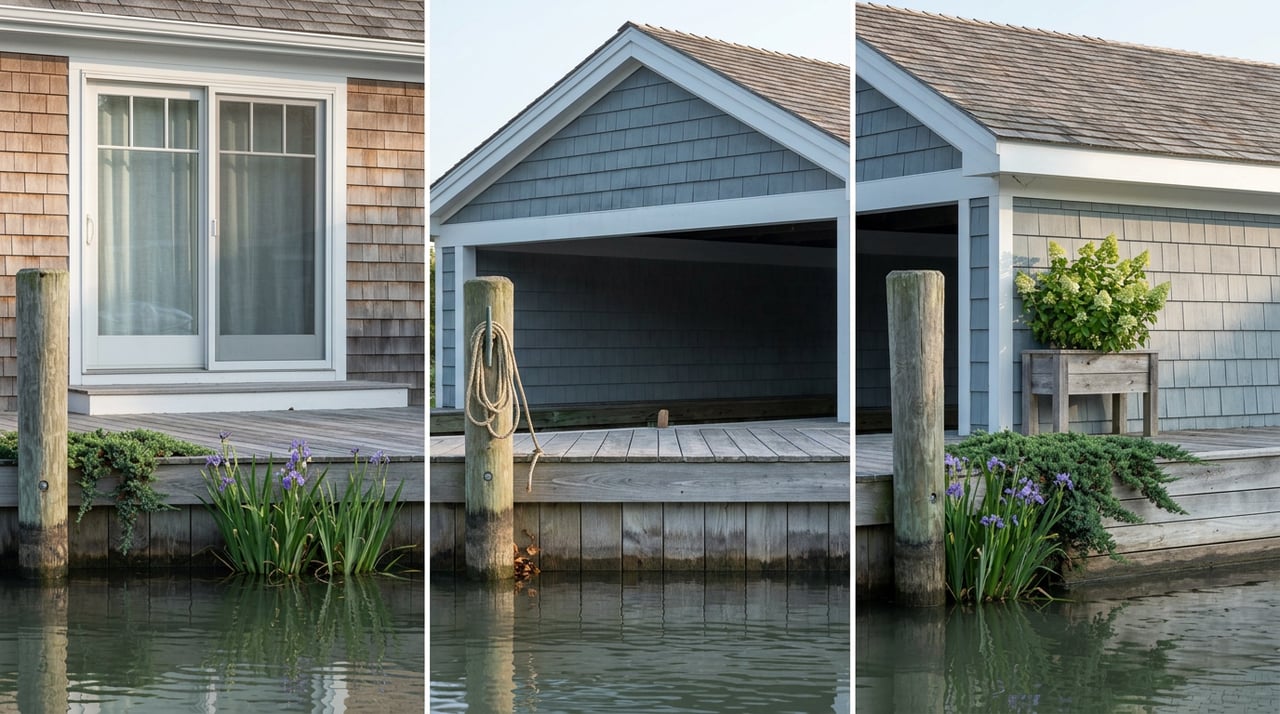
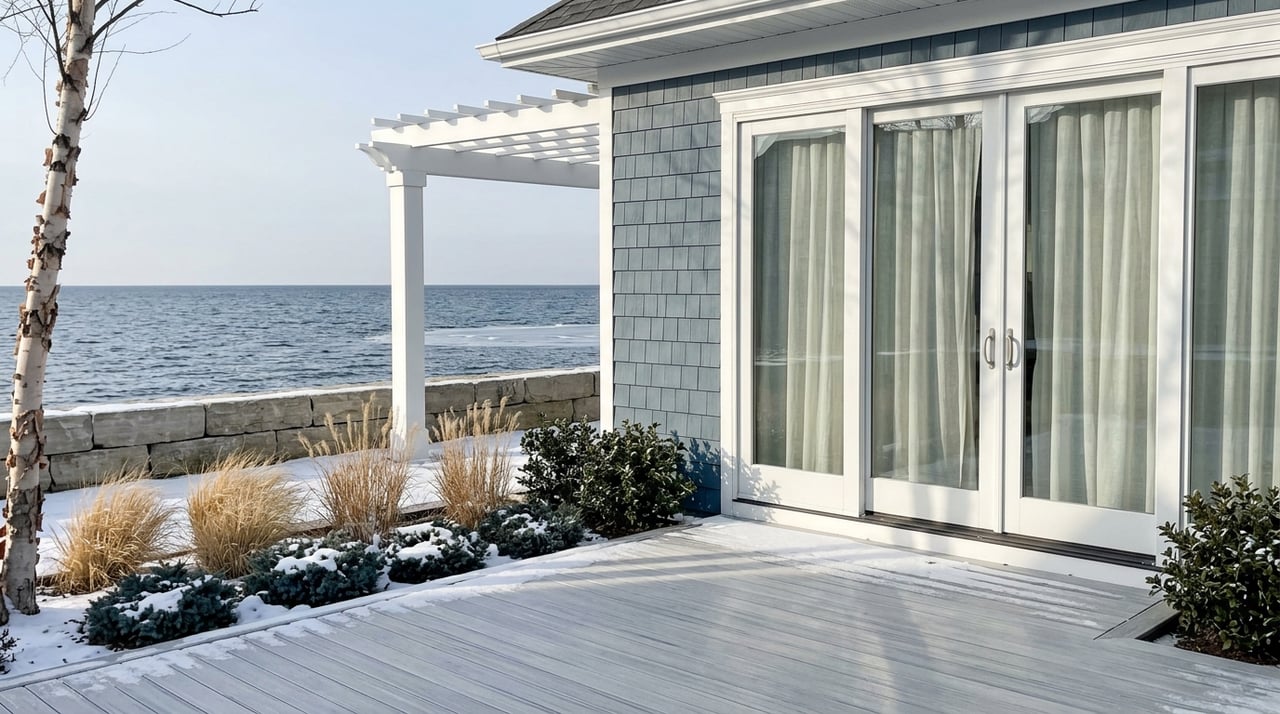
For waterfront properties, fall can also provide useful information about wind exposure, waves, shoreline condition, bluff stability, docks, seawalls, stairs, and seasonal access.
For buyers considering a second home or waterfront property, those details can be just as important as the view.
What About Waiting for Mortgage Rates to Fall?
This is one of the hardest questions to answer.
If rates fall significantly, buyers could see lower monthly payments.
But lower rates can also bring more buyers back into the market.
More competition can lead to stronger offers, fewer concessions, and upward pressure on home prices.
Waiting may help.
It may also create a different set of challenges.
That is why trying to perfectly time both home prices and mortgage rates is difficult.
The better approach is usually to determine whether the numbers work for you under today’s conditions.
The Best Buyers Right Now Are Prepared Buyers
The buyers in the strongest position today are not necessarily the ones trying to predict the market.
They are the ones who know their numbers.
Before seriously shopping, understand:
Your comfortable monthly payment.
Your financing options.
Your down payment.
Your closing-cost estimate.
Your emergency reserves.
Your target communities.
Your must-have property features.
And where you are willing to compromise.
It is also worth shopping lenders.
With mortgage rates elevated, even relatively small differences between lenders can matter over the life of a loan. NAR has also highlighted lender shopping and alternative financing strategies as ways buyers are trying to manage higher borrowing costs. National Association of REALTORS®
So, Is This Actually a Good Time to Buy?
For the right buyer, it can be.
The current housing market offers something buyers have wanted for several years: more choice and more negotiating power.
At the same time, high mortgage rates mean affordability needs to be evaluated more carefully than ever.
That creates a market where buyers should be selective rather than fearful—and prepared rather than rushed.
If you find the right property, the payment fits comfortably within your budget, and the transaction gives you favorable terms, buying in today’s market may make sense.
If the numbers do not work, waiting is also a valid strategy.
The Bottom Line
Today’s housing market is unusual because two things are true at once.
Conditions are becoming more favorable for buyers.
And:
Financing is becoming more expensive.
Inventory is higher, price reductions are more common, and some sellers are more willing to negotiate. But mortgage rates around 7.4% are reducing purchasing power and keeping many buyers on the sidelines. Media | Move, Inc.
For West Michigan buyers, the best decision is not based on whether someone says this is a “good” or “bad” market.
It is based on whether the property, price, financing, and timing make sense for you.