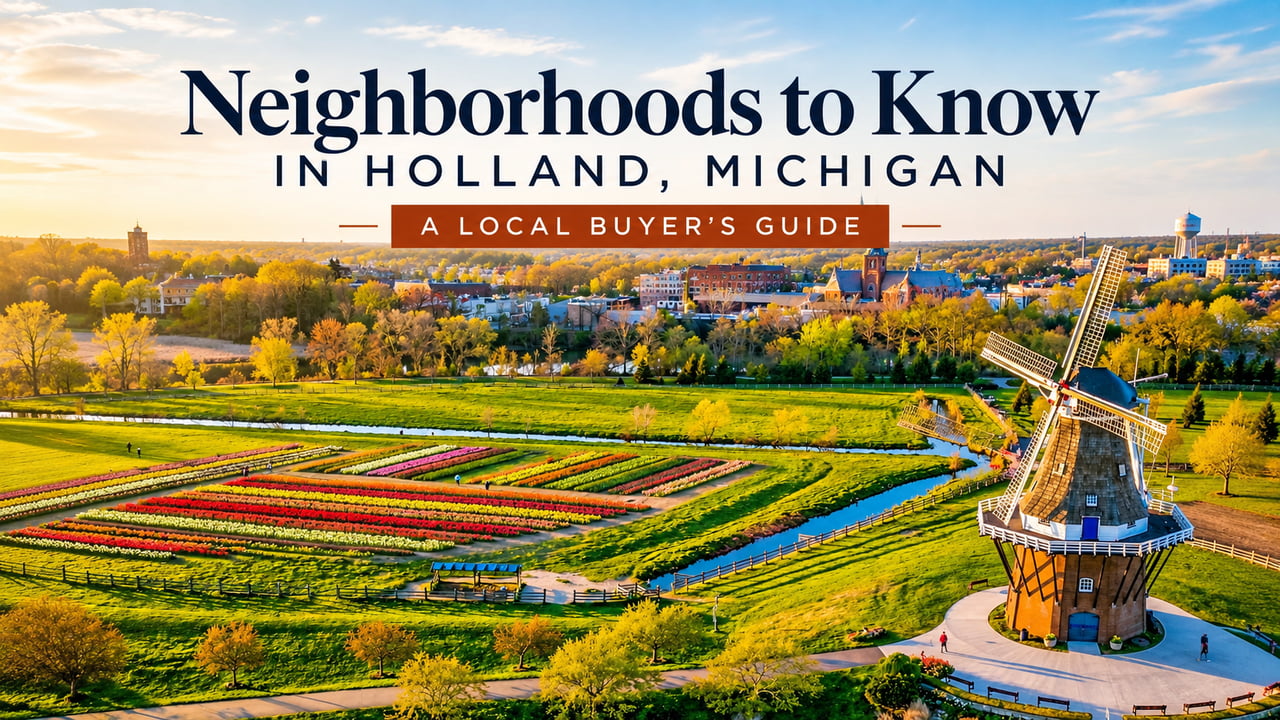
Neighborhoods to Know in Holland, Michigan: A Local Buyer’s Guide
From walkable downtown streets and historic homes to Lake Macatawa access and quieter residential areas, Holland offers several distinct neighborhoods and districts for buyers to explore.
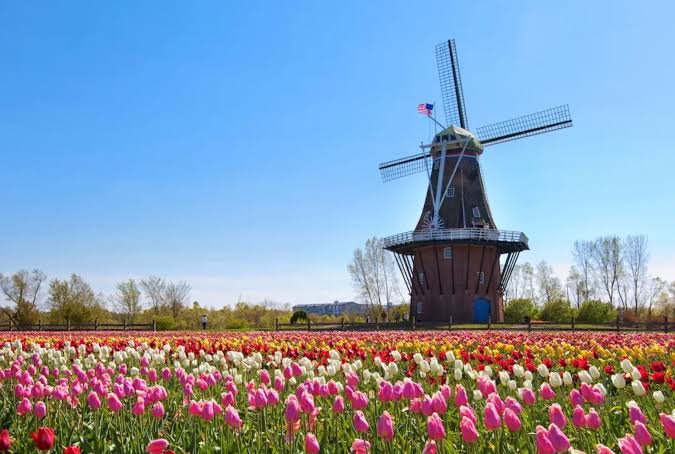
Holland may be best known for Lake Michigan, Tulip Time, and its downtown, but the city is much more varied than it first appears.
Different parts of Holland offer very different housing styles, surroundings, and day-to-day experiences. Some areas put you close to restaurants and shops. Others are centered around historic architecture, parks, water access, or more suburban surroundings.
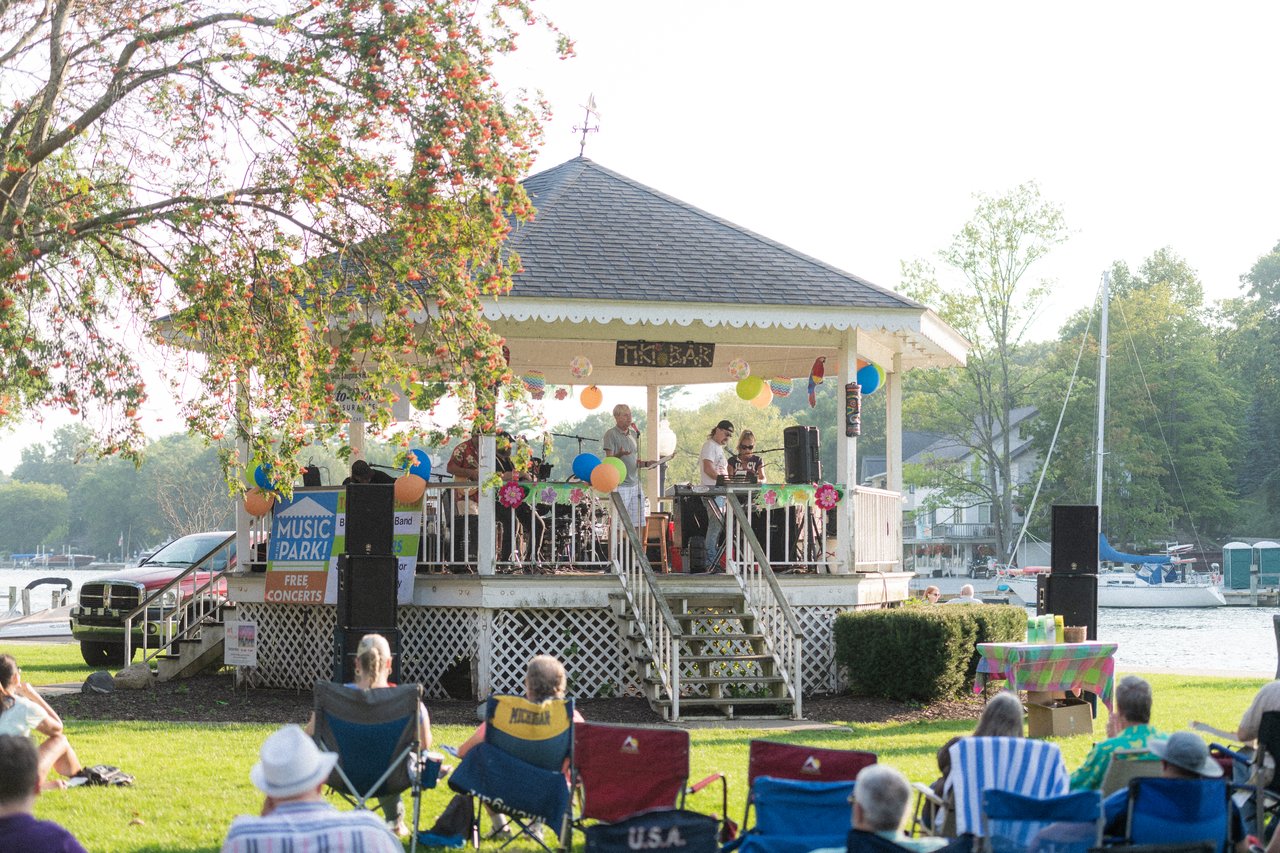
The City of Holland itself emphasizes that its neighborhoods have distinct character, and its planning efforts focus heavily on maintaining walkable, connected, recognizable neighborhood areas. City of Holland
If you are considering buying a home in Holland, here are several areas worth getting to know.
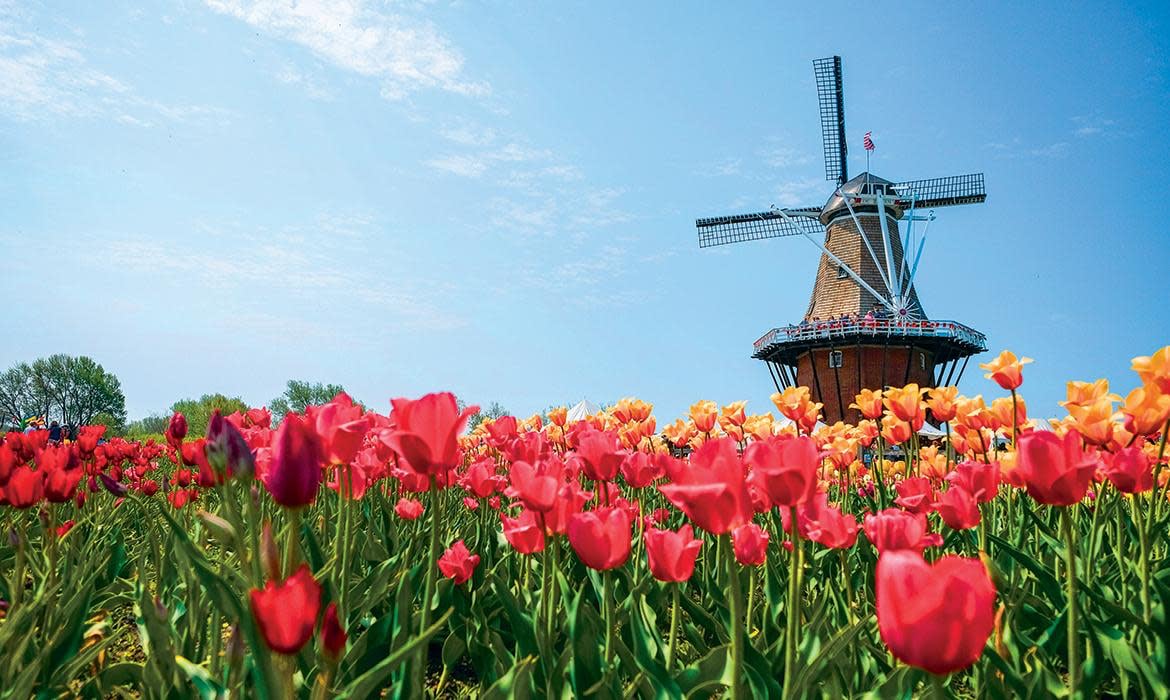
Downtown Holland
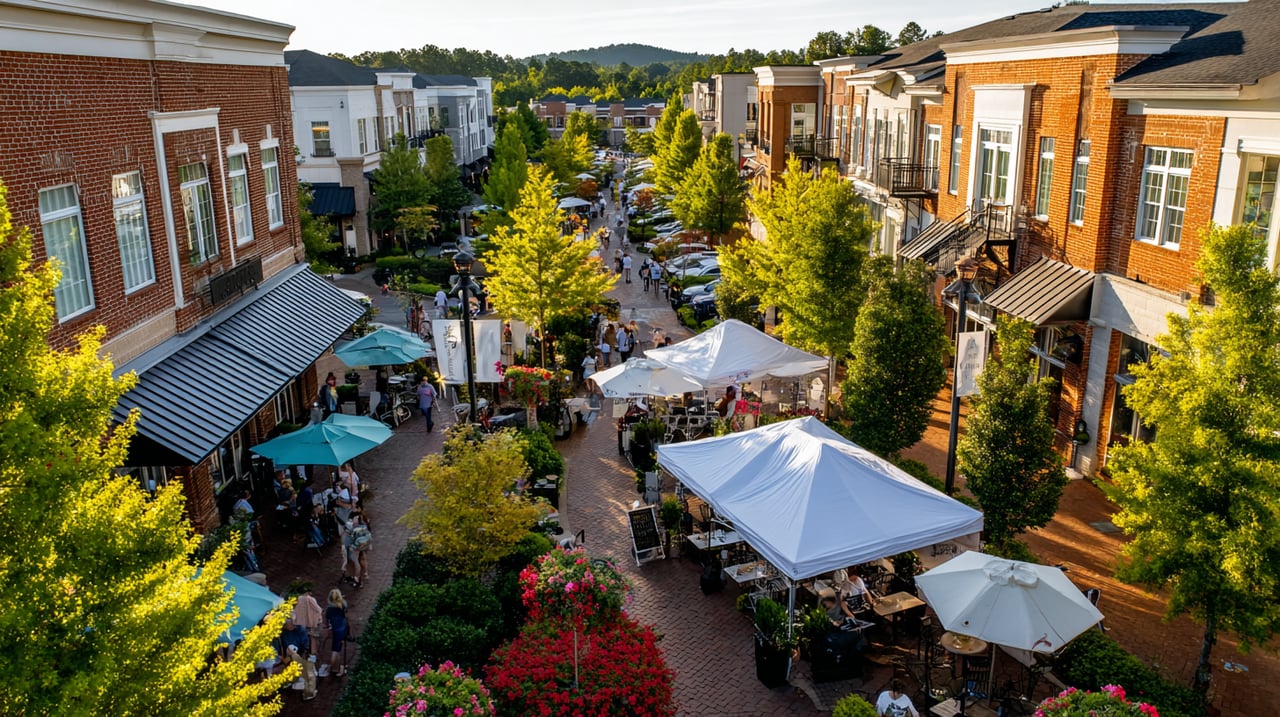
Downtown Holland is one of the most recognizable parts of the city.
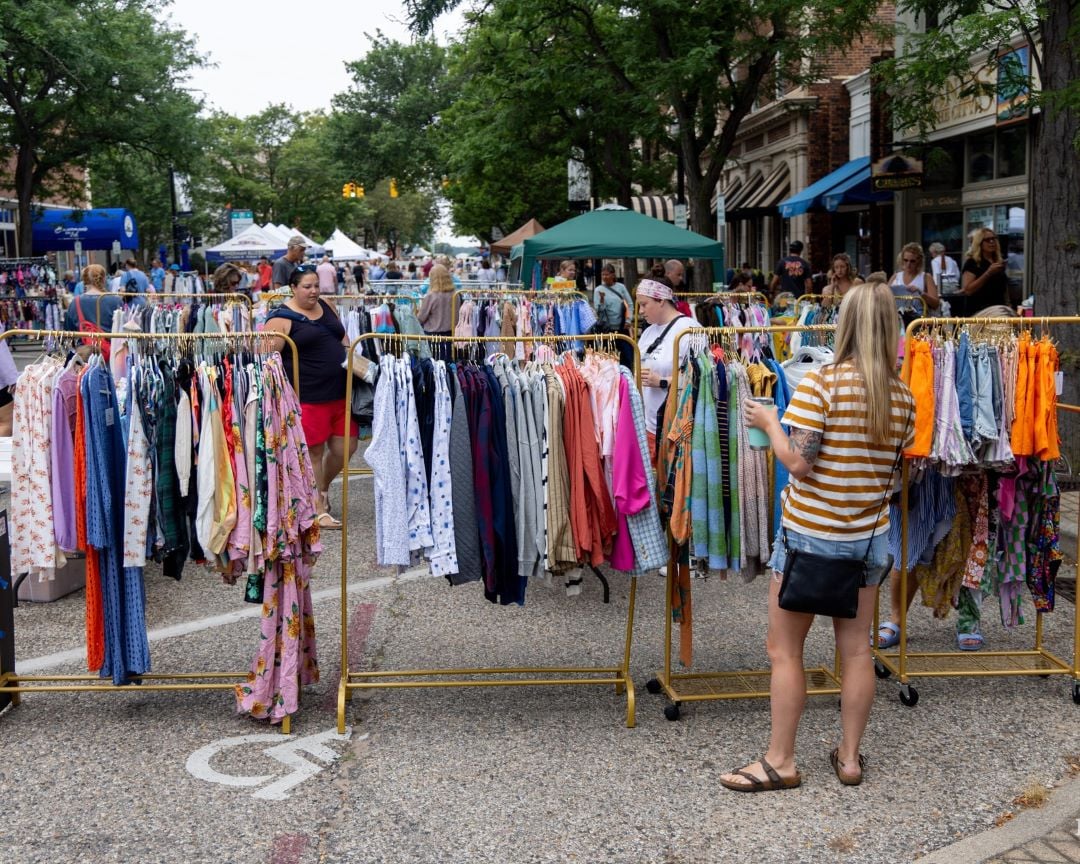
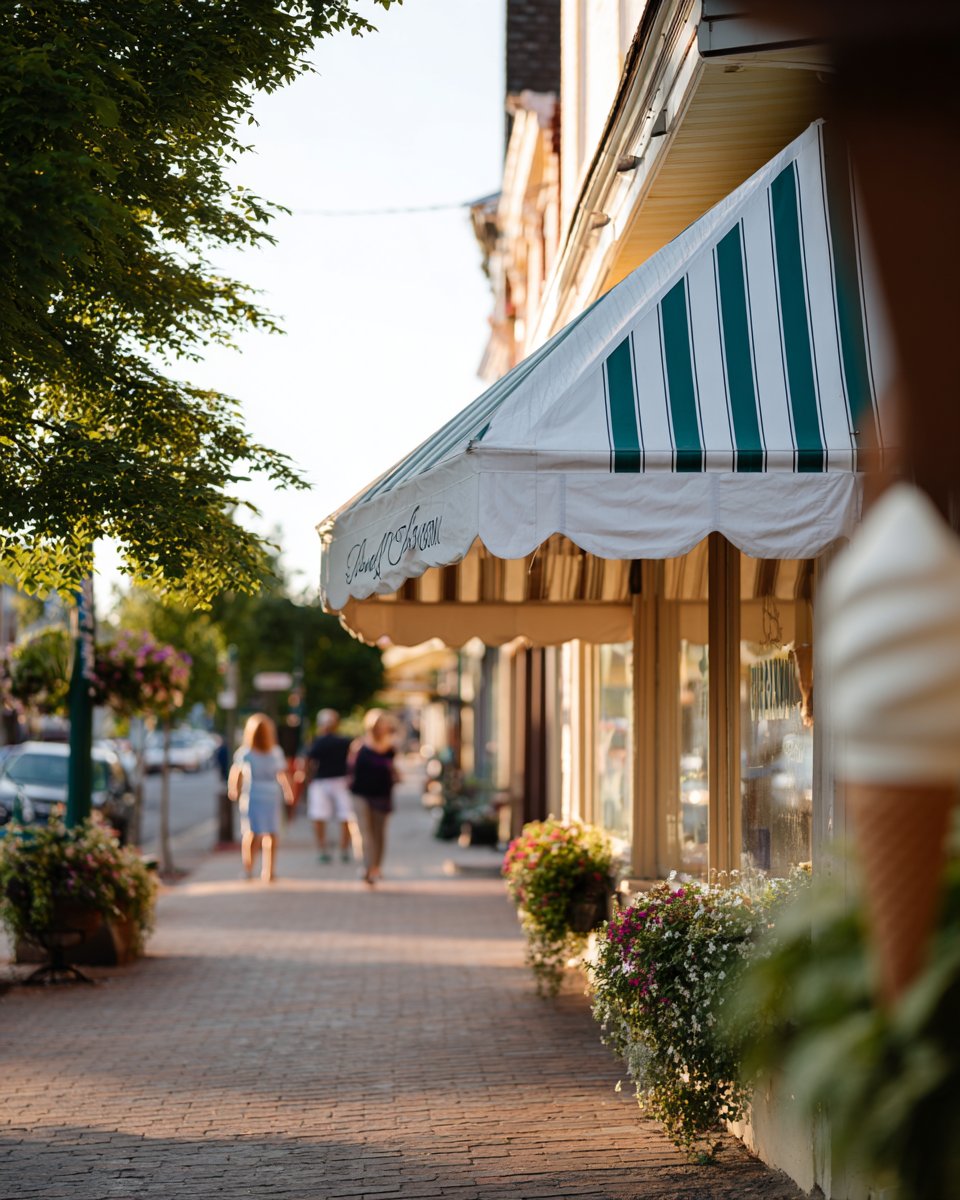
Centered around 8th Street, the downtown district includes restaurants, local shops, entertainment, events, and residential options ranging from apartments to upscale condominiums. The City’s master plan describes downtown as a walkable regional retail, office, and entertainment center with multi-story buildings and pedestrian-oriented streets. City of Holland
For a buyer who values being able to walk to coffee, dinner, shopping, or community events, downtown deserves serious consideration.
Another distinctive feature is Holland’s downtown snowmelt system, which helps keep many streets and sidewalks clear during the winter. Holland Michigan Visitors Bureau
Housing here can look very different from what you find farther outside the city center. Depending on the property, buyers may encounter condominiums, apartments, mixed-use buildings, and historic homes within walking distance of downtown.
What stands out
- Walkability
- Restaurants and shopping
- Community events
- Condominium and urban-style living
- Proximity to Hope College
- Easy access to downtown amenities
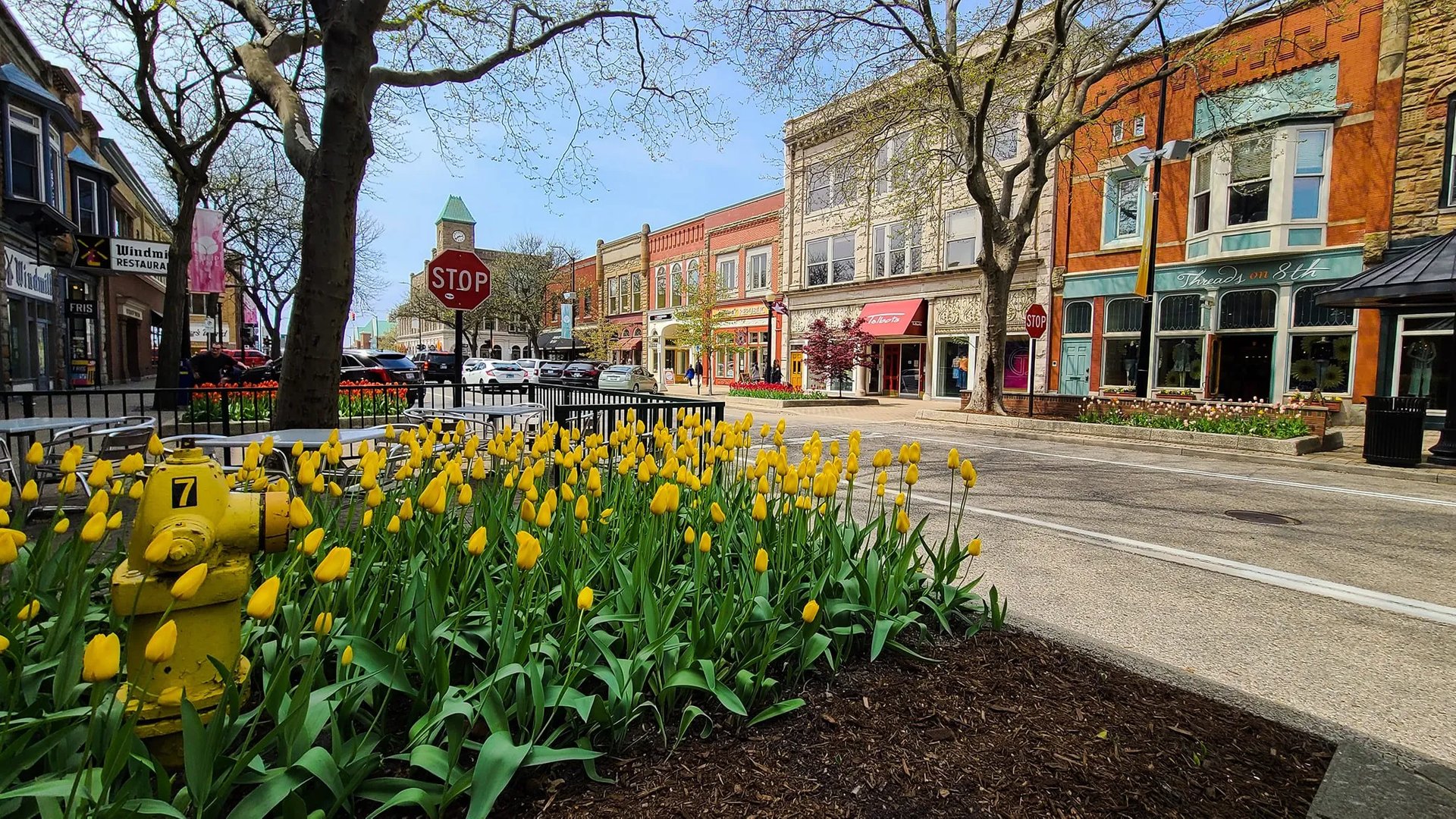
Holland Historic District
Just outside the core of downtown, Holland has several areas with significant historic housing stock.
The Holland Historic District includes portions of West 11th, 12th, and 13th streets along with Maple and Pine avenues. The district was established locally in the 1980s, and much of its architectural significance dates from 1871 through 1930. City of Holland
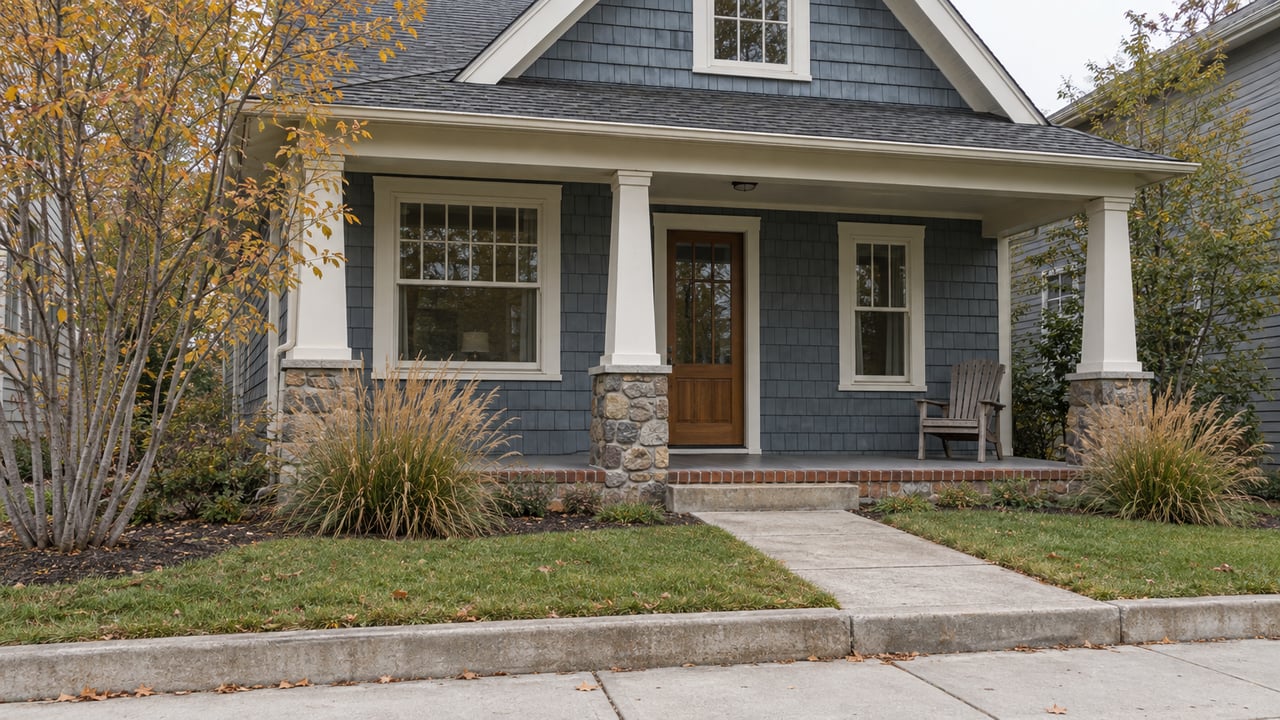
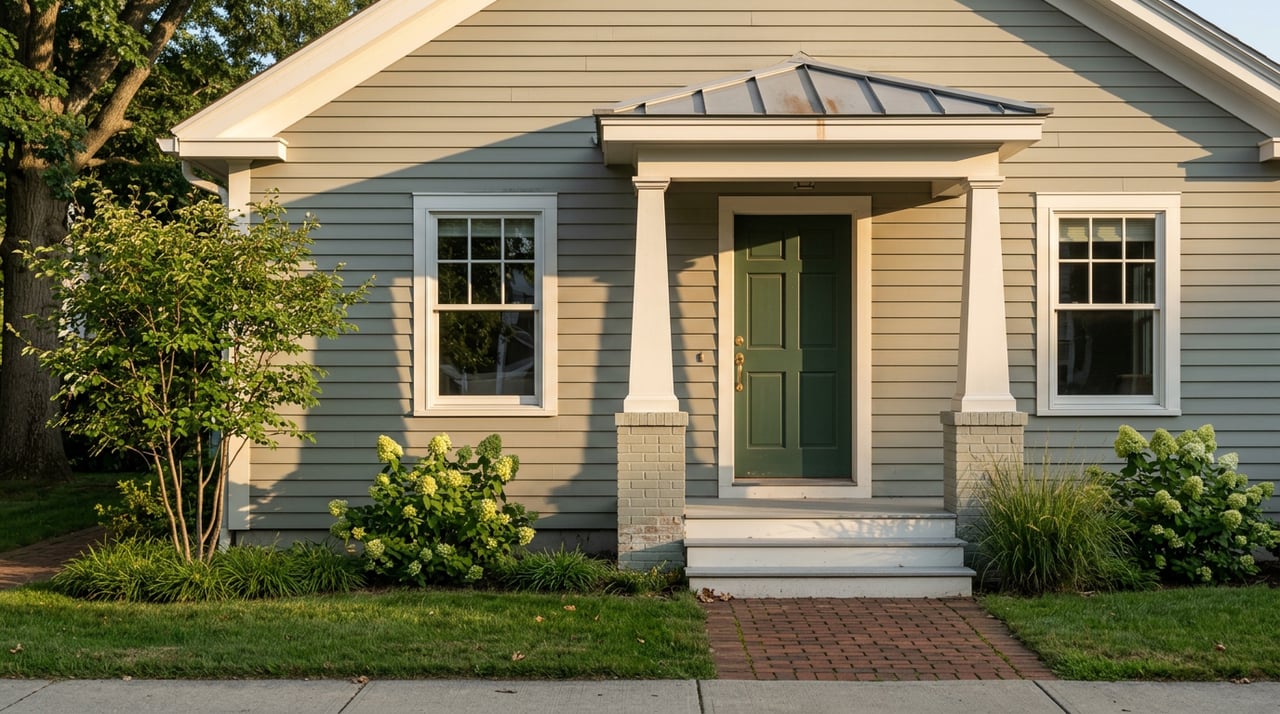
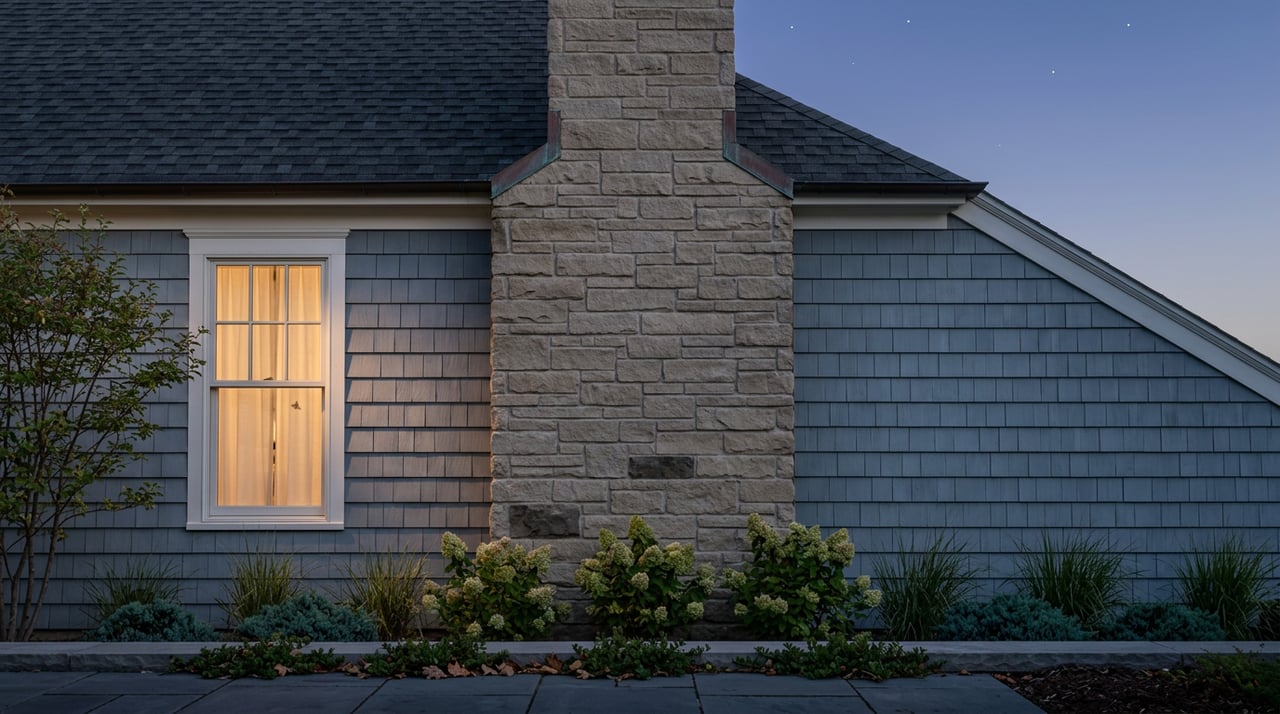
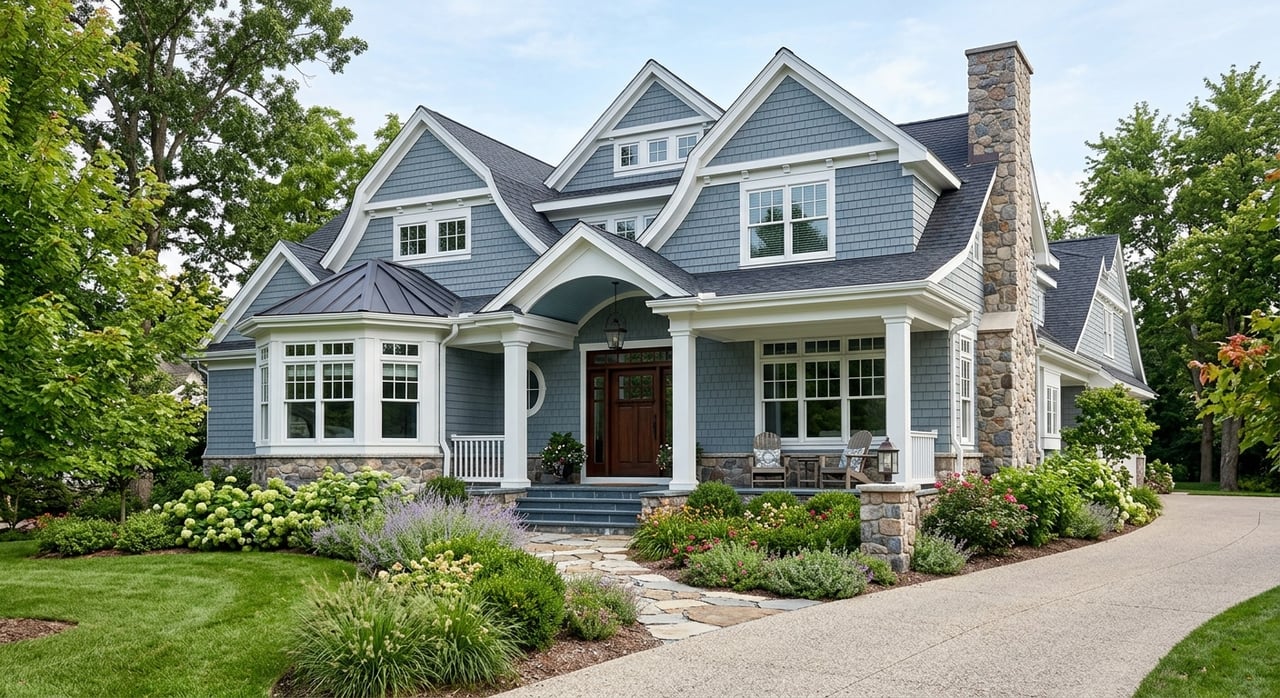
Buyers can find architecture ranging from Queen Anne and Colonial Revival to Craftsman and other early-20th-century styles. City of Holland
This area stands out for people who appreciate older homes, mature streetscapes, and architectural detail.
Historic ownership also comes with additional considerations. Exterior changes to designated properties can be subject to historic preservation review, so buyers should understand those requirements before purchasing. City of Holland
What stands out
- Historic architecture
- Mature tree-lined streets
- Close proximity to downtown
- Distinctive older homes
- Walkability
- Preservation considerations
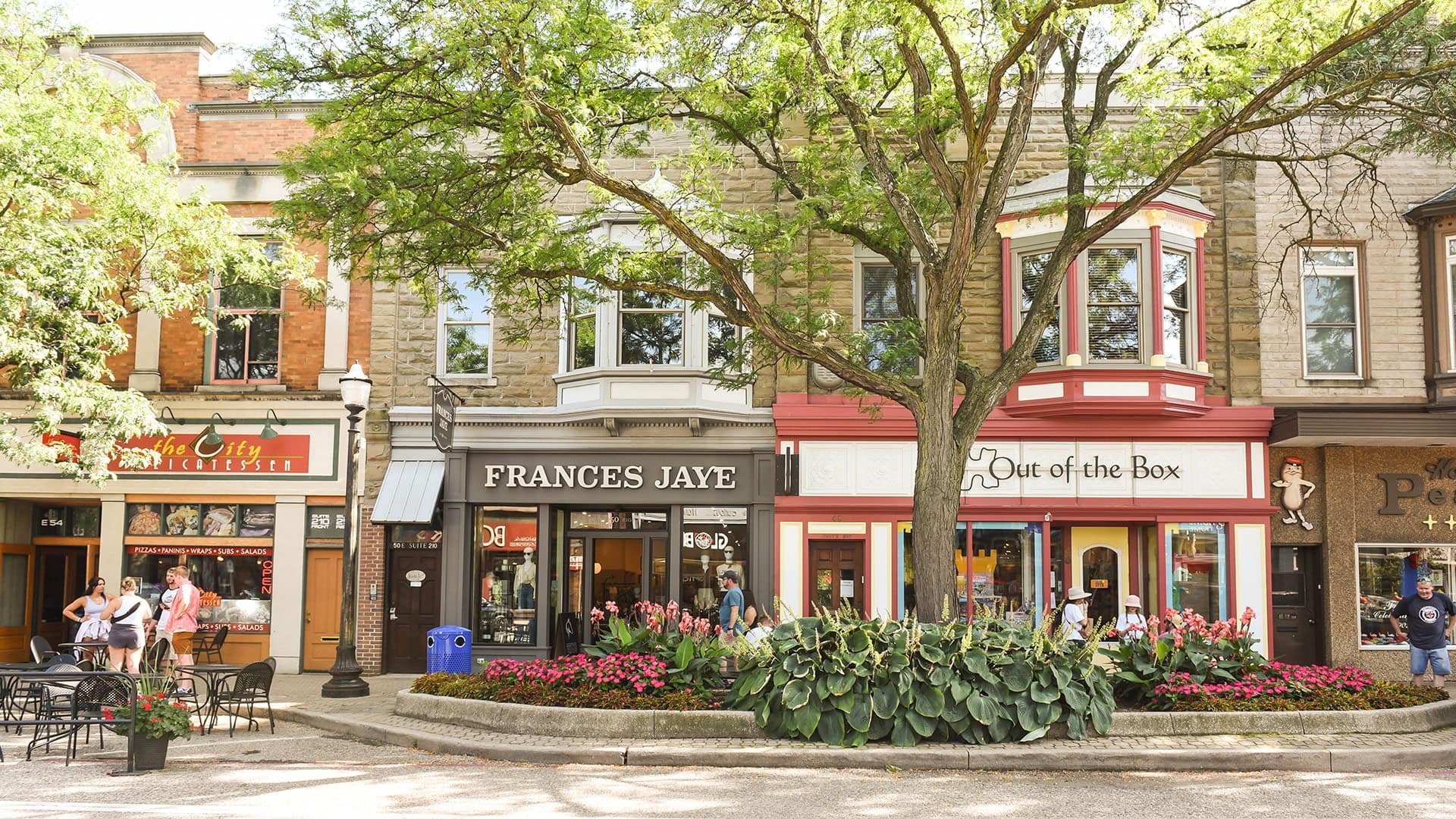
Washington Boulevard and Washington Square
The Washington Boulevard area is another part of Holland with a strong architectural identity.
The Washington Boulevard Historic District includes portions of West 9th through West 16th streets along with Washington Boulevard and Van Raalte Avenue. City of Holland
Nearby, Washington Square developed as a neighborhood commercial center beginning in the early 1900s and remains one of Holland’s recognizable neighborhood business districts. City of Holland
That combination of residential streets and a small commercial node gives this section of Holland a different feel from both downtown and newer suburban developments.
Buyers can find older housing stock while remaining relatively close to downtown, Holland Hospital, local businesses, and other city amenities.
What stands out
- Older residential architecture
- Neighborhood businesses
- Central Holland location
- Access to downtown
- Historic character
- Mix of residential and commercial surroundings
Holland Hospital Area
The neighborhoods surrounding Holland Hospital offer another centrally located option.
City planning documents describe this area as an established neighborhood with tree-lined streets, access to recreation, mixed land uses, and proximity to Holland Hospital and the Holland Community Aquatic Center. City of Holland
Moran Park is also nearby.
For buyers, one of the main advantages is location. This part of Holland sits between several major destinations without necessarily putting you directly in the middle of downtown activity.
Housing varies considerably from street to street, which makes touring the immediate surroundings important.
What stands out
- Central location
- Holland Hospital access
- Holland Community Aquatic Center
- Moran Park
- Established residential streets
- Convenient access to other parts of the city
Holland Heights
Holland Heights is located east of the downtown core and provides yet another housing environment.
The city’s neighborhood materials show the area positioned near destinations such as Van Raalte Farm, Paw Paw Preserve, the Macatawa Greenway, shopping corridors, and US-31. City of Holland
Because it sits farther from the Lake Michigan shoreline than western Holland, the area can feel substantially different from neighborhoods near the beach or Lake Macatawa.
Buyers considering Holland Heights should pay attention to the individual street, proximity to major roads, lot characteristics, and access to parks and commercial areas.
What stands out
- Access to Van Raalte Farm
- Paw Paw Preserve and green space
- Convenient access to US-31
- Shopping nearby
- Residential areas east of downtown
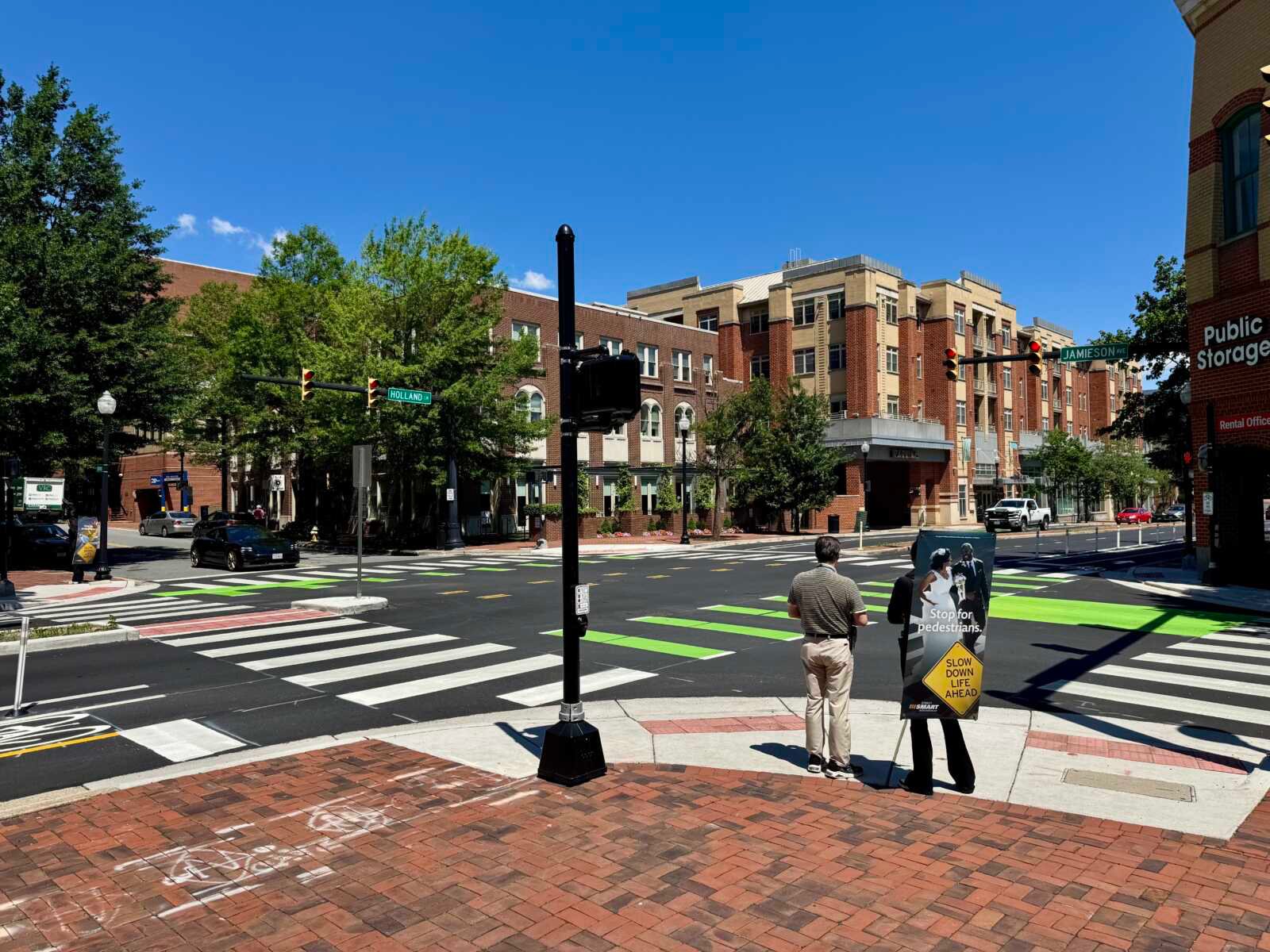
South Shore Village
South Shore Village sits near the southern side of Lake Macatawa and has been an area of ongoing investment and redevelopment.
The City identifies projects and destinations in the district including the Heinz Waterfront Walkway, South Shore on Macatawa, deBoer’s Bakkerij, Port 393, and other businesses. City of Holland
Its location creates an interesting mix of residential, commercial, and waterfront-oriented surroundings.
For buyers who want to remain close to central Holland while also being near Lake Macatawa, this is an area worth exploring.
What stands out
- Proximity to Lake Macatawa
- Waterfront access and walkways
- Restaurants and businesses
- Close access to central Holland
- Ongoing redevelopment and investment
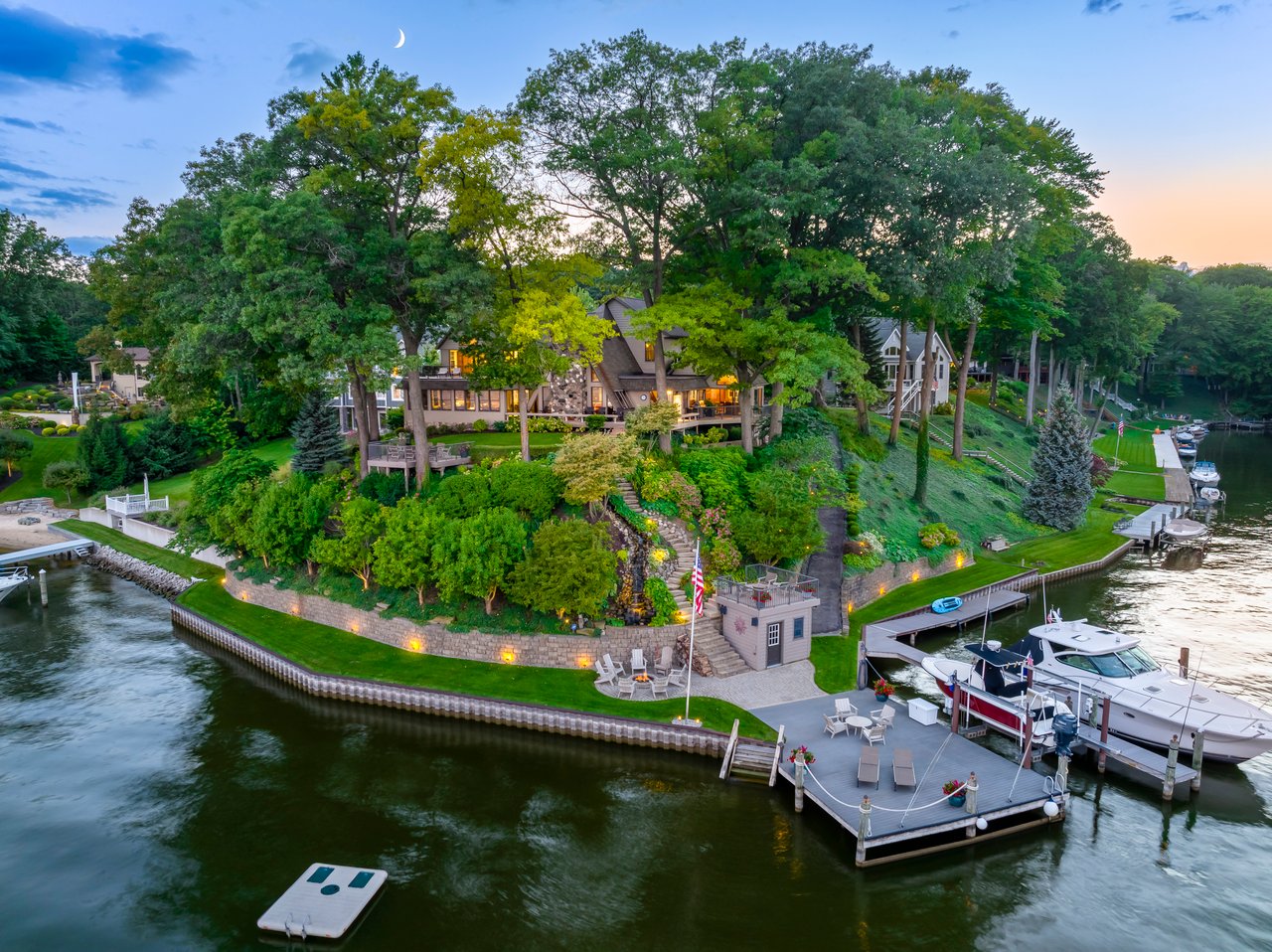
Lake Macatawa and the Ottawa Beach Area
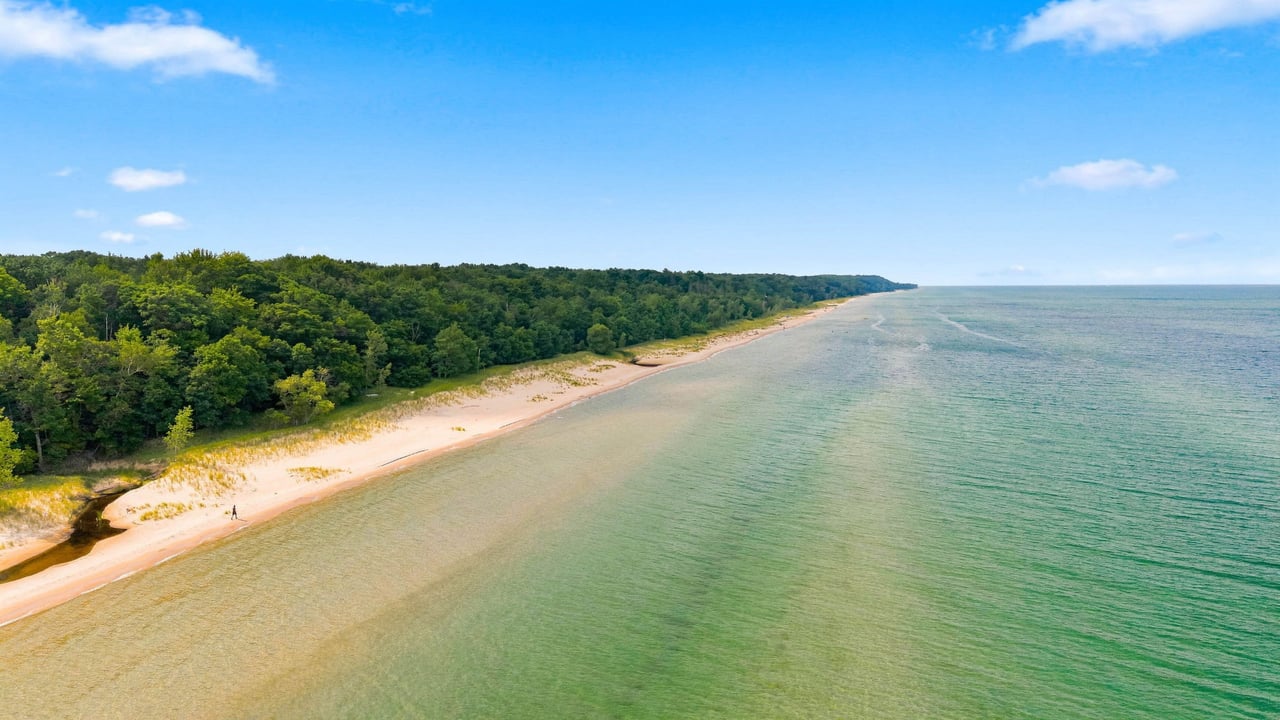
As you travel west from downtown along Ottawa Beach Road, Holland begins to feel increasingly waterfront-oriented.
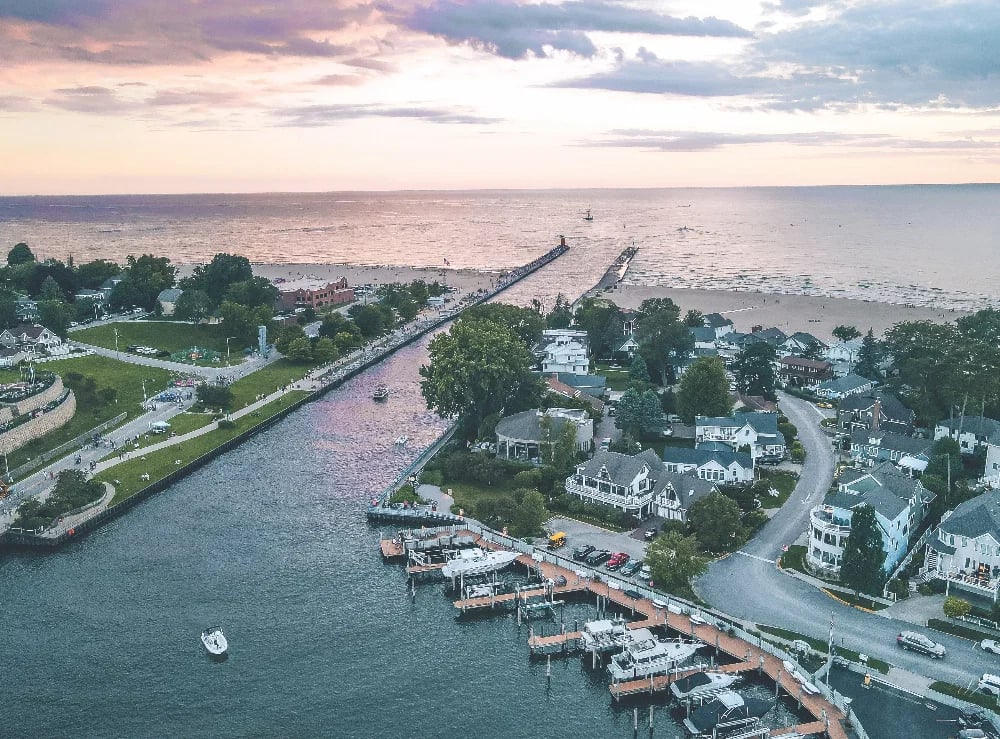
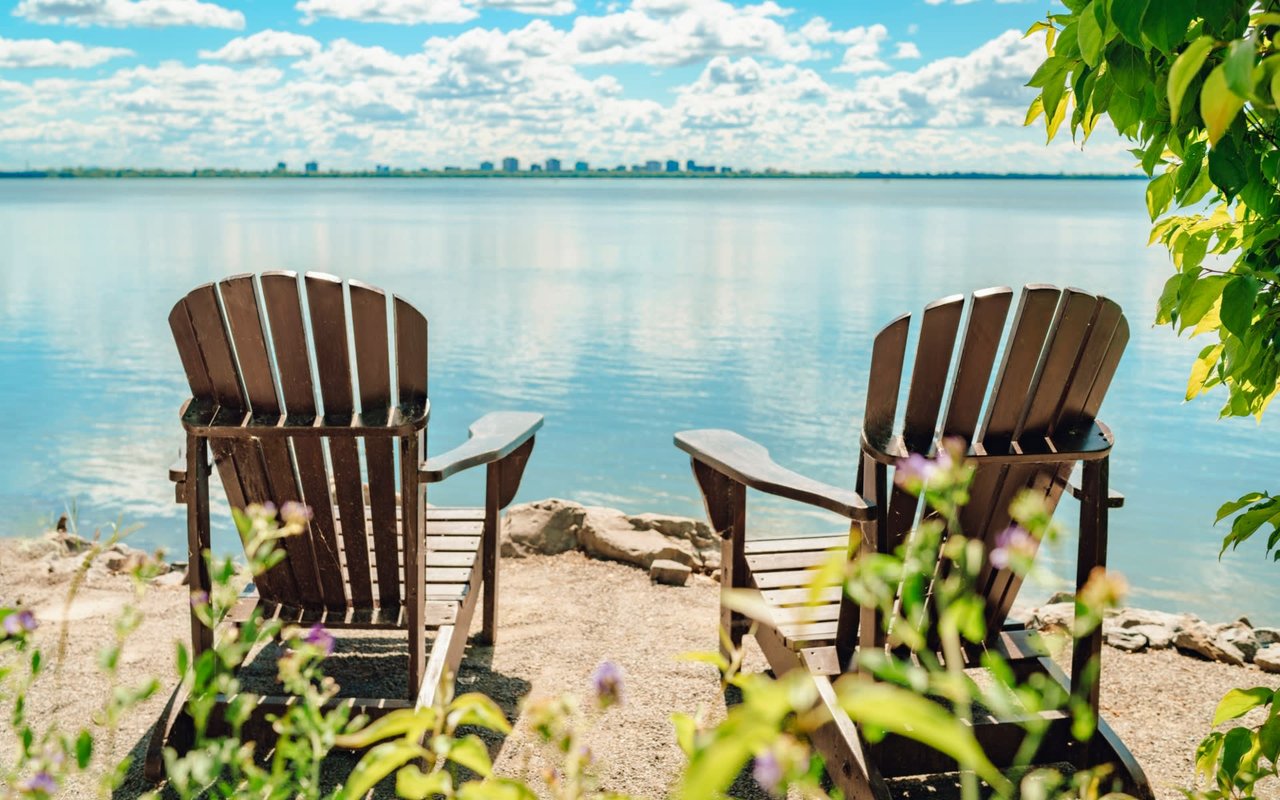
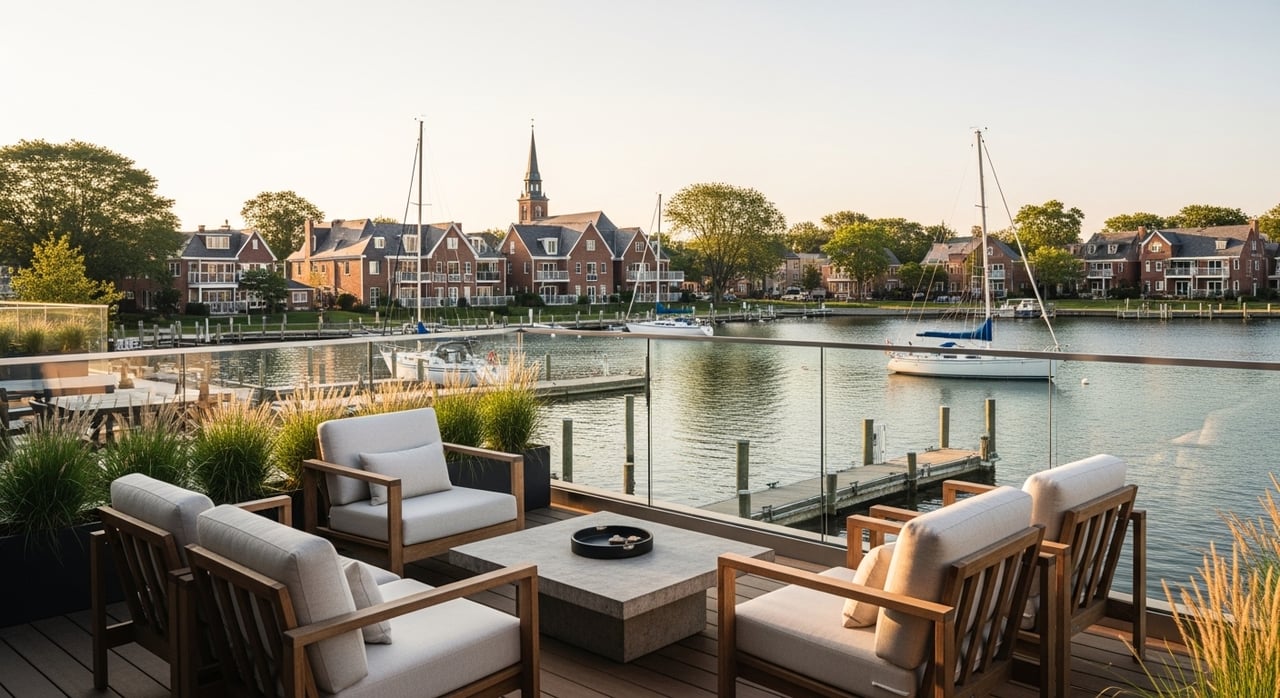
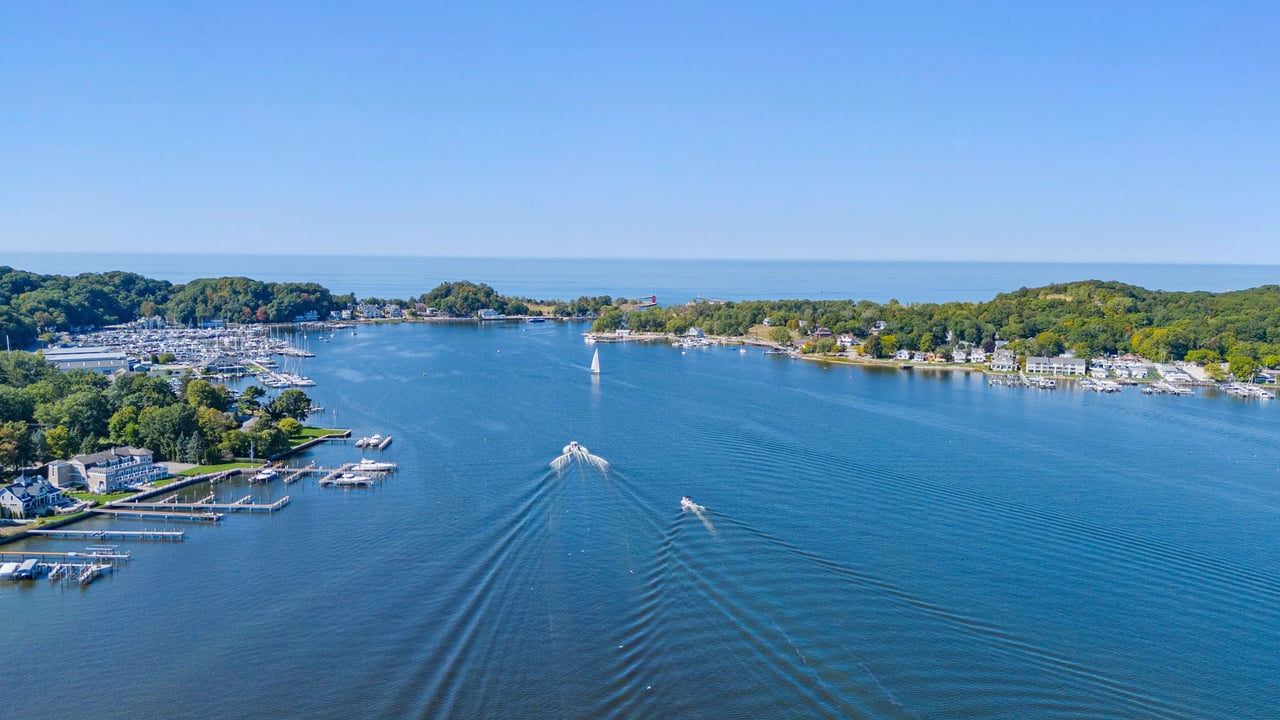
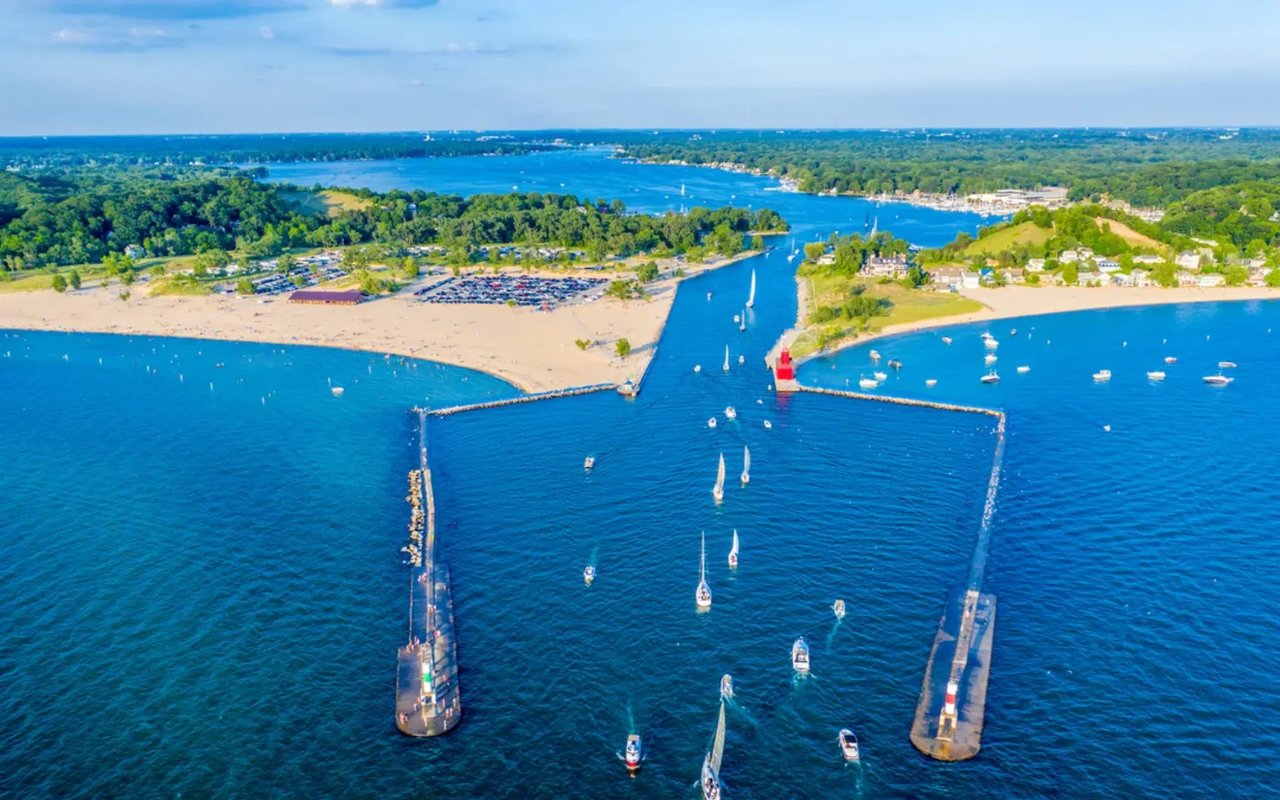
Lake Macatawa connects downtown Holland to Lake Michigan, while Holland State Park sits at the western end near the channel.
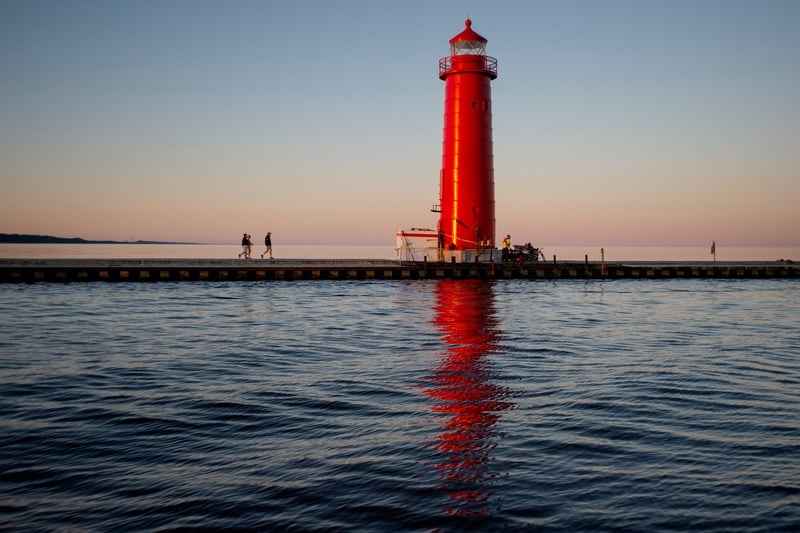
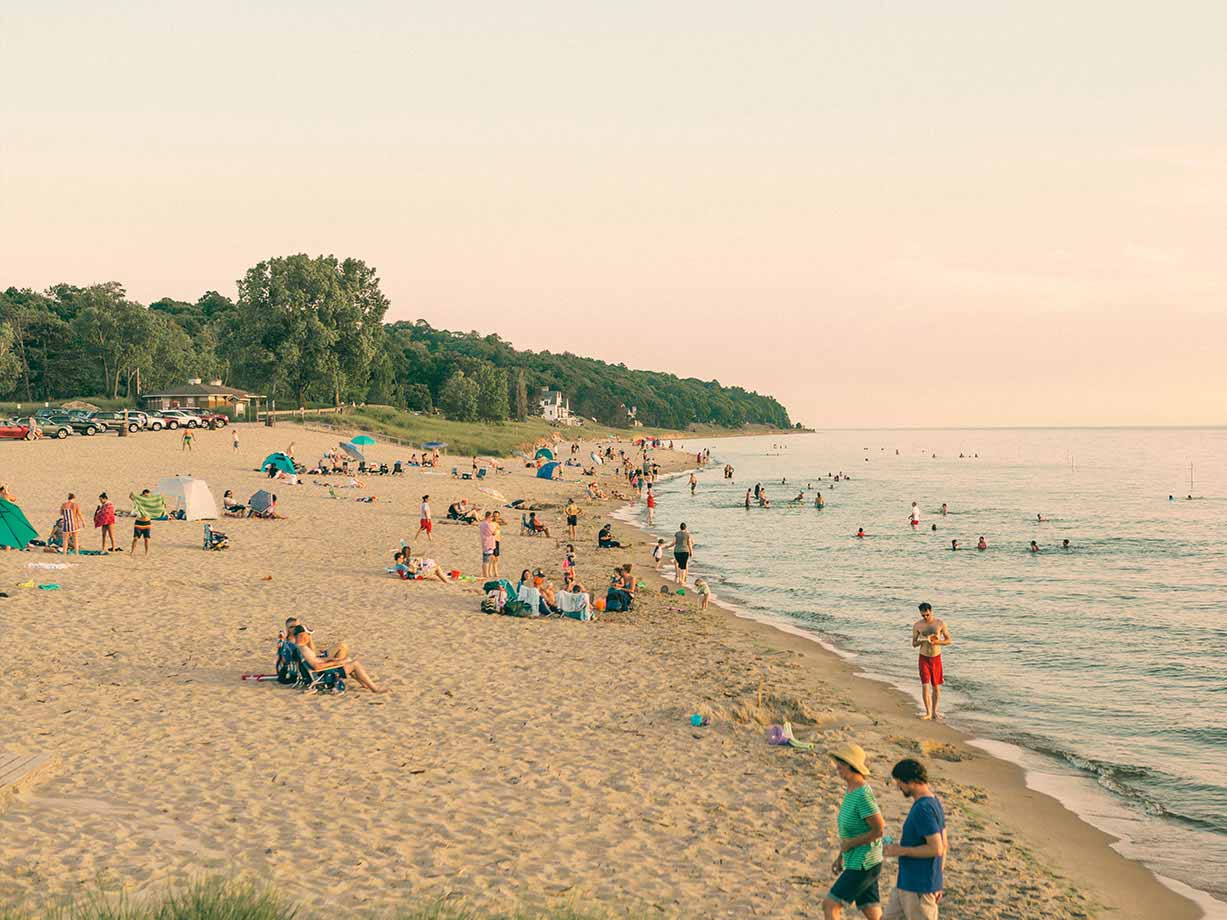
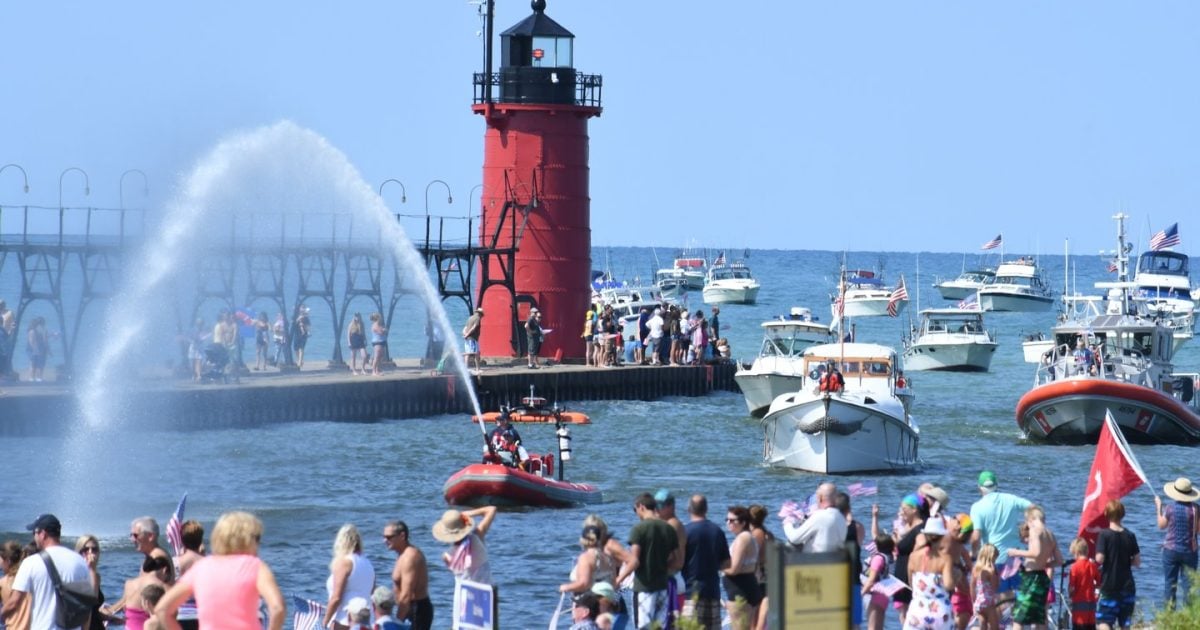
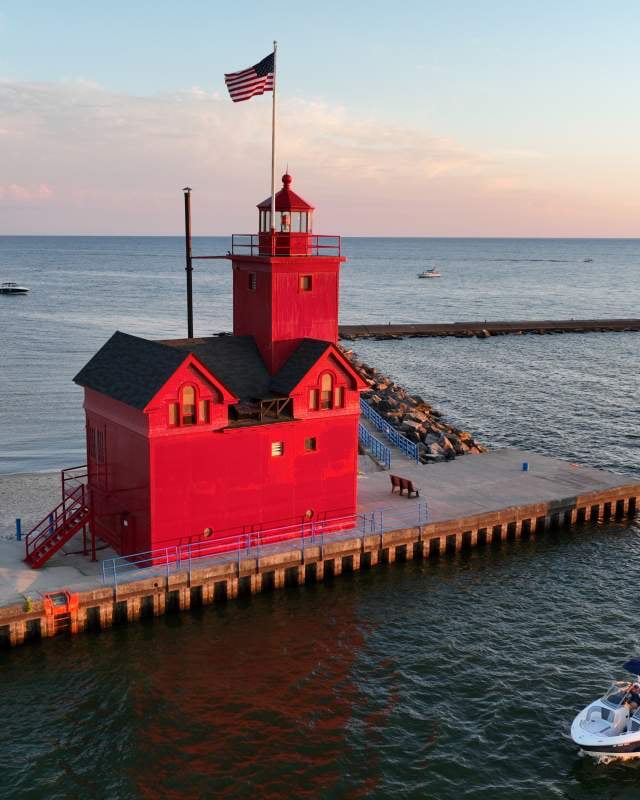
Holland State Park provides access to both Lake Michigan and Lake Macatawa, along with the beach, fishing, boat access, and views toward Big Red Lighthouse. Holland Michigan Visitors Bureau
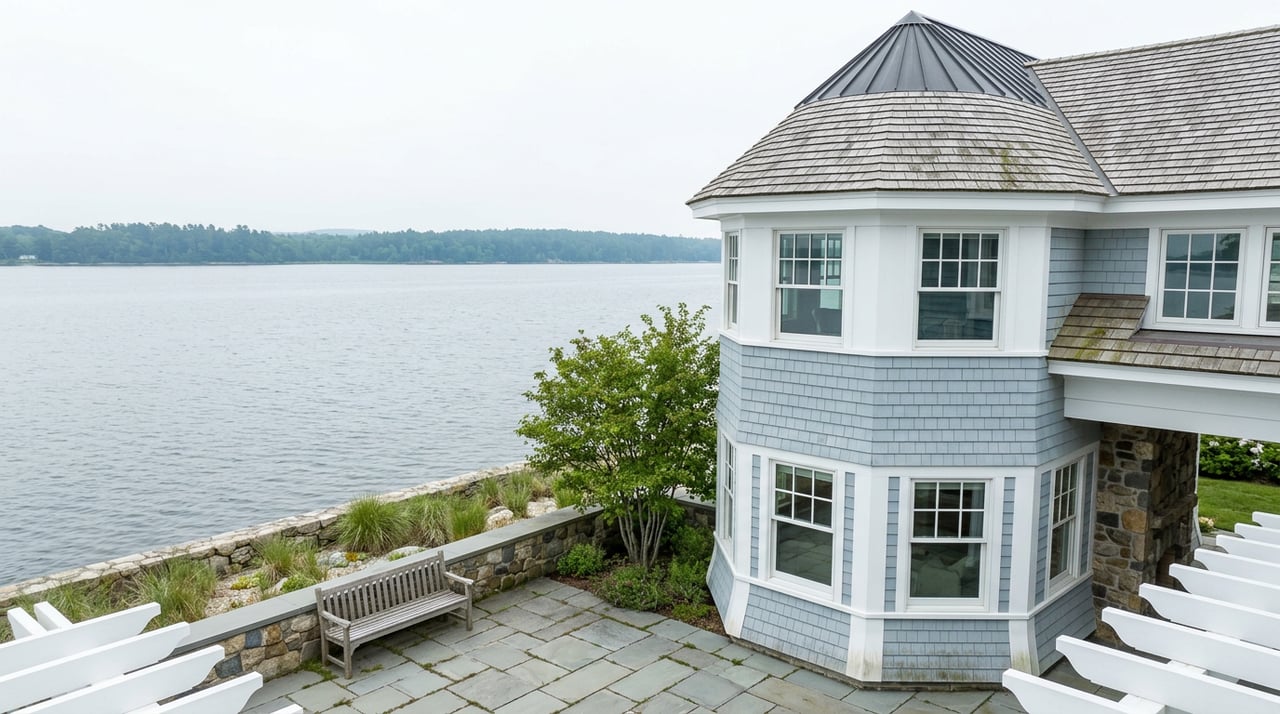
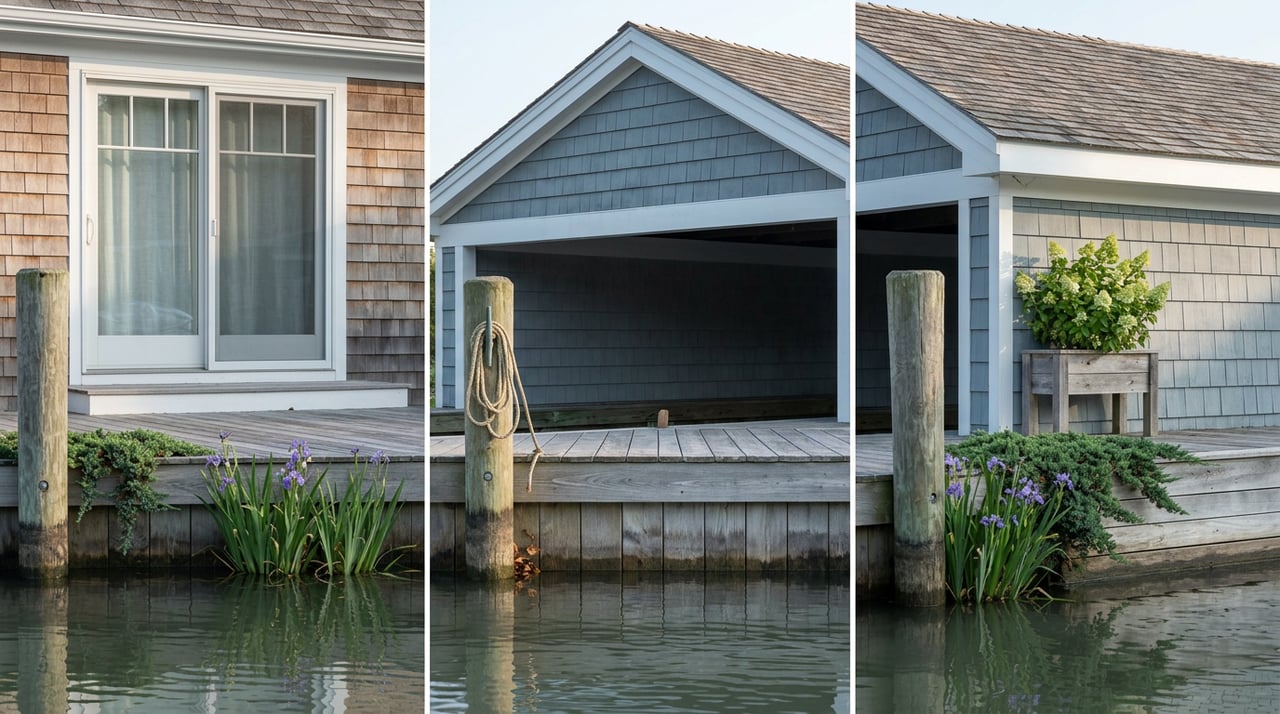
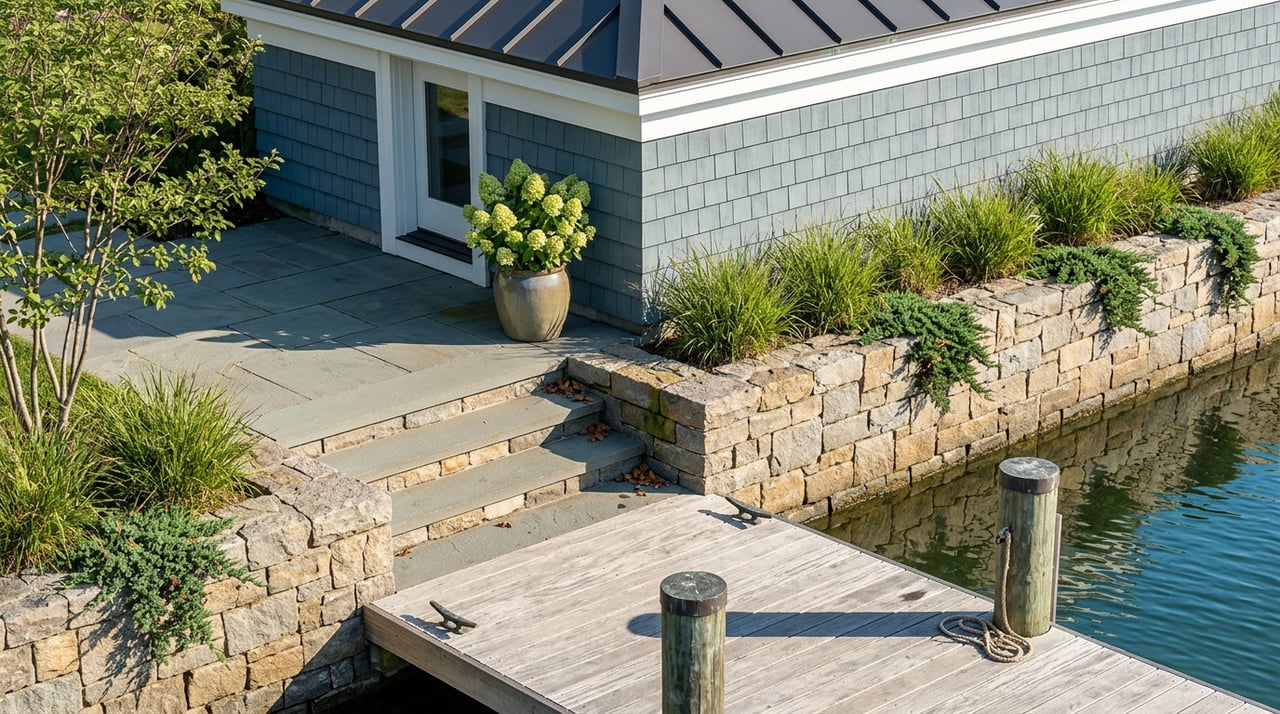
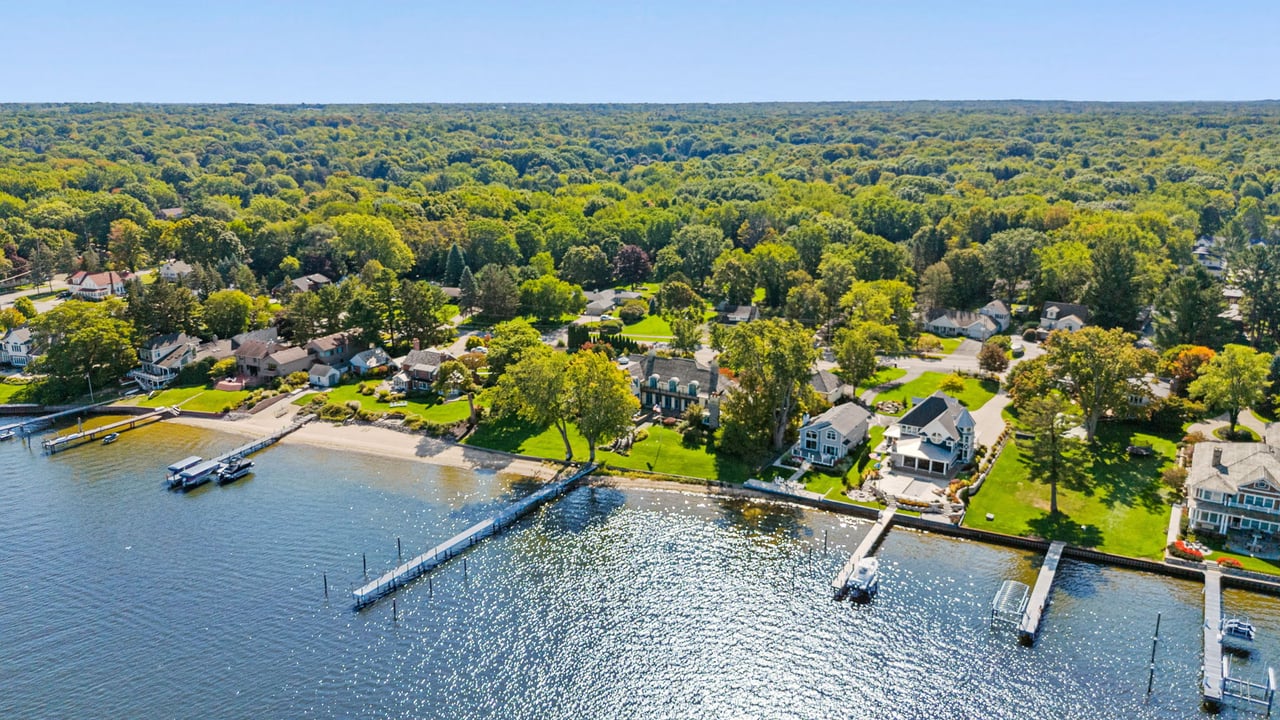
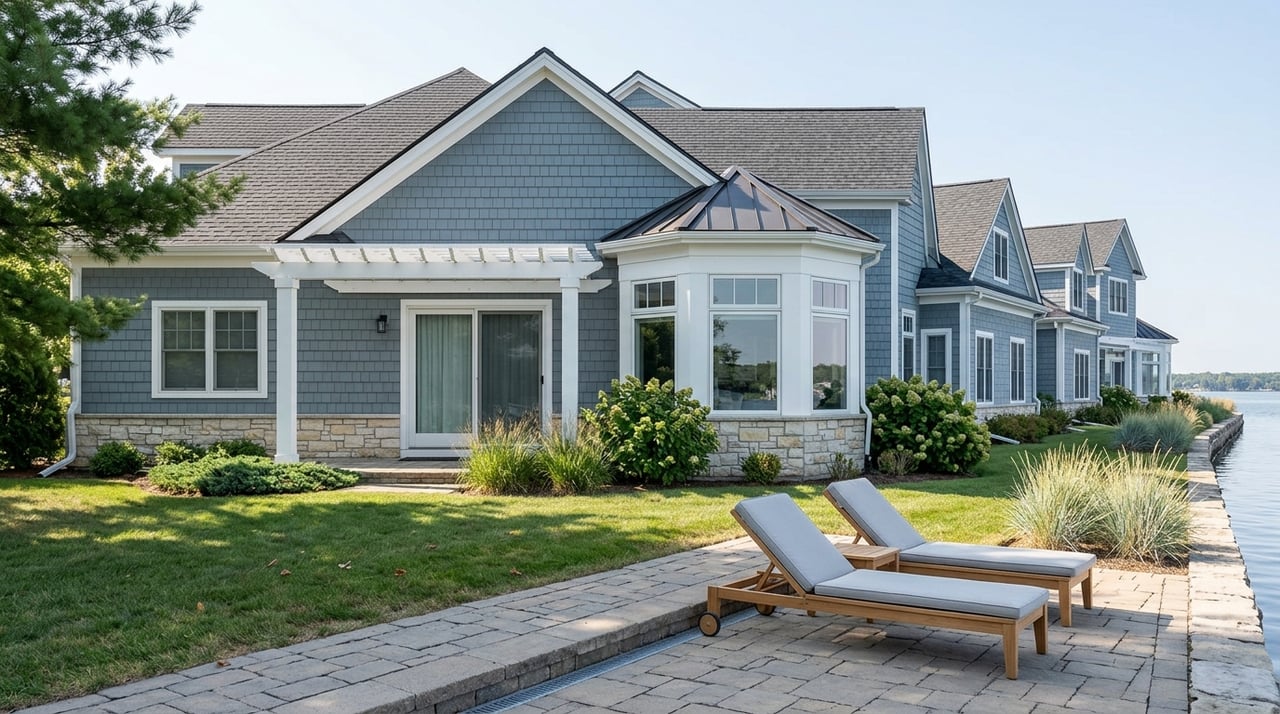
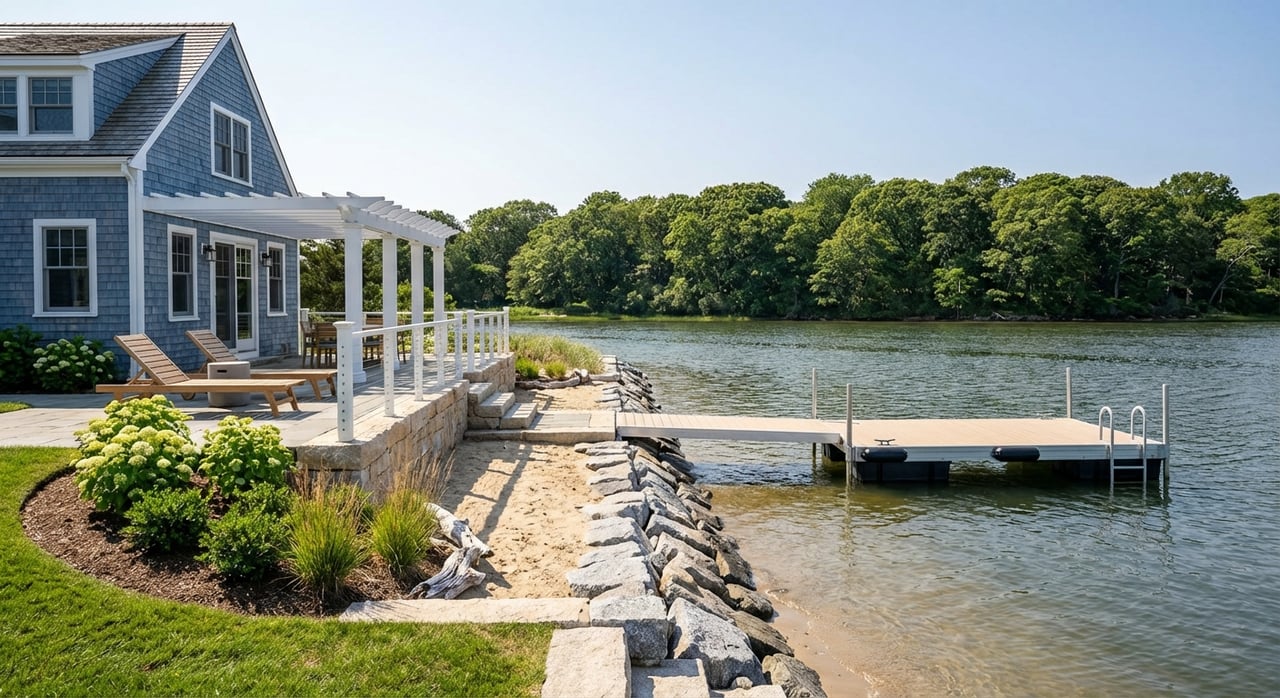
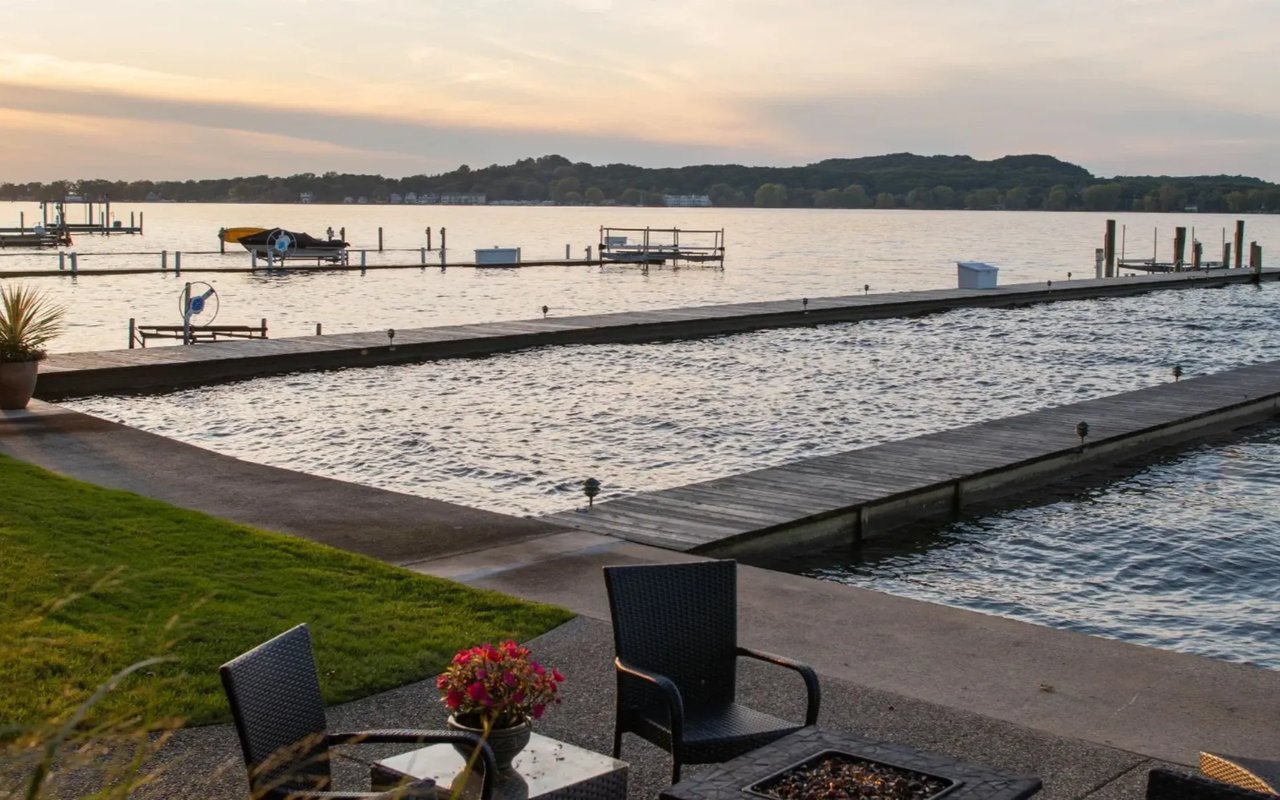
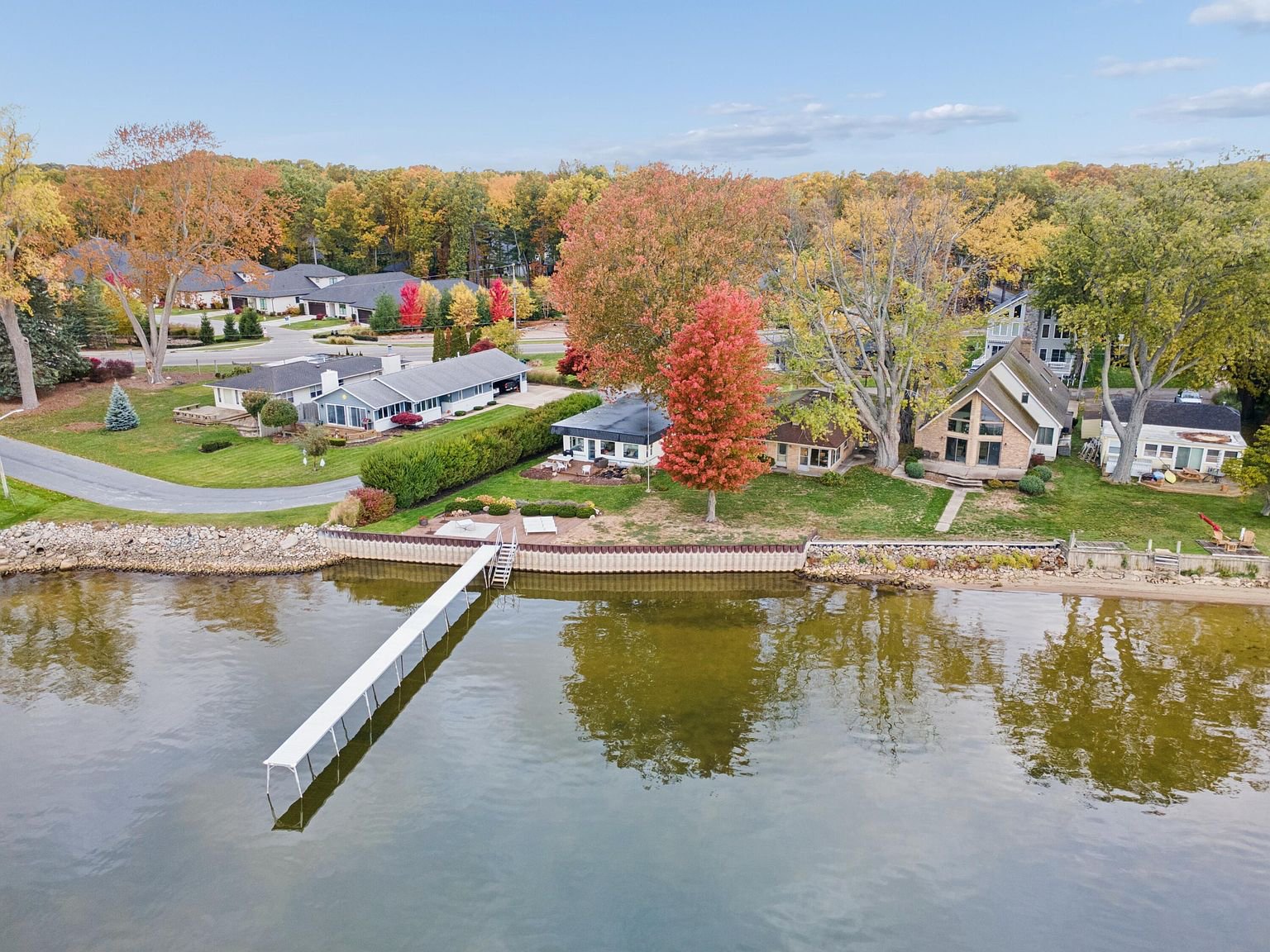
Residential options near Lake Macatawa can range dramatically, from established homes and cottages to high-end waterfront properties and condominium communities.
For buyers looking specifically at waterfront real estate, details become especially important.
You will want to understand:
- Private versus shared frontage
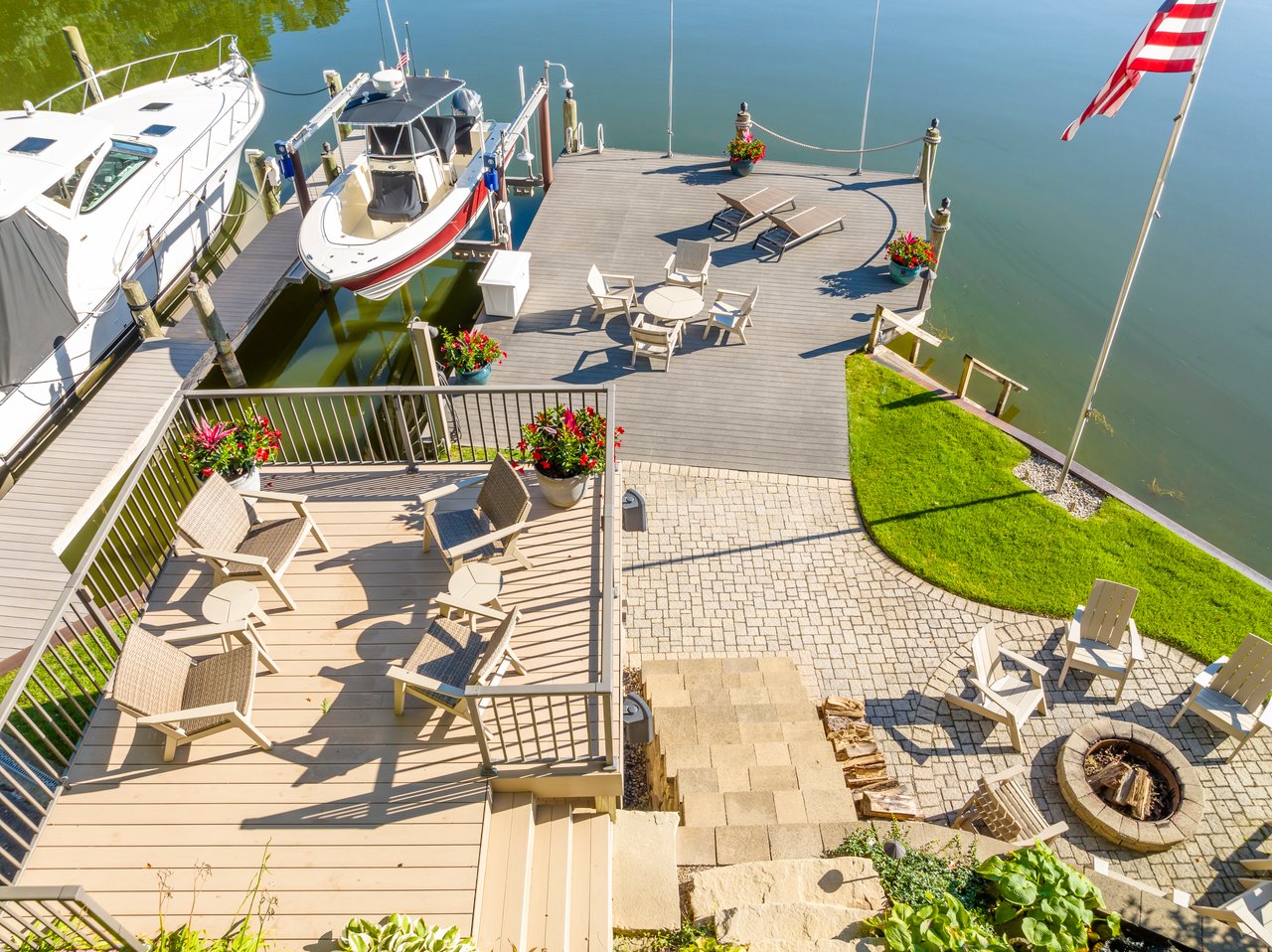
- Dock rights
- Association restrictions
- Water depth
- Boat access
- Flood considerations
- Shoreline conditions
- Seasonal versus year-round use
Macatawa and Lake Michigan-Adjacent Properties
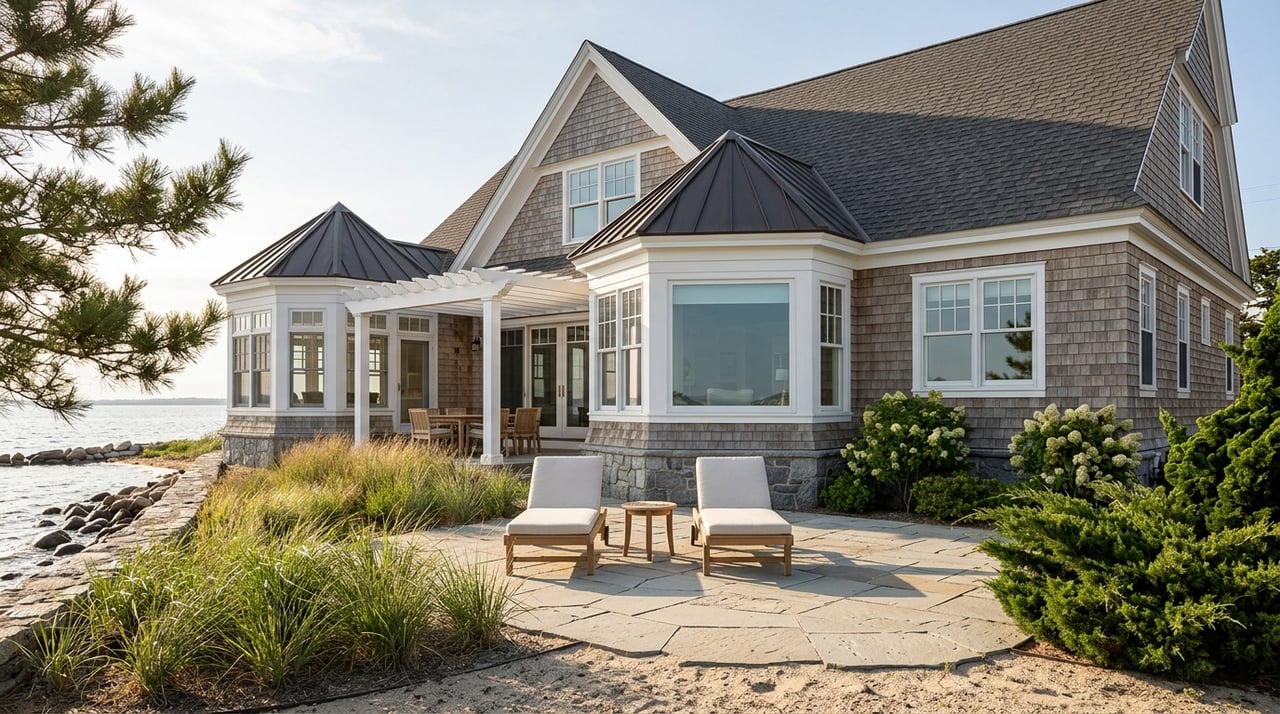
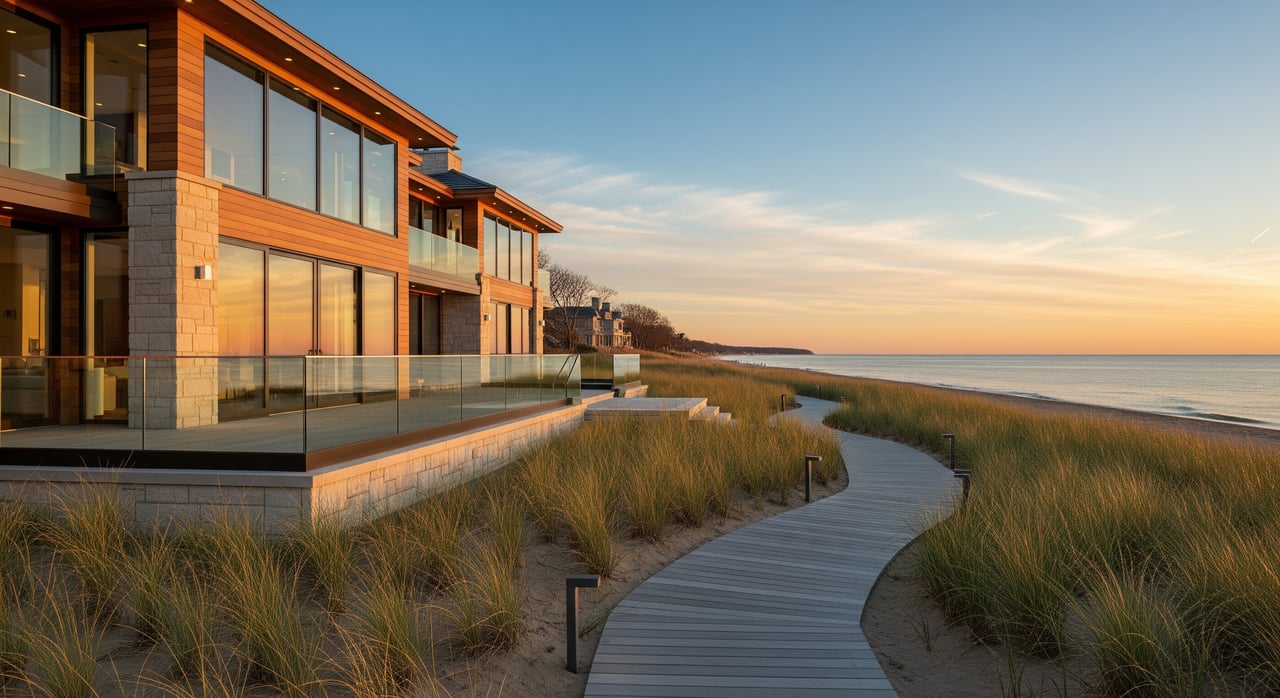
The western edge of the greater Holland area is where buyers begin to encounter some of the area's most distinctive waterfront and near-water properties.
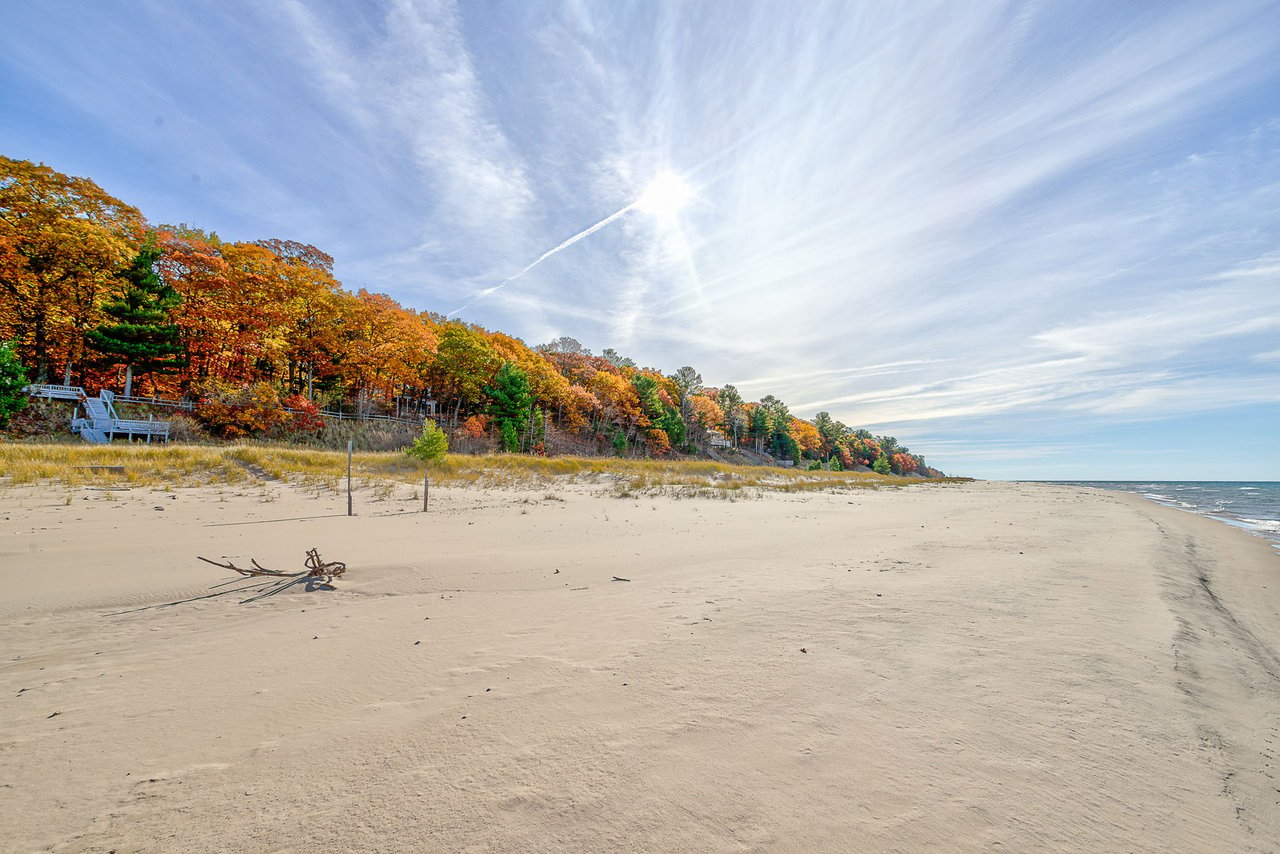
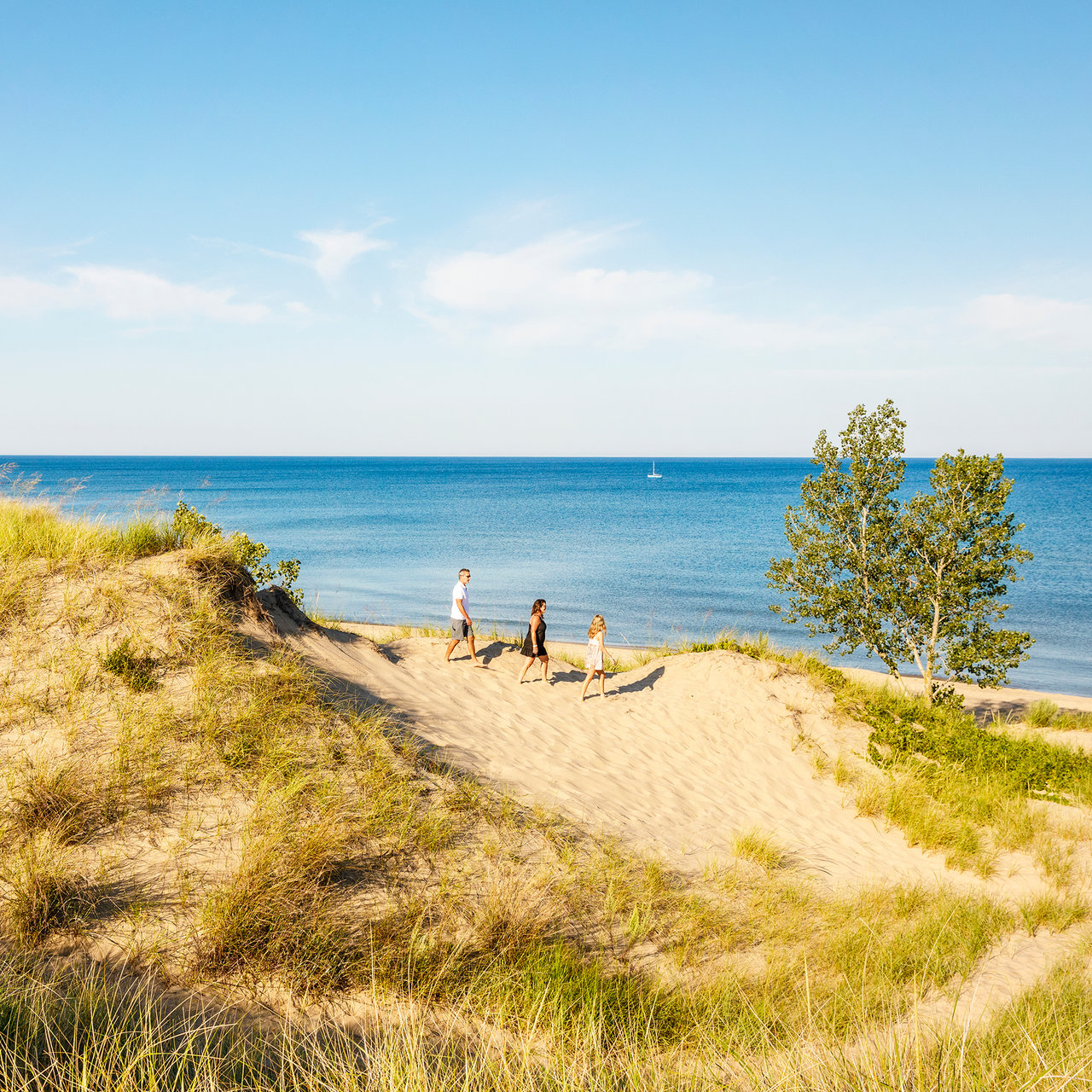
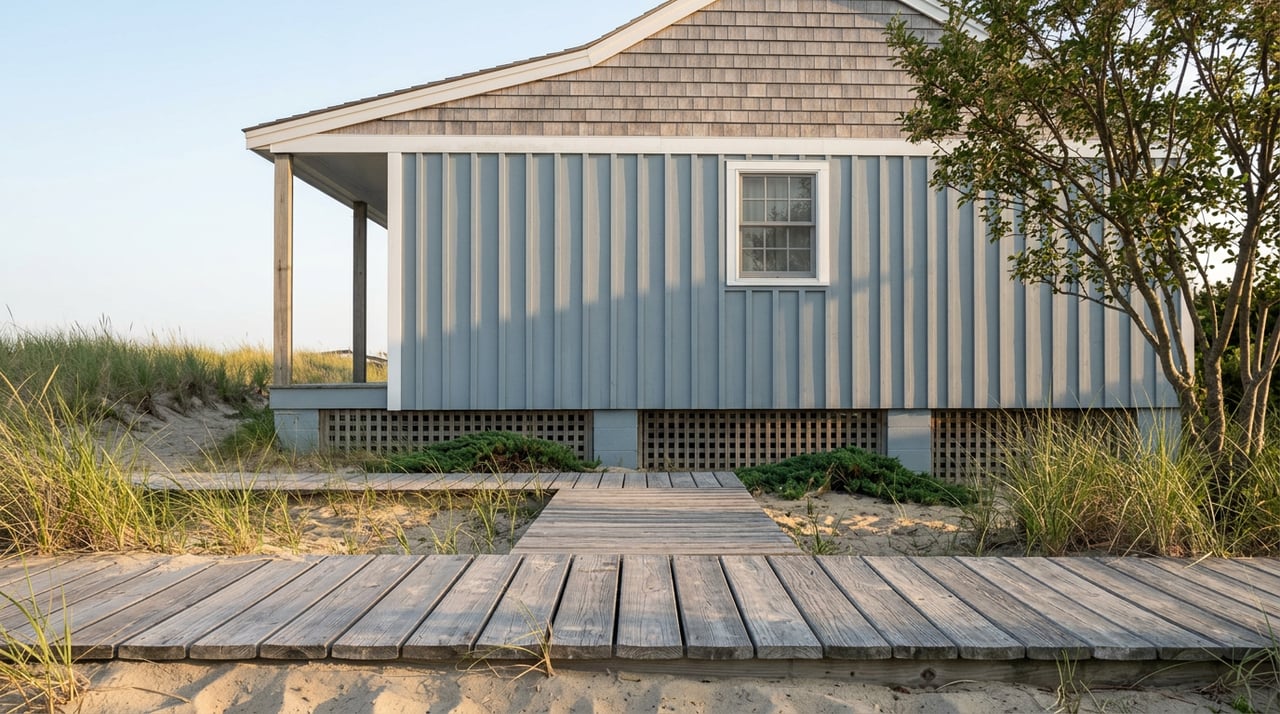
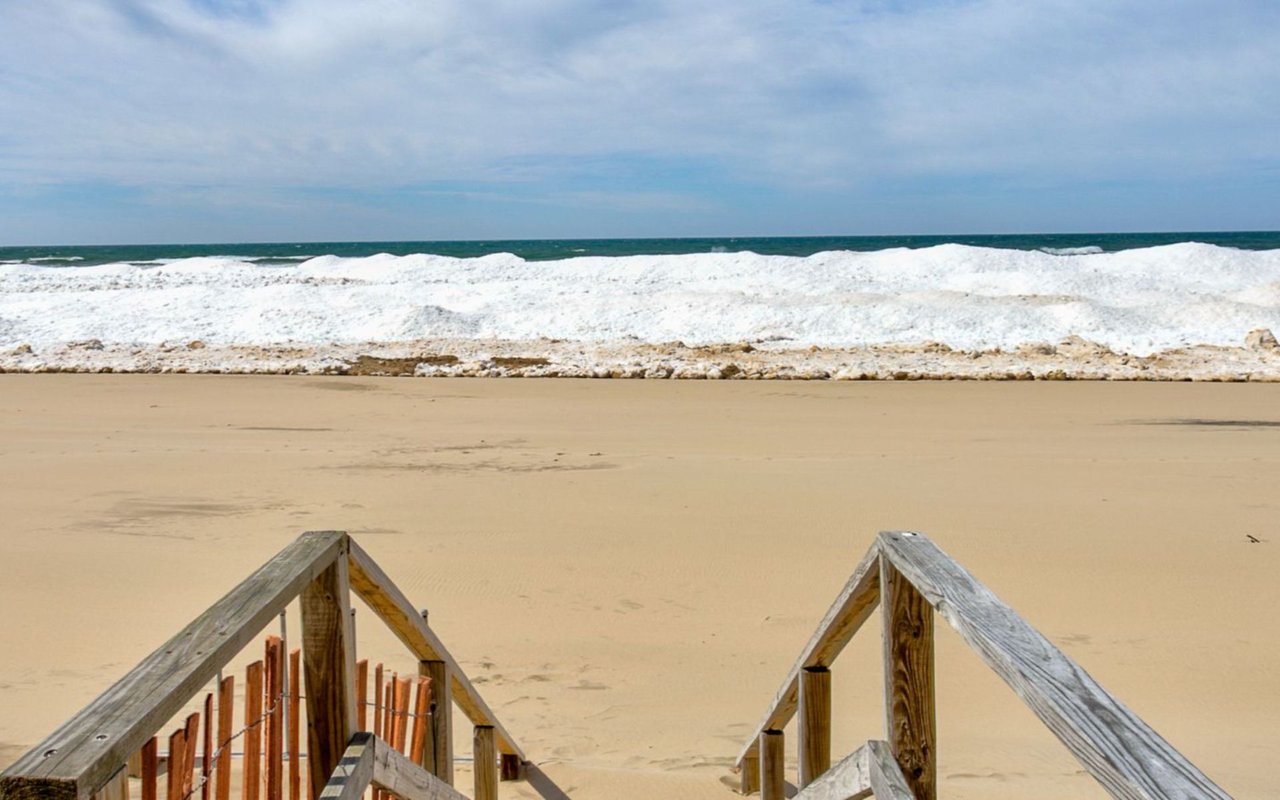
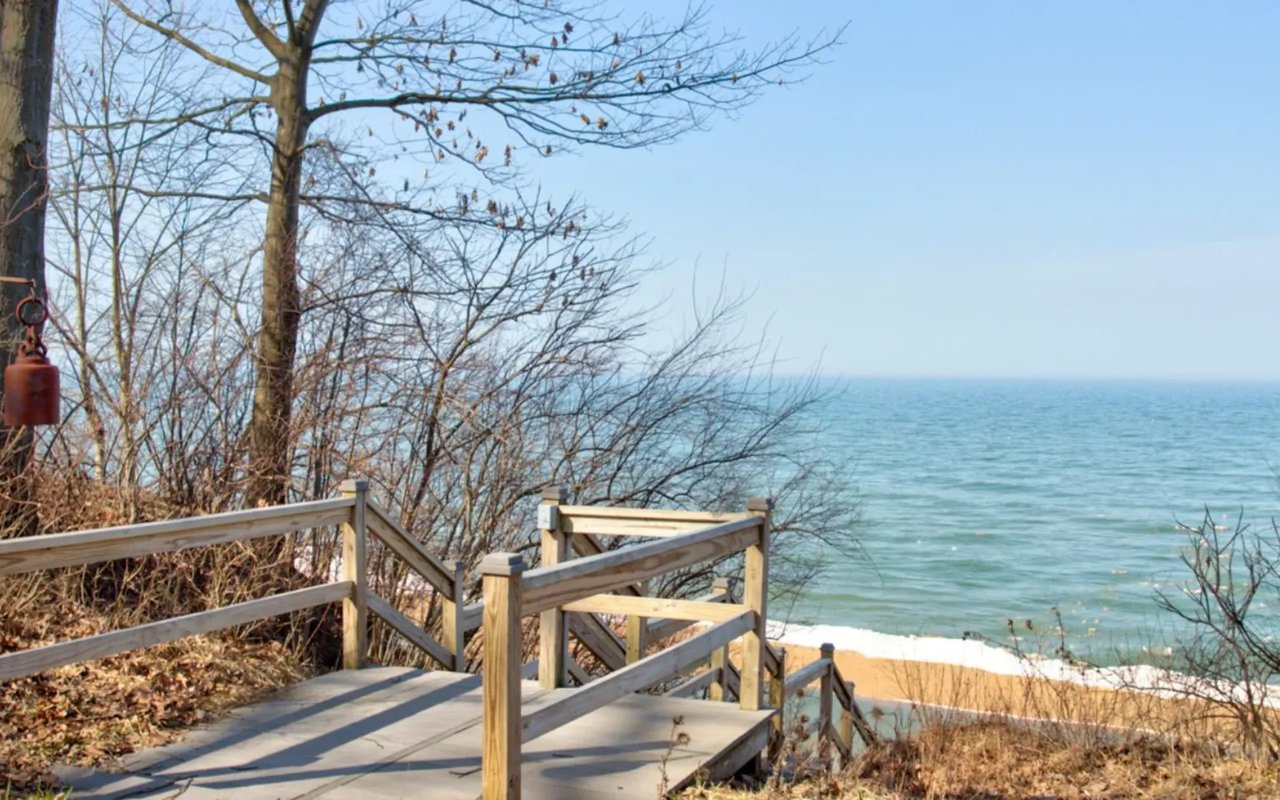
These homes may offer access to Lake Michigan, Lake Macatawa, private associations, shared beaches, dune settings, or combinations of those features.
This is also where property-to-property differences become especially significant.
Two homes only a short distance apart may have very different:
- Beach rights
- Bluff elevations
- Association structures
- Views
- Dock access
- Lot sizes
- Parking
- Road access
- Waterfront ownership
For that reason, buyers should evaluate the actual property rights and documents rather than relying only on a listing description.
Laketown Township
South and west of the City of Holland is Laketown Township.
Although it is technically outside the city limits, it is commonly part of a Holland-area home search. Holland’s visitors bureau identifies Laketown Township as the township directly west of the greater Holland area. Holland Michigan Visitors Bureau
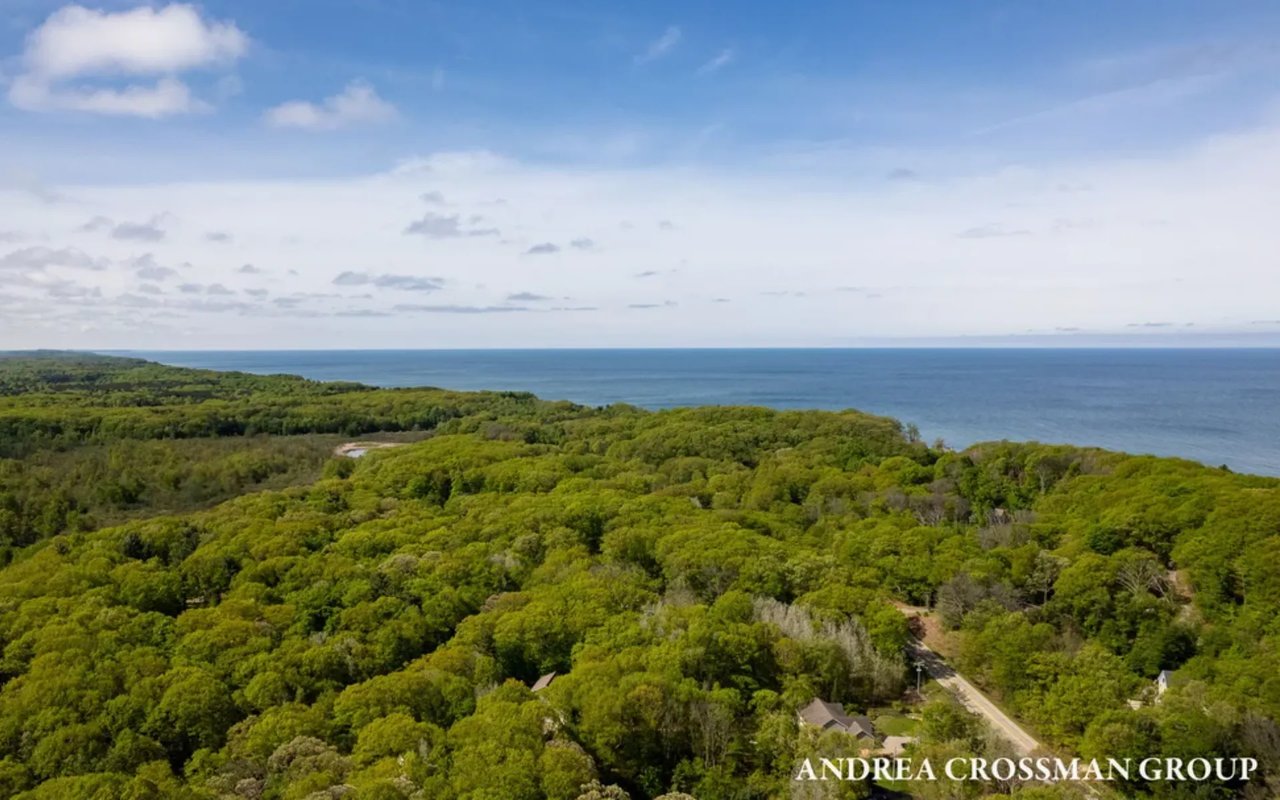
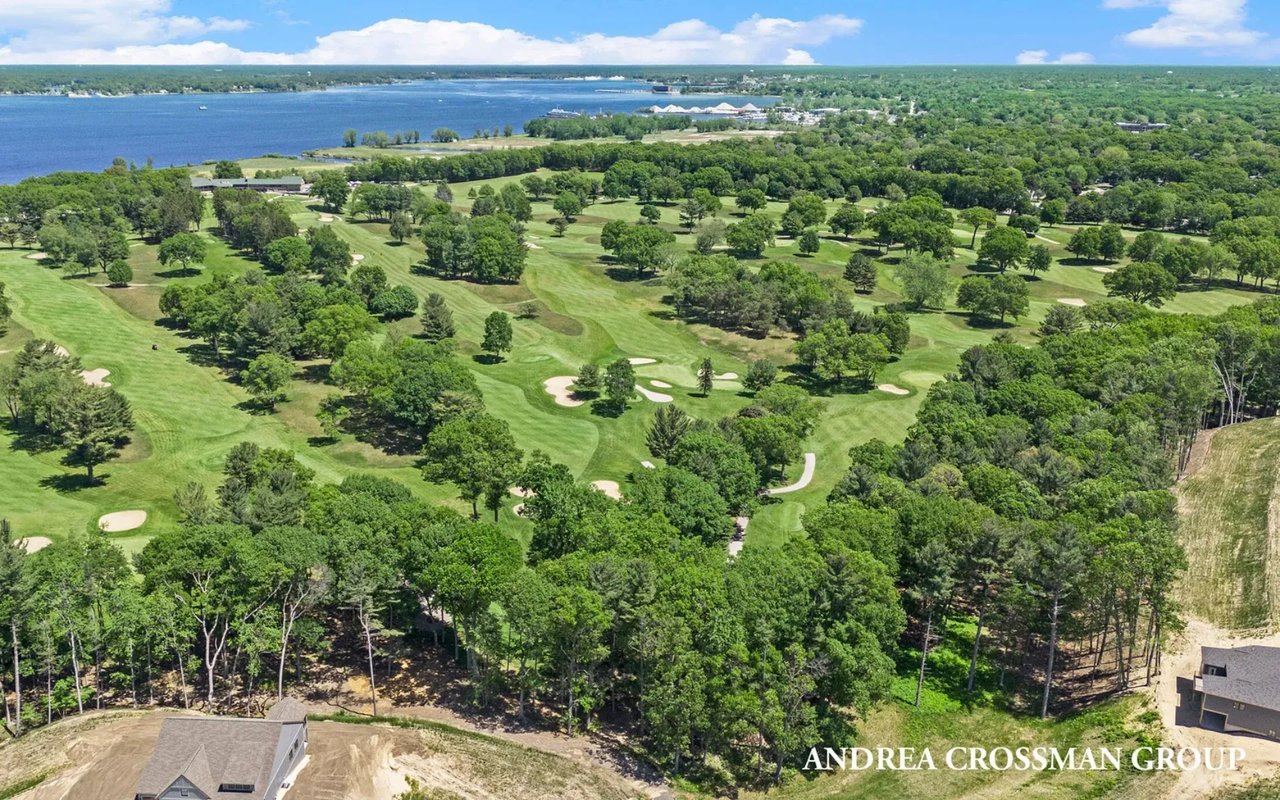
The area includes more wooded surroundings, larger properties in some locations, and access toward the Lake Michigan shoreline.
For buyers who like Holland but do not necessarily need to be within the city itself, expanding the search into Laketown can uncover a different range of options.
North Side and Holland Charter Township
The north side of the Holland area extends into Holland Charter Township and contains a broad mix of residential communities.
This portion of the market includes established subdivisions, newer construction, condominiums, and homes positioned between downtown Holland, Zeeland, Lake Macatawa, and US-31.
For buyers, this area can make sense when proximity to downtown is still important but a traditional subdivision or newer home is preferred over historic-city housing.
Because the north side covers a large area, it is especially important to compare specific neighborhoods rather than treating it as one market.
How to Compare Holland Neighborhoods
Instead of asking which Holland neighborhood is universally “best,” buyers are usually better served by deciding which physical and lifestyle characteristics matter most to them.
Consider questions such as:
Do you want to walk to restaurants and shops?
Downtown and nearby central neighborhoods may deserve more attention.
Is historic architecture important?
Explore Holland’s designated historic districts and older central neighborhoods.
Do you want to be closer to Lake Michigan?
Look farther west toward Ottawa Beach, Macatawa, and Laketown Township.
Is boating important?
Lake Macatawa access, dock availability, and waterfront rights become key considerations.
Would you prefer newer construction?
Expand beyond the historic core into newer developments around greater Holland.
Do you want more land or wooded surroundings?
Properties outside the central city may provide more options.
Do Not Judge a Home by the ZIP Code Alone
Holland is a good example of why buyers should look beyond broad location labels.
A listing may say “Holland,” but the experience can vary substantially depending on whether the property is:
Downtown.
Near Lake Macatawa.
In Holland Heights.
In a historic district.
In Holland Charter Township.
In Laketown Township.
Near Lake Michigan.
Or within a waterfront association.
Even properties located relatively close together may have very different surroundings, taxes, municipal services, association rules, waterfront rights, or zoning.
Tour the Area, Not Just the House
One of the most useful things a buyer can do is spend time around a property before making a decision.
Drive the surrounding streets.
Walk to nearby destinations.
Visit at different times of day.
Check the route to work or frequently visited places.
Look at parks and trails.
For waterfront properties, inspect the path to the water and understand exactly what rights transfer with the property.
A house can be changed.
Its location usually cannot.
The Bottom Line
Holland offers considerably more housing variety than many buyers initially expect.
You can find walkable downtown living, historic homes, established residential neighborhoods, waterfront properties, newer subdivisions, wooded surroundings, and Lake Michigan access within a relatively compact area.
The key is not finding the neighborhood everyone else considers the “best.”
It is understanding the differences between Holland’s various areas and identifying which property characteristics and location features match what you are actually looking for.
For buyers unfamiliar with the area, narrowing the search neighborhood by neighborhood can make the process much easier — especially when waterfront rights, historic restrictions, associations, or township boundaries are involved.