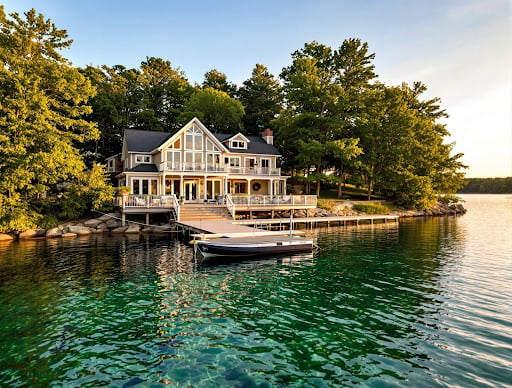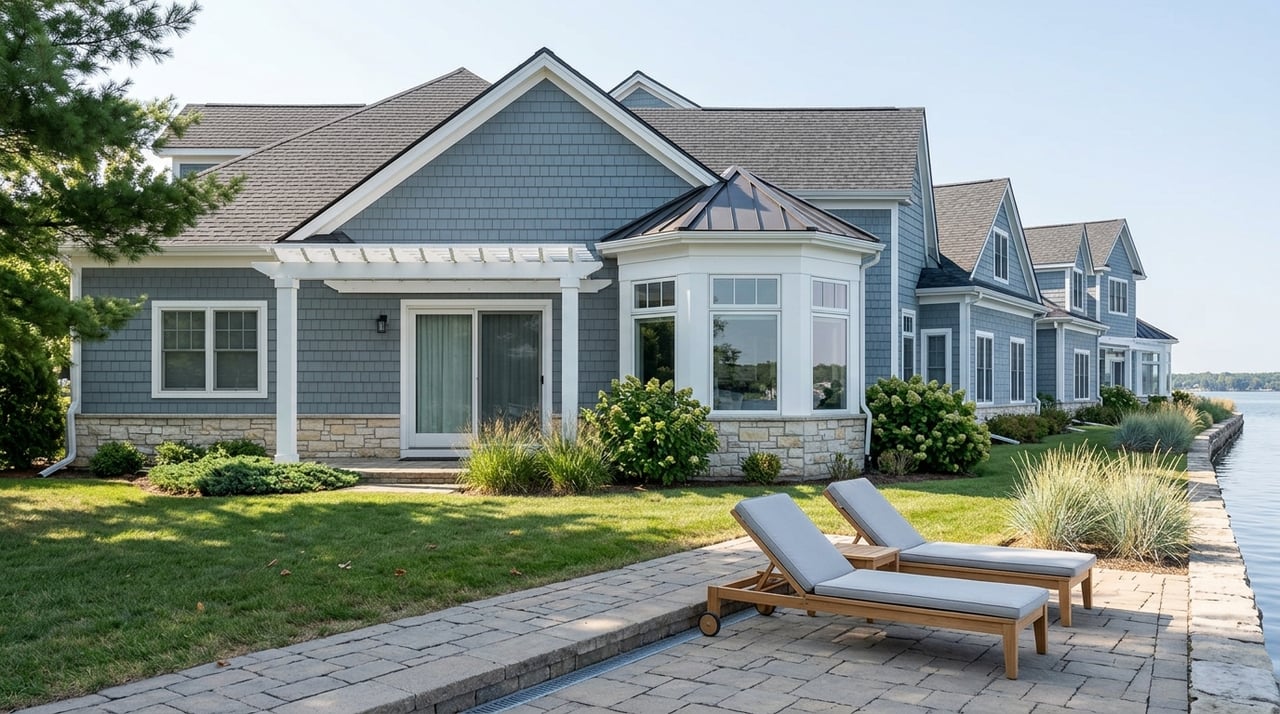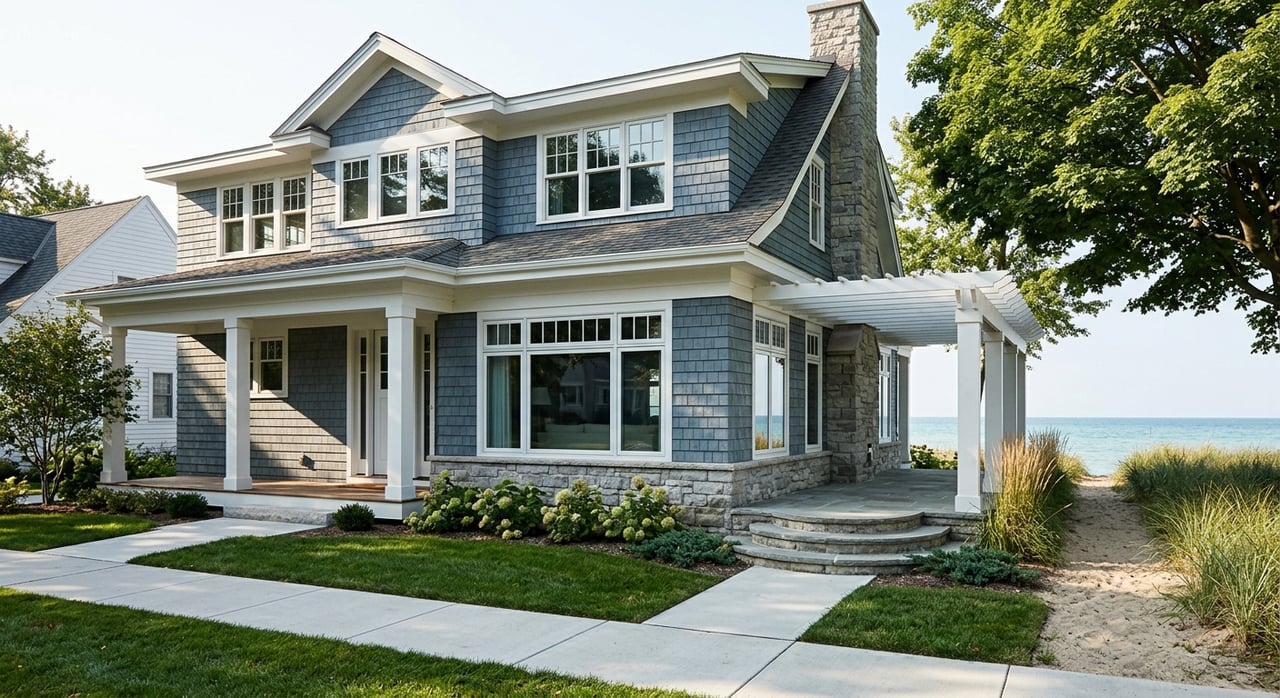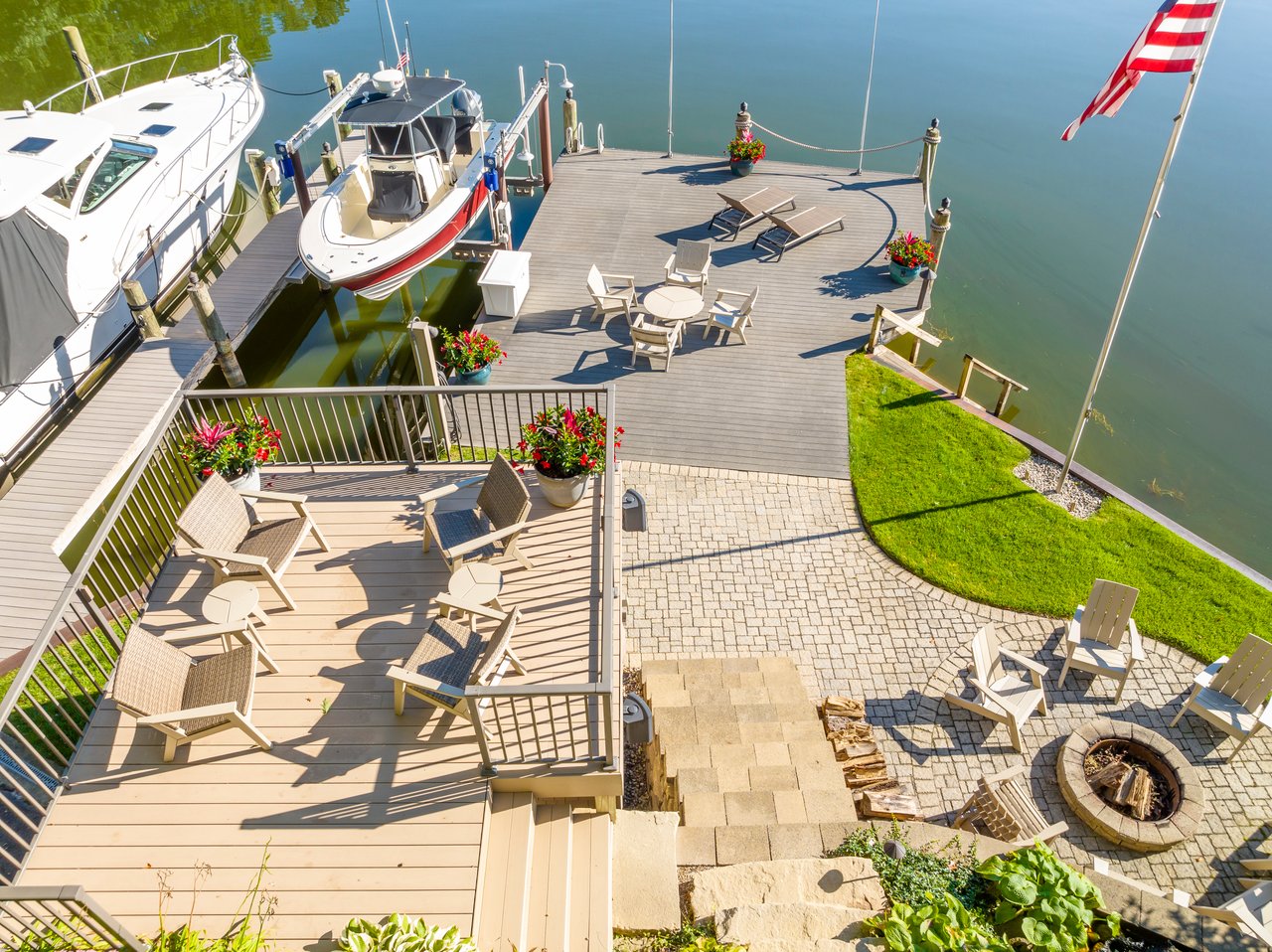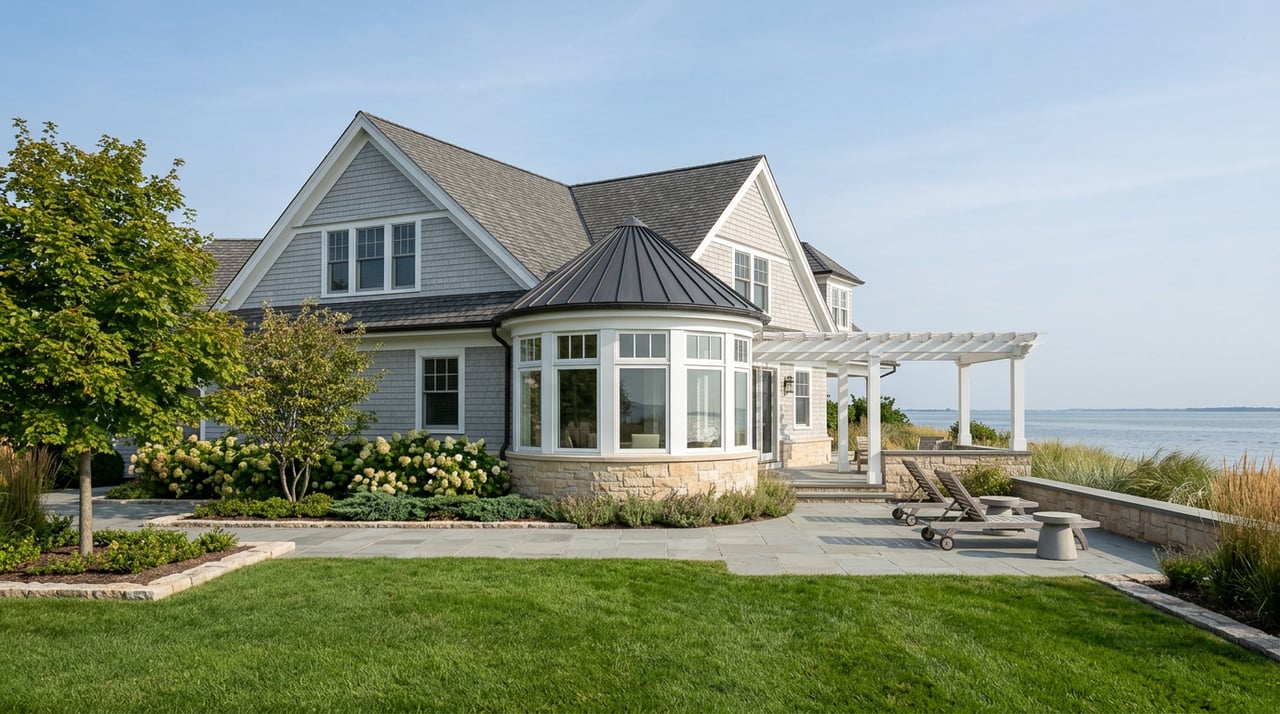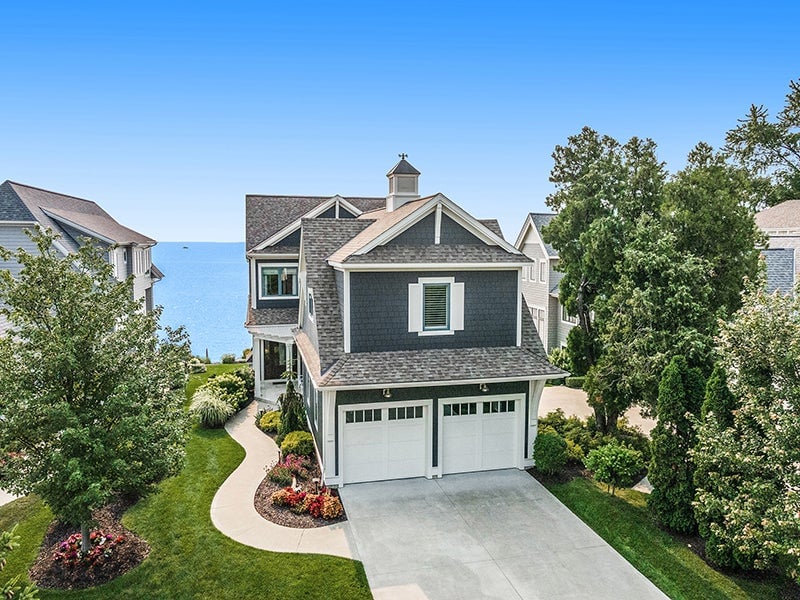
What Makes a Lake Michigan Waterfront Home More Valuable?
Two Lake Michigan homes can sit only a few miles apart, have similar square footage, and still command very different prices.
Why?
Because waterfront value is about much more than bedrooms, bathrooms, and interior finishes.
On the West Michigan lakeshore, factors such as frontage, bluff height, beach access, views, lot depth, privacy, shoreline condition, and location can all influence how buyers perceive a property.
For homeowners considering selling—or simply wondering what their waterfront property may be worth—these are some of the most important factors to understand.
1. Lake Michigan Frontage
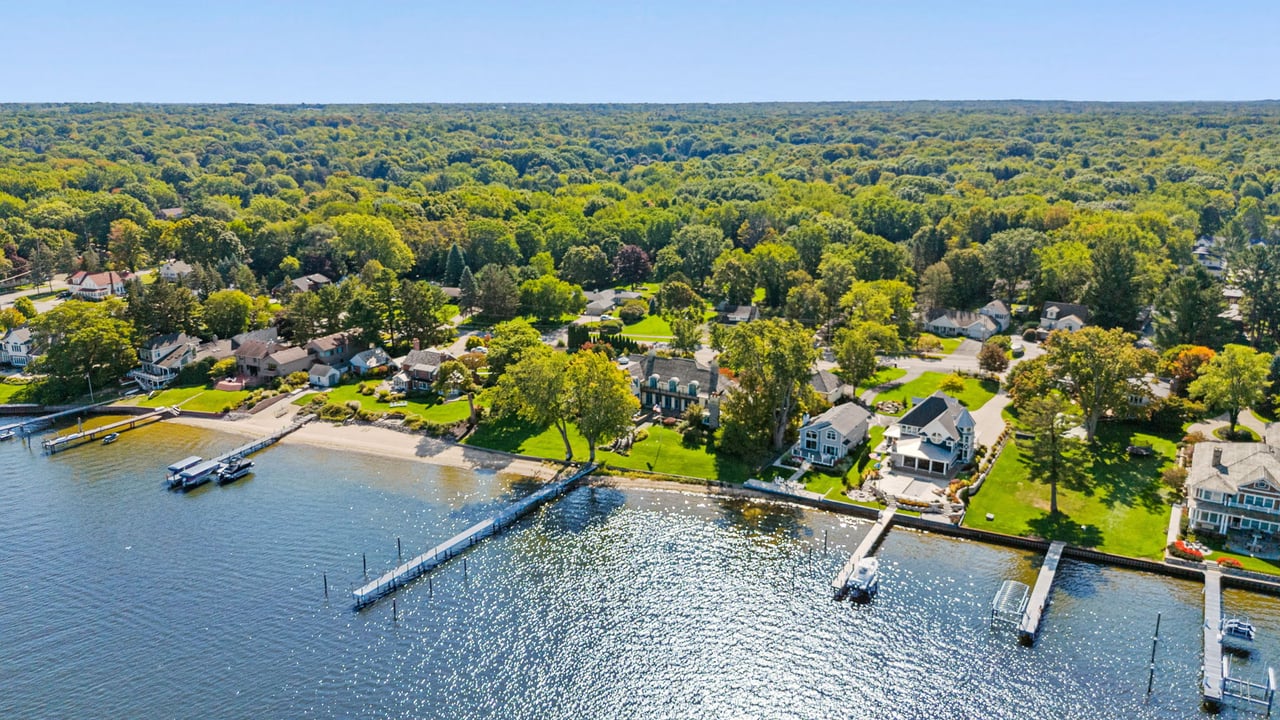
One of the first things buyers notice is the amount of direct Lake Michigan frontage.
More frontage can provide:
- Greater privacy
- Wider water views
- More usable beach
- Additional separation from neighboring homes
- More flexibility in how the property is enjoyed
But frontage should never be evaluated by itself.
One hundred feet of low-bluff frontage with an accessible beach may appeal very differently than the same amount of frontage on a steep bluff with extensive stairs.
That is why waterfront valuation requires looking at the complete property rather than simply assigning a value to each foot of shoreline.
2. Bluff Height and Ease of Beach Access
Beach access can have a major influence on the buyer experience.
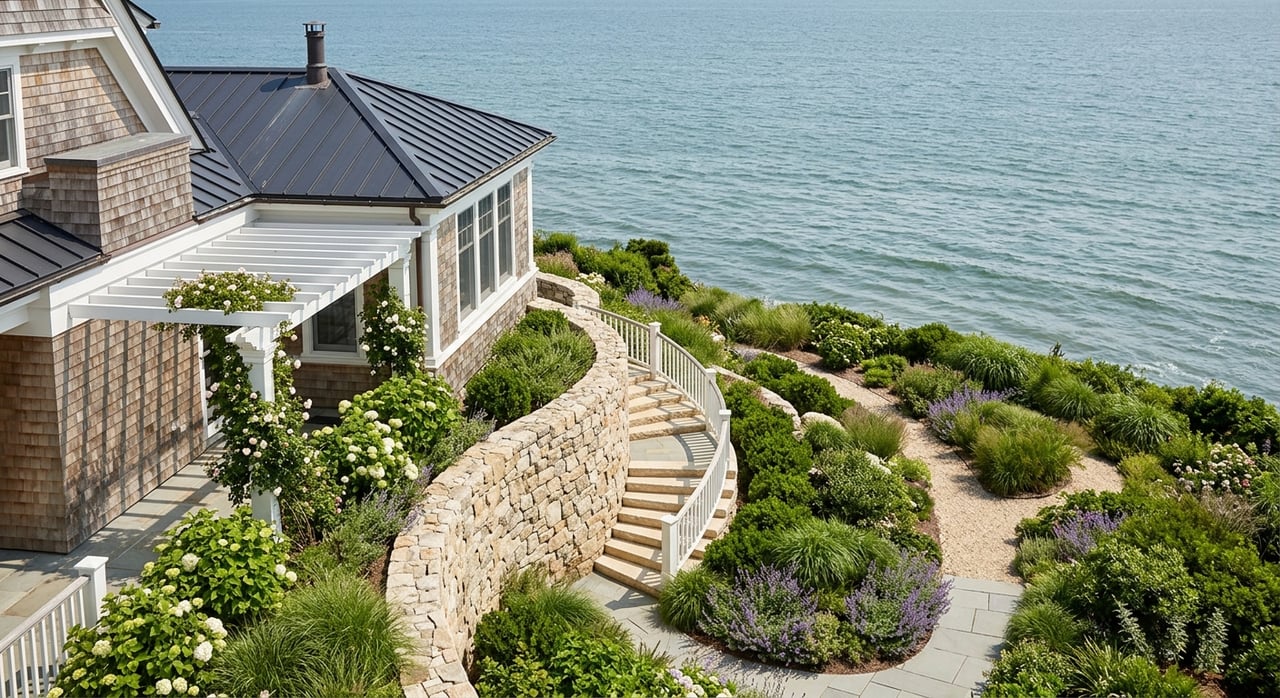
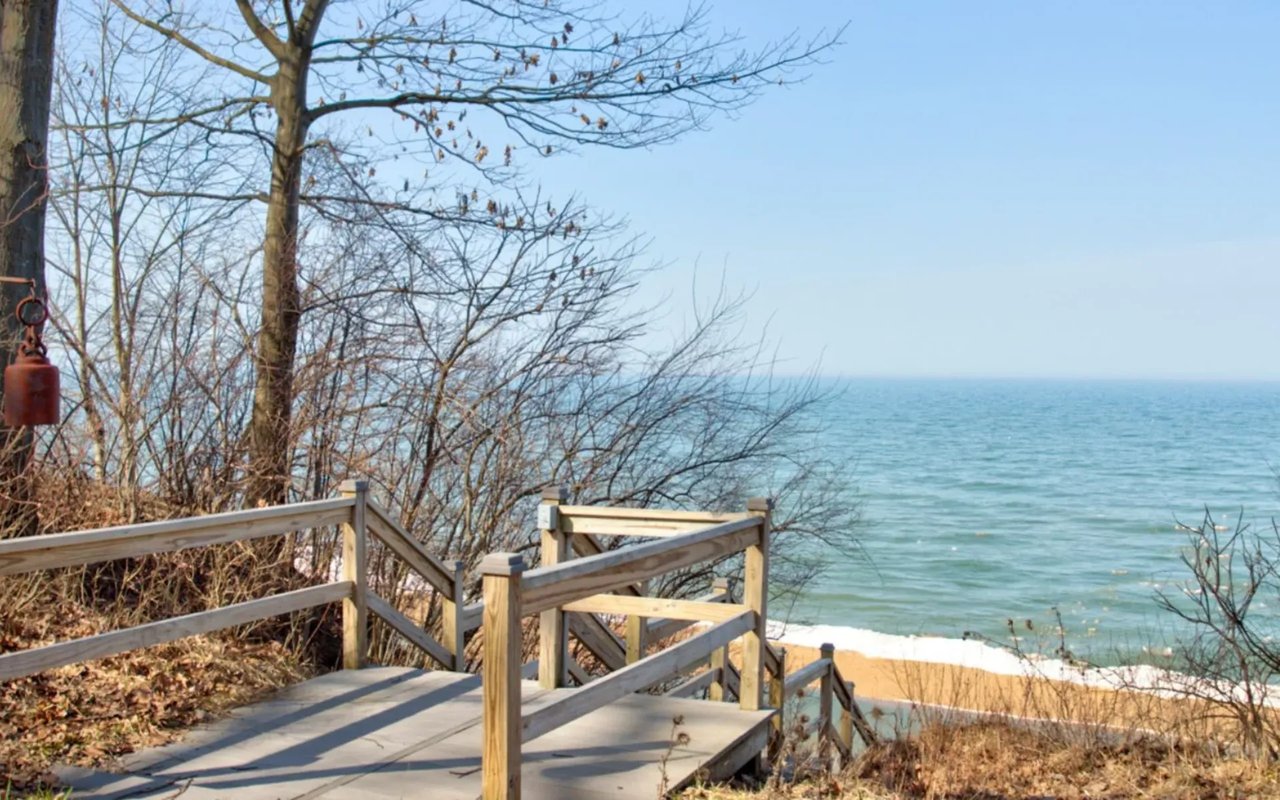
A low-bluff property with relatively few steps to the beach may appeal to a wider range of buyers than a home requiring a long staircase down a steep bluff.
When comparing properties, buyers often consider:
- Number of stairs
- Condition of the stairs
- Elevation above the lake
- Ease of carrying chairs, coolers, and beach equipment
- Accessibility for children and older family members
- Whether an elevator or alternative access exists
For many second-home buyers, the question is simple: How easy will it actually be to use the beach?
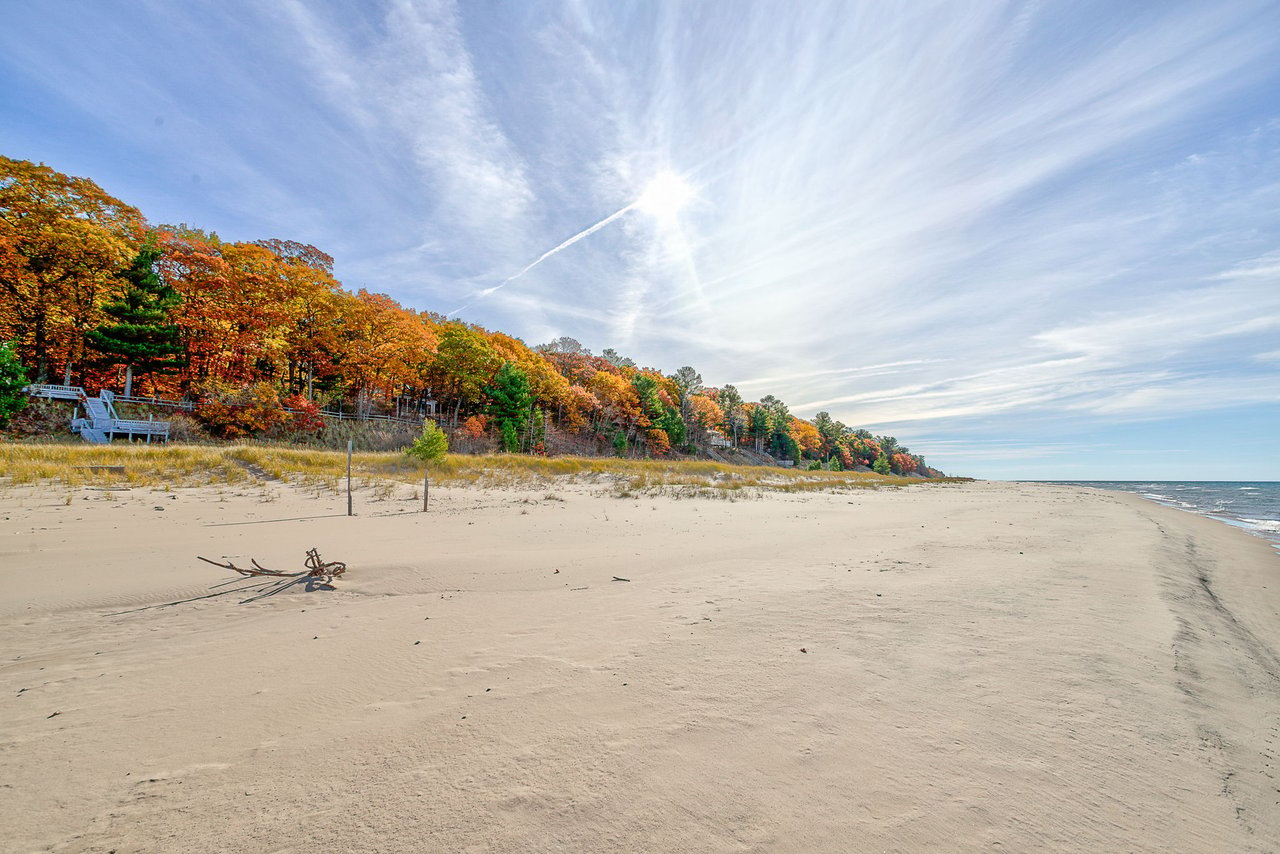
3. The Quality of the Beach
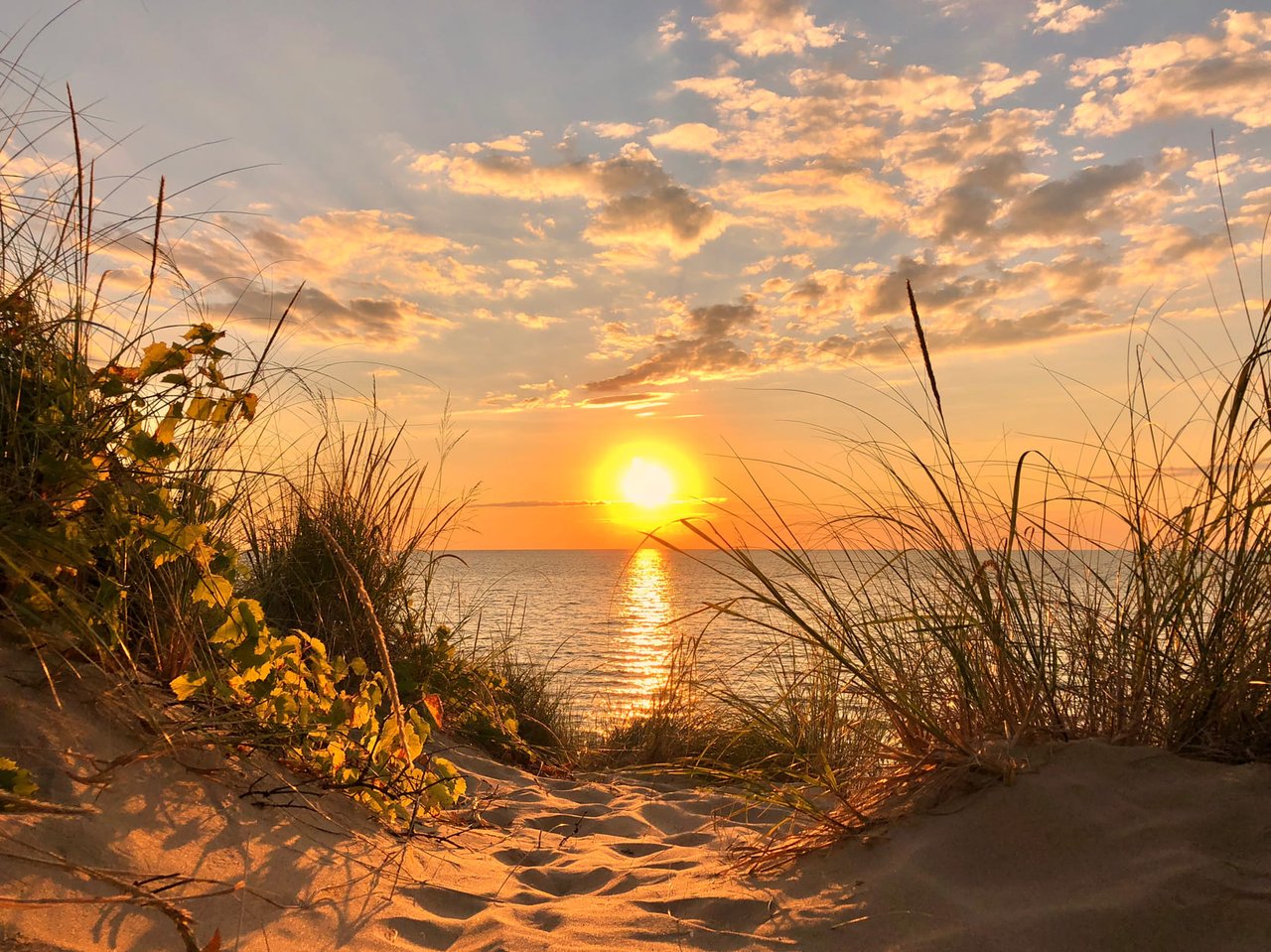
Not all Lake Michigan shoreline looks the same.
Buyers may consider:
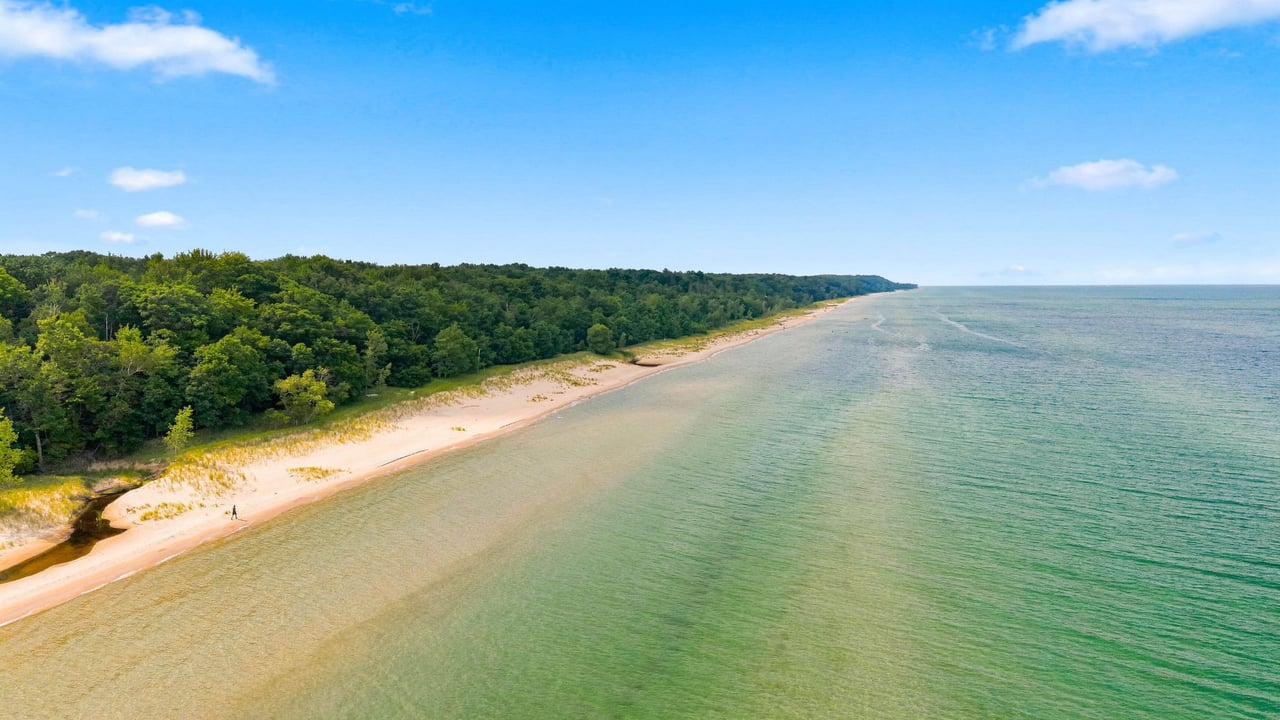
- Width of the beach
- Sand quality
- Seasonal water levels
- Rocks or vegetation
- Privacy
- Neighboring shoreline conditions
Great Lakes water levels naturally fluctuate over time, and Michigan EGLE notes that changing water levels, waves, wind, groundwater, frost, and other factors can affect shoreline conditions.
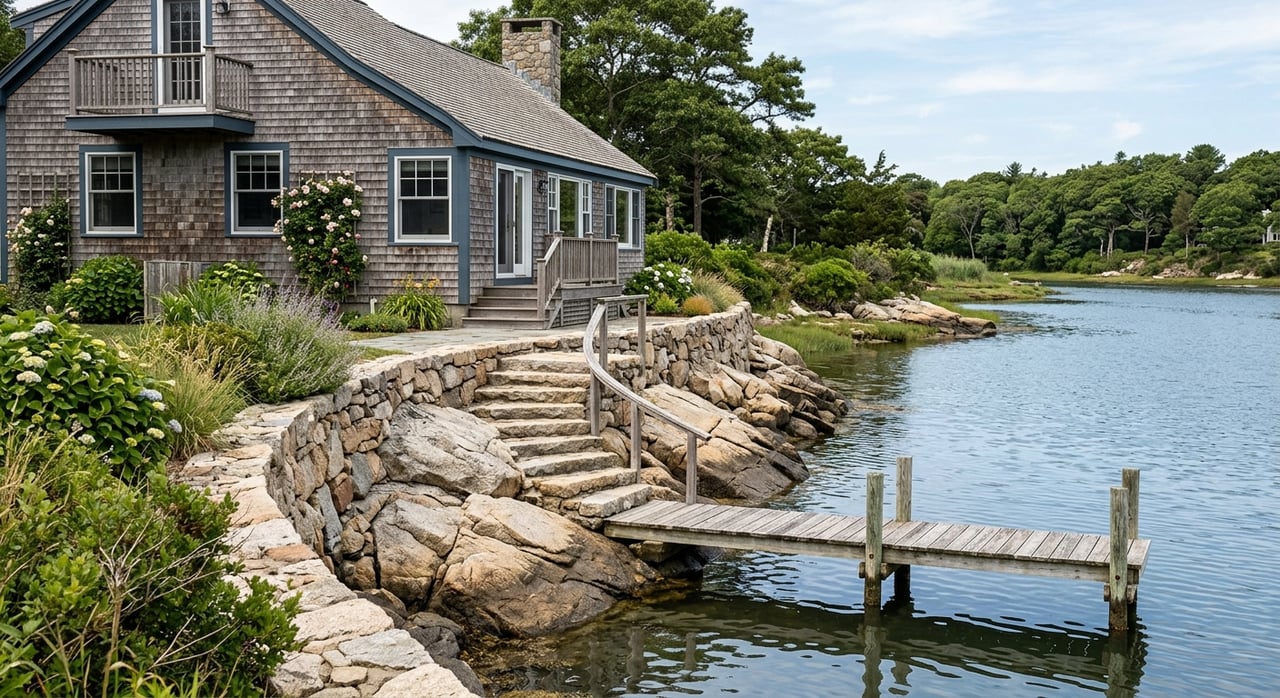
A property with an attractive, usable beach can create a very different experience from one where direct water access is more challenging.
4. The View
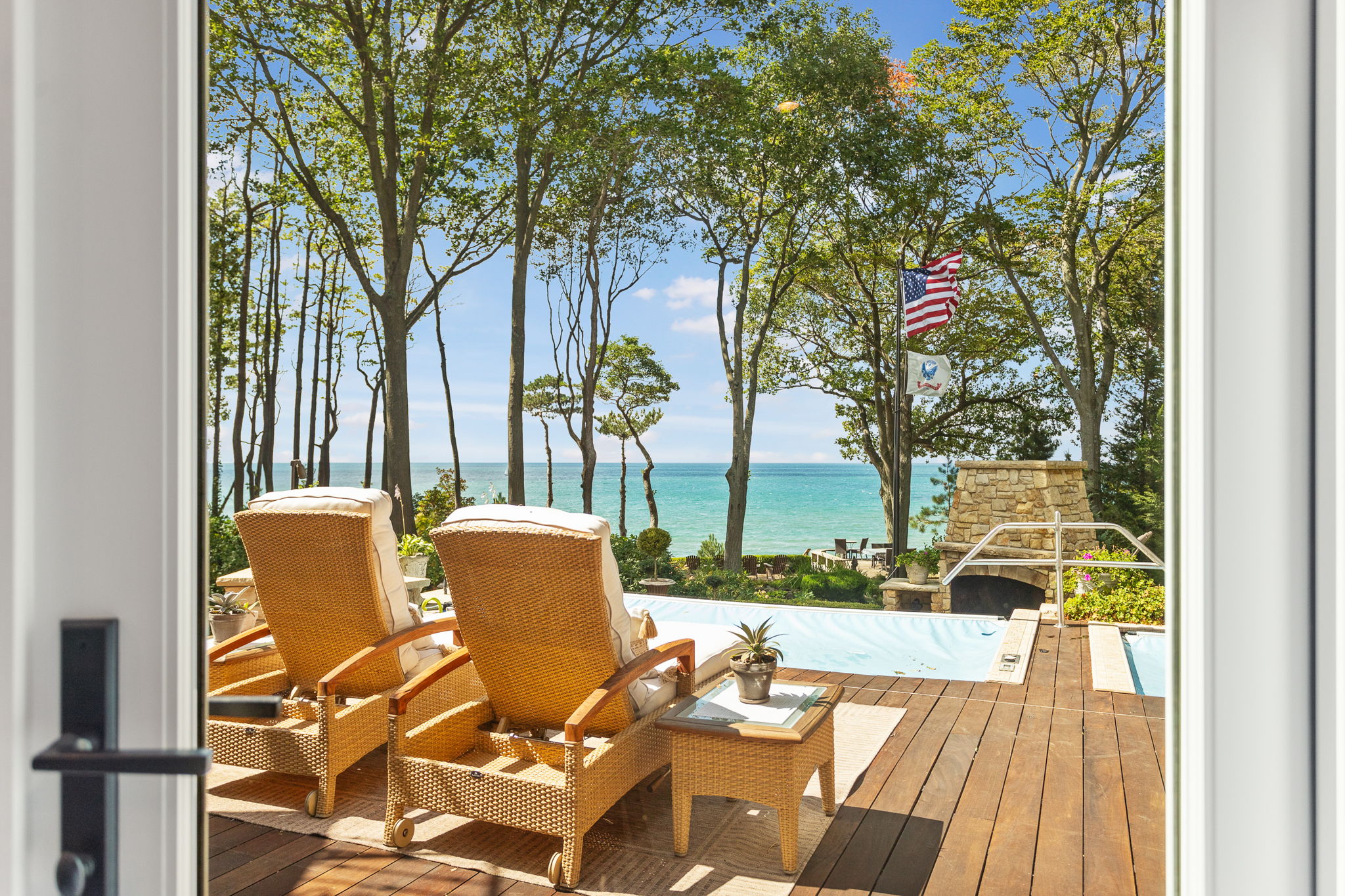
Waterfront buyers are not simply purchasing a house.
They are often purchasing the view.
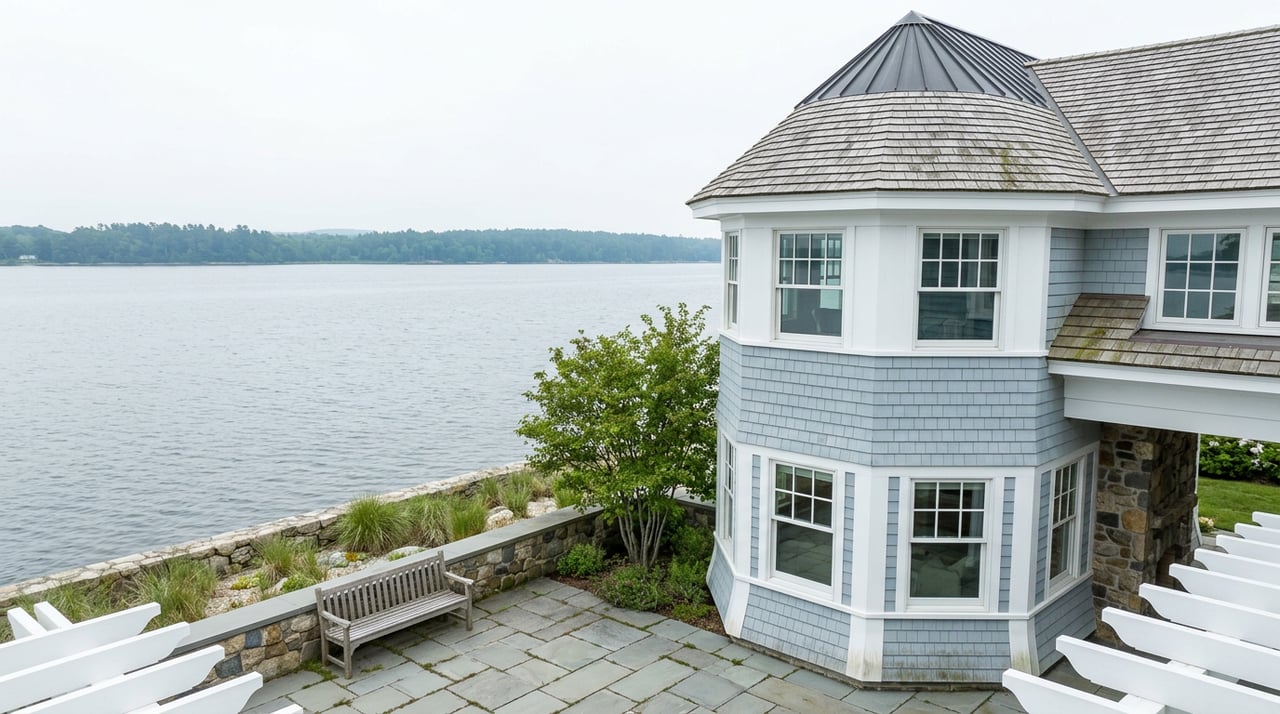
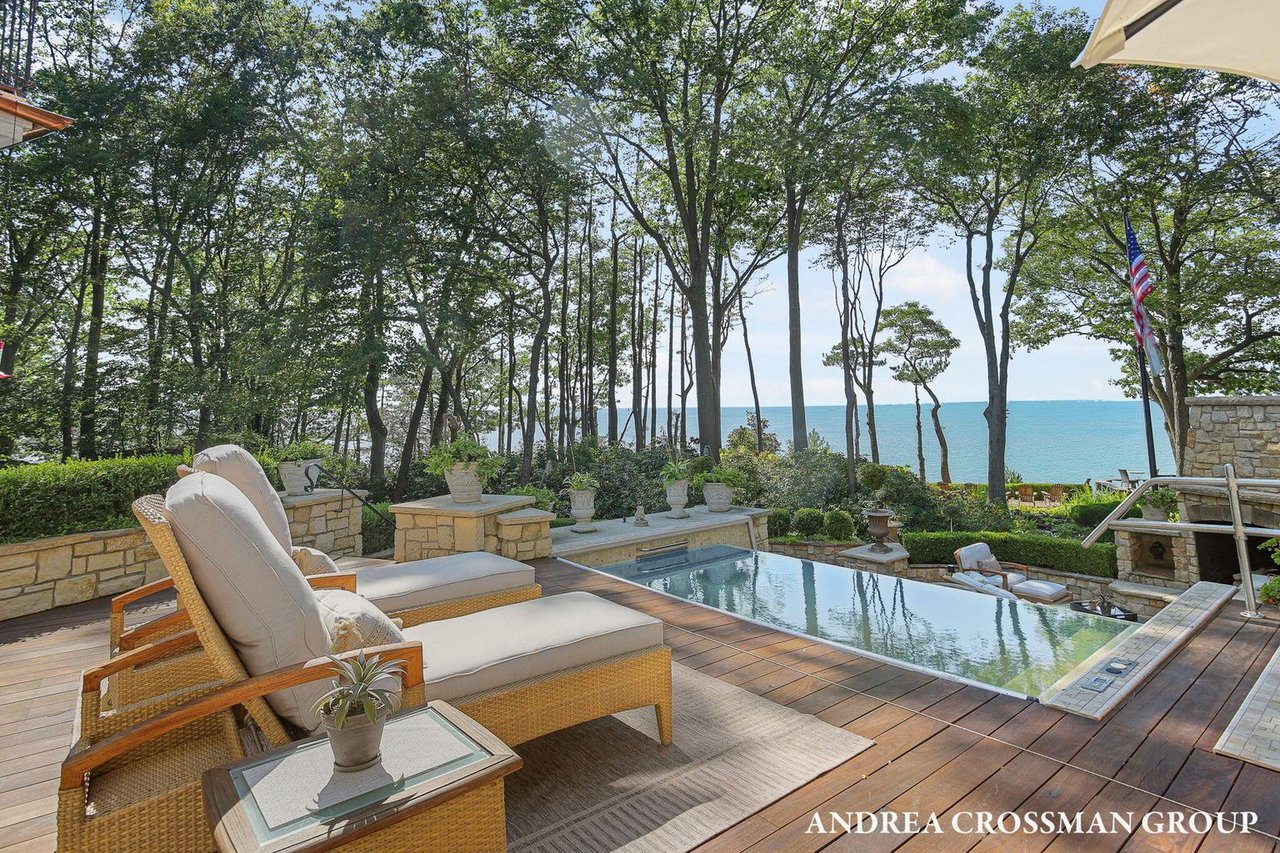
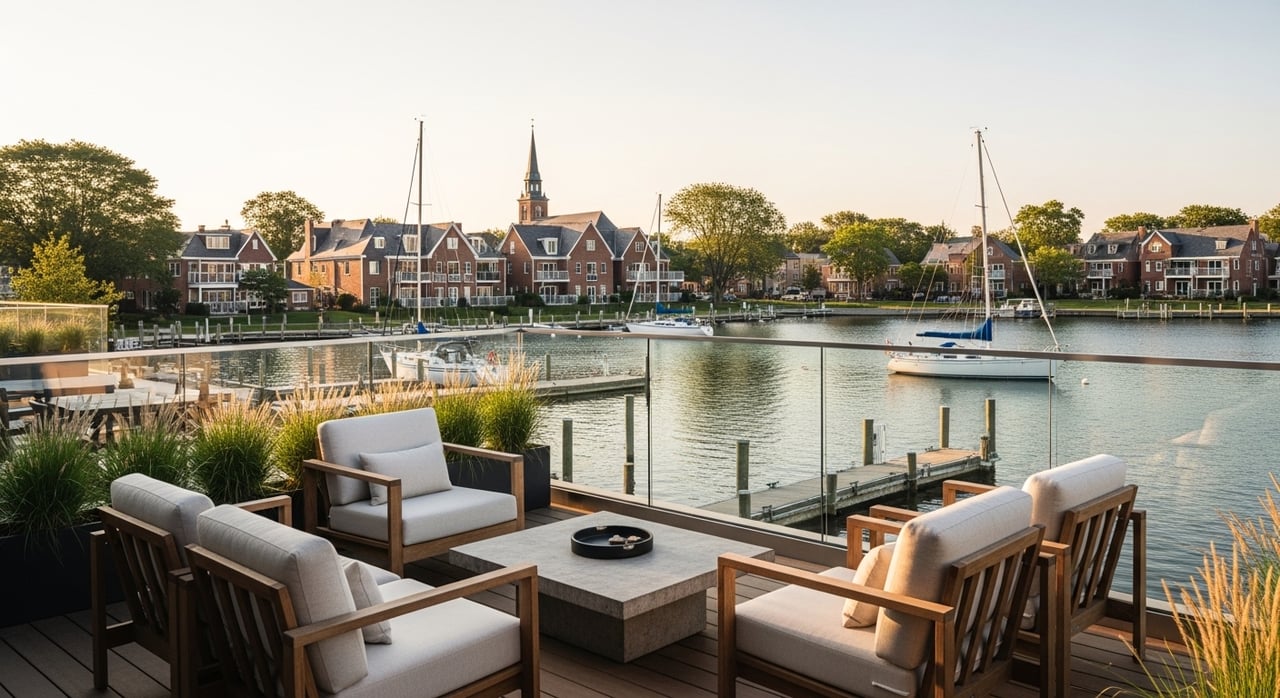
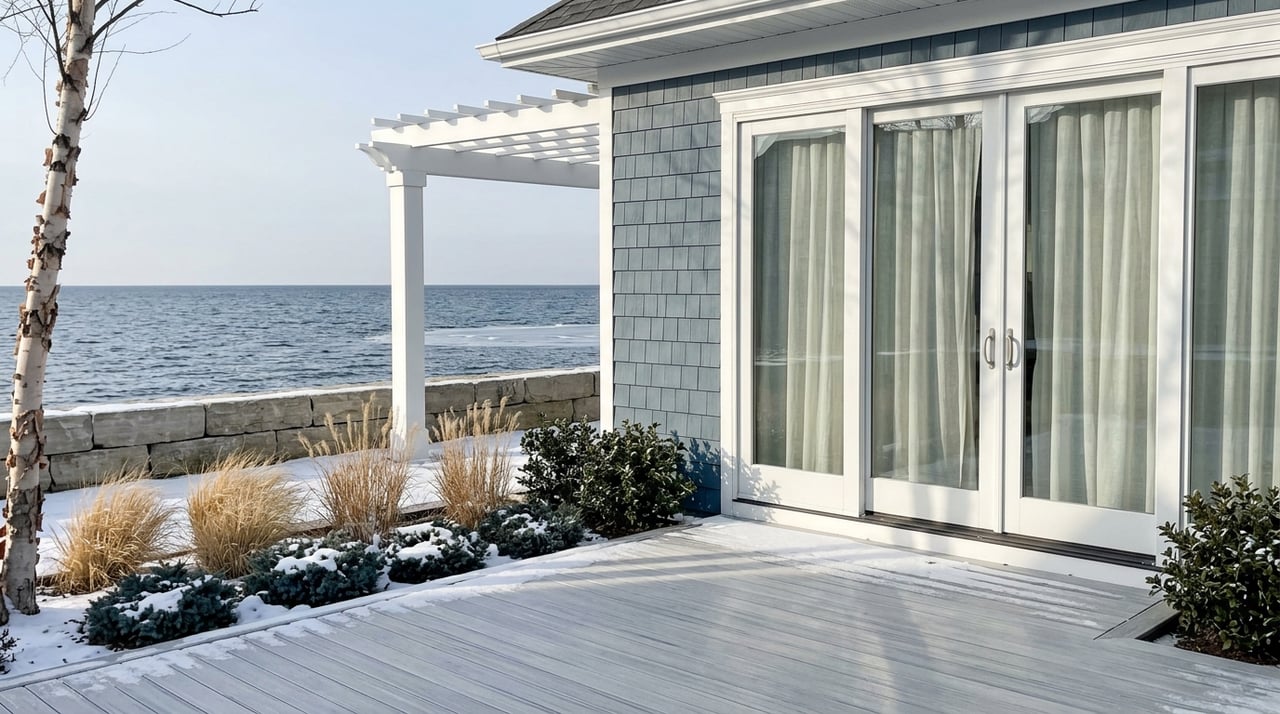
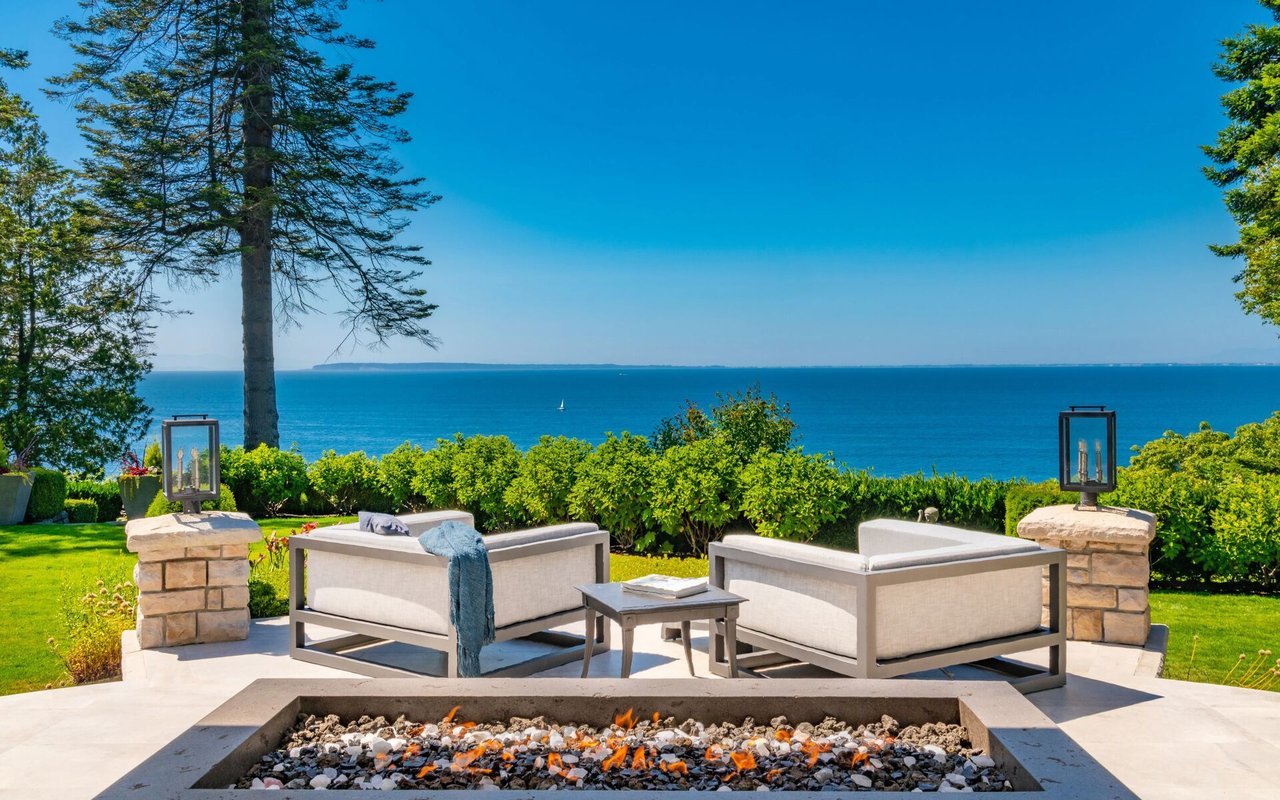
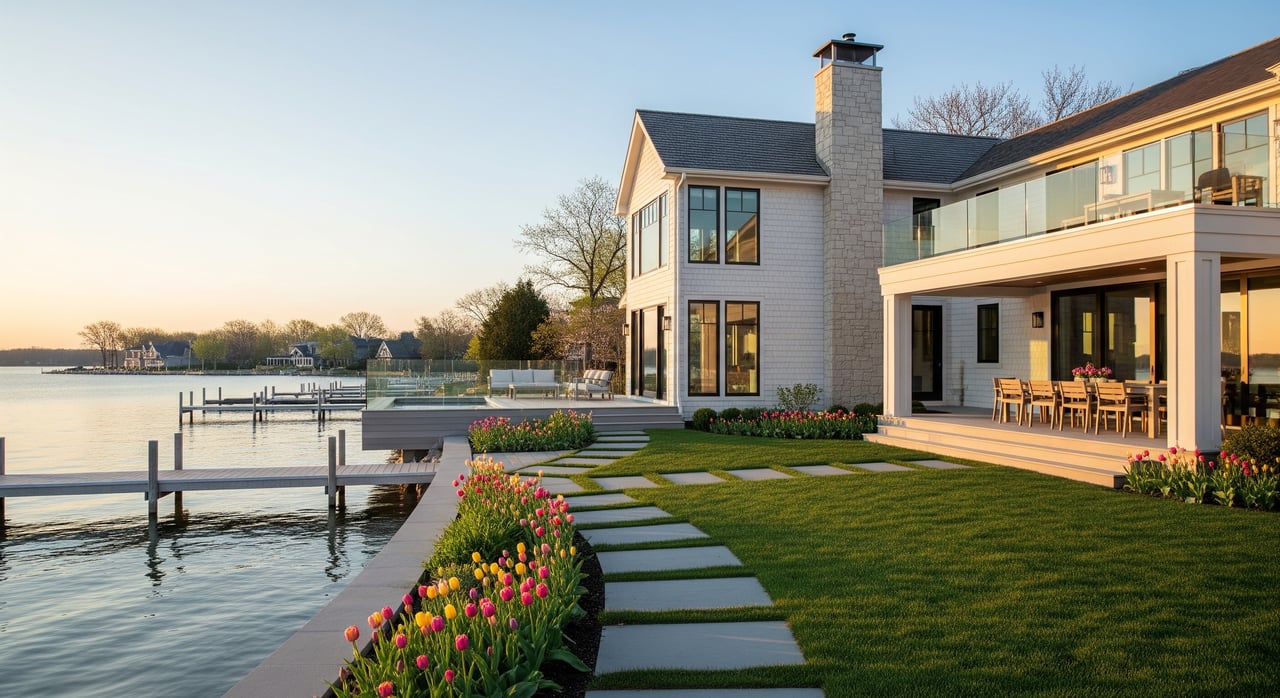
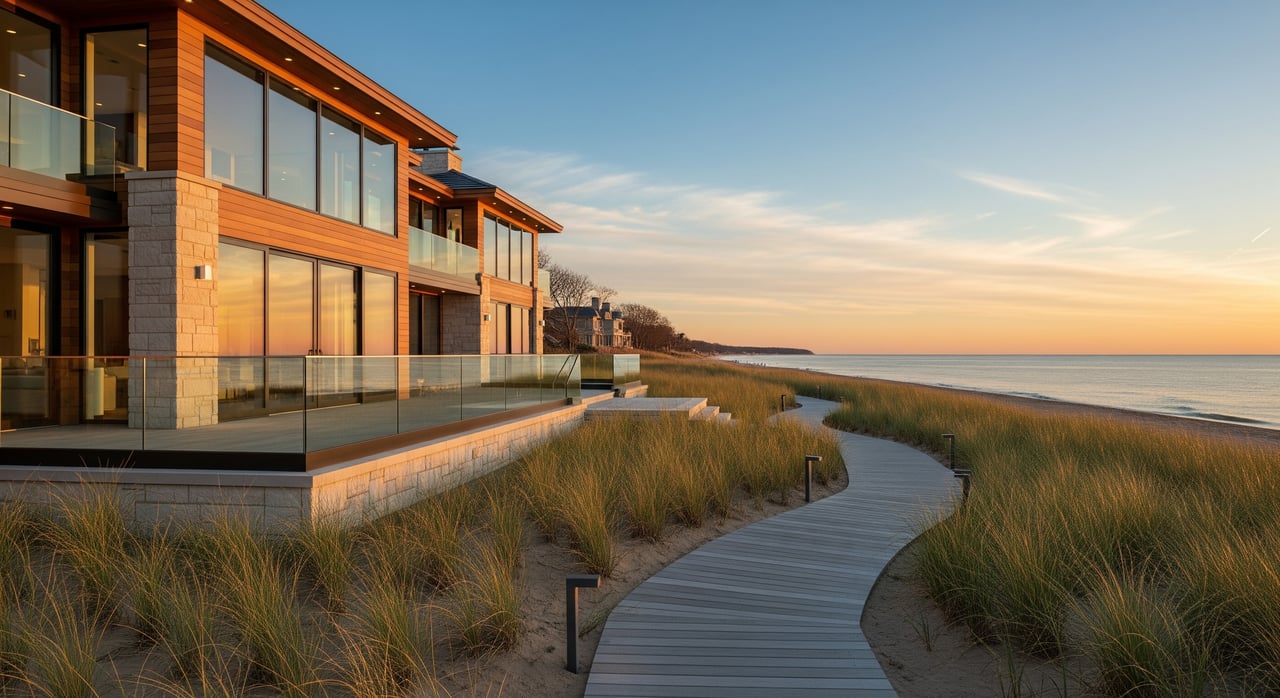
Properties with expansive, unobstructed Lake Michigan views can command additional attention, particularly when those views are visible from the main living spaces.
Strong waterfront design may include lake views from:
- The kitchen
- Living room
- Primary bedroom
- Dining area
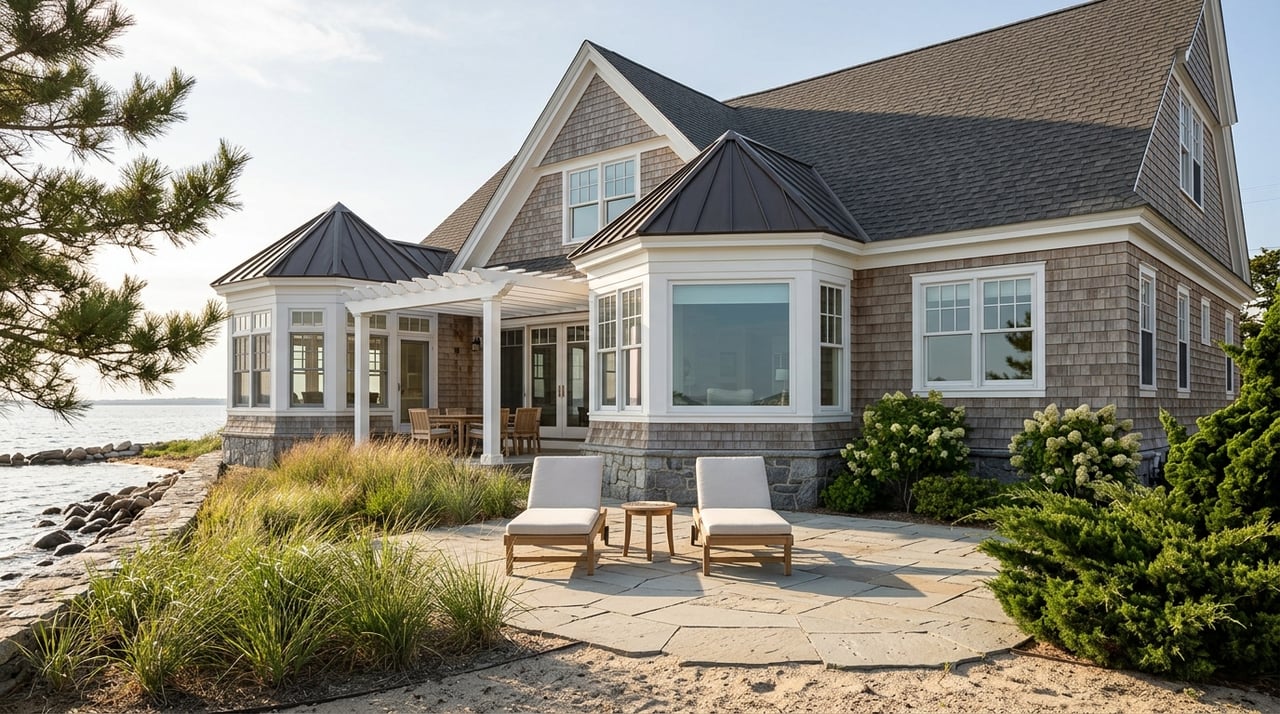
- Deck or patio
- Outdoor entertaining areas
Homes designed around the lake tend to create a stronger emotional response than properties where the water is visible only from one room or a limited portion of the lot.
5. Lot Depth and Privacy
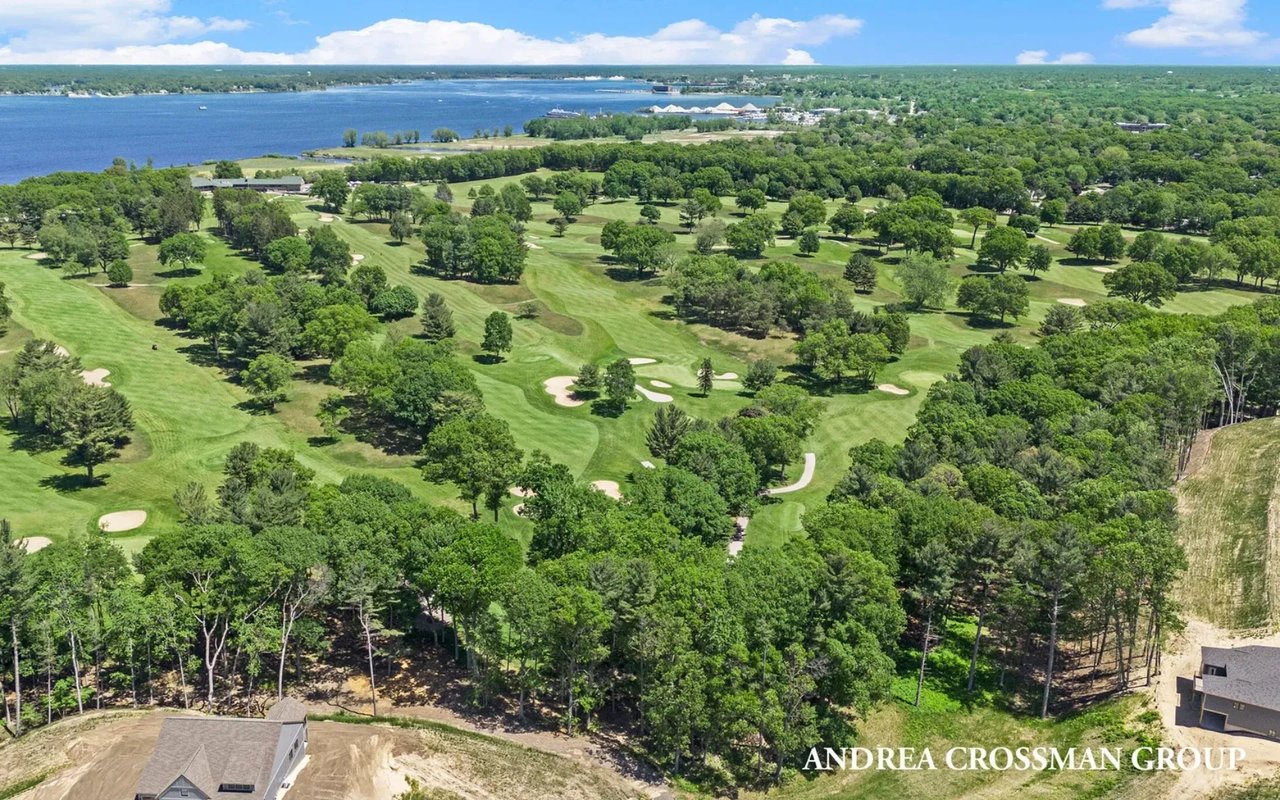
The distance between the road, home, and shoreline can matter almost as much as the frontage itself.
A deeper lot can provide:
- Additional privacy
- Larger outdoor spaces
- Greater separation from the road
- More room for landscaping
- Potential guest or recreational areas
- A stronger sense of arrival
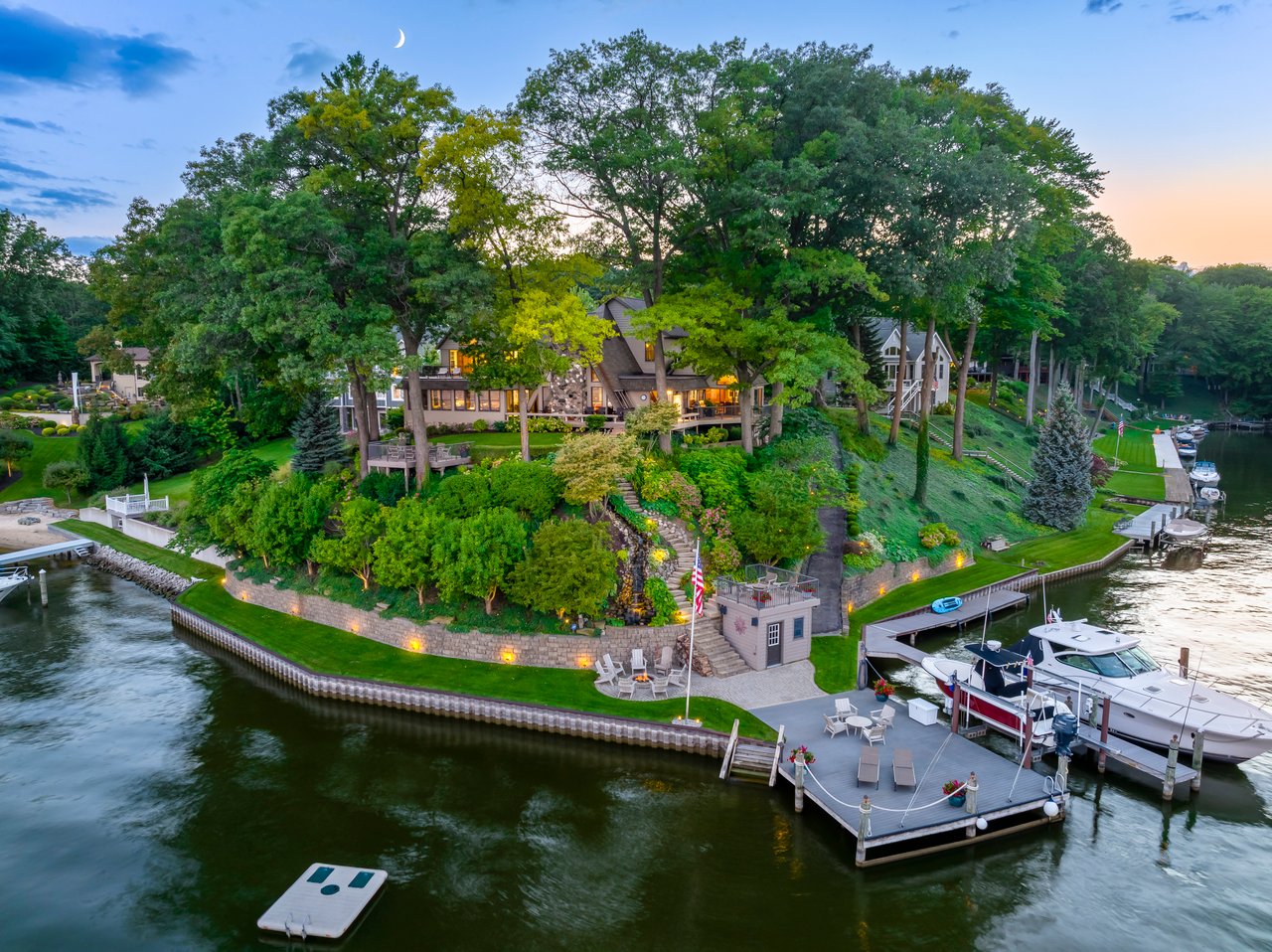
Mature trees and thoughtful landscaping can further separate a property from neighboring homes.
For luxury waterfront buyers, privacy can be a significant part of the appeal.
6. Shoreline Stability and Erosion Considerations
Shoreline condition deserves careful attention when evaluating Lake Michigan property.
Michigan has designated approximately 250 miles of Great Lakes shoreline as High Risk Erosion Areas, including portions of Allegan, Ottawa, and Van Buren counties. These areas have documented long-term shoreline recession rates of at least one foot per year and may be subject to additional construction setbacks and permitting requirements.
That does not automatically make a property undesirable.
It does mean buyers and sellers should understand:
- Whether the property falls within a designated erosion area
- Historical shoreline movement
- Bluff condition
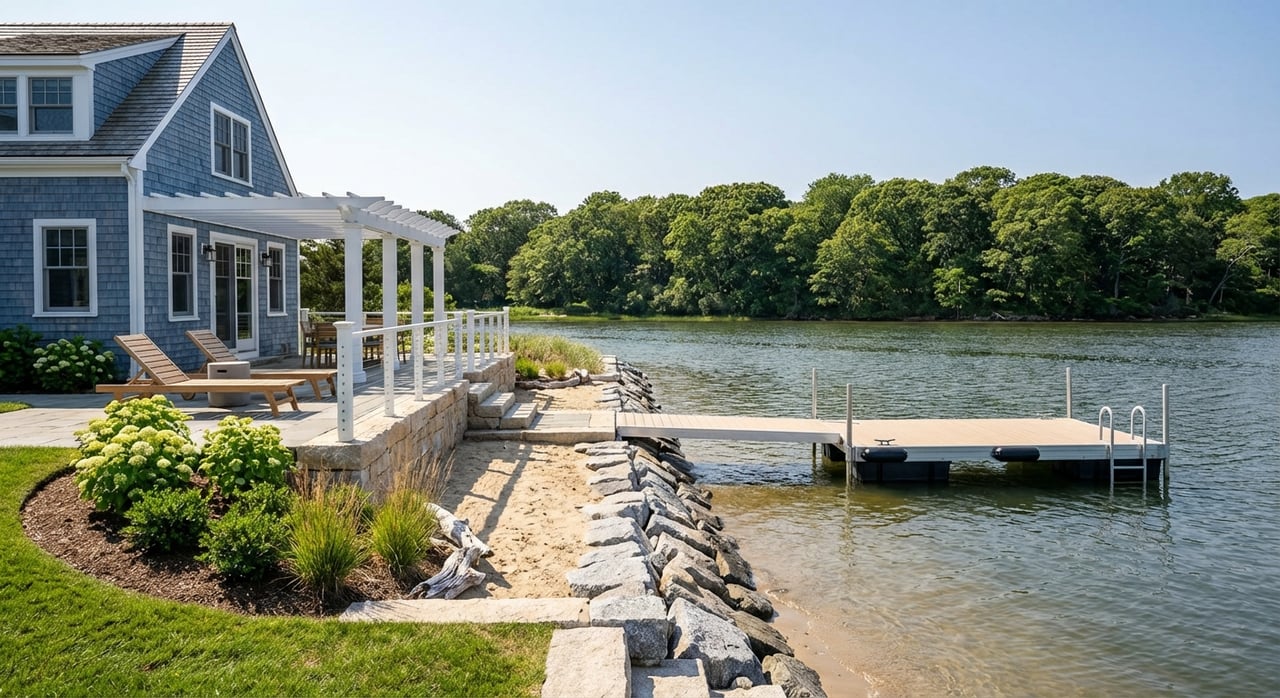
- Existing shoreline protection
- Drainage
- Future construction limitations
A property with well-understood shoreline conditions and appropriate documentation may provide buyers with greater confidence.
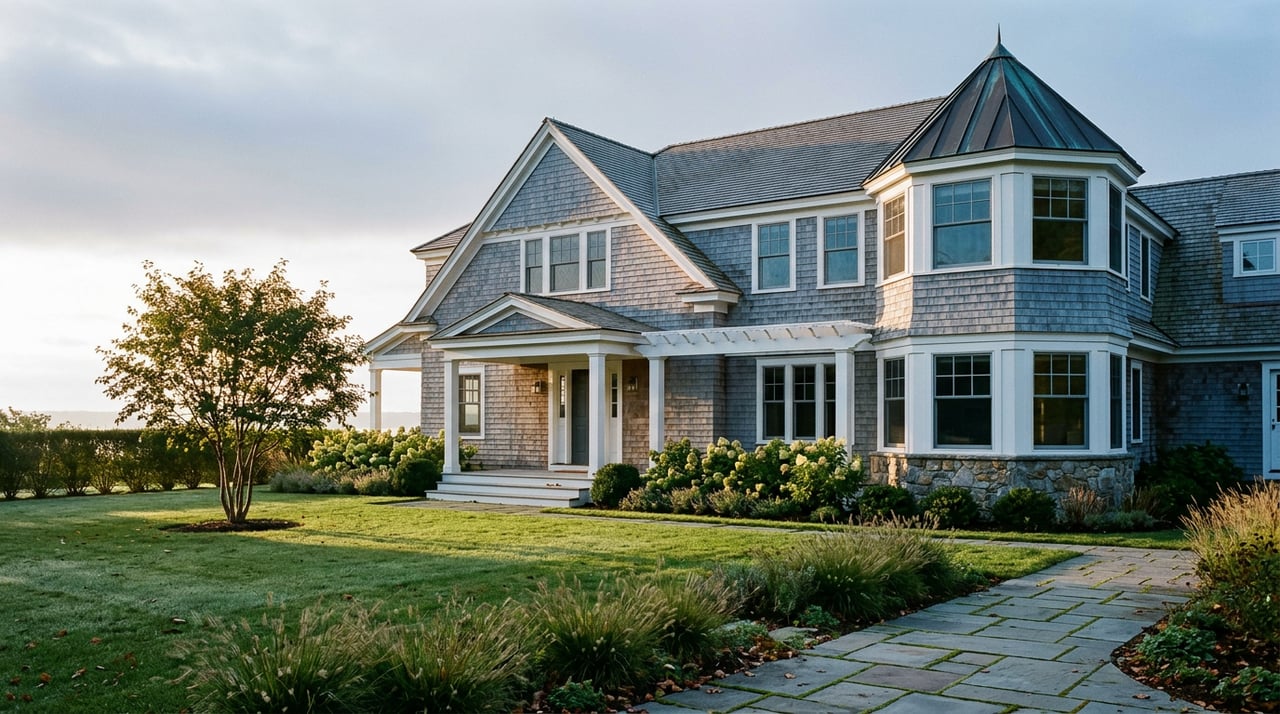
7. Condition and Quality of the Home
Waterfront location creates the opportunity, but the house itself still matters.
Buyers often place a premium on homes that allow them to begin enjoying the property immediately.
Improvements that can affect buyer perception include:
- Updated kitchens
- Renovated bathrooms
- New windows
- Updated mechanical systems
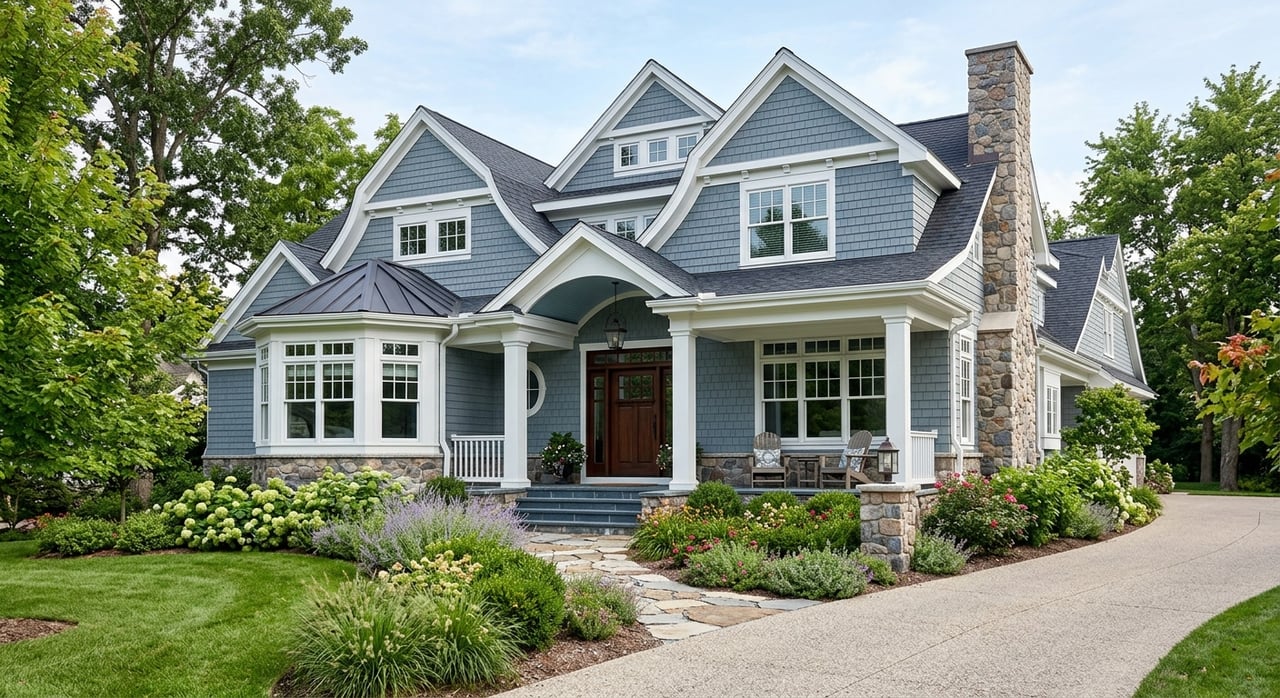
- Roofing and exterior improvements
- High-quality flooring and finishes
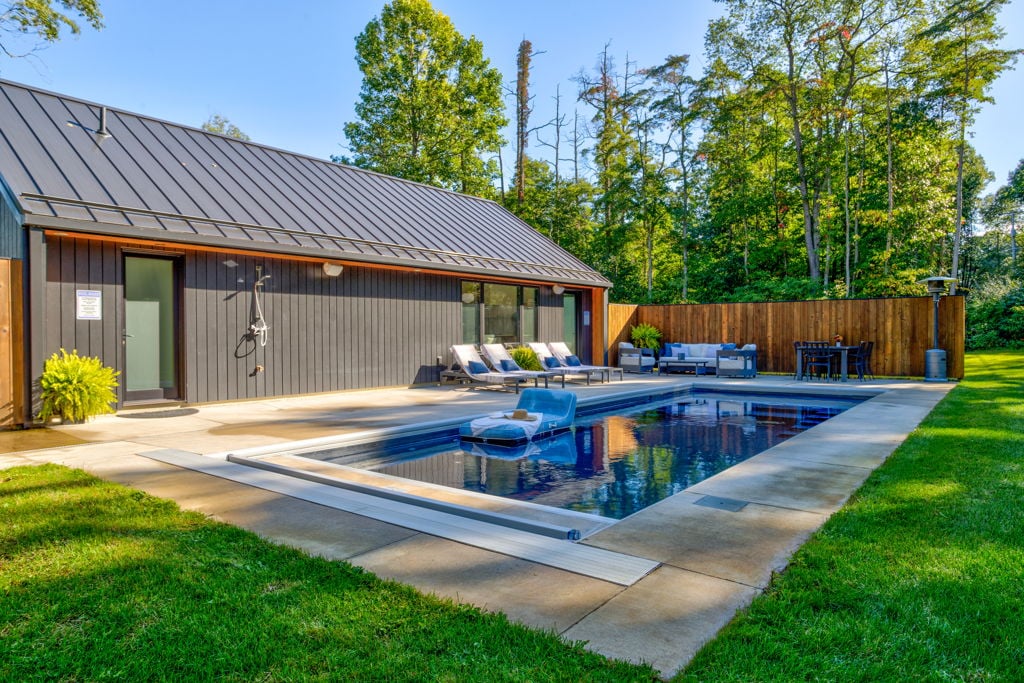
- Outdoor living areas
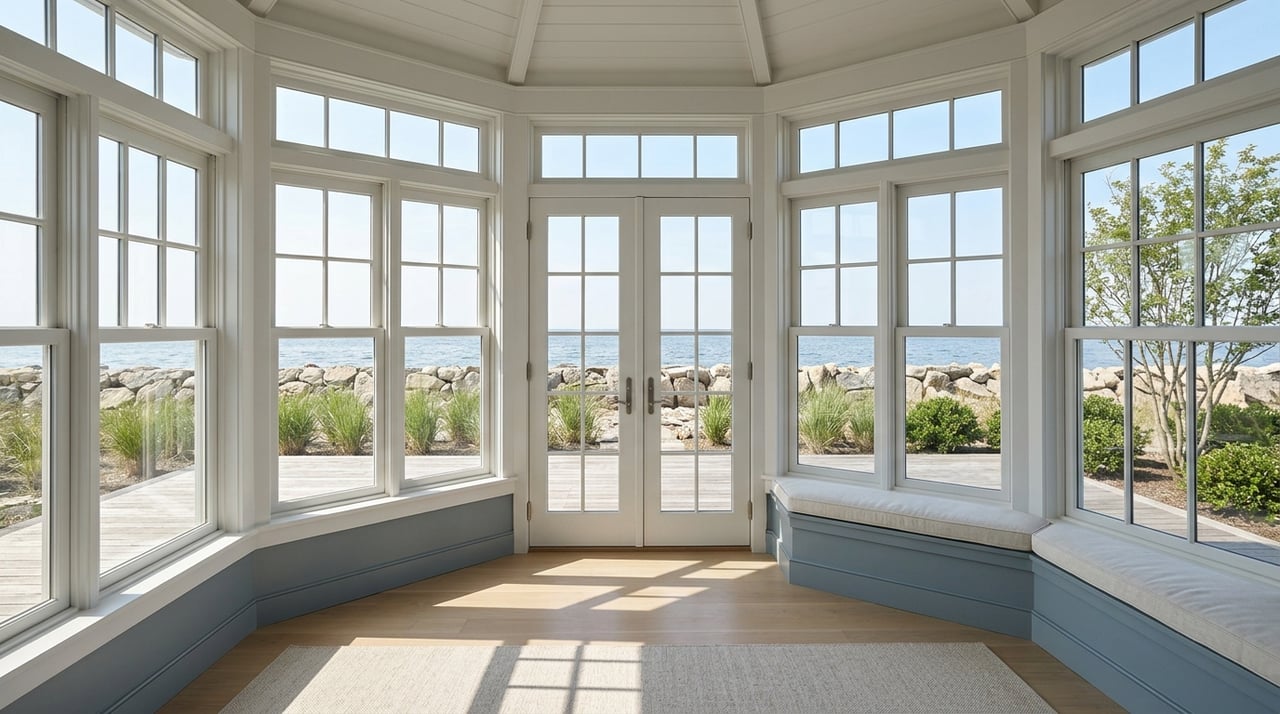
- Large windows facing the lake
Luxury buyers may also place more emphasis on craftsmanship and architectural quality than simply the age of the renovation.
8. Main-Floor Living
Main-floor living can be particularly appealing in waterfront homes.
A property with the primary suite, kitchen, living space, laundry, and outdoor access on the main level may appeal to buyers planning to use the home for many years.
It can also make the property easier for guests and multiple generations to enjoy.
When a home combines main-floor living with direct lake views, the layout can become an important selling feature.
9. Guest Houses and Additional Structures
Some Lake Michigan properties offer more than one residence.
A guest house, cottage, detached studio, or other usable structure can add flexibility for:
- Family
- Guests
- Adult children
- Remote work
- Caretakers
- Recreation
For second-home buyers who envision extended family gathering at the property, separate guest accommodations can be particularly valuable.
The condition, legality, utilities, and permitted use of additional structures should always be verified.
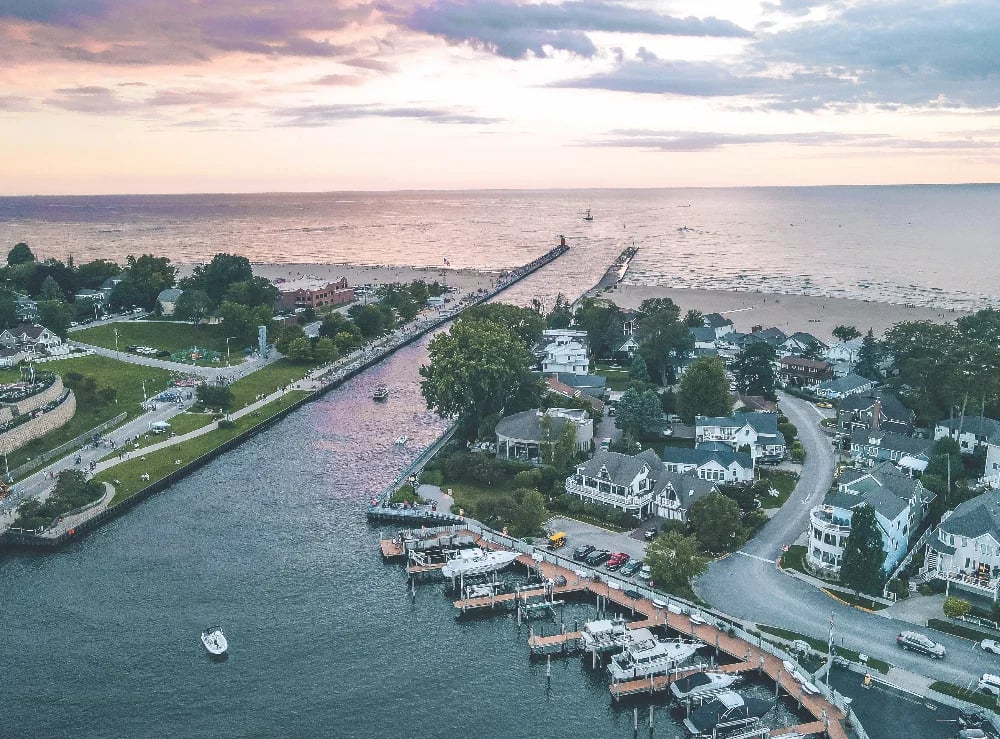
10. Location Along the Lakeshore
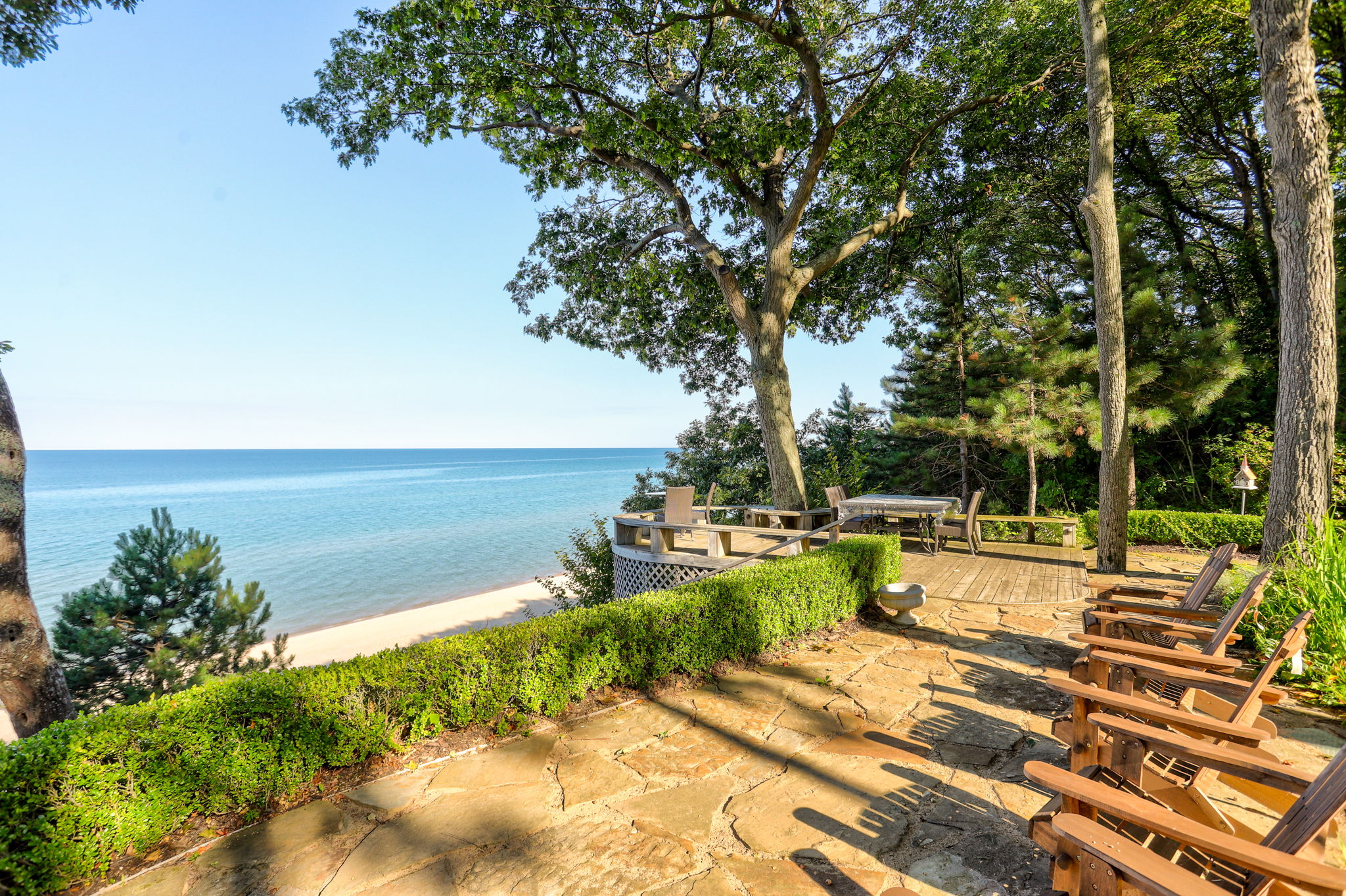
Location still matters—even when the property is directly on Lake Michigan.
Buyers may place additional value on proximity to communities such as:
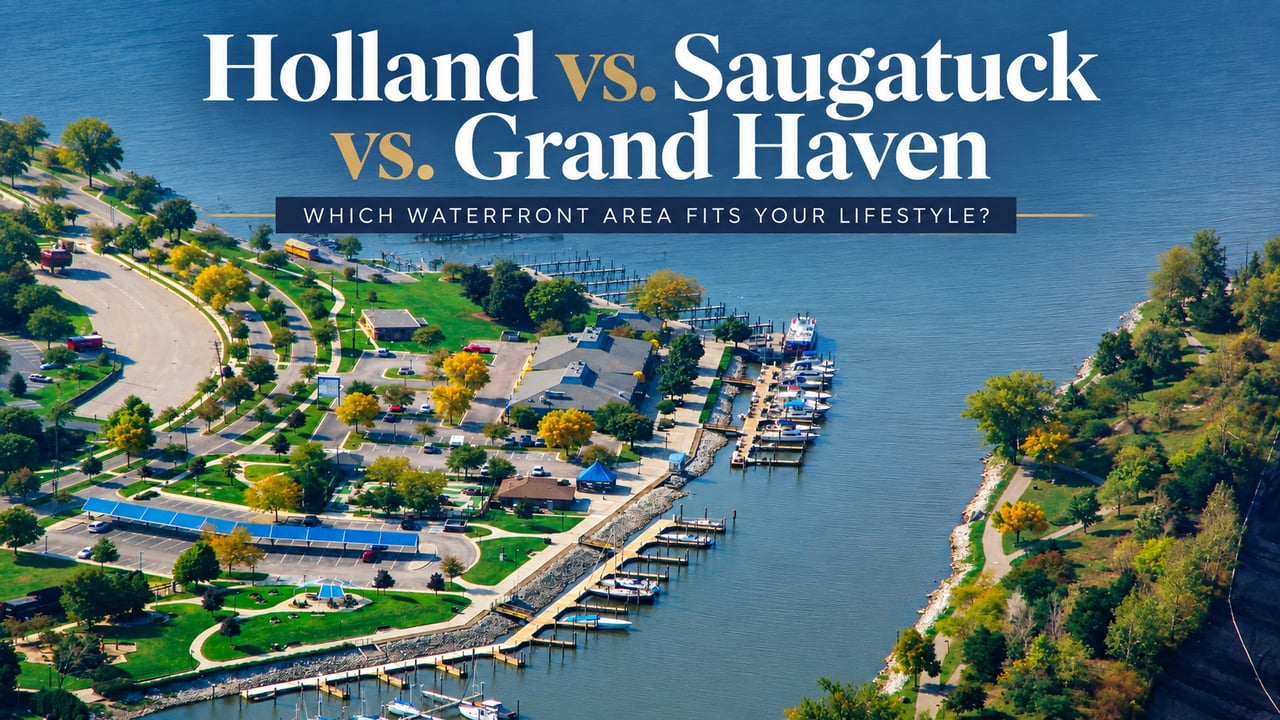
- Holland
- Saugatuck
- Douglas
- South Haven
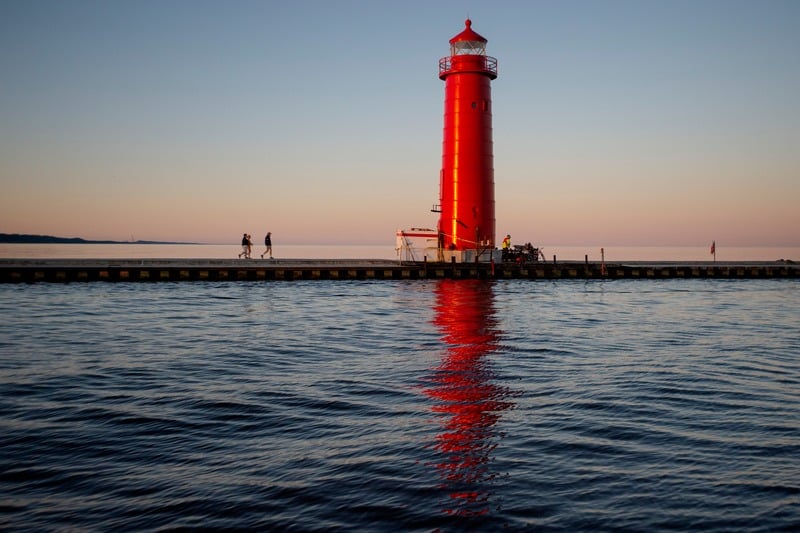
- Grand Haven
A home that combines privacy and waterfront acreage with convenient access to restaurants, shopping, marinas, healthcare, and downtown activity may attract a broader buyer pool.
Conversely, some buyers intentionally seek secluded properties farther from town.
Neither is automatically better. The value depends on the buyer the property is likely to attract.
11. Dunes and Building Restrictions
Certain Lake Michigan properties are located within Michigan-designated Critical Dune Areas.
Michigan currently regulates approximately 265 miles of shoreline and roughly 74,000 acres within designated critical dune areas along Lake Michigan and Lake Superior.
For buyers considering expansion, new construction, or redevelopment, understanding whether the property is within a regulated dune or erosion area can be important.
Restrictions do not necessarily reduce a property's appeal, but they can affect what future owners are able to change.
12. The Property's Overall Experience
Some of the most important value differences are difficult to capture on a spreadsheet.
Ask what it feels like to arrive at the property.
Does the lake immediately become the focal point?
Is there privacy?
Can you hear the waves?
Can you walk comfortably to the beach?
Is there room for family and guests?
Does the home feel connected to the waterfront?
Luxury and second-home buyers frequently respond to the total experience of a property, not simply its specifications.
Why Waterfront Comparables Require More Context
Traditional residential pricing often relies heavily on square footage, bedrooms, bathrooms, condition, and neighborhood sales.
Those factors still matter on Lake Michigan, but waterfront properties require additional comparison.
A strong waterfront analysis should also consider:
- Frontage
- Bluff height
- Beach access
- Beach quality
- Lot depth
- Views
- Privacy
- Shoreline conditions
- Additional structures
- Location
- Renovation quality
That is why the closest sale geographically is not always the best comparable.
The most useful comparable is often the property that offers the most similar waterfront experience.
Thinking About Selling Your Lake Michigan Home?
Waterfront properties are unique, and pricing them correctly requires more than pulling several nearby sales and averaging the price per square foot.
The Andrea Crossman Group at Coldwell Banker Woodland Schmidt helps homeowners throughout the West Michigan lakeshore evaluate Lake Michigan and other waterfront properties based on the characteristics that actually influence buyer demand.
Whether you are considering selling soon or simply want to understand what your property may be worth in the current market, our team can provide a detailed opinion of value and help you evaluate your options.
Contact the Andrea Crossman Group to learn more about your Lake Michigan property's value.