Not All West Michigan Homes Are Equal: Which Properties Require the Most Maintenance?
From Lake Michigan waterfront homes and wooded properties to historic houses and inland-lake cottages, some West Michigan homes require significantly more upkeep than others. Here’s what buyers should understand before choosing a property.
When buyers compare homes, they usually focus first on price, location, size, and condition.
But one factor can have a major impact on long-term ownership costs:
maintenance.
Two homes with similar prices can have completely different upkeep requirements.
A newer home in a low-maintenance subdivision may need relatively little exterior work.
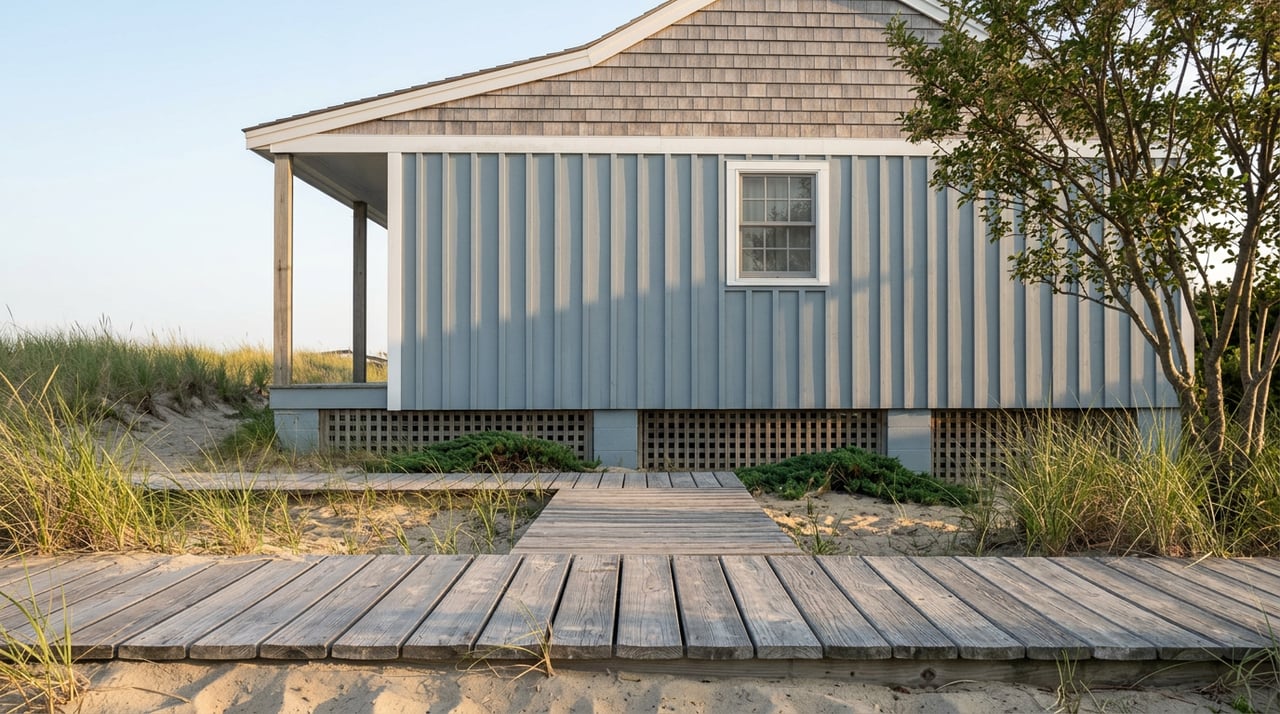
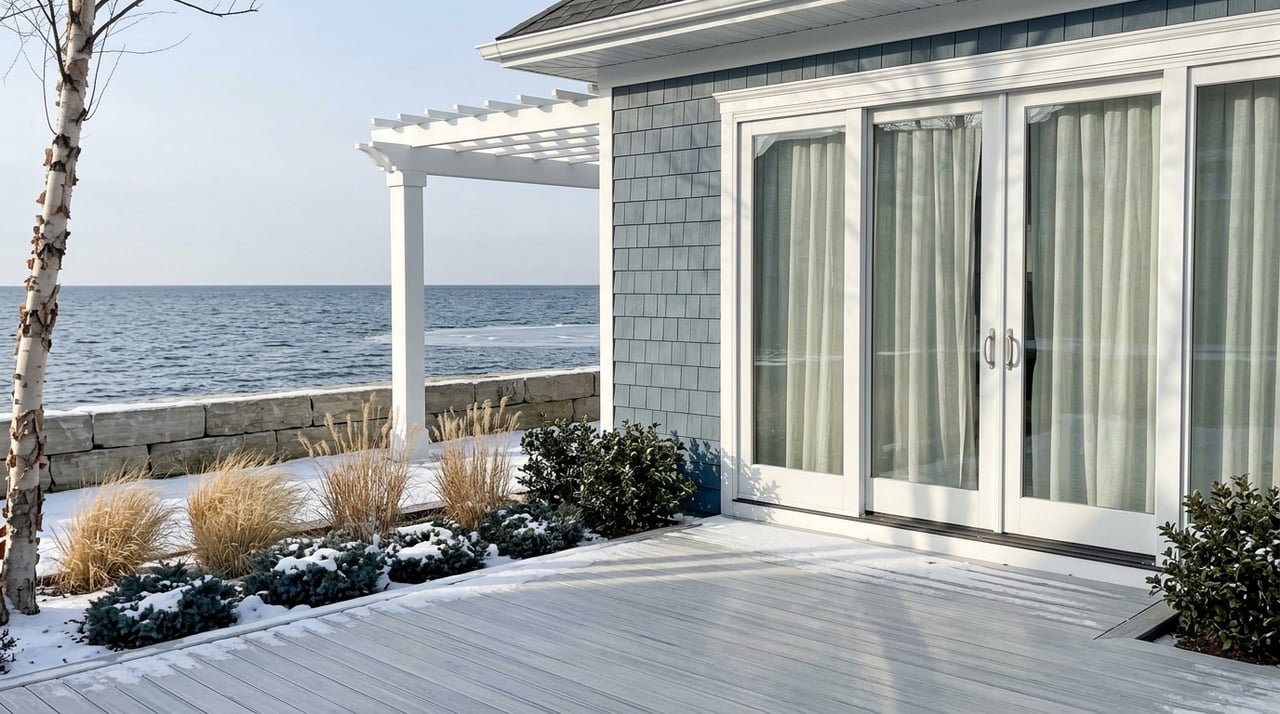
A smaller Lake Michigan cottage on a bluff may require significantly more attention because of shoreline conditions, wind exposure, stairs, decks, sand, and seasonal weather.
In West Michigan, the property itself — and especially the land and water around it — can be just as important as the house.
Here are some of the property types that typically deserve extra attention.
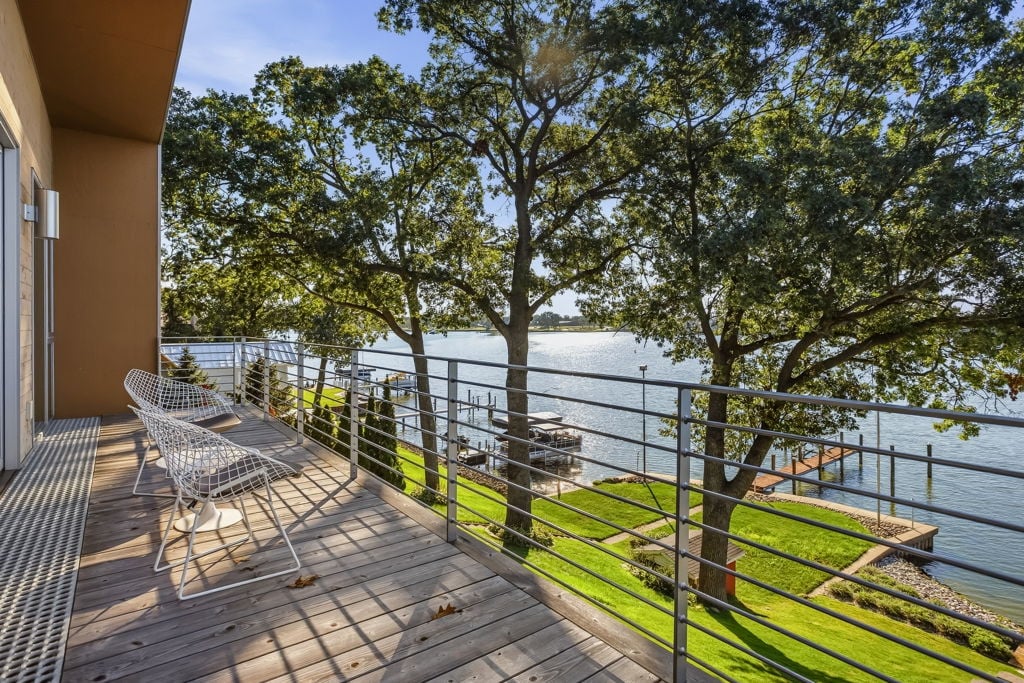
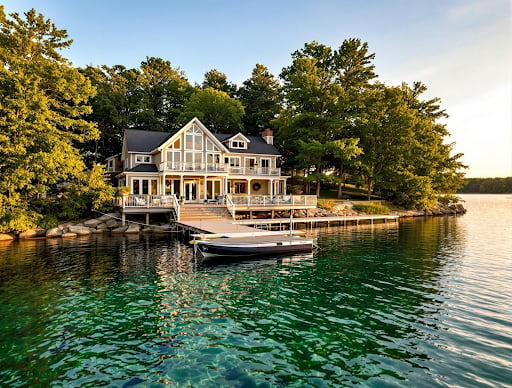
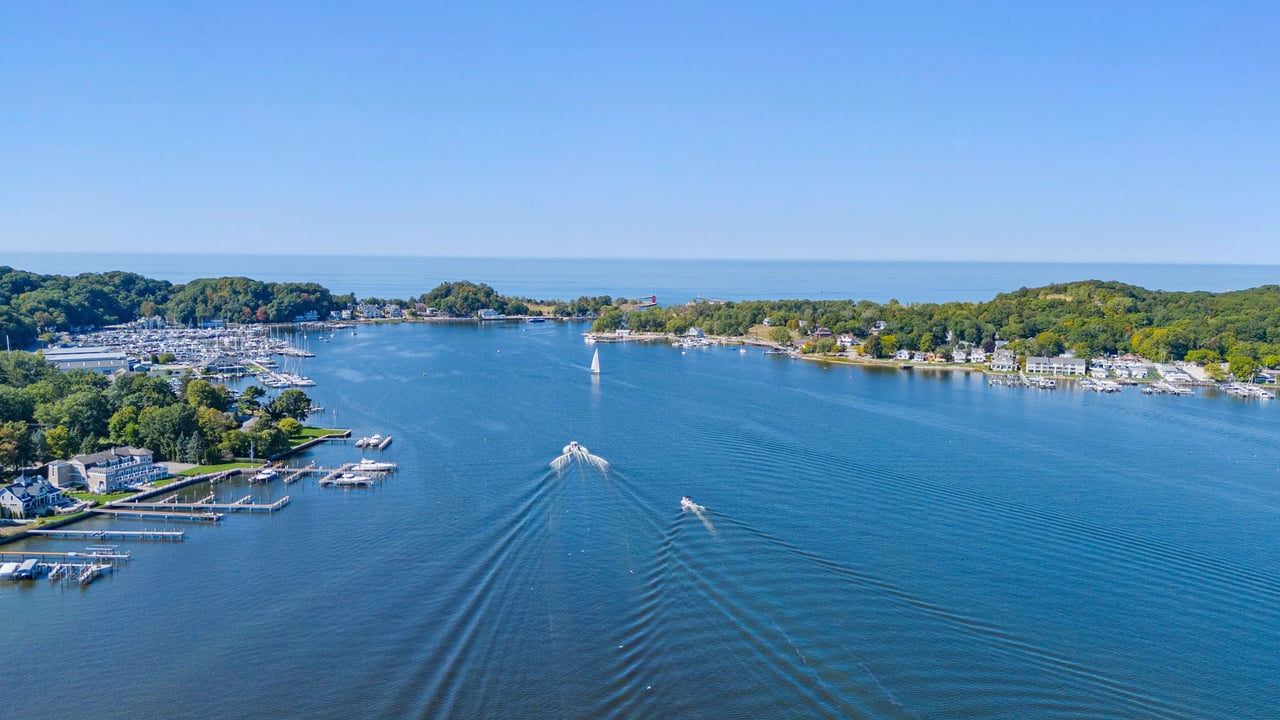
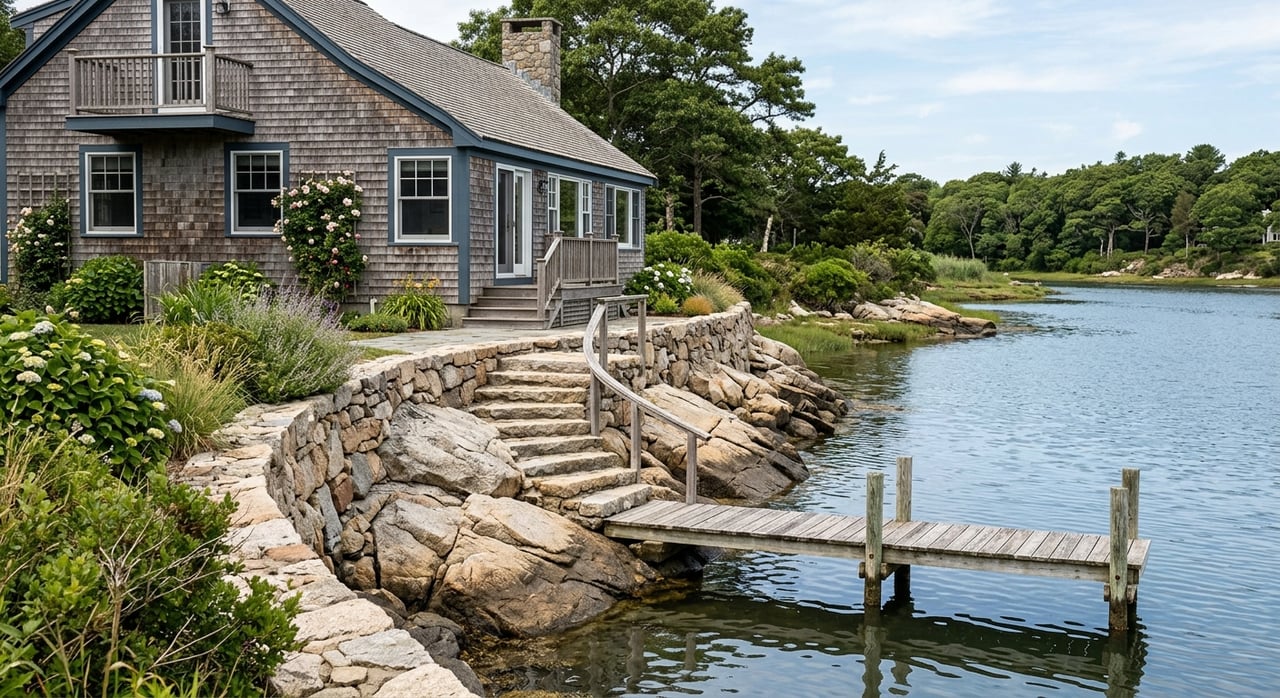
Lake Michigan Waterfront Homes
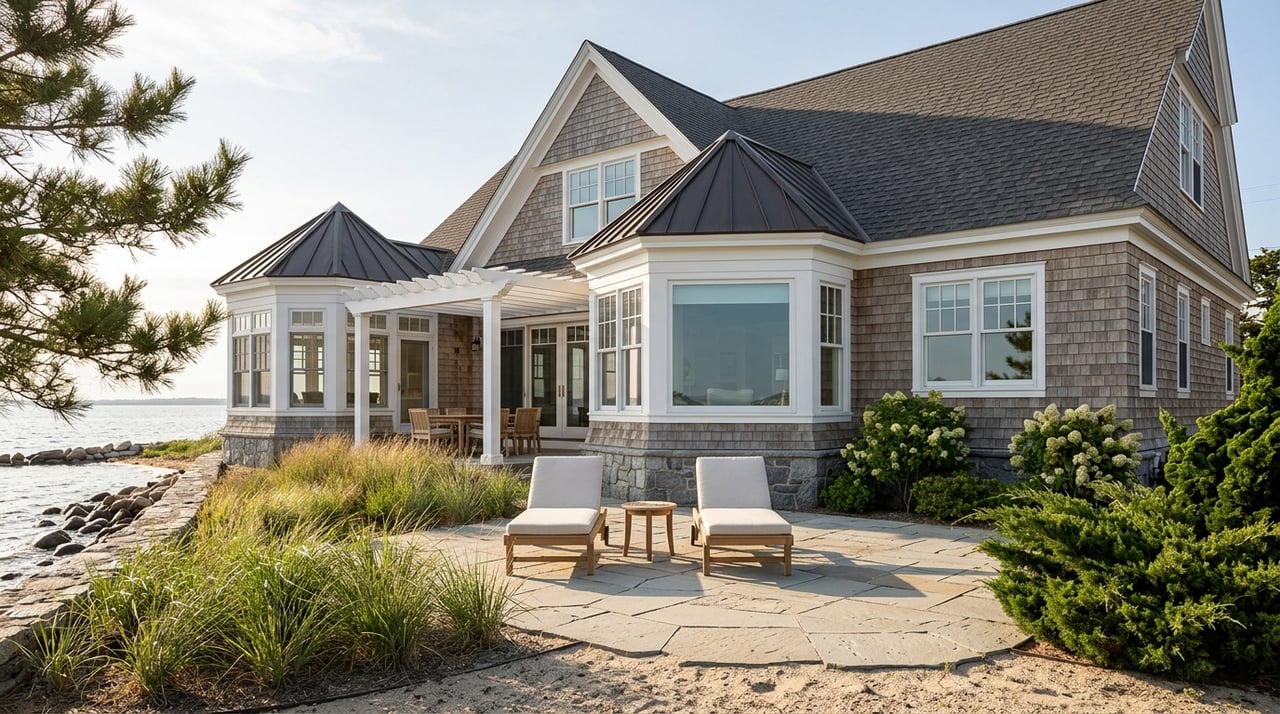
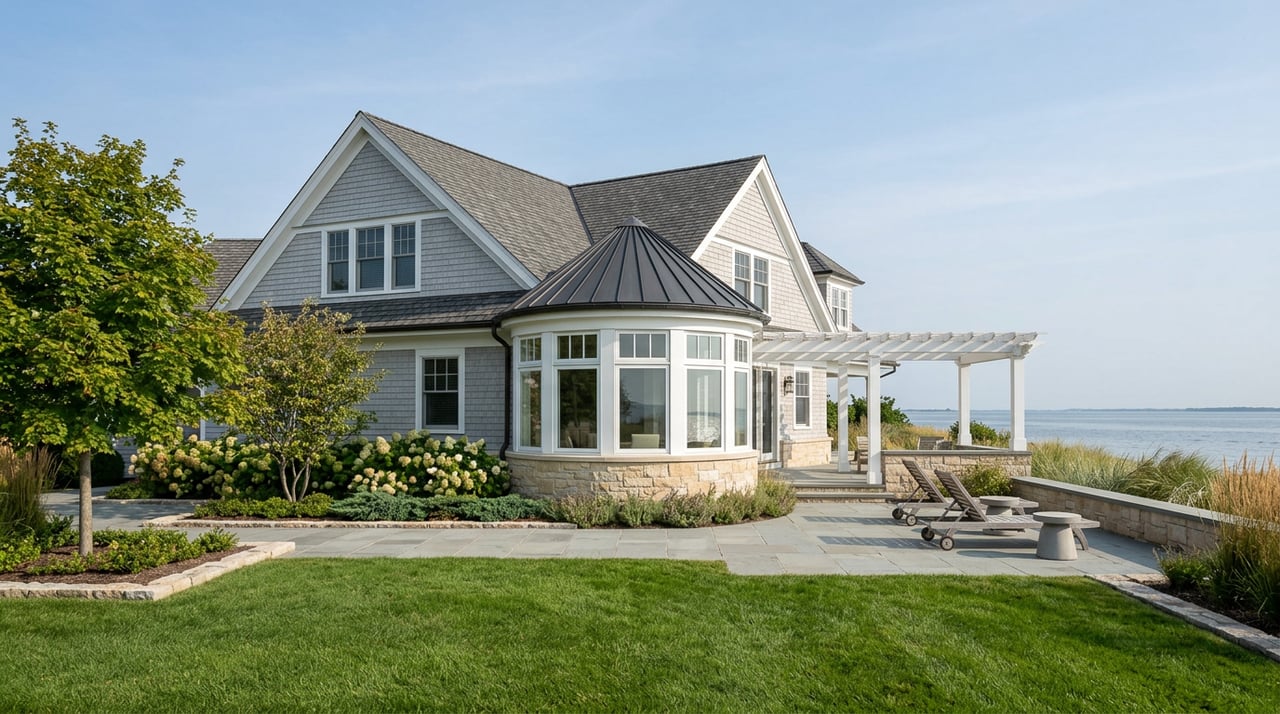
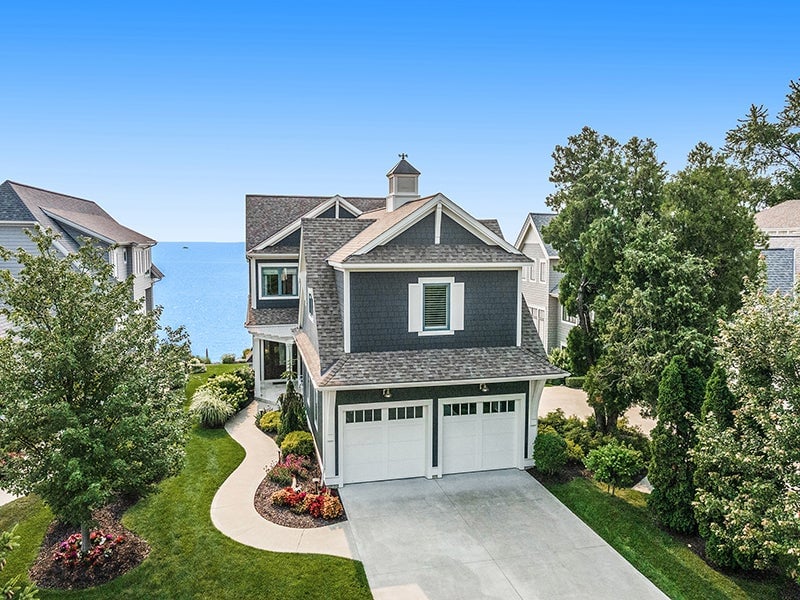
Lake Michigan homes can offer some of the most distinctive real estate in West Michigan.
They can also come with unique maintenance responsibilities.
Michigan's Department of Environment, Great Lakes, and Energy describes Great Lakes shorelines as highly dynamic environments affected by wind, waves, changing water levels, storms, groundwater, geology, and erosion.
For homeowners, that can mean paying attention to much more than the structure itself.
Potential maintenance areas include:
- Bluff and shoreline conditions
- Exterior siding and trim
- Windows exposed to wind and sand
- Decks and railings
- Beach stairs
- Drainage
- Retaining systems
- Landscaping near the bluff
- Storm cleanup
Some Lake Michigan properties are also located within designated High-Risk Erosion Areas.
EGLE defines these as shoreline areas receding at an average rate of at least one foot per year over a minimum 15-year period. Regulated construction on parcels within those areas can require permits and specific setbacks.
That does not mean every Lake Michigan home has an erosion problem.
It does mean waterfront buyers should understand the physical setting before purchasing.
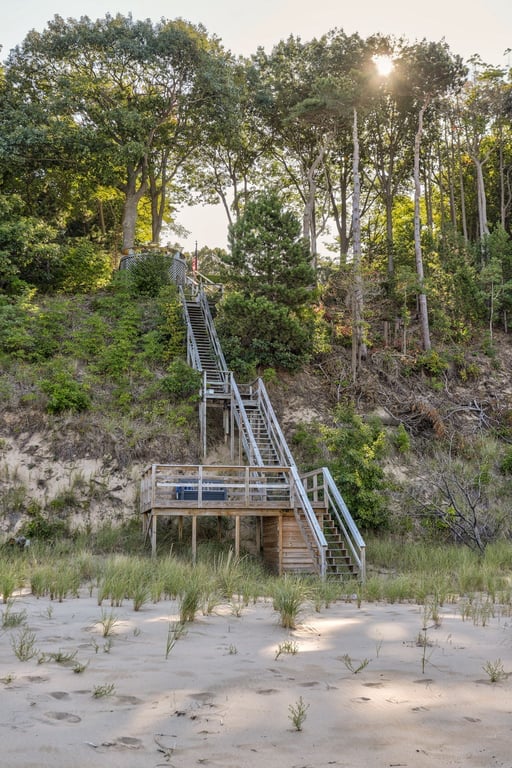
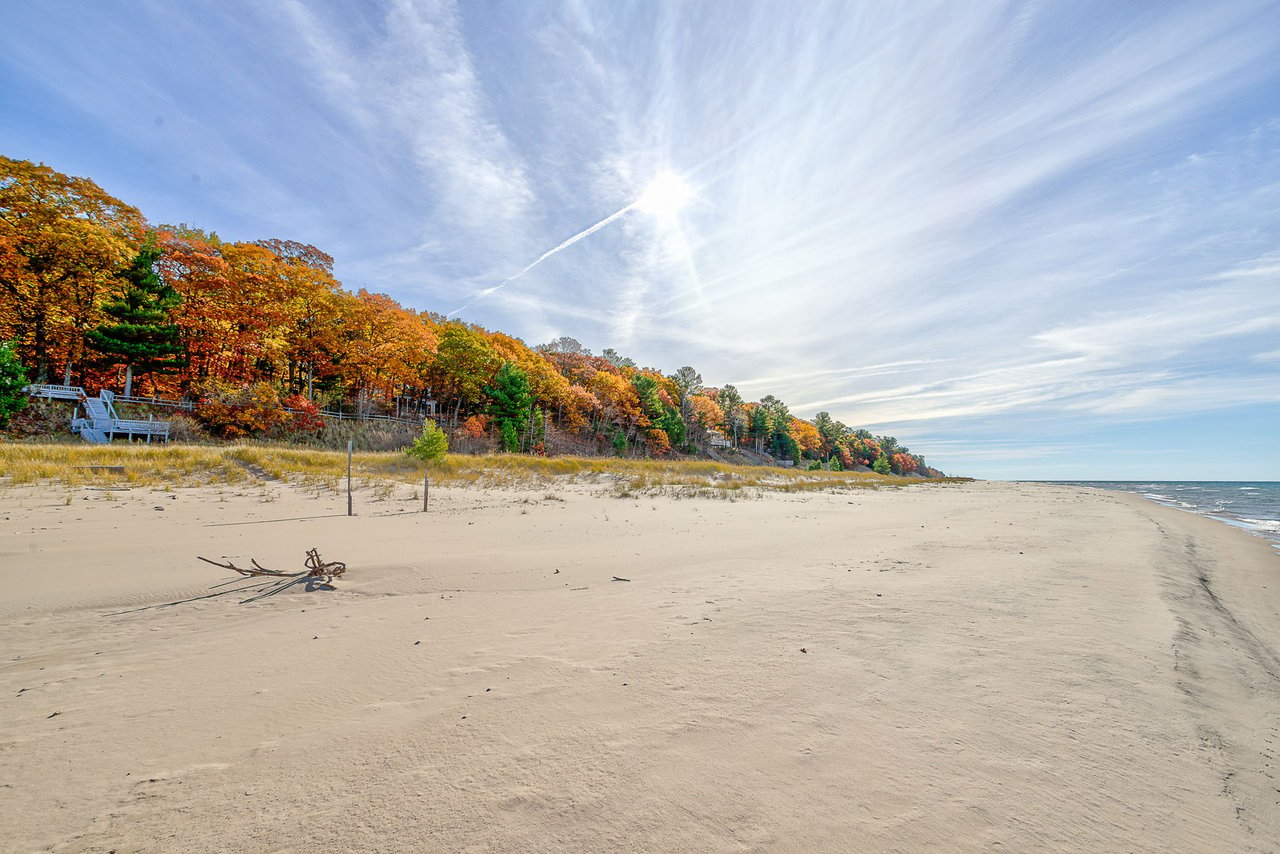
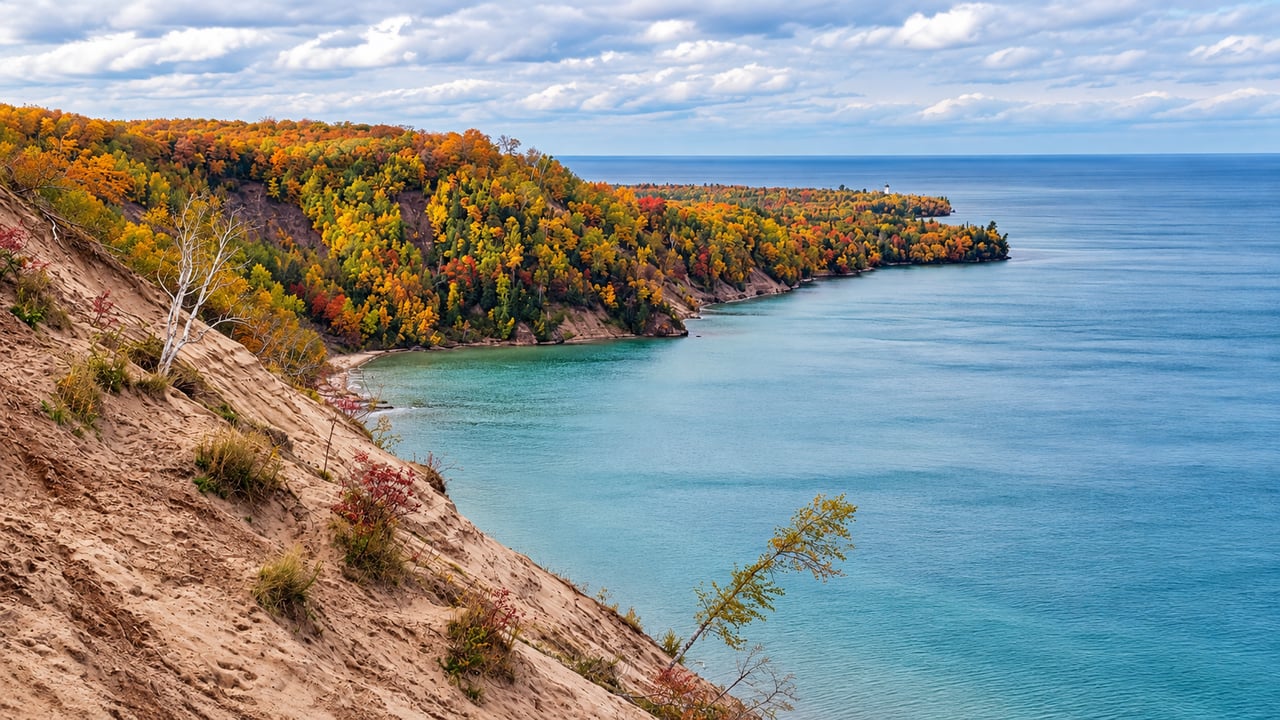
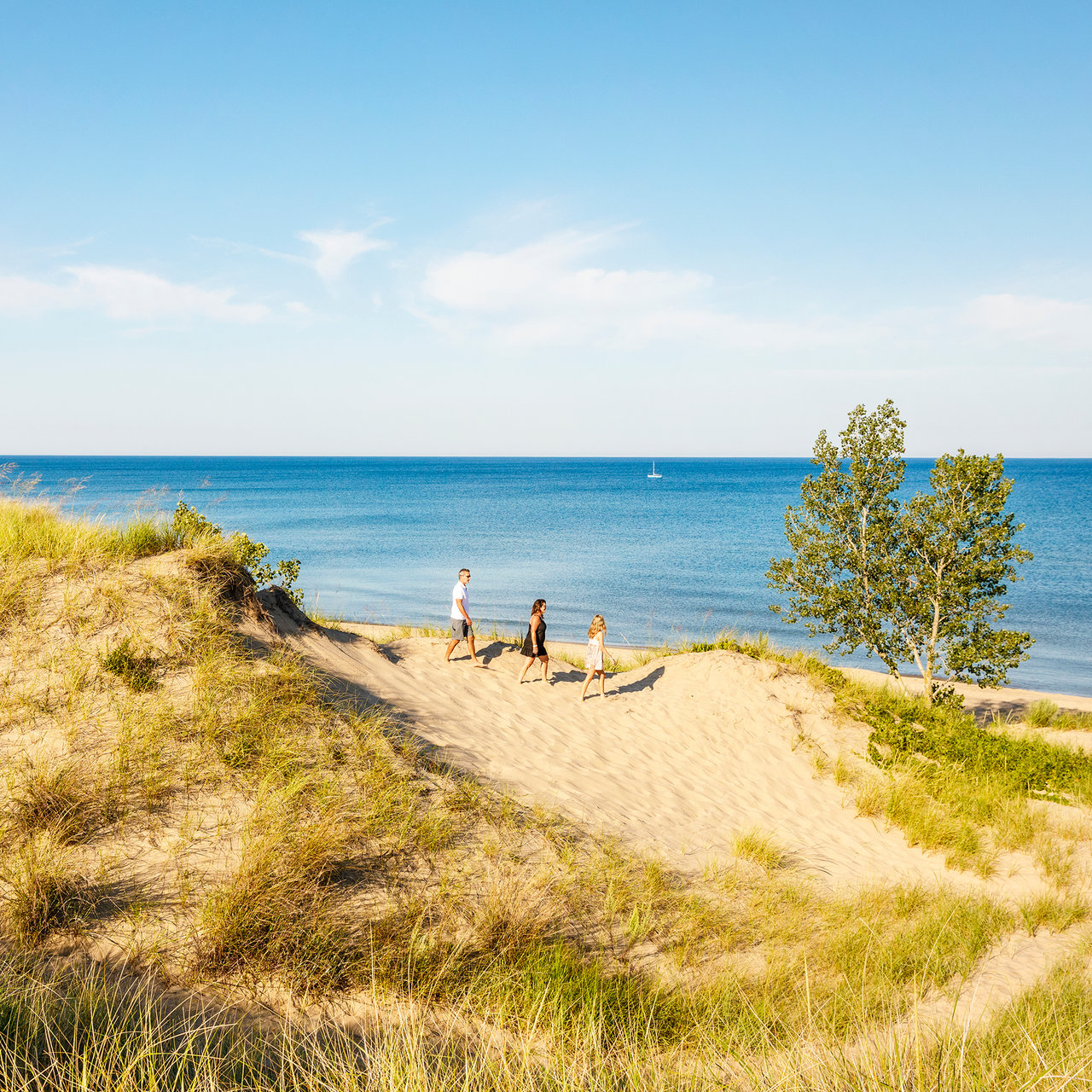
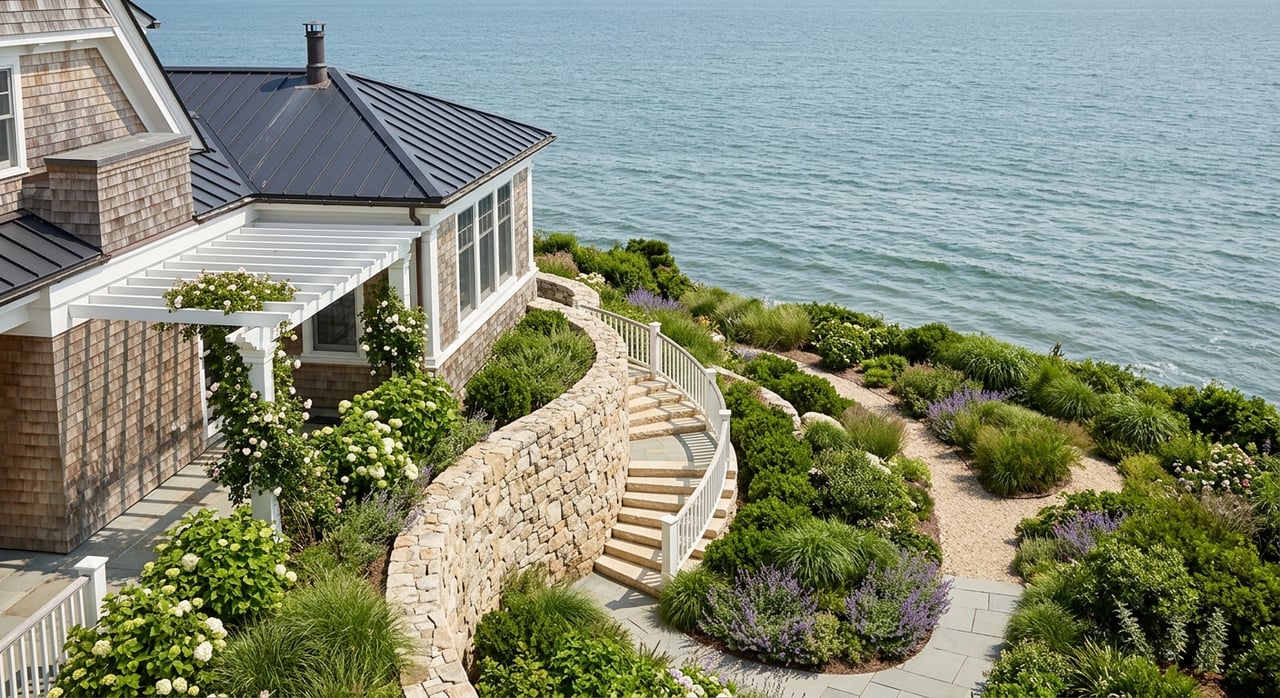
Bluff and Dune Properties
A home positioned above Lake Michigan can provide exceptional views and privacy.
But bluff and dune properties introduce another layer of maintenance.
Drainage becomes particularly important.
Water moving toward the bluff can contribute to erosion, while large storms, groundwater, vegetation changes, and shoreline conditions can affect the surrounding land.
Some properties may also fall within Michigan's designated Critical Dune Areas.
EGLE notes that permits may be required for activities that significantly alter these areas, including construction of homes, garages, roads, driveways, septic systems, retaining walls, and certain sand removal.
For buyers, this matters because a future project that might be straightforward on an inland property could involve additional review on a dune property.
Maintenance questions should include not only:
What needs to be repaired?
But also:
What can legally be changed or improved?
Riverfront Homes
Riverfront property creates another set of considerations.
Homes along rivers such as the Kalamazoo River may offer docks, boating, privacy, and larger parcels.
But owners should pay attention to:
- Flood-zone information
- Water levels
- Drainage
- Debris after storms
- Shoreline erosion
- Wetlands
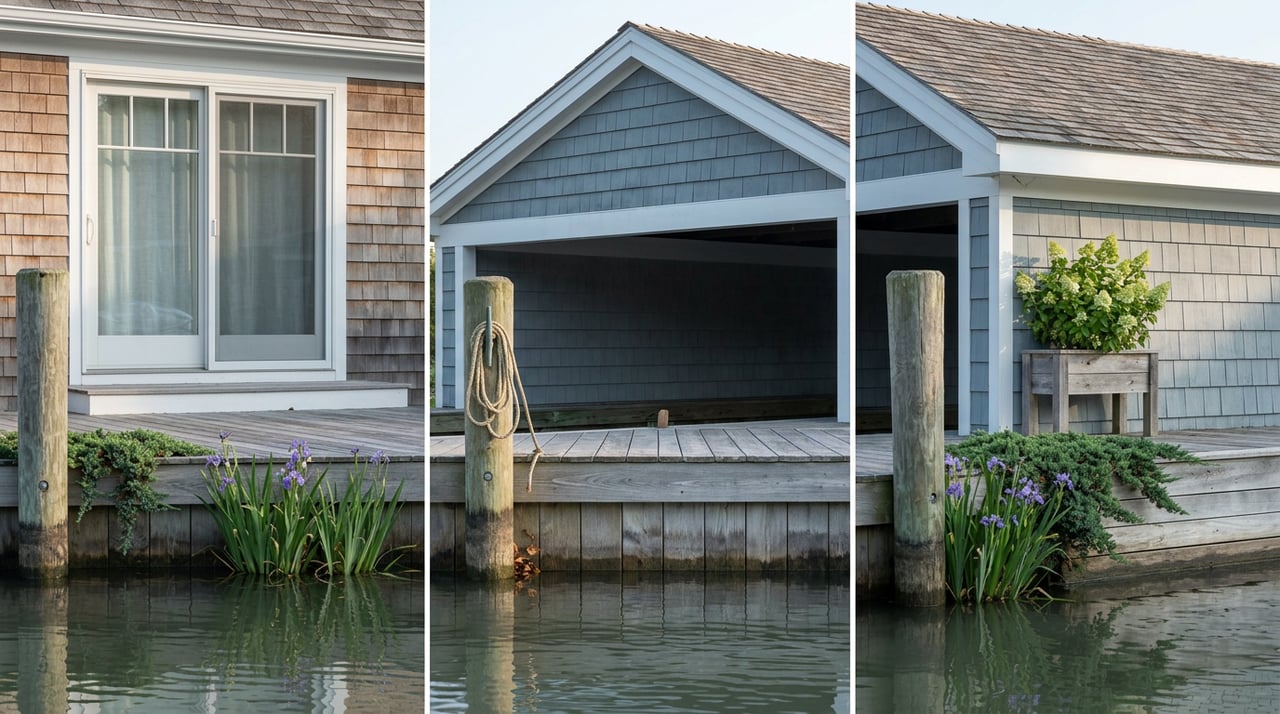
- Dock condition
- Bank stabilization
- Access roads
River conditions can change seasonally, and certain shoreline or water-related projects may require permits.
Under Michigan's Inland Lakes and Streams program, activities such as dredging, filling, building certain structures on bottomlands, changing natural water flow, or expanding marina facilities can be regulated.
For a buyer, that makes it important to understand both the house and the waterfront.
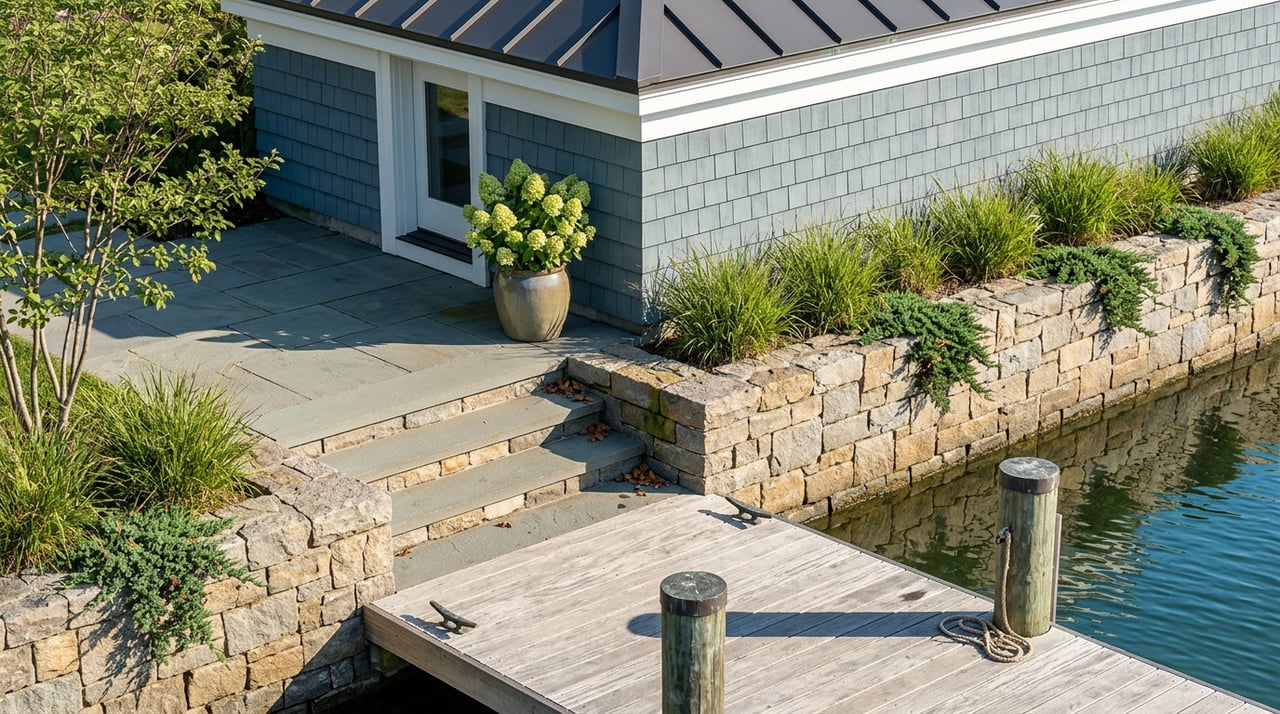
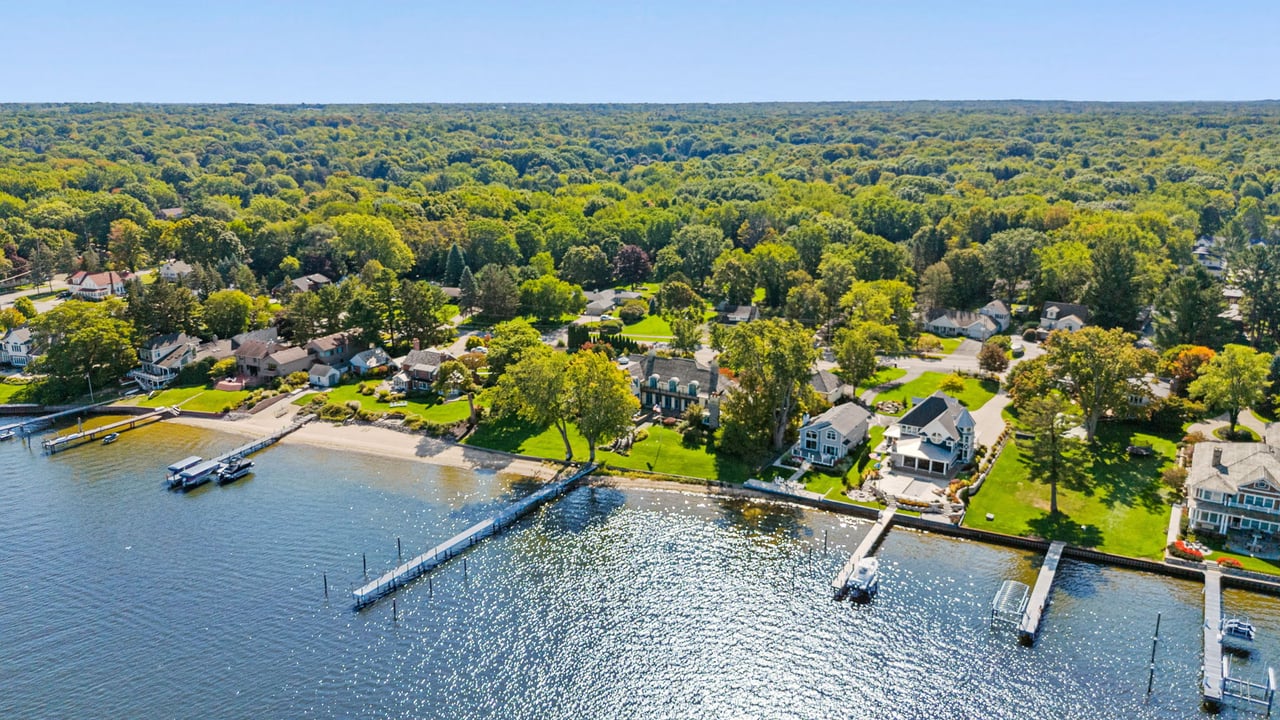
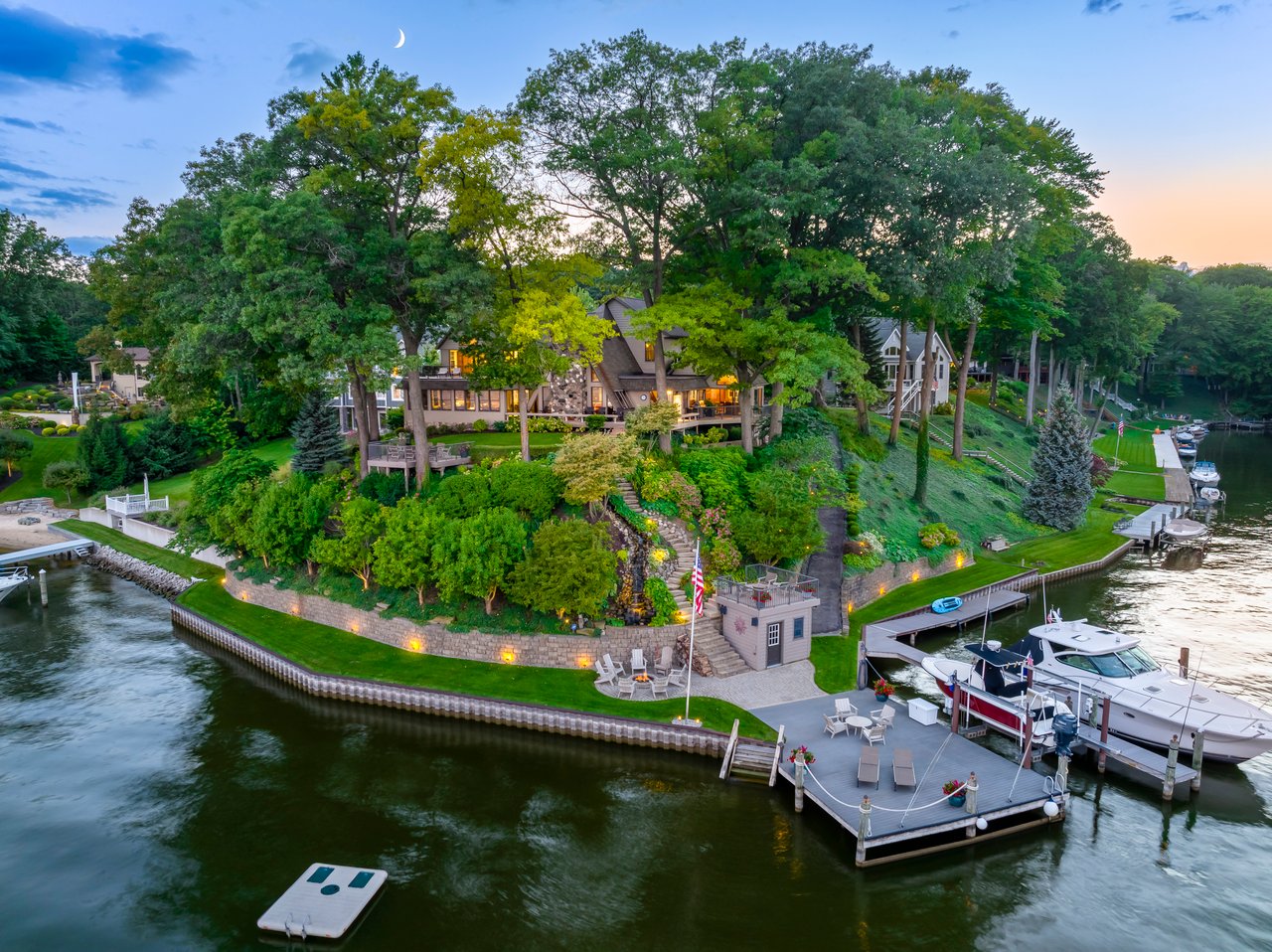
Inland-Lake Homes
An inland-lake property may seem simpler than Lake Michigan frontage, but it still comes with maintenance responsibilities.
One of the biggest is the shoreline itself.
Homeowners may need to maintain:
- Docks
- Boat lifts
- Shoreline vegetation
- Seawalls or natural shoreline systems
- Steps
- Irrigation
- Drainage
- Beach areas
Michigan EGLE recommends natural shoreline approaches where appropriate rather than automatically hardening the shoreline with vertical walls.
Dock maintenance can also depend on whether the structure is permanent or seasonal.
EGLE states that permanent docks and boat hoists left in year-round generally require permits, while qualifying seasonal private docks and lifts may not.
That makes ownership slightly more complicated than simply putting a dock in the water every spring.
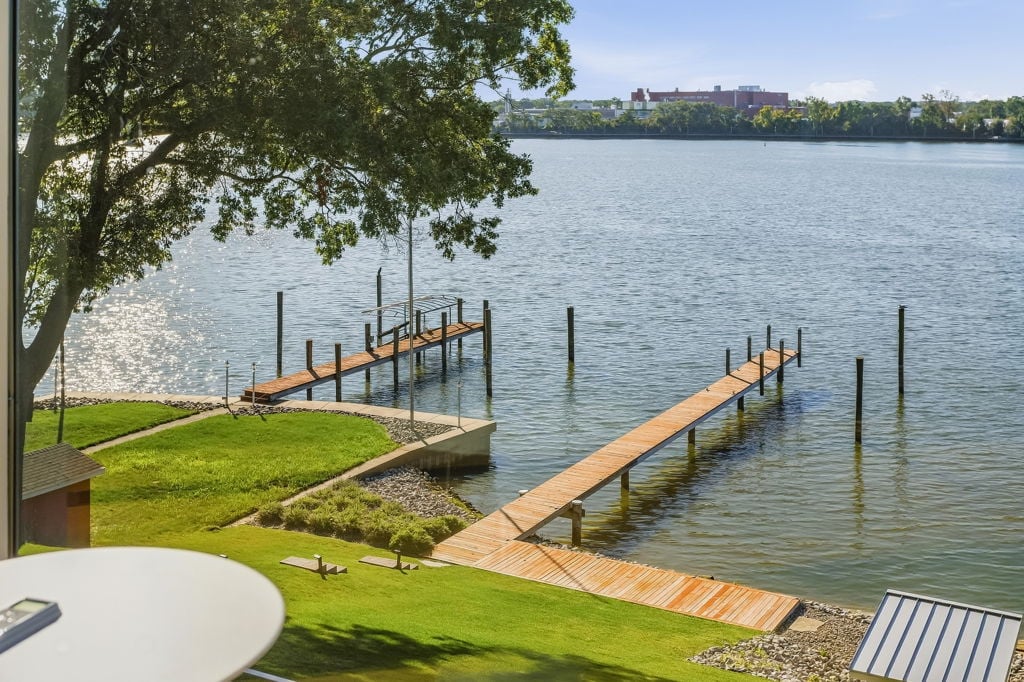
Heavily Wooded Properties
Trees add privacy, shade, and character.
They also add maintenance.
A heavily wooded property may require:
- Regular leaf cleanup
- Gutter cleaning
- Tree trimming
- Removal of dead or diseased trees
- Storm cleanup
- Roof moss management
- Branch removal
- Driveway clearing
- Drainage maintenance
Large trees close to a home should also be evaluated carefully.
A beautiful wooded setting can become expensive if several mature trees need professional removal or maintenance.
Shade can create additional moisture around roofs, decks, siding, and landscaping as well.
For buyers who want minimal exterior work, a heavily wooded lot may require more upkeep than a more open property.
Large-Acreage Homes
Acreage changes the maintenance equation significantly.
A home on 10 or 20 acres may provide privacy and space, but the owner may also be maintaining:
- Long driveways
- Trees and wooded areas
- Fields
- Trails
- Drainage systems
- Fencing
- Barns
- Outbuildings
- Wells
- Septic systems
- Culverts
- Snow removal
A long private driveway alone can create additional responsibilities during a West Michigan winter.
If the property contains barns or other structures, buyers should evaluate each one independently rather than focusing only on the primary residence.
A property with several older outbuildings can easily require more maintenance than a much larger home in a conventional neighborhood.
Homes Close to Lake Michigan — Even Without Waterfront
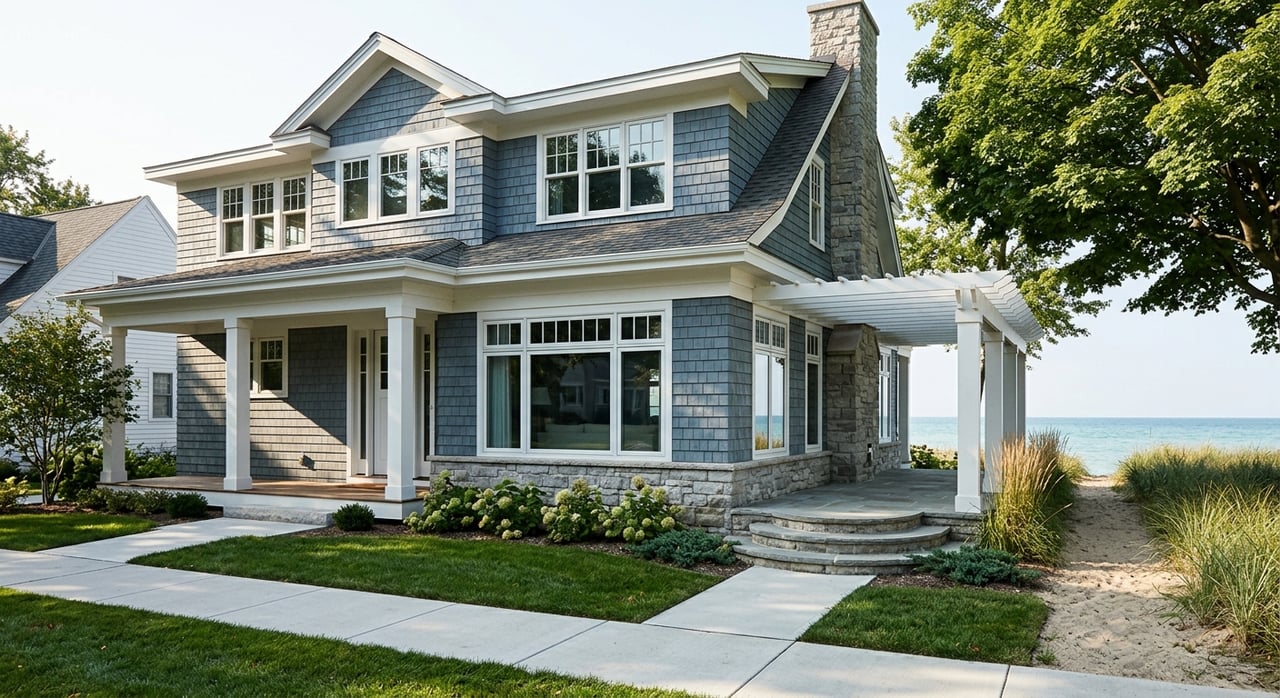
You do not have to own Lake Michigan frontage to experience some of the maintenance effects of living near the lake.
Properties close to the shoreline can experience increased exposure to:
- Wind
- Sand
- Moisture
- Snow
- Ice
- Falling branches
- Storm debris
Lake-effect snow is especially important in West Michigan.
The National Weather Service notes that westerly wind patterns commonly produce heavier lake-effect snow from Grand Haven through South Haven and inland toward Grand Rapids, while west-southwest winds can bring heavier snow to Allegan, Ottawa, Muskegon, Kent, Oceana, and Mason counties.
For homeowners, that can translate into more frequent snow removal, roof loading concerns, ice buildup, and driveway maintenance depending on the property.
Older and Historic Homes
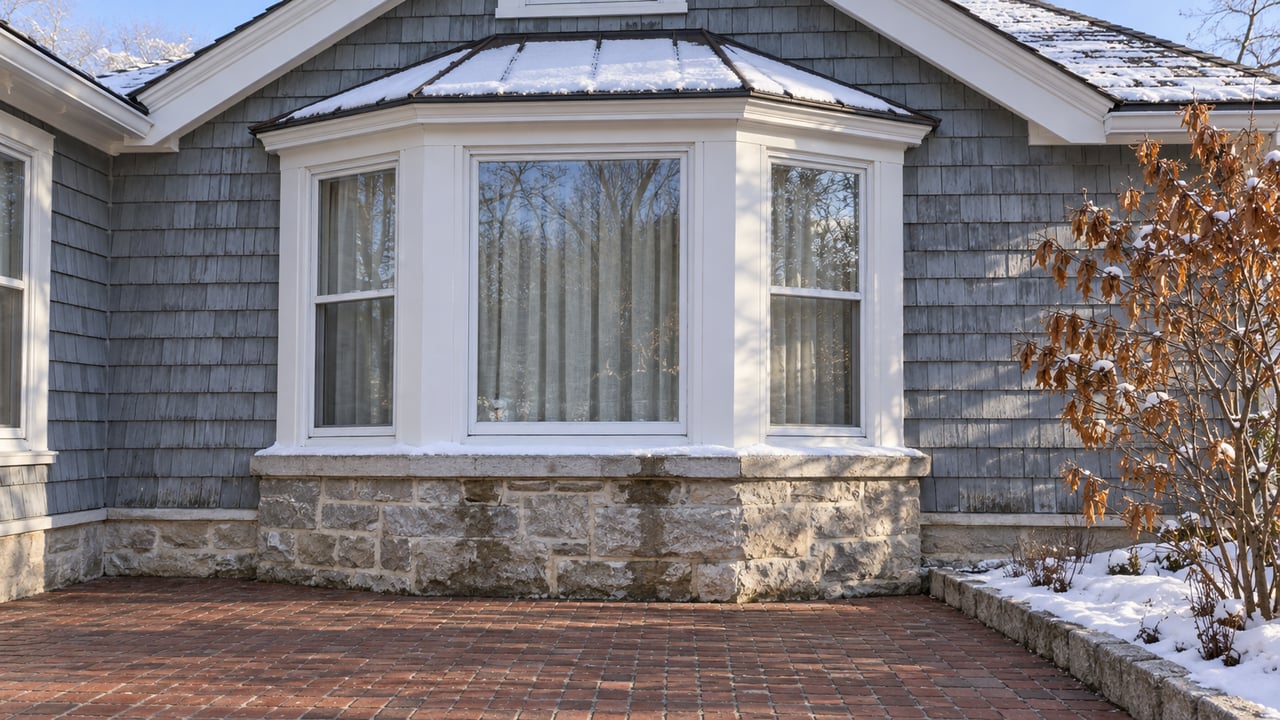
Older homes can offer architecture and character that newer construction simply cannot reproduce.
But age often means more systems to monitor.
Potential maintenance areas include:
- Roofs
- Foundations
- Windows
- Exterior wood
- Electrical systems
- Plumbing
- Heating systems
- Masonry
- Chimneys
- Insulation
- Drainage
None of these automatically makes an older home a bad purchase.
The important question is whether the home has been properly maintained and updated.
A well-maintained 100-year-old home can sometimes require less immediate work than a poorly maintained 20-year-old house.
Documentation matters.
Buyers should look for records showing when major systems were replaced or serviced.
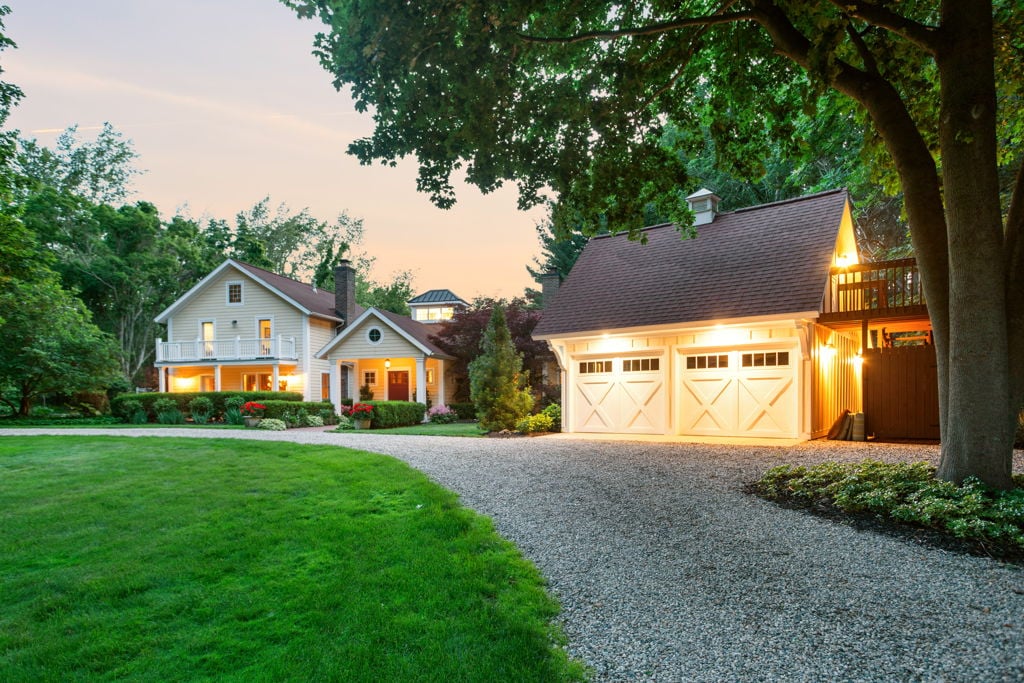
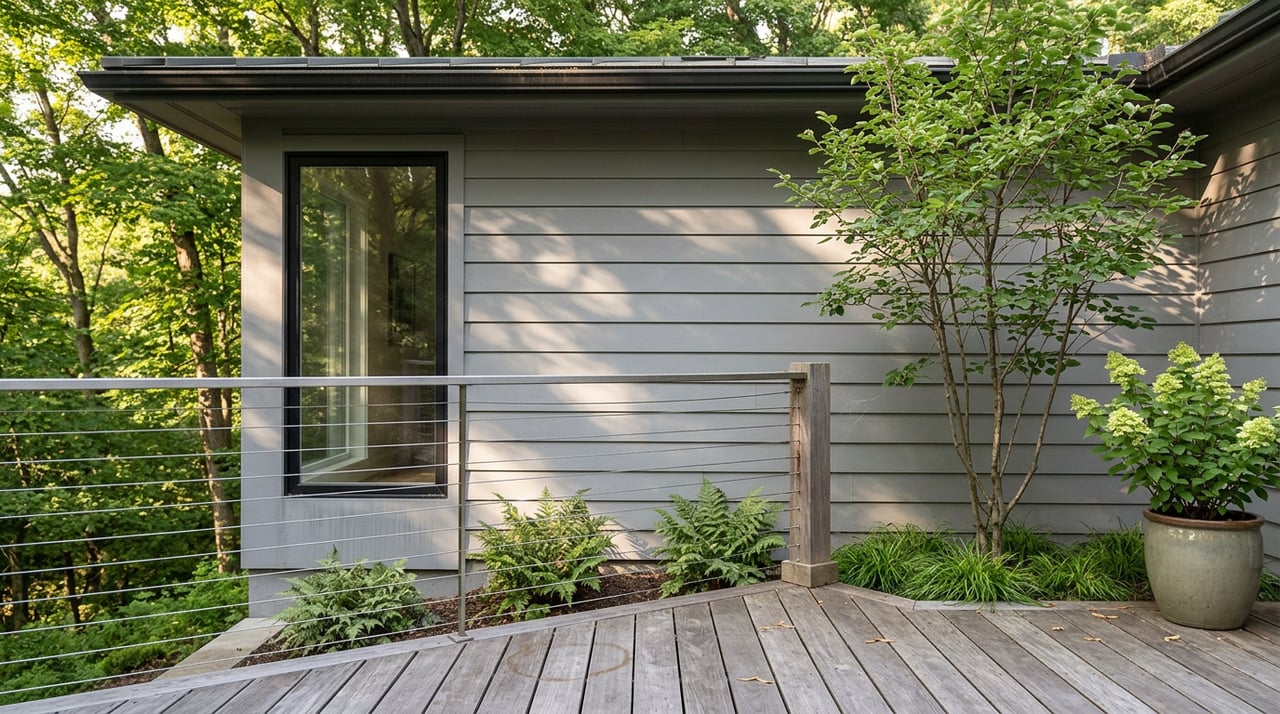
Homes With Large Decks and Outdoor Living Areas
Outdoor living is especially popular along the West Michigan lakeshore.
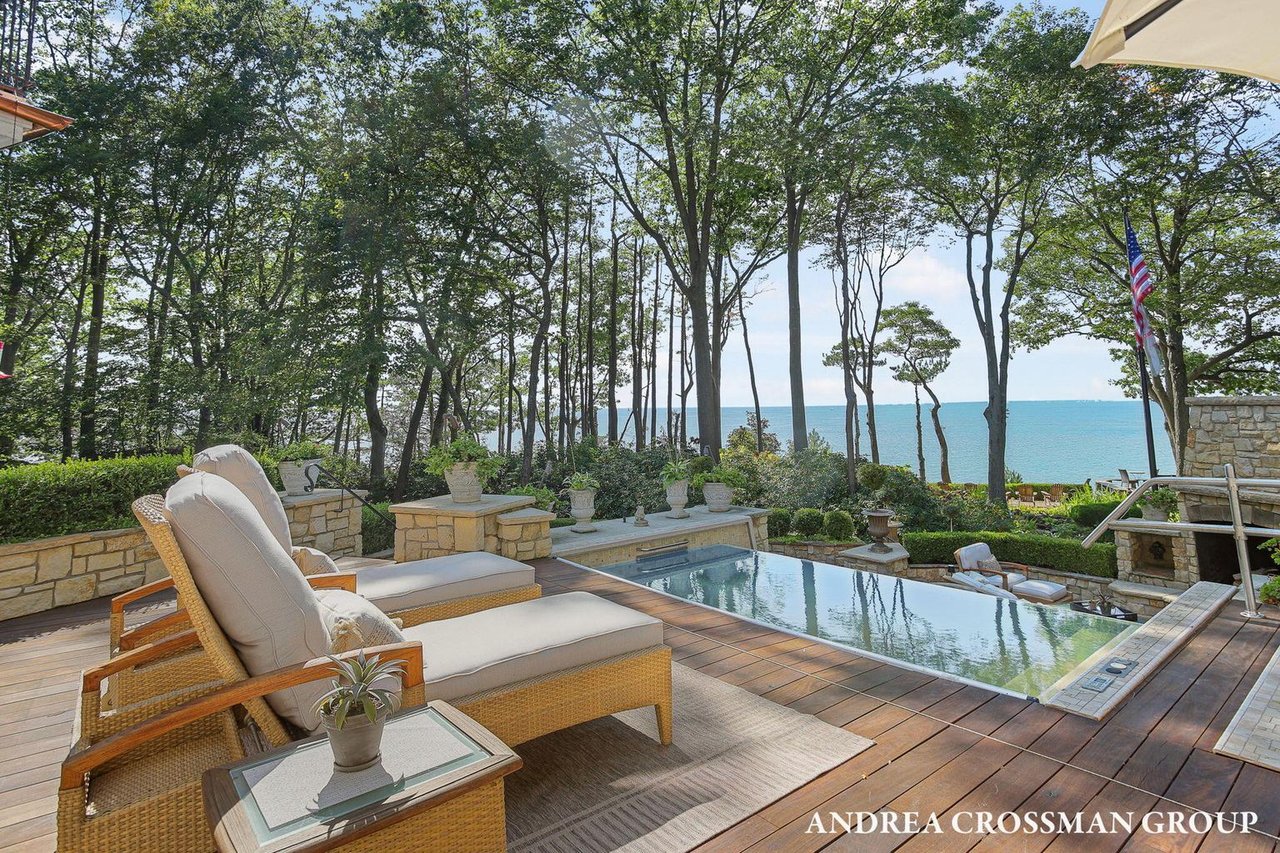
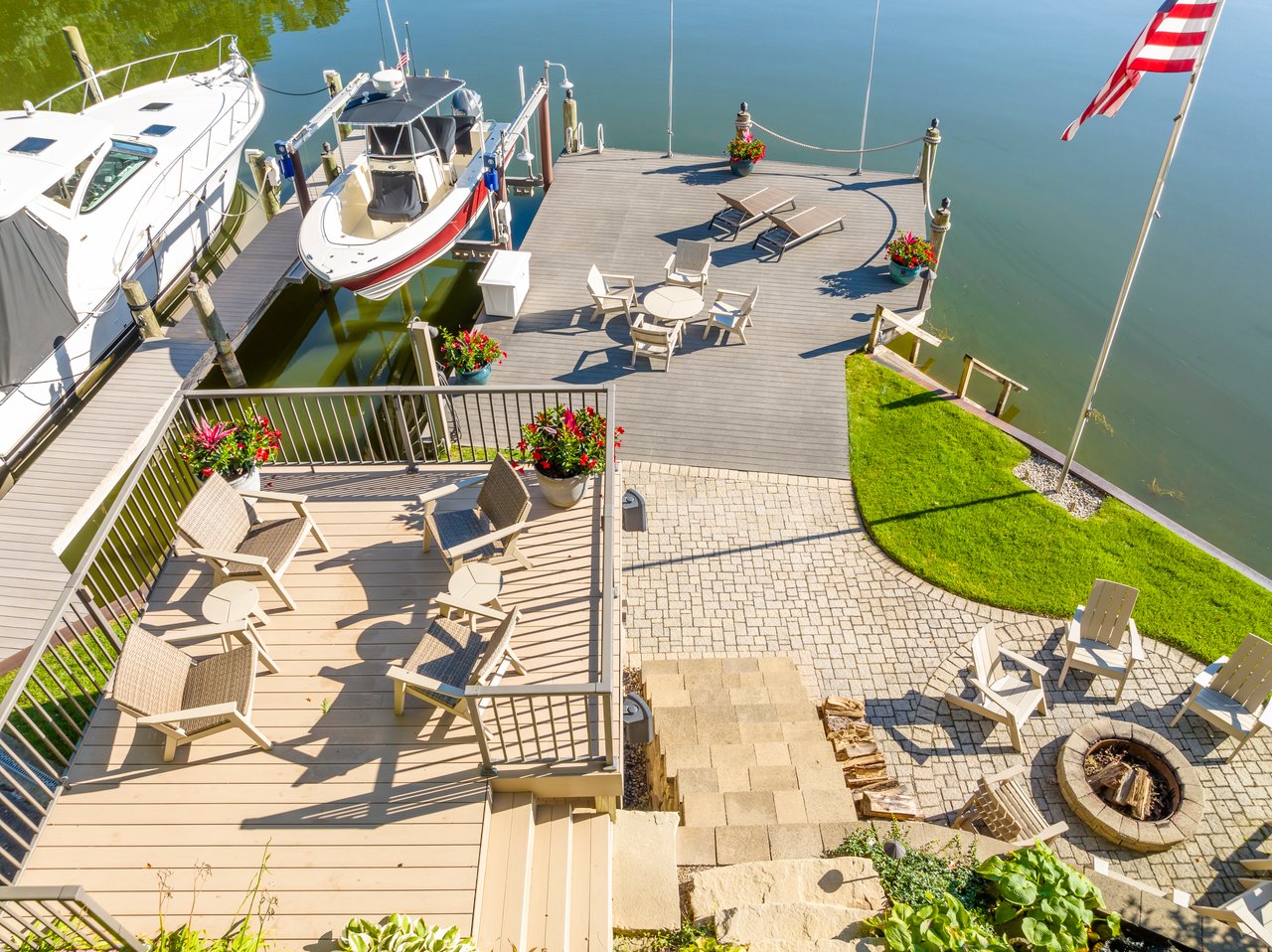
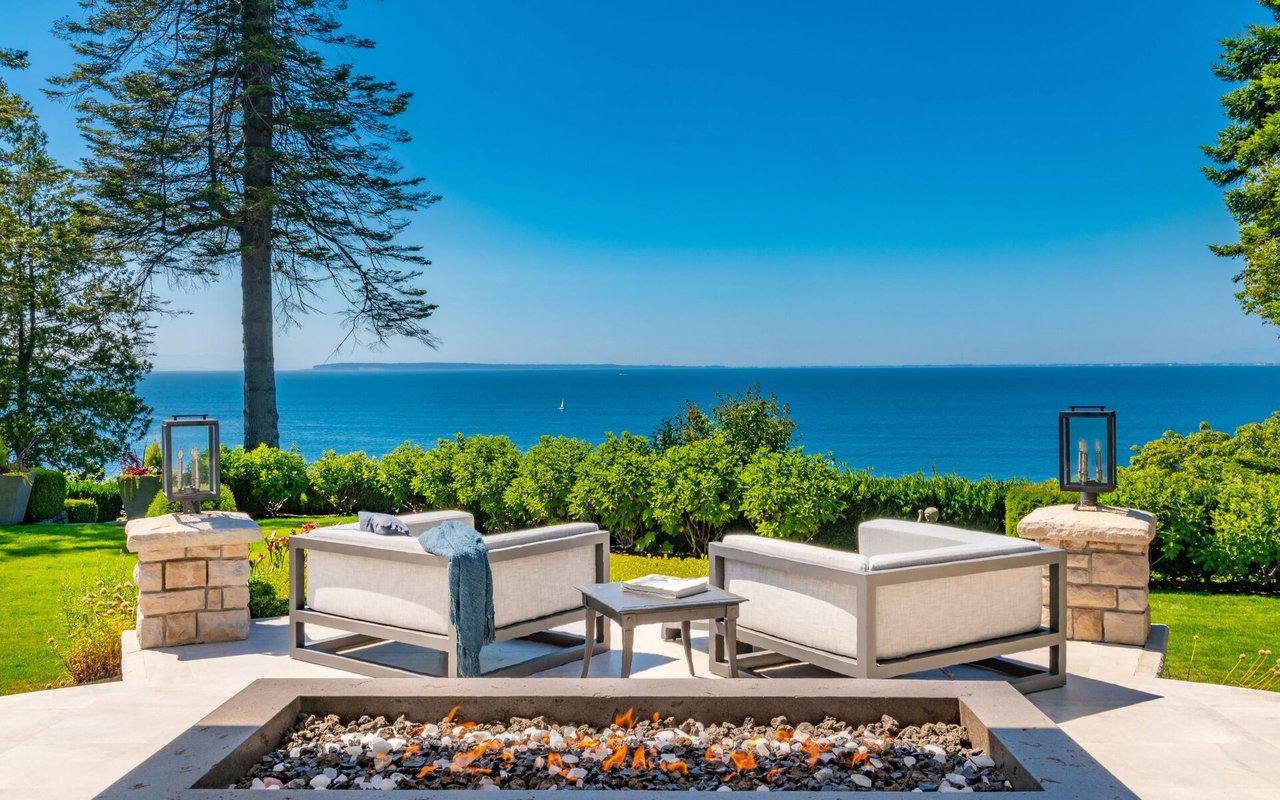
Large decks, balconies, patios, outdoor kitchens, stairs, fire pits, and entertaining areas can dramatically increase the appeal of a property.
They also create more things to maintain.
Decking may require cleaning, staining, sealing, or repair depending on the material.
Railings, stairs, lighting, outdoor speakers, grills, fireplaces, and drainage systems all need attention over time.
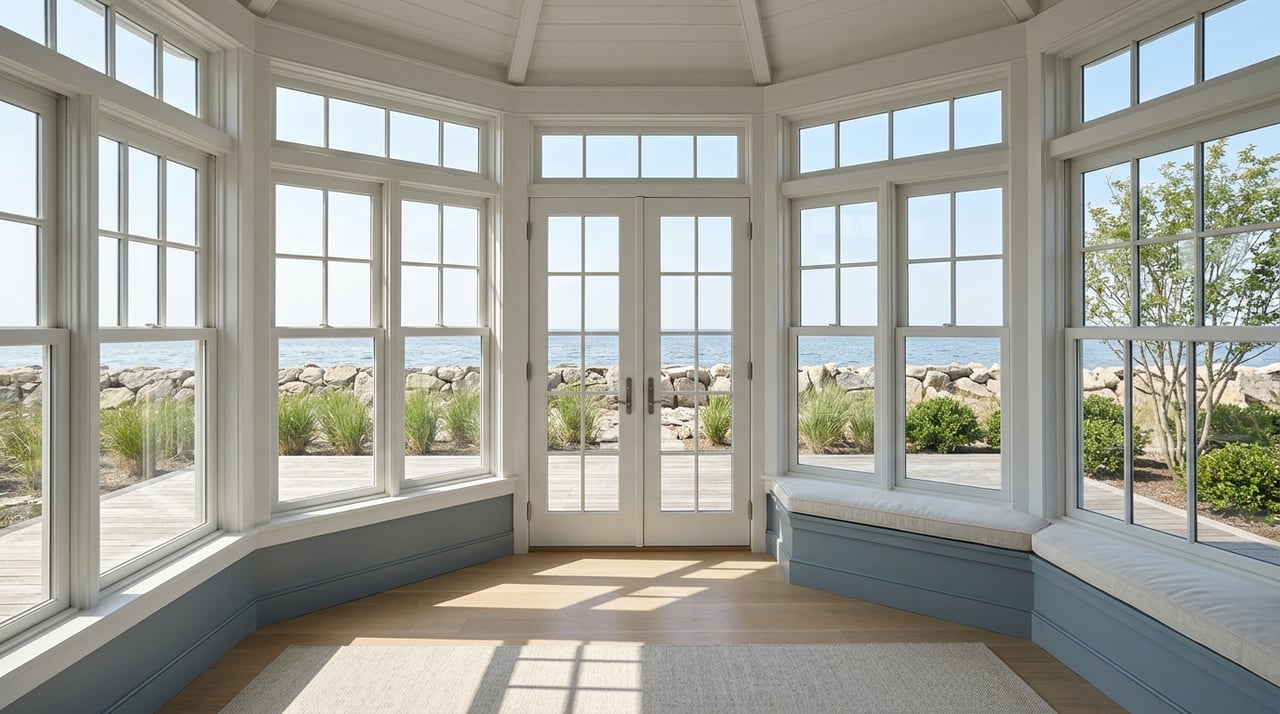
On waterfront properties, exposure to wind, sand, moisture, and winter weather can accelerate that process.
The more elaborate the outdoor living space, the more a buyer should budget for ongoing upkeep.
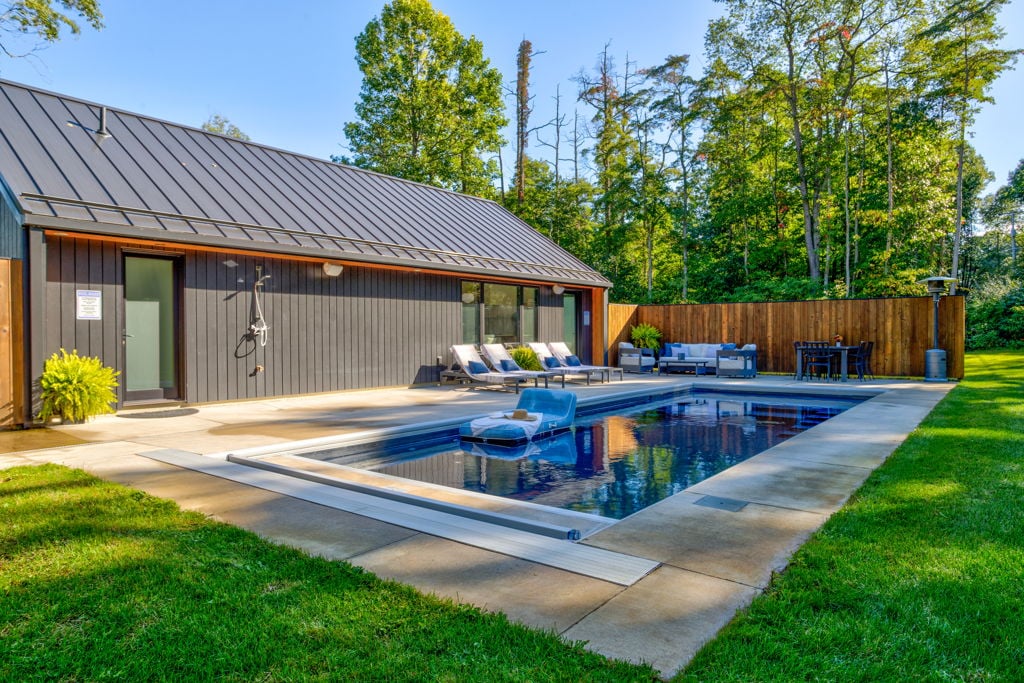
Pools Add Another Layer
A pool can be a major lifestyle feature.
It also adds another system to maintain.
Depending on the pool, owners may need to manage:
- Water chemistry
- Pumps
- Filters
- Heaters
- Covers
- Cleaning
- Winterization
- Decking
- Landscaping
- Safety equipment
In Michigan, seasonal opening and closing become part of the annual routine.
For buyers comparing two otherwise similar homes, a pool should be treated as both an amenity and an ongoing maintenance expense.
Private Roads and Long Driveways
This is easy to overlook during a summer showing.
A long wooded driveway can look great in July.
In January, it may require substantial plowing.
Buyers should determine:
- Who plows the road?
- Who pays for maintenance?
- Is there a road association?
- Is the driveway paved, gravel, or sand?
- Are there drainage issues?
- Can emergency vehicles access the property?
- Who maintains bridges or culverts?
For remote waterfront and acreage homes, road maintenance can be a meaningful part of ownership.
Wells and Septic Systems
Properties outside municipal water and sewer service frequently rely on private wells and septic systems.
These systems are common and can function well for decades when properly maintained.
But buyers should understand that the homeowner is responsible for them.
That means monitoring:
- Septic pumping
- Drainfield condition
- Well equipment
- Water quality
- Pumps
- Pressure tanks
A city home connected to municipal utilities usually removes those particular maintenance responsibilities.
Condominiums Can Reduce Maintenance — But Not Eliminate Cost
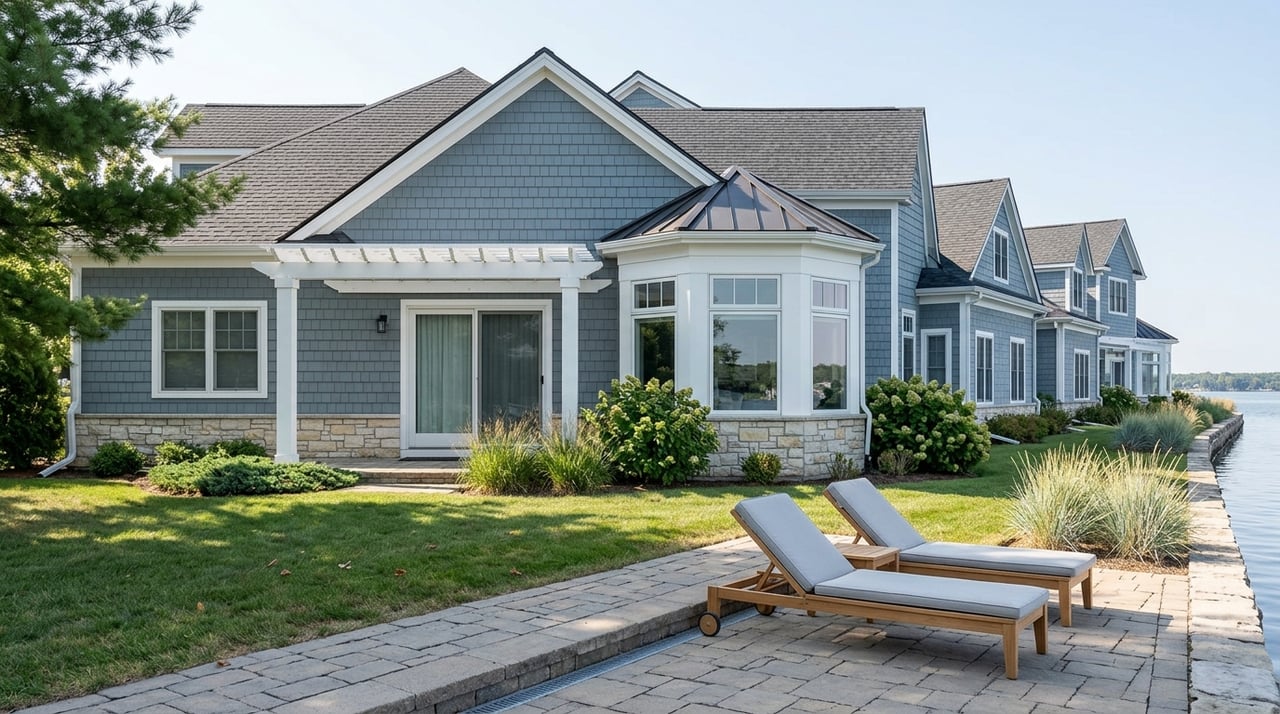
For buyers who want waterfront living without maintaining every exterior component themselves, condominiums can be attractive.
Exterior maintenance, landscaping, snow removal, docks, or common areas may be handled by the association.
But that work still costs money.
Instead of personally arranging repairs, the owner generally contributes through association dues and potentially special assessments.
Before buying, review:
- What the association maintains
- Monthly or annual dues
- Reserve funds
- Upcoming projects
- Special assessments
- Insurance responsibilities
- Dock and waterfront rules
A condo can reduce hands-on maintenance while still carrying significant shared maintenance costs.
Which Homes Usually Require Less Maintenance?
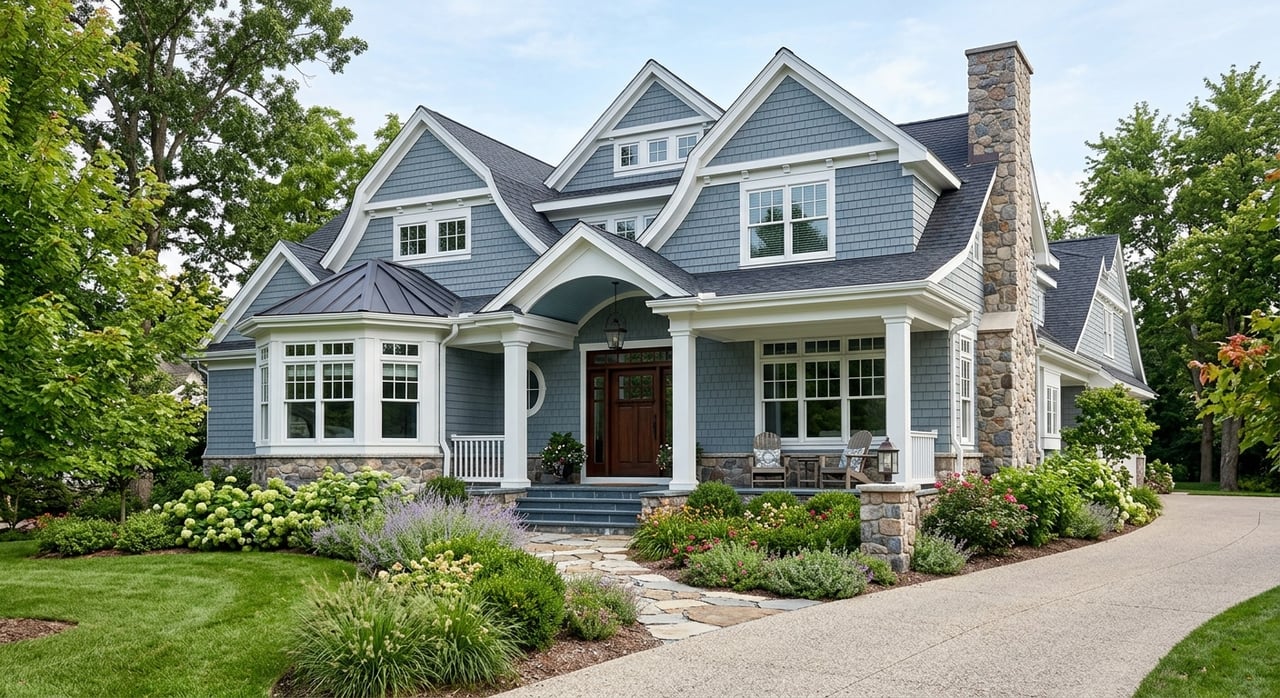
Buyers looking for simpler ownership may gravitate toward newer construction, condominiums, smaller lots, municipal utilities, and homes without complicated waterfront infrastructure.
Newer homes may also have newer roofs, windows, HVAC systems, plumbing, and electrical components.
But even new construction is not maintenance-free.
The difference is often predictability.
A newer property with a small lot and an association may make annual maintenance easier to estimate than an older waterfront property with acreage, docks, trees, and several outbuildings.
More Expensive Does Not Always Mean More Maintenance
One of the most important lessons for buyers is that price and maintenance do not always move together.
A newer $2 million condominium may require less hands-on maintenance than a $900,000 waterfront cottage.
A large newer home on a small suburban lot may be simpler to maintain than a smaller historic home surrounded by mature trees.
And a modest home on Lake Michigan could carry substantial shoreline, deck, bluff, and exterior maintenance responsibilities.
The setting often matters as much as the square footage.
Questions to Ask Before Buying a Higher-Maintenance Property
Before purchasing, buyers should understand the property's maintenance history.
Useful questions include:
When were the roof, HVAC, windows, and major mechanical systems replaced?
Who maintains the road and driveway?
How much does snow removal typically cost?
Are there mature trees that may need removal?
Is the property on well and septic?
When was the septic system last serviced?
How old are the deck, stairs, dock, and shoreline improvements?
Is the property in a flood zone?
Is it located in a Critical Dune Area or High-Risk Erosion Area?
Are existing docks or shoreline improvements permitted?
Who installs and removes seasonal docks?
What does the homeowners association maintain?
Are there known drainage issues?
How much did the current owner typically spend on annual landscaping and maintenance?
The goal is not to avoid higher-maintenance properties.
It is to understand what ownership actually involves.
Maintenance Should Be Part of the Buying Decision
A home can fit your budget on paper and still be more expensive to own than expected.
That is why buyers should think beyond:
Mortgage.
Taxes.
Insurance.
Utilities.
Maintenance should also be part of the equation.
A waterfront home with a dock, pool, private road, mature trees, and extensive landscaping may provide an incredible lifestyle.
It simply requires a different ownership commitment from a newer condominium or suburban home.
The Bottom Line
West Michigan offers an enormous range of property types.
That is part of what makes the market interesting.
But it also means maintenance requirements can vary dramatically.
Lake Michigan homes may require more attention to shoreline and weather exposure.
River and inland-lake homes may involve docks and shoreline maintenance.
Wooded properties bring tree and leaf management.
Acreage creates land, road, and outbuilding responsibilities.
Historic homes require closer attention to aging systems.
And condos may reduce hands-on work while shifting those costs into association fees.
The goal is not necessarily to find the home with the least maintenance.
It is to find the home whose maintenance responsibilities match the lifestyle you actually want.