Why the Housing Market Feels Better for Buyers — But Still Isn’t Easy
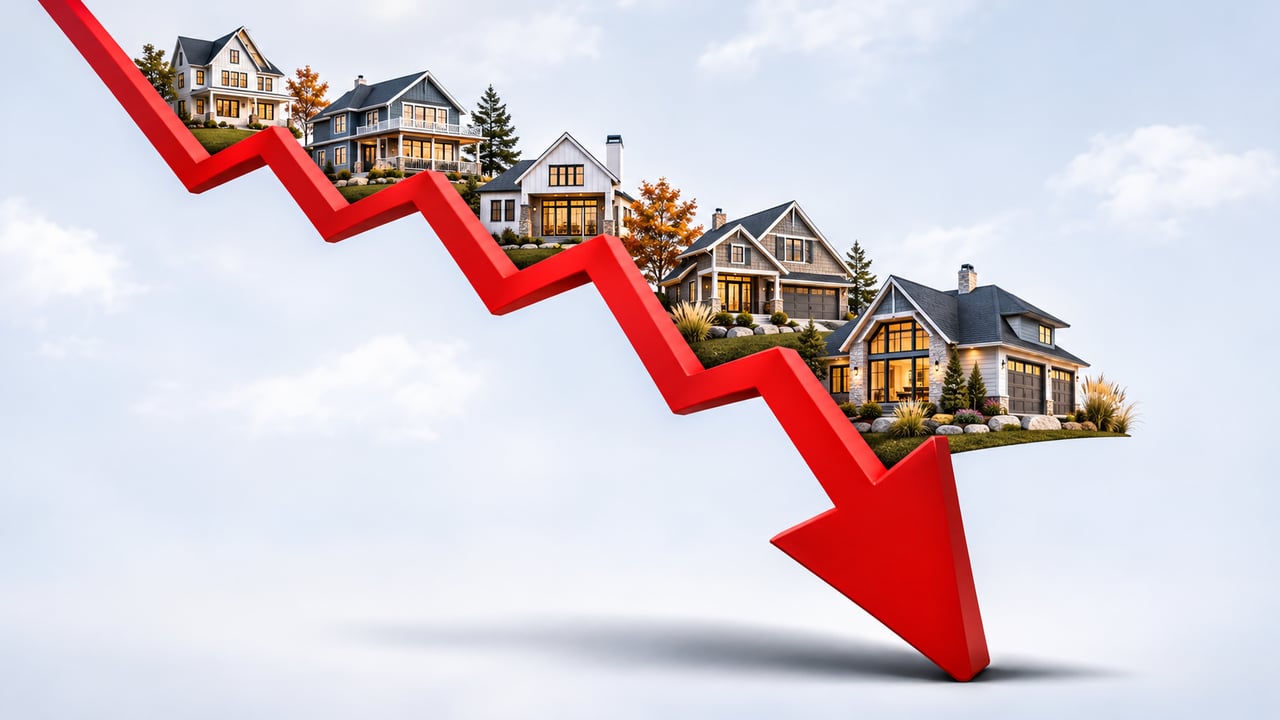
Buyers have more inventory, more negotiating power, and more price reductions to work with. But high mortgage rates are still making affordability difficult. Here’s what that means for West Michigan buyers right now.
For the first time in a while, parts of the housing market are starting to feel more favorable for buyers.
There are more homes to choose from. Sellers are making more price reductions. Homes are spending longer on the market. And in some cases, buyers have more room to negotiate on price, repairs, closing costs, and other terms.
But that does not mean buying a home suddenly feels easy.
Mortgage rates remain elevated, monthly payments are expensive, and affordability is still one of the biggest challenges facing buyers.
That creates an unusual market where buyers may have more leverage in the transaction but less purchasing power when it comes to financing.For West Michigan buyers, understanding both sides of that equation is important.

Buyers Finally Have More Homes to Choose From
One of the biggest changes in the housing market is inventory.
Realtor.com reported more than 1.16 million active listings nationally in September, up from a year earlier and much closer to normal pre-pandemic levels than buyers have seen in recent years.
That matters because buyers are no longer facing the same extreme shortage of choices that defined much of the market over the past several years.
More inventory gives buyers the ability to compare:
- Price
- Location
- Condition
- Updates
- Days on market
- Taxes
- Association fees
- Lot size
- Waterfront access
- Seller motivation
Instead of feeling like they need to pursue the first acceptable home that becomes available, buyers may have more time to determine which property actually fits their needs.
More Sellers Are Reducing Prices
Price reductions are another indication that the balance is shifting.
In September, 20.8% of active listings had received a price cut, one of the highest shares seen in recent years.
That does not mean every home is a bargain.
But it does tell buyers that some sellers are adjusting expectations.
A home that has been listed for several months and gone through multiple price reductions may offer a much different negotiating opportunity than a newly listed property in a highly desirable location.
Buyers should pay close attention to the listing history rather than looking only at the current asking price.
Negotiating Power Is Coming Back
During the most competitive years of the housing market, buyers often had very little room to negotiate.
Multiple offers, appraisal gaps, waived inspections, and aggressive offer terms became common.
Today, that environment has softened in many places.
Depending on the property, buyers may now have an opportunity to negotiate:
- Purchase price
- Closing-cost credits
- Mortgage-rate buydowns
- Inspection repairs
- Repair credits
- Appliances or furnishings
- Closing date
- Possession terms
That can make the buying process feel much more manageable.
The important point is that negotiating power is property-specific.
A well-priced home that hits the market today may still attract several buyers. A property that has been sitting for 90 days may give a buyer considerably more leverage.
But Mortgage Rates Are Still the Problem
This is where the market becomes more complicated.
While buyers have more leverage, financing remains expensive.
The average 30-year fixed mortgage rate has recently been around 7.4%, near its highest level in several years.
That directly affects monthly payments.
Consider a buyer financing $400,000.
At a 6.25% interest rate, principal and interest would be roughly $2,460 per month.
At 7.4%, that payment moves closer to $2,770 per month.
That is a difference of more than $300 every month before adding taxes, insurance, or association fees.
So while the buyer may be able to negotiate $10,000 off the price, the higher interest rate can still have a larger impact on monthly affordability.

More Leverage Does Not Always Mean More Buying Power
This is probably the most important thing for buyers to understand about the current market.
You can have more negotiating power while simultaneously being able to afford less.
That sounds contradictory, but it is exactly what higher mortgage rates create.
Buyers may be able to negotiate:
A lower purchase price.
A seller credit.
A rate buydown.
Repairs.
Better closing terms.
But if the interest rate is significantly higher than it was a year ago, the monthly payment can still be difficult.
That is why the purchase price should never be evaluated by itself.
The real question is:
What will this property cost me every month?
Seller Concessions Matter More Right Now
One of the most useful tools in today’s market may be seller concessions.
Instead of simply reducing the price, a seller may agree to contribute toward:
- Buyer closing costs
- Mortgage-rate buydowns
- Prepaid expenses
- Repairs
- Inspection credits
A mortgage-rate buydown can sometimes be especially valuable because it addresses the buyer’s biggest challenge directly: the monthly payment.
For some buyers, a $10,000 seller concession toward financing may create more value than a $10,000 reduction in the purchase price.
The exact benefit depends on the loan program and should always be reviewed with the buyer’s lender.
Why Some Buyers Are Still Sitting on the Sidelines
Even with more inventory and better negotiating conditions, many buyers are waiting.
The reason is mostly affordability.
Higher mortgage rates have reduced purchasing power, and some buyers are recalculating what they can comfortably afford. Recent housing-market reporting has highlighted the same disconnect: the market may technically be improving for buyers, but high borrowing costs are still keeping many of them from moving forward.
Some buyers are hoping rates fall.
Others are waiting for prices to drop further.
Some simply cannot make the monthly payment work yet.
That is why fewer competing buyers does not necessarily mean there is suddenly a flood of demand.
What This Means for West Michigan Buyers
The West Michigan market is especially difficult to describe with one headline.
Conditions can vary significantly depending on location and property type.
A home in Grand Rapids may behave very differently from a property in Holland.
A Lake Michigan home in Saugatuck may have a completely different buyer pool than a condo in Grand Haven.
A waterfront home with excellent frontage may still attract significant interest.
A property that is outdated or overpriced may sit much longer.
That means buyers should focus on the specific property rather than assuming the entire market is either good or bad.

What Buyers Should Look at Before Making an Offer
Before deciding how aggressive to be, buyers should look at several factors.
Days on market
Has the home been listed for two days or two months?
Price history
Has the seller already reduced the asking price?
Comparable sales
What have similar homes actually sold for?
Current competition
Are there multiple offers or very little activity?
Property condition
Will the buyer need to invest significantly after closing?
Seller motivation
Does the seller have a deadline or specific reason for moving?
Financing
Would a seller concession or rate buydown be more valuable than a lower purchase price?
That information can help buyers negotiate intelligently instead of simply submitting a low offer because they heard buyers have more leverage.
When Buying Now May Still Make Sense
Despite high mortgage rates, buying now can still make sense for some people.
It may be worth considering if:
You plan to stay in the home for several years.
The monthly payment fits comfortably within your budget.
You have stable income.
You have emergency reserves after closing.
You find a property that is difficult to replace.
The seller is offering favorable terms.
You have room to negotiate.
You are buying based on today’s payment—not the assumption that refinancing will definitely happen later.
That last point is important.
Rates may fall in the future, but buyers should not purchase a home they cannot comfortably afford today simply because they expect to refinance.
When Waiting May Make More Sense
Waiting can also be the right decision.
It may make sense to hold off if:
The payment would stretch your budget.
You need to improve your credit.
You need more money for a down payment.
You expect to relocate soon.
You have not found the right property.
You are uncomfortable with today’s borrowing costs.
There is nothing wrong with waiting if the financial picture does not make sense.
Fall Can Be a Good Time to Evaluate West Michigan Homes
There is also a seasonal advantage to shopping right now.
Fall can reveal things about a property that buyers may not notice during summer.
Pay attention to:
- Drainage
- Roof and gutter condition
- Mature trees
- Heating systems
- Window drafts
- Driveway access
- Natural light
- Seasonal water issues
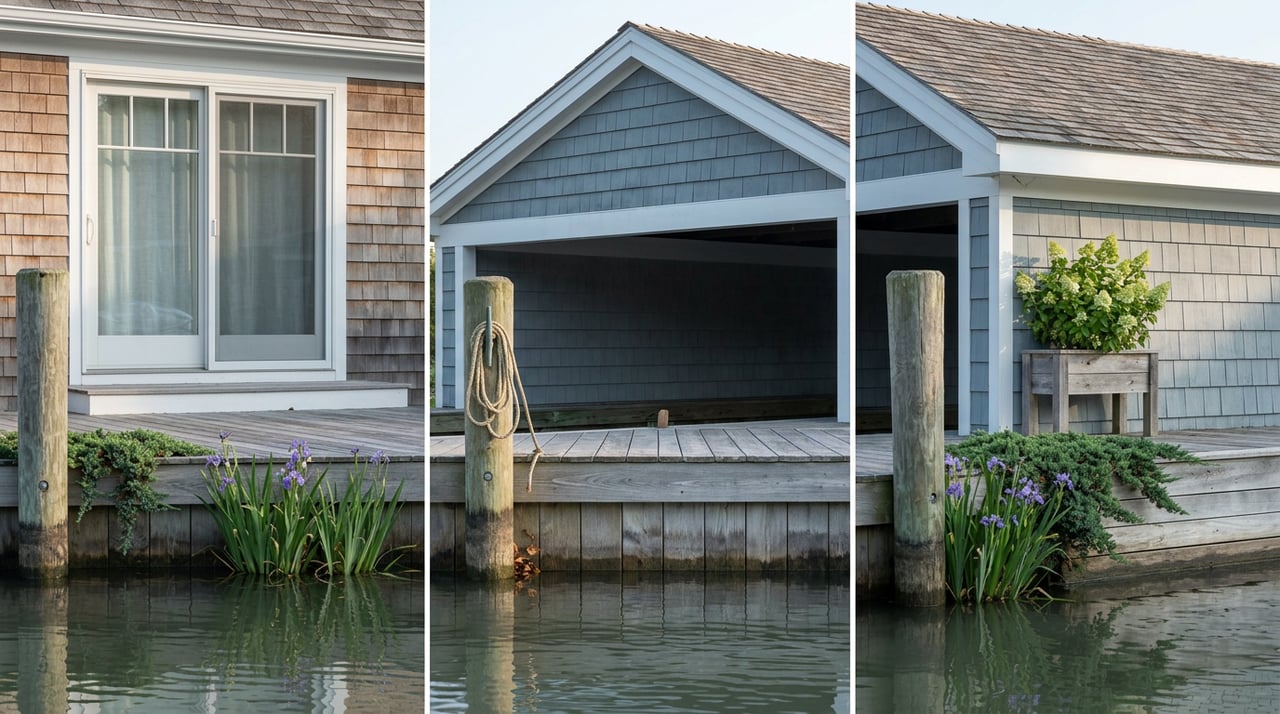
For waterfront homes, fall can also provide useful information about wind exposure, shoreline condition, bluff stability, seawalls, stairs, docks, and access.
That can be especially important for Lake Michigan and inland-water buyers.
The Market Is Becoming More Property-Specific
The biggest shift in the market may be that fewer homes are following the same pattern.
Some properties still sell quickly.
Others sit.
Some sellers are willing to negotiate.
Others are not.
Some buyers are heavily affected by mortgage rates.
Cash buyers may be far less sensitive to financing conditions.
That means local knowledge and property-specific analysis matter more than broad national headlines.
The Bottom Line
The housing market is becoming more favorable for buyers in several important ways.
There are more homes available.
Price reductions are more common.
Buyers may have more time to make decisions.
Seller concessions and negotiations are becoming more realistic.
But higher mortgage rates continue to make monthly payments difficult.
That is why today’s market can feel both better and harder at the same time.
For West Michigan buyers, the goal should not be to decide whether the entire market is “good” or “bad.”
The better question is:
Does this particular property, at this particular price and payment, make sense for me?