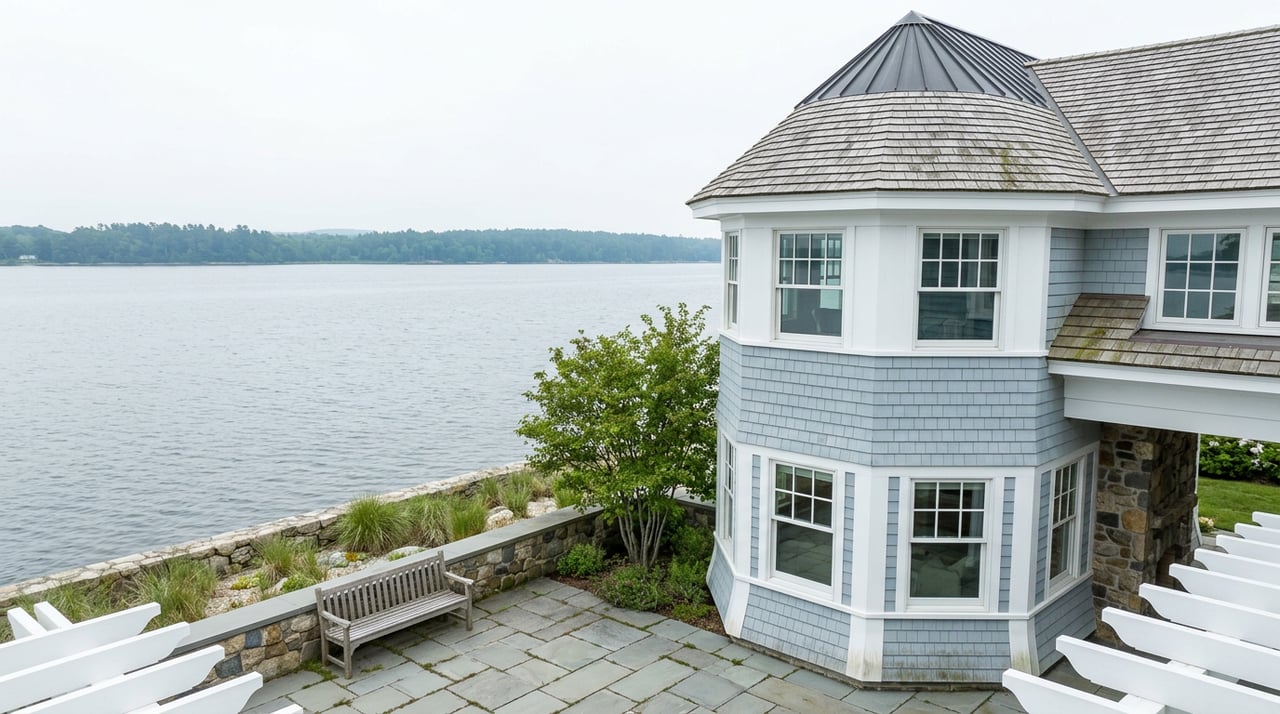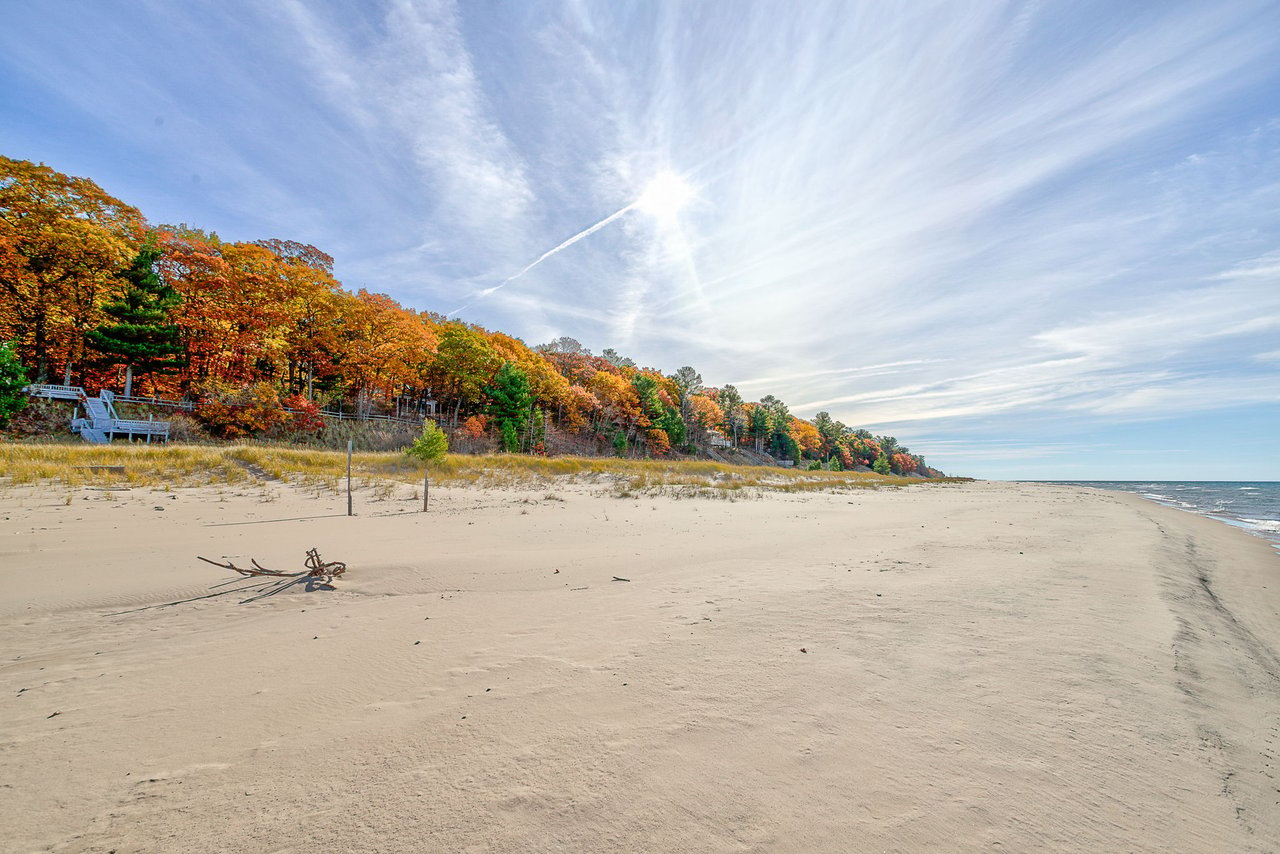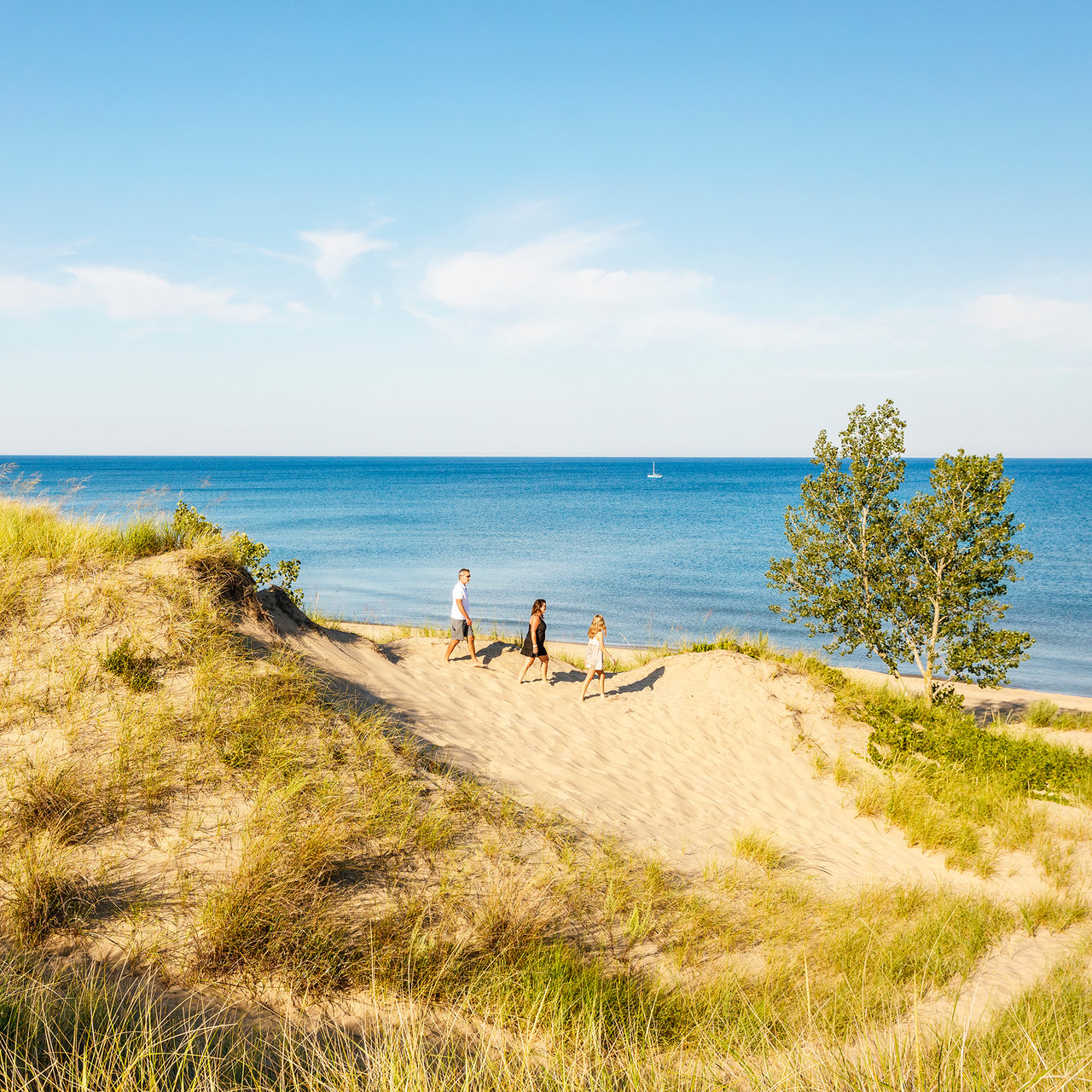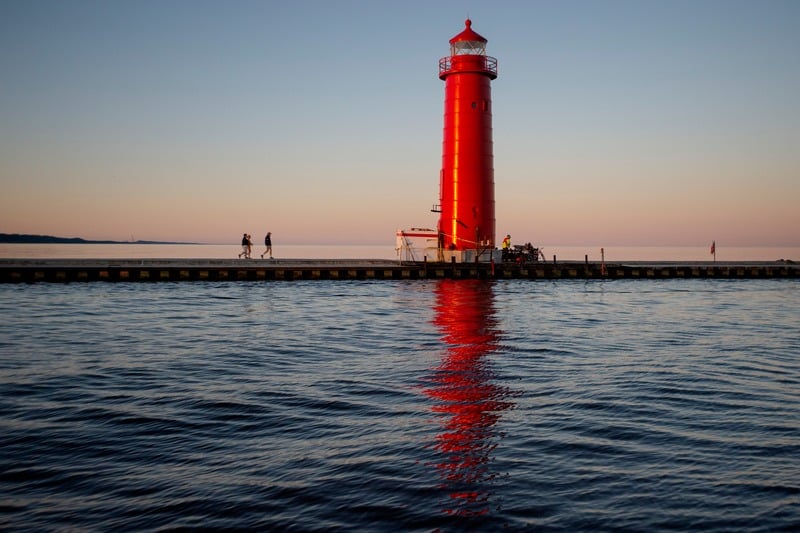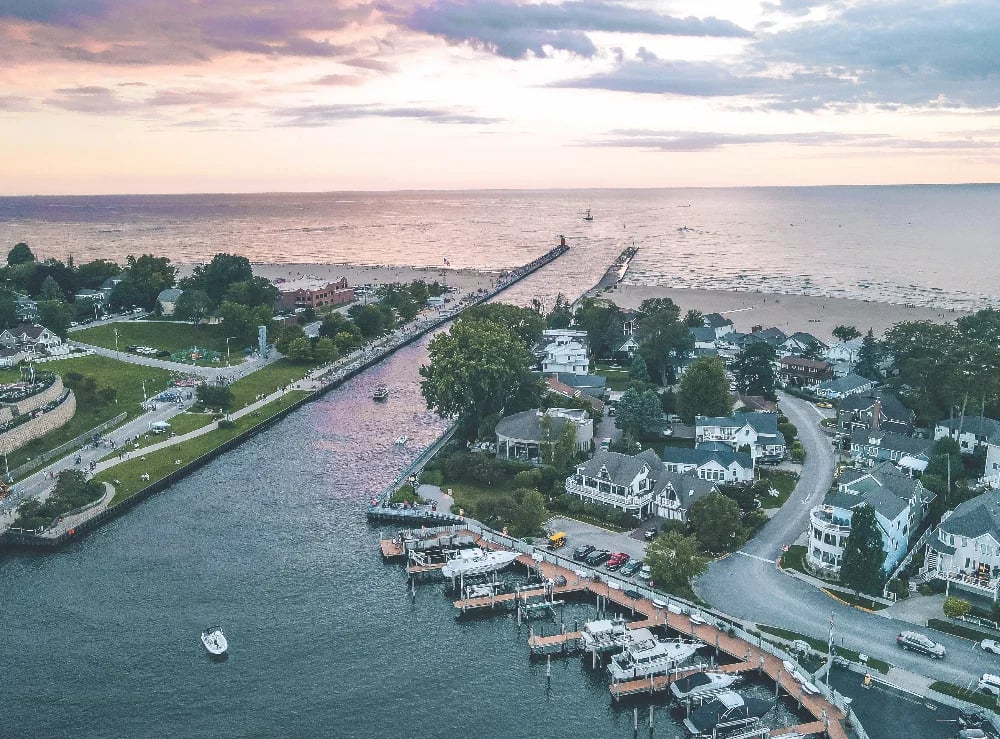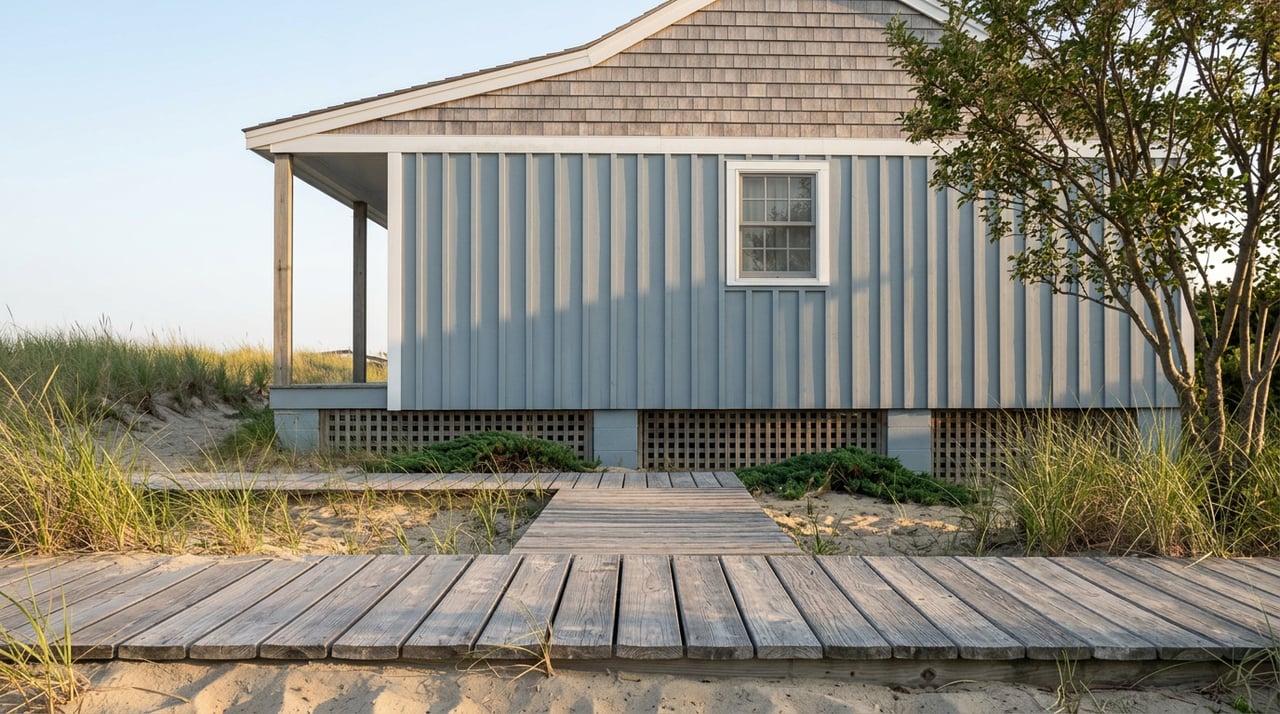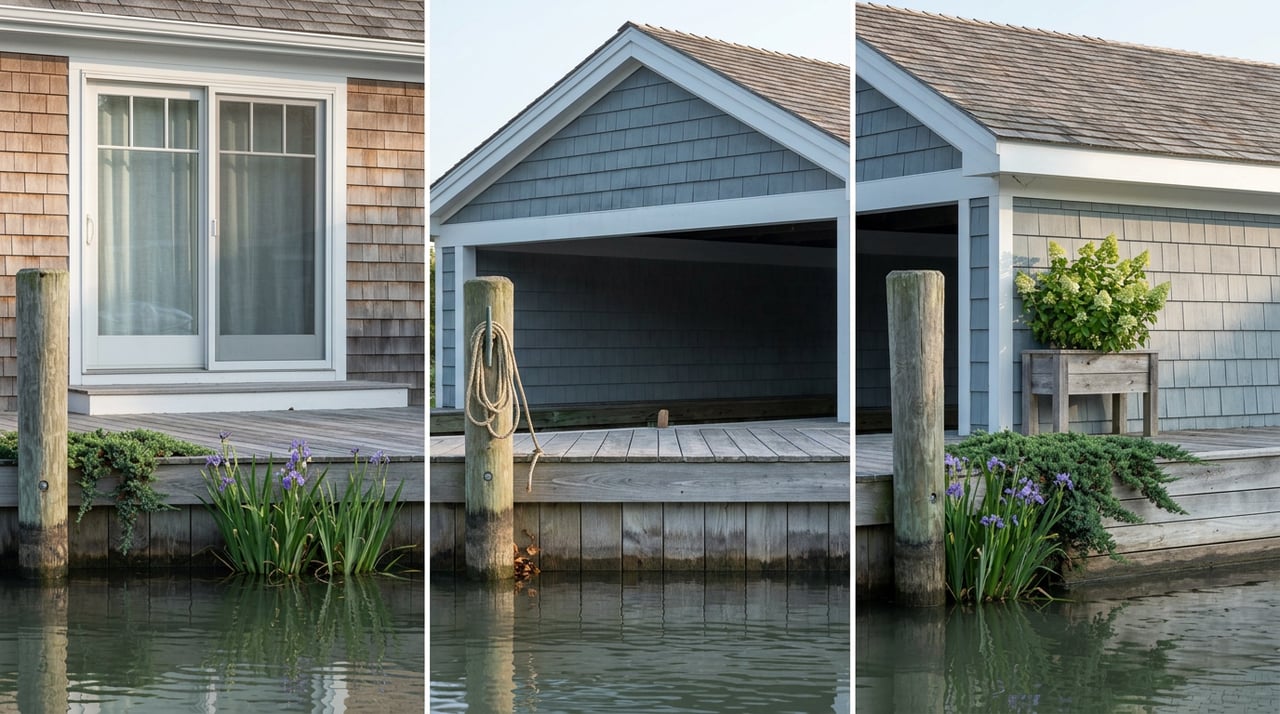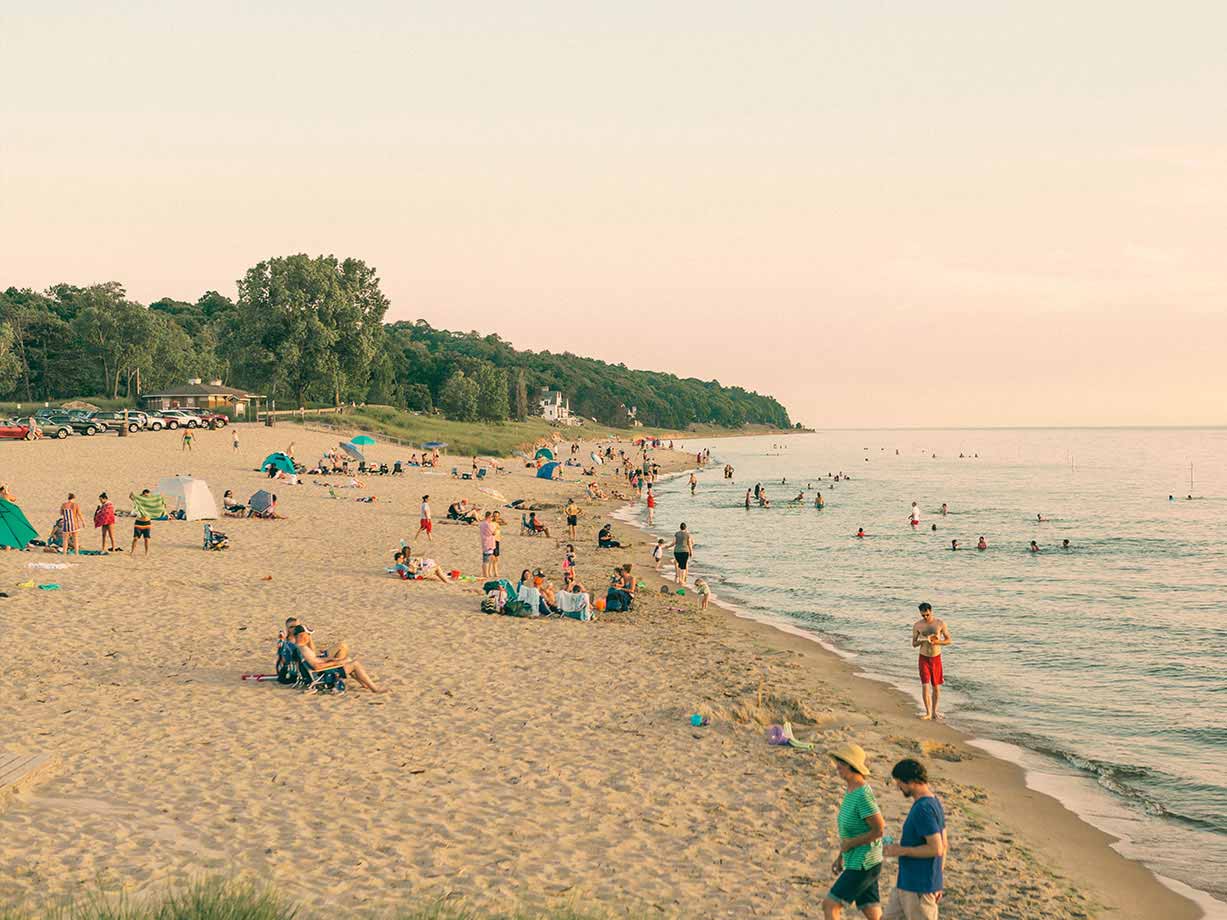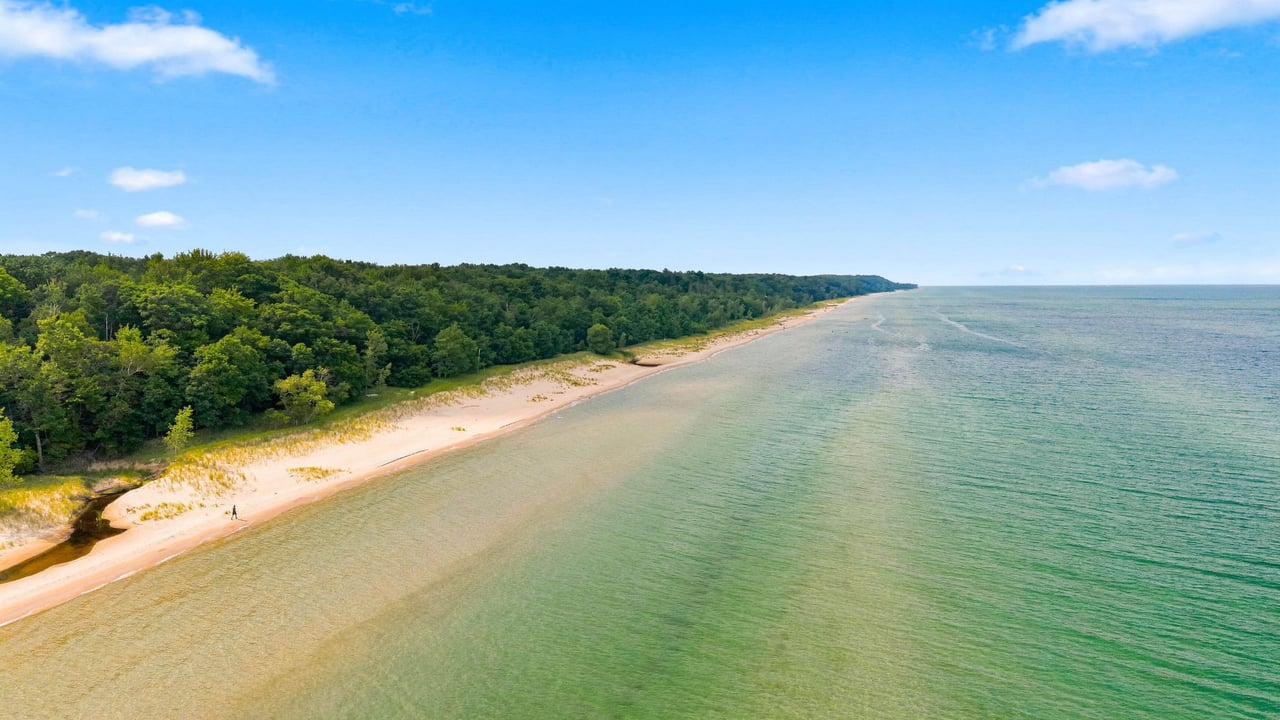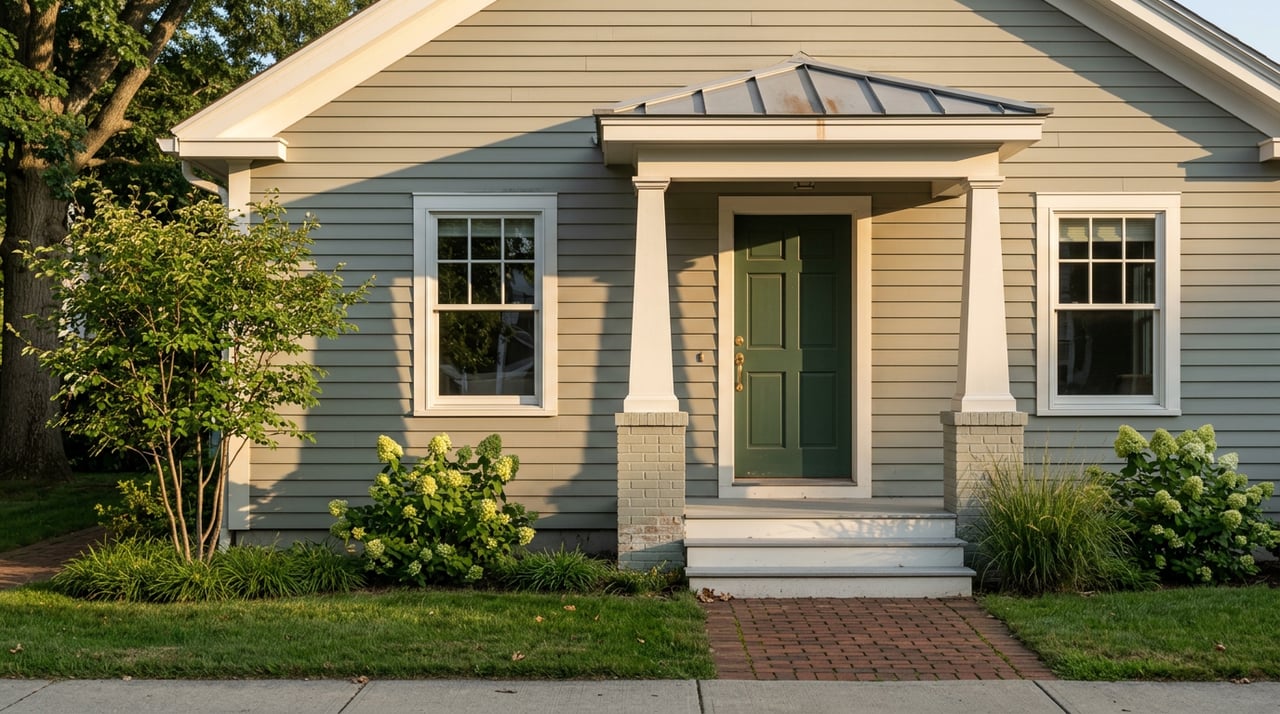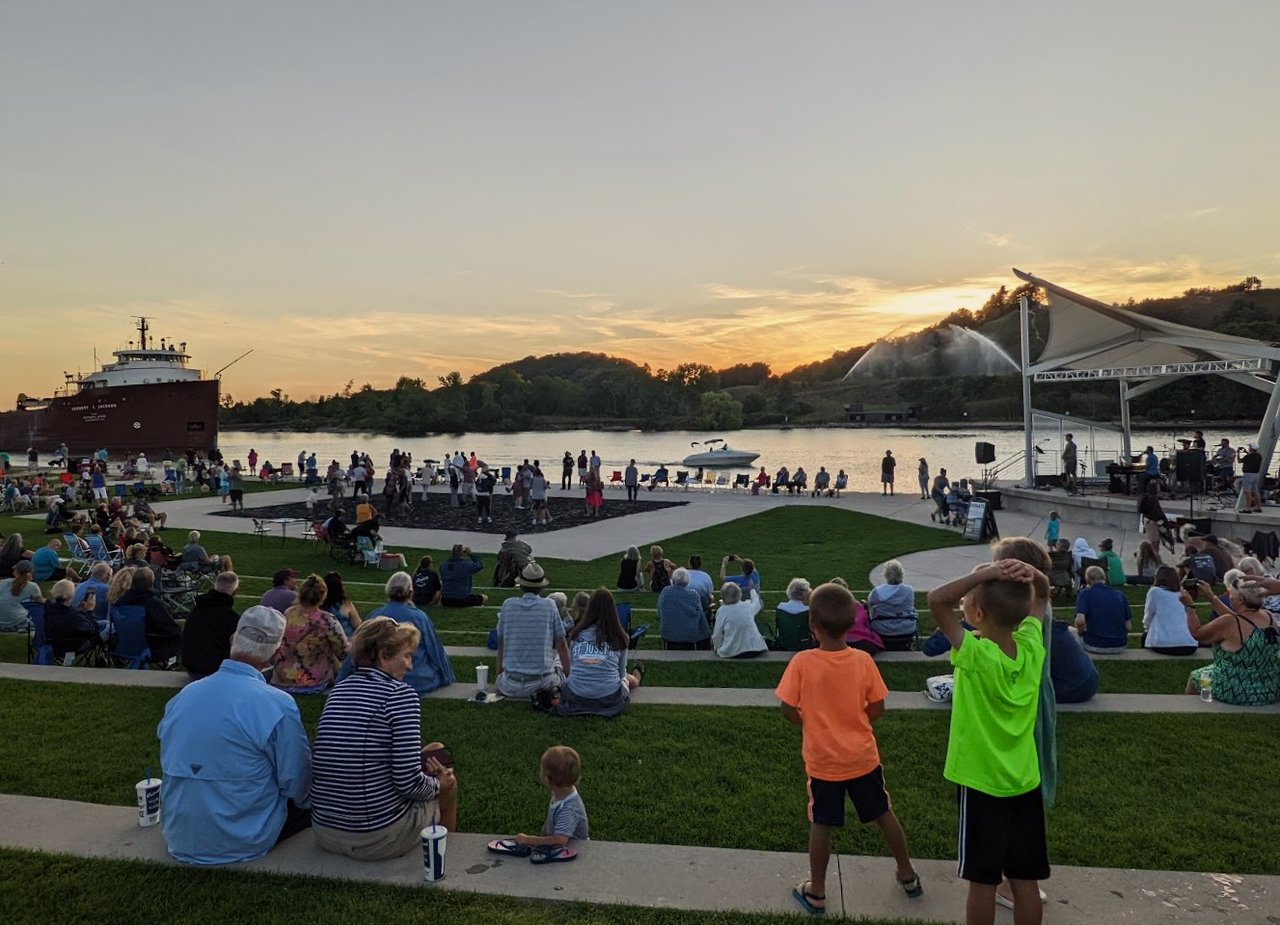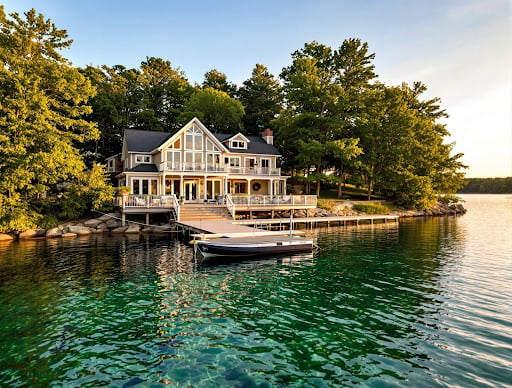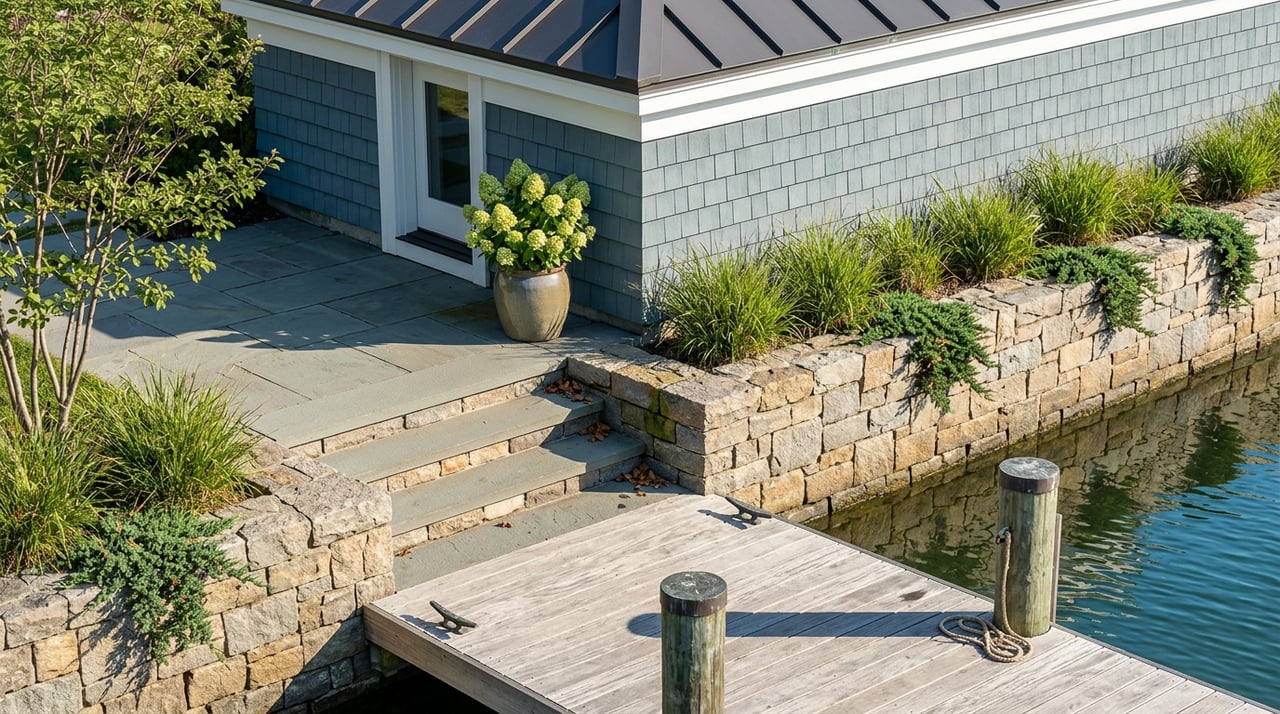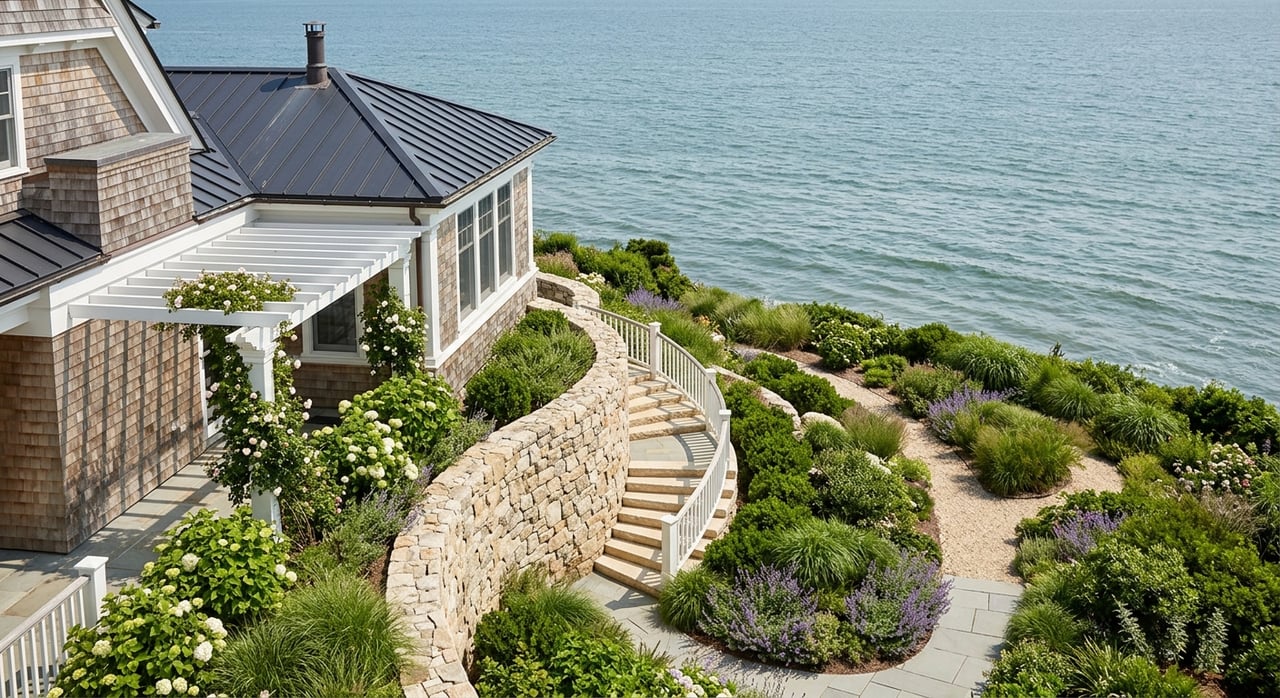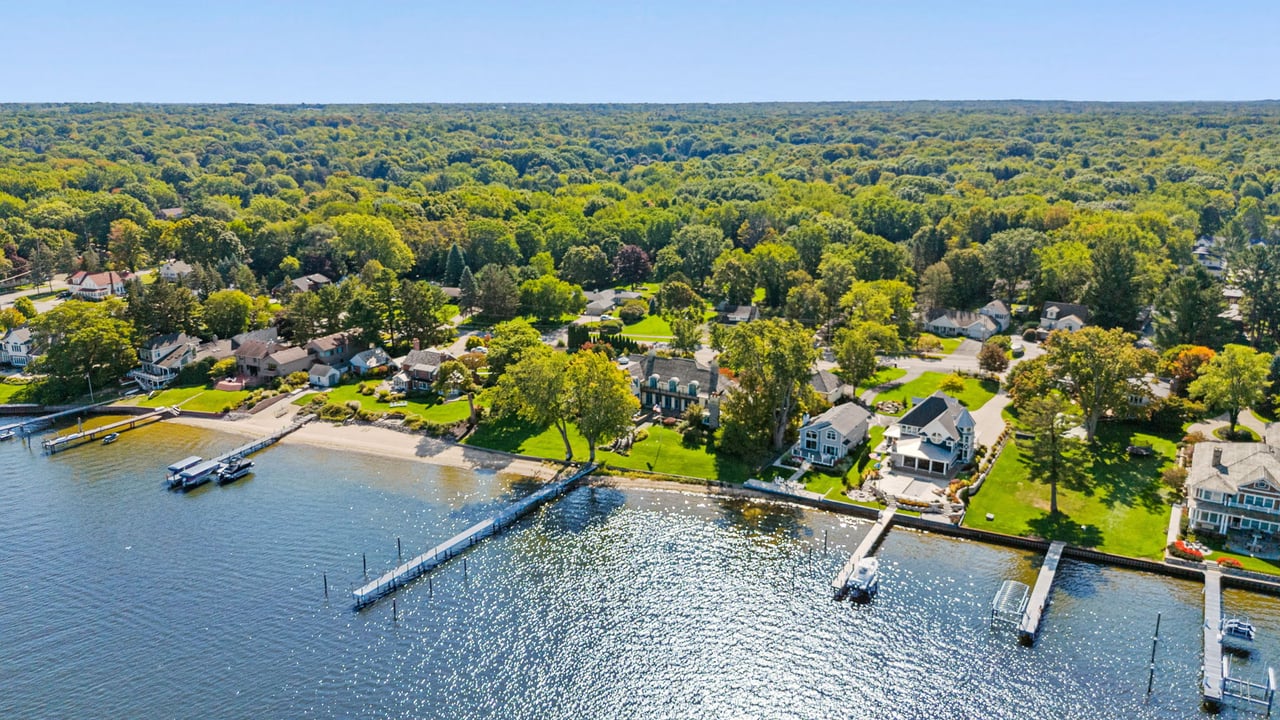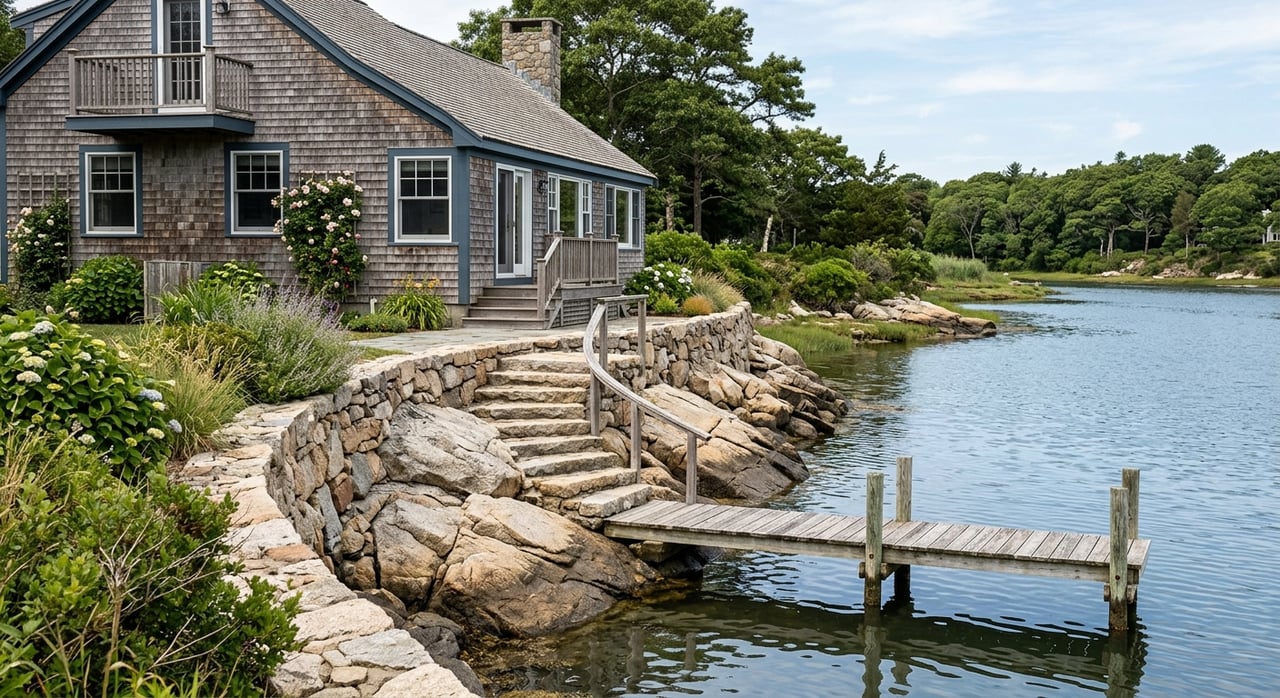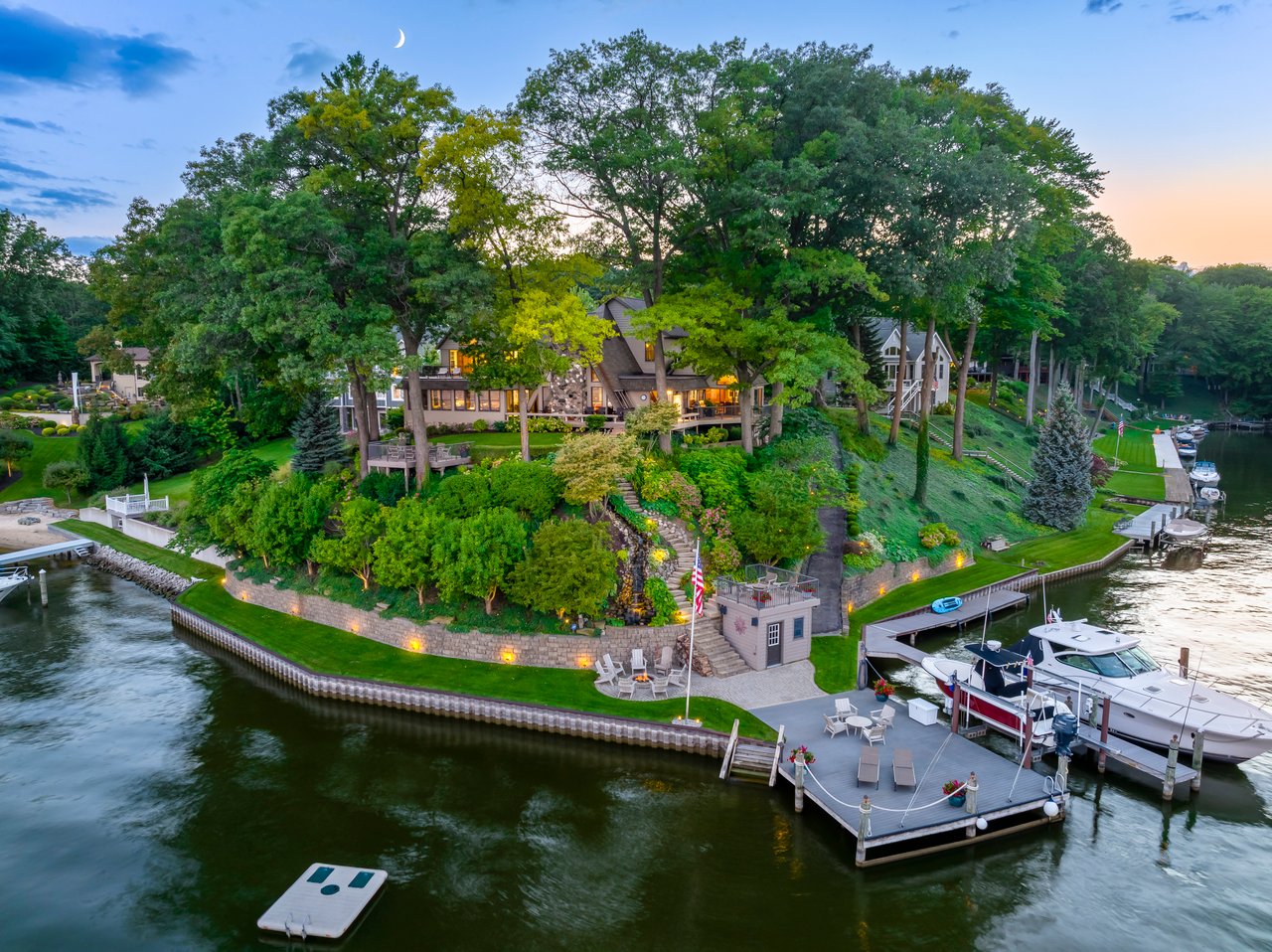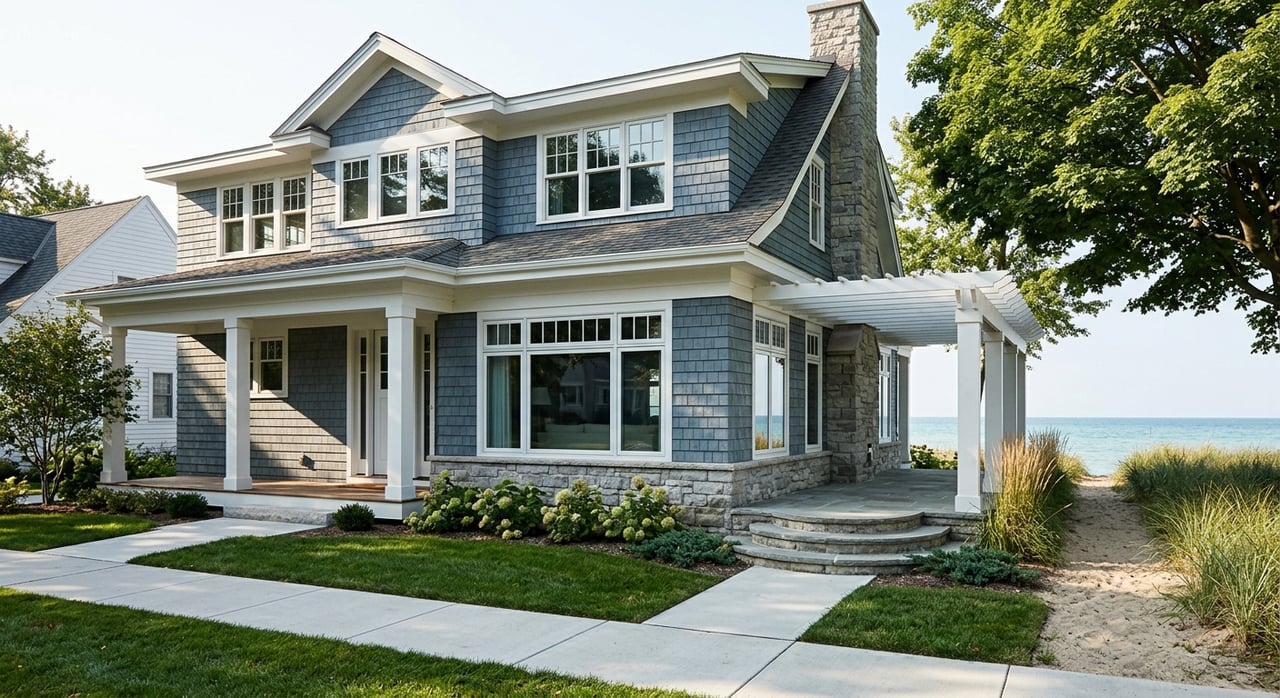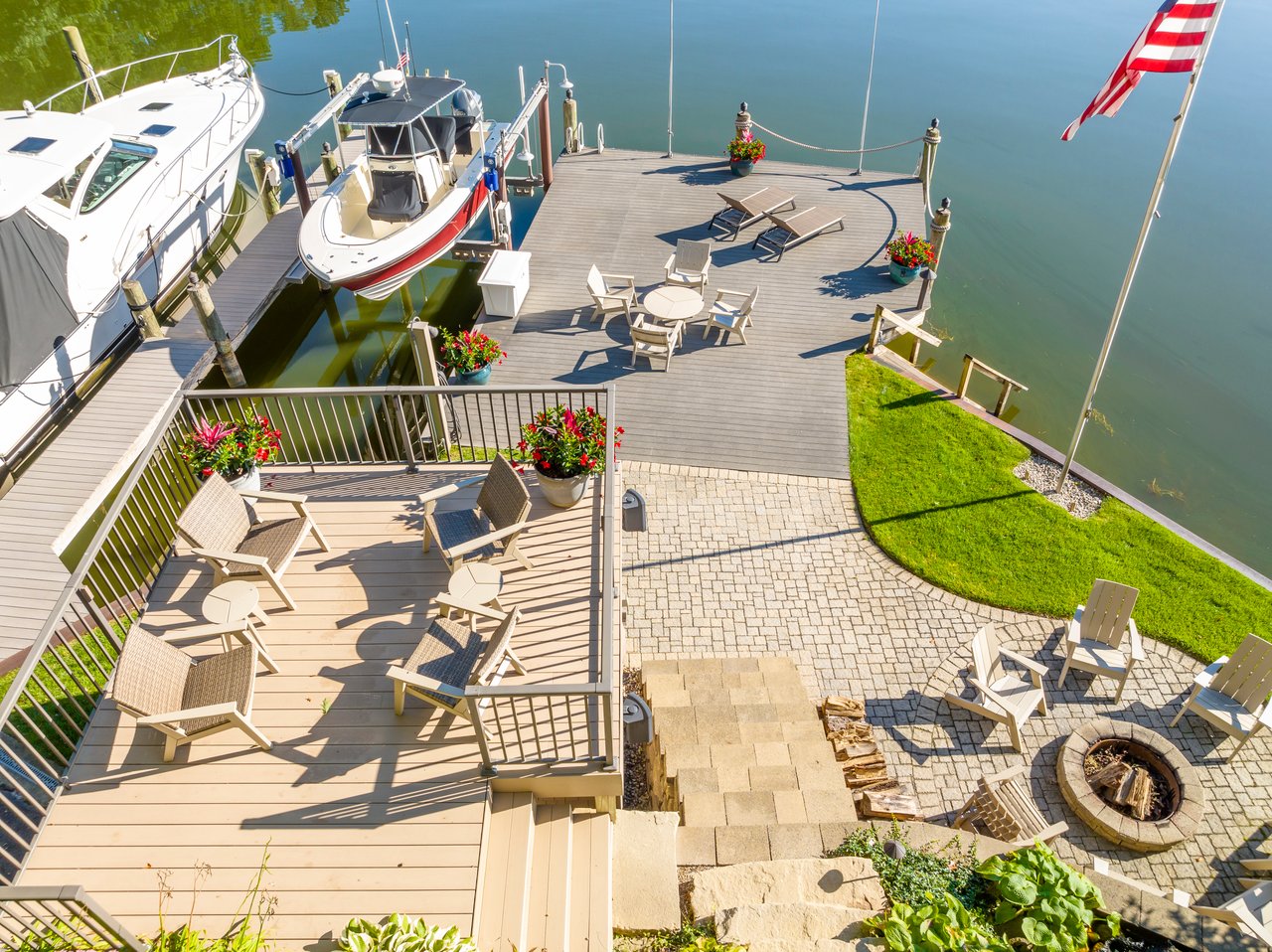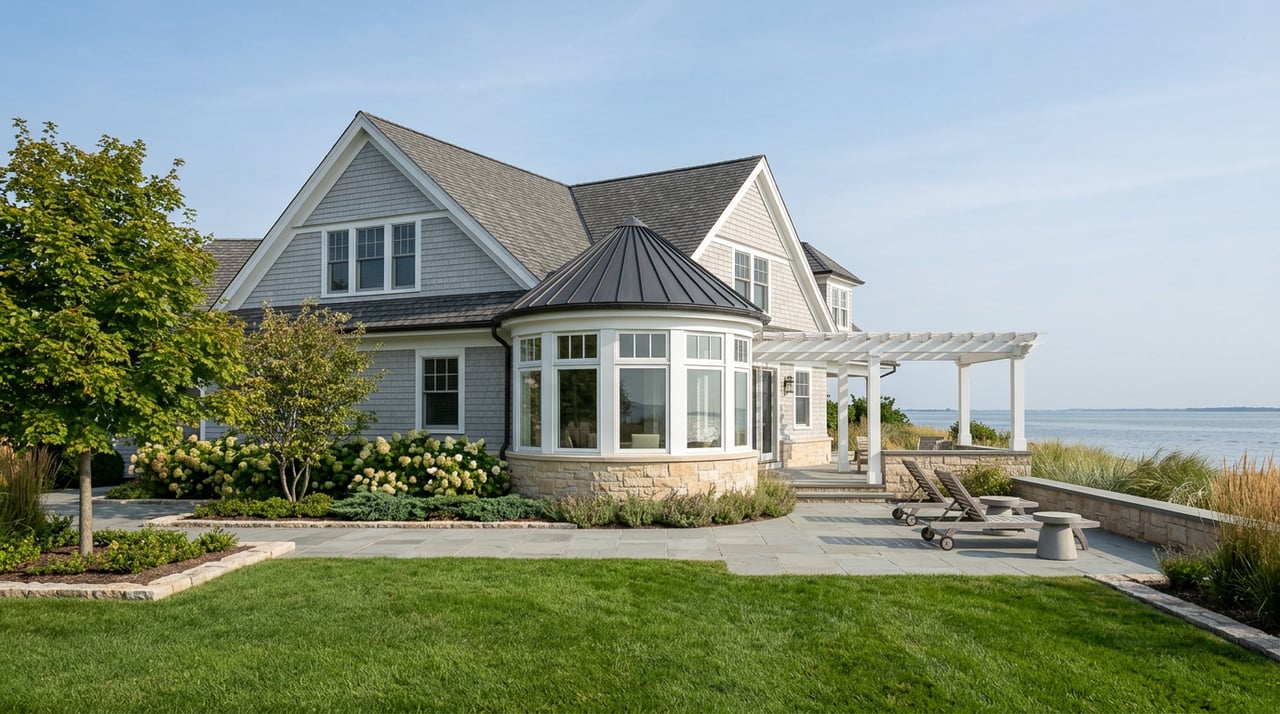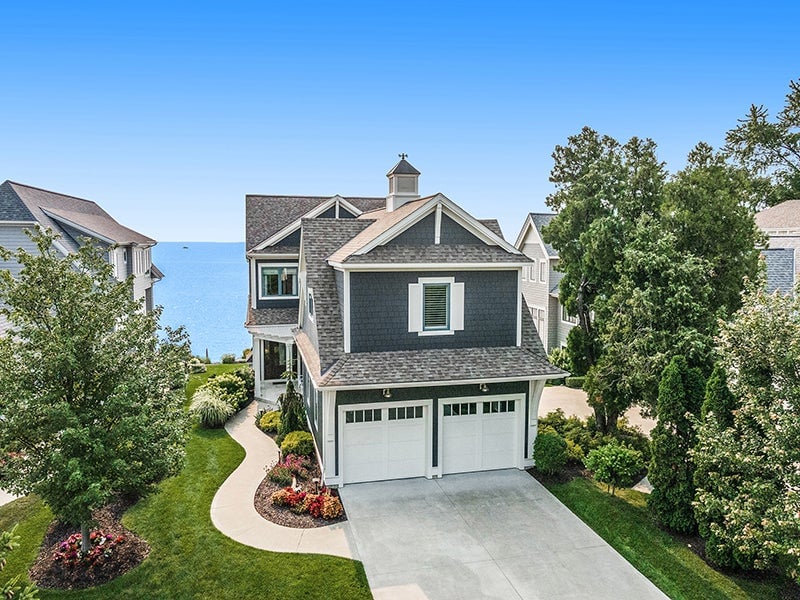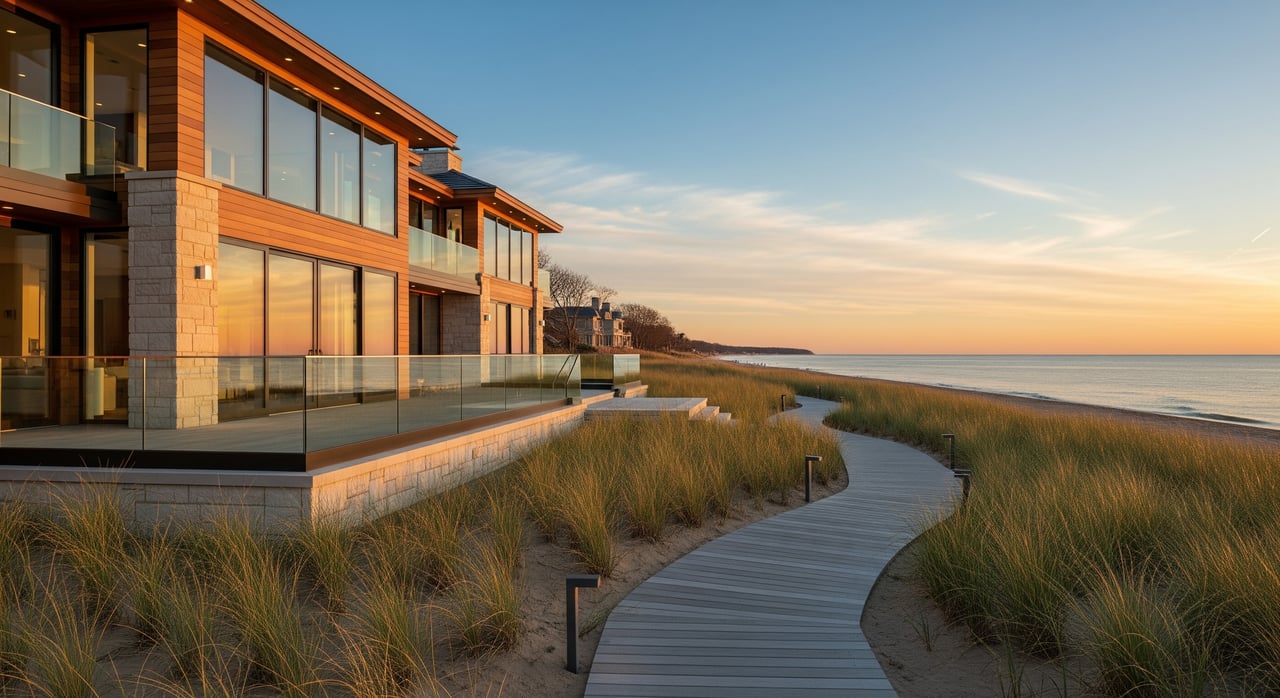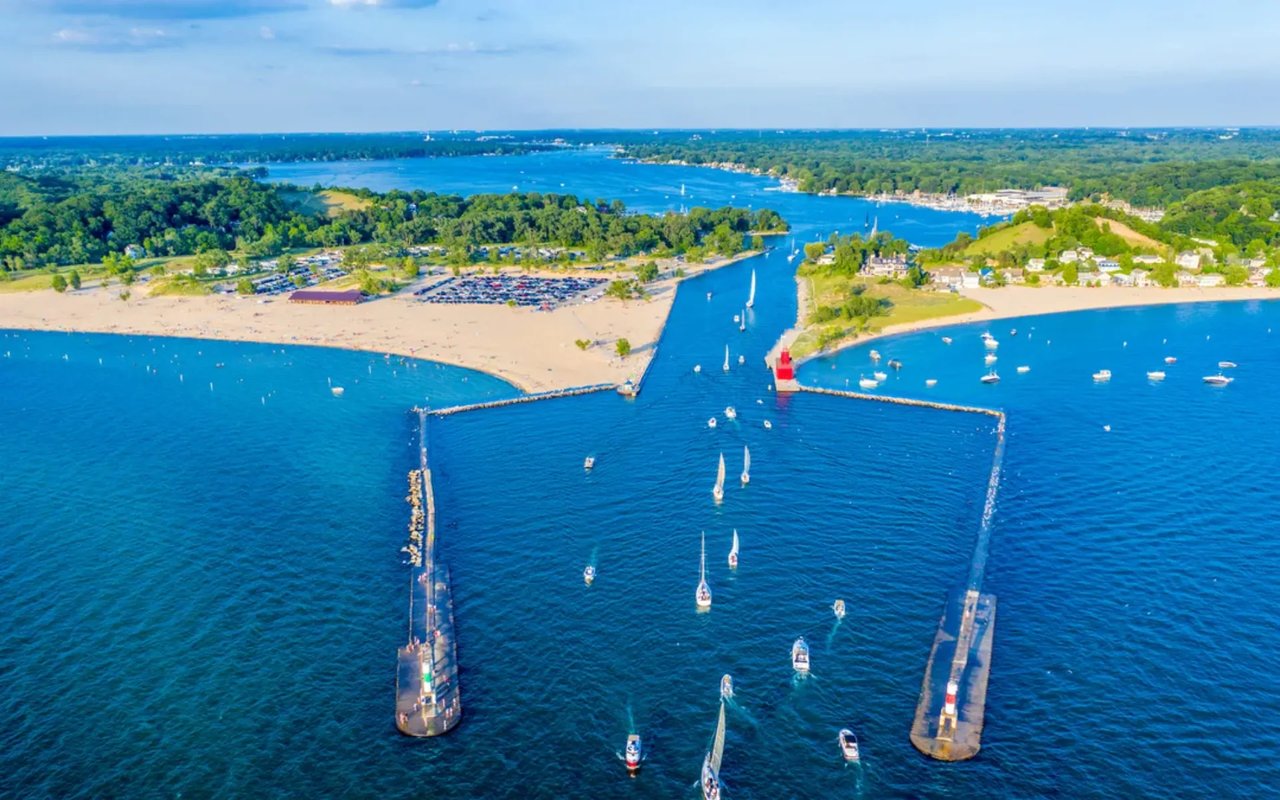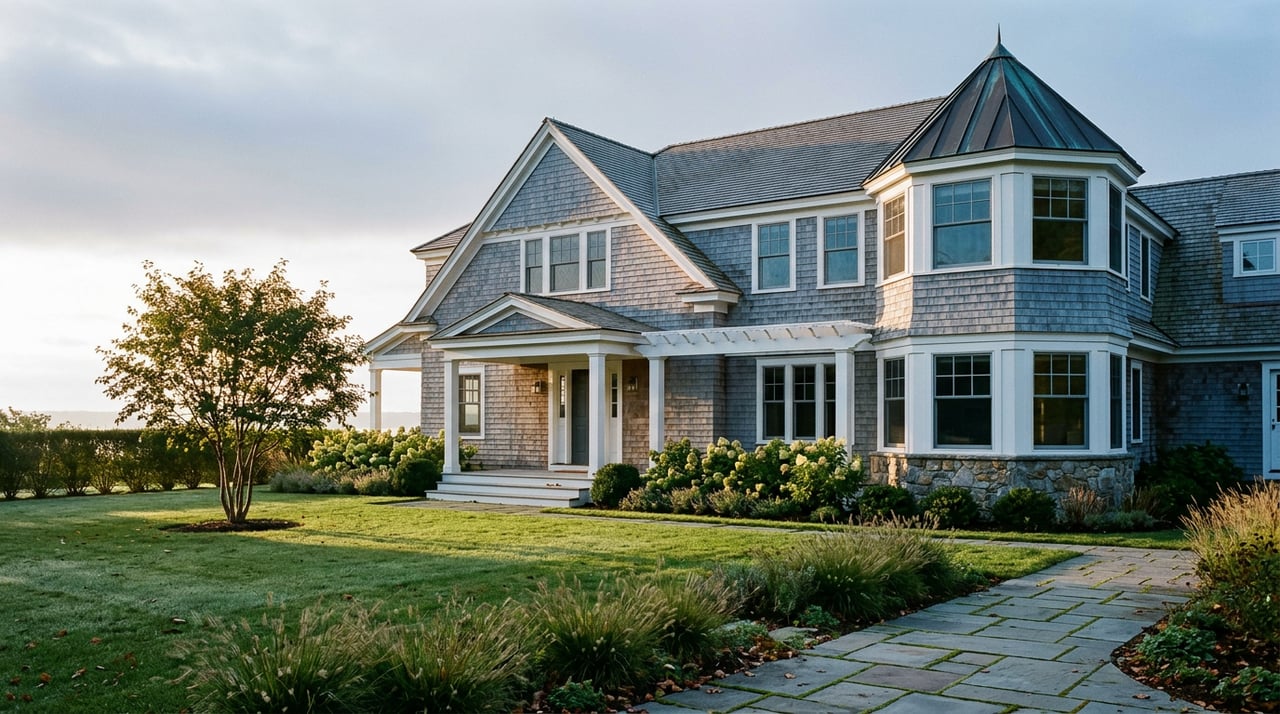
Two cottages sit three streets apart in Park Township, both a five-minute walk from Lake Michigan, both listed as turnkey vacation properties with rental history to prove it. One can legally take a guest for a weekend. The other cannot, and the owner may not find out until a code enforcement notice arrives after closing. The difference has nothing to do with the house. It comes down to a zoning definition written in 1974, ignored by the township itself for nearly fifty years, and now being enforced against anyone who can't prove their rental predates a cutoff that predates Airbnb by three decades.
If you're looking at a Park Township listing marketed as a rental-ready cottage, the current booking calendar tells you almost nothing about whether that income is legal, or how long it can continue.
A Fifty-Year-Old Definition, Enforced for the First Time in 2023
Park Township's zoning code has never listed short-term rentals as a permitted use in its residential districts. Short-term stays have only ever been allowed in the C-2 Resort Commercial District. For decades, that distinction sat unenforced. Vacation rentals operated openly across the township's lakeshore neighborhoods, and when owners asked township staff directly, they were told there was nothing to worry about.
That changed in 2023, when Park Township moved to enforce the ban in residential zones. Owners sued and won a preliminary injunction that December, which froze enforcement while the case worked through the courts. In March 2024, the township board passed Ordinance 2024-01, explicitly prohibiting rentals under 29 consecutive days outside the C-2 district. That ordinance itself isn't what owners are fighting. What they're contesting is the township's position that short-term rentals were never legal in residential zones in the first place, a reading that would strip away any claim to grandfathered status.
The paper trail runs the other way. In 2014, former Zoning Administrator Ed de Vries told a resident in writing:
"We do not license, regulate, or inspect rental housing."
He repeated that position in 2016. In 2020, another zoning administrator told a resident asking about a permit for a vacation rental that none was required. Property owners who renovated their cottages specifically to support rental income, some with township-issued permits that referenced the rental use directly, built those investments on years of consistent answers from township staff.
The Court Agreed With the Ban, Not With How It Was Applied
The dispute reached Ottawa County Circuit Court, where property owners appealed a Zoning Board of Appeals ruling that had found short-term rentals fit the definitions of "motel" and "tourist home," both of which were excluded from residential use when the 1974 ordinance was written. On November 4, 2025, Judge Jon Hulsing affirmed the ZBA in full.
What makes the ruling notable isn't just the outcome. Hulsing acknowledged in his written opinion that for nearly fifty years, the township took no enforcement action against any homeowner renting short-term, and that township employees, including former zoning administrators, had repeatedly told residents the ordinance allowed it. He ruled against the owners anyway, writing that staff misinterpretation through "ignorance, indifference or incompetence" didn't change what the ordinance actually said.
Following that decision, Park Township confirmed in March 2026 that it would begin fining property owners still operating short-term rentals in residential zones. Owners have not stopped fighting. A group representing roughly 80 remaining rental owners appealed to the Michigan Court of Appeals, and in January 2026 filed a separate federal lawsuit in U.S. District Court arguing the township's retroactive interpretation violates due process protections under both the U.S. and Michigan constitutions. Both cases remain open as of this writing.
The 1974 Cutoff Almost No Current Owner Can Meet
Here's the detail that matters most for anyone evaluating a Park Township property today. To qualify as a legal nonconforming use, an existing rental would have had to commence operation before February 7, 1974, and continue without interruption ever since. That's the township's own stated standard for grandfathering.
Practically, that bar excludes nearly every rental on the market. Airbnb didn't exist until 2008. VRBO launched in 1995. A cottage with fifteen years of rental history, or even thirty, doesn't come close to the pre-1974 threshold the township requires. The rental income showing up on a seller's disclosure or a listing description reflects current activity, not a protected legal right to continue it.
One Township Over, a Different Answer
Park Township's approach isn't the only model on the West Michigan lakeshore. Neighboring Laketown Township took a more measured path: it banned new standalone short-term rentals going forward but allowed existing operations to continue.
| Park Township | Laketown Township | |
|---|---|---|
| New short-term rentals in residential zones | Prohibited | Prohibited |
| Existing rentals as of the ordinance date | Ruled illegal since 1974, no grandfathering | Permitted to continue operating |
| Legal status as of mid-2026 | Actively enforced, multiple appeals pending | Not in active litigation |
Park Township Neighbors, the nonprofit representing the affected owners, has pointed to Laketown's compromise as proof that protecting neighborhood character doesn't require unwinding decades of settled expectations. Township officials have defended the stricter approach as necessary to address complaints about traffic and noise, though records obtained through Freedom of Information Act requests show only 14 complaints about short-term rentals were filed between 2019 and 2021.
What This Costs, In Dollars and Doubt
The scale of the dispute is worth sitting with. Short-term rentals make up fewer than 1.5 percent of Park Township's roughly 8,270 housing units, based on the property owners' analysis of 2023 census data. Park Township has spent more than $338,000 in legal fees through October 2025 defending its position against the remaining owners still fighting the ban, a figure that has continued to climb through 2026.
That's not a detail for the political debate alone. It signals how unsettled this is. A dispute this expensive and this contested, over a share of housing this small, doesn't usually end quietly. Anyone buying into that uncertainty should price in the possibility that the rules, or at least the enforcement of them, could shift again before their own ownership is finished.
What to Verify Before You Assume Rental Income
If you're evaluating a Park Township property with the assumption that it comes with rental income, treat the current booking history as a starting point for questions, not as proof of anything.
Confirm the parcel's zoning district directly with Park Township rather than relying on a listing description. Ask whether the specific property has received a code enforcement notice, since the township's code enforcement officer handles complaints and violations directly. If a seller claims grandfathered status, ask for documentation showing continuous rental operation predating February 7, 1974, not just recent tax returns or booking platform history. And if the property sits in the C-2 Resort Commercial District rather than a residential zone, the entire ban is moot, which is worth confirming rather than assuming either way.
If you're selling a Park Township cottage with rental history, disclosure matters here in a way it might not elsewhere on the lakeshore. A buyer who purchases expecting to continue short-term rentals and then receives an enforcement notice has grounds to feel misled, even if you believed in good faith that the use was legal. The safest path is transparency about the zoning dispute itself, not just the property's rental income.
Frequently Asked Questions
Does this ban apply to all of Holland, or just Park Township? It's specific to Park Township's zoning code. The city of Holland and Holland Charter Township have their own separate ordinances and enforcement histories, and neither is bound by Park Township's 1974 interpretation.
If I buy now, could the ban be reversed before I sell? Possibly. Both the state appeal and the federal lawsuit are unresolved. A ruling in the owners' favor could reopen the grandfathering question, though nothing currently guarantees that outcome or a timeline for it.
Are properties in the C-2 Resort Commercial District affected? No. Short-term rentals remain a permitted use in that district. The dispute is entirely about residential zones.
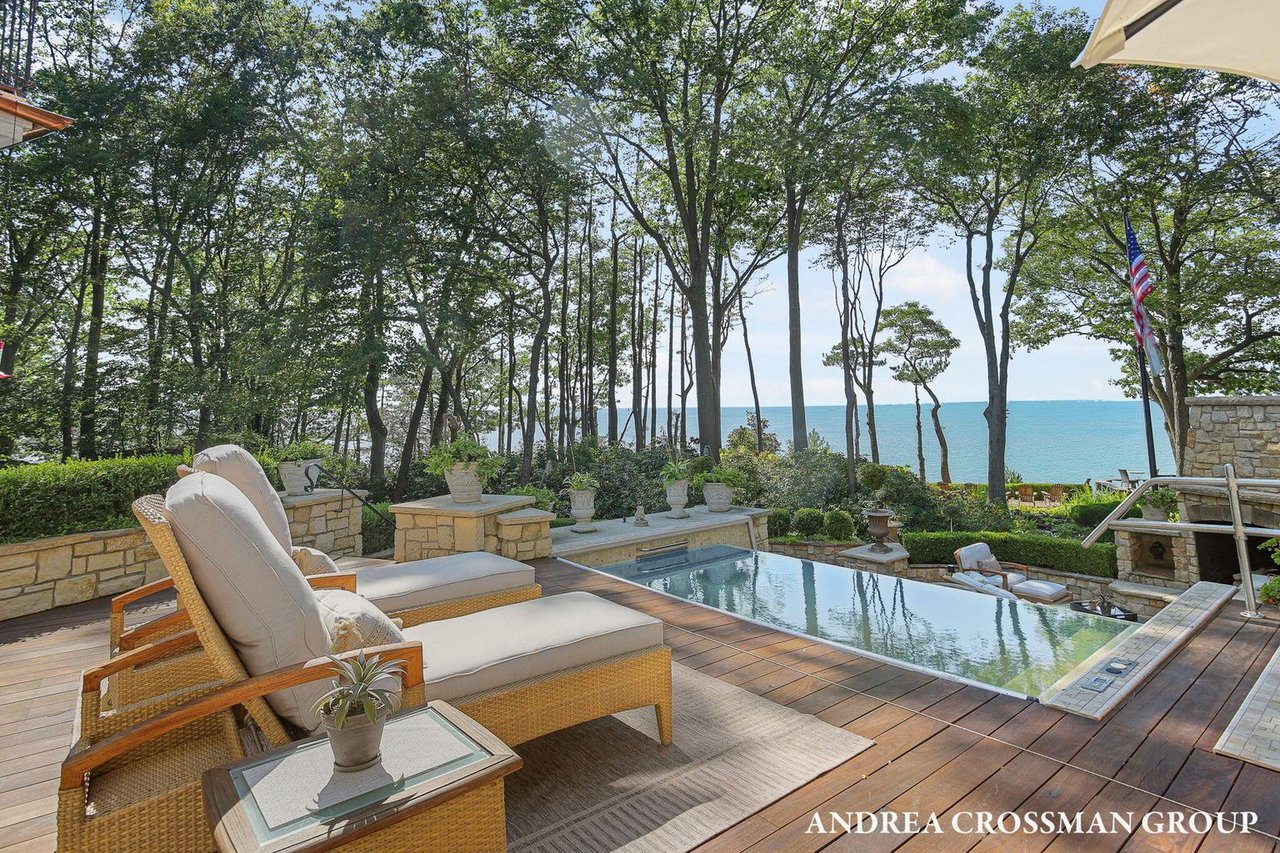
Waterfront and near-water properties carry details like this one that don't show up on a listing sheet, and Park Township's zoning history is a clear example of why local, current knowledge matters before you write an offer. If you're weighing a purchase near Holland State Park or anywhere else along the Park Township shoreline, the Andrea Crossman Group can walk you through what a specific parcel's zoning actually allows before you fall in love with the listing photos. Discover Lakeshore Living, with the facts in hand first.