Why does one address across from Lake Macatawa go through three restaurant concepts in a few years, while a spot a mile away has kept the lights on for two decades? It's not the food. It's not even the neighborhood. It's what's parked outside during dinner service.
South Shore Drive got its fourth tenant in May 2026, when Repp's Landing opened in the storefront that had cycled through Tell-Tales Trattoria, Paisley Pig, and Black Sheep Grill. Across town on Van Raalte Avenue, Boatwerks Waterfront Restaurant is still doing what it's done since roughly 2006, and this spring it landed a spot as a Top 20 finalist in USA Today's 10Best readers' poll for best waterfront restaurant in the country. Same lake. Very different track records. The difference sits at the water's edge, not on the menu.
A Storefront That Keeps Trying Again
Repp's Landing comes from Bob and Tessa Repp, who also co-own Hops at 84 East. Bob Repp is a Holland native who spent years working local kitchens before joining Hops in 2015, becoming a partner in 2020, and taking full ownership in 2025. He also won the James Beard Blended Burger competition in 2019, which tells you something about the burger you'll get here even if oysters and fried perch are the headline. The Repps bought the South Shore Drive property last year and spent months renovating it before opening the doors.
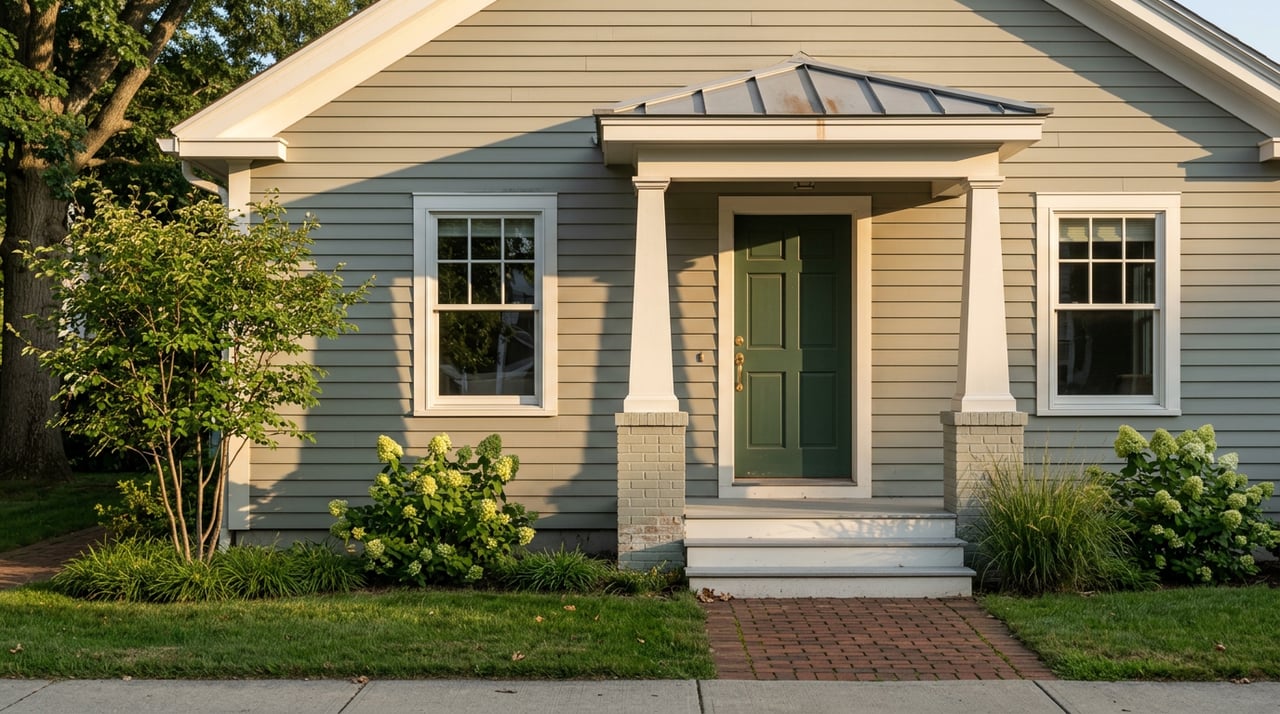
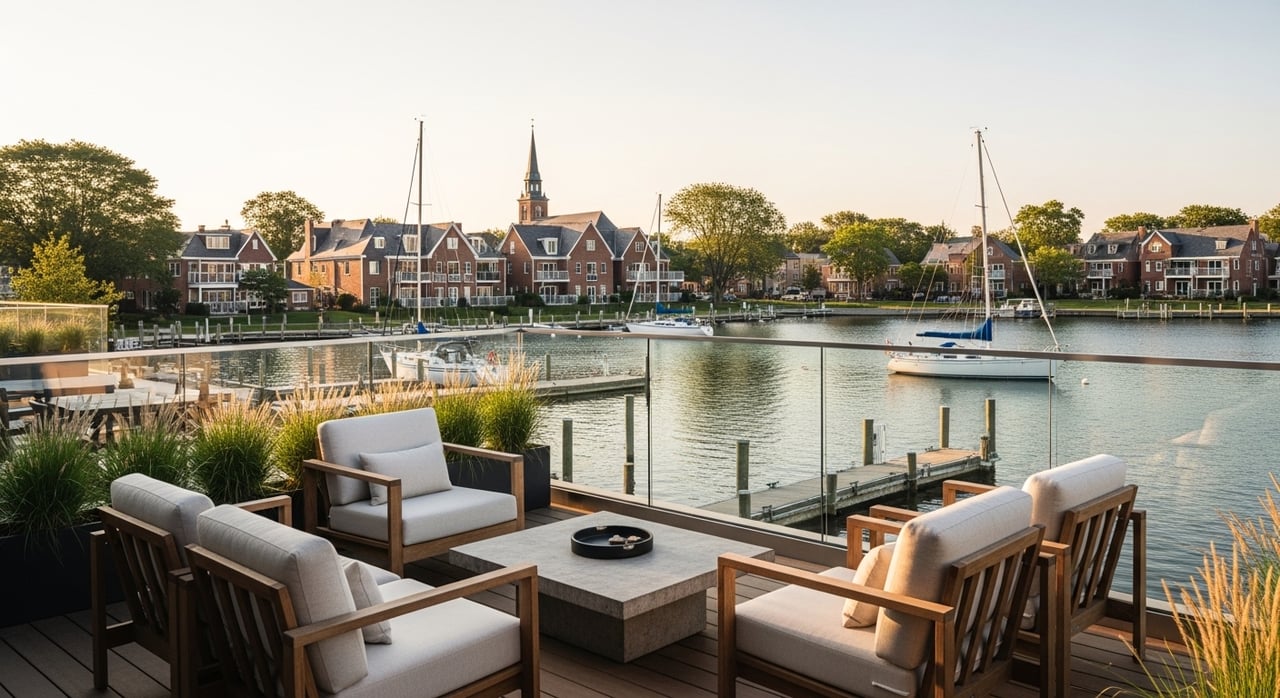
That's a serious pedigree behind the stove. It's the address itself that has the harder job. The space sits across South Shore Drive from the water, not on a dock or a marina apron. Boaters cruising past don't have anywhere to tie up and walk in. Everyone who eats there arrived by car, which means the restaurant is competing for the same drive-up crowd as every other place in Holland instead of pulling from the boat traffic that passes twenty feet from its front door all summer.
Boatwerks solved that problem by not having it in the first place.
What the Water Actually Rewards
| Boatwerks | South Shore Drive spot | |
|---|---|---|
| Address | 216 Van Raalte Ave, on the water | Across the street from the lake |
| Tenure | Roughly 20 years, same name since ~2006 | Fourth concept in recent years |
| Dock access | Room for 15+ boats to tie up | None on-site |
| 2026 recognition | USA Today Top 20 waterfront finalist | New opening, May 2026 |
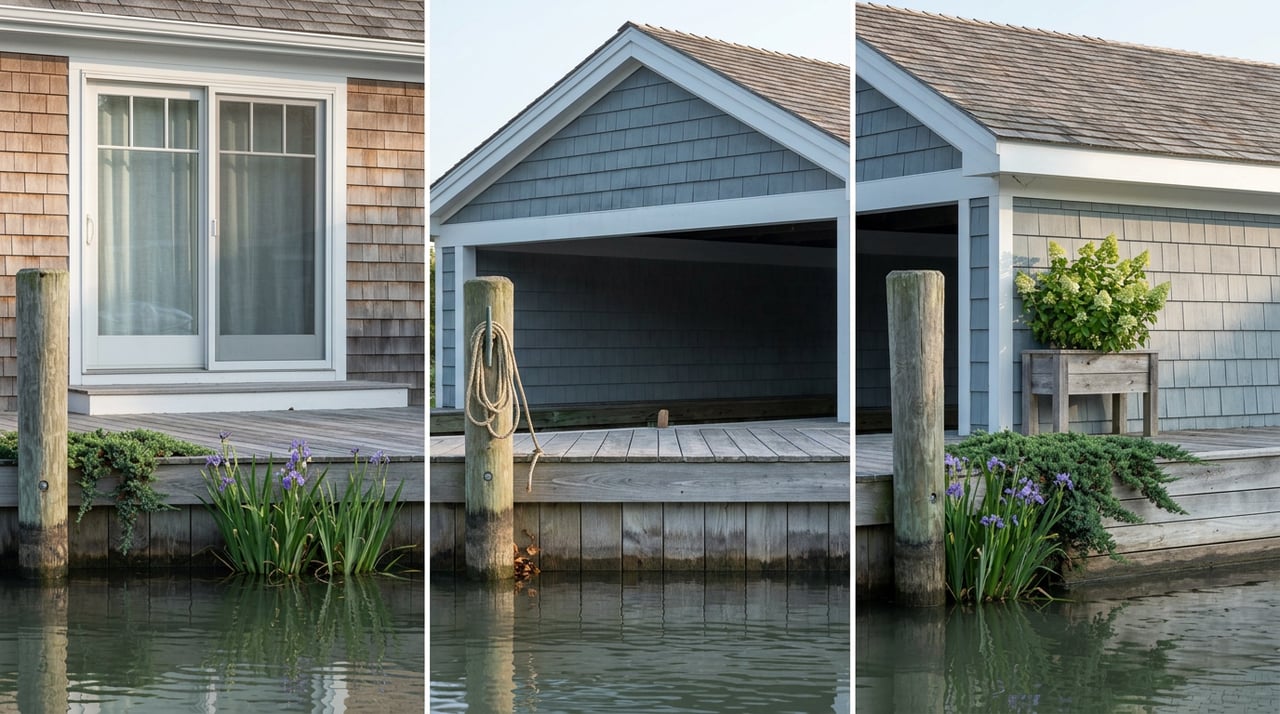
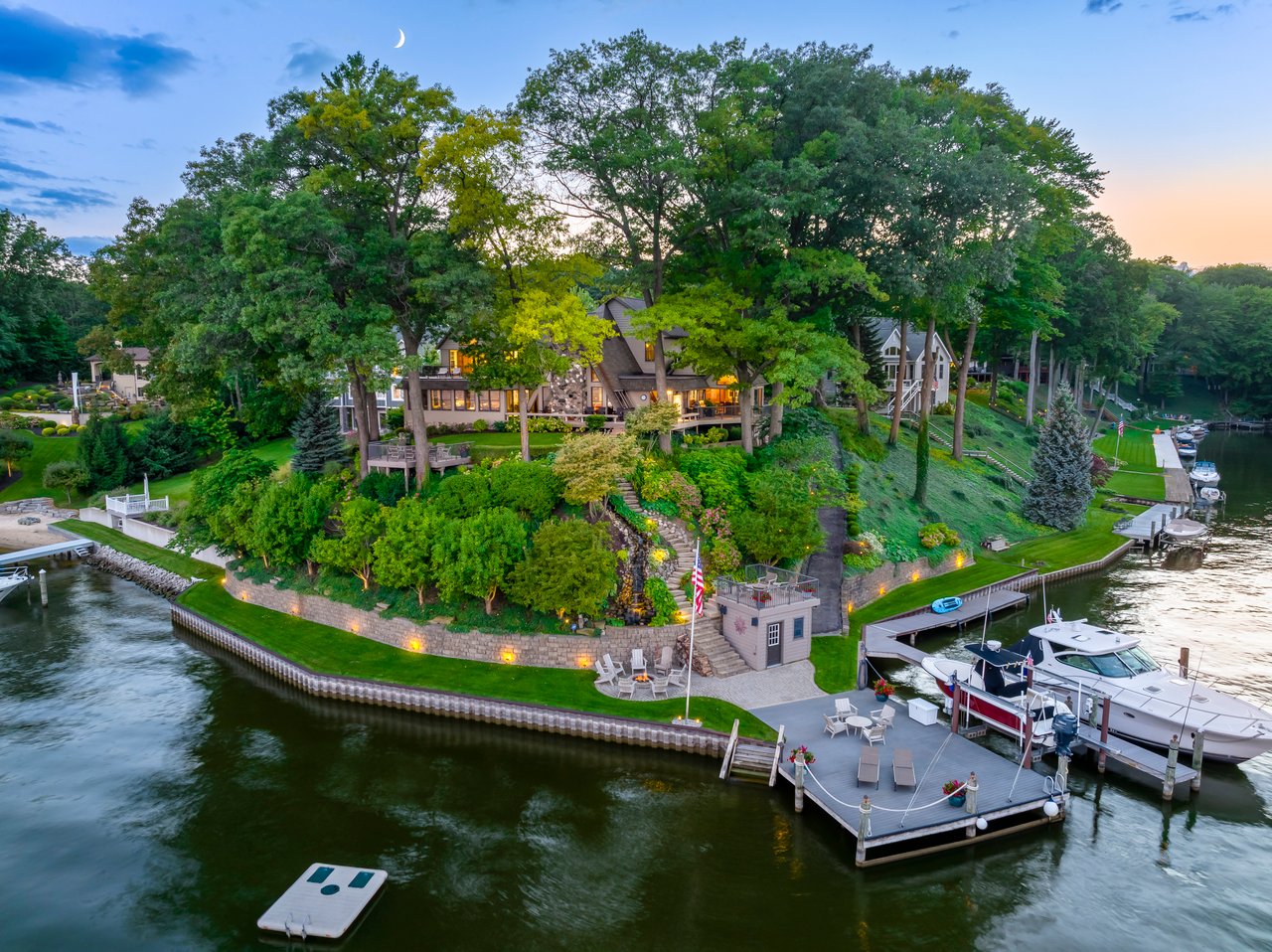
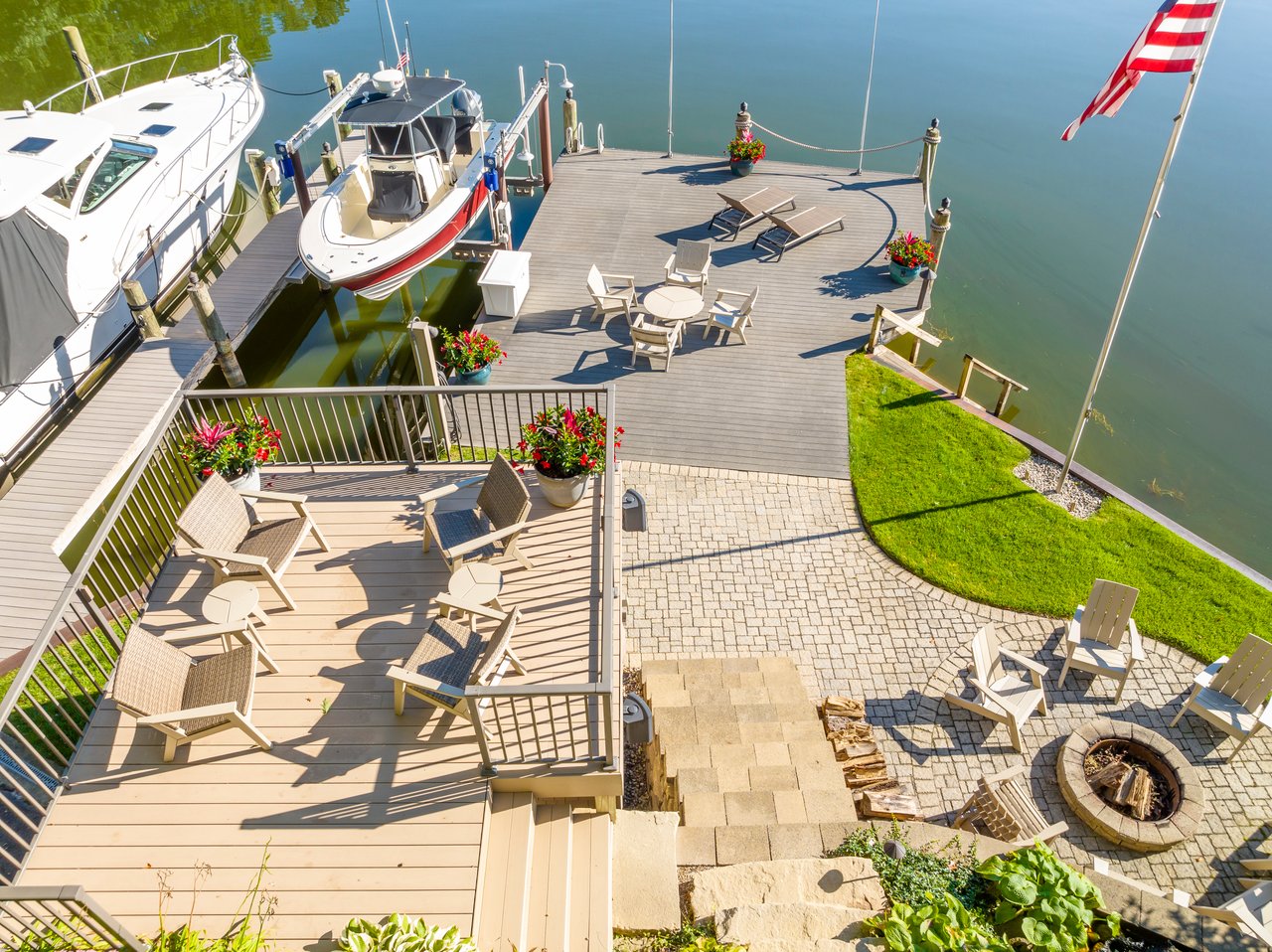
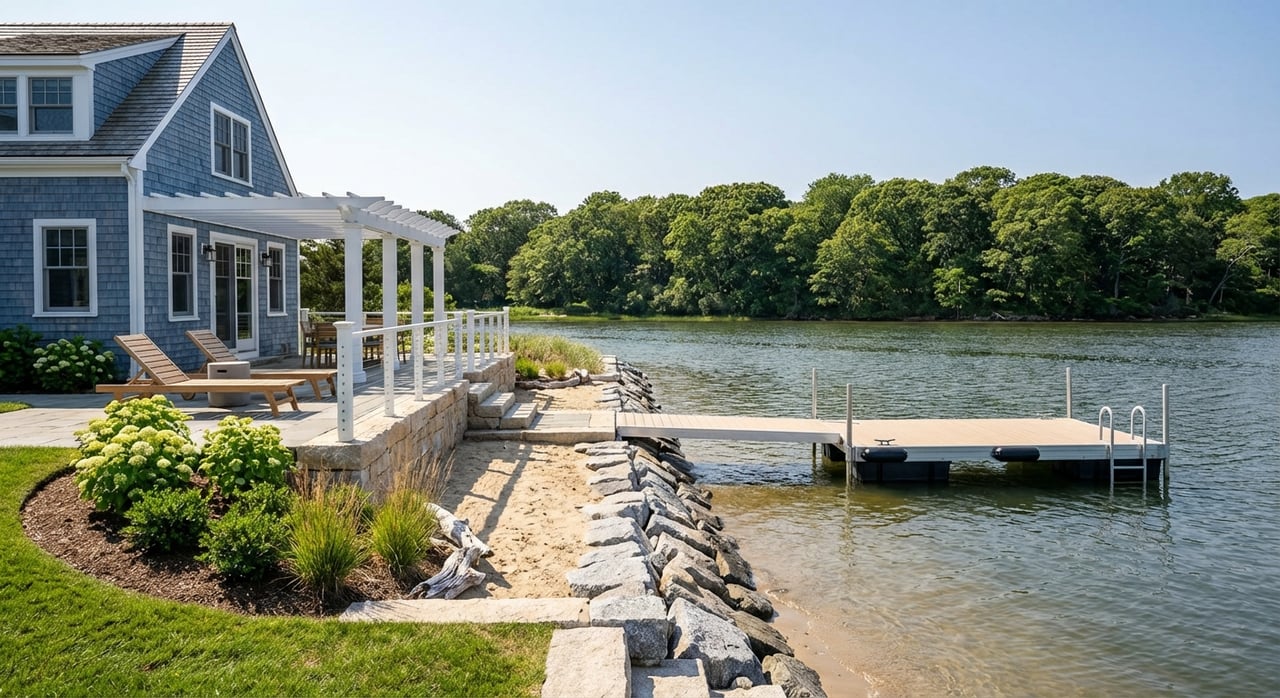
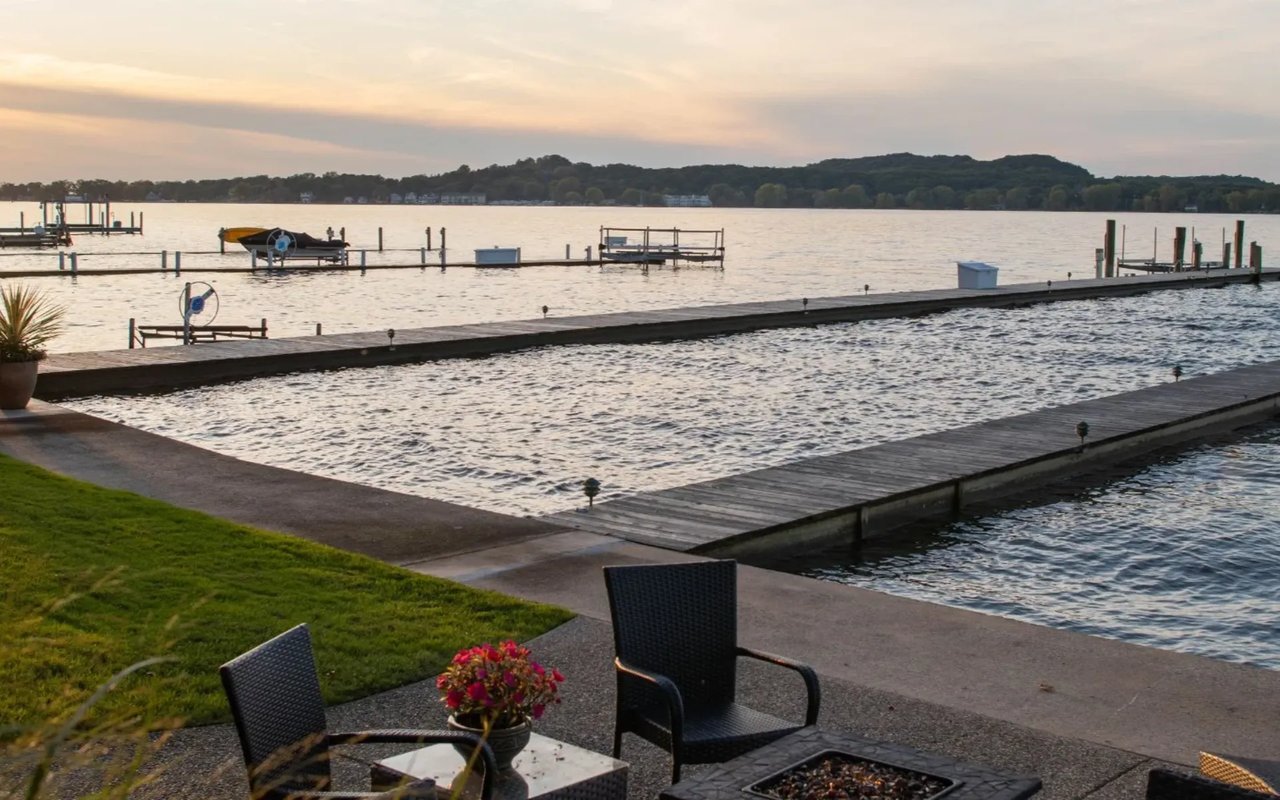
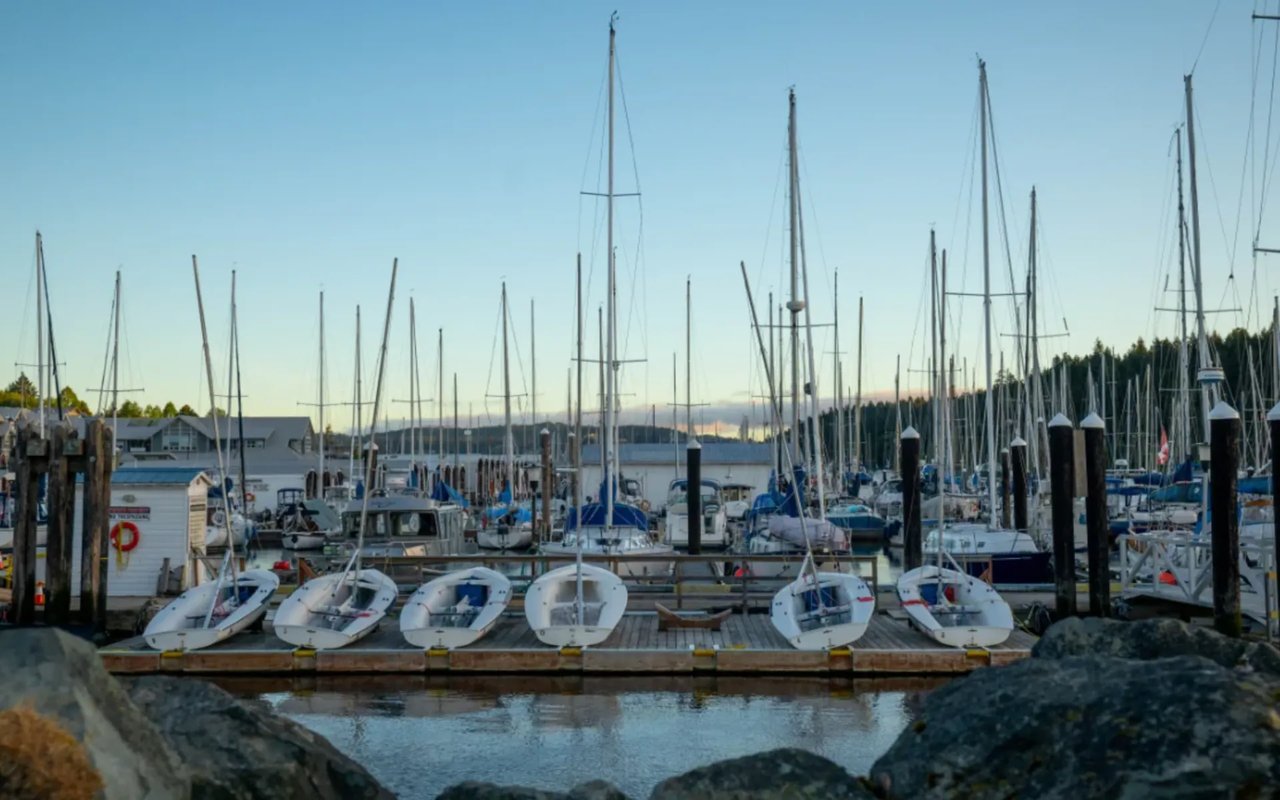
Boatwerks advertises room for more than 15 boats to tie up while guests eat. On a lake where a meaningful share of summer traffic is boats staging for a run out to Lake Michigan through the Holland Harbor channel, that's not a bonus feature. It's the business model. A table with a view is common on Lake Macatawa. A table you can motor up to is not, and it's the difference between a restaurant that catches passing traffic and one that has to manufacture a reason for people to get in their cars.
The Lake That Explains the Difference
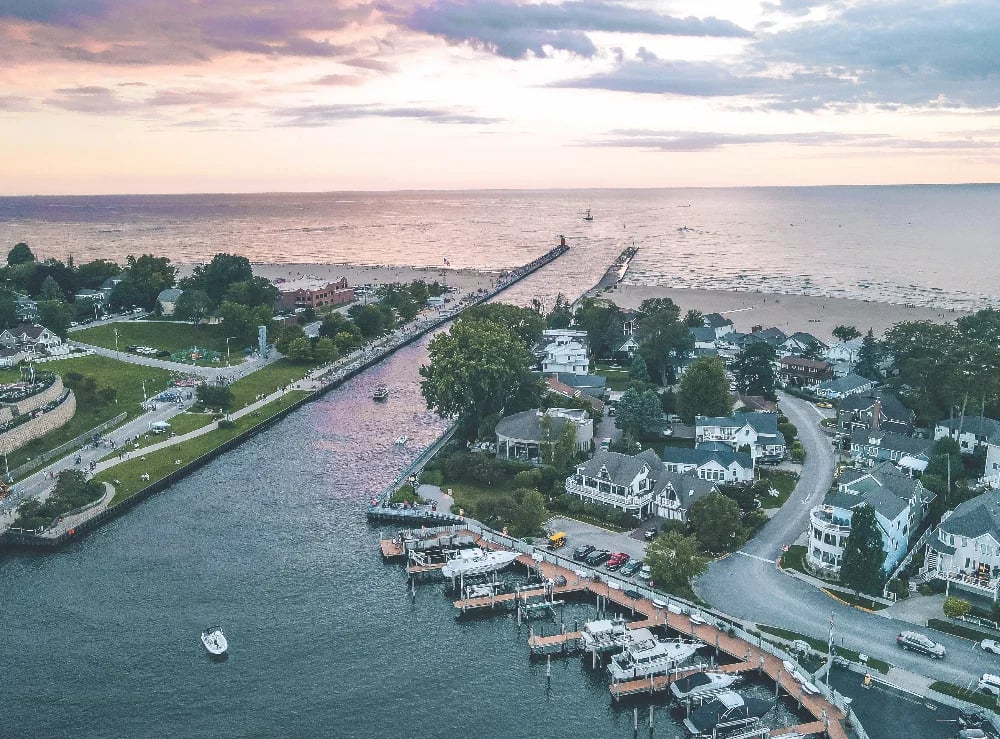
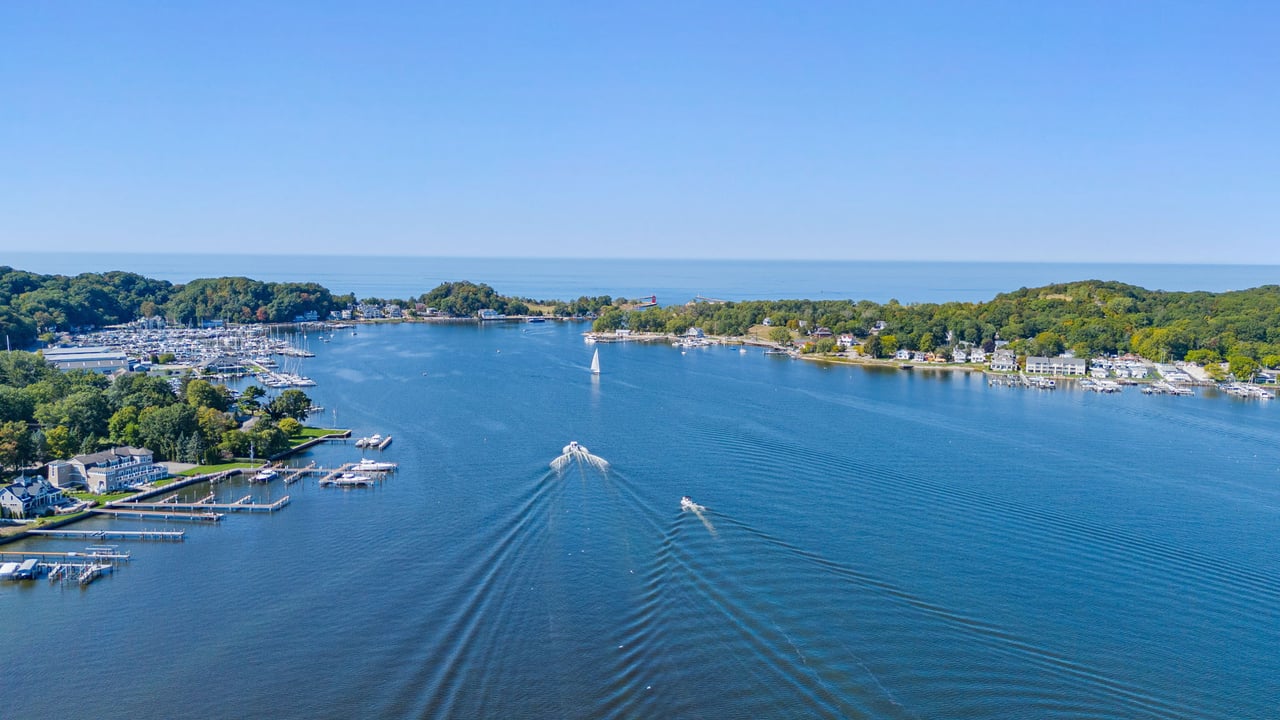
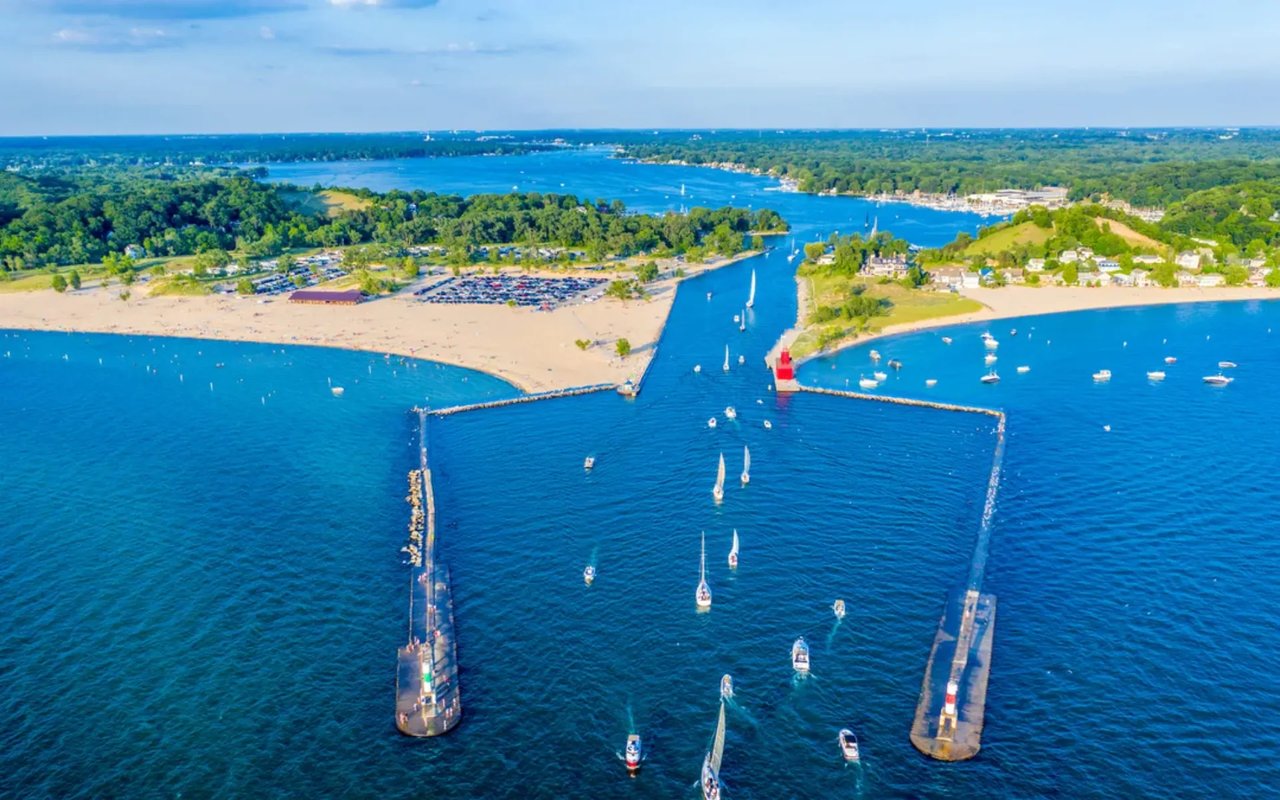
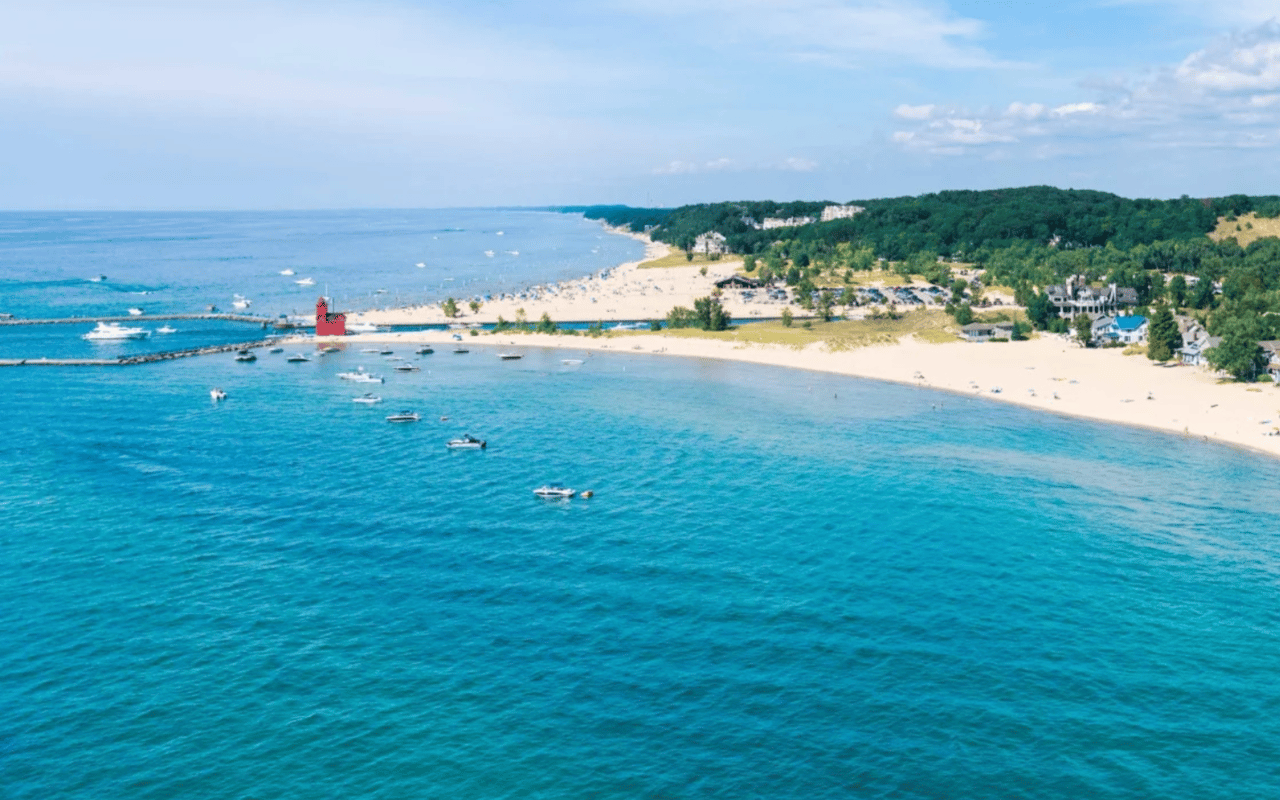
Lake Macatawa is roughly 1,780 to 1,800 acres, depending on which survey you read, and it connects directly to Lake Michigan through a maintained navigation channel at Holland Harbor. It's shallow almost everywhere except the western basin near that channel, where depth runs closer to 35 to 40 feet against an average elsewhere of around 10 to 12 feet. That combination, shallow lake plus open-water access, makes Macatawa what boaters call a staging lake. People don't just putter around it. They use it to get somewhere.
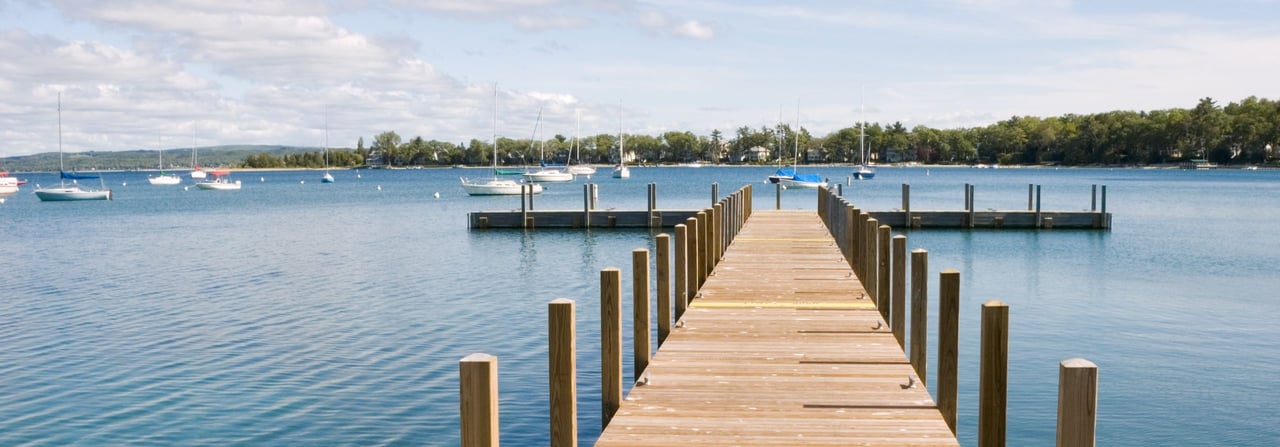
That's why dock space matters more here than it would on a landlocked lake where every boat owner already lives on the water they're boating on. Macatawa's boat traffic includes people passing through on their way to the big lake, and a restaurant that can intercept that traffic has an advantage a car-only address can't replicate no matter how good the chef is.
The Rule That Got Stricter This Summer
Holland expanded its no-wake zone ordinance on Lake Macatawa this season, and the language is specific: boats must operate at no-wake speed
"within 300' of the shore, docks, pier heads, and in The Narrows"
effective immediately, according to the city's civic alert. The city tied the change directly to water levels, noting that rising water makes the no-wake rule matter more, not less, since a wake that used to dissipate before reaching a seawall now arrives with less buffer to absorb it.
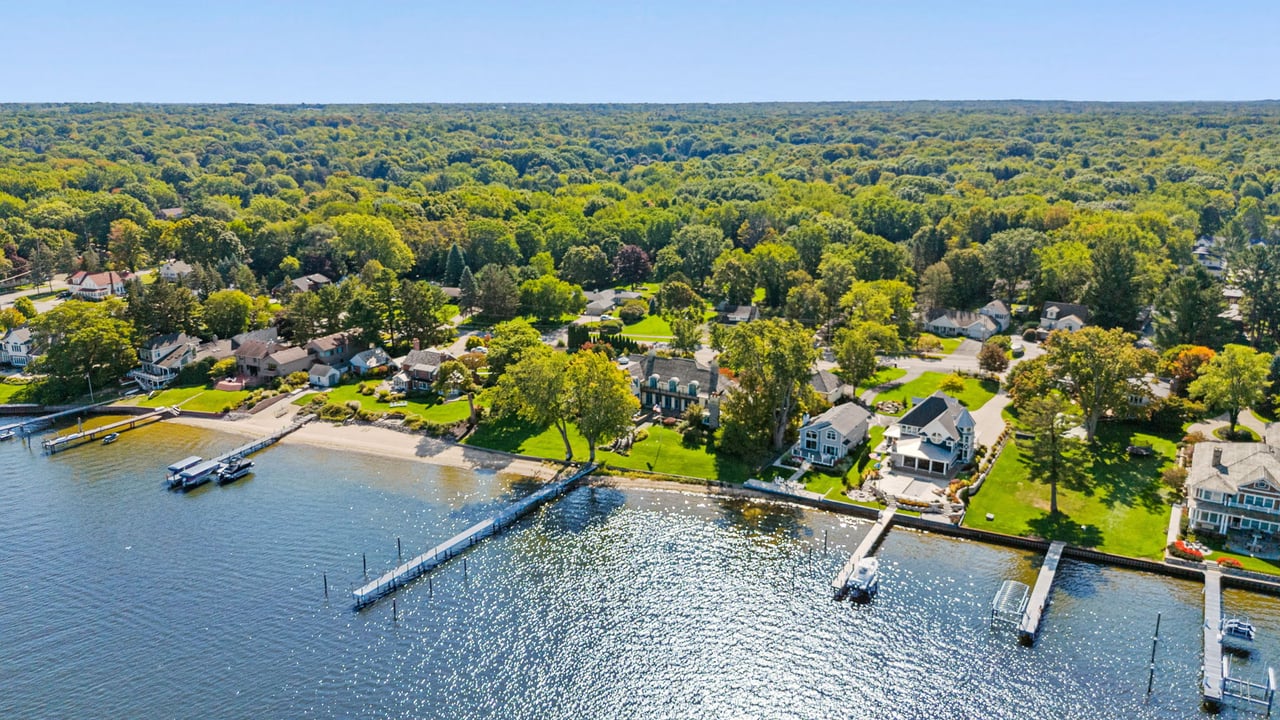
If you dock on Macatawa, this is the kind of rule change that actually touches your property. Three hundred feet is a real distance on a lake this size, wide enough to cover most of the near-shore water where boats used to be tempted to open up once they cleared the immediate shallows. The Narrows getting blanket no-wake treatment is notable too, since that's the pinch point where boat traffic naturally bunches up heading toward the channel.
Where the Real Social Calendar Lives
If the restaurant scene on Macatawa is a mixed bag, the yacht clubs are where the lake's actual social rhythm plays out, and neither one requires a car.
- Macatawa Bay Yacht Club runs an offshore fleet that's among the most awarded on Lake Michigan, with members joining crews for Wednesday night races, weekend series, and long-distance races like the Queen's Cup and the Chicago-Mac.
- The JY15 class at MBYC includes a ladies-only racing program, a detail that shows up nowhere in the club's general marketing copy but matters to anyone looking for that specific fleet.
- MBYC's Cruising Fleet skips the racing entirely and runs sunset cruises for members who just want to be on the water at the end of the day.
- Bayshore Yacht Club, based at Yacht Basin Marina on the western edge of Big Bay, has its 2026 Big Red Racing Series underway now, with registration, crew listings, and volunteer information posted on the club's racing page.
None of this shows up on a restaurant review site, but it's a bigger part of daily life on the lake all summer than any single dinner reservation.
The One Spot That Doesn't Need a Boat
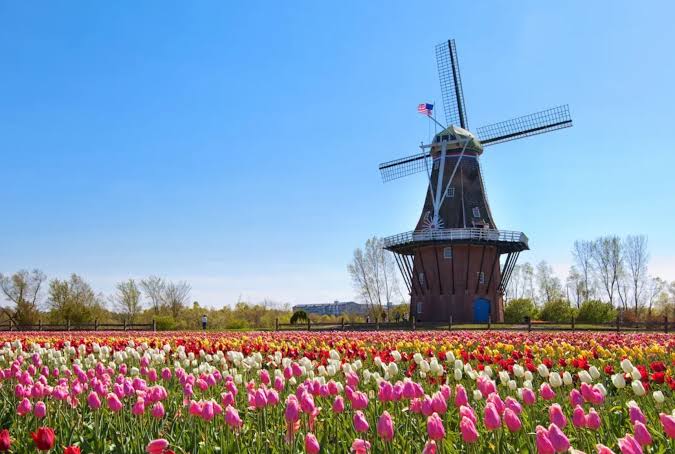
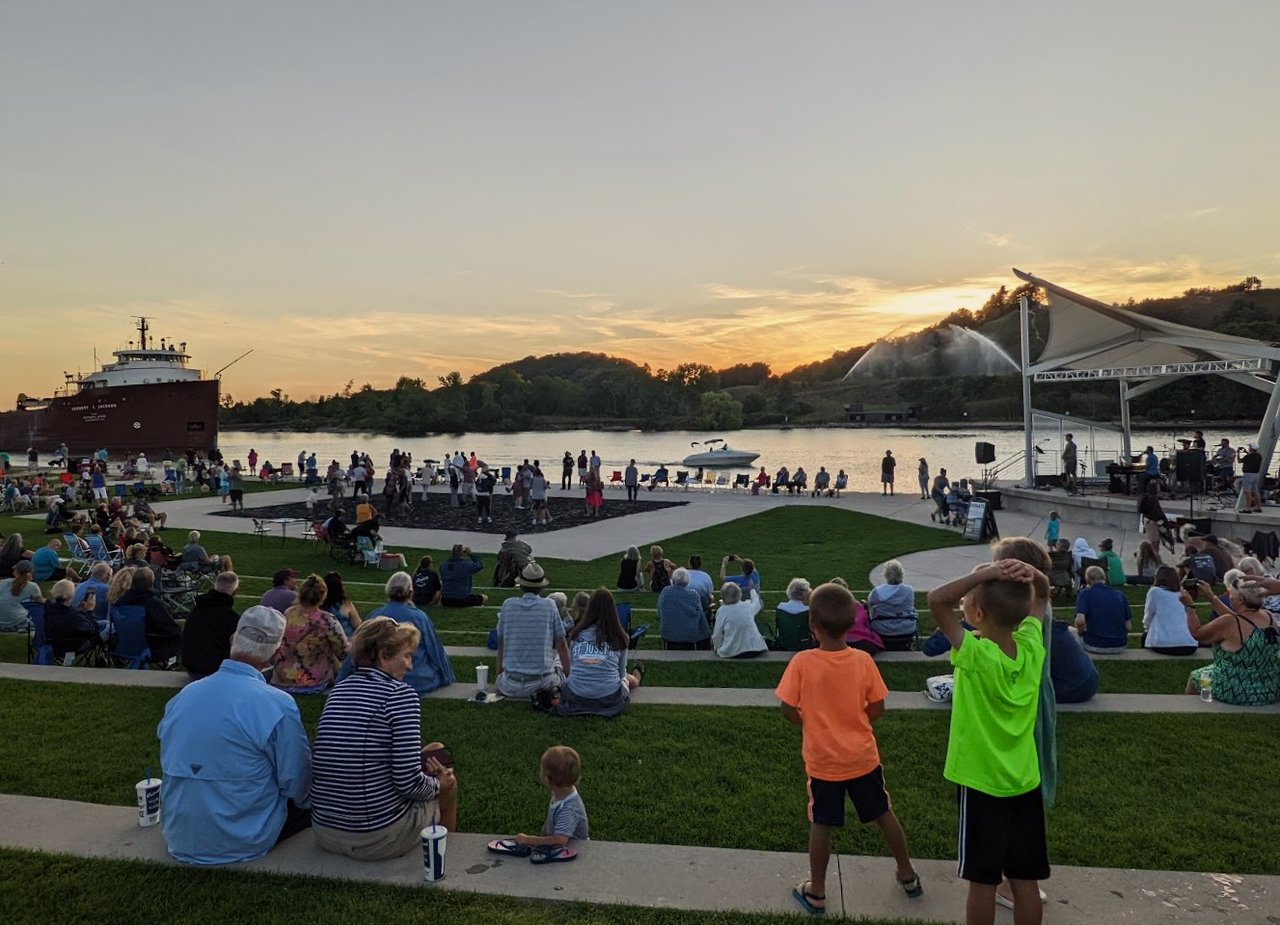
Not every waterfront gathering place on Macatawa runs on tie-up space. Window on the Waterfront, which most residents just call WOW, is a 30-acre park two blocks north of downtown Holland with a promenade and an amphitheater that hosts concerts, farmers markets, and seasonal festivals through the year. Its tulip beds get the spring crowds, but the amphitheater programming carries the park through summer and fall as a walk-up alternative to the marina scene, no slip required.
It's worth keeping on the list precisely because it's the one place on the lake where foot traffic, not boat traffic, is the whole point.
Reading the Lake Like Someone Who Lives On It
None of this is really about which restaurant has the better crab cakes. It's about what a piece of Lake Macatawa shoreline is actually built to do. Boatwerks endures because it turned dock space into a business advantage on a lake full of boats passing through. The South Shore Drive address keeps changing hands because a great chef still can't fix a location that puts the water on the wrong side of the street. The no-wake expansion tells you the city is responding to real pressure on docks and seawalls, not just adding paperwork. And the yacht clubs, not the dinner menus, are where most of the lake's regulars actually spend their evenings.
If you're already living on Macatawa, none of this changes your summer plans much. But it's the kind of texture that explains why some addresses on this lake work and others keep starting over, and that's useful to know whether you're picking a place to eat tonight or just trying to understand the water outside your own dock a little better.
If you're thinking about what a piece of this shoreline is actually worth, or which stretch of it fits how you use the water, the Andrea Crossman Group knows this lake dock by dock. Discover Lakeshore Living.