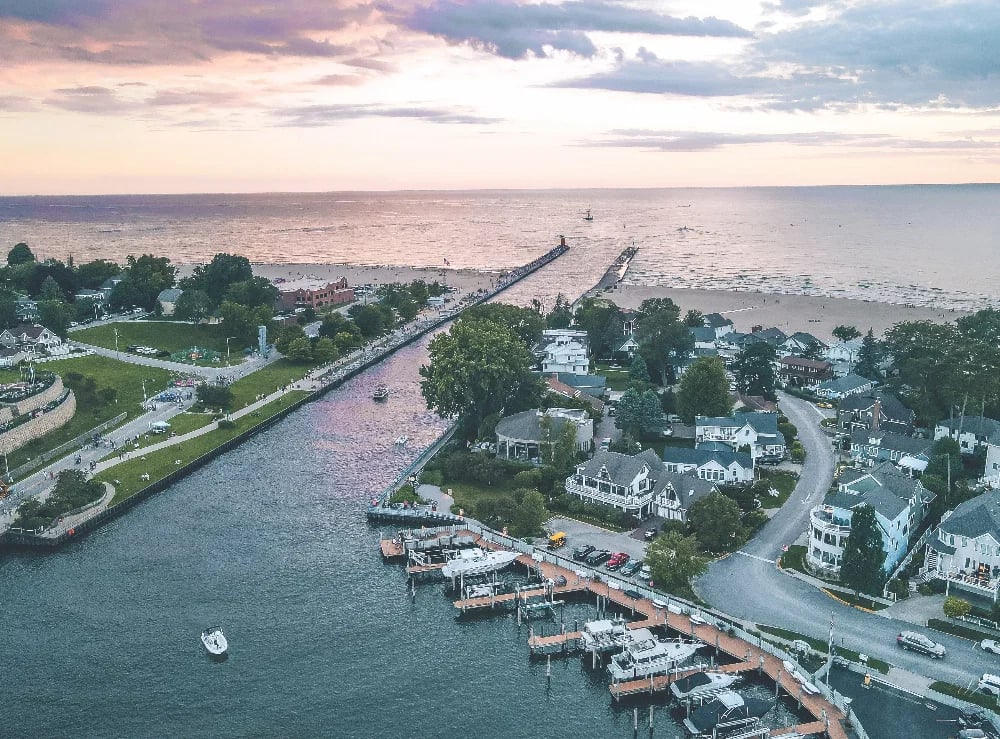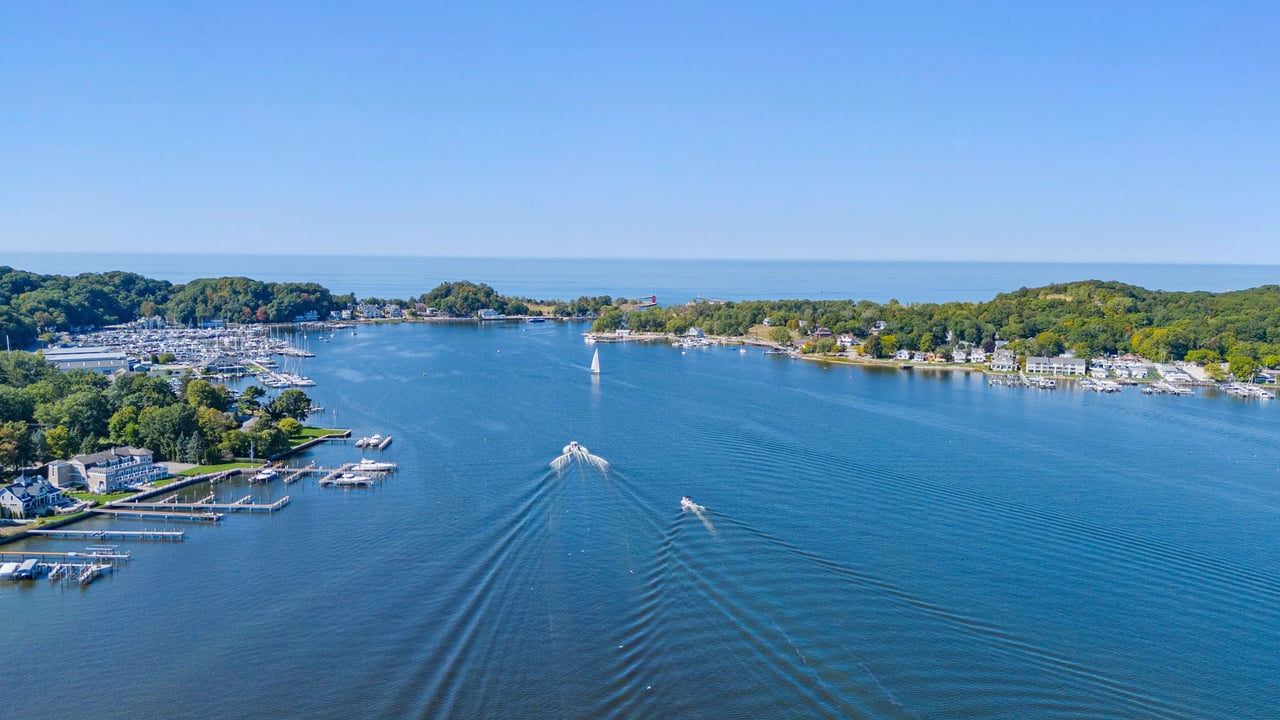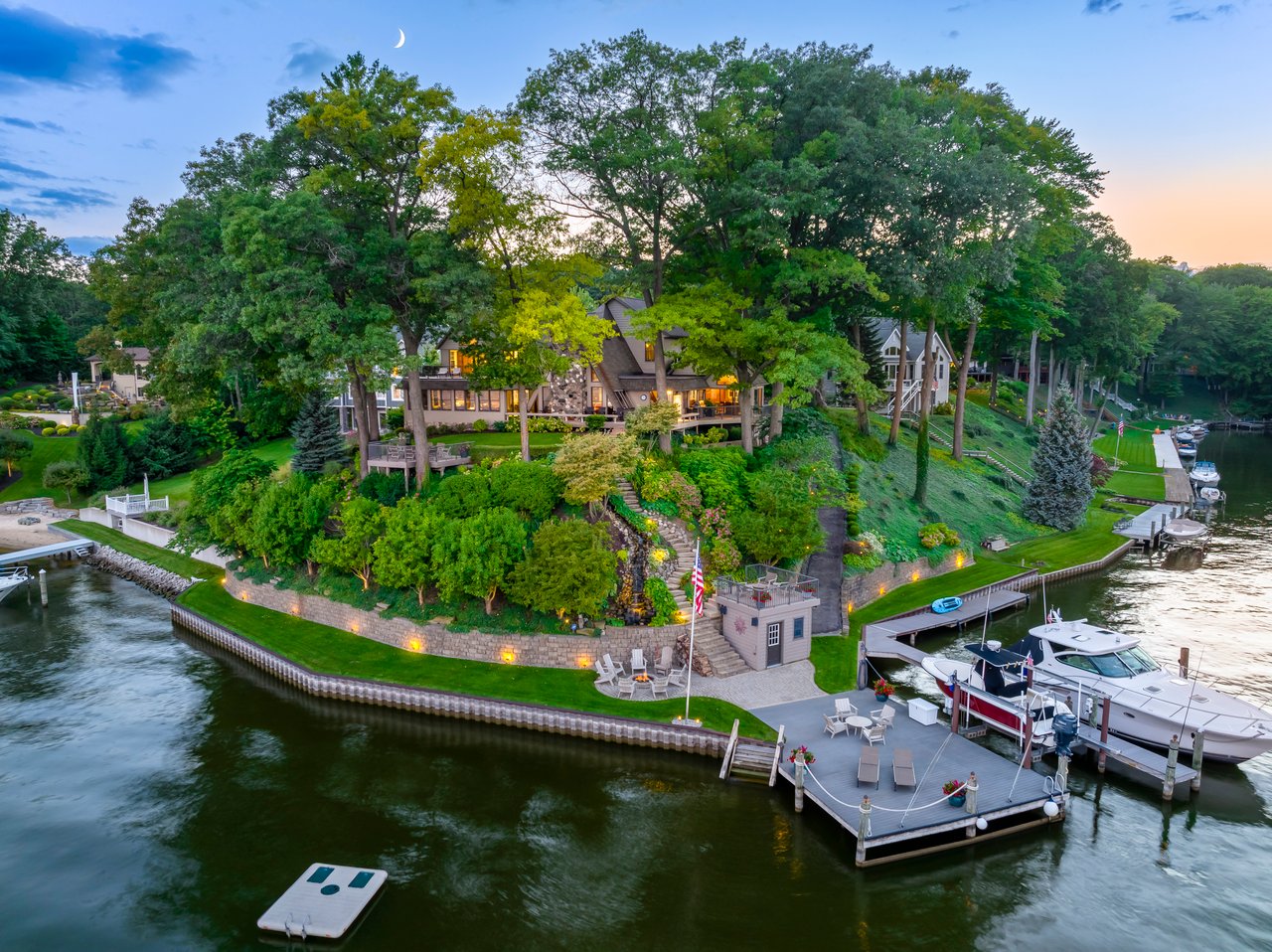
"The water quality issues we face in Lake Macatawa are a direct result of generations of development in the region that cleared forests, drained wetlands, and straightened waterways," ODC Network CEO Travis Williams said in September, as reported by Ottawa News Network.
That announcement set out the next phase of Project Clarity. It runs through 2030 and includes, in Williams's words, "a targeted solution for legacy phosphorus in the lake." The full plan is in the City of Zeeland's August council packet, and it carries a line item buyers comparing Lake Macatawa frontage should understand. ODC has budgeted a study to recommend a permanent way to pay for the lake's upkeep. The one example the plan gives involves the roughly 800 property owners around the lake.
Clear water is part of what a Lake Macatawa buyer pays for. Over the next few years, who pays to keep it clear is being worked out in public.
What a decade of voluntary work has achieved
Project Clarity started in 2013. It brought together farmers, researchers, local municipalities and residents to cut the runoff that feeds algal blooms in the lake. Ottawa News Network reports that the effort keeps more than 46,000 tons of sediment and 40,000 pounds of phosphorus out of the lake each year. It also cut phosphorus levels by 60 percent over its first 10 years.
According to the same report, the lake still often falls short of state water quality standards for aquatic life. Part of the reason sits on the lake bottom. Phases I and II reduced the new phosphorus coming in from the watershed, but decades of phosphorus have already settled into the sediment. The next phase is aimed at that legacy load.
The work covers a large area. The Zeeland Record describes the Macatawa Watershed as 175 square miles across nine municipalities, with nearly 700 miles of rivers, streams and ditches. Communities in the watershed have been under a Michigan Department of Environment, Great Lakes and Energy directive to reduce phosphorus since the late 1990s.
Phase III's budget, and the line item that shapes the rest
ODC's Phase III plan totals $7,650,000 over five years and lists public funding, grants and private support as its sources. Two of its goals matter most to anyone who owns or plans to own frontage:
| Phase III goal | Budget | Start | Target completion |
|---|---|---|---|
| Sustainable funding: evaluate and recommend a permanent funding mechanism | $250,000 | July 1, 2026 | December 31, 2027 |
| In-lake treatment: study, permit, fund and apply a phosphorus treatment | $3,250,000 | April 1, 2026 | December 31, 2027 |
| Full Phase III plan | $7,650,000 | 2026 | 2030 |
The $3.25 million covers more than a contractor's bid. It pays for a sediment study by Grand Valley State University's Annis Water Resources Institute, state and local permits, securing the money, and the treatment itself. The plan names "alum or a similar flocculant" as possible approaches. The final method, location and cost will come from the AWRI study.
The funding goal decides whether any of this lasts. In-lake treatment is planned as an initial application, and the plan describes ongoing "treatment, maintenance, and monitoring" as the reason a steady funding source is needed. A permanent mechanism turns a one-time cleanup into a recurring cost, and the recommendation due by the end of 2027 is the first formal step toward settling who carries it.
Four mechanisms on the table
The funding study is set up to evaluate four options and produce a report recommending a path forward, which community leaders and stakeholders then use to choose a preferred approach:
- A lake association
- A lake improvement board
- A water resource improvement tax increment financing authority
- A watershed council
The plan also lists considerations for whichever option wins. The mechanism will likely need to be run by a unit of government, it may require local or state approvals, and putting it in place may take several years.
The plan gives one worked example of what steady funding could look like. "As an example, if each of the approximately 800 property owners around Lake Macatawa contributed $500 annually, it would generate approximately $400,000 per year to support ongoing lake improvement efforts." That sentence is an illustration. It sets no rate, names no collection method and creates no charge. Still, it shows which group the plan's authors had in mind when they described a consistent source of money.
What the lake board option involves
Of the four options, a lake improvement board has the clearest set of rules, because Michigan law spells it out. Part 309 of the Natural Resources and Environmental Protection Act, titled "Inland Lake Improvements," governs these boards, and the full text is on the Michigan Legislature's website. Under Part 309, a lake board directed by local government resolution "shall establish a special assessment district" covering the parcels and local units that benefit from the work.
For a buyer, that is how a lake project could become a line on the cost of owning a specific parcel. Phase III has not chosen this path or any other. As of the plan's publication, it evaluates the lake board as one of four options, with no assessment district, rate or roll attached. This post is general information, not legal, tax or financial advice, so if a future funding decision could affect a property you own or are considering, check how it applies with an attorney or tax professional.
Who is paying in the meantime
While the long-term question is studied, ODC has asked the watershed's local governments for annual budget support. These requests are voluntary appropriations, approved meeting by meeting:
- City of Holland: ODC's July 6, 2026 letter asked for $50,000 a year for five years. The September 2, 2026 City Council packet recommended an agreement at $50,000 a year for two years, ending June 30, 2028.
- Holland Township: The Zeeland Record reported in August that the township had agreed to $50,000 a year for five years.
- Park Township: The same Zeeland Record report said board members were expected to vote on a similar contribution.
- City of Zeeland and Zeeland Township: ODC asked each for $20,000 a year over five years. The City of Zeeland's September 21 packet says council directed staff to bring forward $20,000 a year without a five-year commitment. Staff recommended a $10,000 budget amendment for fiscal year 2027, with later years left to annual budgets.
These commitments are short, they vary by municipality, and each one is renewed through a budget vote. That fragility is why the plan funds its own replacement. Contributions that end in 2028 or come up for renewal every year cannot reliably pay for treatment and monitoring through 2030 and after.
The dates that matter if you are weighing Lake Macatawa frontage
For a buyer comparing Lake Macatawa with Spring Lake, Lake Michigan frontage or other West Michigan water, the lake's carrying cost could change on a public schedule.
| Date | What happens |
|---|---|
| April 1, 2026 | Start date in the plan for the in-lake treatment goal, beginning with the AWRI sediment study |
| July 1, 2026 | Start date in the plan for the funding-mechanism evaluation |
| Early 2027 | Start of the next phase, as described in ODC's September announcement |
| December 31, 2027 | Target completion for the funding-mechanism recommendation and the in-lake treatment goal |
| June 30, 2028 | End of the two-year City of Holland agreement recommended in the September 2 packet |
| 2030 | Phase III horizon |
A home bought this winter will be owned while that funding recommendation is made. If the recommendation is a lake board, Part 309 sets out how an assessment district would be formed. If it is a lake association or a watershed council, the details will come from the recommendation itself and the local approvals it needs. Either way, the decision will come through public documents: council and township board packets, ODC's community outreach, and the meetings where local leaders pick the "preferred approach and implementation strategy" the plan calls for.
The groups doing the work are local and named. ODC Network manages Phase III, with its Project Clarity advisory and stakeholder committees continuing oversight. GVSU's Annis Water Resources Institute handles the science and monitoring. Hope College's Global Water Research Institute, the Ottawa and Allegan Conservation Districts, county leadership and private landowners are listed as collaborators.
Quick answers
Is there a new charge on Lake Macatawa lakefront owners? No charge has been adopted. Phase III includes a study, due by the end of 2027, that will evaluate four funding mechanisms and recommend a path forward, with local leaders and stakeholders then determining the preferred approach. The $500-per-owner figure is an example in the plan.
Will the lake be dredged? The plan describes in-lake treatment with alum or a similar flocculant, informed by the AWRI sediment study. It does not name dredging as the approach.
When does treatment happen? The in-lake treatment goal has a target completion date of December 31, 2027, after the study, permits and funding are in place.
Where can I read the plan? The full Phase III plan is in the City of Zeeland's August 2026 council packet, and the Holland Sentinel covered the in-lake restoration plans in September.
If you're comparing Lake Macatawa frontage and want help working out how Project Clarity's funding decision could figure into ownership costs on a particular shoreline, Andrea Crossman Group can go through the timeline and the public record with you, one parcel at a time. Discover Lakeshore Living.