A longer time on the market can create negotiating opportunities, but it can also raise important questions. Here’s what West Michigan buyers should look into before making an offer on an older listing.
You find a home you like.
The location works. The layout makes sense. The price is within your budget.
Then you notice something in the listing:
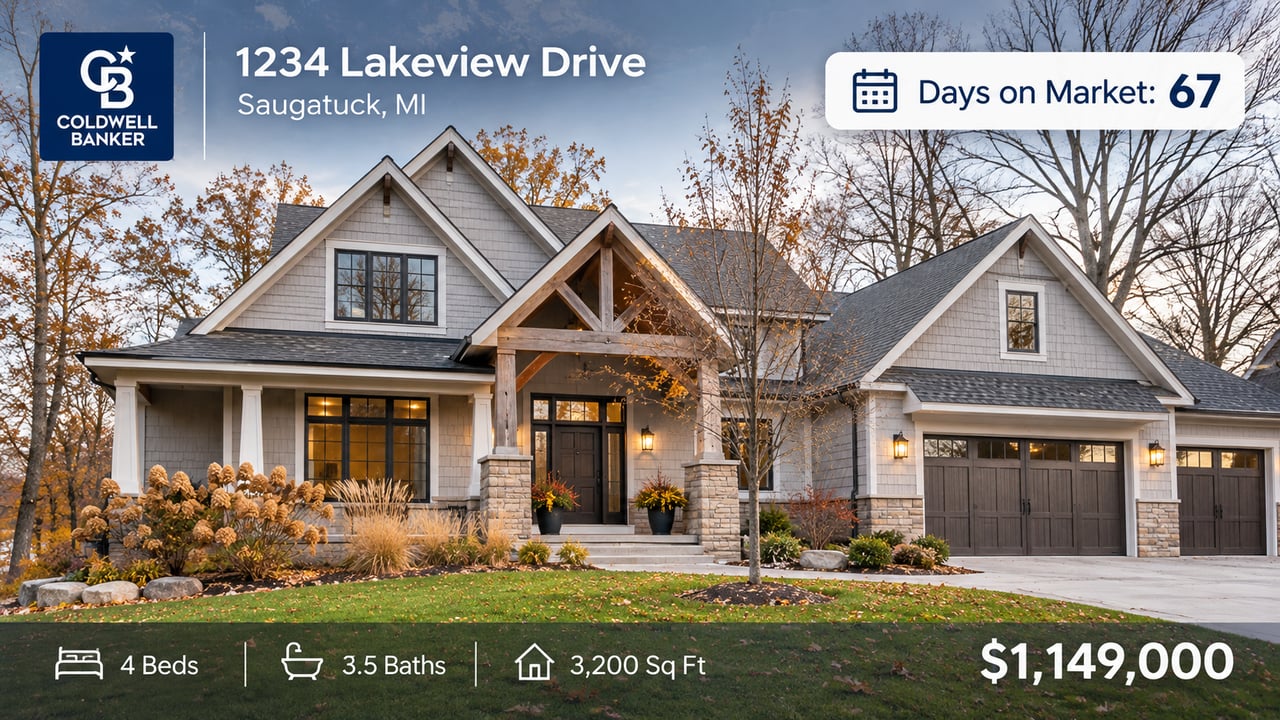
It has been on the market for 67 days.
For some buyers, that immediately raises a red flag.
Others see it and think:
Maybe I can get a great deal.
The truth is usually somewhere in between.
A home sitting on the market for 60 days or longer deserves additional investigation, especially in West Michigan right now. But days on market alone do not tell you whether the property is overpriced, undesirable, or an opportunity.
The important question is:
Why hasn’t it sold?
60 Days Means Something Different in West Michigan Right Now
The latest October housing data from the West Michigan Lakeshore Association of REALTORS® shows homes across Allegan, Muskegon, and Ottawa counties averaged only 31 days on the market.
County averages were:
- Allegan County: 30 days
- Muskegon County: 31 days
- Ottawa County: 33 days
That means a home sitting for 60 days has been available for roughly twice as long as the typical recently sold property in the region.
At the same time, buyers have more options.
West Michigan ended October with 1,241 active listings, up 10% from one year earlier, while closed sales dropped 21%.
That combination makes older listings particularly worth studying.
First, Days on Market Do Not Automatically Mean Something Is Wrong
One of the biggest mistakes a buyer can make is assuming:
“If nobody has bought it after 60 days, there must be a problem.”
There are plenty of reasons a good home may sit.
It could have:
- Started at an unrealistic price
- Been poorly marketed
- Had weak listing photos
- Entered the market at an inconvenient time
- Had a previous buyer's financing fall through
- Been under contract and returned to the market
- Needed cosmetic improvements
- Had an unusual layout
- Been competing with stronger listings
- Been affected by higher mortgage rates
- Had a seller who was unwilling to negotiate earlier
Sometimes the issue is the property.
Other times, it is simply the strategy surrounding the property.
That distinction matters.
Look at the Original List Price — Not Just Today's Price
The current asking price only tells part of the story.
Imagine a property is now listed for $650,000.
At first glance, that price may look reasonable.
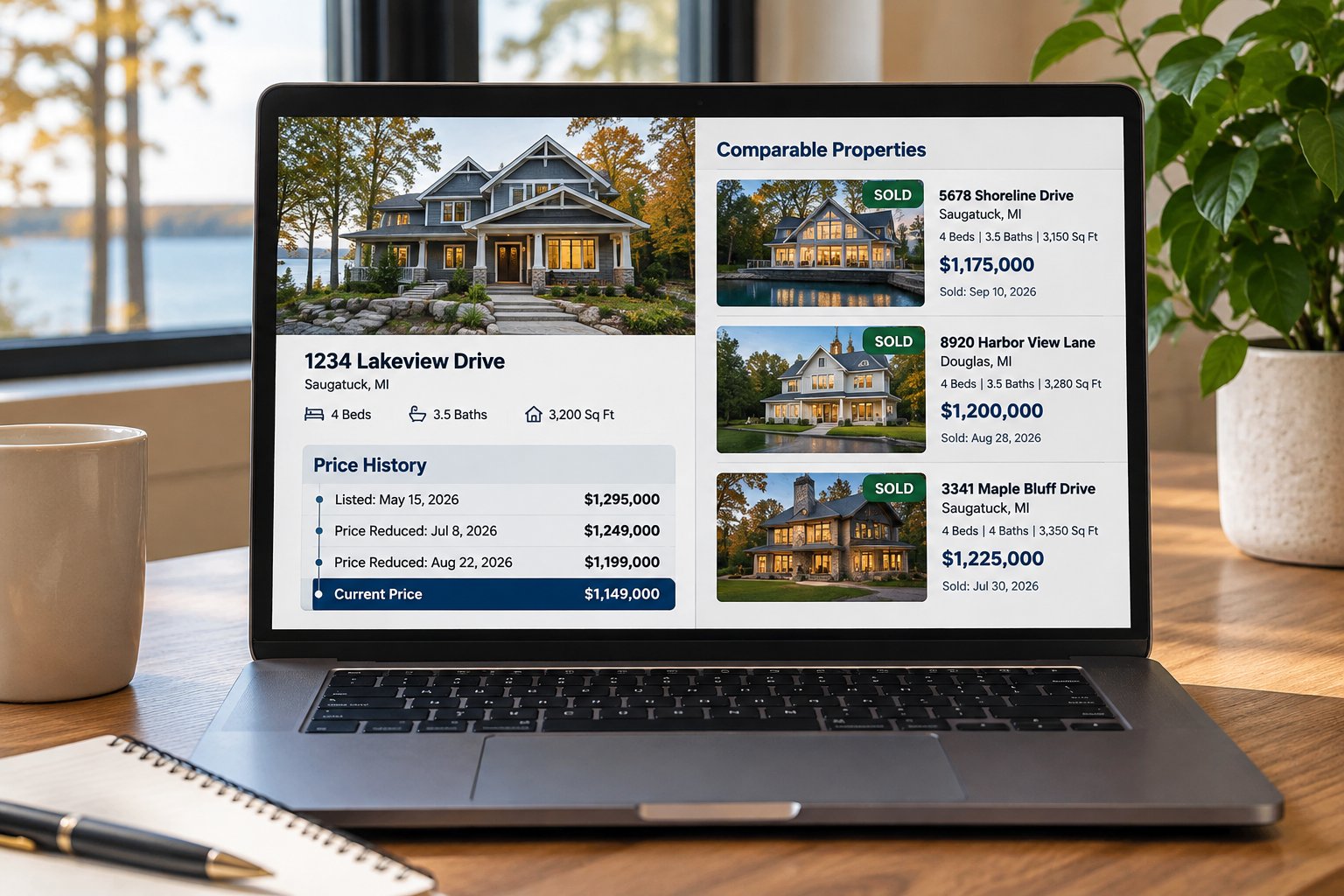
But its history might show:
Original list price: $725,000
First reduction: $699,000
Second reduction: $675,000
Current price: $650,000
That tells you something important.
The seller entered the market expecting significantly more than buyers were willing to pay.
By the time the home reaches $650,000, the asking price may finally be competitive.
Or there may still be additional room.
The only way to know is to compare the property with recently sold homes and current competing listings.
Nationally, price reductions remain common. Realtor.com reported that 20.5% of active listings had a price reduction in October, including 20.9% in the Midwest.
Check Cumulative Days on Market
Another number buyers should understand is cumulative days on market.
A property may appear to have only been listed for 15 days when it was previously available for several months.
Depending on how the listing was handled, a property may have been:
- Withdrawn
- Relisted
- Temporarily taken off the market
- Listed with another agent
- Under contract and returned to active status
That is why buyers should look beyond the number shown prominently on a consumer-facing website.
Your agent can research the MLS history and determine how long the property has actually been exposed to the market.
A home that appears to be a fresh listing may actually have been trying to sell since summer.
Find Out Whether the Home Was Previously Pending
A home returning to the market deserves questions, but not panic.
Deals fall apart for many reasons.
The buyer might have:
- Lost financing
- Been unable to sell another home
- Changed their mind
- Had an appraisal problem
- Disagreed over inspection items
Sometimes the issue has almost nothing to do with the property itself.
If the home was previously pending, buyers should try to learn:
Why did the transaction fall apart?
That information can be extremely useful.
If the previous buyer discovered a significant issue during inspection, you want to know about it.
If their loan simply fell apart a week before closing, that tells a completely different story.
Study Comparable Sales
A home's days on market should never be analyzed without understanding its value.
Suppose the home is listed for $600,000 after 75 days on market.
If similar homes recently sold for:
$585,000
$595,000
$605,000
then the current price may actually be reasonable.
But if comparable properties sold around:
$525,000
$540,000
$550,000
then the long market time starts to make more sense.
Comparable sales help answer the most important pricing question:
Is the home sitting because buyers have rejected the property — or because they have rejected the price?
Those are not the same thing.
Compare It With Homes Currently for Sale
Sold properties tell you where the market has been.
Active listings show you what today's buyer can choose instead.
If a 60-day-old listing is priced at $700,000 but several newer homes nearby offer:
- Similar square footage
- Newer finishes
- Better lots
- Larger garages
- Lower asking prices
the older listing may need to adjust.
This is especially relevant now because West Michigan inventory is higher than it was a year ago.
More choices make it harder for an overpriced property to hide.
Look for Signs the Seller May Be More Motivated
Long market time does not automatically equal seller motivation.
Some sellers can wait indefinitely.
Others may have strong reasons to move.
Possible indicators include:
- The property is vacant
- The seller has already purchased another home
- Multiple price reductions
- Relocation
- An estate sale
- A second home
- A property heading into winter maintenance
- A previous failed transaction
- A listing that has remained active since spring or summer
A buyer should not assume any of these circumstances.
But learning more about the seller's timing can help shape an offer.
For some sellers, certainty or timing may matter almost as much as price.
A 60-Day Listing May Give You More Negotiating Options
This is where longer market time can benefit a buyer.
A newly listed home might receive multiple offers and give the seller very little incentive to negotiate.
After 60, 75, or 90 days, the situation may be different.
Possible negotiation points include:
- Purchase price
- Closing costs
- Mortgage-rate buydown
- Inspection repairs
- Repair credits
- Appliances
- Furniture
- Home warranty
- Possession
- Closing date
The strongest offer is not always simply the one with the lowest price.
A buyer may sometimes benefit more from a seller-paid closing-cost credit than from negotiating the same amount off the purchase price.
That can be particularly relevant in today's higher-rate environment.
Realtor.com reported that 30-year mortgage rates averaged 7.33% in October, while pending inventory fell 10.5% year over year as buyers dealt with reduced purchasing power.
But Don't Assume You Can Automatically Offer 20% Below Asking
This is another common mistake.
A home sitting for 60 days does not automatically mean the seller will accept any offer.
Suppose a seller originally listed too high at $800,000.
After several reductions, the home is now listed at $700,000.
Comparable sales support a value around $690,000 to $710,000.
Submitting a $575,000 offer simply because the home has been sitting may not accomplish much.
The goal should be to identify where the home's actual market value is, then determine how much leverage the circumstances provide.
Days on market should support your negotiation strategy.
It should not replace valuation.
Condition May Explain the Longer Market Time
Sometimes the answer is obvious once you walk through the home.
The property may need:
- New flooring
- Interior paint
- Kitchen updates
- Bathroom improvements
- Roof replacement
- Windows
- HVAC work
- Exterior repairs
- Deck repairs
- Landscaping
The important distinction is between cosmetic problems and expensive problems.
An unattractive paint color is inexpensive to fix.
A failing foundation is not.
A dated kitchen may be manageable.
A roof, furnace, windows, and septic system all approaching replacement at the same time can materially change the economics of the purchase.
Longer days on market can sometimes help buyers negotiate these issues, but the repair costs still need to make sense.
Poor Marketing Can Create Opportunity
Sometimes a good property simply does not show well online.
Poor listing photography can have a major effect on buyer interest.
Other problems might include:
- Dark photos
- Cluttered rooms
- Missing exterior photos
- No floor plan
- Limited property information
- Weak listing remarks
- No drone photography for acreage or waterfront
- Photos taken in poor weather
Most buyers first eliminate homes online.
A property that does not photograph well may receive less attention even if it shows much better in person.
For buyers willing to look beyond the listing presentation, that can create an opportunity.
Seasonality Matters
A 60-day listing in May is different from a 60-day listing in November.
We're entering a slower seasonal period.
Realtor.com's October data showed national median days on market reached 63 days, up two days from September. The Midwest median was 50 days.
New listings are also slowing as the holidays approach.
That means sellers who remain active through November and December may have different priorities than they did earlier in the year.
Some will simply wait for the right buyer.
Others may prefer to secure a transaction before the end of the year.
Understanding the timing can matter.
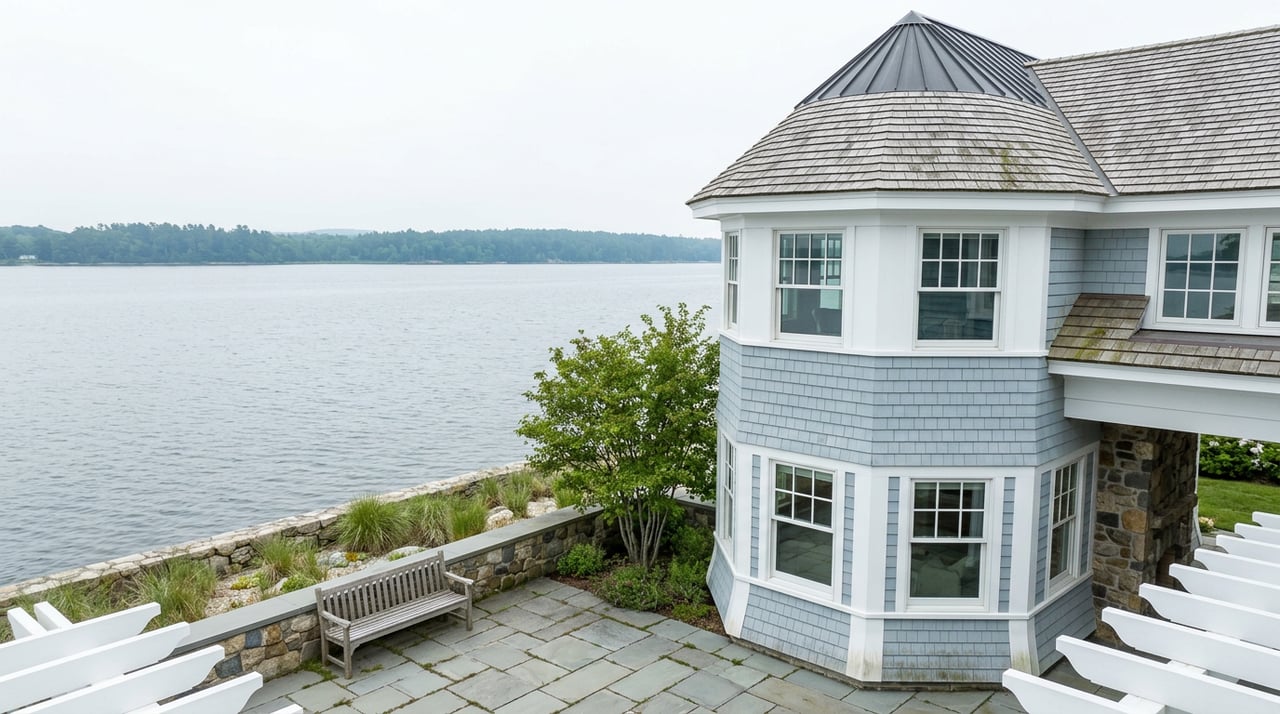
Waterfront Properties Require a Different Analysis
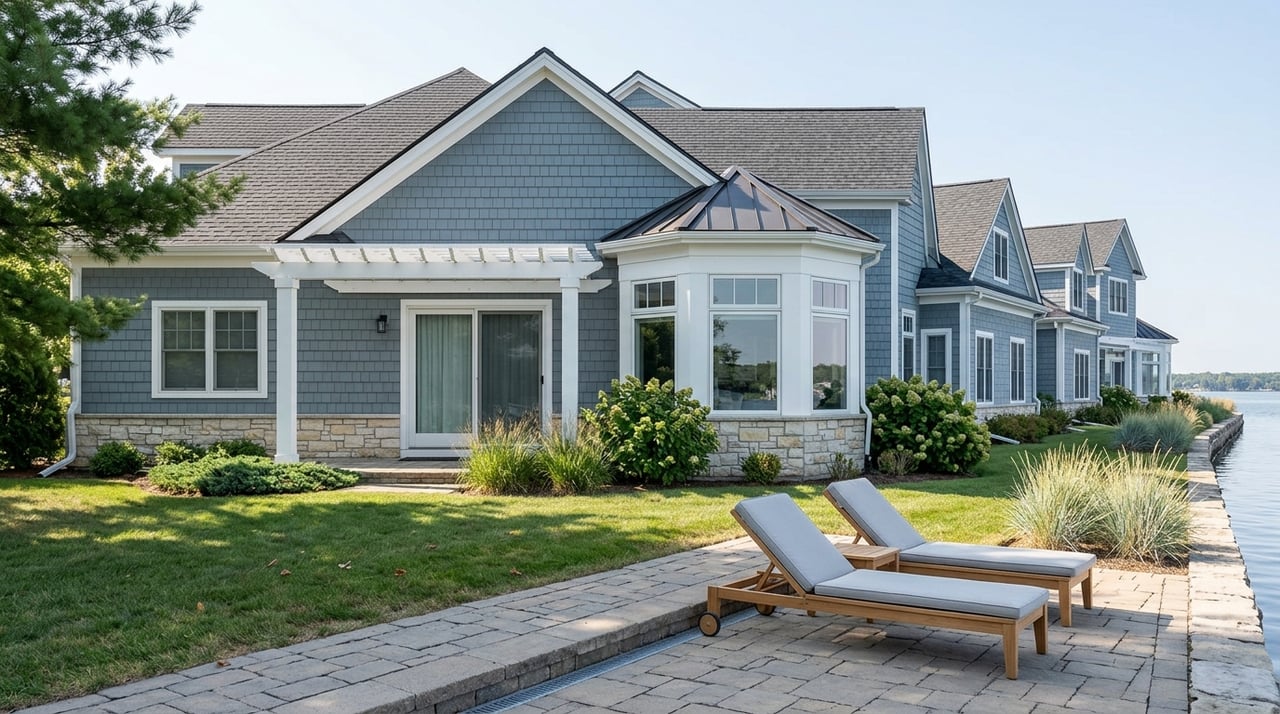
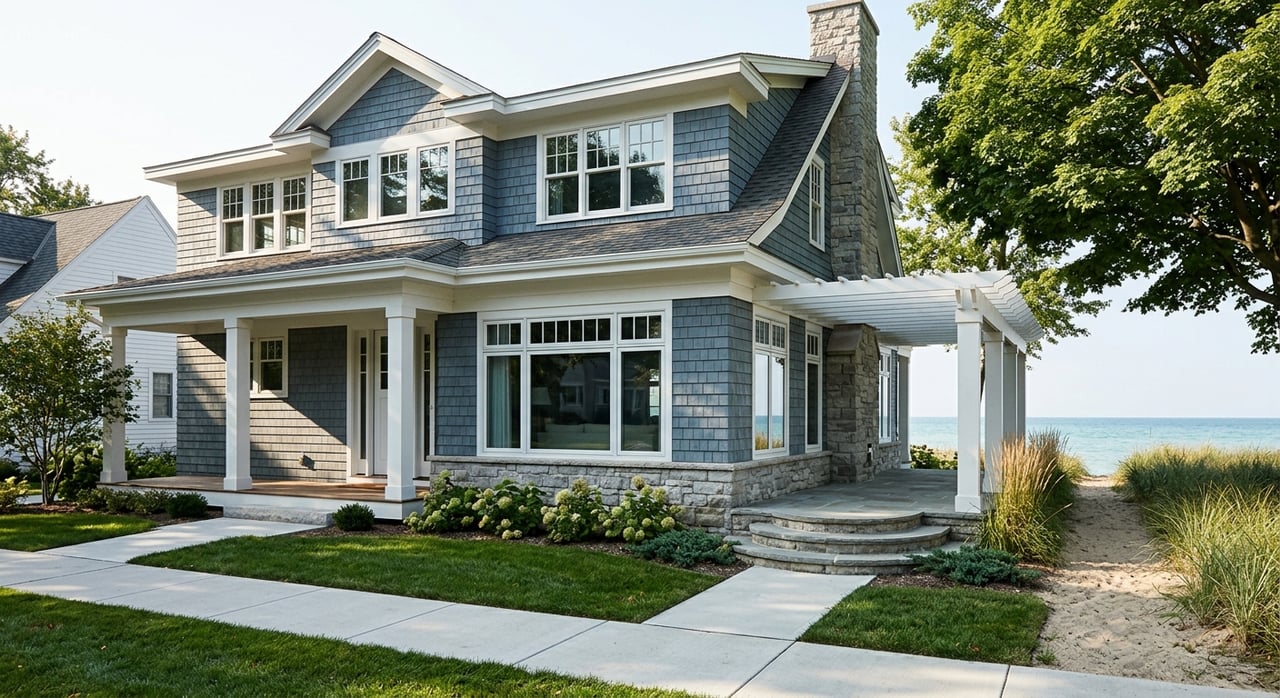
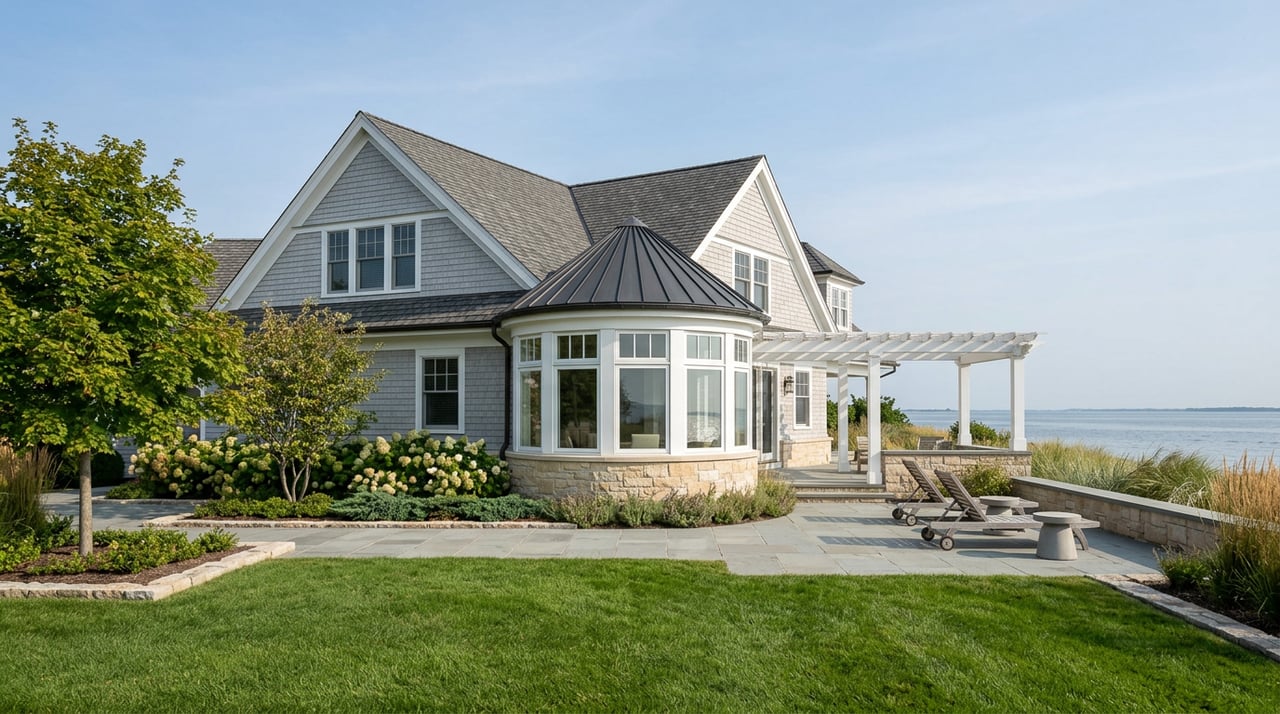
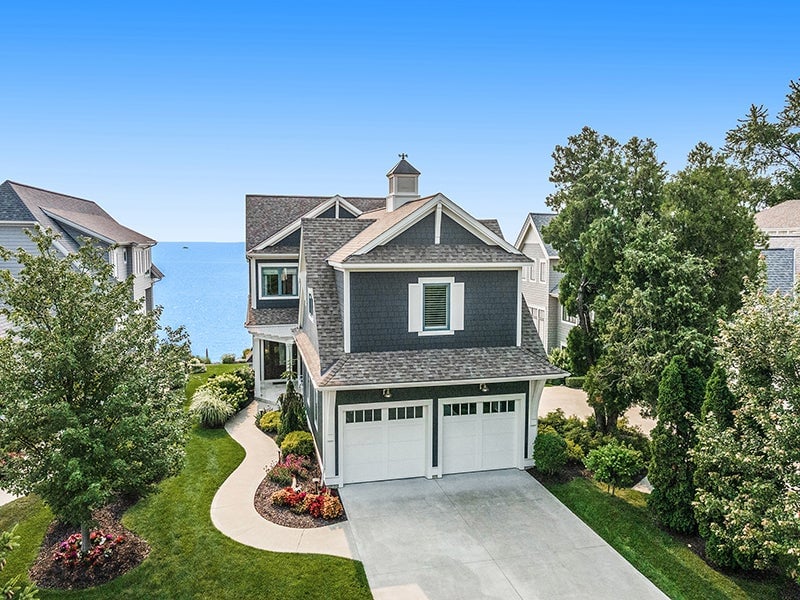
A 60-day Lake Michigan listing should not necessarily be judged the same way as a 60-day subdivision home.
Waterfront and luxury properties often have smaller buyer pools.
Unique features can make comparisons difficult.
For waterfront homes, value can depend on:
- Amount of frontage
- Beach quality
- Bluff height
- Stairs to the water
- Shore protection
- Dockability
- Water depth
- Views
- Privacy
- Lot size
- Orientation
- Architecture
- Renovation quality
A one-of-a-kind property may naturally require more time to find the right buyer.
Long market time alone does not mean it is dramatically overpriced.
But it should still lead to deeper analysis of the property and competing inventory.
Winter Can Reveal Things Summer Buyers Don't See
A home that remains available into November or winter can actually give buyers additional information.
You may be able to evaluate:
- How well the house holds heat
- Drafty windows or doors
- Driveway accessibility
- Snow removal
- Ice buildup
- Drainage
- Roof conditions
- Moisture
- Private-road maintenance
- Waterfront wind exposure
Some exterior features may be harder to inspect once snow accumulates, so buyers should also ask about anything that cannot be fully evaluated during the showing.

Ask Why It Hasn't Sold
This may be the simplest and most useful question.
Your agent can contact the listing agent and ask about the property's history.
Useful questions include:
- Has the seller received any offers?
- Why did previous buyers pass?
- Has the property previously been under contract?
- Were inspections completed?
- Is the seller open to concessions?
- Have there been recent price adjustments?
- Are there upcoming improvements?
- What feedback have showings produced?
- Is there a particular closing timeline the seller prefers?
You may not receive every detail.
But even partial information can help explain the listing's history.
Know the Difference Between a Problem and an Opportunity
A home sitting for 60+ days can fall into several categories.
Good home, wrong original price
Potential opportunity.
Good home, poor marketing
Potential opportunity.
Good home, motivated seller
Potential opportunity.
Home needing cosmetic improvements
Potential opportunity if the numbers work.
Home with significant deferred maintenance
Requires careful analysis.
Property with a serious structural, environmental, zoning, title, or location issue
Potentially a reason to walk away rather than negotiate.
A lower price does not make every problem worth taking on.
Don't Ignore a Home Just Because Other Buyers Have
Buyer behavior can become contagious.
If a listing has been available for months, buyers sometimes assume everyone else must know something they don't.
But every buyer has different priorities.
One buyer may hate the kitchen.
Another may plan to replace it anyway.
One buyer may need four bedrooms.
Another only needs three.
One buyer may dislike a wooded lot.
Another specifically wants privacy.
The market's lack of interest is worth investigating.
It is not automatically a reason to eliminate the property.
What Should You Offer on a 60+ Day Listing?
There is no universal percentage.
A reasonable offer depends on:
- Current asking price
- Original list price
- Recent reductions
- Comparable sales
- Active competition
- Condition
- Seller motivation
- Property type
- Local market
- Other interested buyers
Sometimes the right offer may be close to asking.
Sometimes it may make sense to go significantly below asking.
And sometimes it may make more sense to negotiate concessions instead of price.
The important part is having a reason behind the number.
The Bottom Line
A home that has been on the market for 60 days should get your attention.
But not necessarily for the reason you think.
Longer market time does not automatically mean the home is bad.
It also does not automatically mean the seller is desperate.
It means there is more history to investigate.
In West Michigan, where recently sold homes averaged just 31 days on market in October, a 60-day listing has clearly experienced a longer-than-typical marketing period. At the same time, active inventory is up 10% and closed sales are down 21%, giving today's buyers more options than they had a year ago.
For the right property, that can create leverage.
The key is figuring out why the home hasn't sold before deciding what that leverage is actually worth.