If your Grand Haven waterfront home looks stunning in person but falls flat online, you could miss the buyers most likely to pay attention. Many waterfront buyers today start their search from somewhere else, and some narrow their list before they ever set foot in West Michigan. If you want your home to stand out to remote buyers, you need to prepare it as both a property and a lifestyle. Let’s dive in.
Why remote buyers matter in Grand Haven
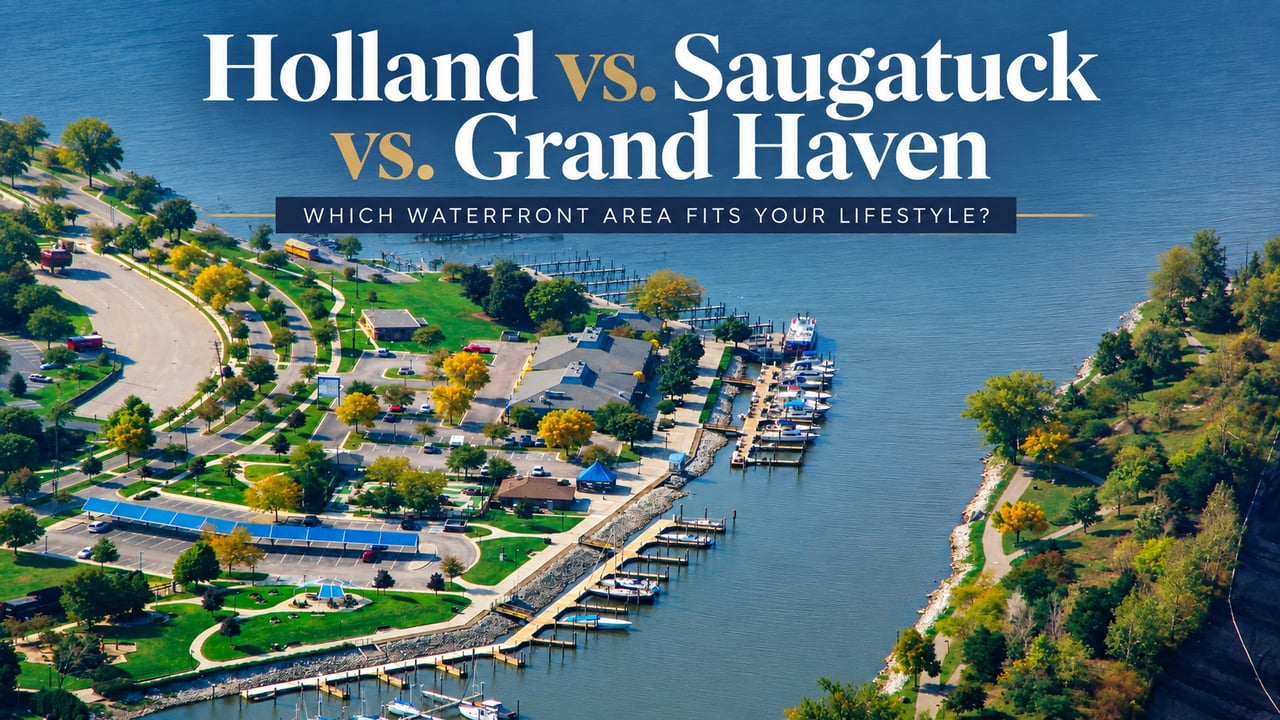
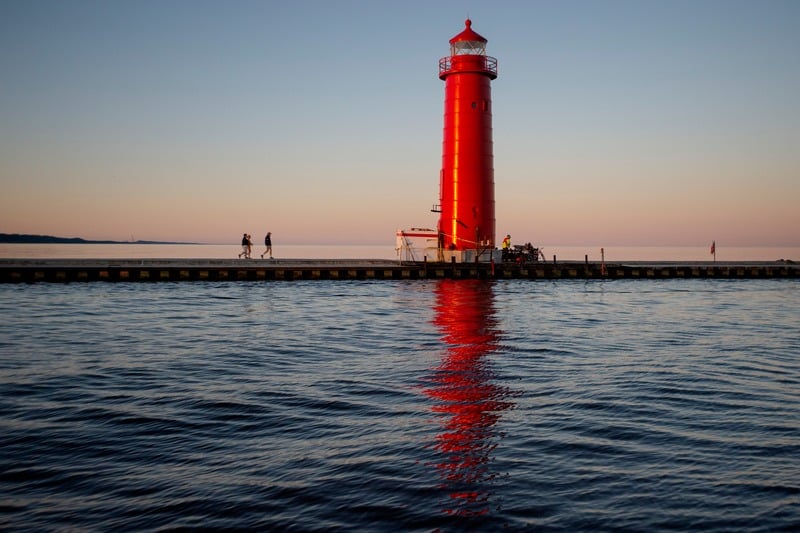
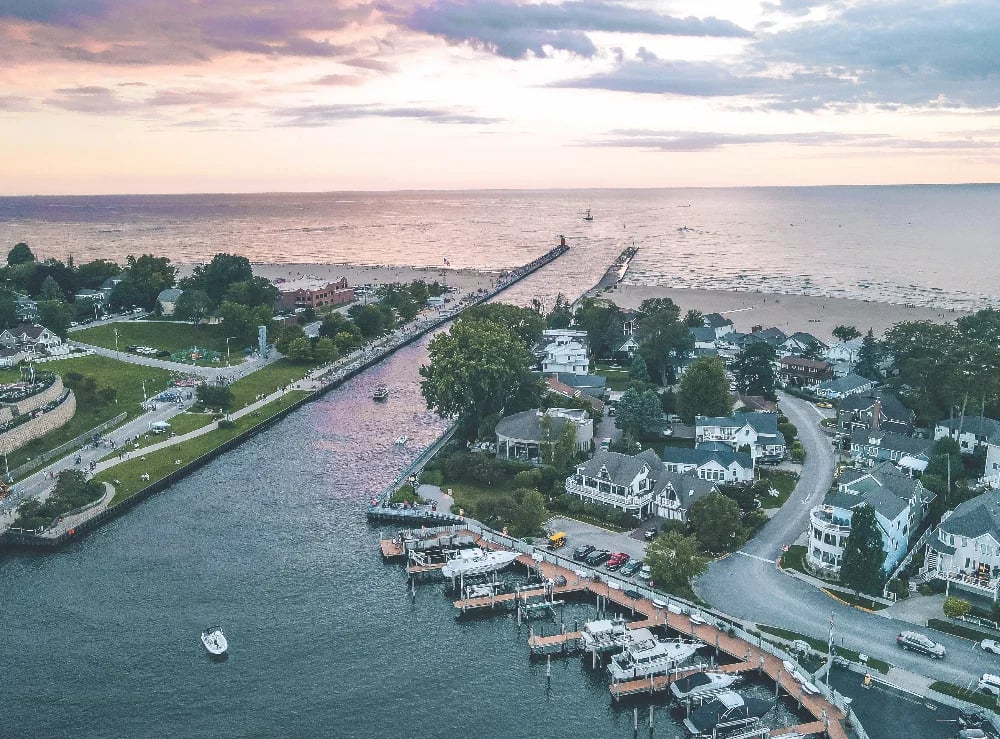
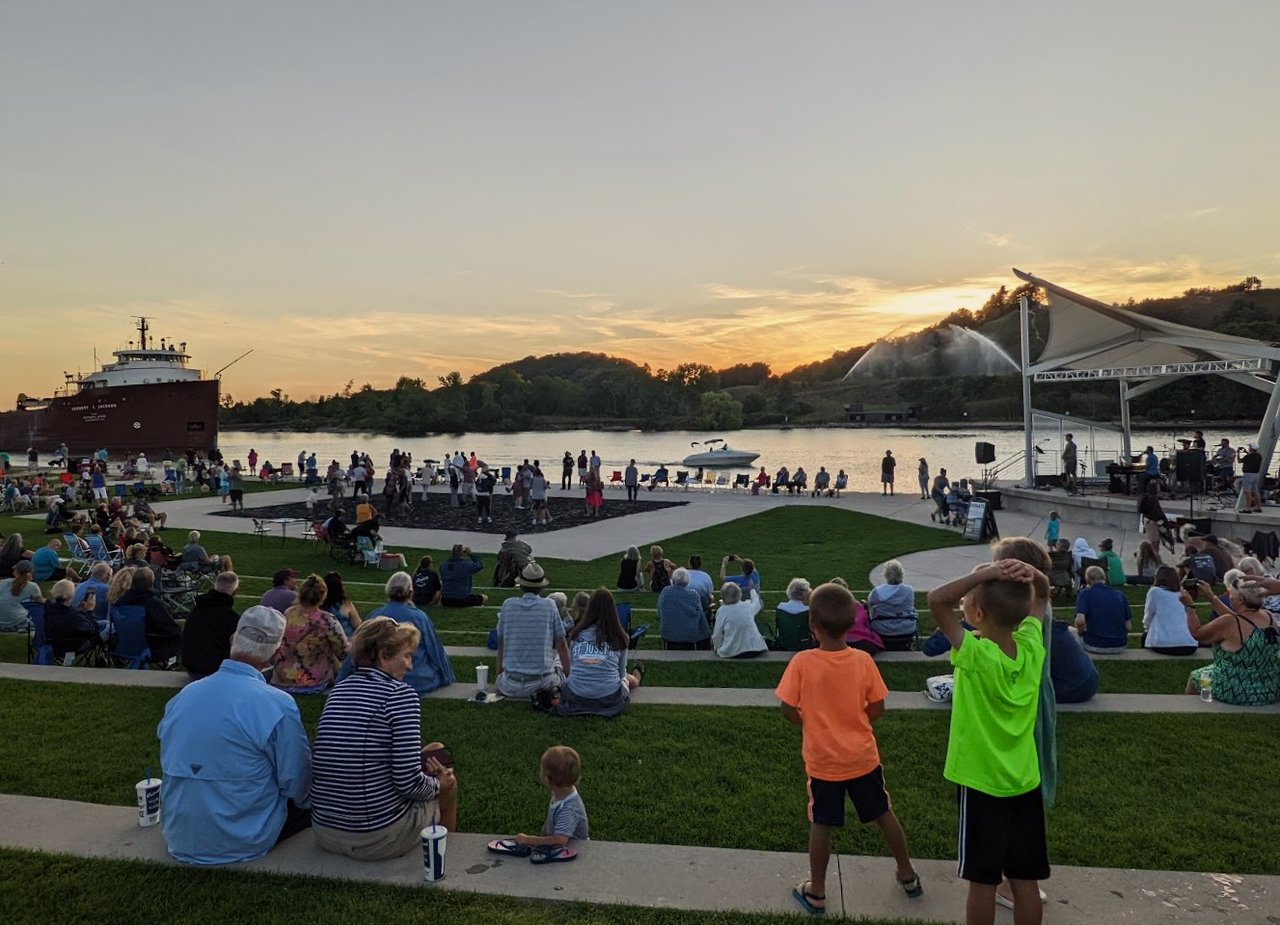
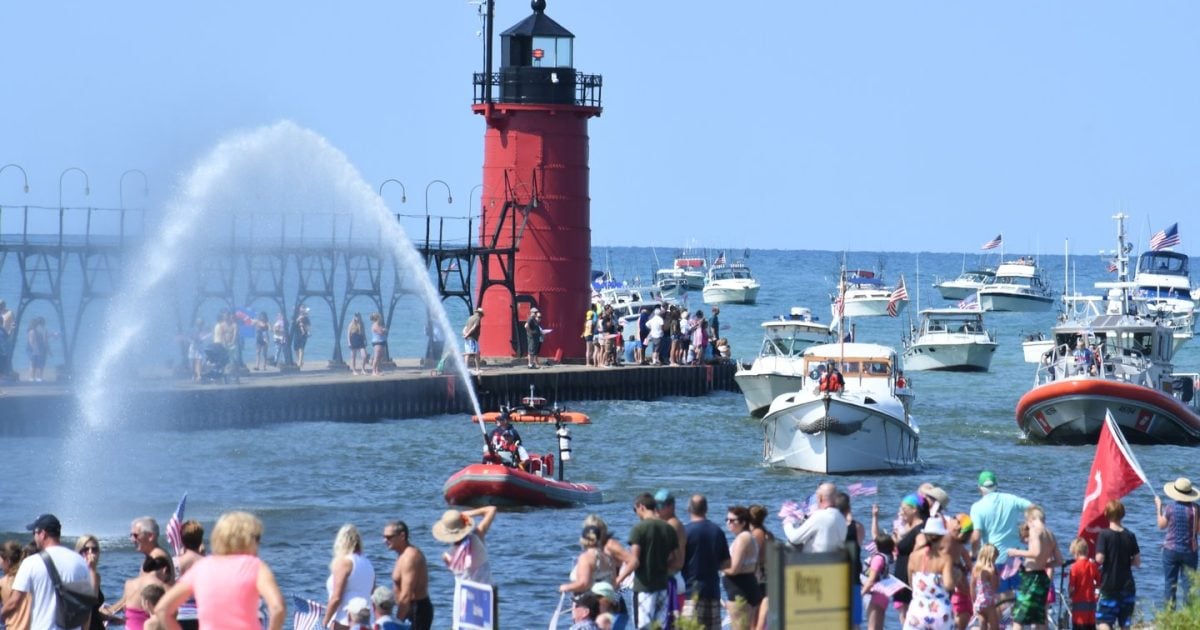
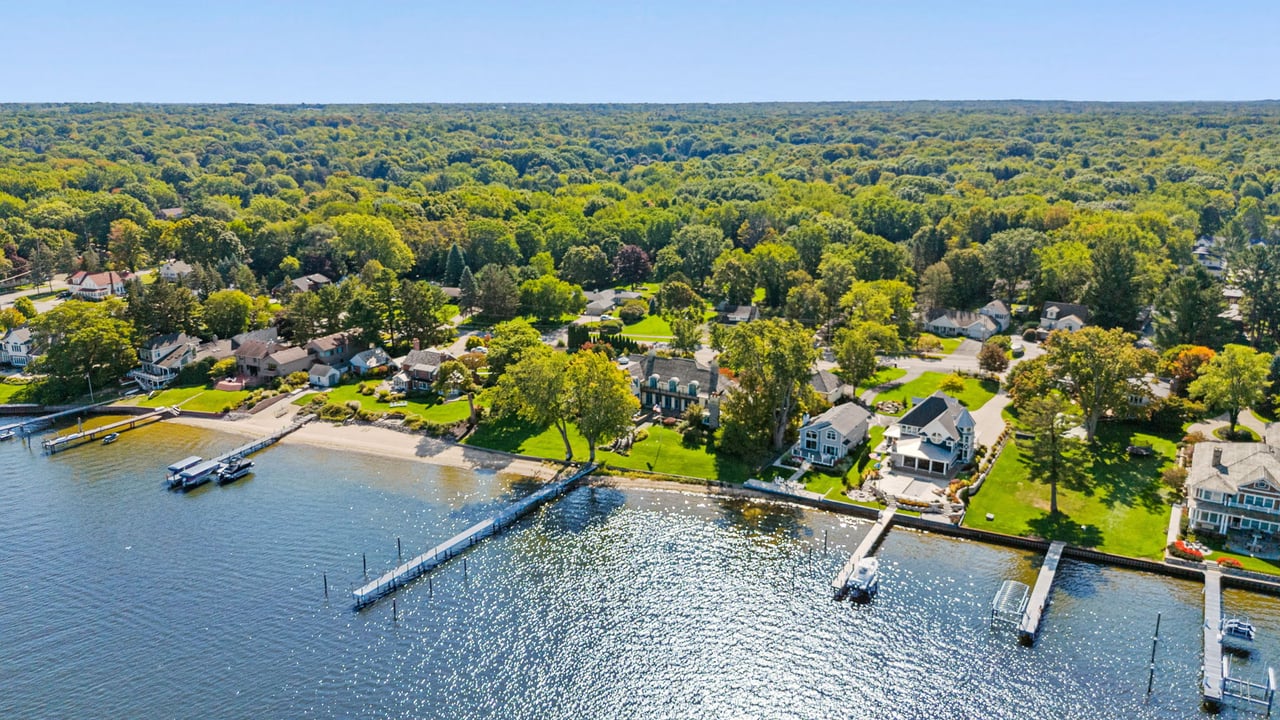
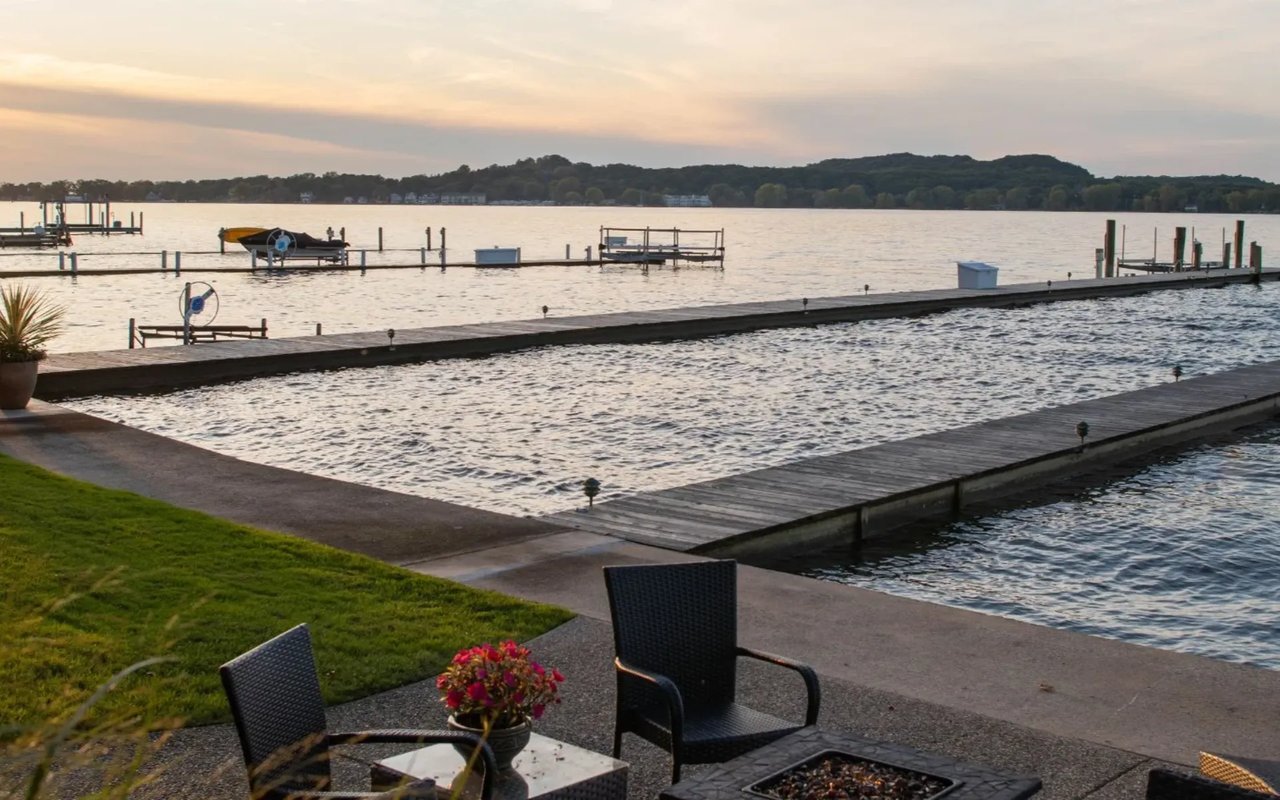
Grand Haven is not just another housing market. It is a Lake Michigan beach town with the Grand River, sandy shoreline, a marina, boardwalk areas, waterfront dining, and direct access points that shape how buyers see value in a home.
That matters because your listing is competing on more than square footage. Remote buyers are often judging the view, water access, outdoor living, and how close the home feels to the shoreline experience before they ever book a trip.
Online marketing now plays a major role in that first impression. Recent buyer data shows that 43% of buyers started their search on the internet, all buyers used the internet at some point, and 51% found the home they bought through online search. Some buyers even purchased based only on a virtual tour, showing, or open house.
Stage your home for the camera first
When buyers shop from a distance, the camera becomes their first showing. That means your home needs to feel bright, clean, and easy to understand on screen.
Staging helps with that. In NAR's staging survey, 81% of buyers' agents said staging makes it easier for a buyer to visualize a property as a future home. The most important rooms to stage were the living room, primary bedroom, and kitchen.
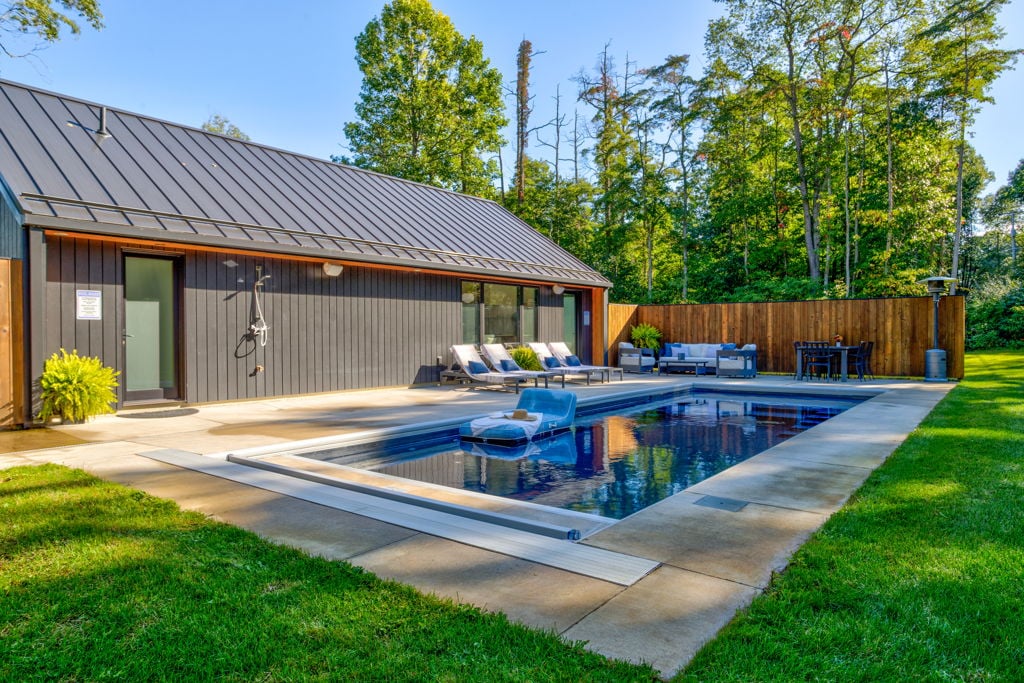
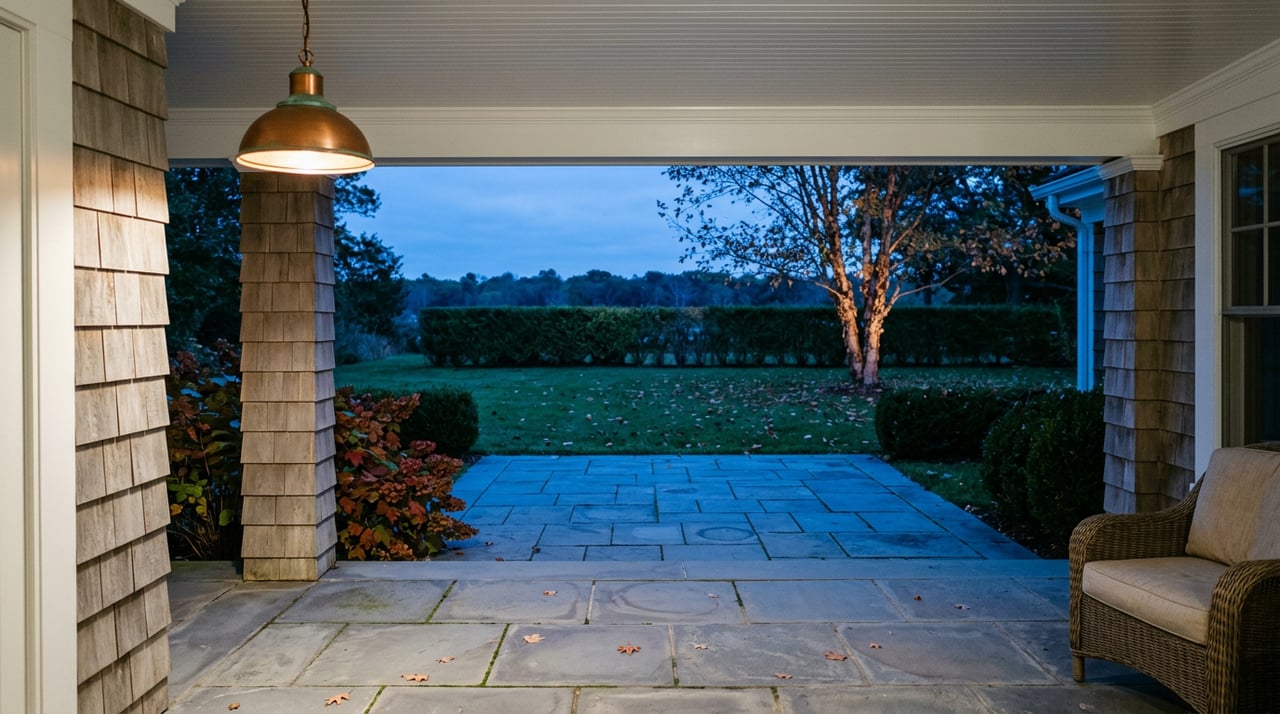
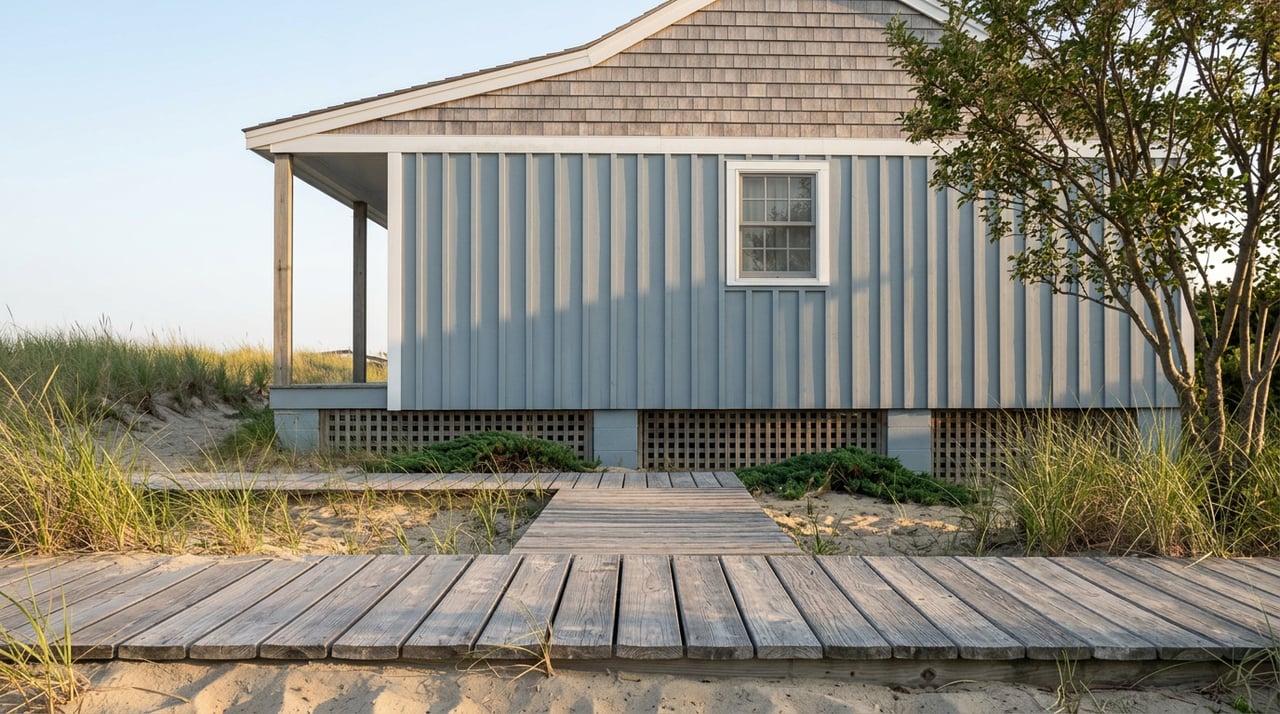
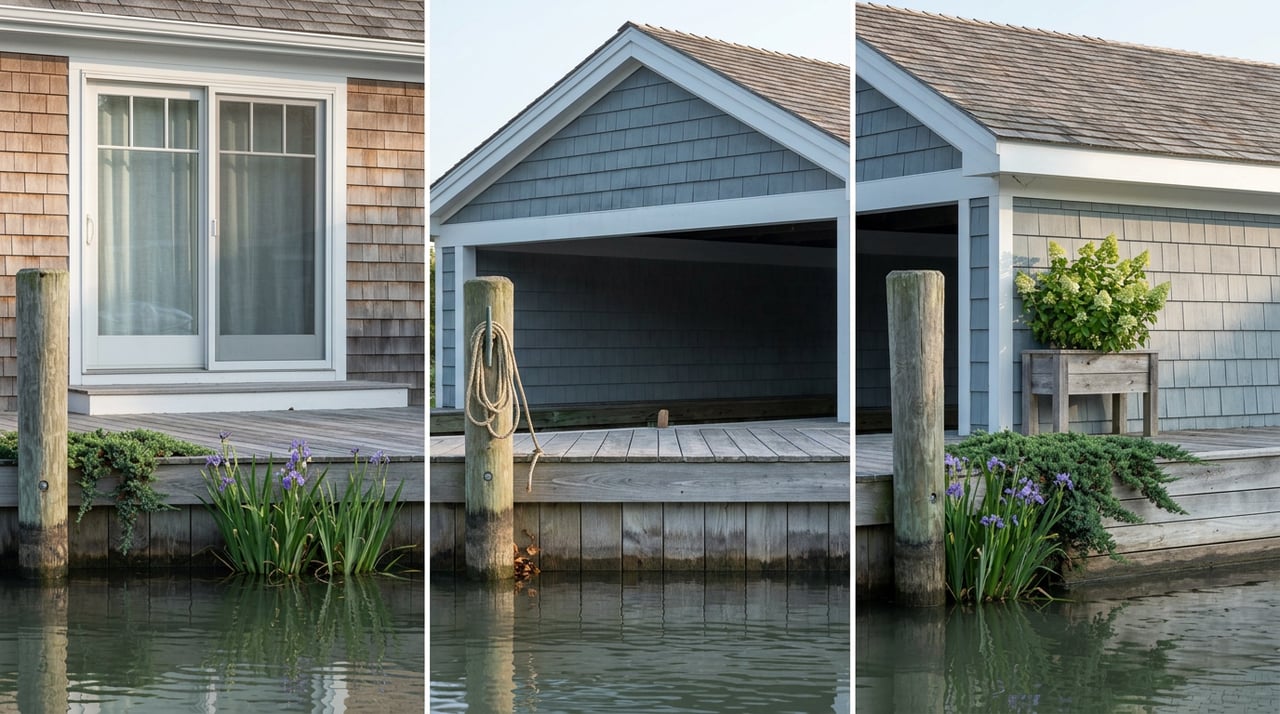
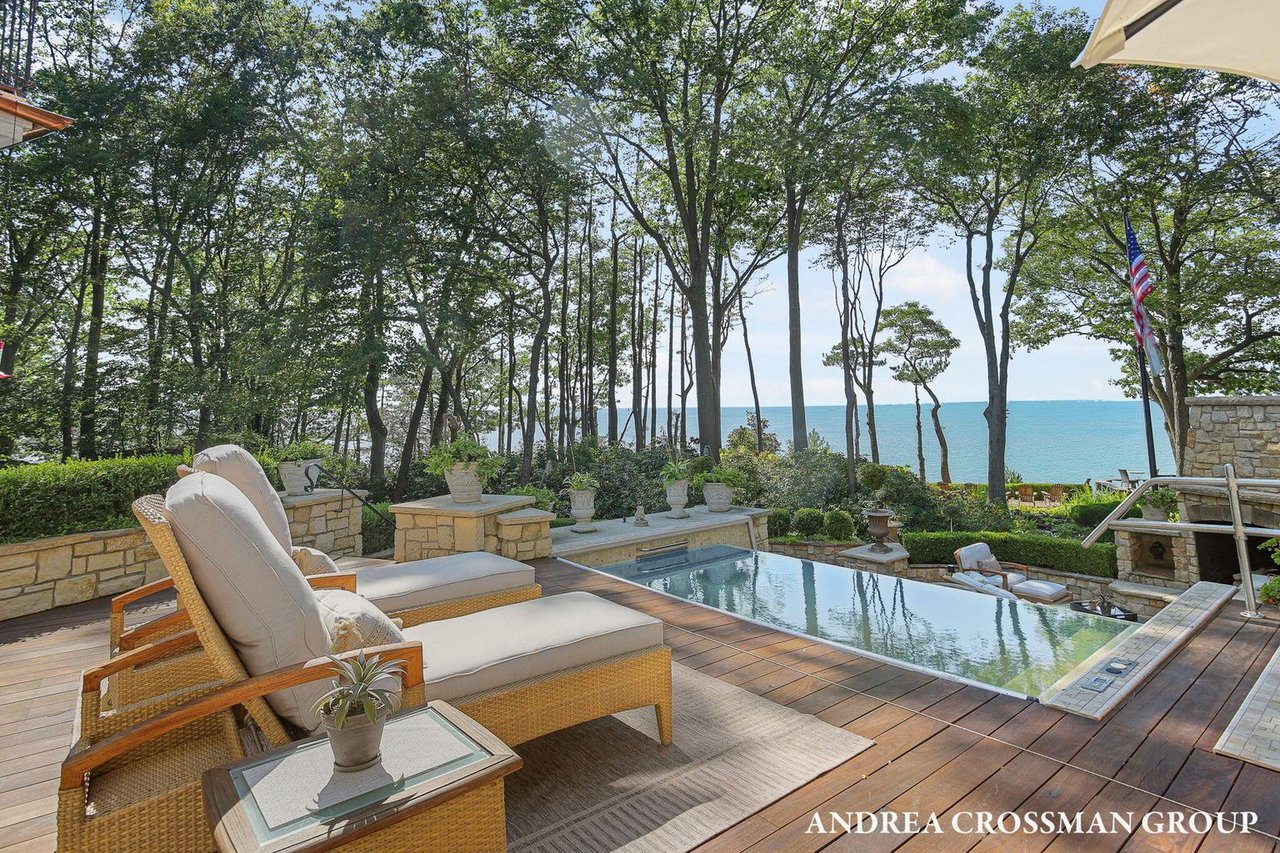
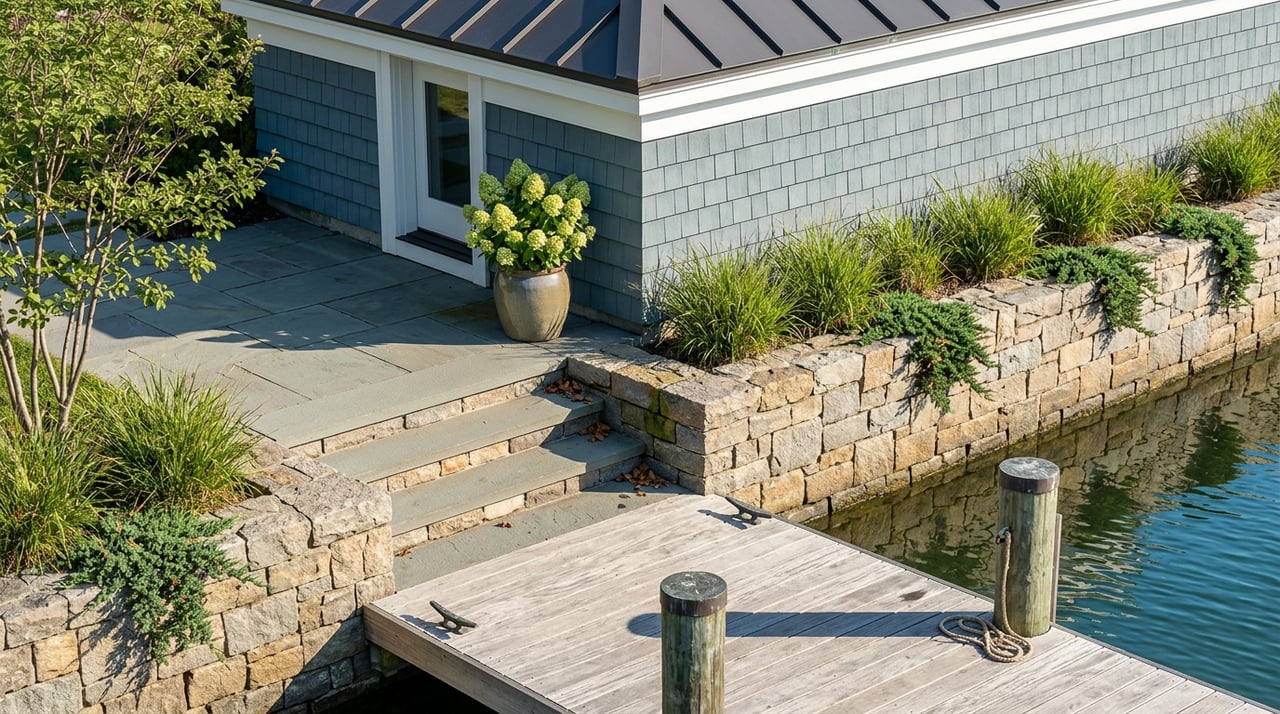
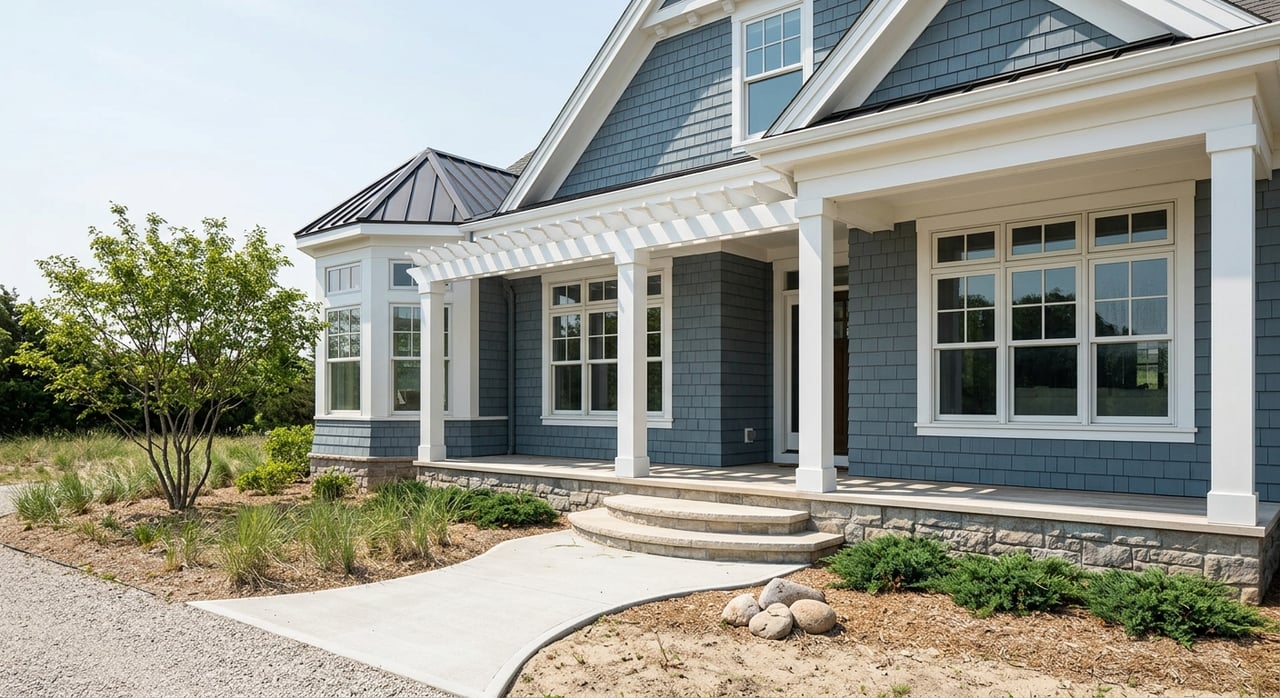
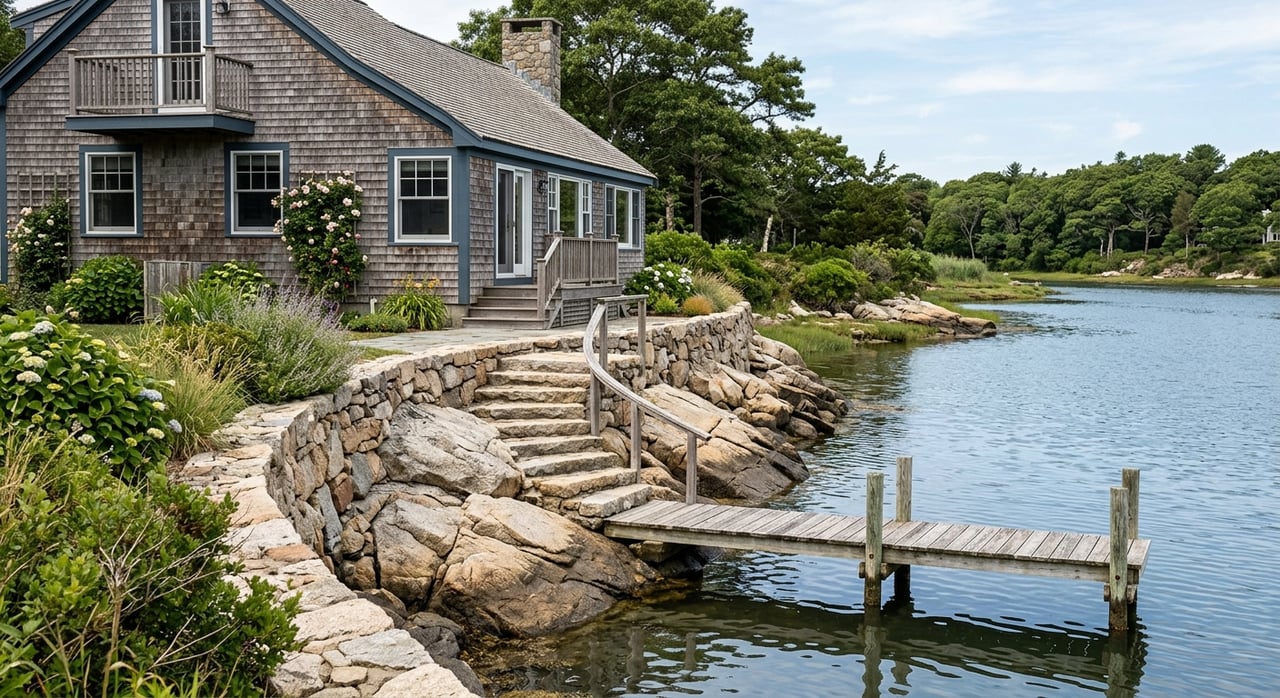
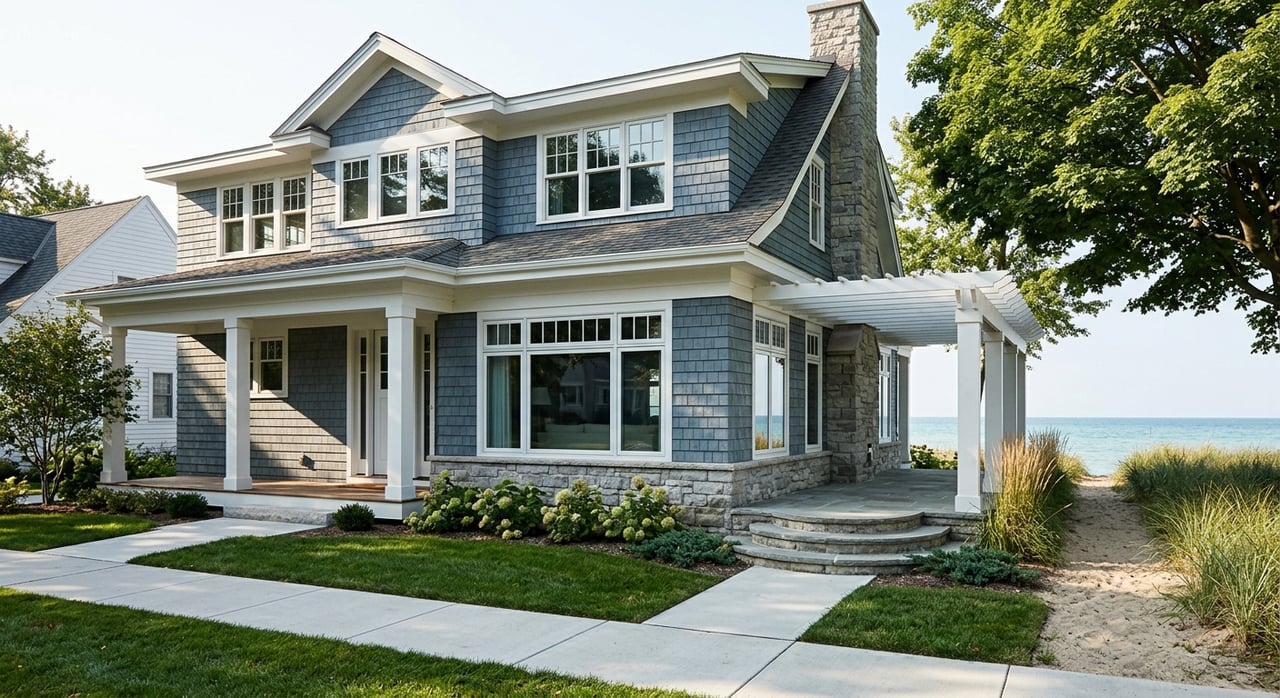
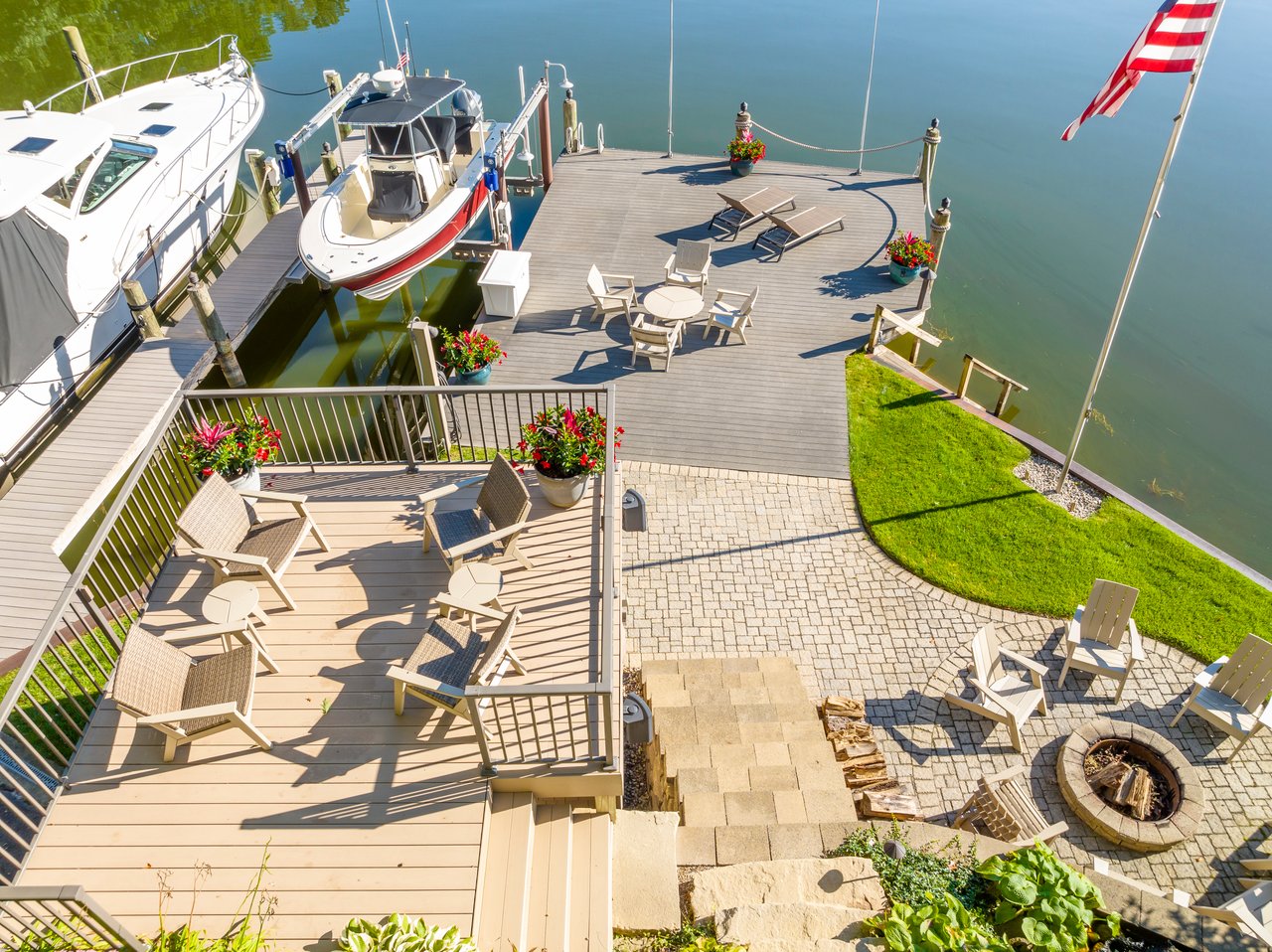
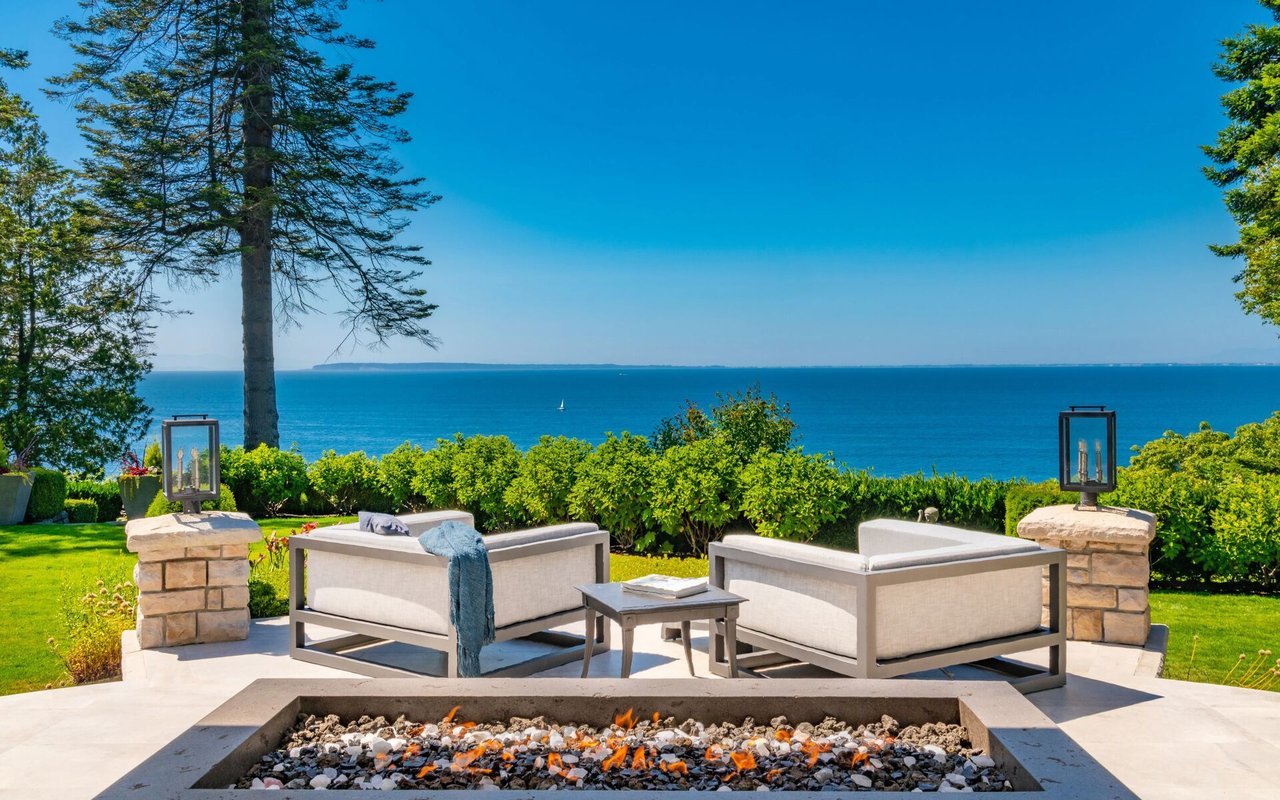
For a Grand Haven waterfront home, you should also treat exterior spaces as key living areas. Decks, patios, lake-facing seating, dock paths, storage spots, and waterfront entries all help shape the story a remote buyer sees.
Focus on low-clutter, high-light rooms
Start by removing anything that makes the home feel busy or overly personal. You want buyers to notice the room, the light, and the view, not a crowded shelf or a pile of seasonal gear.
Pay close attention to:
- Living room layout and sightlines
- Primary bedroom simplicity and calm
- Kitchen counters and surfaces
- Clean windows and lighting fixtures
- Walls, carpets, and floors
- Outdoor seating and gathering areas
If your home includes boating or beach equipment, store it neatly. Towels, coolers, water toys, and dock accessories can make a waterfront home feel less turnkey when they appear in listing photos.
Make the view the star
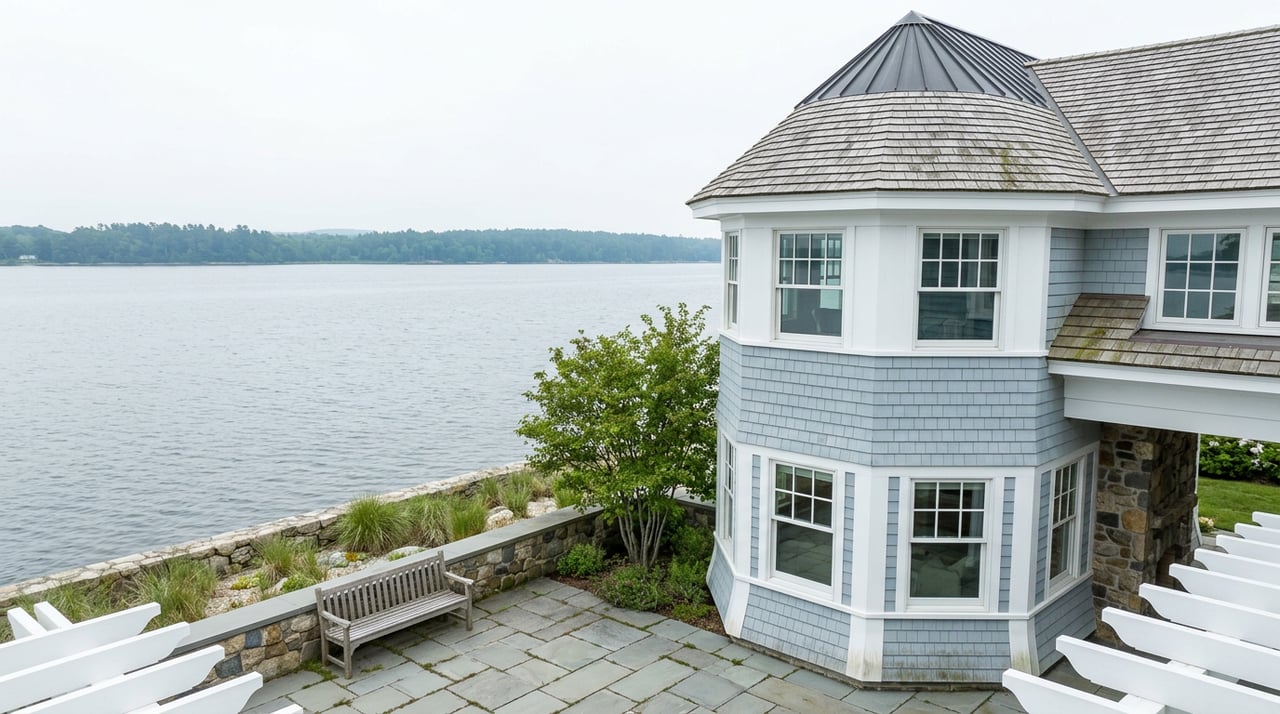
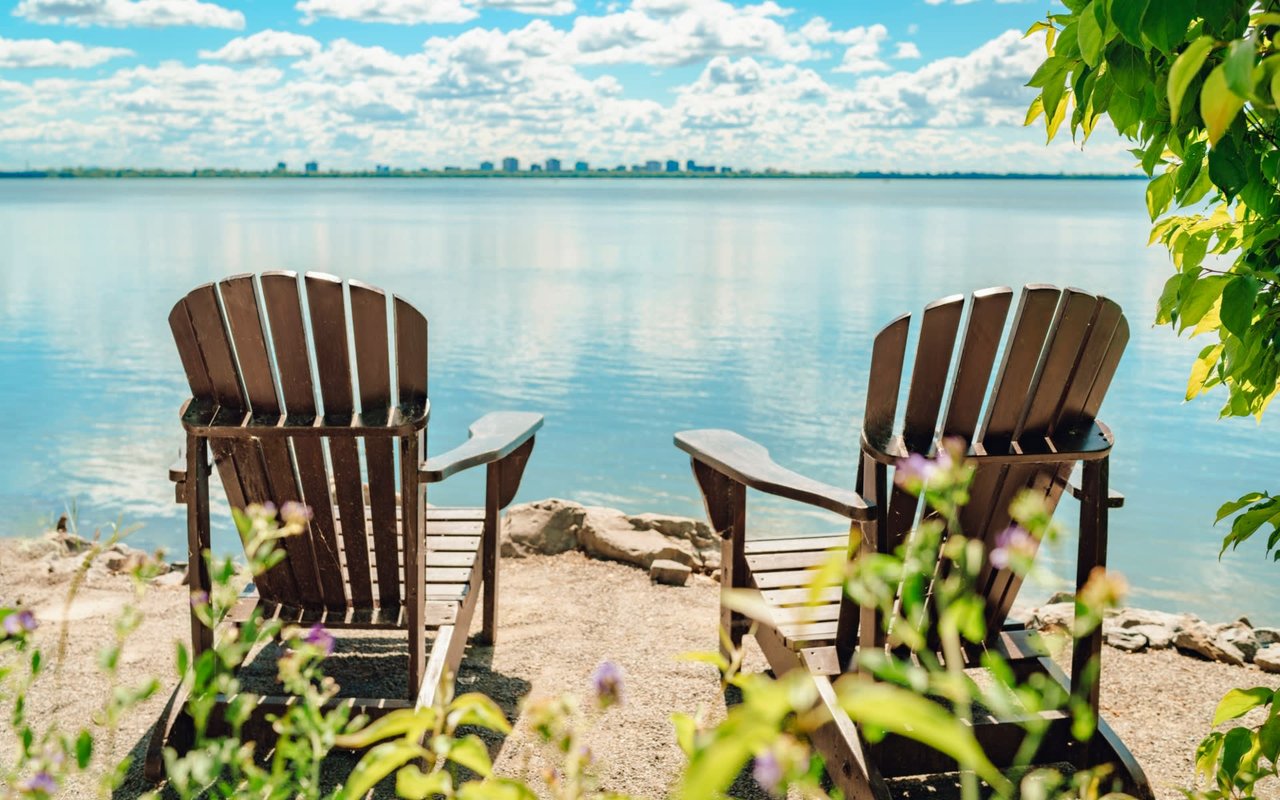
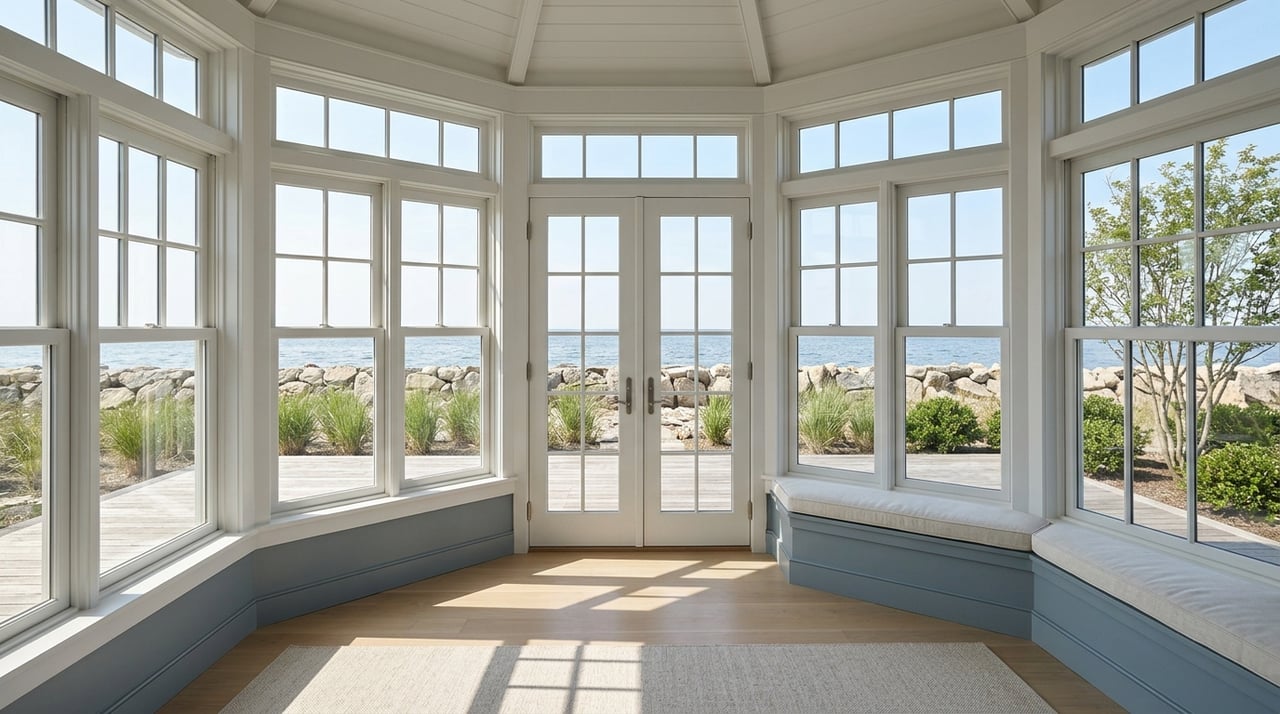
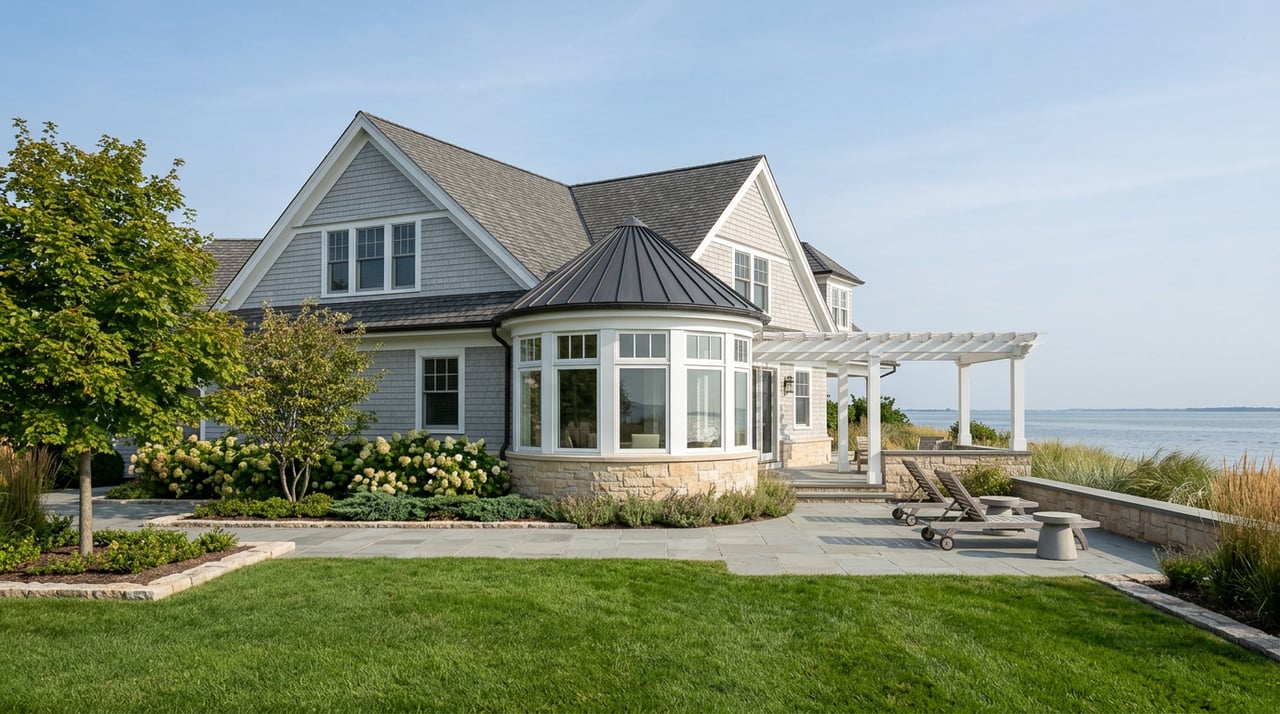
In a waterfront home, the view is one of the main selling features. Rearrange furniture if needed so windows, water-facing doors, and outdoor access points feel open and intentional.
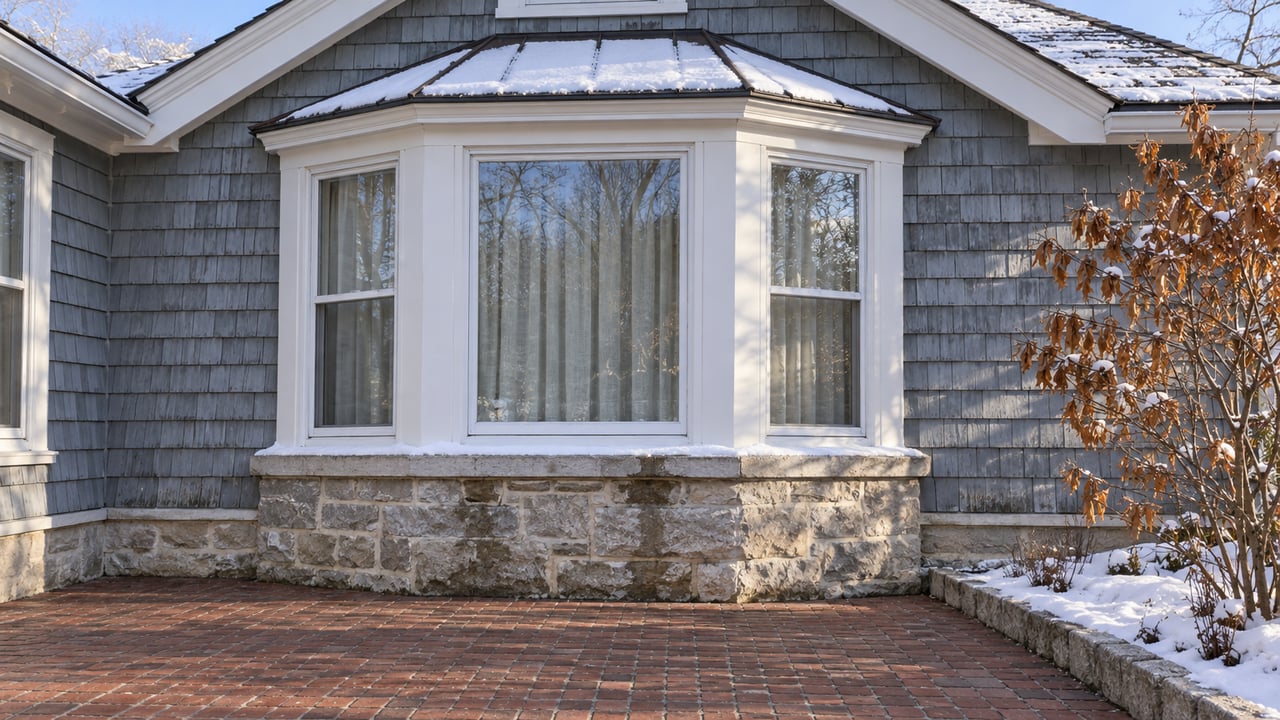
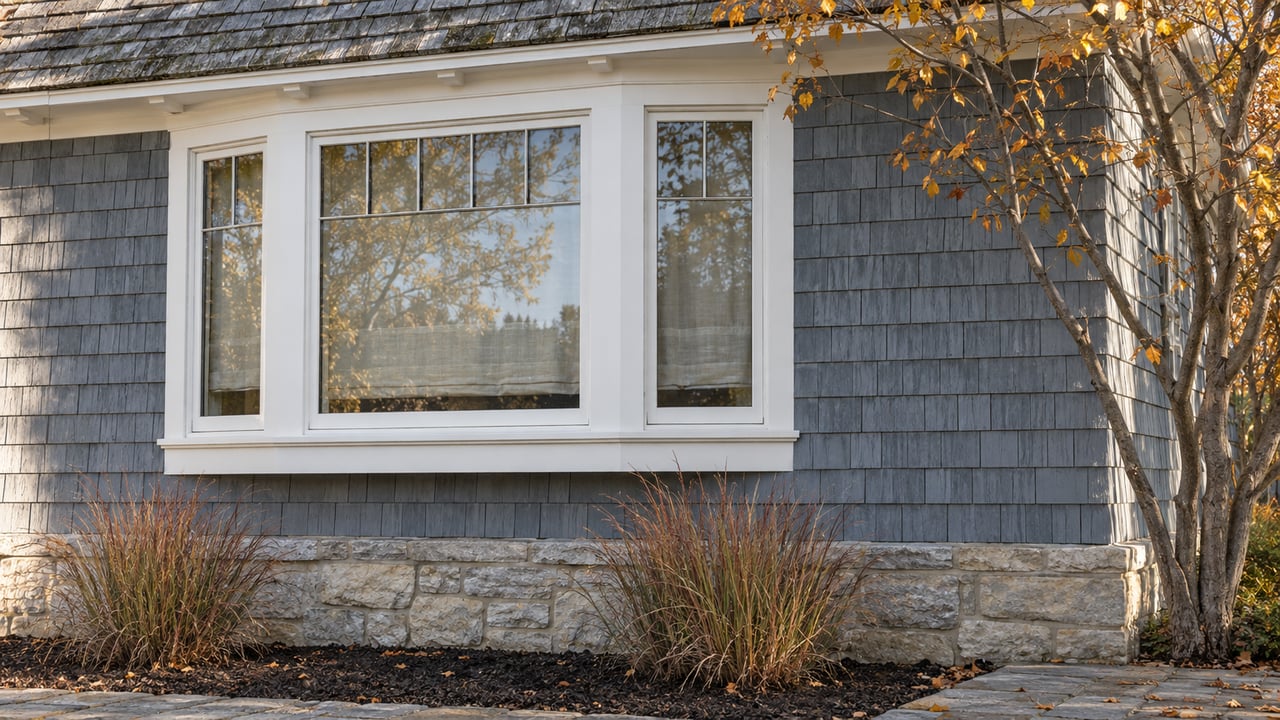
You should also clean windows thoroughly. Remote buyers will notice glare, haze, and streaks in photos and video, especially when the view is a key part of the home's value.
Prepare outdoor waterfront spaces carefully
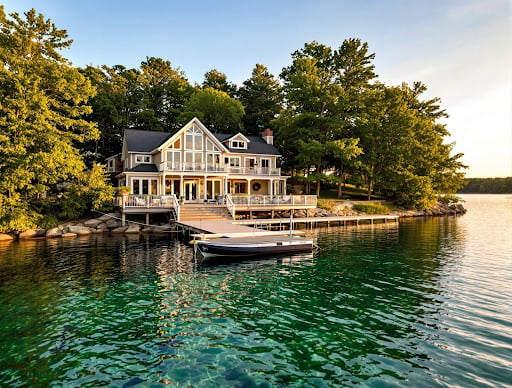
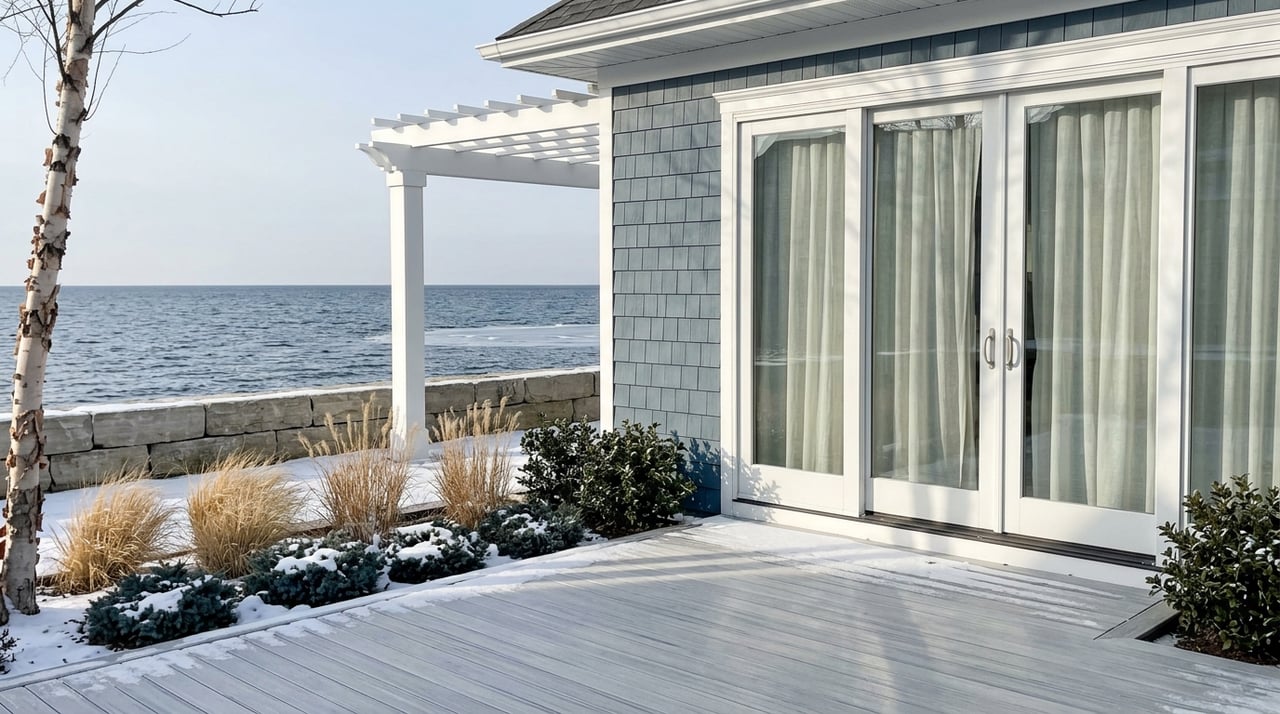
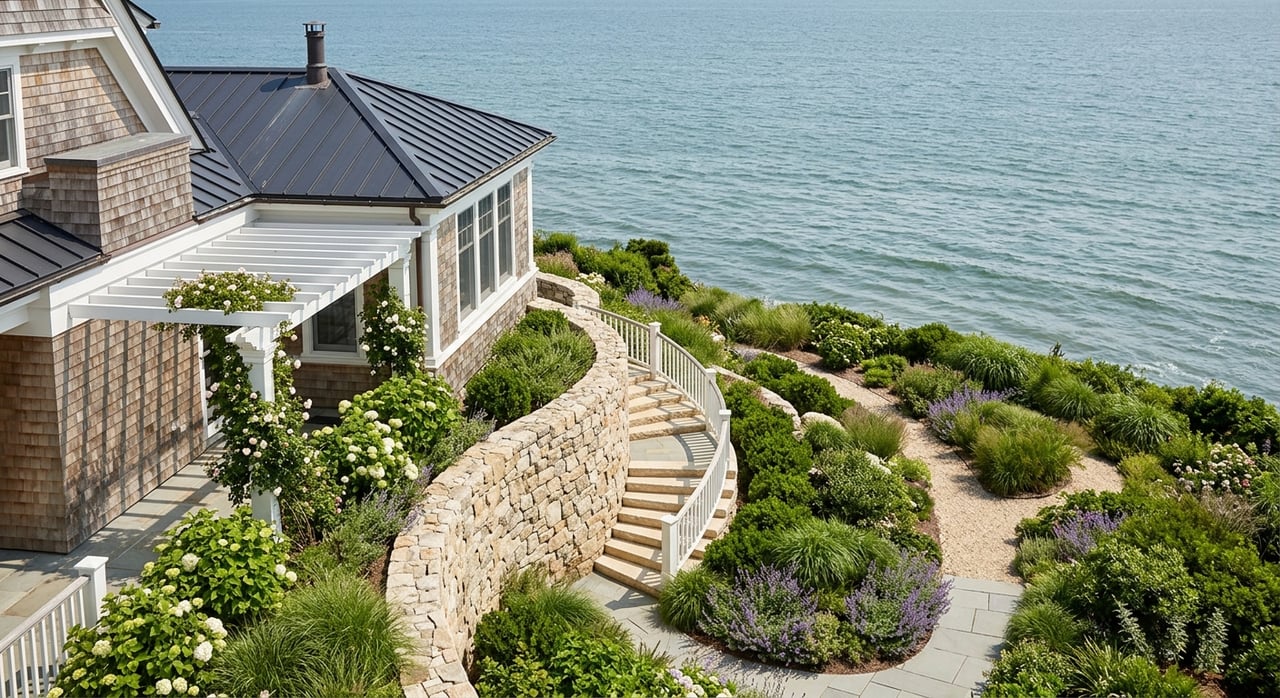
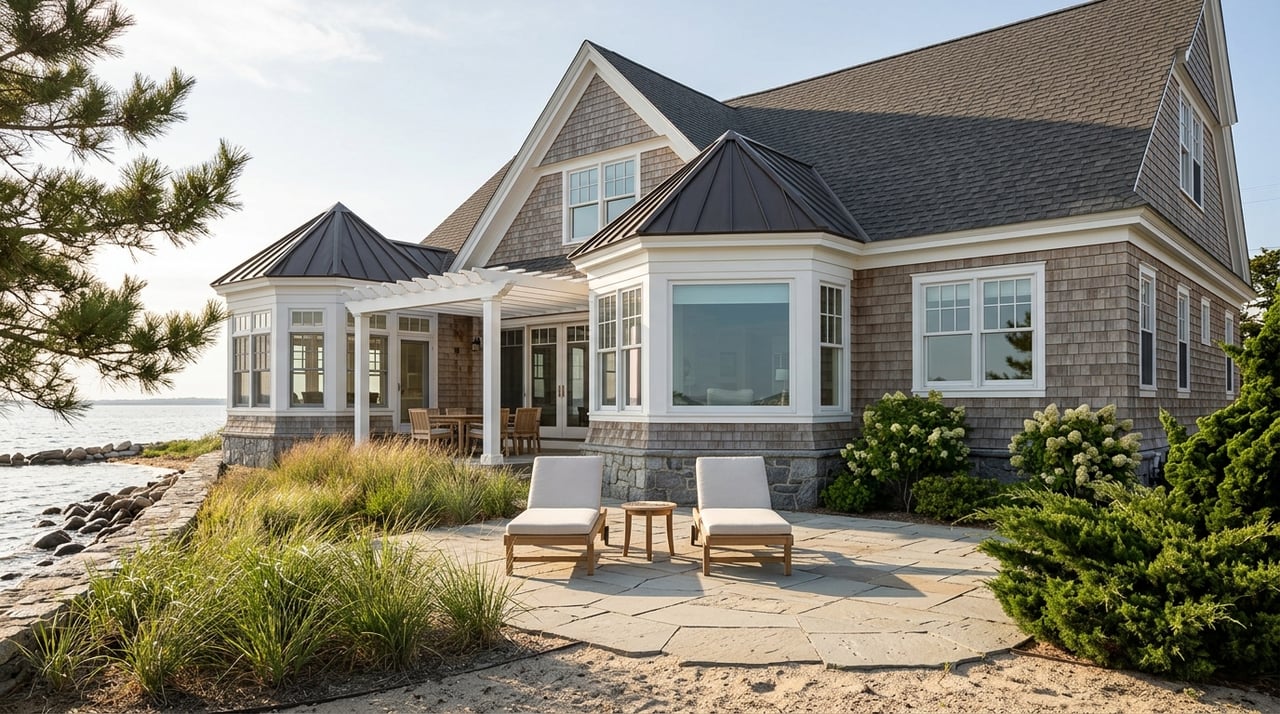
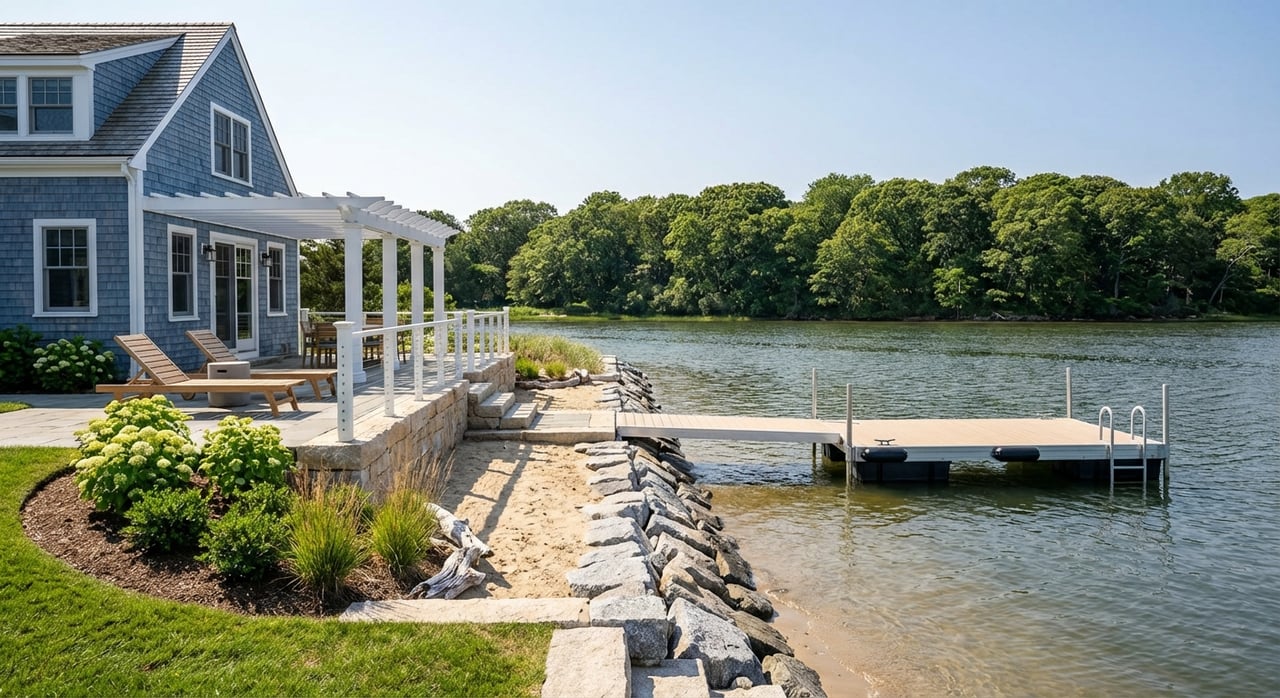
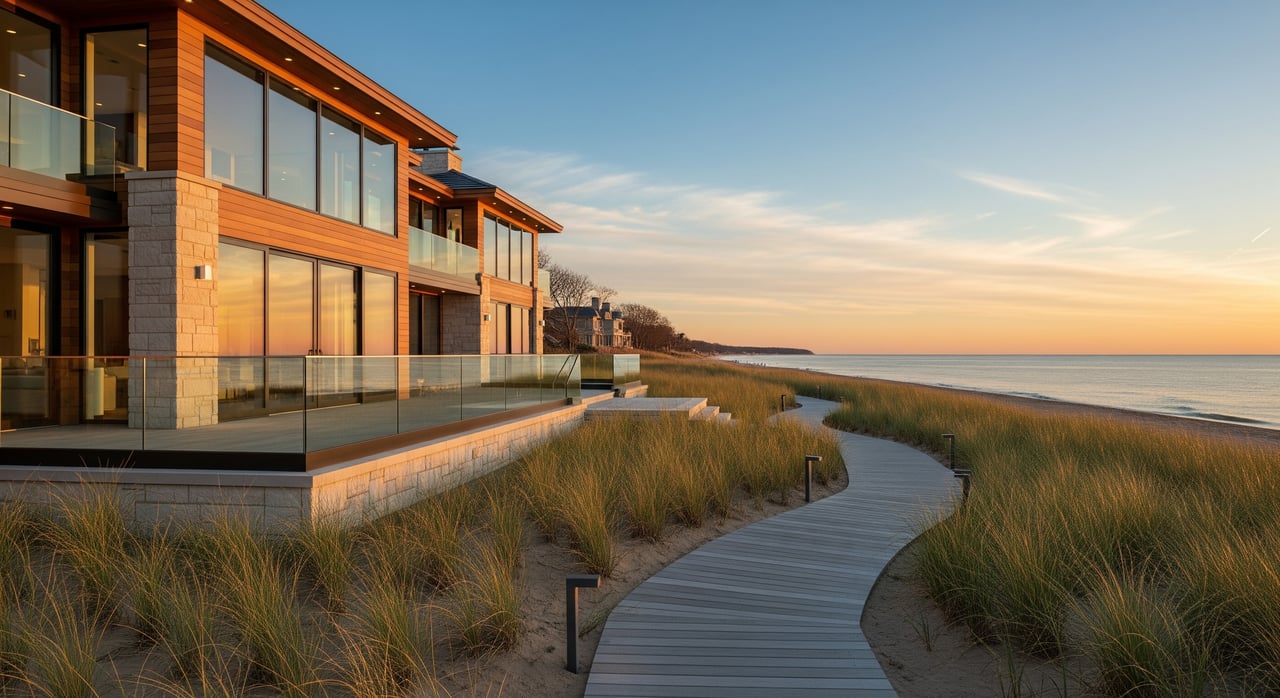
A waterfront listing should show buyers how the property lives outside as much as inside. In Grand Haven, that can include a deck for sunset views, a path to the water, a dock setup, storage for lake gear, or a patio that connects the house to the shoreline.
These areas need the same level of preparation as your kitchen or great room. Buyers trying to compare homes remotely want to understand how easy the property feels to use and enjoy.
Outdoor areas to prioritize
Before photos or showings, review these spaces closely:
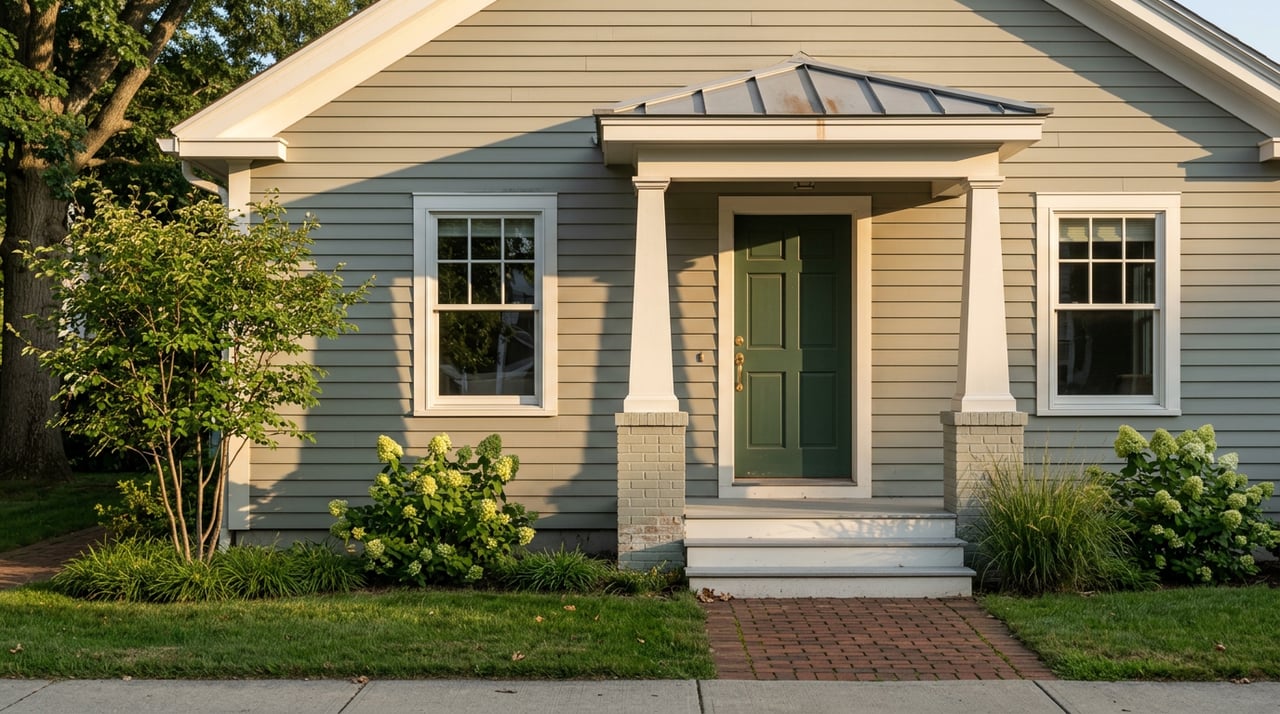
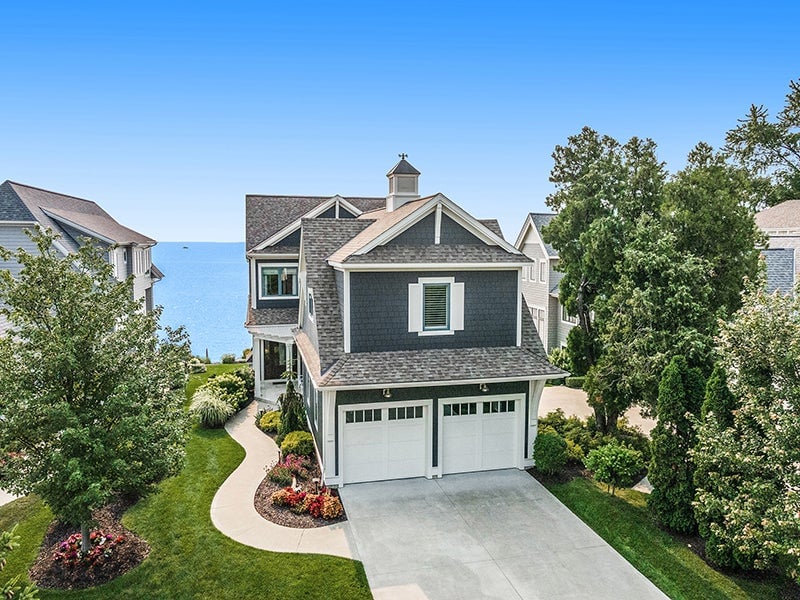
- Front entry and curb appeal
- Driveway and parking areas
- Decks and patios
- Yard and waterfront approach
- Dock access, if applicable
- Storage for outdoor and marine items
- Walkways from street to shoreline
Keep these areas clean, simple, and safe-looking. If the route to the water is a major feature, make sure it is easy to see and easy to follow in person and on camera.
Build a strong photo and video package
Remote buyers rely heavily on visuals to decide whether a home is worth a trip. NAR reports that photos, videos, and virtual tours are much more or more important to buyers, and buyers rate photos, detailed property information, and floor plans as especially useful online.
That makes professional visual marketing essential for a waterfront listing. A few attractive photos are not enough when buyers are trying to understand both the home and the waterfront setting.
What remote buyers need to see
Your media package should accurately show the features that matter most in a Grand Haven waterfront purchase. The goal is not to oversell the property. The goal is to reduce uncertainty.
A strong listing package should clearly show:
- The water view from main interior rooms
- The shoreline or beach condition
- Dock or boat access, if applicable
- Outdoor entertaining spaces
- Parking and garage setup
- Storage areas for seasonal use
- The path or route from the street to the water
- The overall layout and flow of the home
Accuracy matters as much as beauty. Buyers who love what they see online expect the in-person experience to match the listing.
Make your listing details more informative
Photos draw buyers in, but details help them stay engaged. A remote buyer is often trying to answer practical questions quickly, especially if they are comparing several waterfront homes at once.
That means your listing information should go beyond surface-level description. Clear, specific details can help buyers feel confident enough to schedule a showing or make a serious inquiry.
Highlight the features that shape waterfront value
In Grand Haven, buyers may focus on details such as:
- Water access type
- Dock setup or boat access
- Outdoor living areas
- Storage for lake or boating gear
- Parking flexibility for guests or seasonal use
- Relationship between the home and the shoreline
- Access to Grand Haven's waterfront lifestyle amenities
This is where local waterfront knowledge matters. Buyers want to understand not just that a home is near the water, but how it connects to the way they want to live.
Prepare disclosures and documents early
Remote buyers often move faster when information is organized upfront. If they have to wait for basic answers about condition, repairs, or waterfront improvements, they may shift their attention elsewhere.
Michigan's Seller Disclosure Act requires sellers to provide a signed disclosure statement about known property conditions. The form asks about issues such as water in the basement, roof leaks, well condition, septic or drain field condition, and other systems.
Gather these records before you list
A well-prepared seller packet can help a remote buyer feel more comfortable evaluating the home from afar. It can also make it easier to answer questions quickly during the listing period.
Consider gathering:
- Seller disclosure statement
- Maintenance records
- Repair invoices
- Prior inspection reports, if available
- Roof or water-intrusion documentation
- Well or septic records, if applicable
- Permits for shoreline or exterior improvements, if applicable
If your home was built before 1978, lead-based paint disclosure rules may also apply. Having required information ready early can help your transaction move more smoothly.
Be ready for flood and shoreline questions
Waterfront buyers often ask questions that do not come up with inland homes. In Grand Haven, that may include floodplain status, shoreline changes, and documentation for improvements near the water.
Michigan EGLE identifies Flood Insurance Rate Maps as the primary floodplain mapping source in the state and notes that flood damage is not covered by standard homeowners insurance. Because of that, buyers may ask about flood status and flood insurance early in the process.
Waterfront due diligence items to organize
If your property includes shoreline improvements or water-access features, it helps to have documentation easy to share. Buyers may want to understand what exists, what was permitted, and what responsibilities may come with ownership.
Helpful records may include:
- Flood-related property information
- Surveys, if available
- Shoreline improvement records
- Seawall or revetment documentation, if applicable
- Dock or boat lift permit records, if applicable
For Great Lakes shoreline property, Michigan EGLE says permits are required for certain construction activities on bottomlands below the ordinary high-water mark, including some docks, boat lifts, and seawalls. That makes paperwork especially important for remote buyers who are trying to verify the property's setup before they travel.
Create a showing plan with flexibility and control
Remote buyers may need special showing windows because they are planning around flights, weekends, or limited travel time. Flexibility can help you capture serious interest, but you still need a clear plan to protect your home and your information.
NAR's Safe Listing Form recommends showings only to pre-qualified or properly identified buyers. It also recommends removing valuables, personal information, medications, and weapons during the listing period.
Showing tips for waterfront sellers
To make your home easier to show while staying organized, focus on a few basics:
- Keep the home photo-ready each day
- Remove valuables and personal documents
- Secure medications and sensitive items
- Limit pet presence during showings
- Make outdoor access points tidy and safe
- Be prepared for short-notice requests when possible
This kind of preparation helps you stay open to opportunity without giving up control. For remote buyers especially, a smooth and responsive showing experience can make a strong impression.
Match the online experience to reality
One of the biggest mistakes sellers make is polishing the listing but neglecting the in-person experience. That gap can hurt trust right away.
NAR notes that buyers are more willing to walk through a home they saw online, and buyers who liked what they saw expect to find the same home in person. If the listing shows a crisp, open, waterfront retreat, the real property needs to deliver that same feeling.
Before your home goes live, walk through it as if you were an out-of-town buyer seeing it for the first time. Ask yourself whether the home feels clean, easy to understand, and true to the lifestyle your listing promises.
Selling a Grand Haven waterfront home to remote buyers is really about reducing friction. When your home is clean, visually strong, accurately presented, and backed by organized documentation, buyers can picture both the property and the life that comes with it. If you're thinking about listing and want a strategy built for how waterfront buyers actually shop today, the Andrea Crossman Group can help you position your home for standout exposure along the lakeshore.
FAQs
What should Grand Haven waterfront sellers stage first for remote buyers?
- Start with the living room, primary bedroom, kitchen, and outdoor living areas. In a waterfront home, clean windows, simple furniture placement, and uncluttered deck or patio areas help buyers focus on the view and layout.
What listing photos matter most for a Grand Haven waterfront home?
- The most useful photos usually show interior water views, outdoor entertaining areas, shoreline condition, dock or boat access if applicable, parking, storage, and the path from the house to the water.
What documents should Michigan waterfront sellers gather before listing?
- It helps to organize your seller disclosure statement, maintenance records, repair invoices, prior inspection reports if available, and any permits or records tied to shoreline improvements, docks, or seawalls.
Why do flood questions come up with Grand Haven waterfront homes?
- Buyers often want to know whether a property is in a mapped flood area because Michigan EGLE notes that flood damage is not covered by standard homeowners insurance and flood status can affect ownership costs and planning.
How can sellers prepare Grand Haven waterfront homes for remote showings?
- Keep the home clean and photo-ready, remove valuables and personal information, secure sensitive items, minimize pet presence during showings, and make outdoor waterfront access areas easy to navigate and presentable.