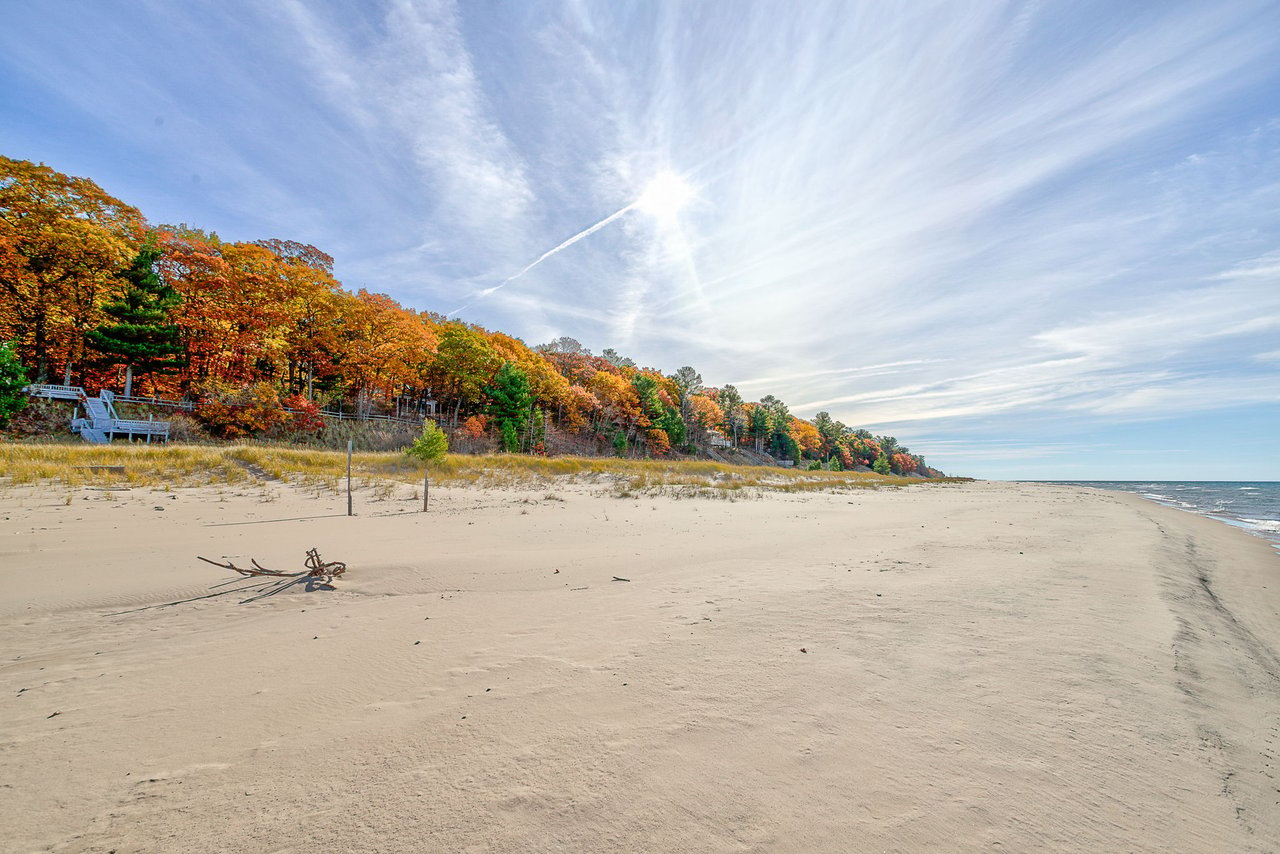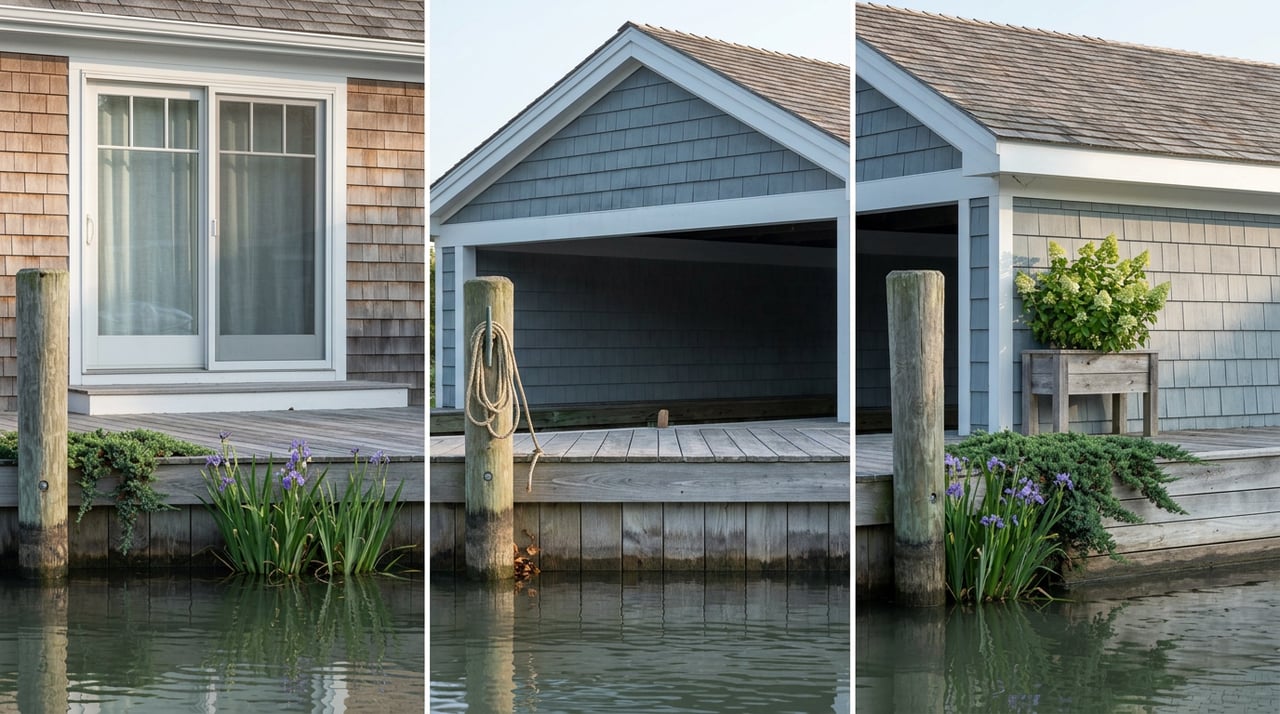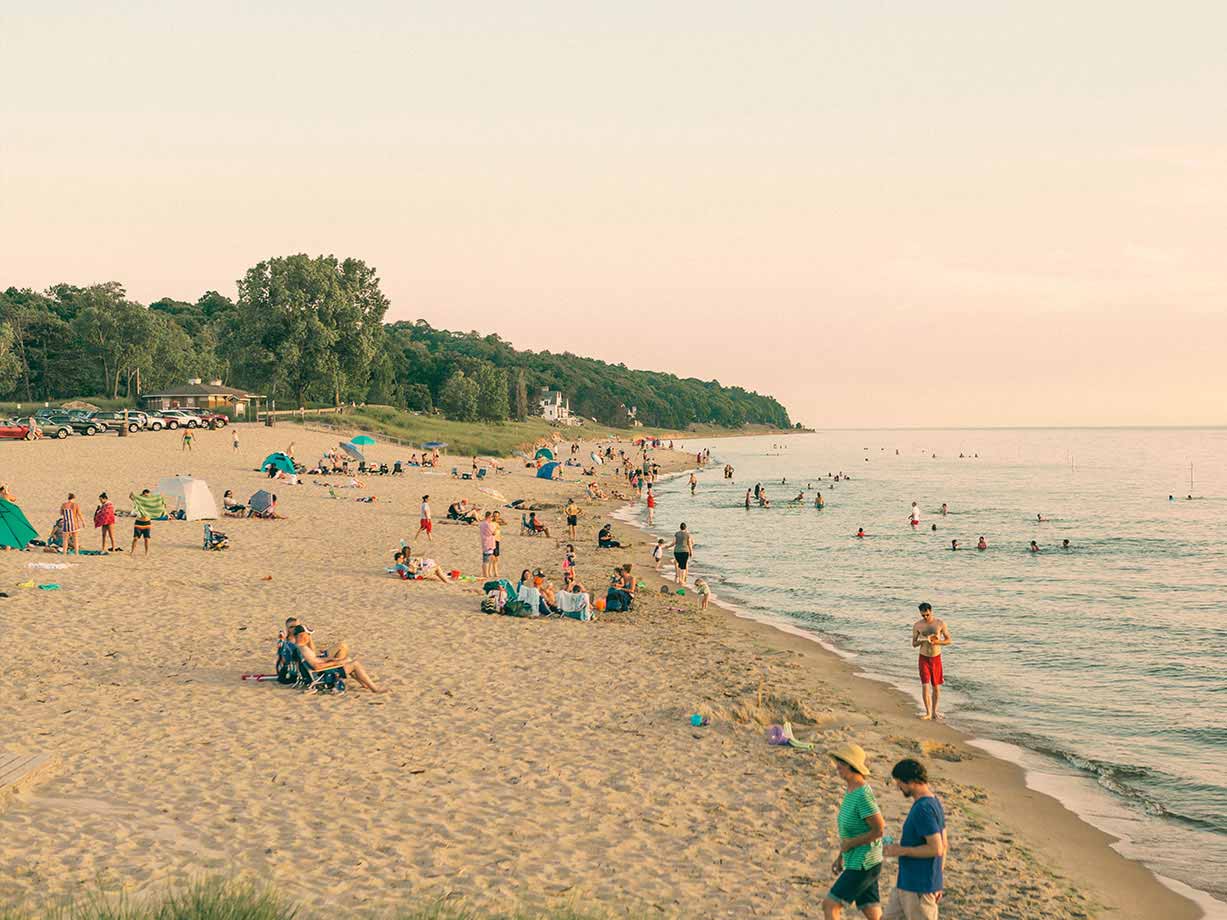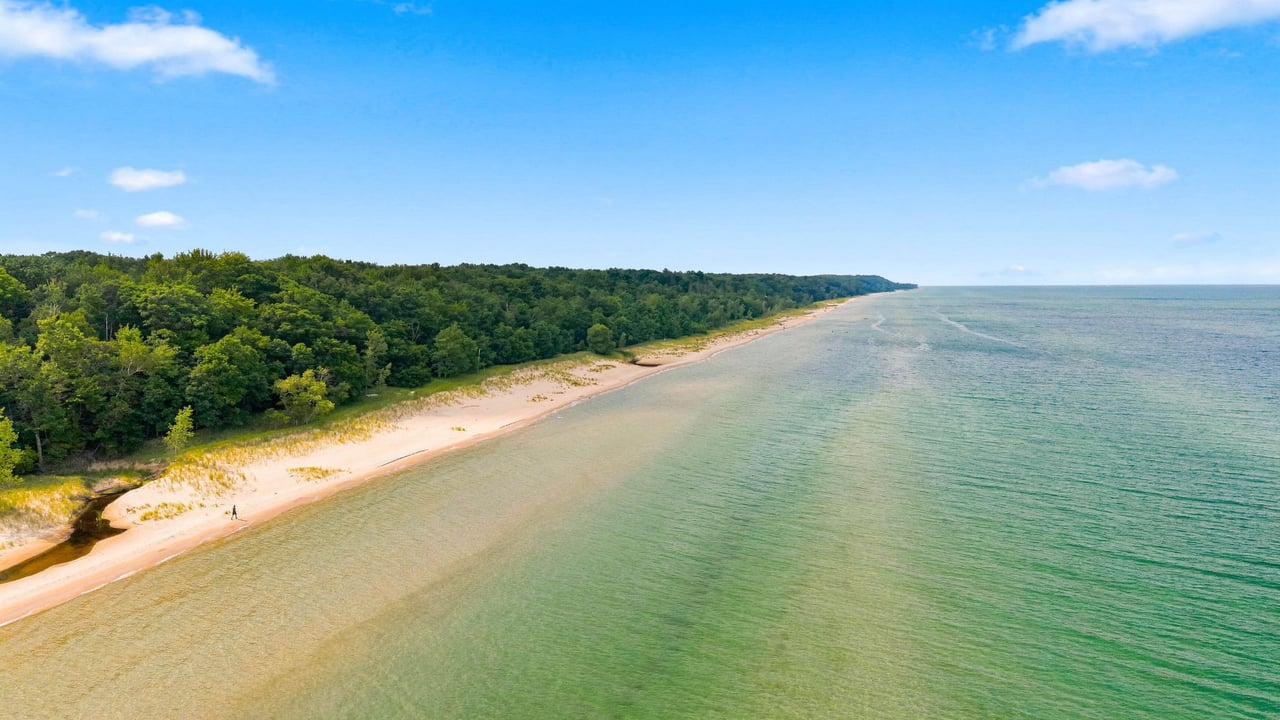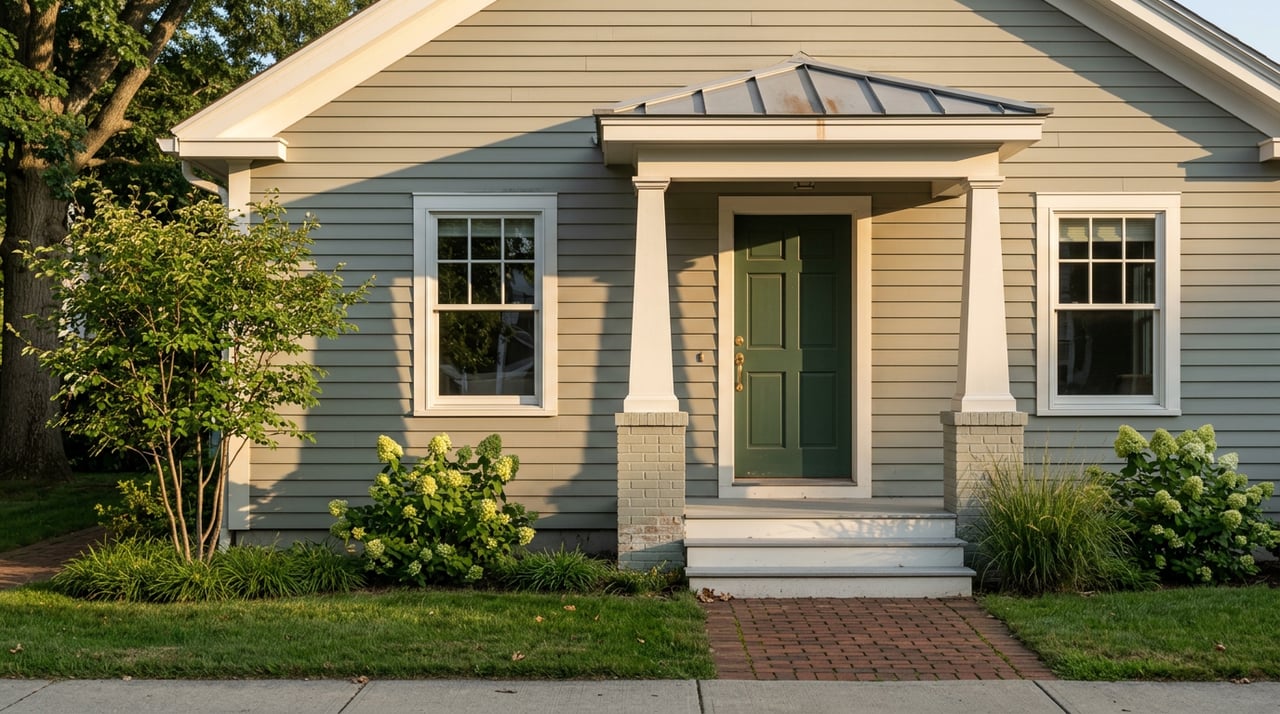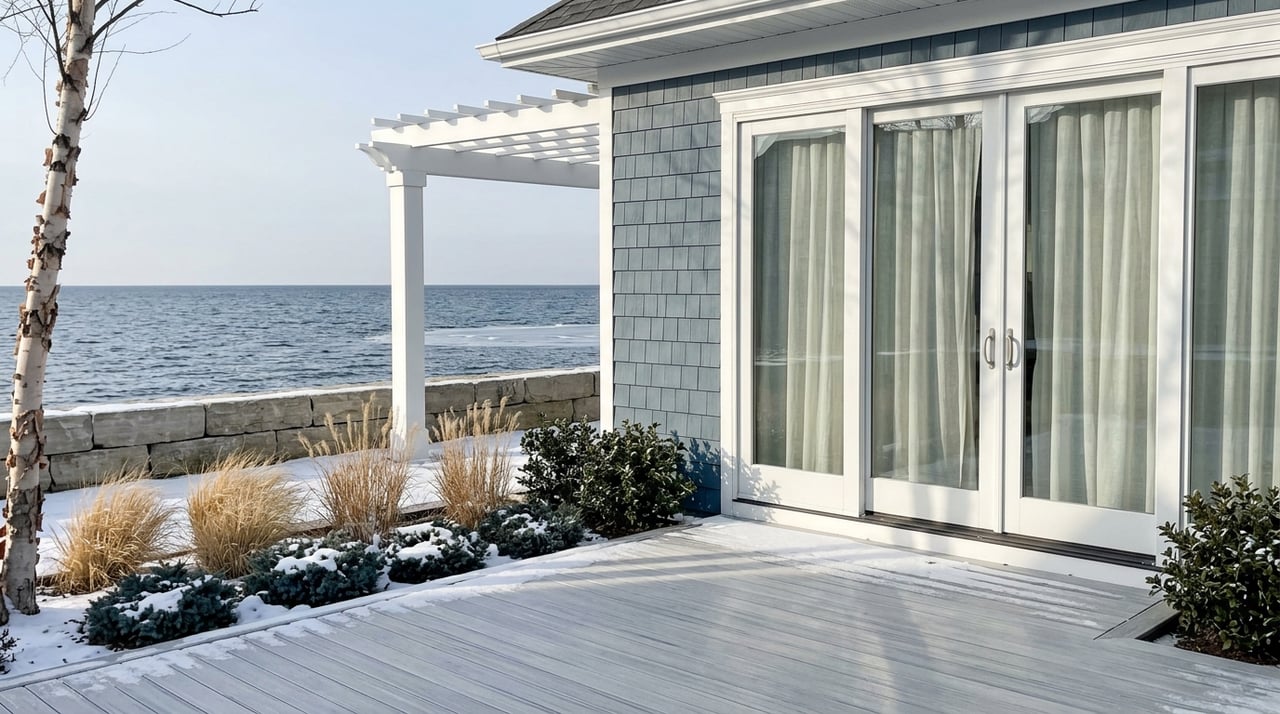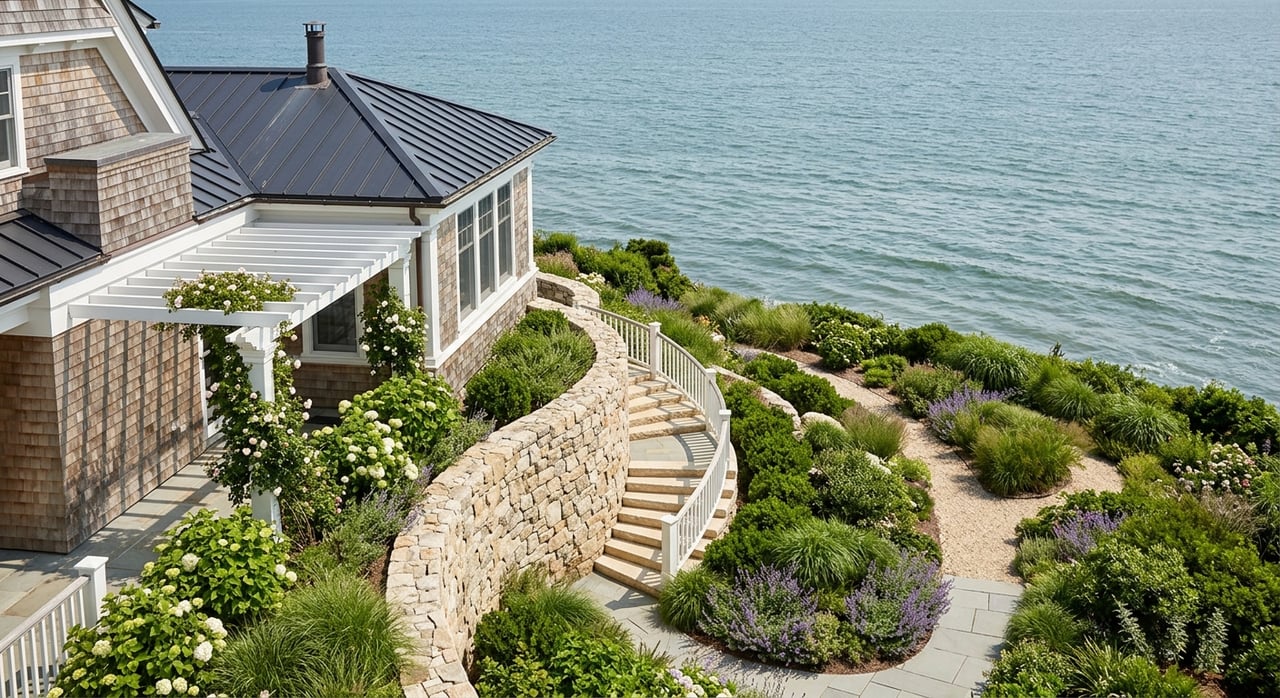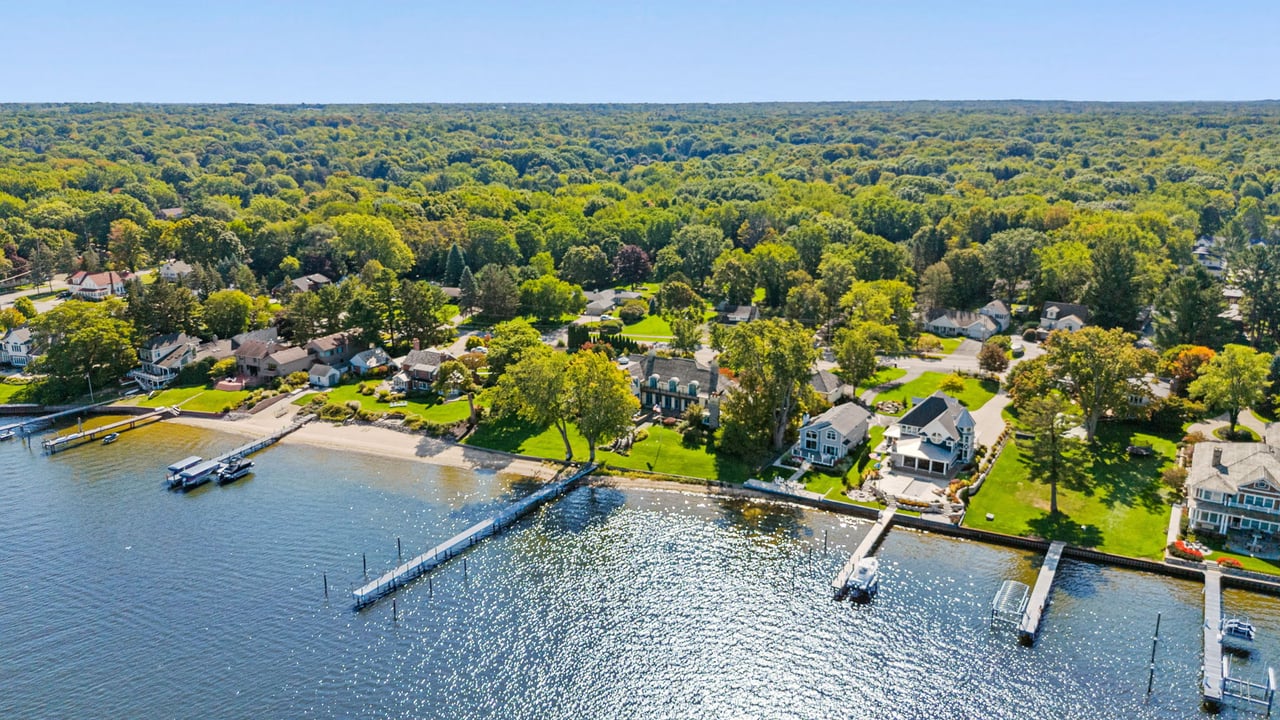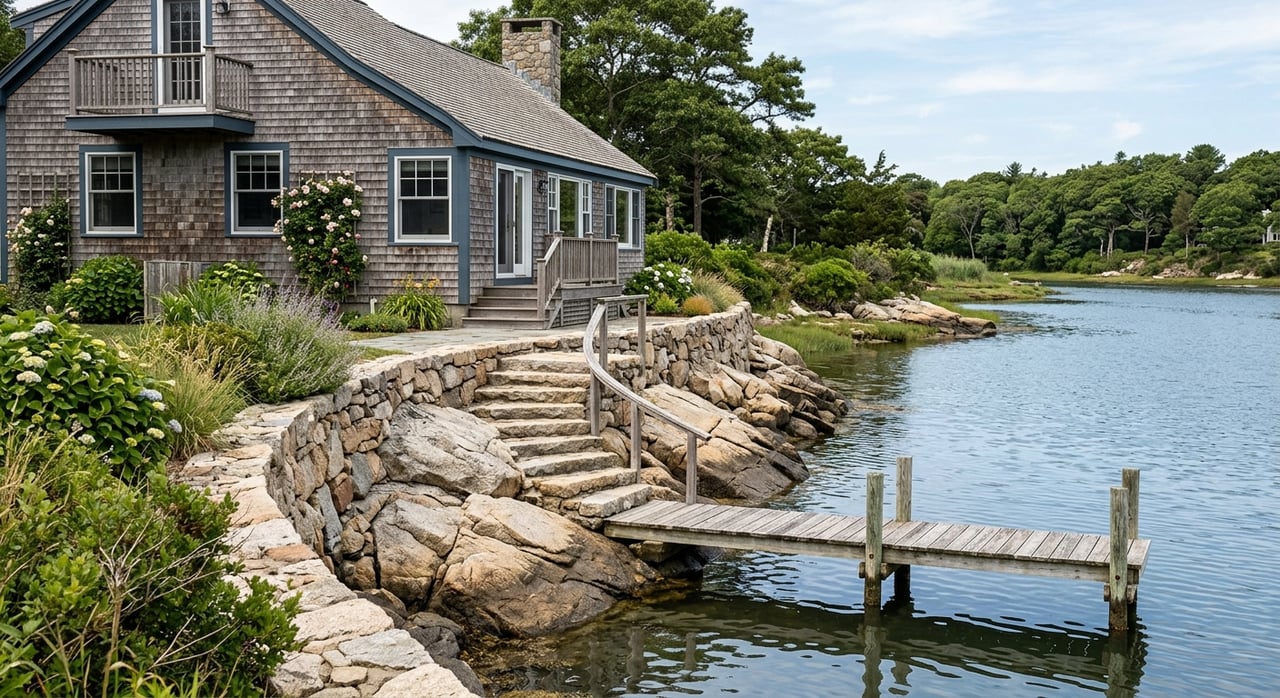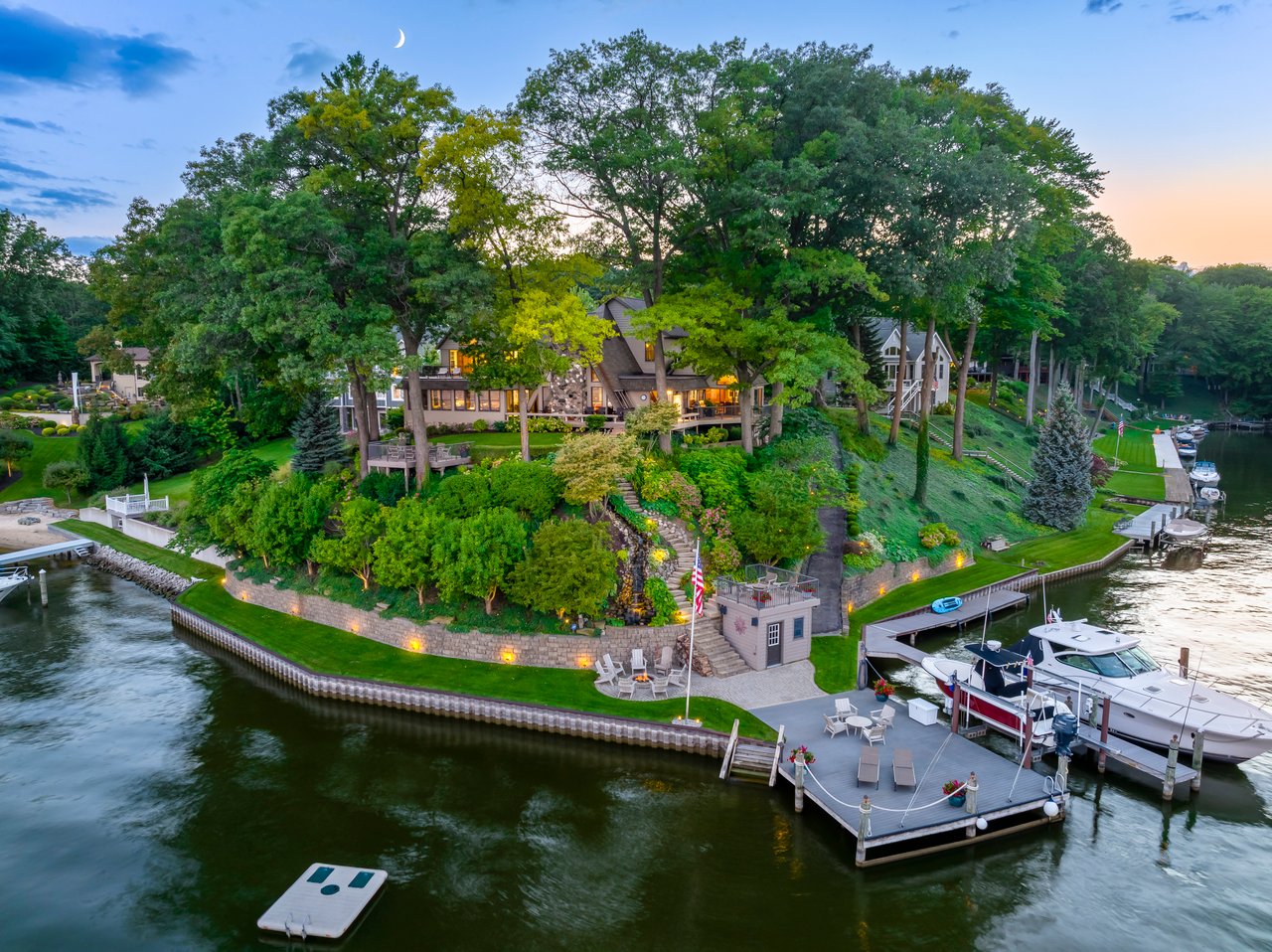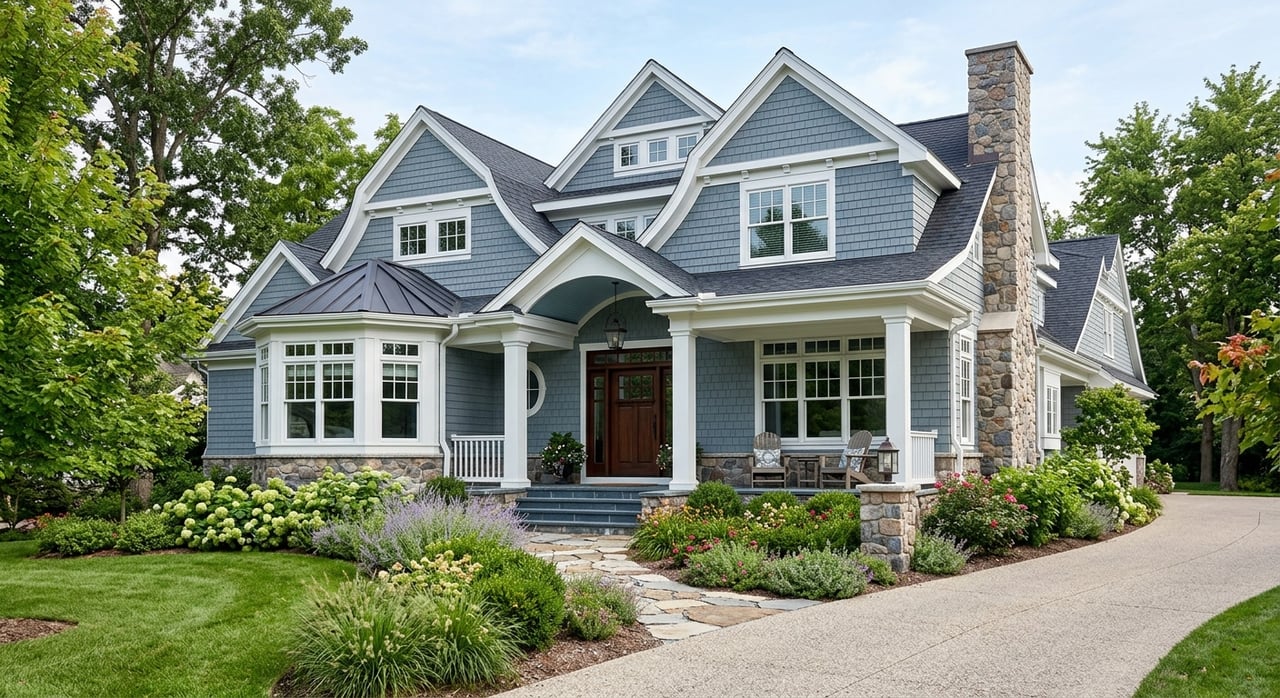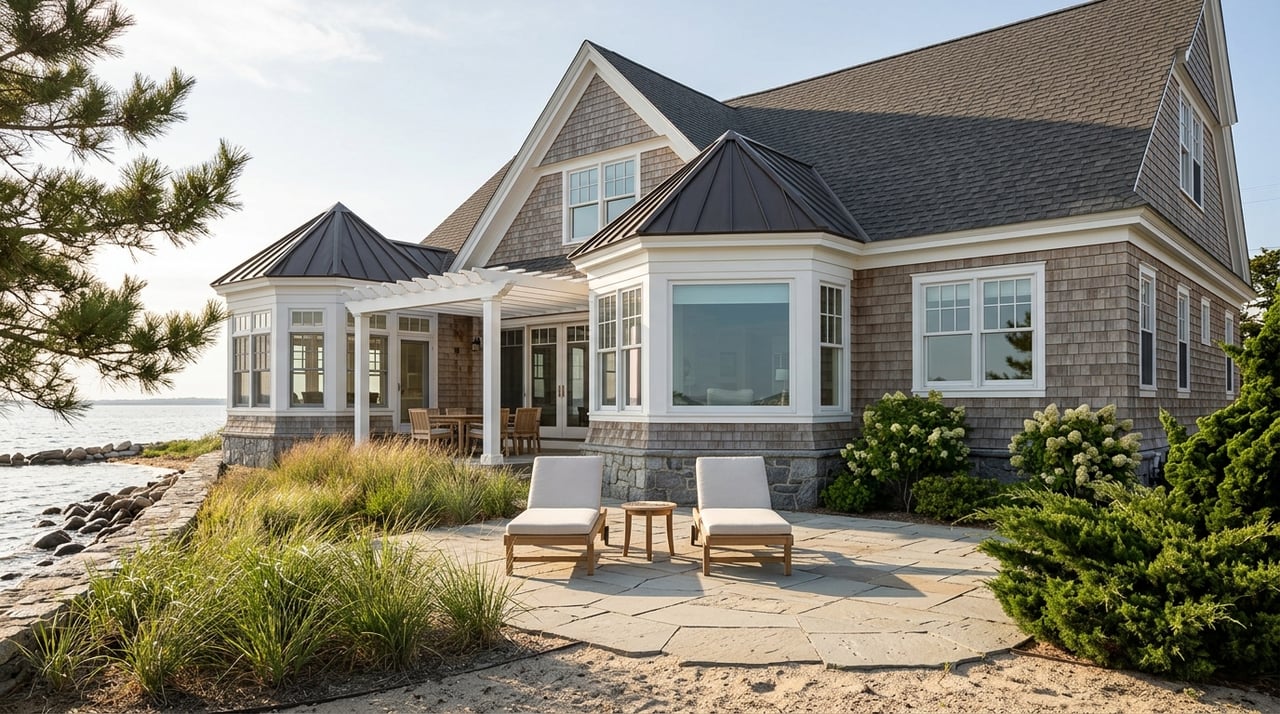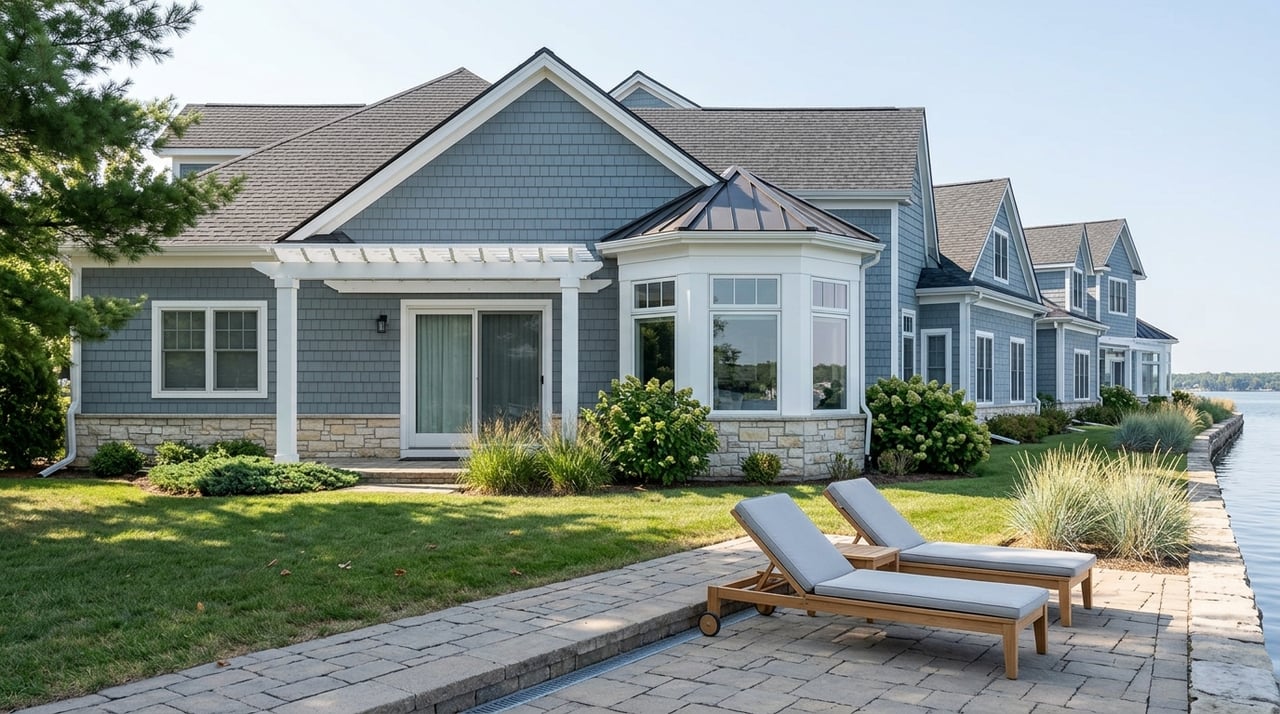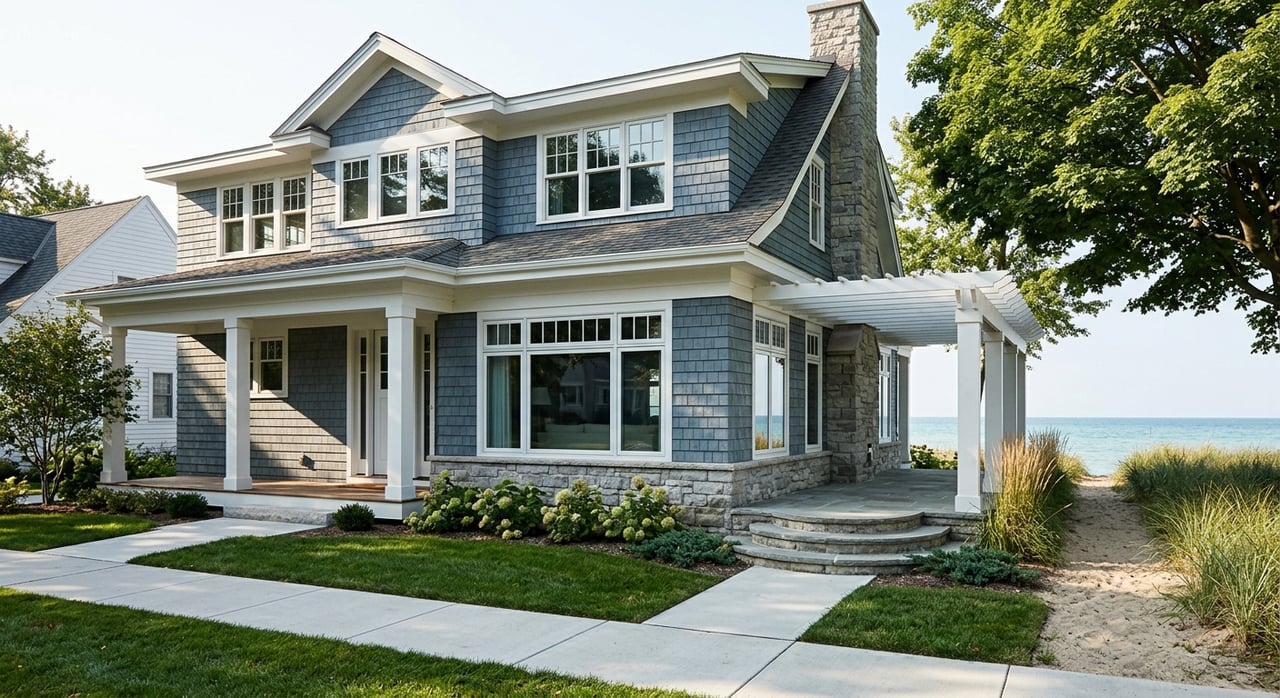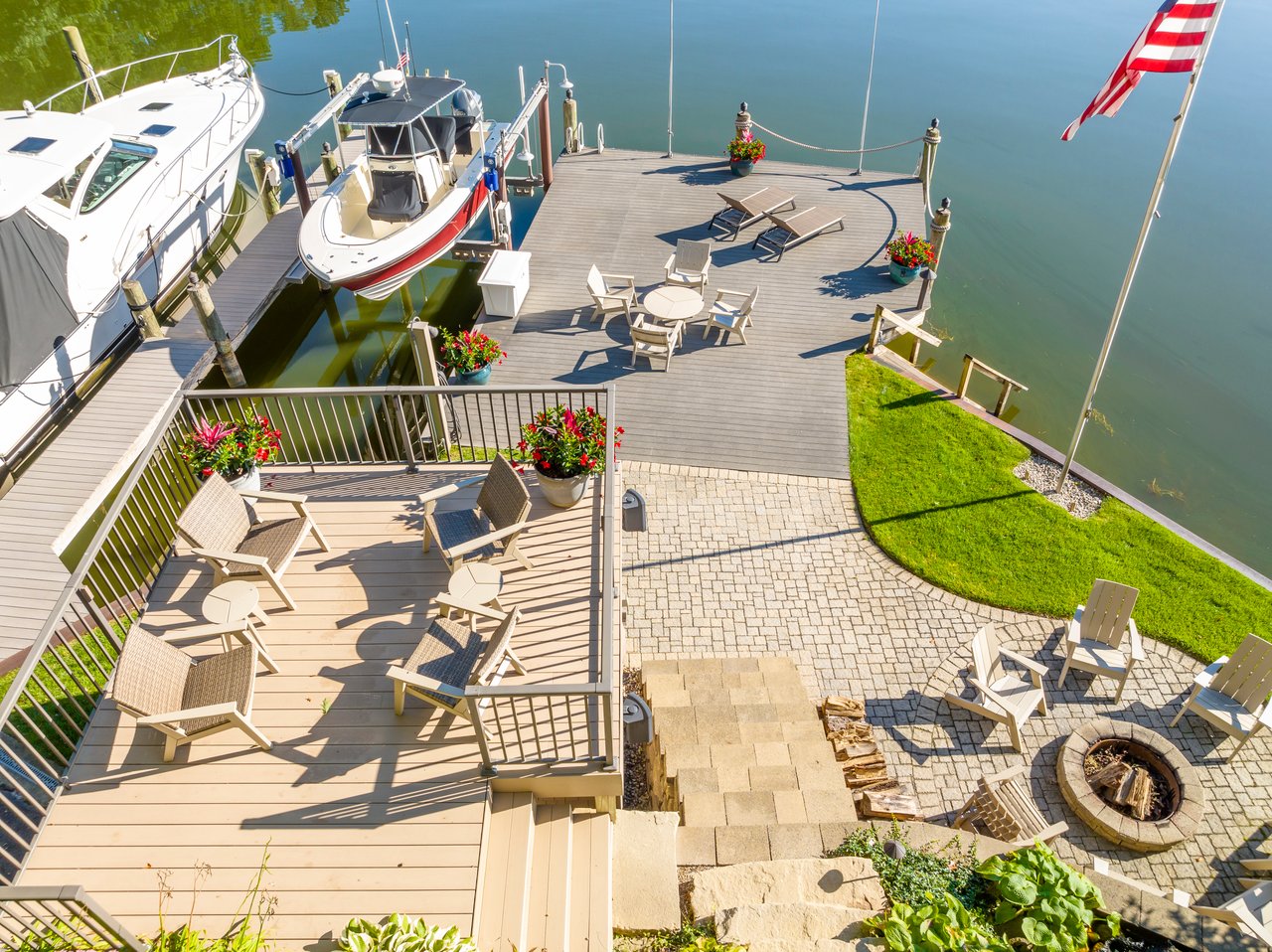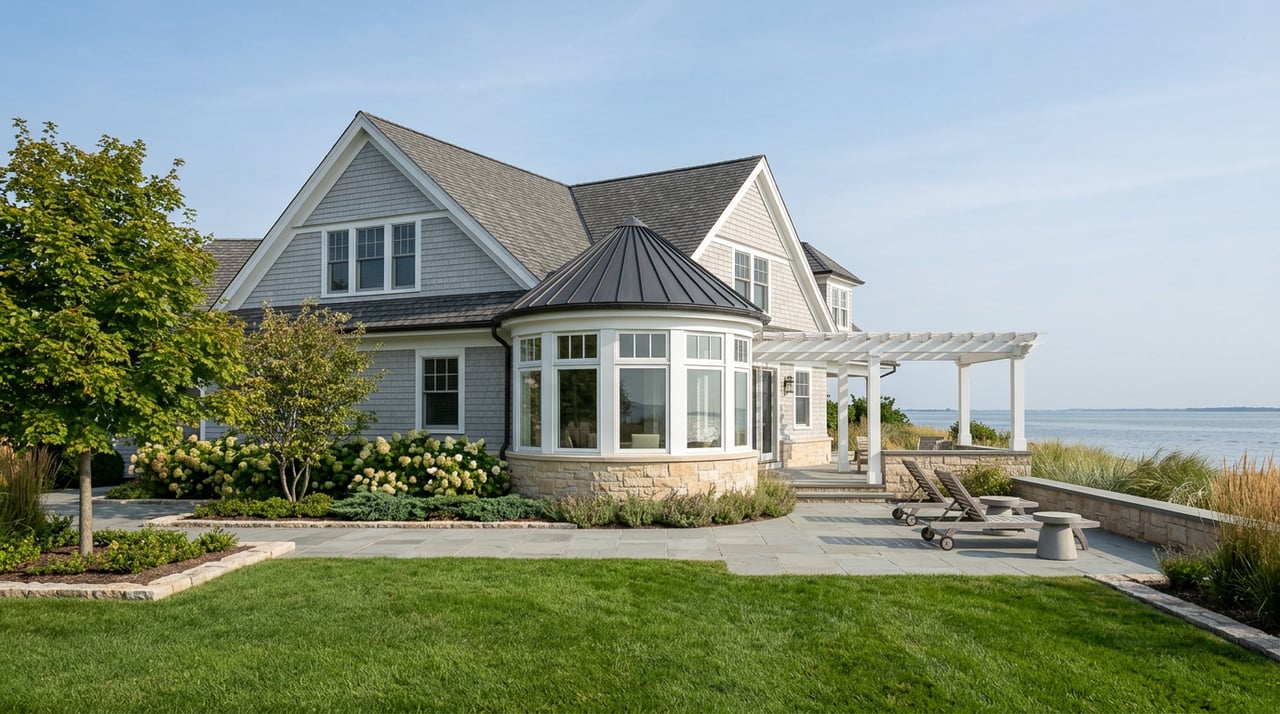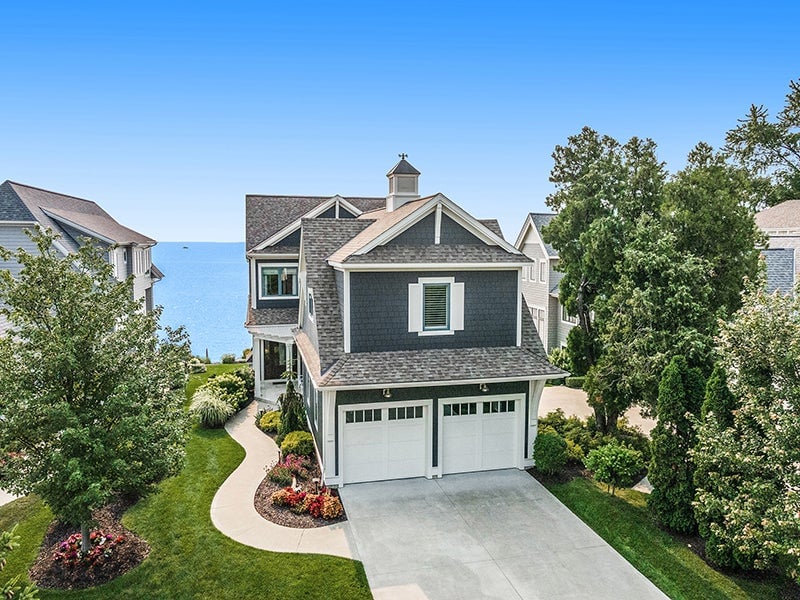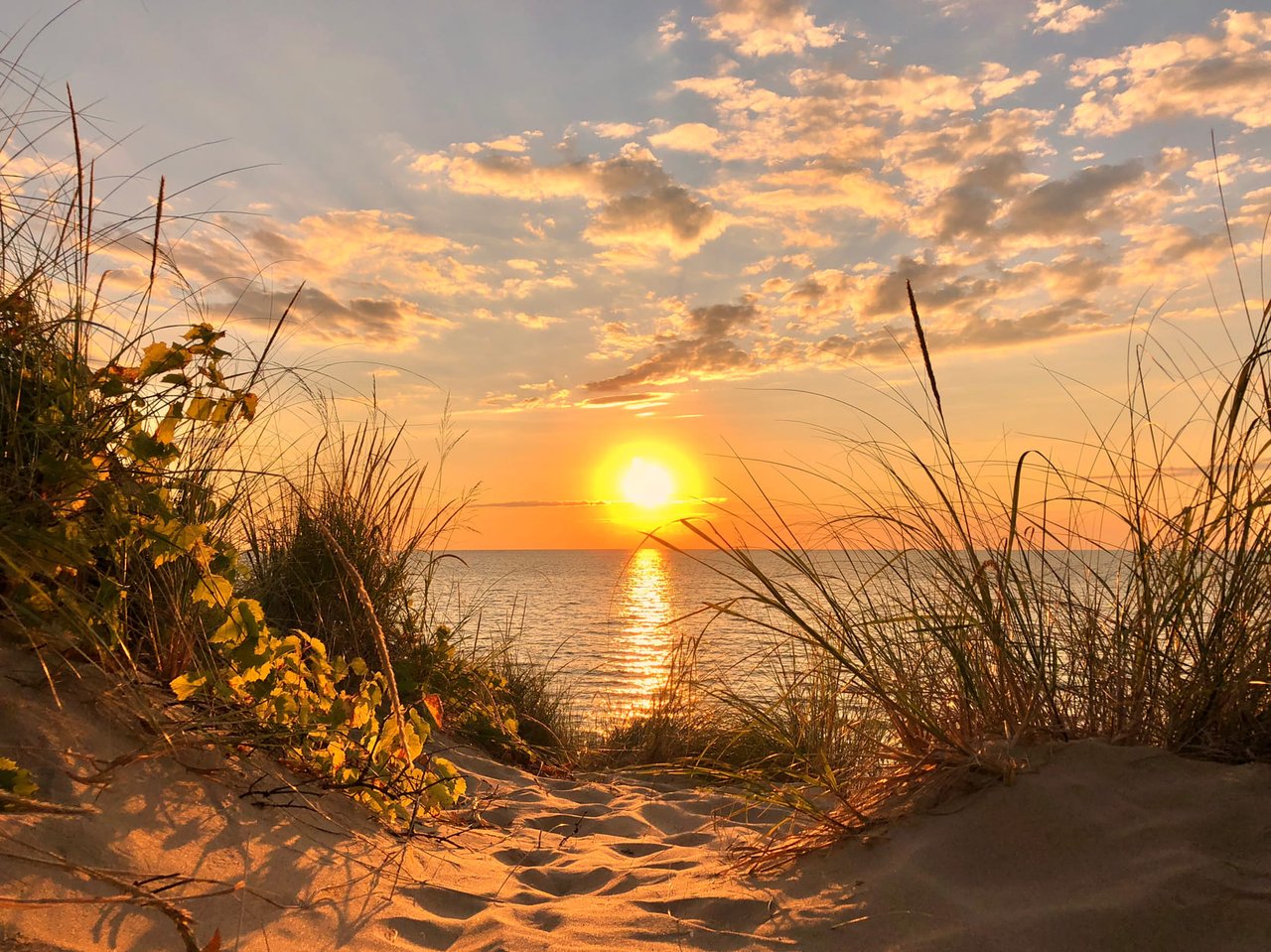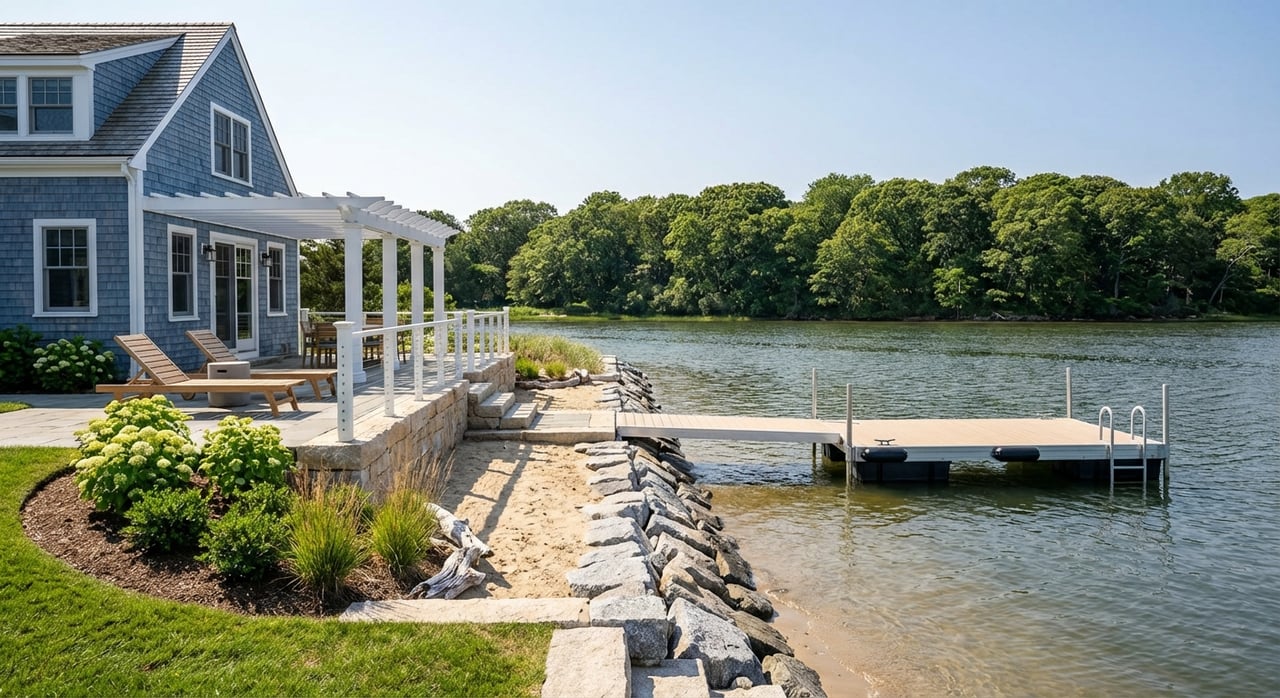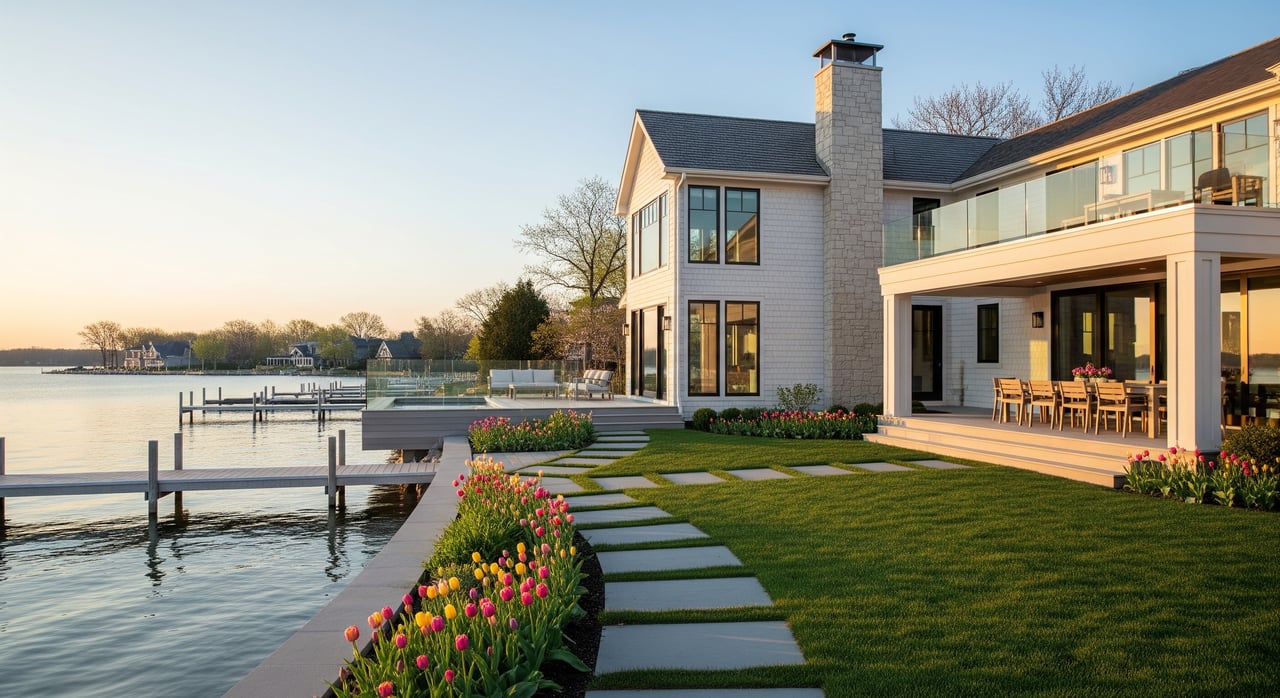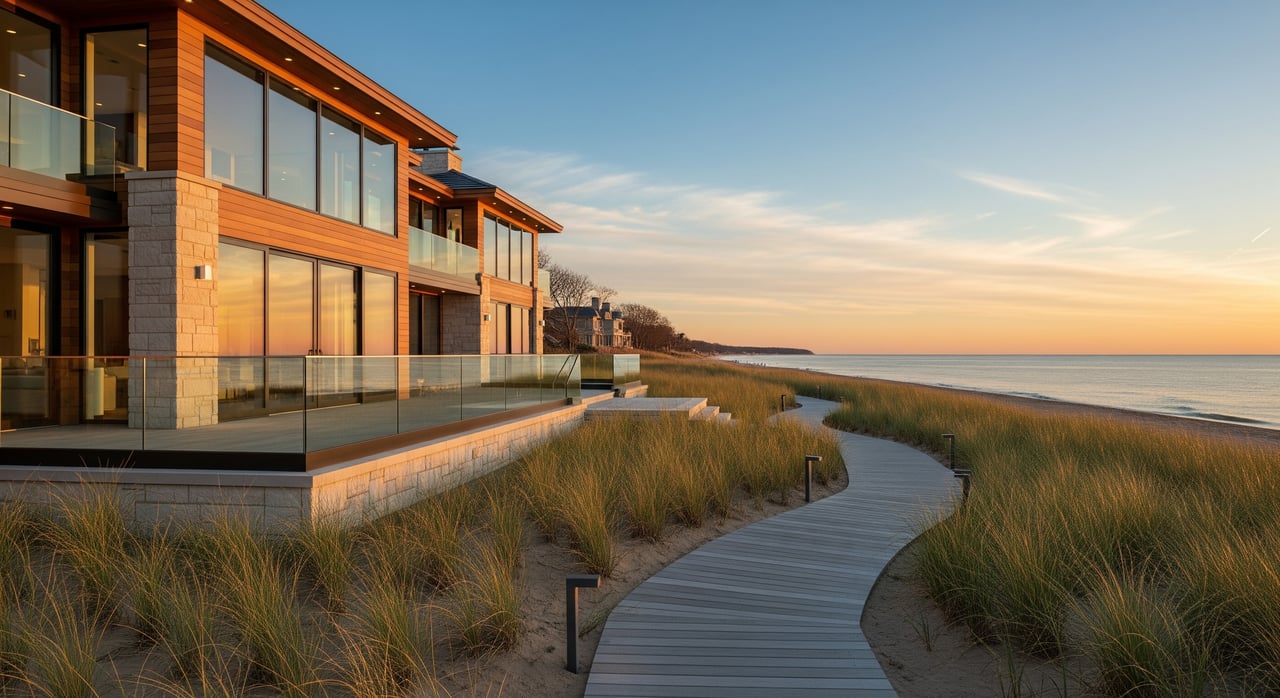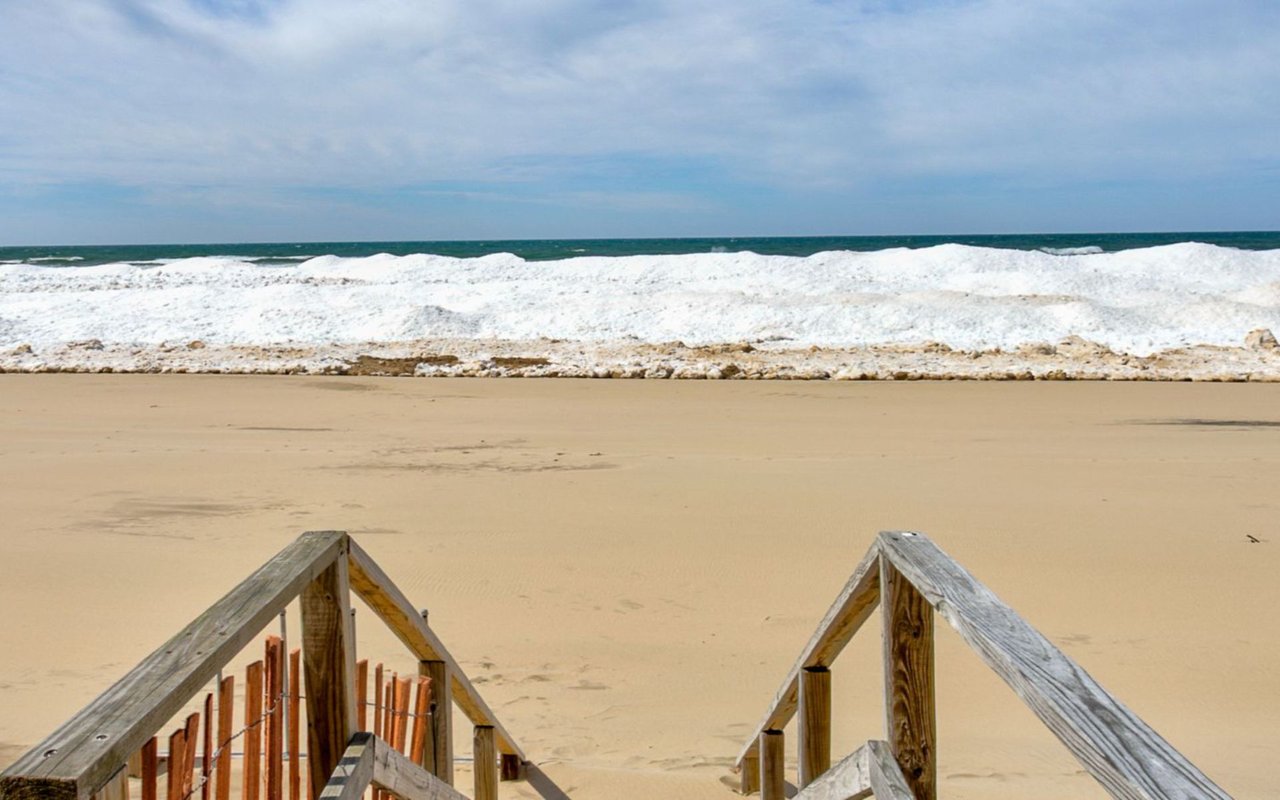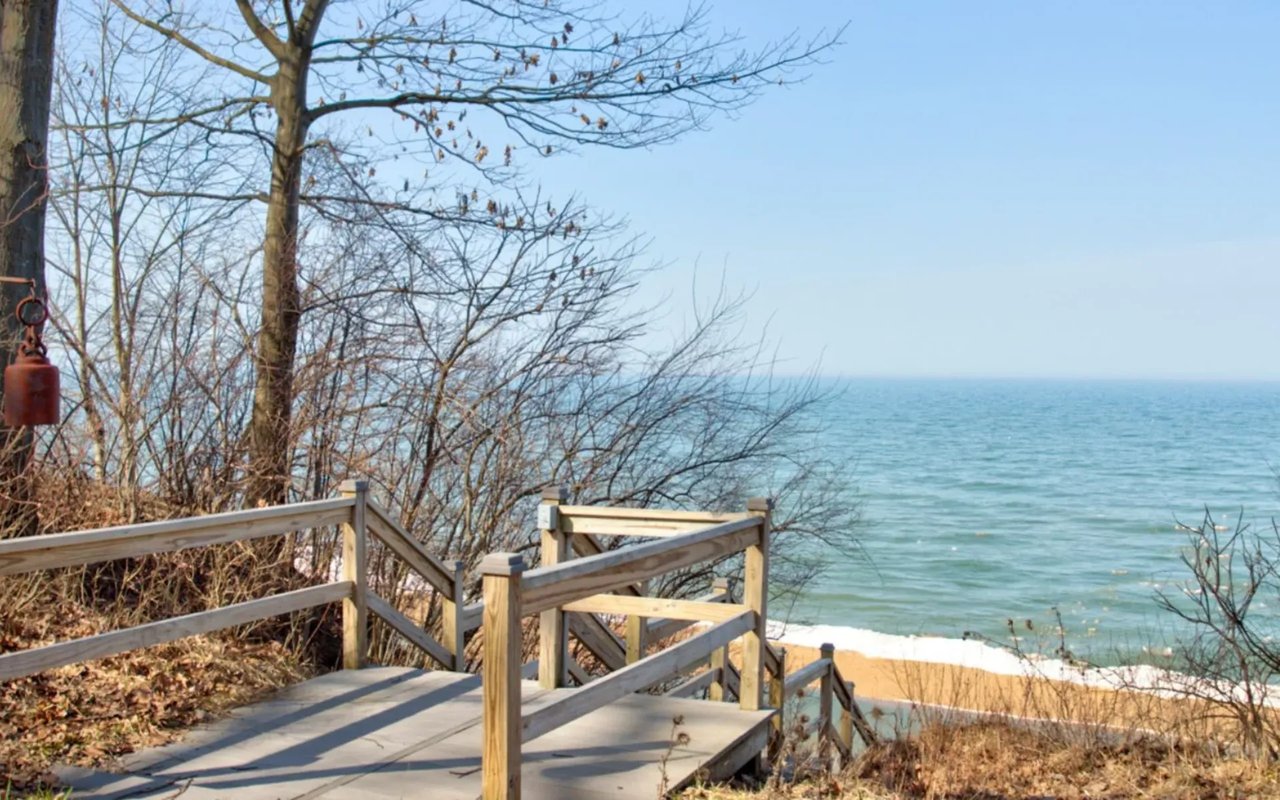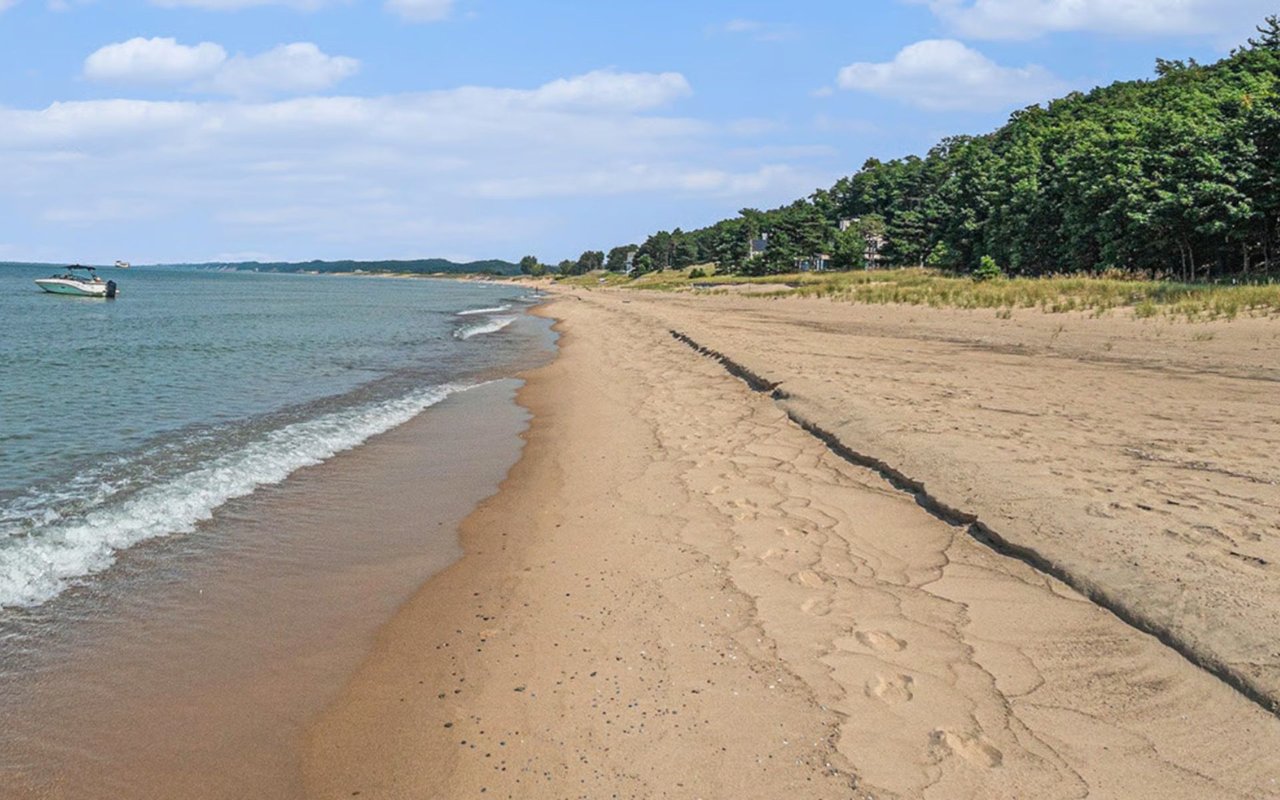
A stairway down to the beach in a South Haven critical dune area does not need a state permit, but only if it stays elevated above grade, runs no wider than five feet including the landings, has no roof or walls, and gets built without wheeled or tracked equipment. Widen it, roof it, or bring in a skid steer and it stops being an exempt stairway. It becomes the same Critical Dune Area permit required for a garage, a driveway, or a rebuilt cottage. That is how specific this program actually gets, and it is the kind of detail that never shows up in a listing description for a South Haven cottage.
Buyers here tend to ask about the roof, the seawall, maybe the septic. Almost nobody asks whether the lot sits inside a mapped critical dune, because almost nobody knows to ask. The honest answer is that the permitting on South Haven's shoreline is not one rule administered by one office. It is a stack of three separate authorities, each triggered by a different threshold, and the thresholds are specific enough to change your renovation plans before you have finished unpacking.
Three Agencies, Not One
The first layer is the State of Michigan. Under Part 353 of the Natural Resources and Environmental Protection Act, EGLE regulates construction, driveways, septic systems, retaining walls, tree removal, and sand movement inside a mapped critical dune area, and in most of the state EGLE issues these permits directly rather than routing them through a local zoning office. Applications go through the MiEnviro Portal, enter a 30-day completeness review, and then sit in a standard 60-day processing window, or 90 days if the project is large enough to require a public hearing.
The second layer belongs to Van Buren County. Any earth-disturbing project within 500 feet of state waters, or covering an acre or more, needs a separate Soil Erosion and Sedimentation Control permit from the county Drain Commissioner's office in Paw Paw. That office processes upward of 150 of these applications a year and typically turns a permit around within 10 business days once the application and site plan are complete, which is a very different clock than the state's.
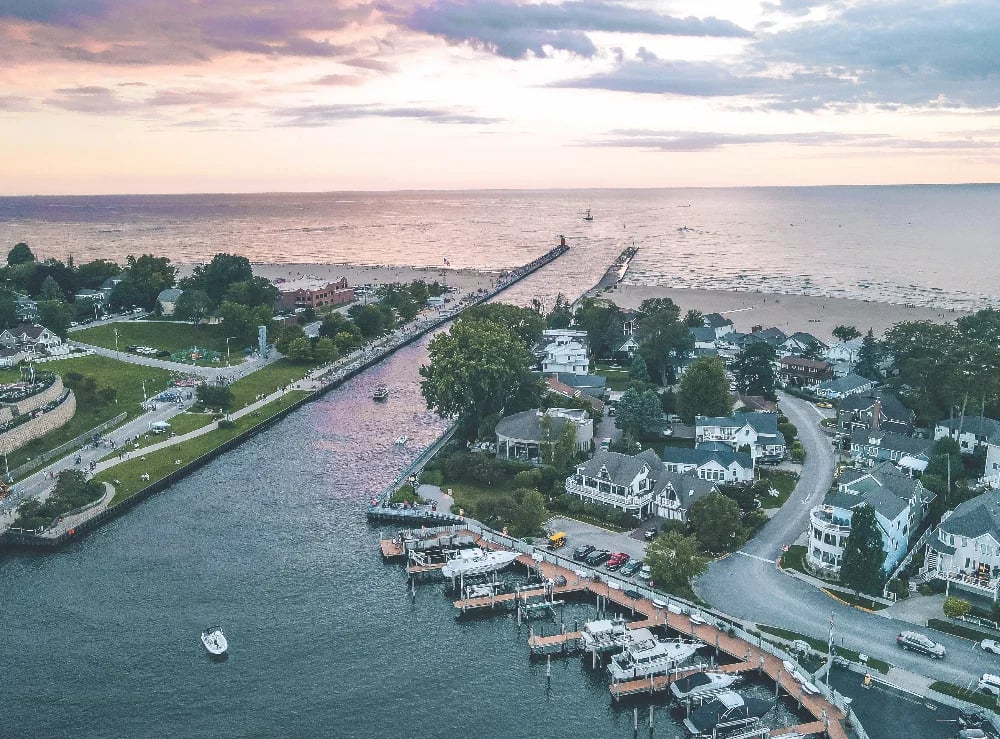
The third layer is whichever local government actually holds your parcel, and that is where things get specific to South Haven. The City of South Haven and South Haven Township are two different governments with two different permit desks. The township's own forms list includes a Shoreline Protection application under Section 14B, a document the city's building services page does not carry in the same form. Before anyone assumes their renovation is a routine building-permit conversation, it matters which side of that line the property sits on.
Here is how those layers tend to show up in practice:
| Renovation move | Which authority | What actually happens |
|---|---|---|
| Beach stairway, 5 ft wide or less, no roof or walls, built without heavy equipment | Exempt from EGLE's Part 353 permit | The one common shoreline project the state lets you skip |
| Deck up to 225 sq ft, retaining wall up to 100 linear ft, or removing three to nine trees | EGLE, lower end of the fee schedule | Still a MiEnviro application, 30-day completeness check, 60-day review, just at the lower end of the $150 to $6,000 fee range |
| New single-family home, driveway expansion, demolition or relocation of a building, or removing 10 or more trees | EGLE, higher end of the fee schedule | Same review timeline, more detailed site plan, higher fee within that same range |
| Any of the above within 500 ft of the lake or covering an acre or more | Van Buren County Drain Commissioner | A separate SESC permit, roughly 10 business days once the application is complete, on top of the state review |
| Project on a slope steeper than a 1-foot rise per 3 feet | EGLE special exception | An additional $2,000 fee stacked on top of the base permit |
The fee range runs from $150 to $6,000 depending on which tier a project lands in, and every application, large or small, starts at the same MiEnviro portal with the same 30-day completeness check.
The Line Nobody Draws From the Beach
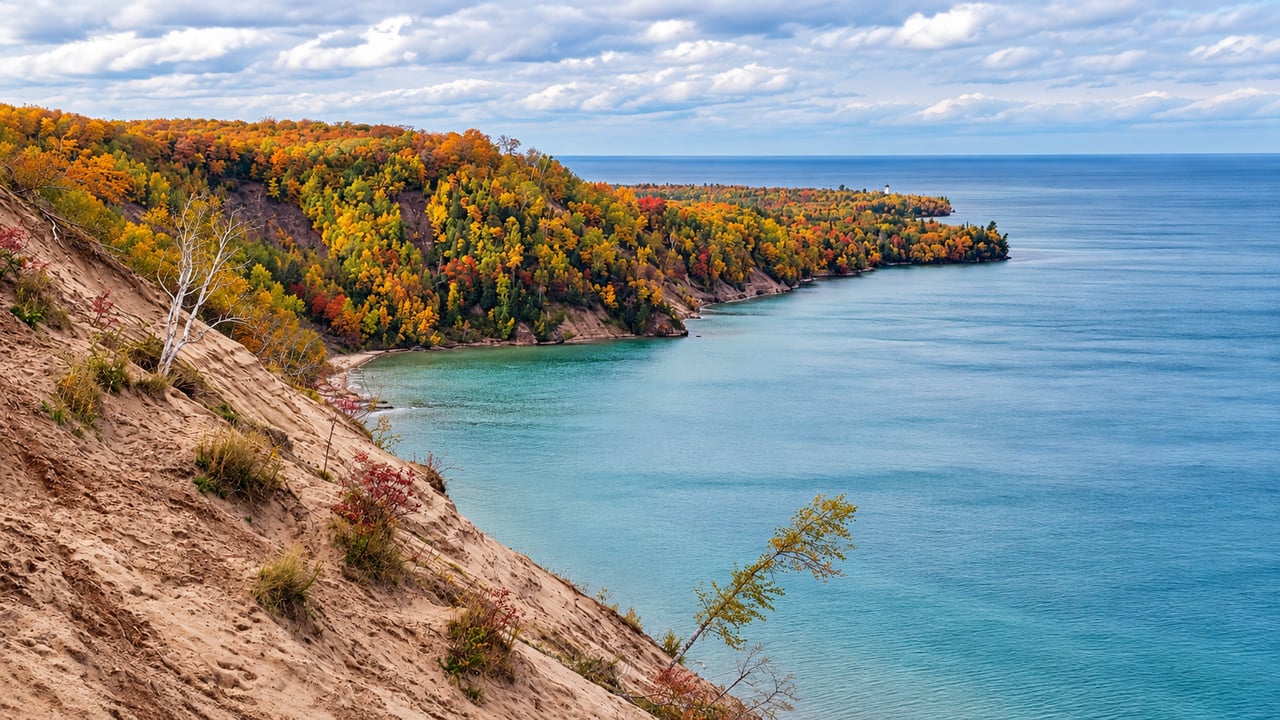
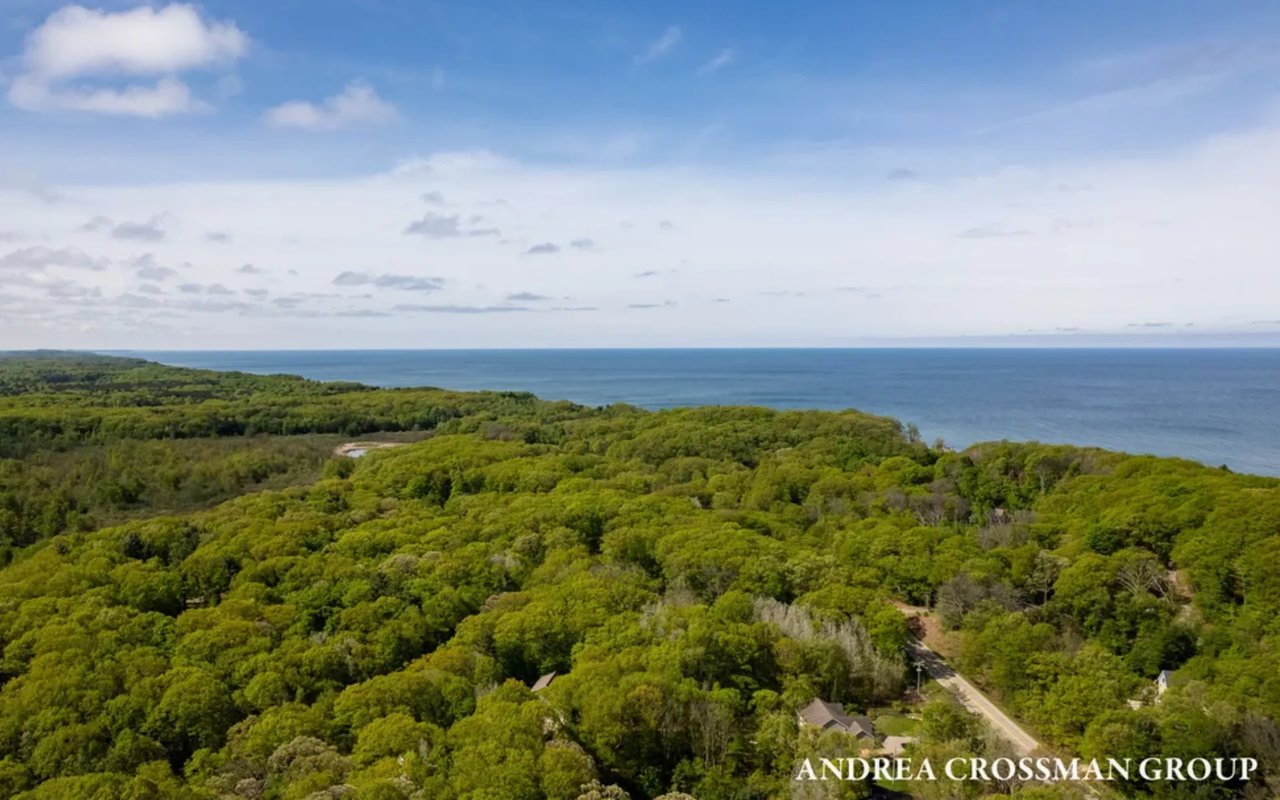
The most common assumption buyers make is that dune regulation only applies to the house sitting directly on the water. It does not work that way. A critical dune area is mapped as a dune complex, not as a strip measured from the shoreline, so a lot two streets back from the beach can sit inside the boundary while a lot with a water view sits just outside it. The only way to know is to check EGLE's own mapping tool against the parcel, not against the listing photos.
That boundary is also not fixed for good. The Michigan Legislature required EGLE to conduct a fresh delineation of the state's sand dunes, a project spanning 2024 through 2026, and the resulting report and maps are the ones property owners and buyers should be checking now rather than relying on older references. A lot that was outside the mapped area a decade ago is not guaranteed to still be outside it.
The 1989 Cutoff
Inside a critical dune area, the state's general rule is that new construction has to sit behind the crest of the first dune ridge back from the lake, not on the lakeward-facing slope itself. There is one meaningful exception. A lot of record that was recorded before July 5, 1989, and that does not have enough buildable land behind the crest to fit the proposed structure, can be permitted to build partly on the lakeward slope, with the construction pushed as far landward as the lot allows.
That date matters because it splits South Haven's older cottage stock from anything platted or subdivided more recently. A 1950s or 1960s cottage on a small, narrow lot may have more flexibility for rebuilding in roughly its existing footprint than a newer lot would have for a first-time build in the same spot. It is worth asking a title company or the county register of deeds when a specific lot was recorded, because that single date can decide what a rebuild is allowed to look like.
There is a second, separate exception worth knowing before you ever need it. A structure inside a critical dune area that is destroyed by fire, or by an act of nature other than erosion, is exempt from having to go through the dune permitting process again to rebuild, as long as the original structure was legal when it was built. Erosion losses do not get this exemption. Fire and most other acts of nature do.
When the City and the Township Aren't the Same Office
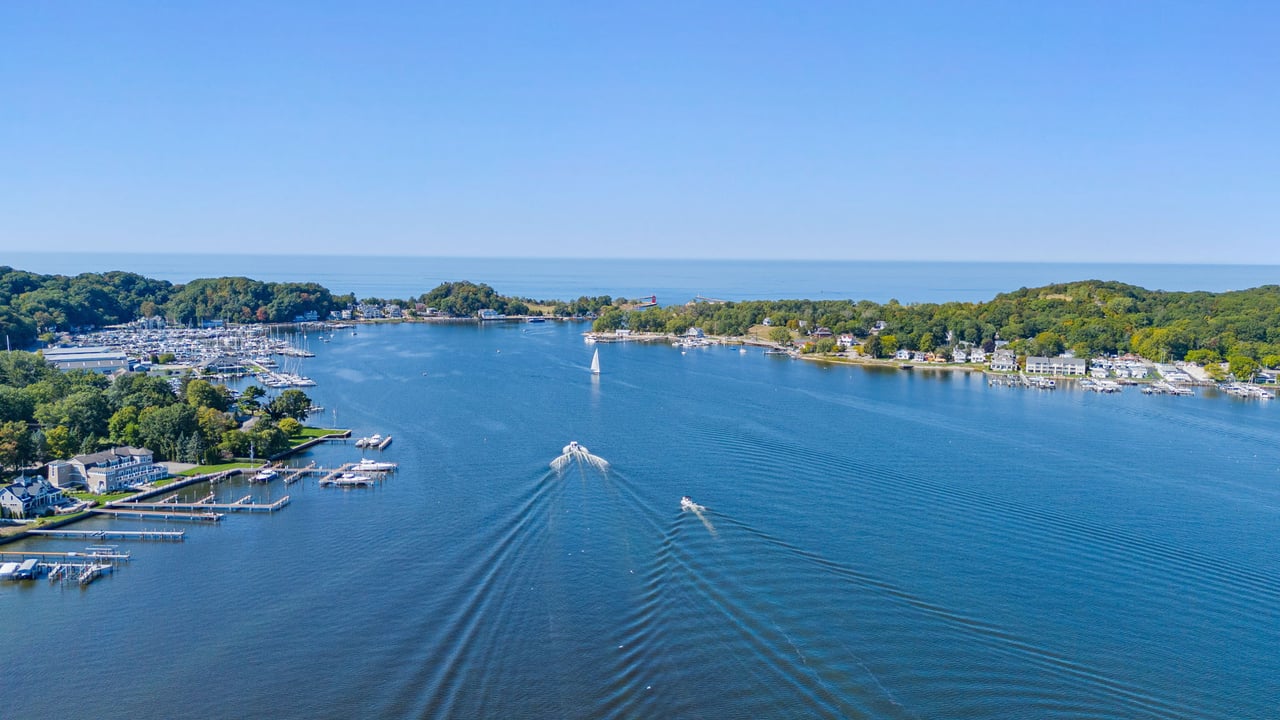
South Haven's shoreline runs through both the city and the surrounding township, and Covert Township picks up more of it further south. The Van Buren Conservation District has done outreach work specifically in South Haven and Covert on coastal issues, including a display on the area's coastal character at the Van Buren District Library's Covert branch, and the district maintains a presence at the Liberty Hyde Bailey Museum location in South Haven itself. That district, along with the county Drain Commissioner's office in Paw Paw, is where most of the practical, walk-in guidance on shoreline projects actually happens, more so than a general call to city hall.
For a buyer, the useful move is simple: before writing a contingency around a future deck, garage, or rebuild, call the Van Buren Conservation District and the county Drain Commissioner's office and ask directly whether the specific parcel sits inside a mapped critical dune area and what that would mean for the project in mind. A five-minute phone call before closing is a lot cheaper than discovering the answer after signing a contractor.
What This Means If You're Selling
If you own an older South Haven cottage and you are getting ready to list it, the honest move is to know your own permit history before a buyer's inspector or lender finds a gap in it. If additions were made over the years without permits on file, that is worth disclosing plainly rather than letting a buyer discover it during their own due diligence. If the home was rebuilt after a fire using the act-of-nature exemption, that is a piece of history a buyer will want documented, not guessed at.
None of this is a reason to avoid South Haven's shoreline. It is a reason to treat the permitting layer as part of the property's actual story, the same way you would treat a well, a septic field, or a seawall.
Frequently Asked Questions
Does my lot need a critical dune permit if I'm not directly on the water? Possibly. The boundary follows the mapped dune complex rather than a fixed distance from the shoreline, so lots set back from the beach can still fall inside the regulated area. Check the parcel against EGLE's current maps rather than assuming distance settles the question.
My cottage was built decades ago. Does that grandfather it in? Only partly. The main exception applies to lots of record dated before July 5, 1989, and it affects where on the lot you're allowed to build, not whether you need a permit at all.
If my house is damaged by a storm, do I have to go through the whole dune permitting process again to rebuild? If the damage came from fire or another act of nature other than erosion, and the original structure was legal when built, the rebuild is exempt from the dune permitting process. Erosion-related loss does not carry the same exemption.
Who should I actually call first? For questions about whether a parcel sits inside a critical dune area, start with EGLE's mapping tool. For a specific renovation project, the Van Buren Conservation District and the county Drain Commissioner's office in Paw Paw are the two local offices that handle these questions most often, alongside whichever building department, city or township, holds jurisdiction over the parcel.
Buying or selling a piece of South Haven's shoreline is still one of the better long-term decisions in West Michigan real estate. It just rewards the buyer and seller who ask the specific questions instead of the general ones. If you're weighing a purchase, a rebuild, or a sale along this stretch of coast, Andrea Crossman Group can walk through the parcel-specific details with you before they become a surprise.