What West Michigan Buyers Should Expect From the Winter Housing Market
Fewer buyers, fewer listings, motivated sellers, and winter-specific inspections can make the next few months look very different from the spring and summer housing market. Here’s what West Michigan buyers should know.
Winter changes more than the weather in West Michigan.
It changes the housing market too.
As temperatures drop and the holidays approach, fewer people typically want to move. Some sellers take their homes off the market. New listings slow. Showings become less convenient, and buyers who remain active tend to be more serious about making a purchase.
That can create opportunities.
West Michigan buyers are already entering this winter with more choices than they had a year ago. In September, active listings across Allegan, Muskegon, and Ottawa counties reached 1,235 — up 16% year over year. At the same time, closed sales declined 18%, and homes averaged 31 days on the market, 15% longer than the previous September.
Nationally, higher mortgage rates have also slowed buyer activity. Pending home sales fell 7.3% from August to September and were down 11.3% from a year earlier.
That sets up an interesting winter market.
Buyers may face less competition and gain negotiating leverage — but they will also have fewer new listings to choose from.
Here is what to expect.
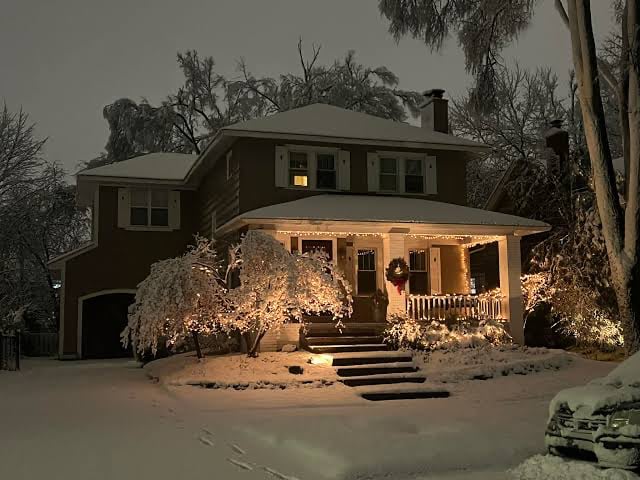
There May Be Fewer Buyers Competing With You
One of the biggest advantages of buying during winter is usually competition.
Many buyers pause their searches during the holidays.
Families may prefer not to move during the school year.
Others simply do not want to deal with showings, inspections, moving trucks, and closing during a Michigan winter.
But the buyers who remain active may benefit from that slowdown.
Nationally, buyers have already been gaining negotiating power as inventory grows and demand softens. Realtor.com recently described the housing market as continuing to move in buyers' favor, although higher mortgage rates are limiting purchasing power.
For a West Michigan buyer, that could mean fewer situations where you walk into a house and immediately hear:
"There are already five offers."
That does not mean multiple offers disappear completely.
A well-priced home in a desirable location can still attract significant attention.
But competition is generally less predictable — and potentially less intense — during the winter.
The Tradeoff: Fewer New Listings
Less competition comes with a catch.
Sellers are seasonal too.
Many homeowners who are considering selling decide to wait until spring because they believe the property will show better when landscaping is green, days are longer, and buyer activity increases.
That means buyers should expect fewer new listings as winter progresses.
National inventory typically declines during the colder months, even when the overall market has more supply than the previous year. NAR notes that housing activity tends to cool as winter approaches and moving becomes more logistically difficult.
That makes winter a different kind of market.
You may have more leverage on a home that is already listed.
But you may have fewer homes entering the market each week.
Sellers Who Stay on the Market May Be More Motivated
Why would someone sell a West Michigan home in December or January instead of waiting until spring?
Sometimes they simply need to move.
Possible reasons include:
- Job relocation
- Purchasing another property
- Estate circumstances
- Divorce
- Financial considerations
- A completed new construction home
- Moving closer to family
- Owning a vacant property
- Carrying two homes
Buyers should never assume a seller is desperate simply because the home is listed in winter.
But a seller who keeps their property available through the holidays may have a stronger reason for wanting to complete a transaction.
That can create opportunities to negotiate.
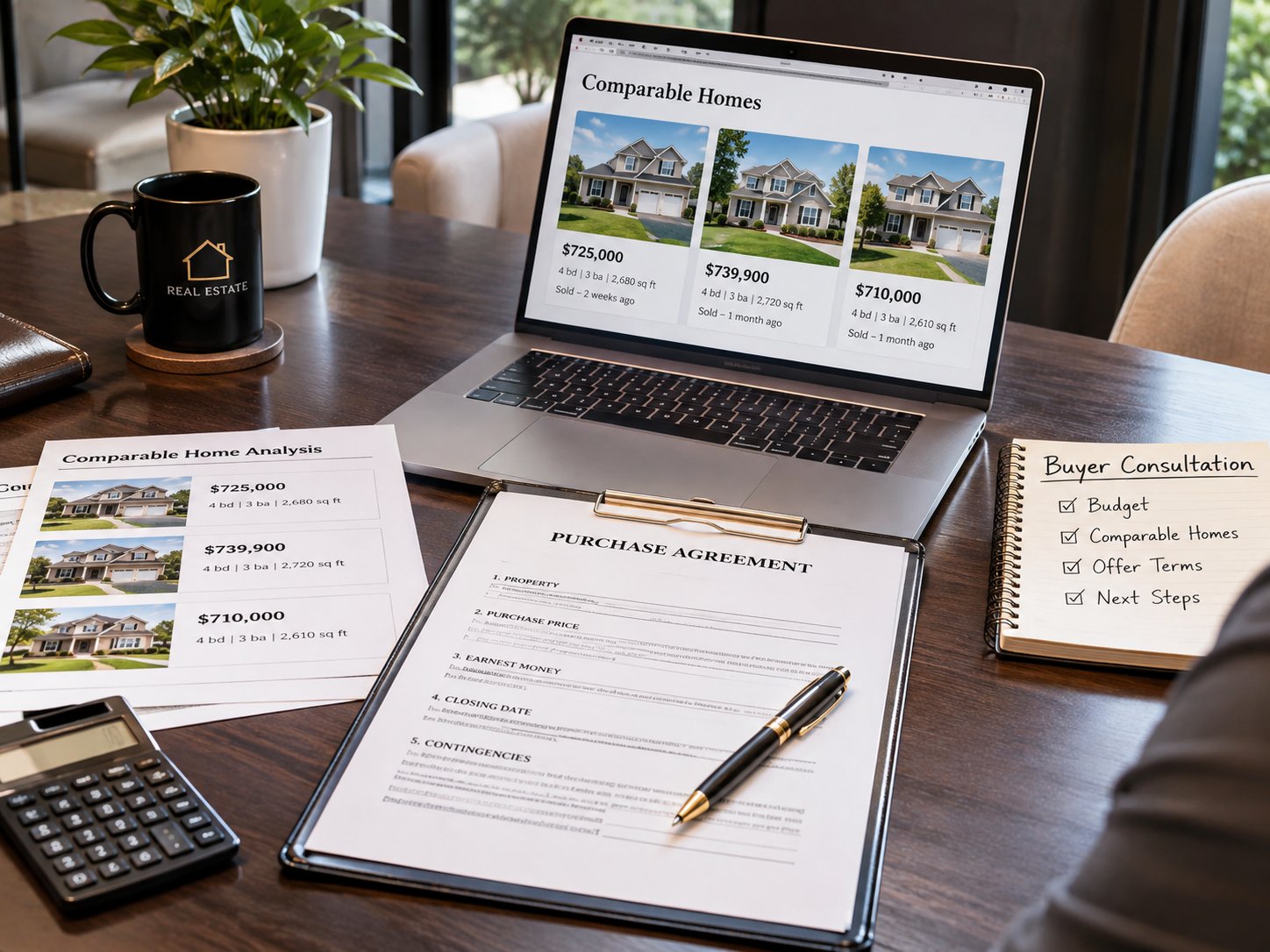
Negotiating Power Could Improve
Higher inventory and slower demand have already given buyers more leverage.
NAR's latest existing-home sales commentary specifically noted that higher inventory and longer days on market are improving buyers' negotiating power, while sellers may need to consider price adjustments or incentives.
Winter can amplify that dynamic.
A property that has been listed since August or September may look very different to a seller by December.
Buyers may have opportunities to negotiate:
- Purchase price
- Closing costs
- Mortgage-rate buydowns
- Inspection repairs
- Repair credits
- Appliances
- Furniture
- Possession
- Closing dates
The strongest strategy is still property-specific.
A home that has been sitting for 90 days with multiple price reductions probably offers more room than a home that came on the market yesterday.
But West Michigan Is Not Automatically a Buyer's Market
This distinction is important.
National headlines can make it sound as though every buyer suddenly has complete control.
That is not the case.
Even Realtor.com's October analysis showed that market conditions vary substantially by metro. Grand Rapids, for example, remained among the metropolitan areas that had consistently maintained seller-leaning conditions in its Market Clock analysis through September.
And within West Michigan, conditions vary even more.
A home in downtown Holland can behave differently from a Lake Macatawa property.
A Lake Michigan home in Saugatuck can behave differently from a suburban home in Muskegon.
A Spring Lake waterfront property can behave differently from a traditional subdivision home.
Winter may give buyers additional leverage, but property quality and scarcity still matter.
Mortgage Rates Remain the Biggest Challenge
The biggest obstacle for winter buyers is not necessarily competition.
It is financing.
Mortgage rates climbed above 7% during the fall. The average 30-year fixed mortgage reached roughly 7.4% in mid-October, compared with 6.27% a year earlier.
Rates eased slightly toward the end of October but remained elevated. Redfin reported a weekly average around 7.32%for the four weeks ending October 25.
That affects buying power.
A buyer may have more negotiating leverage than they did two years ago while simultaneously being able to afford less because financing is more expensive.
That is the strange reality of the current market:
More leverage does not automatically mean better affordability.
Do Not Wait for the "Perfect" Mortgage Rate
Some buyers may decide to wait until rates fall.
That can make sense depending on their finances.
But waiting also introduces uncertainty.
Nobody knows exactly where mortgage rates will be six months from now.
And if rates fall substantially, more buyers may return to the market.
That could increase competition.
A buyer who finds the right home this winter may have an opportunity to negotiate terms today and potentially refinance later if rates eventually improve.
Refinancing is never guaranteed, so buyers should still make sure the current payment works.
The purchase should make financial sense at today's terms, not only under a future rate assumption.
Winter Makes Certain Property Issues Easier to Spot
There is another advantage to touring homes during winter:
West Michigan weather can reveal things.
A beautiful summer showing may hide how a property actually performs when temperatures drop.
Winter buyers may be able to observe:
- Drafty windows
- Cold rooms
- Ice buildup
- Roof problems
- Snow accumulation
- Poor driveway access
- Heating performance
- Moisture issues
- Basement conditions
- Drainage
- Tree and branch concerns
A property that performs well during January tells you something different than a property viewed on a perfect June afternoon.
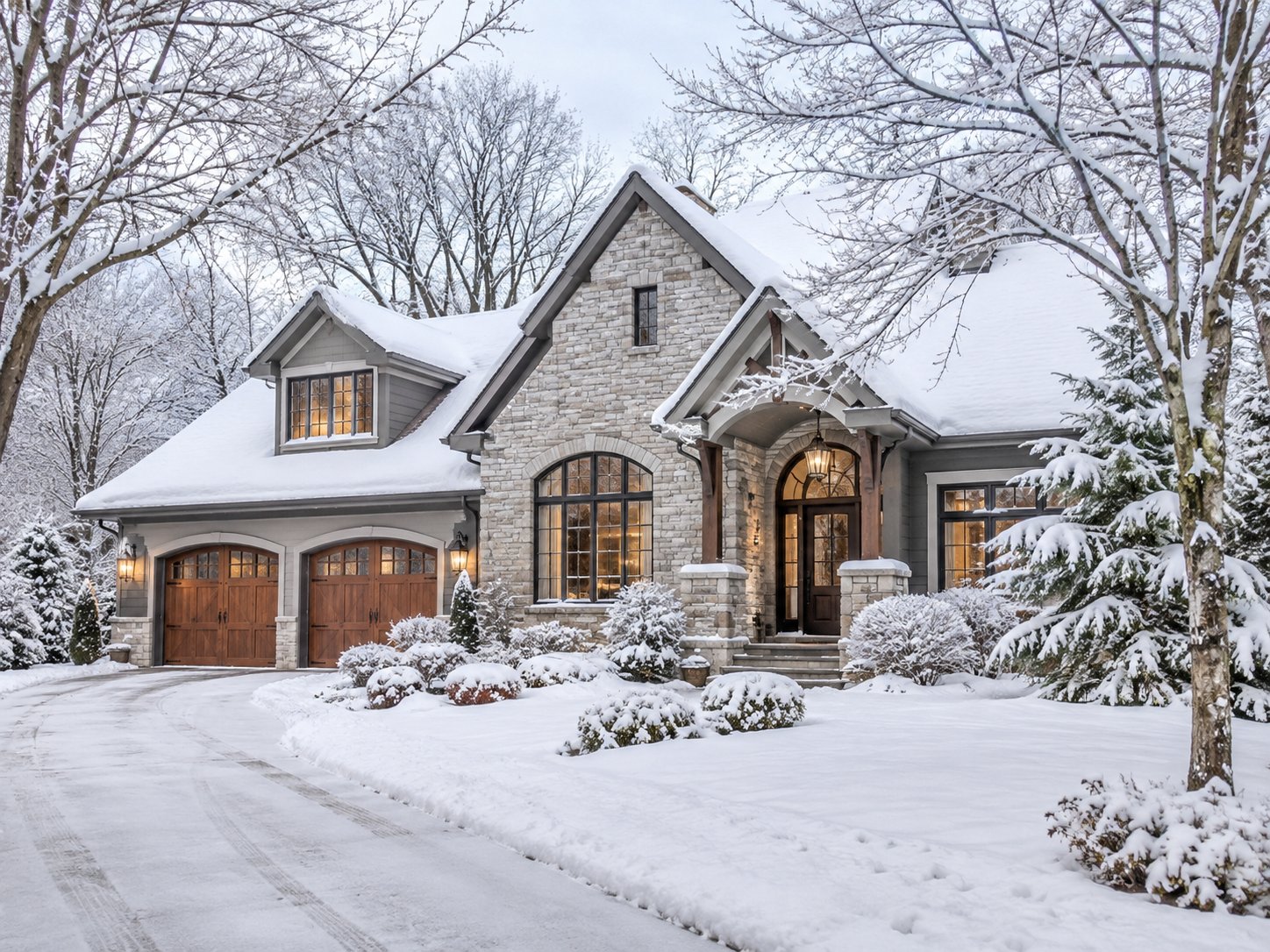
Pay Attention to the Roof
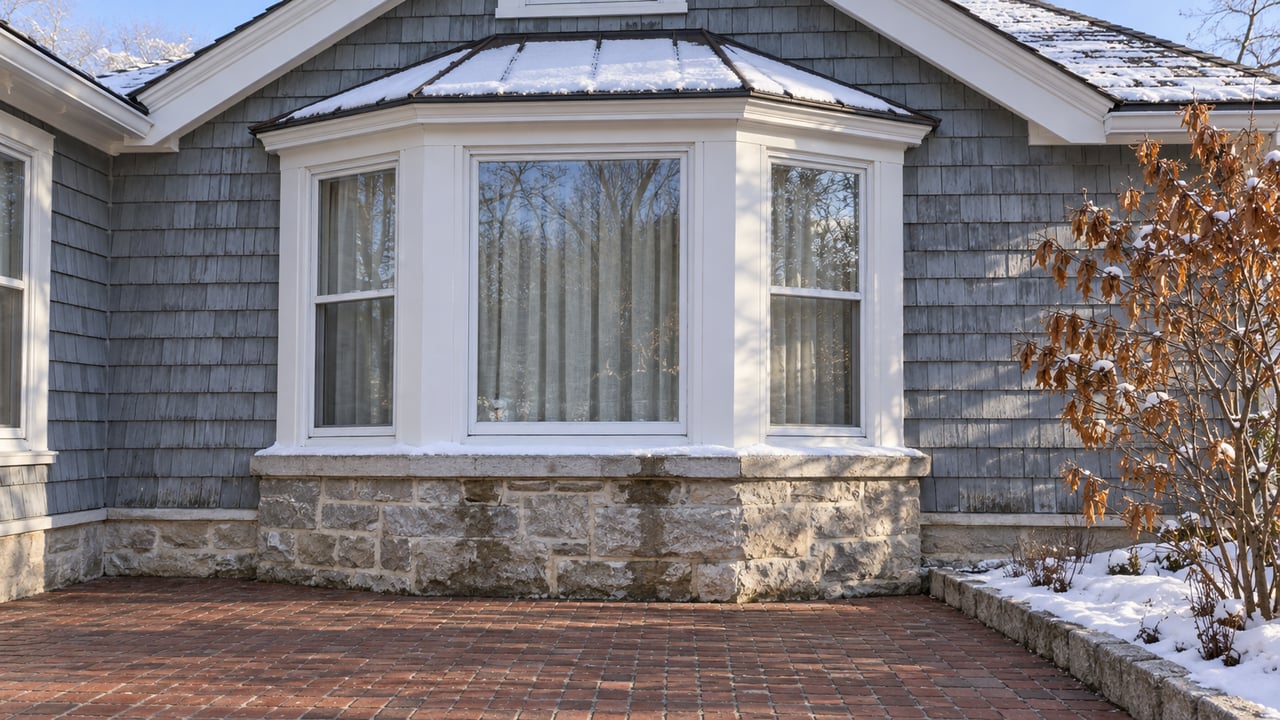
Snow can make roof evaluation more complicated.
An inspector may not be able to see every shingle if the roof is covered.
That makes documentation especially useful.
Ask about:
- Roof age
- Previous repairs
- Leaks
- Ice dams
- Attic ventilation
- Insulation
- Gutters
- Contractor invoices
- Warranty information
If conditions prevent a complete inspection, buyers should discuss available options with their inspector and agent.
Heating Systems Matter More in Winter
Winter is the ideal time to determine whether a heating system is actually doing its job.
Pay attention during showings.
Does the home feel evenly heated?
Are certain rooms noticeably colder?
Does the furnace run constantly?
Is there condensation around windows?
Are there supplemental heaters?
West Michigan buyers should also understand what type of heating system the home uses.
A large older home may have very different winter operating costs from a newer energy-efficient property.
Private Roads and Driveways Deserve Extra Attention
A wooded driveway can look appealing in August.
Winter gives buyers a better sense of what ownership actually requires.
Ask:
- Who plows the driveway?
- Is there a private road agreement?
- Who maintains the road?
- Is the driveway steep?
- Can delivery and emergency vehicles access it?
- Where does snow get piled?
- Is the driveway paved or gravel?
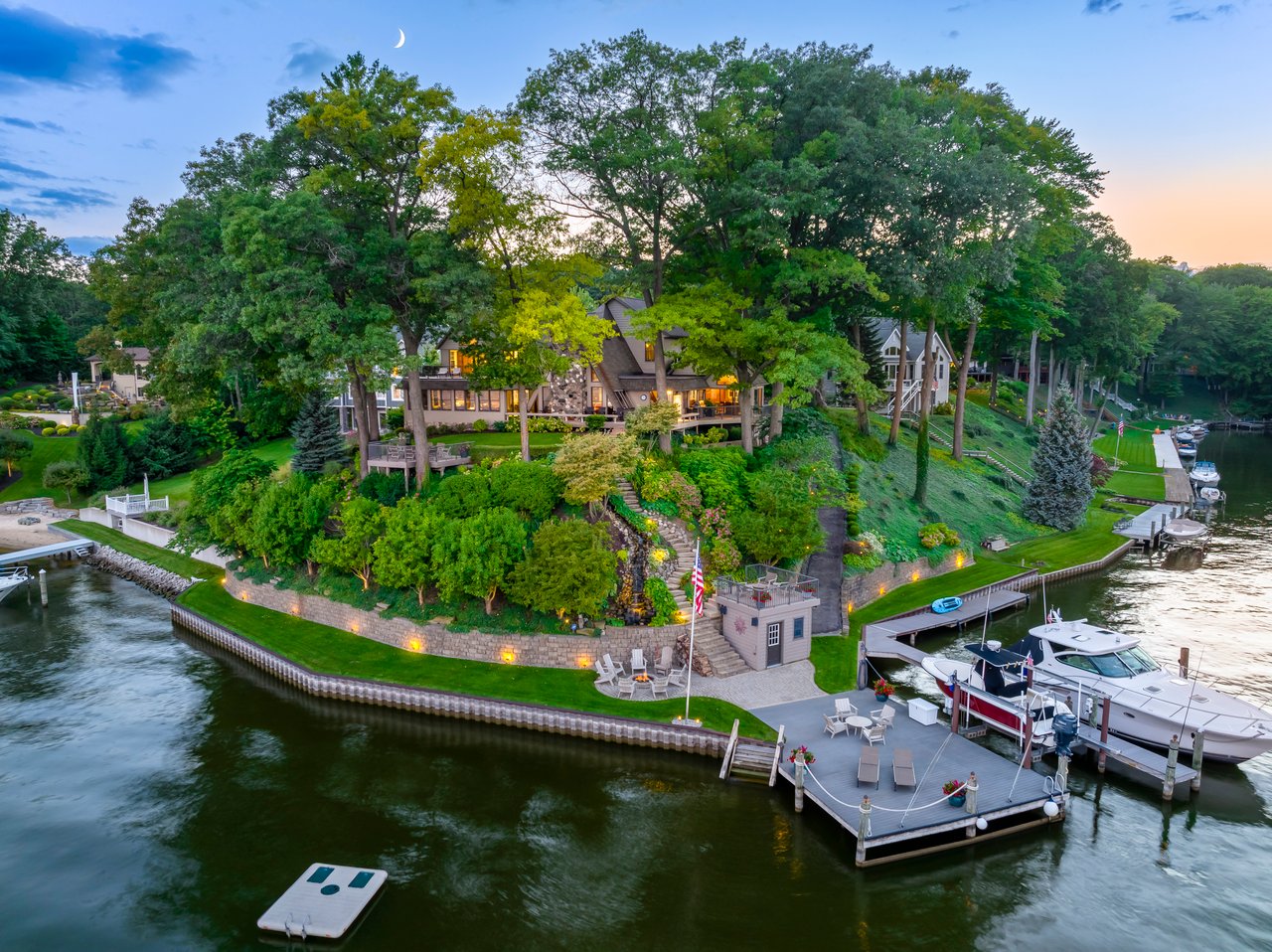
These questions become especially important for acreage, waterfront, and more remote lakeshore properties.
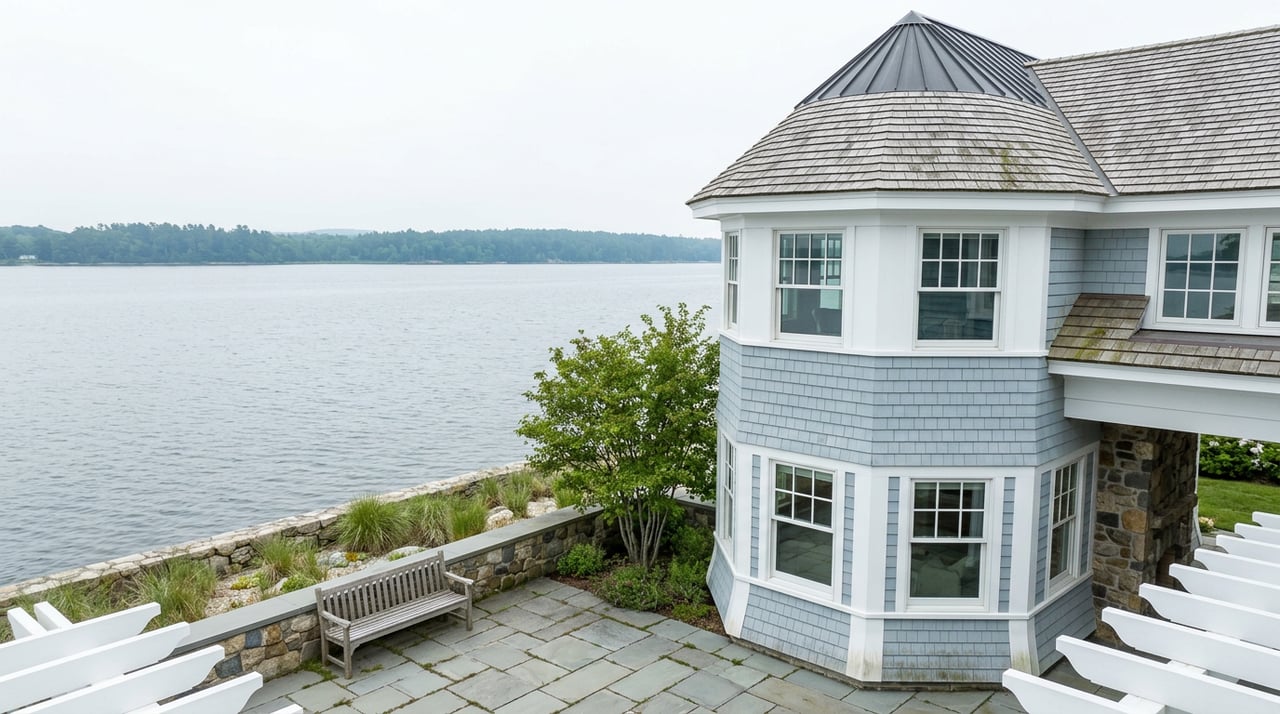
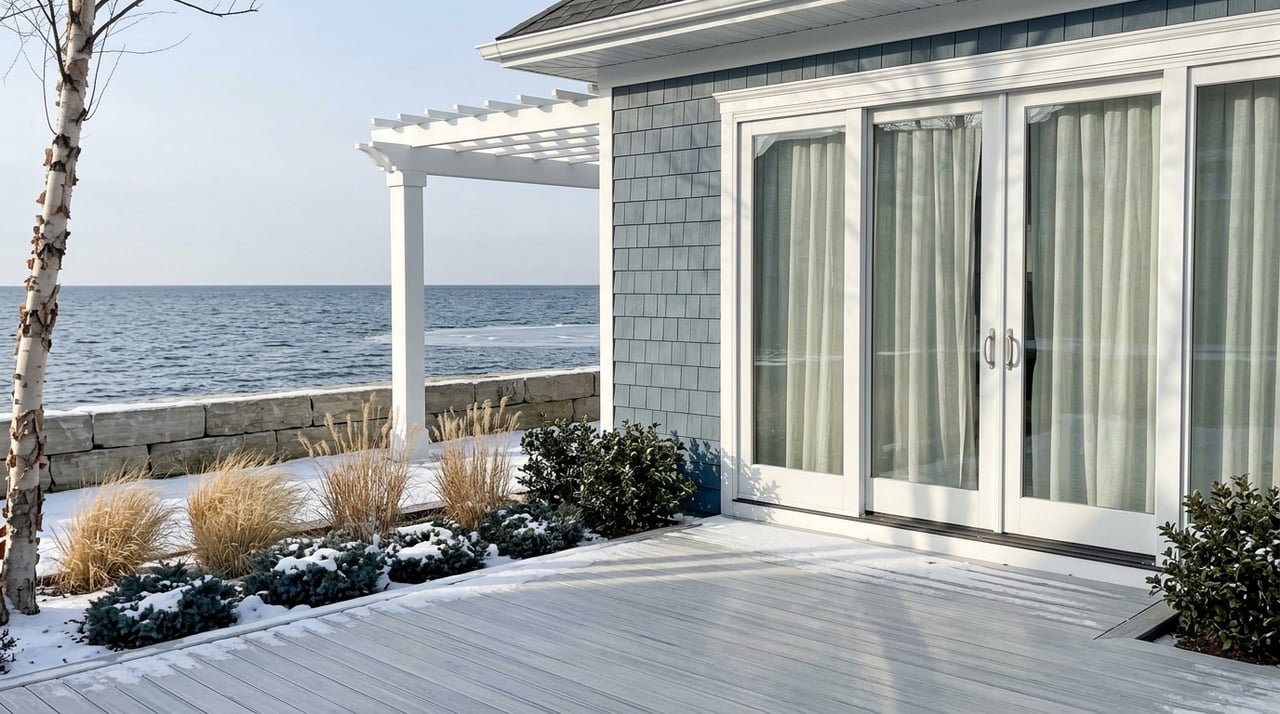
Waterfront Properties Look Very Different in Winter
Winter can be particularly useful for buyers considering waterfront real estate.
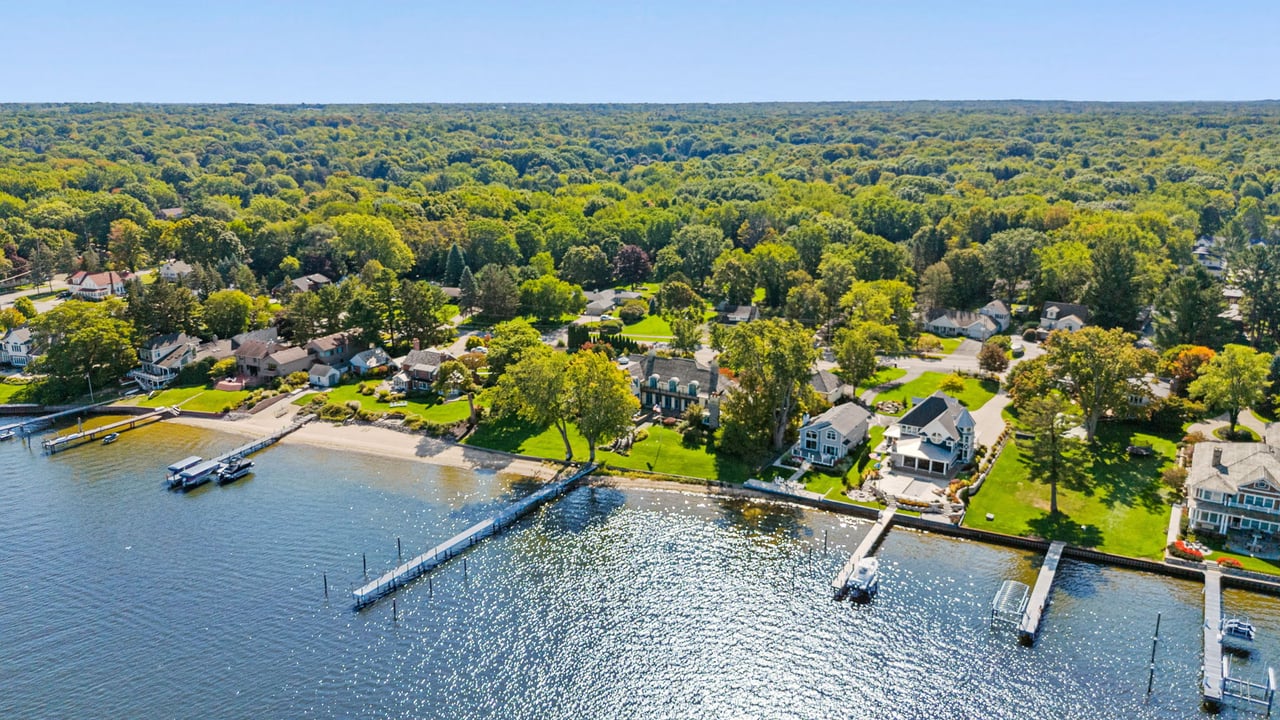
Lake Michigan, Lake Macatawa, Spring Lake, the Kalamazoo River, and West Michigan's inland lakes all change significantly outside summer.
Things buyers may notice more easily include:
- Wind exposure
- Bluff conditions
- Shoreline erosion
- Ice
- Beach accessibility
- Tree coverage
- Drainage
- Winter road access
- Privacy after leaves fall
- Dock infrastructure
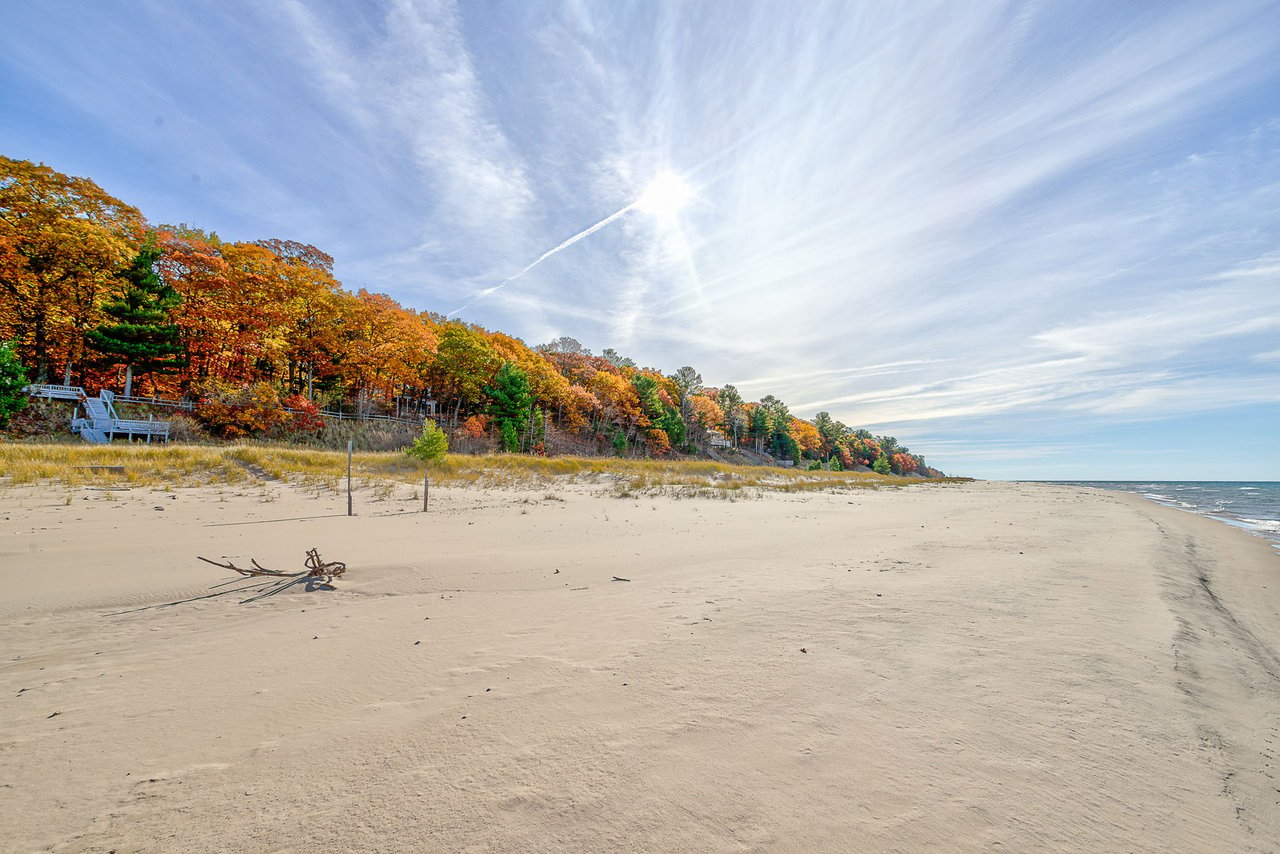
A waterfront property that feels completely private in July may look very different once the leaves are gone.
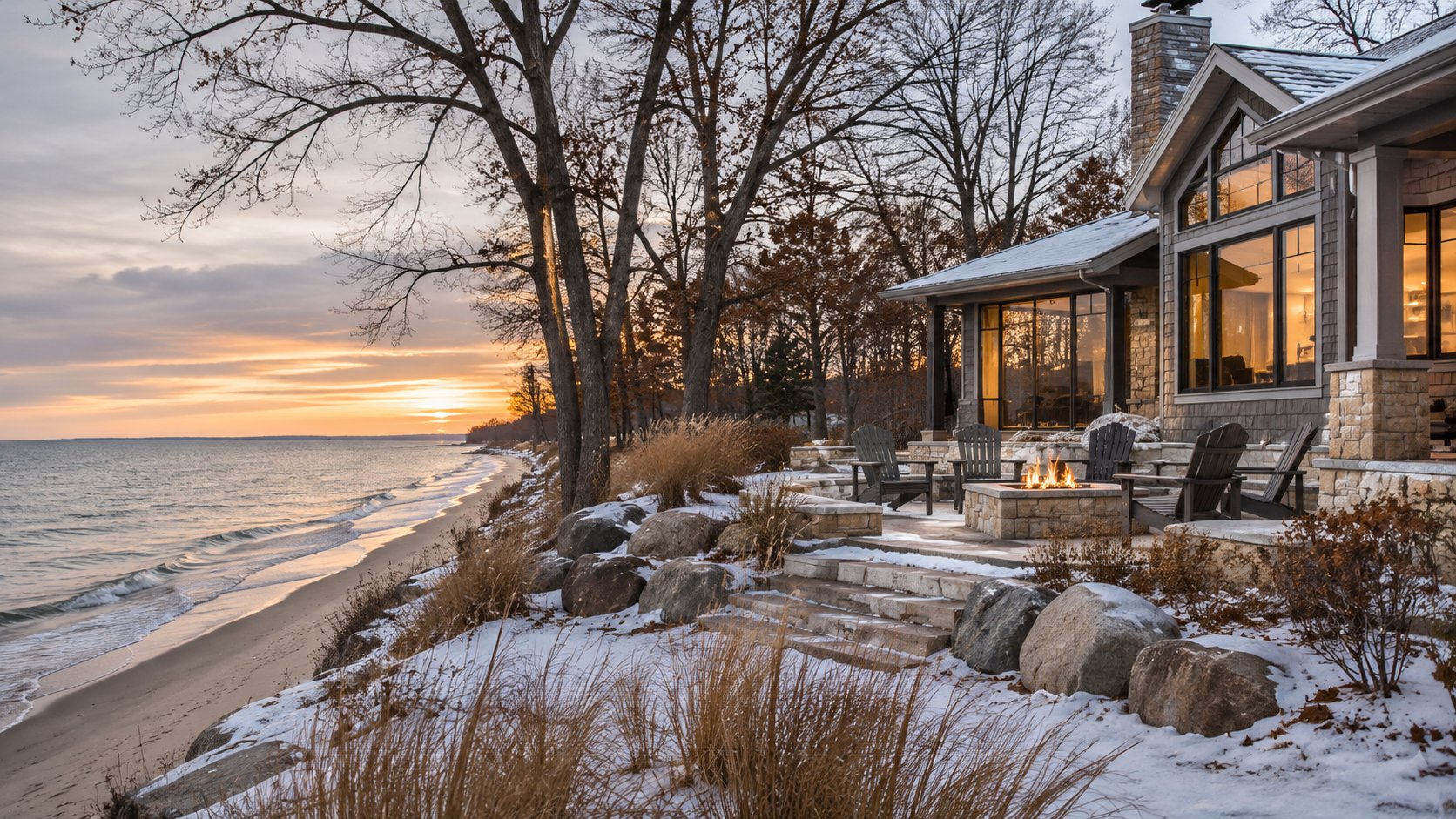
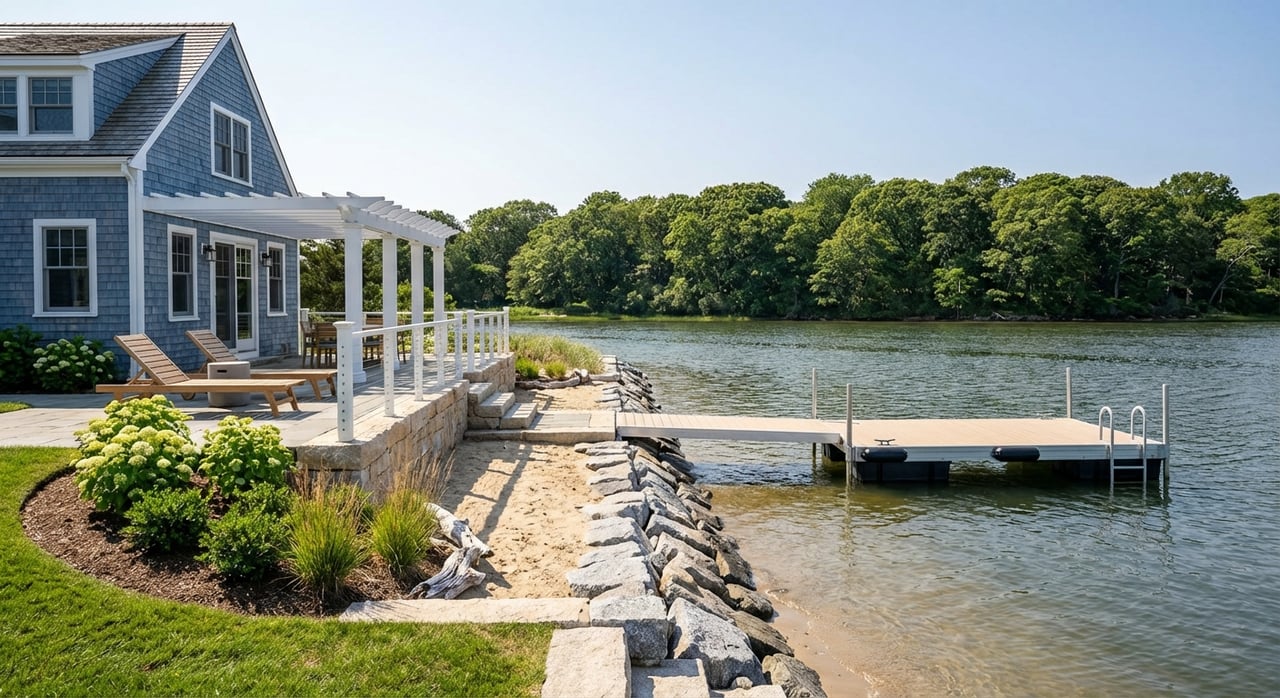
The Dock May Be Gone
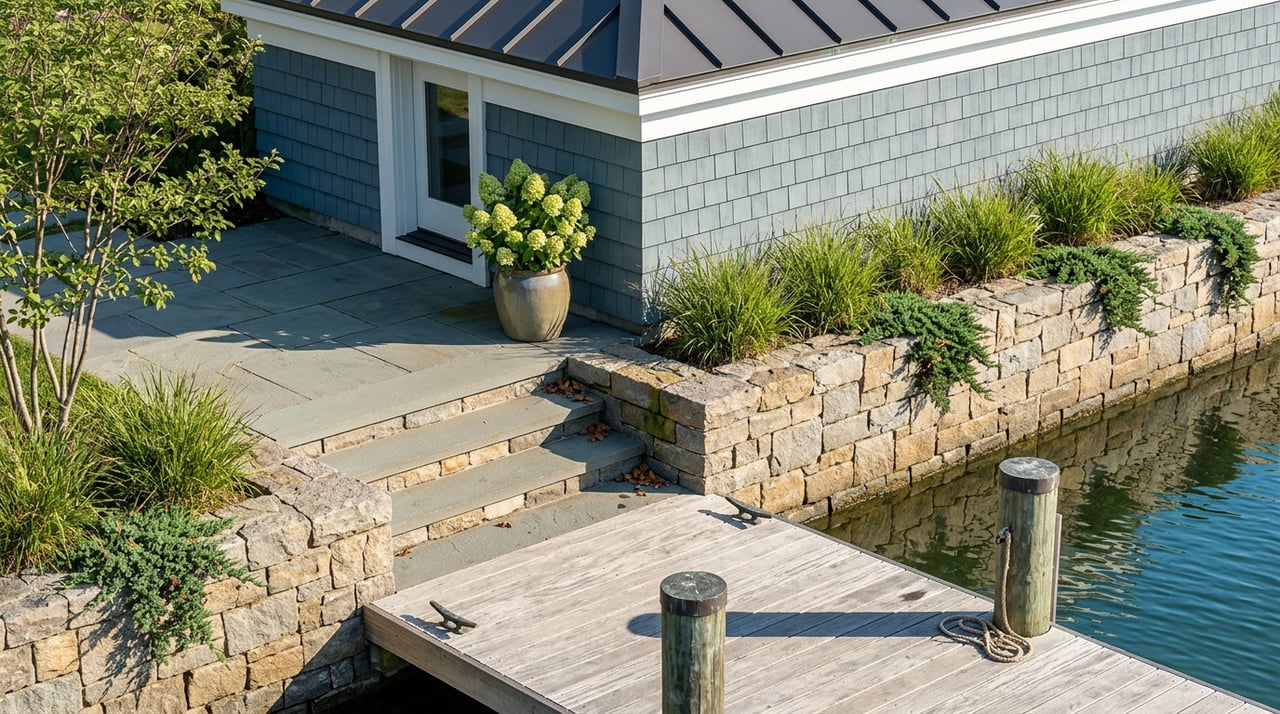
Seasonal docks and boat lifts are often removed before winter.
That means buyers may need to rely on photographs, surveys, permits, seller documentation, or previous-season images to understand how the waterfront functions during summer.
Ask:
- Where is the dock located?
- How long is it?
- Who installs it?
- What does installation cost?
- Where is it stored?
- Is it permitted?
- What is the water depth?
- What size boat can reasonably use it?
Waterfront due diligence should not stop simply because the dock is sitting in storage.
Snow Can Hide Important Exterior Features
Winter inspections have advantages, but they also have limitations.
Snow may cover:
- Landscaping
- Patios
- Drainage
- Septic components
- Foundation areas
- Driveway condition
- Roof materials
- Shoreline features
If you are seriously considering a property, ask for photographs from other seasons.
Historical listing photos can also provide useful context.
For waterfront properties especially, summer photographs can help buyers understand beach width, vegetation, docks, and shoreline conditions.
Location Becomes More Important in Winter
Winter is also a good time to evaluate the surrounding area.
How quickly are roads plowed?
Is the neighborhood active year-round?
Are nearby restaurants and businesses open?
How far is the nearest grocery store?
Does the area feel isolated?
This is particularly relevant in communities that experience substantial seasonal tourism.
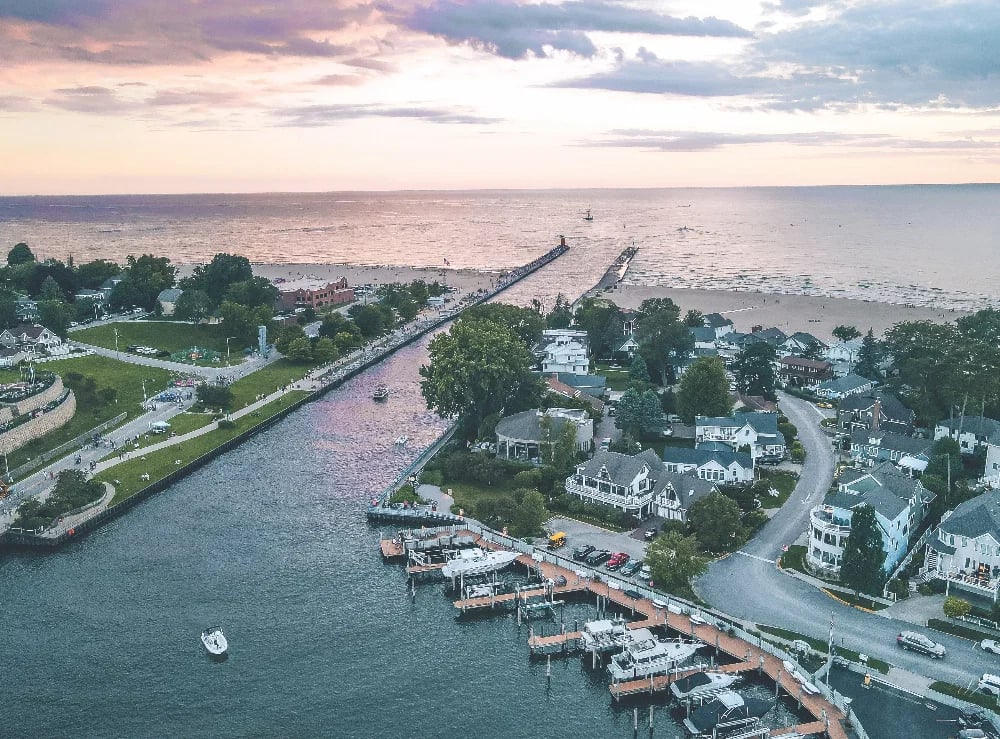
Saugatuck, South Haven, Grand Haven, and other lakeshore communities can feel very different in January than they do in July.
For someone buying a year-round home, that difference matters.
Winter Can Be Useful for Second-Home Buyers
Second-home buyers often experience West Michigan primarily during summer.
That can create an incomplete picture.
Touring during winter allows buyers to see the property during the opposite season.
That can help answer questions like:
Would I actually use this property year-round?
How difficult is winter access?
What maintenance is required?
How much privacy exists without foliage?
What businesses remain open?
Would I enjoy being here when it is 25 degrees instead of 75?
A second home should ideally work for the way you intend to use it beyond one perfect summer weekend.
Moving During Winter Requires More Planning
Buying the home is only part of the process.
You still have to move.
West Michigan weather can make moving-day logistics less predictable.
Snowstorms, icy driveways, freezing temperatures, and shorter daylight hours can all affect moving.
Buyers should have some flexibility around:
- Movers
- Utility transfers
- Snow removal
- Driveway access
- Closing dates
- Possession
That does not make winter moving impossible.
It simply rewards preparation.
Sellers May Be More Flexible on Timing
Another negotiation opportunity involves the closing date.
Some sellers may want to close before the end of the year.
Others may need additional possession while their next home is completed.
A buyer who can offer flexibility may strengthen an offer without necessarily offering more money.
Terms matter.
Sometimes the strongest offer is not the one with the highest price.
Do Not Ignore New Construction
Winter buyers should also consider completed new-construction inventory.
Builders carrying finished homes through winter may sometimes offer incentives designed to move inventory.
Those incentives could include:
- Closing-cost assistance
- Rate buydowns
- Upgrades
- Appliance packages
- Price adjustments
Not every builder negotiates, and incentives vary substantially.
But buyers comparing resale homes should at least understand what nearby builders are offering.
What Should Buyers Do Before Starting a Winter Search?
A strong winter strategy begins with preparation.
Know your monthly payment.
Do not shop based only on purchase price.
Get financing lined up.
Rates can move quickly.
Watch days on market.
Older listings may deserve a closer look.
Track price reductions.
They can reveal how seller expectations are changing.
Review comparable sales.
Do not assume every listing is overpriced.
Ask for seasonal photos.
Especially for waterfront, acreage, and heavily landscaped properties.
Understand maintenance.
Snow, private roads, docks, wells, septic systems, and large lots can change ownership costs.
Stay flexible.
The best winter opportunities may not arrive on a predictable schedule.
Should You Buy This Winter or Wait Until Spring?
There is no universal answer.
Winter may be attractive if:
- You are financially ready.
- You find a home that fits your needs.
- You prefer less competition.
- You want more negotiating leverage.
- You are comfortable with the available inventory.
- Your timeline requires a move.
Waiting until spring may make sense if:
- You are still building savings.
- Your finances need improvement.
- You have not found the right property.
- You need more inventory to choose from.
- Moving during winter would create significant complications.
The calendar alone should not determine when you buy.
Your finances, lifestyle, and the individual property matter much more.
The Bottom Line
The West Michigan winter housing market can create an unusual combination for buyers:
Fewer listings — but potentially fewer competitors.
Inventory entered the season higher than a year ago, homes have been taking longer to sell, and buyer activity has slowed as mortgage rates remain elevated.
That can create opportunities to negotiate price, closing costs, repairs, or other terms.
But winter buyers should also expect fewer new listings, challenging financing costs, and additional due diligence around weather, heating, snow access, and waterfront conditions.
Winter is not automatically the "best" time to buy.
But for a prepared buyer who finds the right property, it can be a very interesting time to make a move in West Michigan.